

 English
 русский
 Español
 Deutsch
 عربى
 Français
 Português
Don't hesitate to send a message

Single jacket, EPDM rubber liner Features • 100% high tenacity polyester jacket, high-grade EPDM rub...
Content
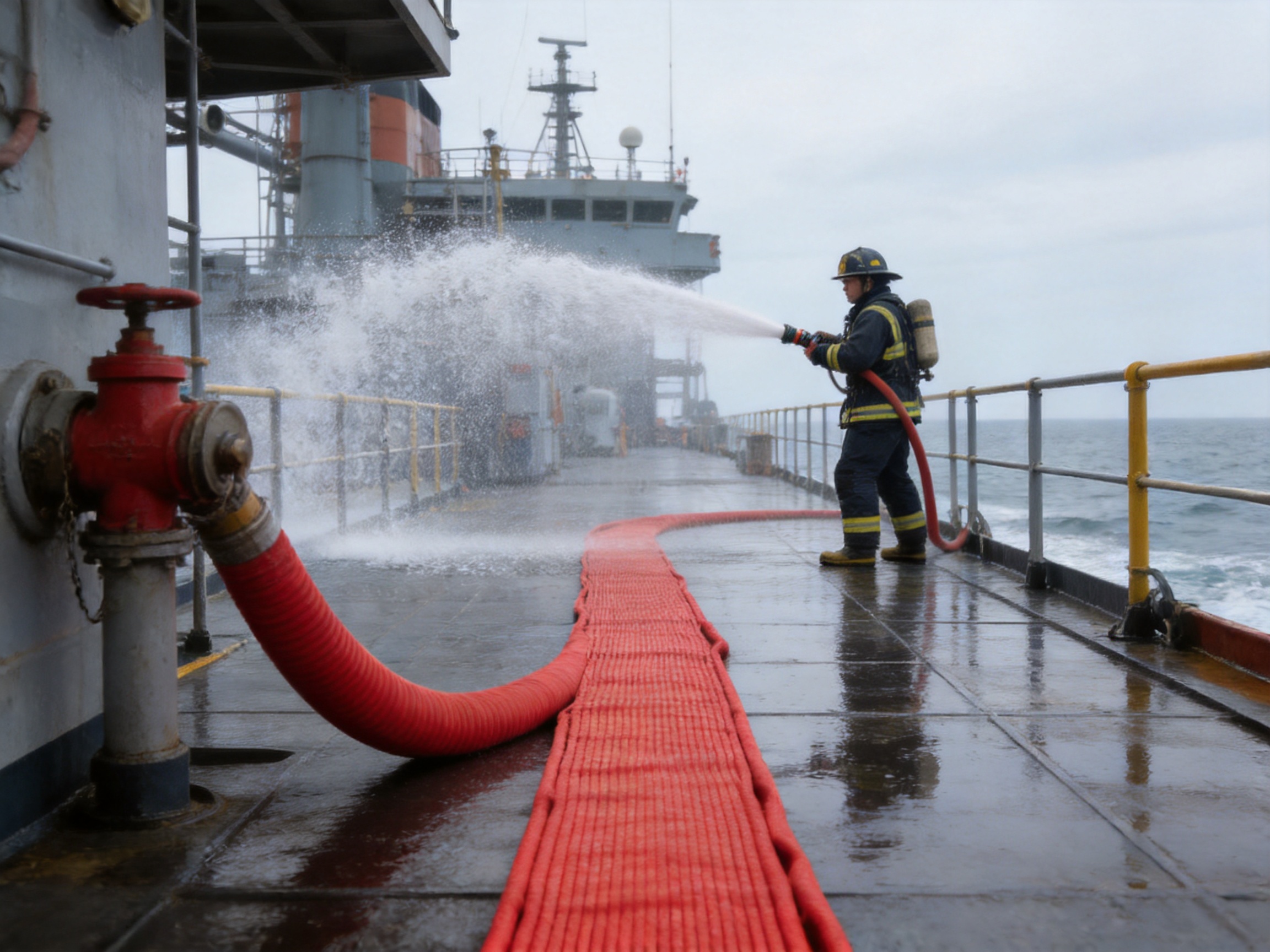
Marine operations require hose products that can deliver water reliably while resisting the difficult conditions found around ships, ports, offshore facilities, docks, shipyards, and coastal infrastructure. A marine hose may be exposed to salt air, moisture, ultraviolet radiation, ozone, oil, chemical contact, abrasion, repeated bending, low temperatures, and frequent handling. For these applications, a hose must combine flexibility, mechanical strength, dependable lining performance, and practical service life.
The Single Jacket PU-Coated Marine Hose is designed to meet these requirements through a single high-tenacity polyester jacket, an EPDM rubber liner, and a protective polyurethane coating. Its construction creates a balance between low weight and operational durability. Compared with heavier multi-jacket hoses, the single-jacket design is easier to transport, deploy, coil, and store. Compared with basic uncoated textile hoses, the PU-coated outer surface provides an additional barrier against abrasion, moisture, weathering, and general handling damage.
This hose is suitable for marine firefighting, emergency water delivery, shipboard service, dockside operations, industrial washdown, and other applications where a flexible and durable water hose is required. It is available in 50-foot, 75-foot, and 100-foot lengths and is manufactured to meet or exceed EN14540, MED, and CCS requirements. Its stated temperature range is from -40 degrees Celsius to 100 degrees Celsius, enabling use in both cold environments and warm operating conditions when the application is properly evaluated.
The product is manufactured and supplied by Taizhou Shenlong Fire Science and Technology Co., Ltd., an established producer of lined fire hoses and related products. Since its foundation in 1995, the company has combined research and development, production, sales, and service. Its experience in fire hose manufacturing, material selection, production control, and export cooperation supports the development of hose products for fire protection, construction, water conservancy, marine service, and industrial applications.
A marine hose does much more than carry water from one point to another. It must remain functional after repeated coiling, uncoiling, dragging, pressure application, temperature changes, and exposure to an aggressive atmosphere. The construction of the hose determines how it responds to these conditions.
The Single Jacket PU-Coated Marine Hose uses several complementary components. The inner EPDM rubber liner provides the fluid-contact surface. The woven polyester jacket supplies tensile reinforcement and pressure support. The polyurethane coating protects the outside of the textile jacket. Each material has a different role, and the performance of the complete hose depends on how these components work together.
The EPDM liner is selected for its broad environmental resistance. EPDM rubber is commonly valued for its resistance to weathering, ozone, ultraviolet exposure, and temperature variation. These characteristics are important in marine environments, where a hose may remain exposed to sunlight, salt-laden air, rain, and changing temperatures for extended periods.
The high-tenacity polyester jacket is circular woven and may be produced in twill weave or plain weave depending on the required configuration. Circular weaving creates a continuous textile reinforcement around the hose, helping distribute stress around the circumference. High-tenacity polyester offers a useful combination of strength, flexibility, low weight, and resistance to ordinary environmental exposure.
The PU coating forms a protective outer layer around the jacket. Polyurethane is known for its abrasion resistance and flexibility. On a marine hose, this coating can help reduce damage caused by contact with deck surfaces, fittings, edges, storage racks, and other equipment. It also contributes to a smoother outer surface that can be easier to clean and handle.
The single-jacket structure is one of the product’s most important advantages. A single textile jacket reduces material use and overall bulk compared with a double-jacket construction. This results in a hose that is easier for personnel to carry, position, and recover after use.
Reduced weight can be especially valuable on ships, where storage space is limited and emergency equipment may need to be moved quickly. It is also useful in dockside and industrial settings in which operators repeatedly deploy hoses across long distances. A lighter hose can reduce handling fatigue and support faster setup without eliminating the reinforcement needed for reliable water delivery.
The single jacket does not mean that the hose is unreinforced. The circular woven polyester layer is engineered to provide strength around the hose body. When combined with the EPDM liner and PU coating, it offers a practical construction for applications that require a flexible hose with dependable protection.
The EPDM rubber liner provides a smooth and resilient internal passage for water. A suitable liner helps reduce leakage risk and supports consistent flow during service. It also separates the conveyed water from the textile jacket, protecting the reinforcement from direct contact with the fluid.
EPDM is particularly suitable for applications involving outdoor exposure and temperature changes. It is recognized for resistance to ozone, weathering, and ultraviolet radiation. These characteristics help the hose retain useful performance when used in marine areas, outdoor fire protection systems, and other exposed locations.
The liner is also flexible at extremely low temperatures. The product is specified for flexibility down to -40 degrees Celsius and -40 degrees Fahrenheit. This is an important characteristic for vessels and facilities operating in cold climates, winter ports, high-latitude regions, refrigerated environments, and outdoor installations subject to freezing weather.
The polyurethane coating protects the woven jacket from many forms of external wear. Marine hoses are often dragged over decks, concrete, metal surfaces, gangways, and work platforms. Repeated contact with these surfaces can damage uncoated textiles over time. A PU-coated exterior adds a protective layer that helps the hose withstand routine abrasion.
The coating also supports resistance to weathering and moisture. Although no hose should be left exposed unnecessarily, a protective outer layer can help reduce the effects of ordinary outdoor storage and use. It can also make the surface easier to wipe clean after contact with dirt, mud, or residue.
Polyurethane maintains flexibility while offering useful toughness. This balance is important because an overly rigid coating can make a hose difficult to coil, while a weak coating may provide insufficient protection. The product’s PU-coated construction is intended to combine manageable handling with enhanced outer-surface durability.
Cold weather creates several challenges for hose equipment. Some materials become stiff, brittle, or difficult to bend when temperatures fall. A stiff hose takes longer to deploy and may be more difficult to arrange in confined spaces. The EPDM-lined construction of this product is designed to remain flexible at temperatures as low as -40 degrees Celsius.
Low-temperature flexibility is valuable for marine firefighting systems, emergency response equipment, northern ports, offshore locations, and outdoor industrial plants. It also helps reduce the risk of handling damage when a hose must be moved during cold weather operations.
Operators should still follow appropriate cold-weather practices. The hose should be drained when required, protected from unnecessary impact, and stored according to the application’s procedures. Temperature resistance supports performance, but proper maintenance remains essential for every flexible hose system.
The product is designed to resist abrasion, ozone, oil, and chemical exposure. These properties are significant in marine and industrial environments, where hoses may encounter fuel residues, lubricants, cleaning agents, atmospheric ozone, and rough working surfaces.
Abrasion resistance helps protect the outer jacket during dragging and repositioning. Ozone resistance helps reduce surface deterioration caused by atmospheric exposure. Oil and chemical resistance can help preserve the integrity of the hose when incidental contact occurs. The exact suitability of the hose should always be confirmed against the specific chemical, concentration, temperature, exposure time, and operating pressure involved.
These protective characteristics provide an advantage over ordinary fabric hoses designed only for general water service. A hose that can tolerate a broader range of environmental conditions may offer more dependable service across multiple work areas and reduce the need to replace equipment prematurely.
The stated operating temperature range is -40 degrees Celsius to 100 degrees Celsius. This broad range supports use in cold marine climates and warm industrial or emergency conditions. It gives purchasers greater flexibility when selecting hose equipment for facilities with seasonal temperature changes.
Temperature performance depends on the complete operating system. The conveyed medium, pressure, coupling material, storage conditions, exposure duration, and external heat source should all be considered. For hot water, heated surfaces, or special fluids, technical confirmation should be obtained before installation.
Heavy hoses can be difficult to deploy, especially when personnel must work quickly or move equipment over stairs, narrow passageways, ramps, or uneven decks. The single-jacket design reduces bulk and supports easier handling. This can improve efficiency during routine maintenance and emergency response.
The hose is suitable for teams that value a practical balance between reinforcement and portability. It provides a more manageable alternative to heavier constructions when the application does not require the additional mass of multiple jacket layers.
Flexibility is important in marine hose systems because hose routes are rarely perfectly straight. A hose may need to pass around equipment, through limited spaces, or along a curved deck. The EPDM liner, woven polyester reinforcement, and flexible PU coating work together to support bending and coiling.
A flexible hose can also reduce setup time. Operators can position it with fewer sharp bends and less effort, helping maintain a smoother flow path. Proper bending practices should still be followed to prevent kinking or excessive stress near the couplings.
Uncoated textile hoses can be vulnerable to surface wear, especially when dragged repeatedly. The PU coating provides an additional level of protection. This makes the hose a stronger candidate for active marine and industrial environments where handling damage is a realistic concern.
The coating also provides a visual and physical surface that can help users inspect the hose. Cuts, severe abrasions, exposed fibers, deformation, and other damage can be identified during routine checks before the hose is returned to service.
Marine equipment must be selected with environmental exposure in mind. Salt air, sunlight, moisture, wind, and fluctuating temperatures can shorten the life of unsuitable products. The product’s EPDM liner and PU-coated polyester jacket are selected to provide resistance to several of these conditions.
Its compliance with EN14540, MED, and CCS standards further supports its suitability for marine-related use. Standards and approvals should always be interpreted according to the exact product configuration, size, pressure rating, and intended installation. Nevertheless, reference to recognized marine and hose standards gives purchasers a stronger basis for technical evaluation.
The availability of 50-foot, 75-foot, and 100-foot lengths allows users to select a configuration that matches the distance between the water source and the work area. Shorter lengths can be easier to handle and store, while longer lengths can reduce the number of connections required across a larger operating zone.
Choosing the correct length can improve both efficiency and safety. Excess hose can create trip hazards and require additional storage space, while insufficient length may force operators to add connections or position equipment too close to the hazard area. The available length options make it easier to develop a practical hose layout.

Single Jacket PU Coated Marine Hose
A reliable hose is the result of controlled manufacturing rather than the selection of materials alone. The performance of the finished product depends on fabric quality, liner consistency, coating adhesion, dimensional control, curing conditions, assembly accuracy, and inspection procedures.
Taizhou Shenlong Fire Science and Technology Co., Ltd. has operated in the fire hose field since 1995. Its business integrates research and development, production, sales, and service. This integrated structure allows product knowledge gathered from manufacturing, customer requirements, and field applications to inform continued product improvement.
The manufacturing process begins with the selection of materials appropriate for the intended application. High-tenacity polyester yarn is used for the circular woven jacket. The yarn must provide sufficient strength and consistency to support the required textile structure.
EPDM rubber is selected for the liner because of its flexibility and resistance to weathering, ozone, ultraviolet exposure, and temperature variation. Polyurethane is used for the outer coating to provide a combination of abrasion resistance and flexibility.
Material selection is an important competitive advantage because a hose can fail when one component is poorly matched to the application. By combining a marine-suitable elastomer, high-strength textile reinforcement, and a protective coating, the product is designed as a complete system rather than as a basic fabric tube.
The polyester jacket is circular woven in a twill weave or plain weave. Circular weaving forms a continuous tubular reinforcement, avoiding the need for a longitudinal seam in the jacket. This supports uniform coverage around the hose and helps distribute pressure-related forces.
Weave selection influences handling, surface characteristics, flexibility, and mechanical behavior. Plain weave can provide a stable and straightforward textile structure, while twill weave may support a different balance of flexibility and surface movement. The appropriate construction can be selected according to product design requirements and intended use.
Consistent weaving tension is important. Uneven tension can lead to irregular dimensions, localized stress, or an inconsistent outer surface. Controlled textile production helps maintain repeatability from one hose section to another.
The liner must form a continuous internal layer with suitable thickness and elasticity. During production, attention to rubber formulation, extrusion consistency, and bonding with the reinforcement is essential. A uniform liner helps support reliable water containment and reduces the likelihood of weak areas.
The liner should remain flexible while resisting cracking, swelling, or deterioration under the specified service conditions. Its performance is especially important at low temperatures, where unsuitable rubber compounds may harden and become less flexible.
The polyurethane coating is applied to the outside of the woven jacket to create a protective surface. Coating control influences thickness, coverage, adhesion, flexibility, and appearance. A coating that is too thin may provide insufficient protection, while a coating that is too thick may increase weight or reduce flexibility.
Uniform application helps reduce exposed fibers and supports consistent abrasion resistance. The coating must also adhere effectively to the textile substrate so that repeated bending and coiling do not cause premature separation.
Production control may include inspection of the jacket surface before coating, monitoring of coating conditions, and visual review of the finished surface. These steps help identify pinholes, uneven coverage, surface defects, or other issues that could affect service performance.
Marine hoses are commonly used with couplings, adapters, valves, nozzles, and other accessories. The connection area is one of the most important parts of a hose assembly because it transfers pressure and handling forces between the hose and the connected equipment.
Accurate insertion, clamping, binding, or other end-finishing methods are required to create a secure connection. The selected coupling should match the hose diameter, operating pressure, fluid, and equipment interface. A properly assembled hose can reduce leakage risk and improve ease of installation.
Because the company also manufactures various lined fire hoses and related products, it has experience with hose assembly requirements across different materials and applications. This product knowledge supports the development of complete hose solutions rather than isolated hose bodies.
Quality assurance should cover raw materials, semi-finished components, and finished hose assemblies. Typical inspection considerations include internal diameter, wall construction, length, visual appearance, flexibility, coating coverage, liner continuity, and connection security.
Pressure testing is particularly important for water hose products. Testing can help identify leakage, structural weaknesses, or connection problems before shipment. The exact test method and acceptance criteria should correspond to the applicable standard and product specification.
Dimensional control is also important because hose compatibility depends on accurate size. A hose that does not match its coupling, storage rack, nozzle, or connection system can create installation problems even if the materials themselves are sound.
The company’s combination of research and development, production, sales, and service creates a foundation for feedback-based quality improvement. Information from customers and export partners can help identify recurring application requirements and guide future product adjustments.
The company’s products are sold in more than 20 provinces, cities, and autonomous regions and are also exported through cooperation with domestic foreign trade companies. This market experience exposes the manufacturer to different climate conditions, installation practices, industry requirements, and customer expectations.
Such experience is valuable for marine hose production because marine users may require different combinations of length, coupling, color, packaging, pressure performance, and regulatory documentation. A manufacturer accustomed to serving multiple markets is better positioned to coordinate product details and supply requirements.
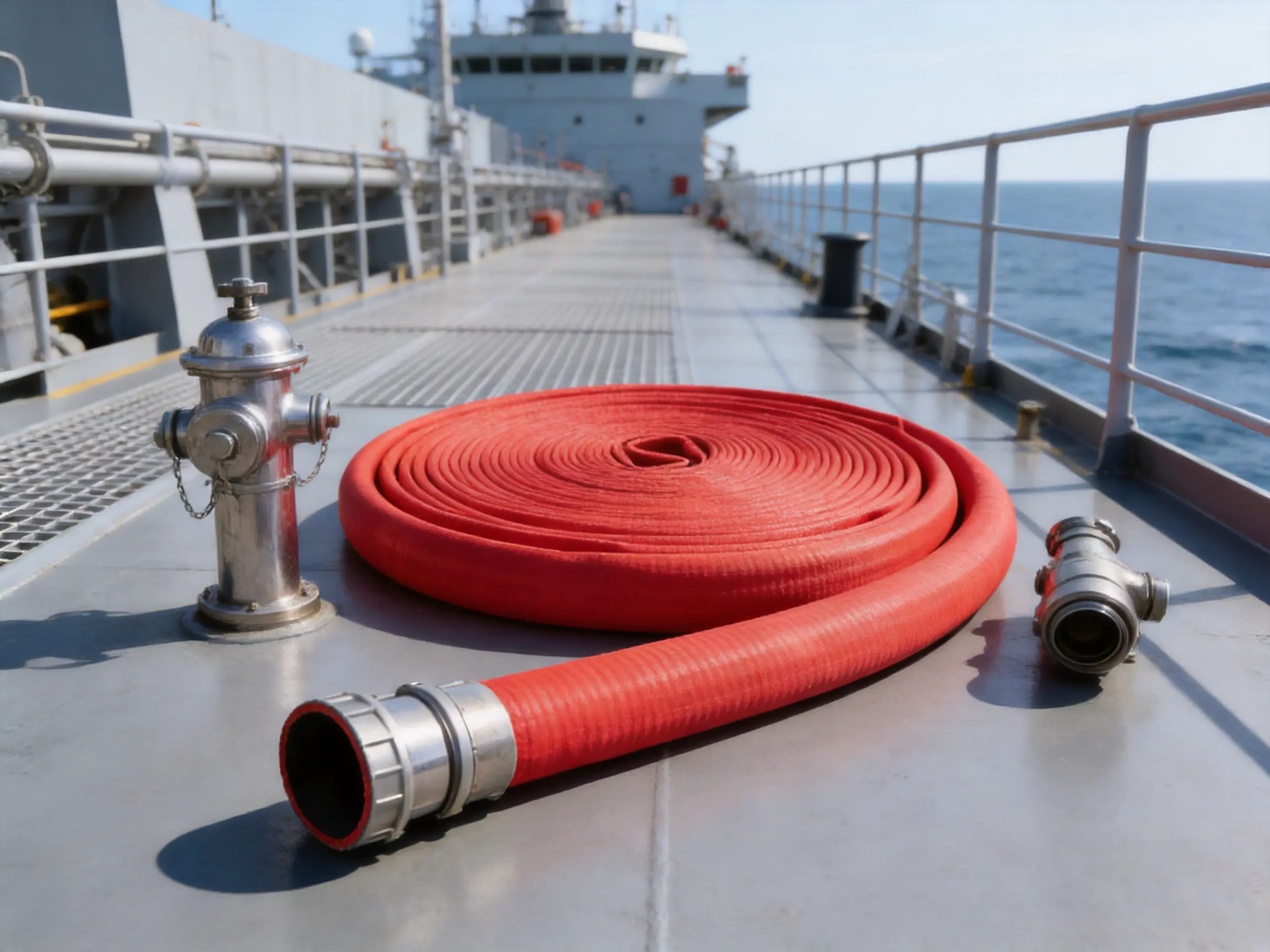
The hose can be used as part of shipboard water delivery and firefighting equipment when the complete assembly is selected and installed according to the vessel’s requirements. Its lightweight construction helps crew members move and deploy it in corridors, decks, machinery areas, and other confined locations.
The hose’s resistance to low temperatures, ozone, weathering, oil, and chemicals is useful in the varied environments found on vessels. A PU-coated surface can also help reduce damage when the hose is handled across deck areas.
Ports and harbor facilities need flexible hose equipment for firefighting, emergency response, washdown, maintenance, and water transfer. Equipment may be stored outdoors or in semi-enclosed areas, making resistance to weathering and ozone important.
The 50-foot, 75-foot, and 100-foot length options can support different berth layouts, storage arrangements, and response distances. The hose can be combined with compatible couplings, valves, nozzles, and hydrant equipment to create an application-specific assembly.
Shipyards expose equipment to metal edges, welding areas, dust, oil, machinery movement, and repeated handling. The PU-coated outer surface is helpful in environments where abrasion is a regular concern.
The hose can support firefighting readiness, equipment cooling, cleaning, and general water delivery. Its flexibility allows workers to route it around temporary structures and work zones, provided the hose is protected from sharp edges, excessive heat, and incompatible chemicals.
Offshore platforms, coastal processing facilities, and marine terminals require equipment that can tolerate moisture, salt air, wind, and outdoor exposure. The EPDM liner and PU coating are designed to provide resistance to several of these environmental factors.
In offshore settings, equipment storage and maintenance planning are especially important. Hoses should be inspected regularly, protected from unnecessary sunlight when stored, kept away from sharp objects, and drained or dried as required by the operating environment.
The hose may also be used for industrial washdown where a flexible and abrasion-resistant water hose is needed. Its temperature range and resistance properties can be useful in plants, warehouses, construction areas, and outdoor service zones.
Before using the hose with cleaning chemicals, operators should confirm compatibility with the specific substance. General resistance to chemicals does not mean universal compatibility. Concentration, temperature, pressure, exposure time, and chemical composition all affect material performance.
Construction and water conservancy projects often require portable hoses that can be moved as work areas change. The single-jacket construction supports easier relocation, while the coated surface helps withstand contact with ordinary jobsite surfaces.
The hose may be used for temporary water supply, emergency response, drainage support, equipment cleaning, or fire protection. Its selection should be based on the required flow, pressure, length, connection type, and environmental conditions.
| Item | Specification or Characteristic |
|---|---|
| Product type | Single Jacket PU-Coated Marine Hose |
| Hose category | Marine Hose |
| Jacket construction | Single high-tenacity polyester jacket |
| Weave options | Circular woven twill weave or plain weave |
| Inner liner | EPDM rubber liner |
| Outer protection | Polyurethane coating |
| Temperature range | -40 degrees Celsius to 100 degrees Celsius |
| Low-temperature flexibility | Flexible at approximately -40 degrees Celsius |
| Resistance characteristics | Abrasion, ozone, oil, chemical, and weather resistance |
| Available lengths | 50 feet, 75 feet, and 100 feet |
| Referenced standards | EN14540, MED, and CCS |
| Typical applications | Marine firefighting, shipboard service, ports, shipyards, washdown, and industrial water delivery |
The hose diameter should be selected according to the required water flow, available pressure, equipment connections, and operating distance. A larger diameter may support higher flow with lower friction loss, while a smaller diameter may be easier to handle in confined spaces.
Selection should consider the complete system rather than the hose alone. Pumps, hydrants, valves, nozzles, couplings, and elevation changes all affect performance. Technical data for the specific diameter and assembly should be reviewed before purchase.
The required working pressure and any potential surge pressure should be identified. Hose assemblies should not be operated above their rated limits. Pressure can rise unexpectedly when valves close quickly or when pumps start and stop abruptly.
Proper pressure selection improves safety and service life. Users should request the applicable pressure data for the selected diameter, coupling style, and assembly configuration.
Available lengths of 50 feet, 75 feet, and 100 feet allow users to match the hose to the work area. A hose should be long enough to reach the intended operating position without excessive tension, but not so long that it creates unnecessary loops and storage difficulties.
Storage racks, reels, lockers, and cabinets should be large enough to accommodate the selected hose without forcing tight bends. The hose should not be crushed under heavy equipment or stored in a way that permanently deforms the jacket.
Coupling compatibility includes more than matching nominal diameter. The connection standard, thread, flange, pressure capability, gasket material, and locking method should all be considered. Marine and industrial systems may use different connection arrangements.
When purchasing complete assemblies, customers should provide accurate information about the hydrant, pump, nozzle, valve, or piping connection. This enables the manufacturer or supplier to recommend a suitable end configuration.
Users should evaluate the temperature range, exposure to sunlight, presence of oil, chemical contact, abrasion severity, saltwater atmosphere, and storage conditions. The product’s resistance characteristics make it suitable for many demanding environments, but every application still requires a compatibility review.
Special conditions such as continuous contact with aggressive chemicals, exposure to concentrated fuels, high radiant heat, or operation near sharp metal edges may require additional protection or an alternative hose specification.
Before installation, inspect the hose for cuts, punctures, exposed reinforcement, severe abrasion, damaged couplings, deformation, or contamination. A hose that has been stored for a long time should be checked carefully before being placed into service.
Lay the hose out without sharp twists or kinks. A kink can restrict flow and place concentrated stress on the liner and jacket. When routing the hose around corners, use a bend radius appropriate to the product and avoid forcing the hose into a tighter curve than recommended.
Keep the hose away from sharp edges, hot surfaces, welding sparks, moving machinery, and heavy traffic whenever possible. If the hose must cross a vehicle route or a sharp structural edge, use suitable protective equipment or a planned routing method.
When connecting the hose, ensure that the coupling is fully engaged and secured. Gaskets should be clean and correctly positioned. Do not use excessive force that could damage threads or distort the connection.
During operation, increase pressure gradually when possible. Sudden pressure surges can strain the hose assembly and connections. Observe the hose for unusual bulging, movement, leakage, or surface damage, and stop operation if a serious problem is detected.
After use, drain the hose as required by the application. Removing standing water can reduce unnecessary weight and help prevent freezing in cold climates. Rinse away salt, mud, chemicals, or other contaminants when appropriate, then allow the hose to dry before long-term storage.
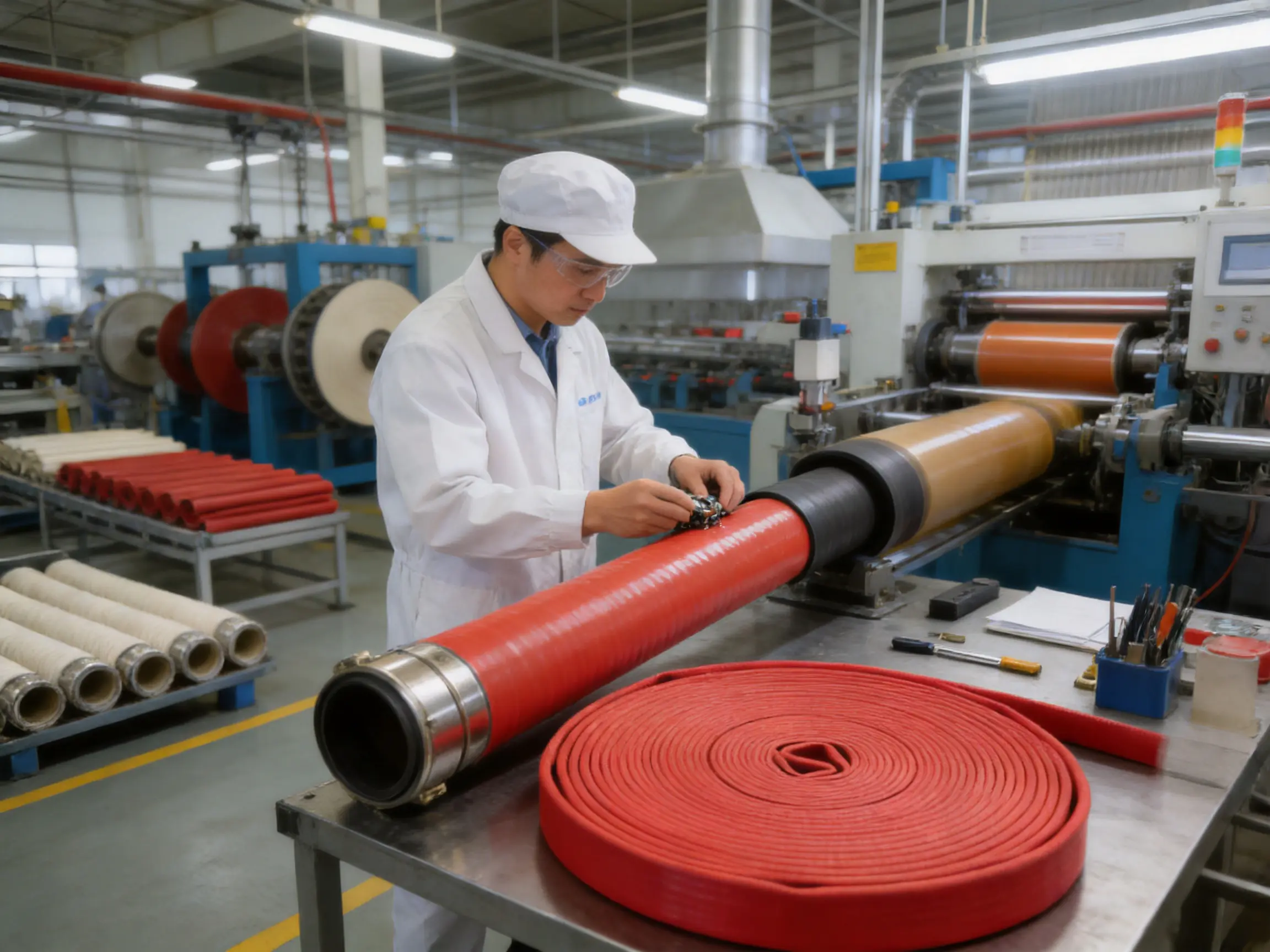
Routine inspection is one of the most effective ways to protect hose performance. Inspection frequency should reflect the application. Hoses used for emergency firefighting, marine operations, or abrasive industrial work may require more frequent checks than hoses used occasionally in a protected area.
Look for surface cuts, deep abrasions, exposed yarn, coating separation, unusual stiffness, soft spots, permanent flattening, liner leakage, and coupling damage. Any of these conditions may indicate that the hose requires testing, repair, or replacement.
Do not attempt to restore a hose to service solely because it appears clean. Internal damage may not be visible from the outside. Pressure testing and professional evaluation may be needed when the hose has experienced excessive pressure, chemical exposure, fire, crushing, or impact.
Store the hose in a cool, dry, and well-ventilated location whenever possible. Avoid prolonged direct sunlight, ozone-generating electrical equipment, solvents, fuels, and sharp objects. Hoses should be stored without excessive compression and should not be folded repeatedly at the same point.
Correct storage supports the advantages of the EPDM liner and PU-coated jacket. Even a well-designed hose can deteriorate more quickly if it is exposed unnecessarily to heat, chemicals, ultraviolet radiation, or mechanical damage.
Choosing a marine hose is not only a matter of comparing price and appearance. The manufacturer’s experience influences material selection, weaving consistency, liner quality, coating performance, assembly accuracy, documentation, and after-sales support.
Taizhou Shenlong Fire Science and Technology Co., Ltd. has been active in the industry since 1995. The company’s main products include lined fire hoses made from various materials, and its capabilities also extend to rubber, PVC, polyurethane, and double-sided tape products according to customer requirements.
This broader manufacturing background can support customized product discussions. Customers may require different lengths, couplings, packaging, markings, colors, or export configurations. An experienced supplier can coordinate these details while maintaining attention to the main performance requirements.
The company serves fire protection, construction, water conservancy, and other industries. This range of applications provides practical knowledge of how hoses are transported, stored, deployed, connected, and maintained in different environments.
Its cooperation with domestic foreign trade companies and sales to many regions also demonstrate experience with export-oriented supply. International customers may require different shipping documents, packaging standards, product labels, inspection reports, and delivery arrangements. A manufacturer familiar with these requirements can help make procurement more efficient.
Research and development is another important strength. Hose technology must respond to changing customer expectations, new materials, updated standards, and more demanding operating environments. A company that combines production with research can use manufacturing experience to improve product design and process control.
When requesting a quotation, customers should provide the intended application, hose diameter, length, working pressure, connection type, operating temperature, fluid, quantity, packaging requirements, and destination country. Clear information helps ensure that the proposed product matches the actual need.
Customers may also ask about weave type, liner material, coating color, coupling material, end assembly, marking, inspection documentation, and compliance requirements. These details can affect the final configuration and should be confirmed before production.
For large projects, sample approval may be useful. A sample can allow the purchaser to review flexibility, weight, surface finish, connection quality, marking, packaging, and general workmanship before placing a larger order.
For marine applications, documentation should be reviewed carefully. References to EN14540, MED, and CCS should be connected to the specific product configuration and applicable certification scope. Buyers should request the documentation needed for their vessel, facility, authority, or project.
The product’s competitive value comes from its balanced construction. It is not designed only to maximize strength, nor only to reduce cost or weight. Instead, it combines a single high-tenacity polyester jacket, EPDM rubber liner, and PU coating to address the practical needs of marine service.
Its low weight and flexibility support faster handling. Its coated surface provides additional protection against abrasion and environmental exposure. Its EPDM liner supports temperature flexibility and resistance to ozone and weathering. Its available lengths help users select a practical configuration for different work areas.
Compared with a basic uncoated hose, the PU-coated model offers greater outer-surface protection. Compared with a heavier multi-jacket hose, it may be easier to carry and store. Compared with a hose using a less weather-resistant liner, the EPDM construction is better suited to exposed marine conditions.
These advantages can contribute to lower handling effort, easier storage, improved deployment efficiency, and potentially longer service life when the hose is properly selected and maintained. The final value depends on the operating conditions, but the design provides a strong foundation for demanding water hose applications.
It is a marine hose constructed with one circular-woven high-tenacity polyester jacket, an EPDM rubber liner, and a polyurethane outer coating. The design is intended to provide a lightweight, flexible, and durable hose for marine, firefighting, industrial, and water delivery applications.
A single jacket reduces weight and bulk while retaining textile reinforcement around the hose. This makes the hose easier to carry, deploy, coil, and store than many heavier multi-jacket constructions.
The EPDM liner provides the internal water-contact surface and helps contain the conveyed fluid. EPDM is valued for resistance to weathering, ozone, ultraviolet exposure, and temperature variation, as well as for flexibility in low-temperature conditions.
The PU coating protects the woven polyester jacket from abrasion and general outdoor exposure. It also contributes to a smooth, flexible outer surface that can be easier to handle and clean.
The stated temperature range is from -40 degrees Celsius to 100 degrees Celsius. The hose is also described as flexible at approximately -40 degrees Celsius. The complete application should be reviewed before use with hot fluids or unusual heat sources.
The listed available lengths are 50 feet, 75 feet, and 100 feet. Other configurations may be discussed according to project requirements and production arrangements.
The hose is described as resistant to oil and chemicals, but chemical compatibility should always be confirmed for the exact substance and operating conditions. Concentration, temperature, pressure, and exposure duration can affect performance.
The product is stated to meet or exceed EN14540, MED, and CCS standards. Purchasers should request the relevant documentation for the specific product size, assembly, and intended marine application.
It can be used for marine firefighting and related water delivery applications when the complete hose assembly meets the pressure, connection, flow, and regulatory requirements of the vessel or facility.
Store it in a cool, dry, ventilated area away from direct sunlight, ozone-generating equipment, solvents, fuels, sharp objects, and excessive compression. Drain and dry the hose as appropriate before extended storage.
Inspection frequency depends on use. Hoses used frequently, exposed to abrasion, or kept in demanding marine environments should be inspected regularly. Check for cuts, coating damage, exposed fibers, deformation, leakage, coupling damage, and unusual stiffness.
Customers can discuss requirements such as length, couplings, end connections, markings, packaging, and export documentation. The final configuration should be confirmed according to the intended application and technical requirements.
The Single Jacket PU-Coated Marine Hose is a practical solution for marine and industrial water delivery where flexibility, low weight, environmental resistance, and dependable construction are important. Its high-tenacity polyester jacket provides reinforcement, the EPDM rubber liner supports fluid containment and low-temperature flexibility, and the polyurethane coating adds protection against abrasion and outdoor exposure.
With a temperature range of -40 degrees Celsius to 100 degrees Celsius, resistance to abrasion, ozone, oil, and chemicals, and available lengths of 50 feet, 75 feet, and 100 feet, the hose is suited to a broad range of marine and industrial applications. Its references to EN14540, MED, and CCS standards provide an additional basis for technical evaluation.
The product also benefits from the manufacturing experience of Taizhou Shenlong Fire Science and Technology Co., Ltd. The company’s long-term focus on lined fire hoses, integrated research and development, production, sales, service, and export cooperation supports consistent product development and customer support.
For shipboard firefighting, ports, shipyards, offshore facilities, construction sites, water conservancy projects, and industrial washdown, this hose provides a balanced alternative to heavier or less-protected designs. Correct selection, compatible couplings, proper installation, routine inspection, and suitable storage will help users obtain the best performance and service life from the product.
EN14540, Fire-Fighting Hoses: Requirements for Non-Percolating Layflat Hoses for Fixed Systems.
Marine Equipment Directive, European requirements for applicable marine equipment and conformity assessment.
China Classification Society, relevant rules and guidance for marine equipment approval and service.
Technical information supplied for the Single Jacket PU-Coated Marine Hose, including construction, materials, temperature range, available lengths, resistance characteristics, and referenced standards.
General engineering guidance for EPDM rubber selection in weather-resistant and temperature-variable applications.
General manufacturing principles for circular-woven polyester hose jackets and polyurethane-coated textile hose products.
Single jacket, EPDM rubber liner Features • 100% high tenacity polyester jacket, high-grade EPDM rub...
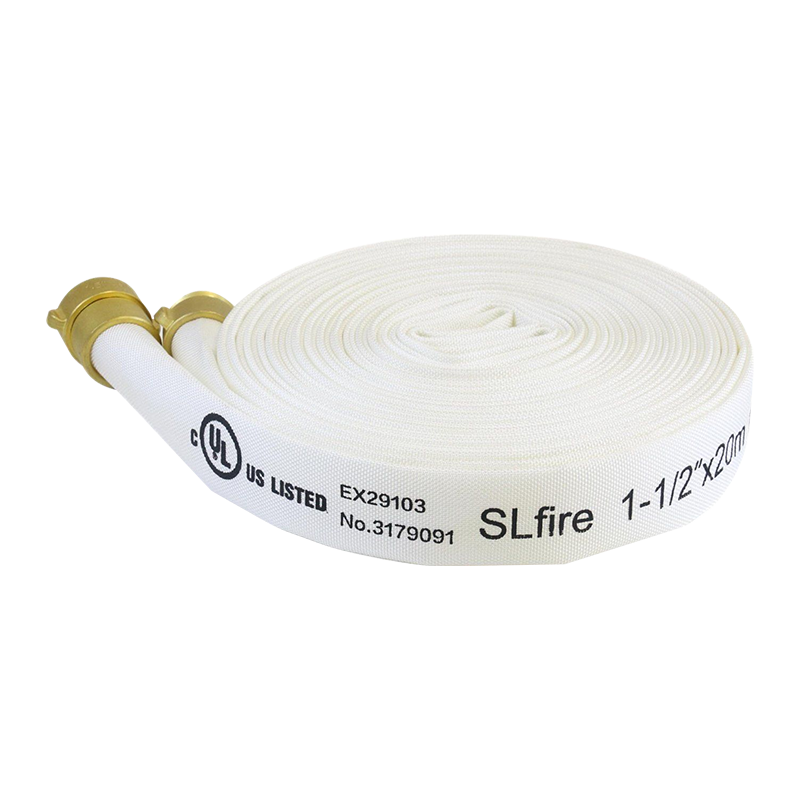
Single jacket, TPU liner •High-tenacity polyester yarn, circular woven in twill weave/plain weave,T ...
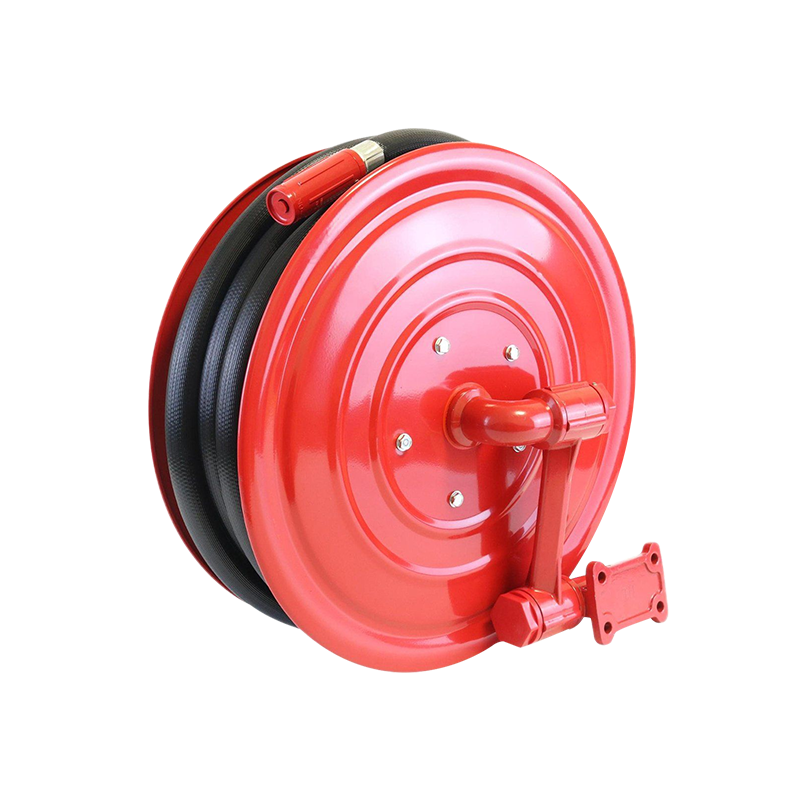
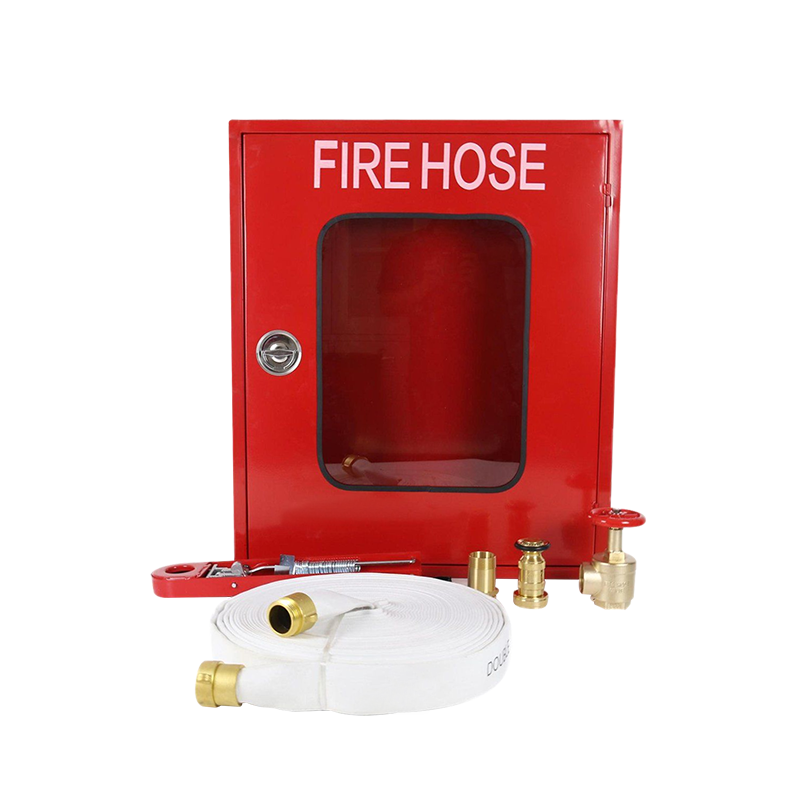
Fire cabinets are designed to accommodate fire hose,valve and other firefighting equipment. Type 201...
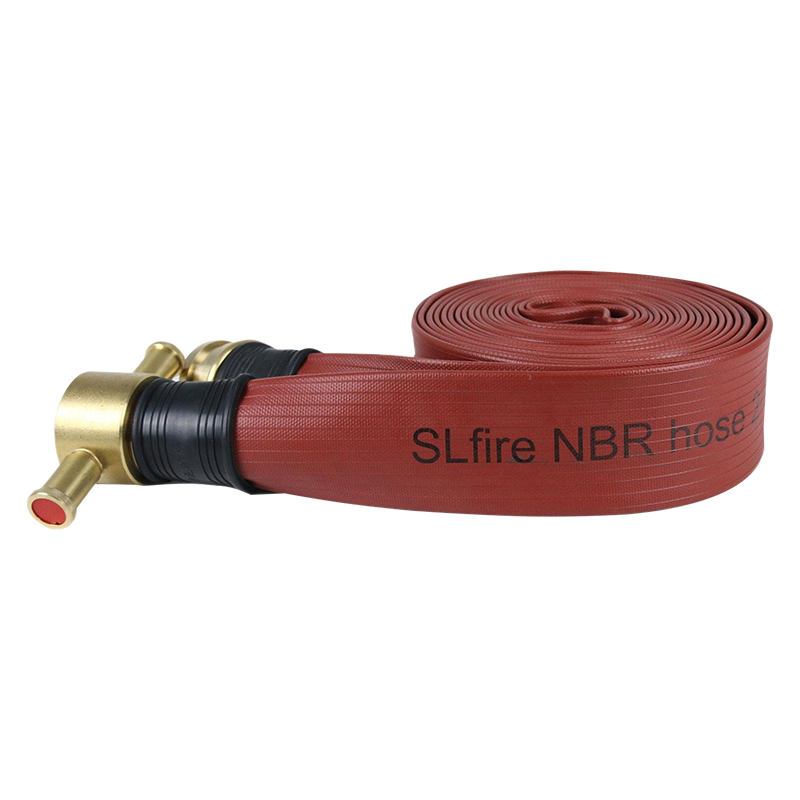
Nitrile covered hose •Nitrile/TPR blend as cover and lining, with 100% high-tenacity polyester yarn ...
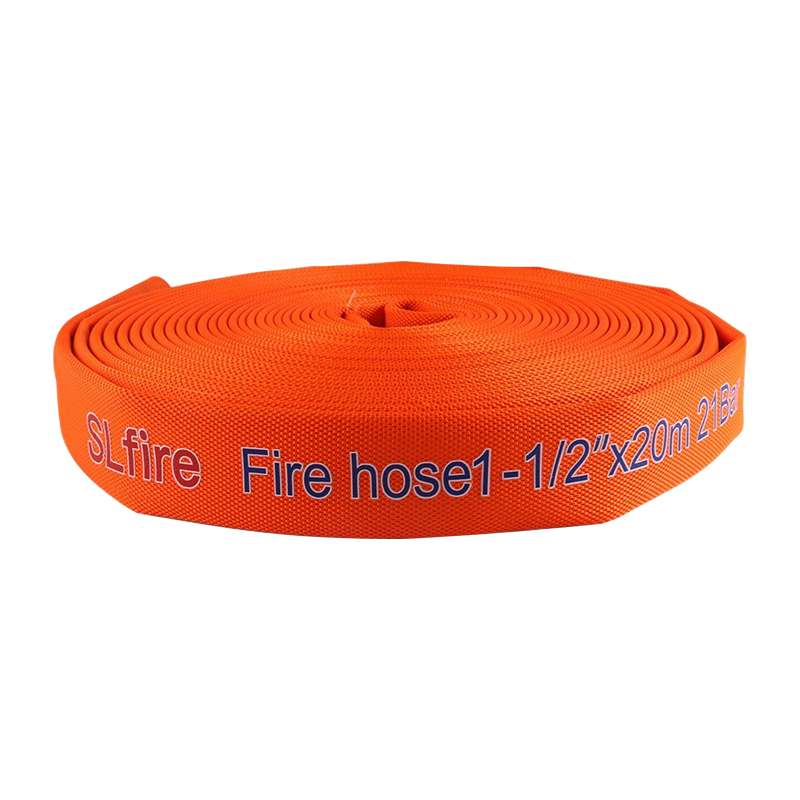
Single jacket, TPU liner •High-tenacity polyester yarn, circular woven in twill weave, TPU lining, f...
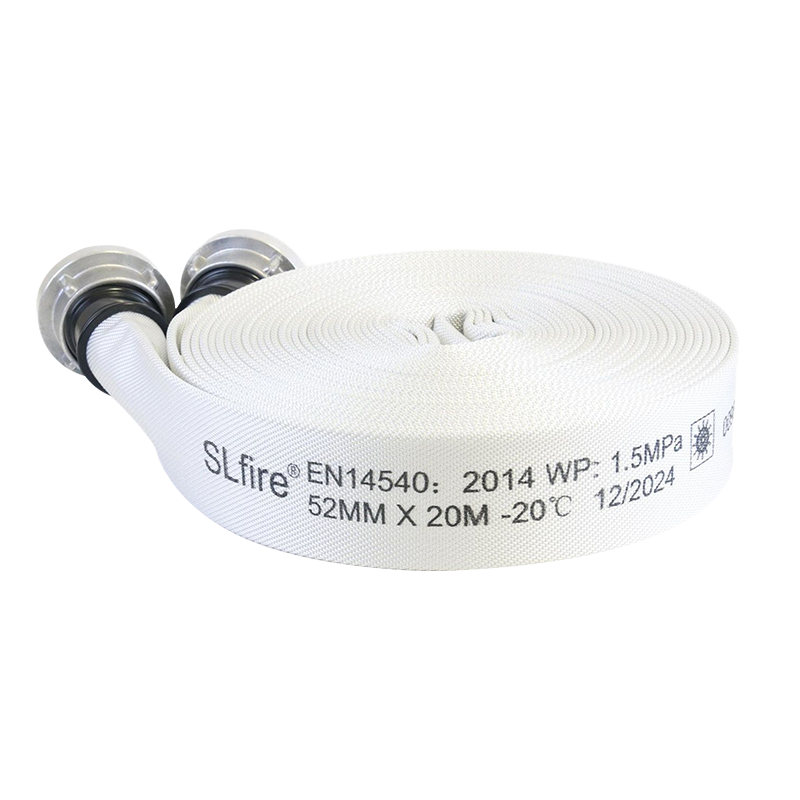
Marine hose Single jacket, PVC liner •100% high tenacity polyester yarn, circular woven in twill wea...
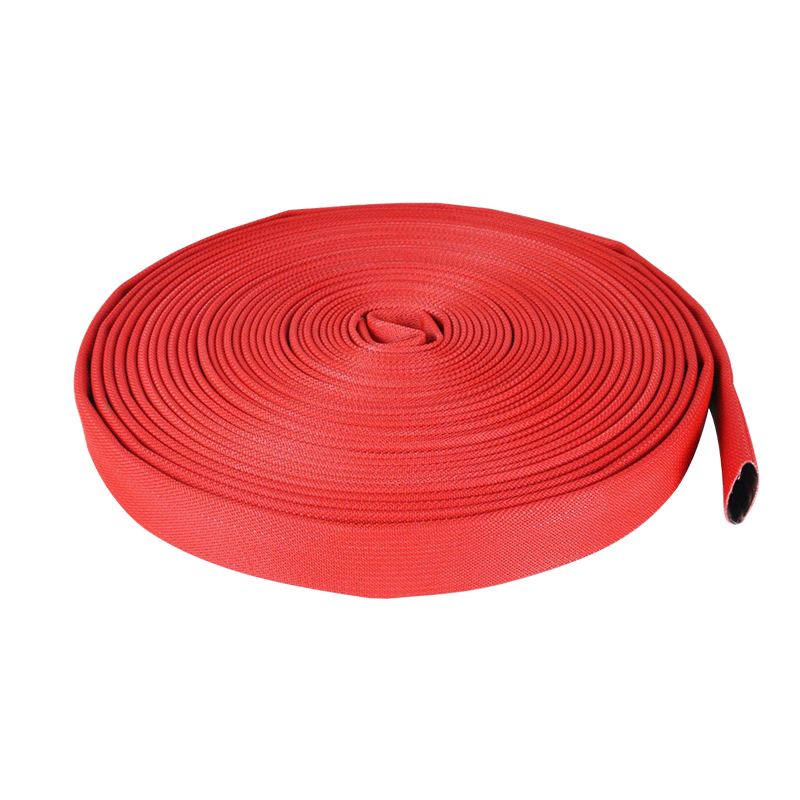
Marine hose Single jacket, PVC liner, PU coated •100% high tenacity polyester yarn,c ircular woven i...
 Call Us
+86 159-5116-9511
Need Support
Head Office
No.58, Kechuang Road, Sixiang Street Medicine Gaoxin District Taizhou City, Jiangsu Province

At a structure fire, the first line off the truck is the one that does the hardest work. Pulled around obstacles, dragged across gravel, charged with high-pressure water, and shut off at the nozzle d...
Copyright © Taizhou Shenlong Fire Science and Technology Co., Ltd. All Rights Reserved.
 Fire Hose Manufacturers, Fire Hydrant Hose Factory