

 English
 русский
 Español
 Deutsch
 عربى
 Français
 Português
Don't hesitate to send a message
Single jacket, EPDM rubber liner Features • 100% high tenacity polyester jacket, high-grade EPDM rub...
Content
When the engine returns to the station after a working fire, the work is not done. The attack line is flushed, drained, and then rolled with a straight hose roll before anyone sits down. This technique is often the first firefighting skill learned, and it has a direct impact on how fast the hose can be deployed on the next alarm. A clean, tight straight roll protects the coupling threads, keeps the coil compact, and makes the connection process quick.
A straight hose roll is a coil of fire hose that starts at the male coupling and rolls along the length of the hose toward the female coupling. The female coupling remains on the outside of the roll. It is also called a straight coil or storage roll, and it is the standard way to store fire hose after use.
The roll gets its name from the even, cylindrical shape formed when each layer wraps tightly around the previous layer. Because the male coupling sits in the center, the exposed threads are protected while the hose is stored in a compartment, hose bed, or on a rack.
Start with a drained and clean fire hose. Close the nozzle and flush the line to remove soot and debris. Disconnect the couplings and let the water drain completely. Hoses stored wet have a higher risk of mildew growth inside the jacket, which shortens the life of the hose.
Lay the hose flat on a clean surface. Remove all twists and kinks. A twisted hose will produce a cone-shaped roll, which is difficult to pack and may become unstable on the truck.
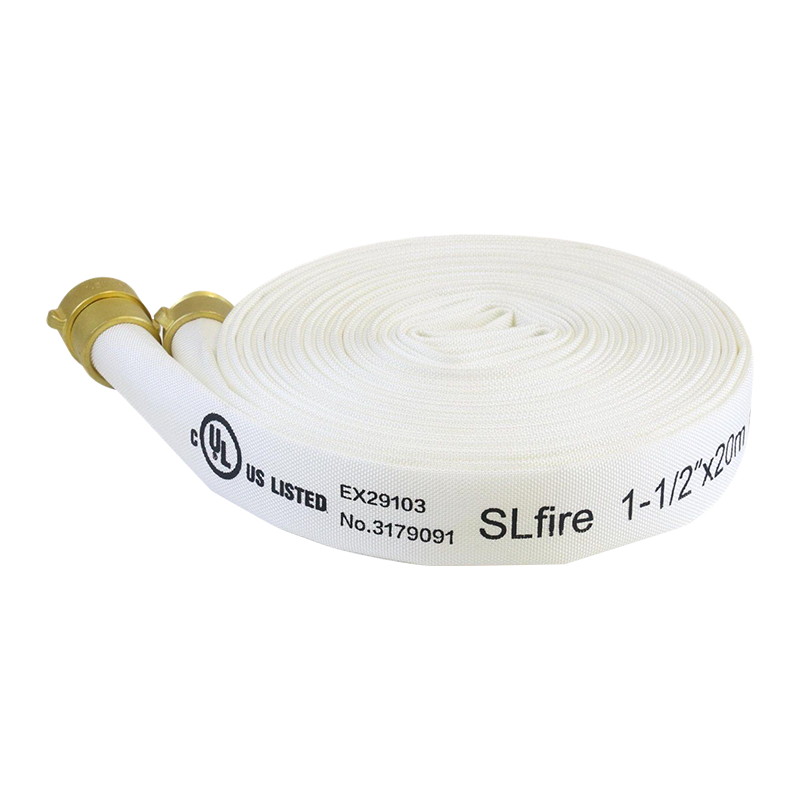 Single Jacket TPU Liner Attack Hose for Flexible RollingThis lightweight hose with TPU liner resists UV, chemicals, and abrasion, making it easy to lay flat and roll into a neat straight roll without kinks, ideal for quick deployment.View Product →
The male coupling carries exposed threads. When it is placed at the center of the roll, those threads are protected from impacts, dust, and moisture. The female coupling, which has a swivel ring or fixed collar, is left outside where it can be seen and connected immediately. This arrangement also ensures that when the hose is pulled from the roll, it unwinds in the correct direction for making a connection. The hose lays out straight without flipping over, which reduces the risk of kinks.
Firefighters who learn to roll straight hoses consistently develop a reliable habit that carries over to every operation. The hose roll is not just about neatness; it is a readiness check that confirms the line is clean, dry, and free of damage.
Different rolling methods exist for different purposes. The choice affects storage footprint, deployment speed, and coupling protection.
| Feature | Straight Roll | Cleveland Roll | Donut Roll |
|---|---|---|---|
| Male coupling position | Inside center | Outside | Inside or outside, depending on design |
| Deployment speed | Fast | Moderate | Moderate |
| Thread protection | High | Moderate | Moderate to high |
| Common use | Station storage, hose bed | Apparatus deck, quick access | Hose protection, carrying |
The straight roll takes a bit more space than a Cleveland roll, but it remains the standard best practice for keeping fire hose in service. The Cleveland roll, which leaves the male coupling outside, is sometimes preferred when a crew needs to pull the hose and make a connection without unrolling the entire length. Industrial and marine firefighting applications use both methods depending on the apparatus layout and the preference of the crew.
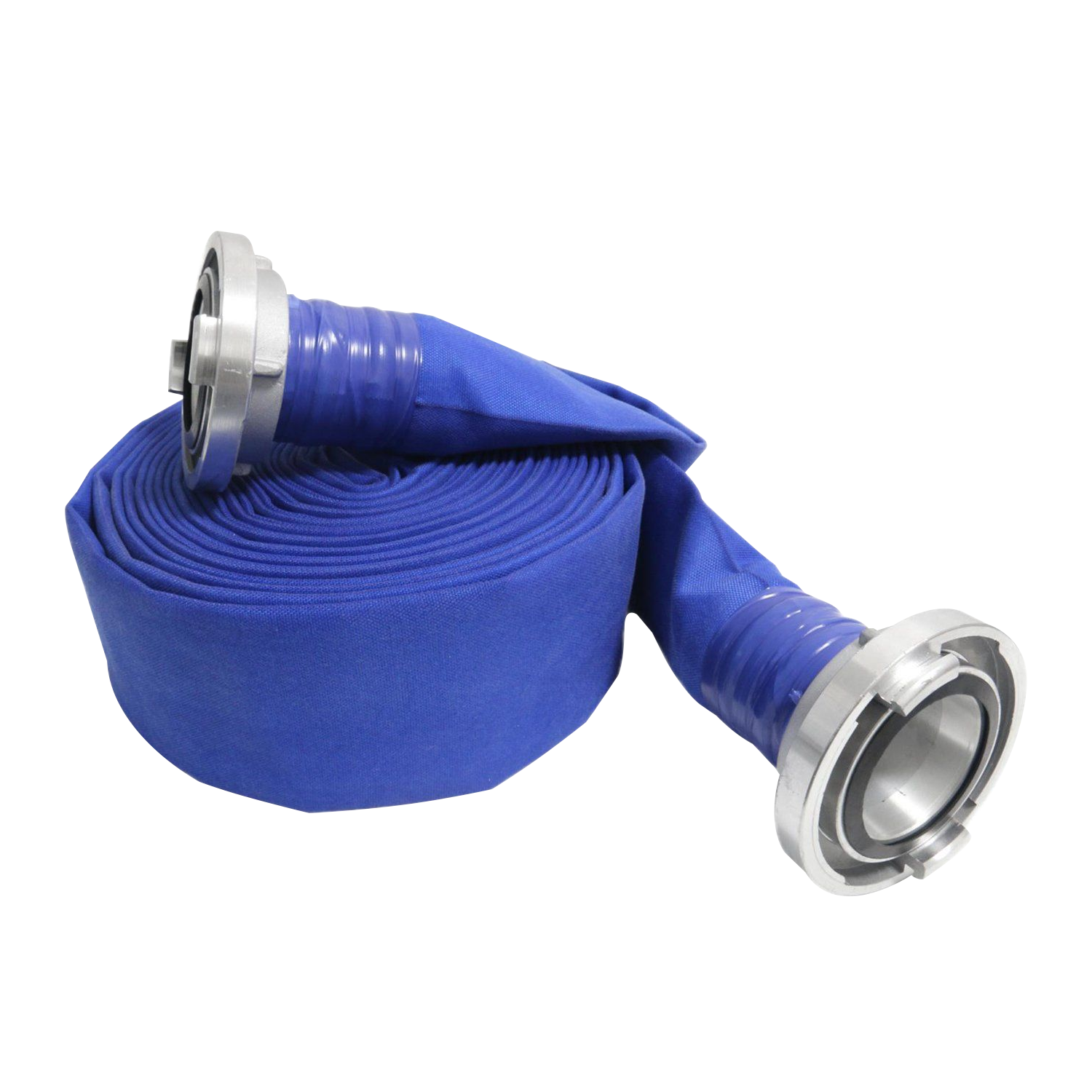 Double Jacket TPU Liner Supply Hose for Heavy-Duty RollingThis heavier, stiffer double-jacket hose with TPU liner moves large water volumes, but its greater bulk requires more effort to roll with aligned edges, suited for supply operations.View Product →
The construction of a fire hose determines how it behaves during rolling. The jacket material, liner type, and diameter all affect the stiffness and memory of the hose. A single jacket attack hose with a TPU liner is flexible and lightweight, which allows a tight, compact straight roll. A double jacket supply hose with a TPU liner is heavier and stiffer, so the roll will be larger and requires more effort to keep the edges aligned.
Nitrile covered attack hoses are another option for rolling. The outer nitrile cover resists abrasion and oil, but the hose has a thicker wall and a stiffer feel. These hoses are commonly found in industrial settings where the hose is dragged over rough surfaces.
Every time a hose is rolled, the jacket and liner take on a memory that matches the roll pattern. This is why departments train firefighters to roll hoses the same way each time. When the hose is deployed from the correct side, the natural curl helps it lay flat rather than twisting.
Care begins with flushing and drying. After fireground use, the hose should be washed with a brush and allowed to dry completely. In most cases, the hose is hung on a rack or laid out in a clean area to dry. If a hose is stored wet, the jacket will develop mildew over time, and the liner can become brittle.
Inspect the couplings before rolling. Check the gaskets, threads, and swivel rings for wear or damage. If the male coupling threads are damaged, the hose should be marked out of service and stored separately. This prevents damaged equipment from being used in an emergency.
Straight rolls can be stacked on a truck bed, but avoid over-stacking. Excessive weight can create flat spots in the jacket and liner, which reduces the service life of the hose. Use a hose reel or a dedicated hose bed with dividers when possible.
Deployment readiness is the reason every roll is performed. A clean straight roll should slide off the truck and unroll without snagging. Maintaining pressure during firefighting operations depends on the integrity of the jacket and liner. A hose that is rolled too tightly, stored in direct sunlight, or left wet will age faster and may fail on the next call.
Departments that train on straight rolls regularly also train on out-of-service marking. A small band of tape or a tag on the roll alerts the crew that the hose has failed the inspection and must be removed from the rig. This discipline keeps the entire fleet of fire hoses ready for the next emergency.
The straight hose roll may look simple, but it is one of the most important habits in the fire service. Rolling from the male coupling, keeping the layers even, and leaving the female coupling on the outside protects the hose and speeds up the next deployment. For every firefighter who has ever closed the doors of the engine after a call, the quality of their hose rolls is a direct reflection of the preparation that awaits the next alarm.
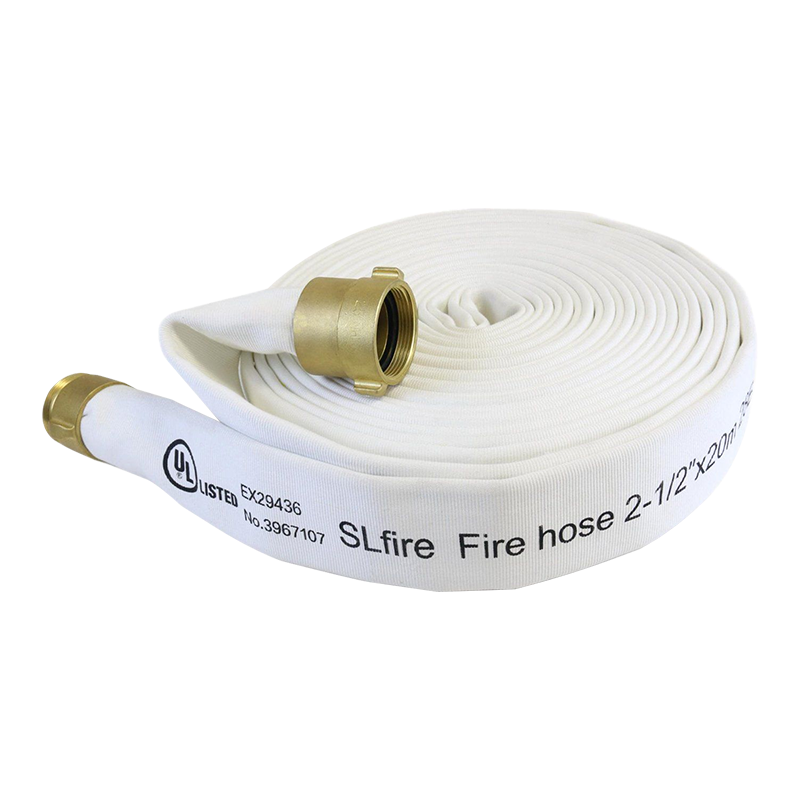
Single jacket, EPDM rubber liner Features • 100% high tenacity polyester jacket, high-grade EPDM rub...
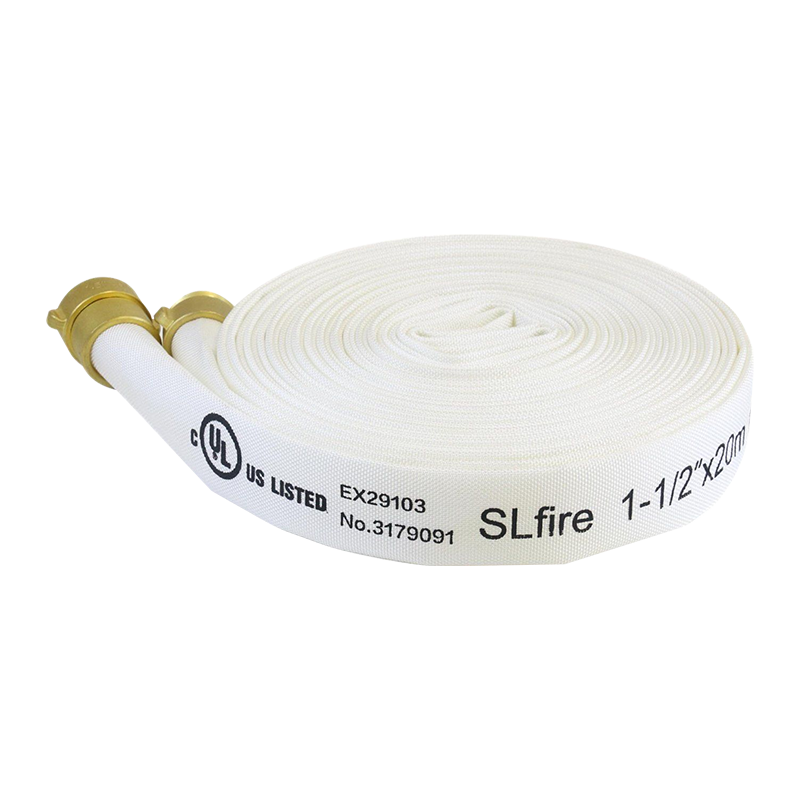
Single jacket, TPU liner •High-tenacity polyester yarn, circular woven in twill weave/plain weave,T ...
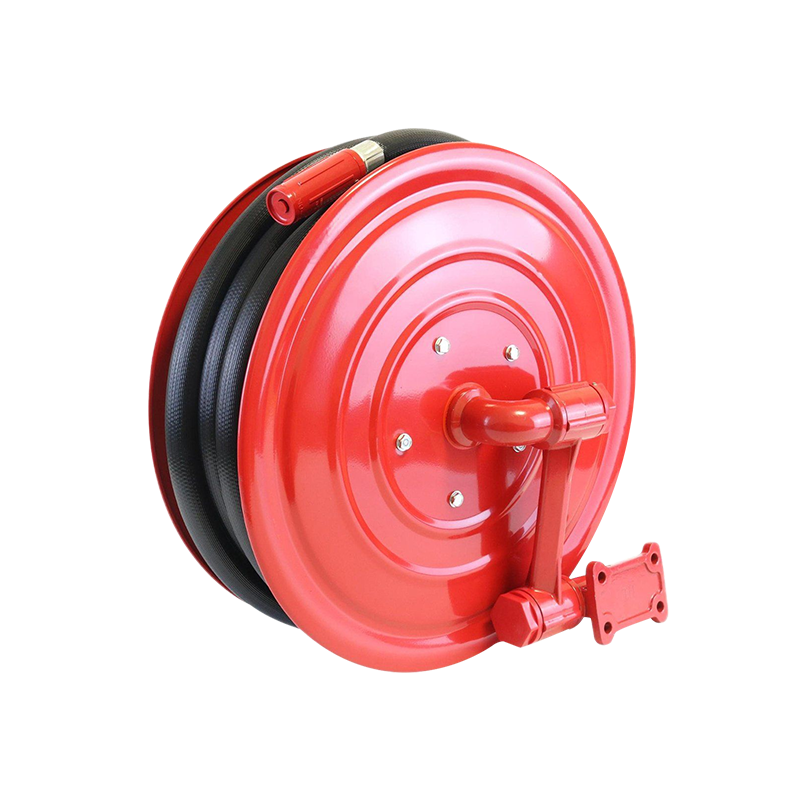
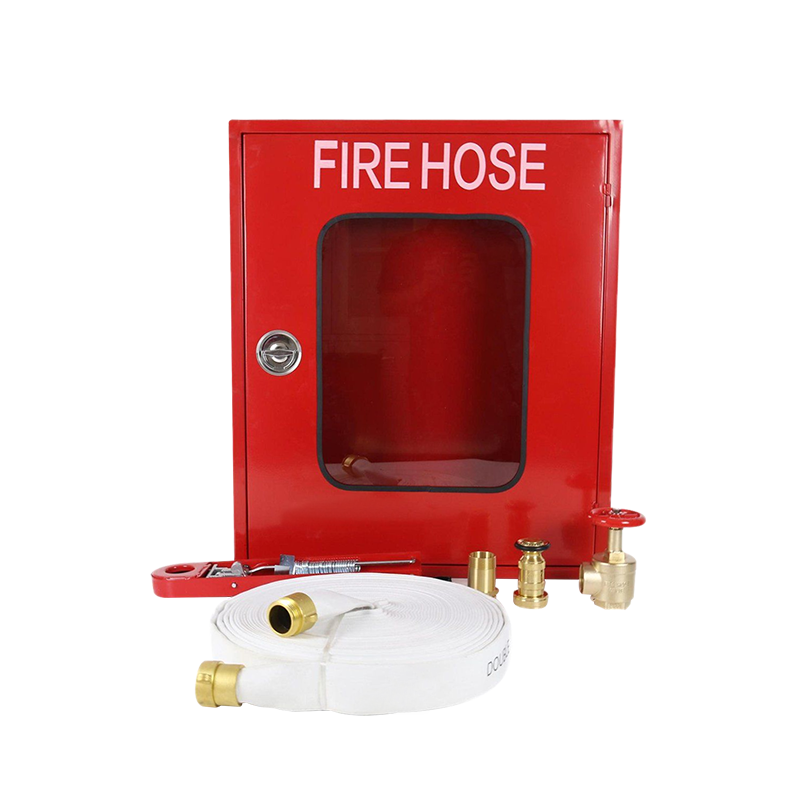
Fire cabinets are designed to accommodate fire hose,valve and other firefighting equipment. Type 201...
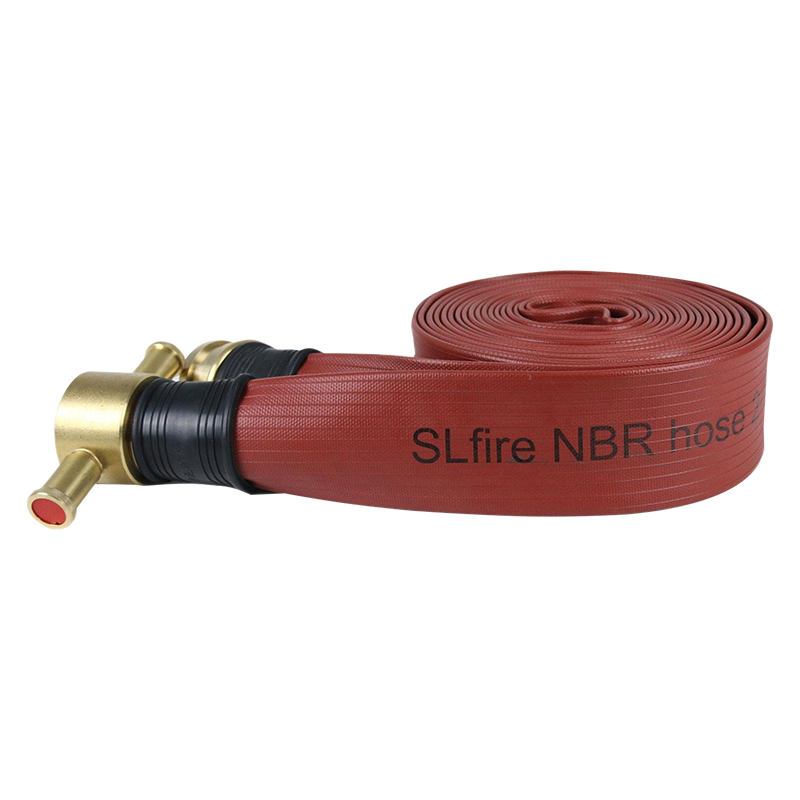
Nitrile covered hose •Nitrile/TPR blend as cover and lining, with 100% high-tenacity polyester yarn ...
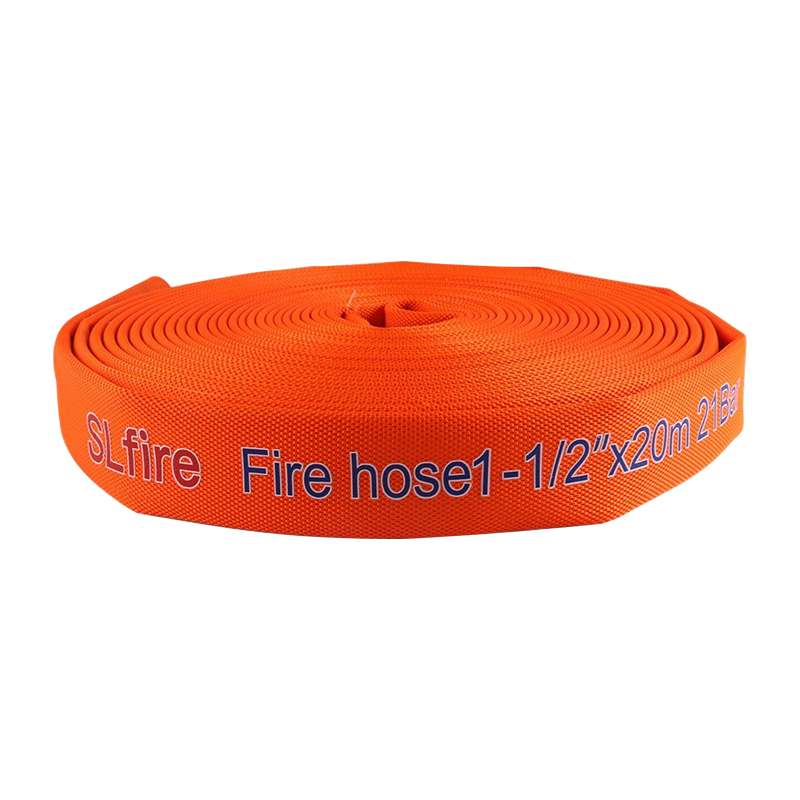
Single jacket, TPU liner •High-tenacity polyester yarn, circular woven in twill weave, TPU lining, f...
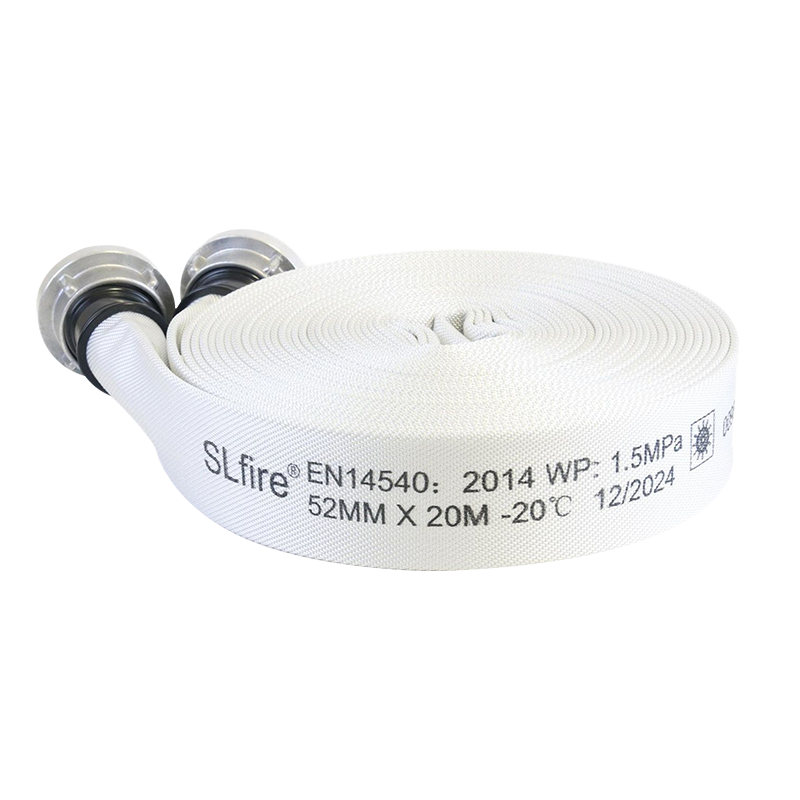
Marine hose Single jacket, PVC liner •100% high tenacity polyester yarn, circular woven in twill wea...
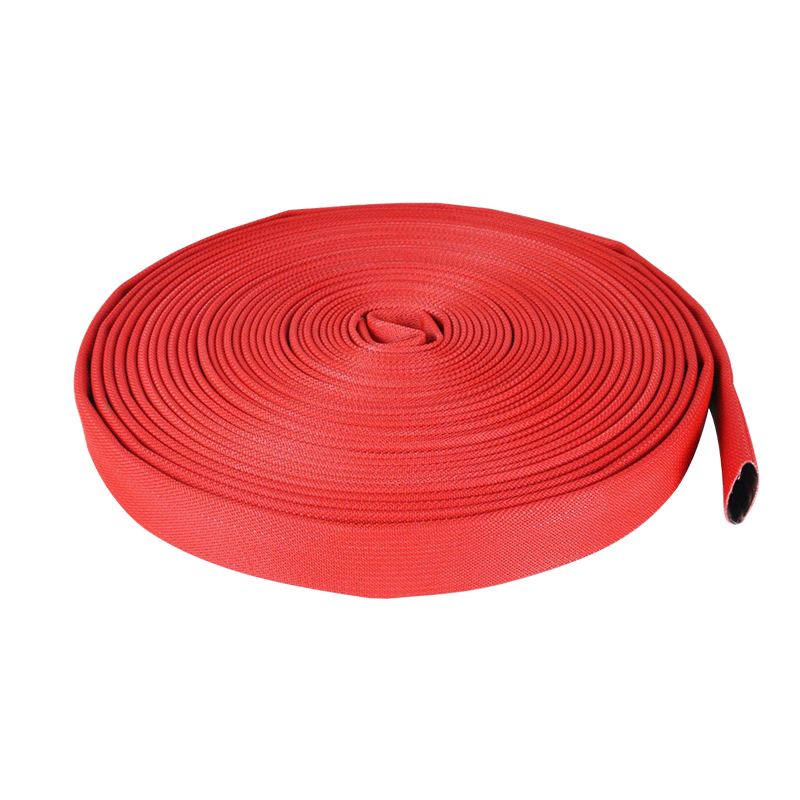
Marine hose Single jacket, PVC liner, PU coated •100% high tenacity polyester yarn,c ircular woven i...
 Call Us
+86 159-5116-9511
Need Support
Head Office
No.58, Kechuang Road, Sixiang Street Medicine Gaoxin District Taizhou City, Jiangsu Province

When the engine returns to the station after a working fire, the work is not done. The attack line is flushed, drained, and then rolled with a straight hose roll before anyone sits down. This techniq...
Copyright © Taizhou Shenlong Fire Science and Technology Co., Ltd. All Rights Reserved.
 Fire Hose Manufacturers, Fire Hydrant Hose Factory