

 English
 русский
 Español
 Deutsch
 عربى
 Français
 Português
Don't hesitate to send a message
Single jacket, EPDM rubber liner Features • 100% high tenacity polyester jacket, high-grade EPDM rub...
Content
At a structure fire, the first line off the truck is the one that does the hardest work. Pulled around obstacles, dragged across gravel, charged with high-pressure water, and shut off at the nozzle dozens of times. The attack fire hose is the tool that connects the pump to the fire. Choose the wrong one, and you get kinks that stall the advance or a burst that puts crews in danger. Choose the right one, and the attack feels smooth, predictable, and easy to manage. The purpose of this guide is simple: to help you compare attack hose specifications with the real fireground in mind.
An attack fire hose carries water from the fire apparatus pump, or from a standpipe outlet, to the nozzle that firefighters use to attack the fire. It is smaller and lighter than supply hose, which moves water from the hydrant to the pumper at relatively low pressure. Typical attack hose diameters are 1.5 to 3 inches, while supply hose commonly runs 4 to 5 inches. Because the attack line is the last link before the nozzle, it must withstand the full pump discharge pressure and handle repeated coupling and uncoupling.
The standard service test pressure for attack line is generally 300 psi, compared with lower ratings for large-diameter supply hose. That pressure margin is not for show: a nozzleman may quickly close a nozzle, creating a water hammer spike that travels back through the hose. A hose built only to the bare minimum can fatigue over time and fail at a coupling when it is needed most.
When you evaluate attack hose, look at the whole package rather than one number. A common way to compare options is by construction type. The table below shows three common attack hose configurations and how they line up for fireground use.
| Construction | Jacket and liner | Key performance trait | Best application |
|---|---|---|---|
| Nitrile-covered attack hose | Nitrile rubber cover over a reinforced inner liner | Abrasion and oil resistance; good durability in rough conditions | Industrial sites, vehicle and machinery environments |
| Single-jacket EPDM rubber liner attack hose | Single synthetic jacket with an EPDM inner liner | Smooth waterway, heat resistance, and dependable sealing after drying | Municipal structural firefighting, general attack lines |
| Single-jacket TPU liner attack hose | Single synthetic jacket with a TPU inner liner | Low weight, low water absorption, and easy packing | Interior attack, high-rise standpipe use, quick deployment |
Beyond the construction, verify the service test pressure, the diameter, and the bend radius. A hose that is too stiff for the job may look strong on a test machine but will kink at corners and wear out the crew. For a closer look at how pressure is maintained inside a charged line, see how fire hoses maintain their pressure during firefighting operations.
The liner is the first line of defense against leaks and friction loss; the jacket is the first line of defense against physical damage. Here is how the most common attack hose materials behave in service.
EPDM rubber has become a standard liner for fire hose because it combines the smooth waterway of rubber with strong resistance to heat, ozone, and weathering. An EPDM-lined hose keeps its flexibility after being stored wet or dry, and it does not tend to stick together the way some PVC liners can. For a versatile municipal attack line, the single-jacket EPDM rubber liner attack hose is a practical choice. It performs well in normal fireground temperatures and handles repeated use on structural fires.
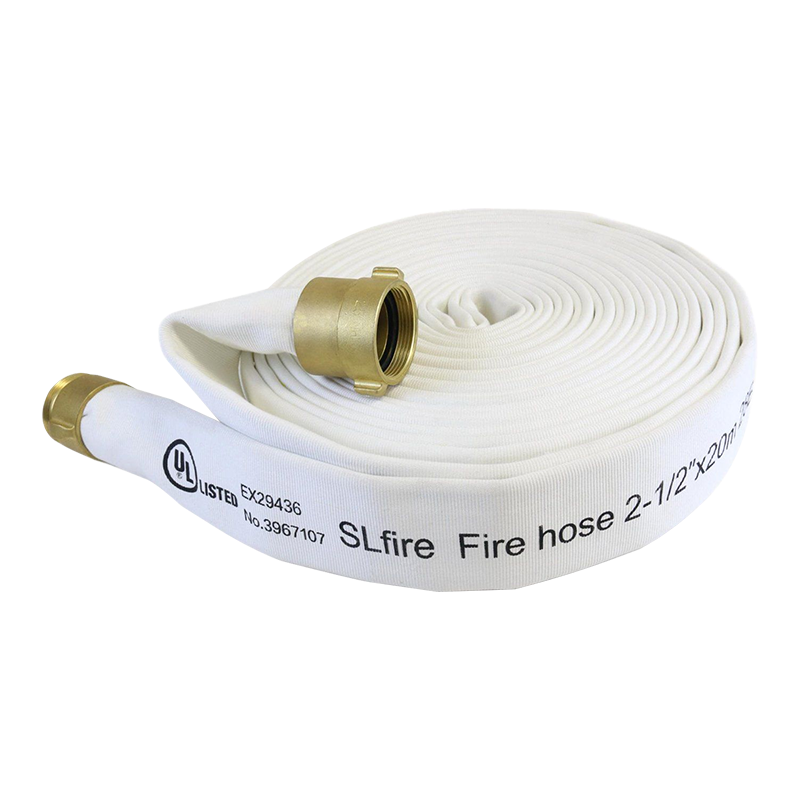 EPDM Lined Fire Hose Suppliers,EPDM Rubber Liner Attack Hose CompanyAs a China Custom EPDM Lined Fire Hose Suppliers,Single Jacket EPDM Rubber Liner Attack Hose Company, Shenlong supply wholesale Single Ja...View Product →
Thermoplastic polyurethane brings a different profile. TPU is lighter and softer than rubber in many formulations, which makes the hose easier to pack into a hose bed or high-rise case. It also absorbs very little water, so the hose does not gain weight after being wetted. This is valuable for interior fire attack and for crews operating in stairs and hallways. The single-jacket TPU liner attack hose is a good fit for departments that prioritize agility, compact storage, and a low-friction waterway.
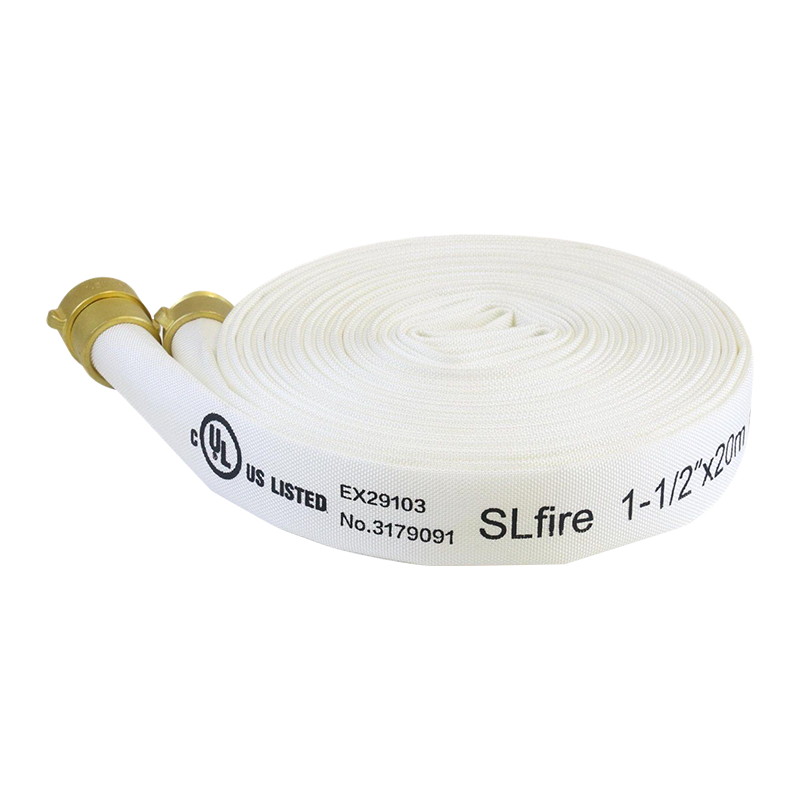 TPU Lined Fire Hose Suppliers,TPU Liner Attack Hose CompanyShenlong is China Custom TPU Lined Fire Hose Suppliers,Single Jacket TPU Liner Attack Hose Company, supply TPU Lined Fire Hose, Single Ja...View Product →
Nitrile rubber is best known for its resistance to oils, fuels, and abrasion. When it is applied as a cover over the reinforcement layer, the attack hose gains a rugged outer surface that slides over concrete and debris without cutting the jacket. Industrial fire brigades, mine response teams, and units working around heavy equipment often prefer a nitrile-covered hose attack hose. It adds a little weight, but it extends service life in environments where a standard jacket would fail quickly.
 Nitrile NBR Covered Fire Hose Attack Hose Suppliers, CompanyAs a China Custom NBR Covered Fire Hose Suppliers and Nitrile Covered Hose Attack Hose Company, Shenlong supply wholesale Nitrile NBR Cov...View Product →
Start with the environment, not just the price. A hose that works for a suburban fire department may not last in a chemical plant, and a heavy industrial hose will be unnecessarily stiff in a high-rise standpipe case. The following checkpoints help you match the hose to the work.
As a manufacturer that has produced fire hose since the mid-1990s, we have seen repeated failures traced to a simple cause: buying on burst pressure alone. A hose with an impressive burst rating may still be stiff, heavy, or sensitive to chemicals. Insist on sample testing, and put the sample on the ground the way your crews would do. That is the most honest way to judge a contract.
Even the best attack fire hose is only as reliable as the crew that maintains it. After every use, drain the line fully and run clean water through the interior if the hose was used with foam, salt water, or sediment. Wipe the jacket to remove dirt and chemicals that can attack the fibers. Store the hose loosely coiled out of direct sunlight and away from ozone sources such as electrical motors. Check the couplings for dents, cracks, and loose swivels before returning the section to the apparatus, and rotate stored sections so older hose is used first.
The right attack fire hose is the one that balances pressure capacity, material behavior, and the physical demands of your specific fireground. Look at the liner and jacket first, confirm the pressure ratings, and test a sample before committing to a large order. When the hose has the right feel and the numbers back it up, the attack line will be ready for the moment that matters.
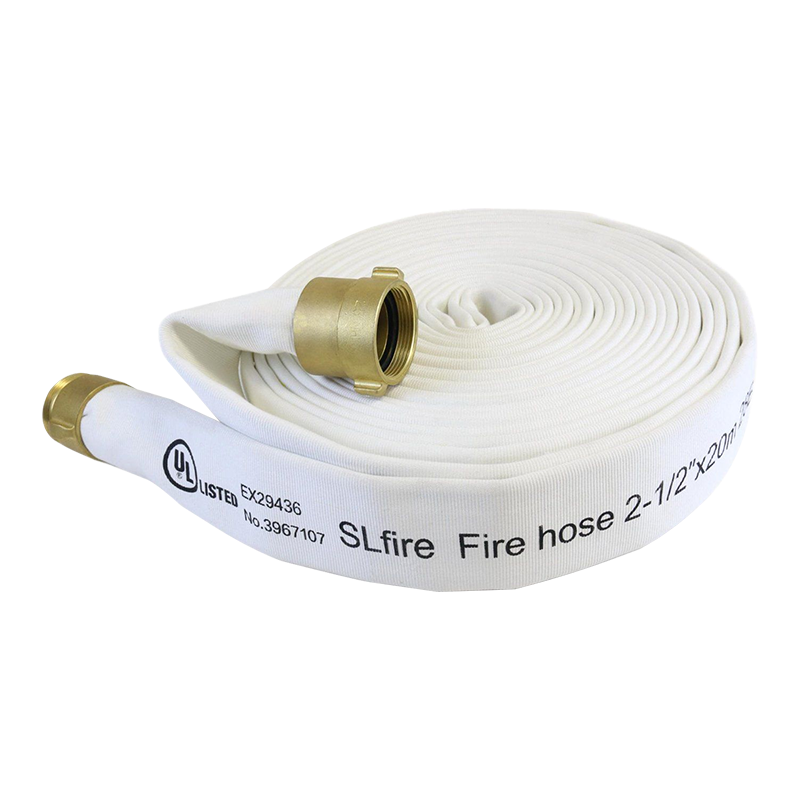
Single jacket, EPDM rubber liner Features • 100% high tenacity polyester jacket, high-grade EPDM rub...
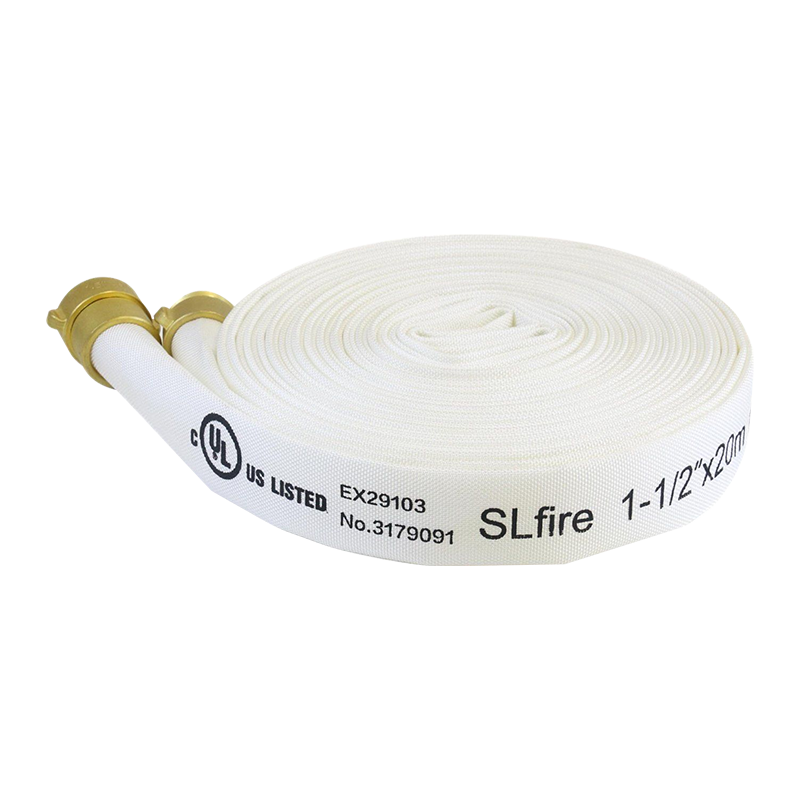
Single jacket, TPU liner •High-tenacity polyester yarn, circular woven in twill weave/plain weave,T ...
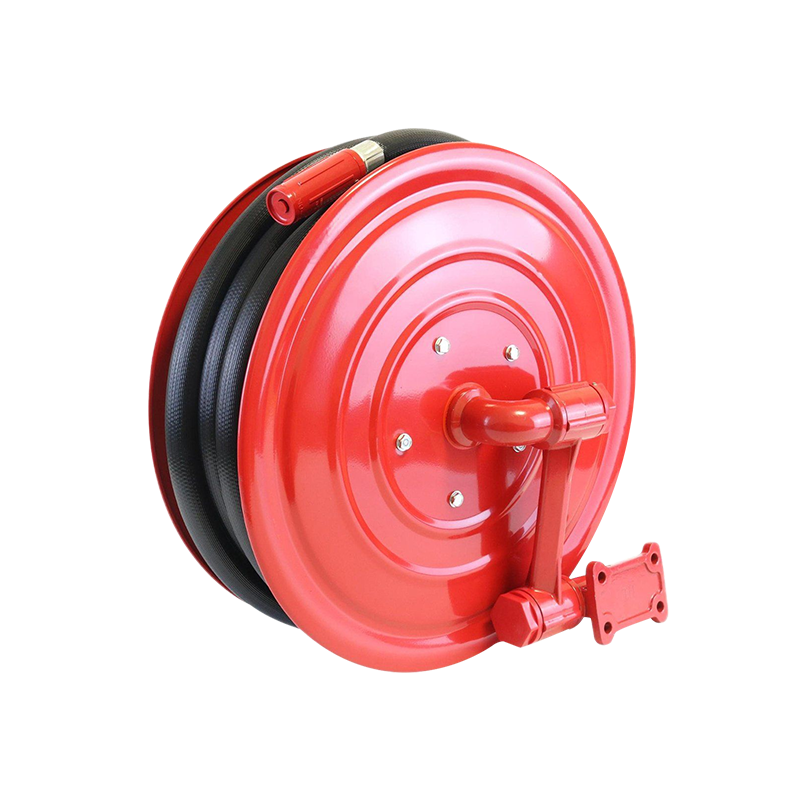
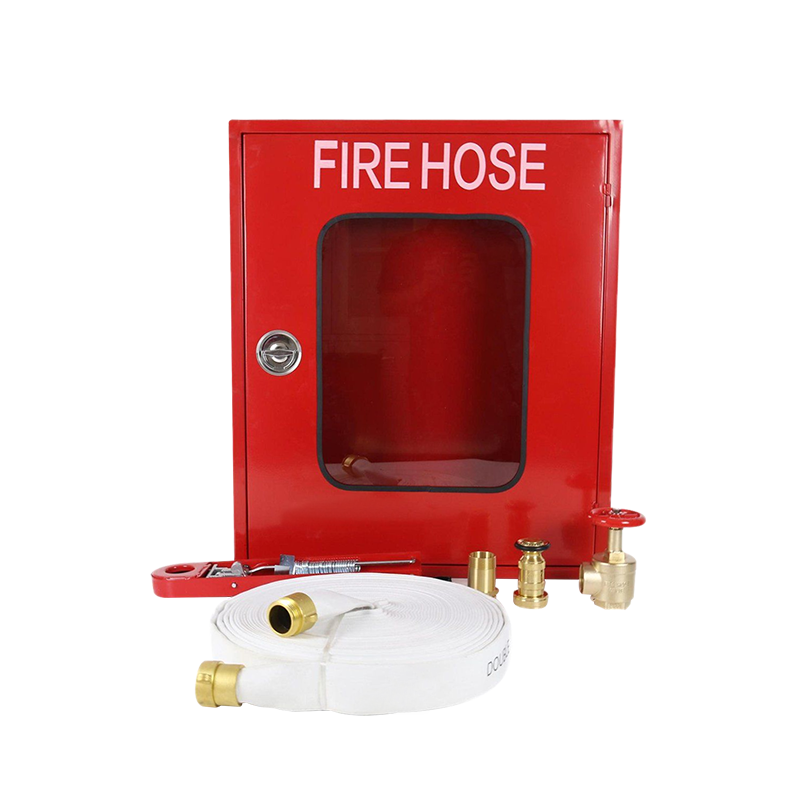
Fire cabinets are designed to accommodate fire hose,valve and other firefighting equipment. Type 201...
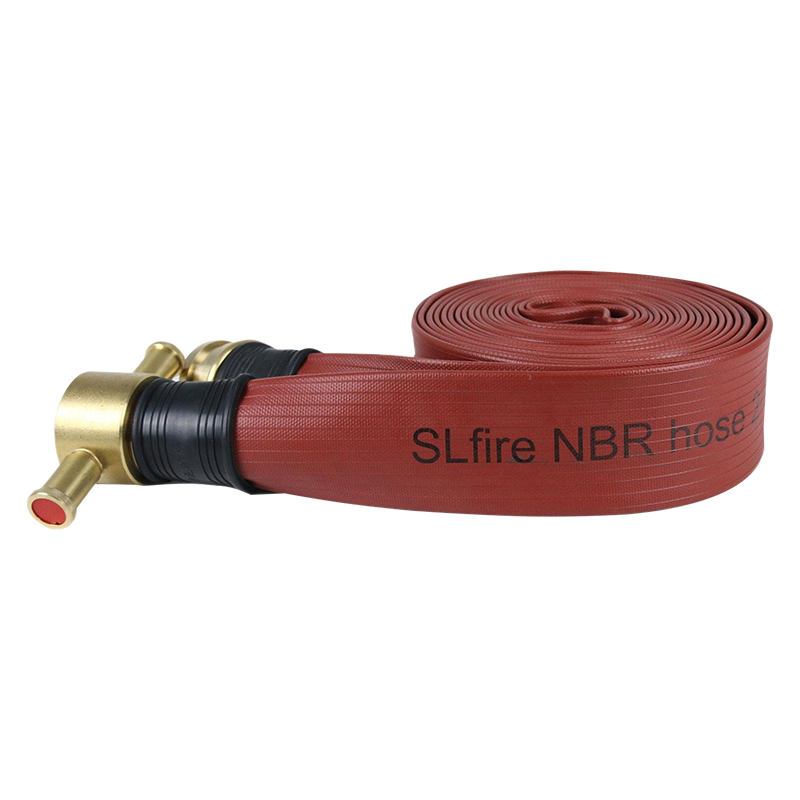
Nitrile covered hose •Nitrile/TPR blend as cover and lining, with 100% high-tenacity polyester yarn ...
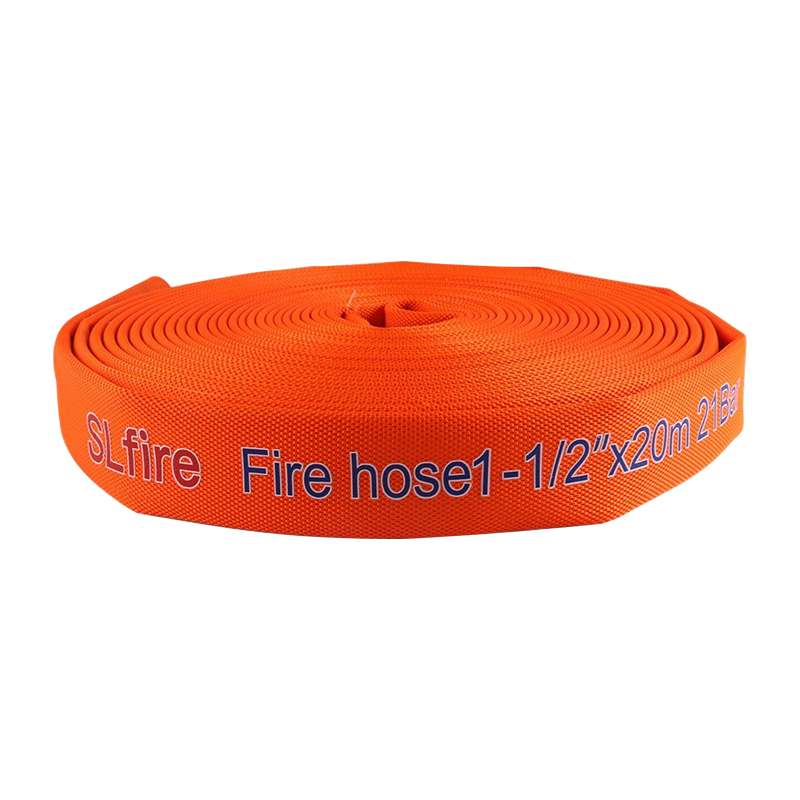
Single jacket, TPU liner •High-tenacity polyester yarn, circular woven in twill weave, TPU lining, f...
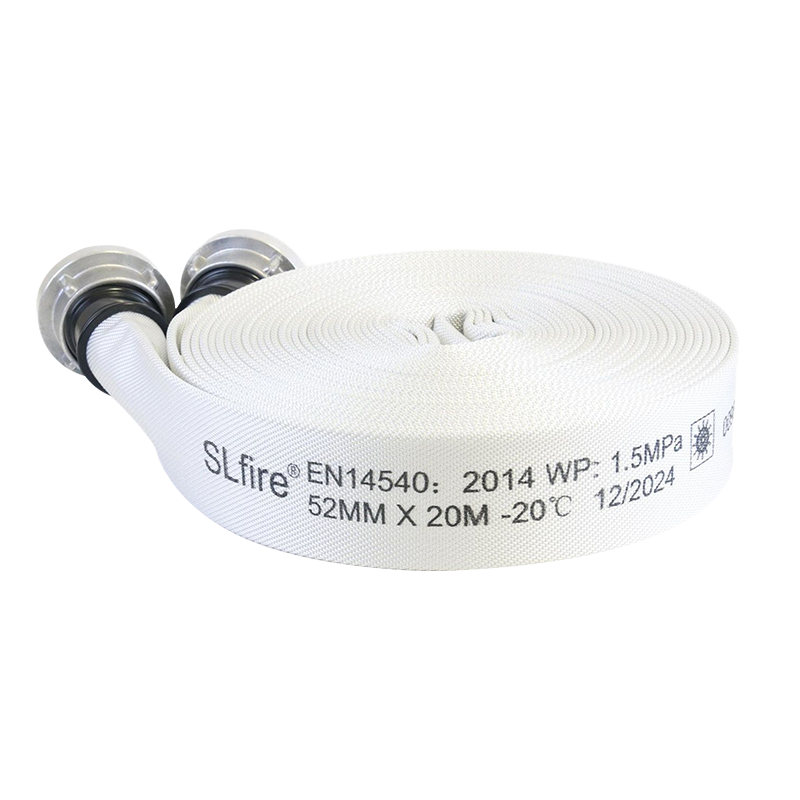
Marine hose Single jacket, PVC liner •100% high tenacity polyester yarn, circular woven in twill wea...
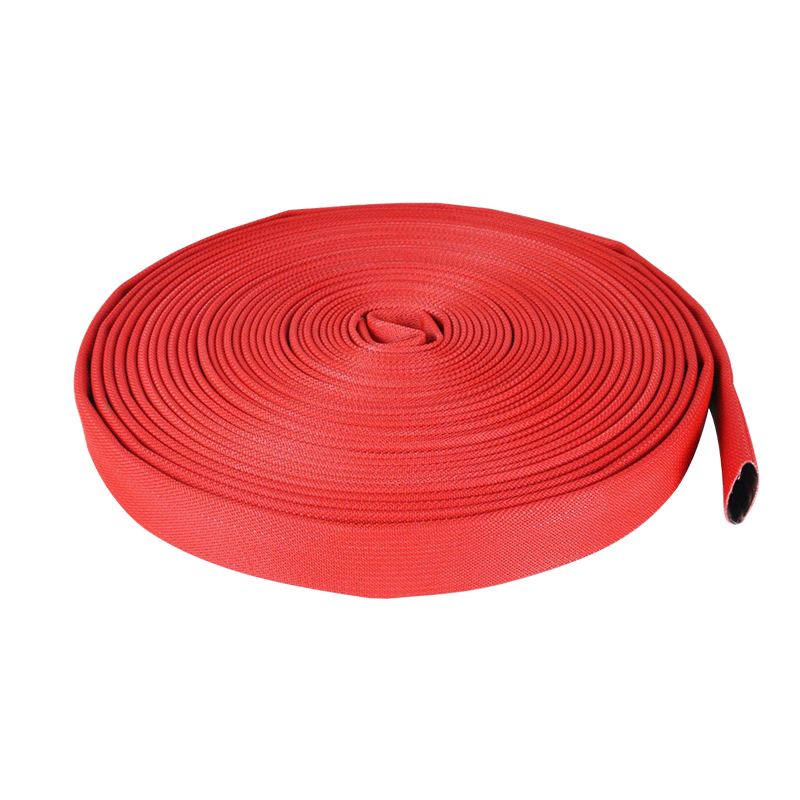
Marine hose Single jacket, PVC liner, PU coated •100% high tenacity polyester yarn,c ircular woven i...
 Call Us
+86 159-5116-9511
Need Support
Head Office
No.58, Kechuang Road, Sixiang Street Medicine Gaoxin District Taizhou City, Jiangsu Province

At a structure fire, the first line off the truck is the one that does the hardest work. Pulled around obstacles, dragged across gravel, charged with high-pressure water, and shut off at the nozzle d...
Copyright © Taizhou Shenlong Fire Science and Technology Co., Ltd. All Rights Reserved.
 Fire Hose Manufacturers, Fire Hydrant Hose Factory