

 English
 русский
 Español
 Deutsch
 عربى
عربى Français
 Português
Don't hesitate to send a message
Single jacket, EPDM rubber liner Features • 100% high tenacity polyester jacket, high-grade EPDM rub...
Content
Fire hose couplings are critical components in firefighting equipment, serving as connectors between hoses, nozzles, hydrants, and pumps. They enable quick attachment and detachment while maintaining a secure, leak-free connection. A reliable fire hose coupling ensures efficient water flow, operational safety, and rapid response in emergency situations. Understanding their types, materials, installation, and maintenance is essential for firefighters, facility managers, and safety professionals.
Fire hose couplings vary based on design, threading type, and usage requirements. Selecting the appropriate coupling type ensures compatibility, performance, and safety during firefighting operations.
Storz couplings are non-threaded, quick-connect fittings widely used in Europe and increasingly in other regions. They feature interlocking lugs that allow rapid connection and disconnection. Storz couplings are suitable for large-diameter hoses and high-pressure applications, enabling fast deployment during emergencies.
Threaded couplings use male and female threads to join hoses, hydrants, or nozzles. They provide a secure, leak-resistant connection but require precise alignment and rotation to engage. Threaded couplings are common in the United States and other regions where standardized threads such as NH (National Hose) or BSP (British Standard Pipe) are used.
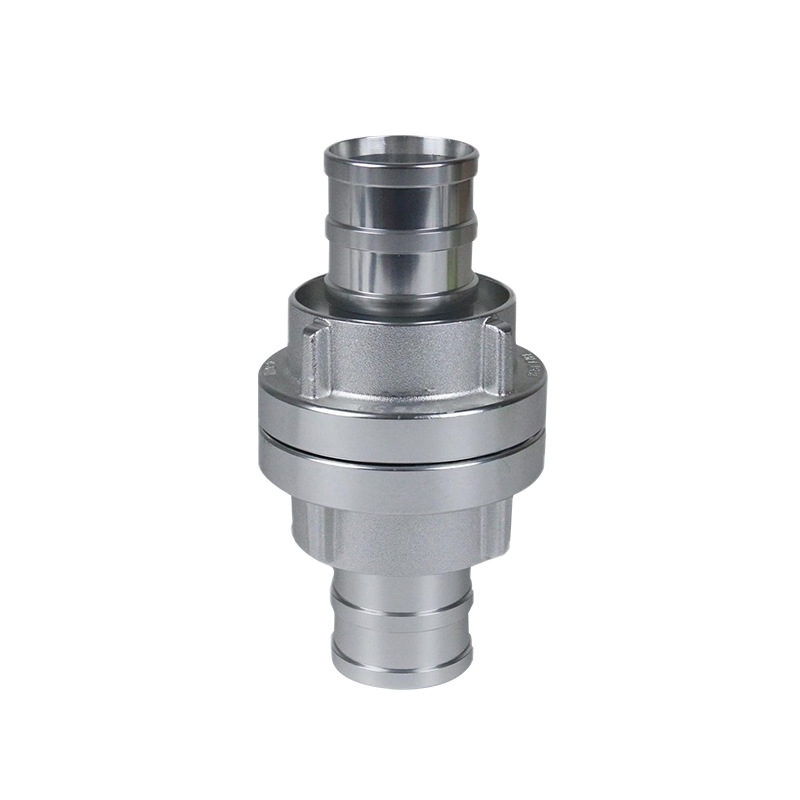
Camlock or cam-and-groove couplings provide a tool-free connection using cam arms that lock into a groove. They allow rapid assembly and disassembly and are widely used in industrial firefighting, municipal water supply, and temporary pumping operations. Camlock couplings are versatile and compatible with multiple hose diameters.
Fire hose couplings must withstand high water pressure, impact, and environmental conditions. Material choice affects durability, corrosion resistance, and operational reliability.
Aluminum couplings are lightweight, corrosion-resistant, and easy to handle. They are ideal for urban firefighting where mobility and speed are critical. Modern aluminum couplings often include anodized finishes for enhanced durability.
Brass couplings are known for their robustness and resistance to high temperatures. They provide a tight seal and are preferred in industrial or high-pressure applications. While heavier than aluminum, brass offers exceptional durability and long service life.
Stainless steel couplings offer superior corrosion resistance and mechanical strength, making them suitable for harsh environments such as coastal or chemical plant settings. They are heavier but excel in longevity and reliability under extreme conditions.
Fire hose couplings are manufactured in various diameters to match hose size and water flow requirements. Standardization ensures interoperability and compatibility during emergency response.
| Hose Diameter | Coupling Type | Standard | Typical Application |
| 1 inch (25mm) | Threaded / Camlock | NH, BSP | Lightweight hoses for small pumps |
| 1.5 inch (38mm) | Storz / Camlock | DIN, NH | Residential and municipal firefighting |
| 2.5 inch (65mm) | Storz / Threaded | NH, BS | High-volume water supply for fire engines |
| 4 inch (100mm)+ | Storz / Camlock | DIN, ANSI | Large supply lines and industrial firefighting |
Proper installation and handling of fire hose couplings are crucial for effective firefighting and safety. Misaligned or damaged couplings can lead to water leakage, pressure loss, or operational failure.
Ensure couplings are clean and free from debris before connecting. Align the coupling ends correctly and rotate or engage locking mechanisms as designed. Avoid forcing connections to prevent damage to threads or lugs.
After installation, perform a pressure test to confirm leak-free operation. Check for proper water flow, and ensure that all gaskets and seals are seated correctly. Pressure testing should follow local firefighting standards and regulations.
Disconnect couplings carefully to avoid damage. Dry and store hoses and couplings in a clean, ventilated area to prevent corrosion or mold growth. Proper storage extends service life and readiness for emergencies.
Regular maintenance of fire hose couplings ensures reliability, safety, and performance. Inspections should be conducted routinely to detect wear, corrosion, or mechanical damage.
Fire hose couplings are essential in multiple settings, providing rapid and reliable water delivery for firefighting and safety operations.
High-quality fire hose couplings offer numerous benefits that directly impact firefighting efficiency and safety.
Fire hose couplings are vital components that ensure the efficiency, safety, and reliability of firefighting operations. By understanding their types, materials, standards, installation methods, and maintenance requirements, professionals can optimize performance and ensure readiness in critical situations. Investing in high-quality fire hose couplings guarantees rapid deployment, secure connections, and long-term durability, ultimately enhancing firefighting effectiveness and safety.
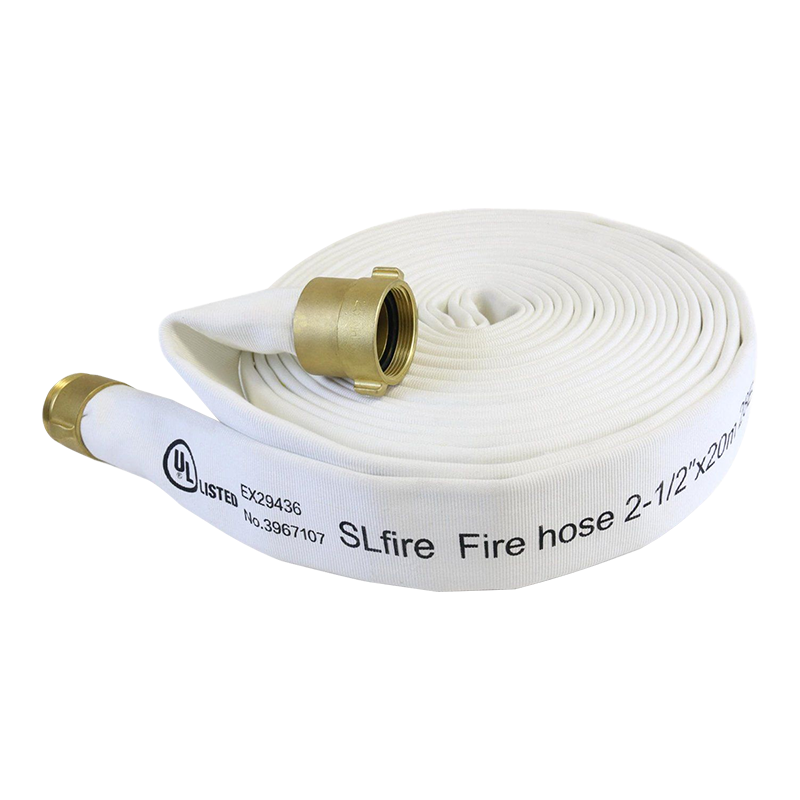
Single jacket, EPDM rubber liner Features • 100% high tenacity polyester jacket, high-grade EPDM rub...
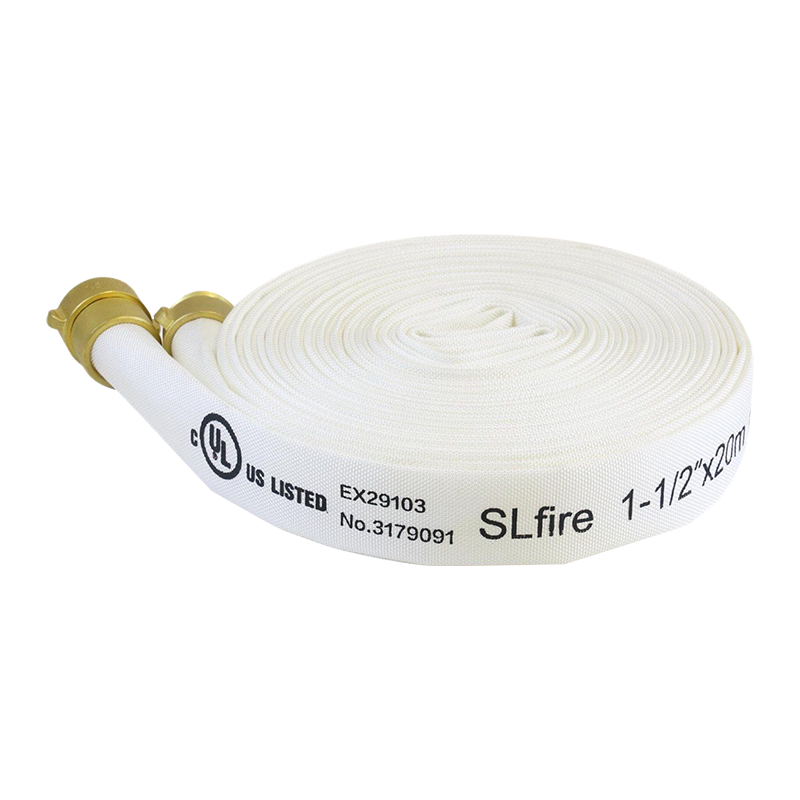
Single jacket, TPU liner •High-tenacity polyester yarn, circular woven in twill weave/plain weave,T ...
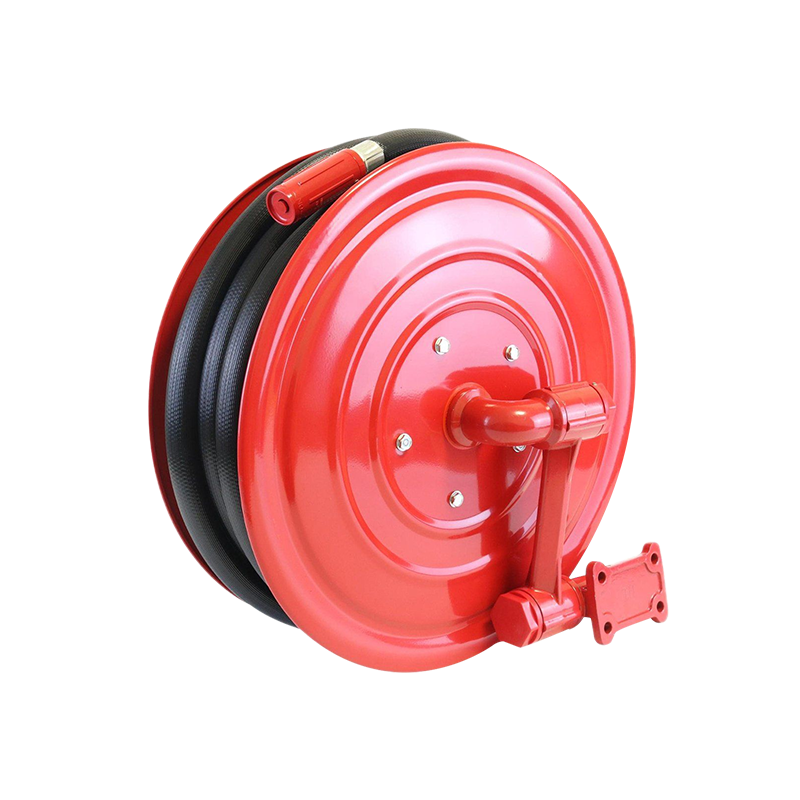
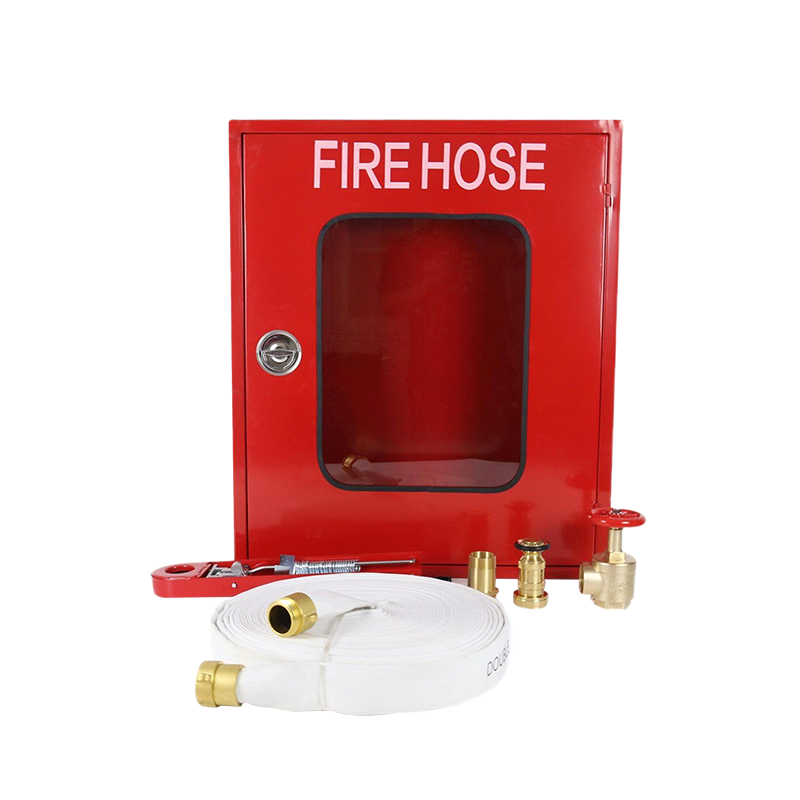
Fire cabinets are designed to accommodate fire hose,valve and other firefighting equipment. Type 201...
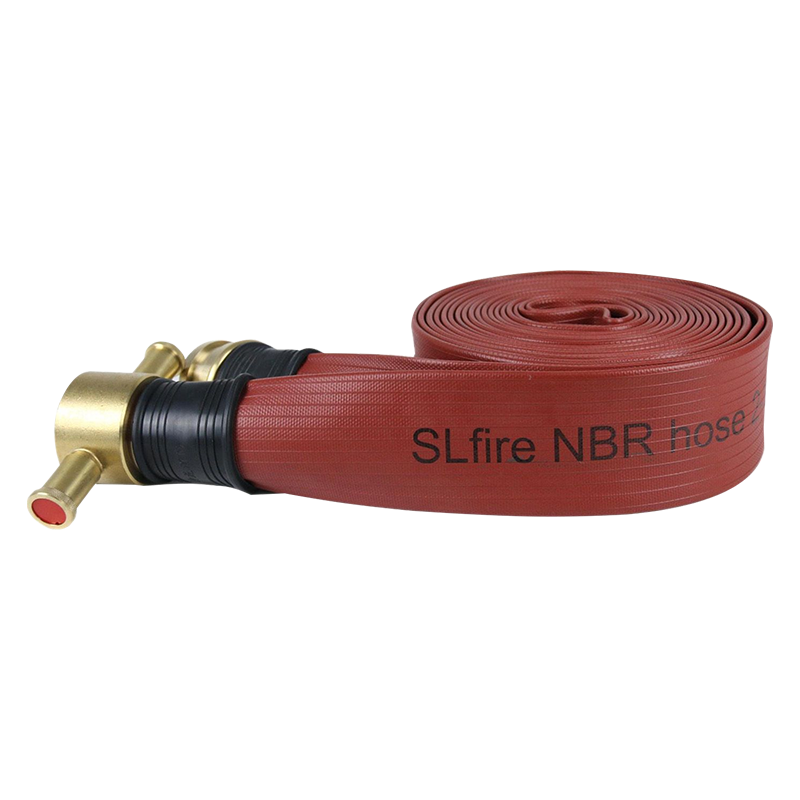
Nitrile covered hose •Nitrile/TPR blend as cover and lining, with 100% high-tenacity polyester yarn ...
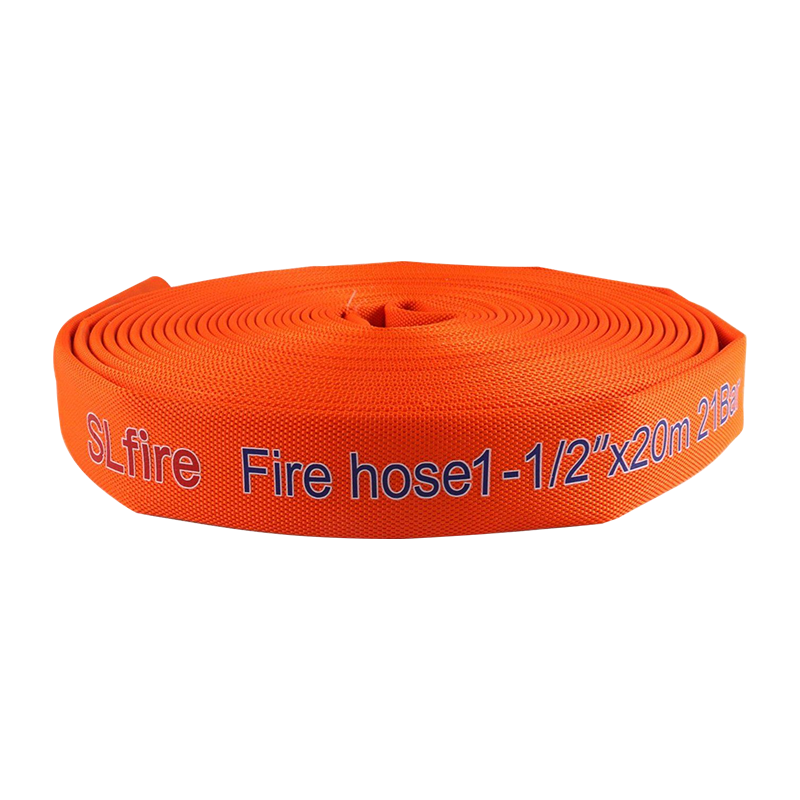
Single jacket, TPU liner •High-tenacity polyester yarn, circular woven in twill weave, TPU lining, f...
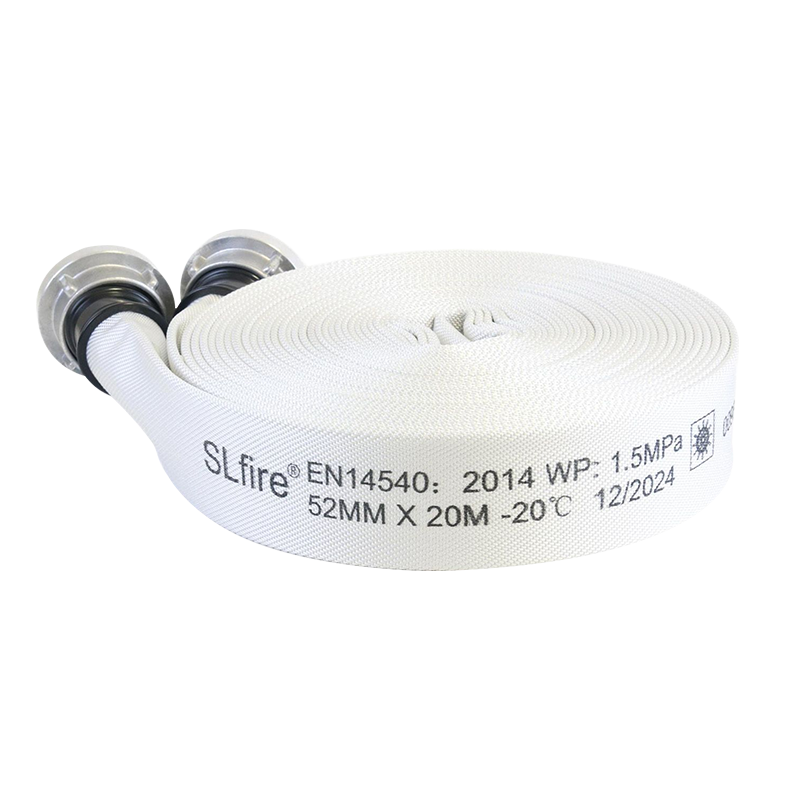
Marine hose Single jacket, PVC liner •100% high tenacity polyester yarn, circular woven in twill wea...
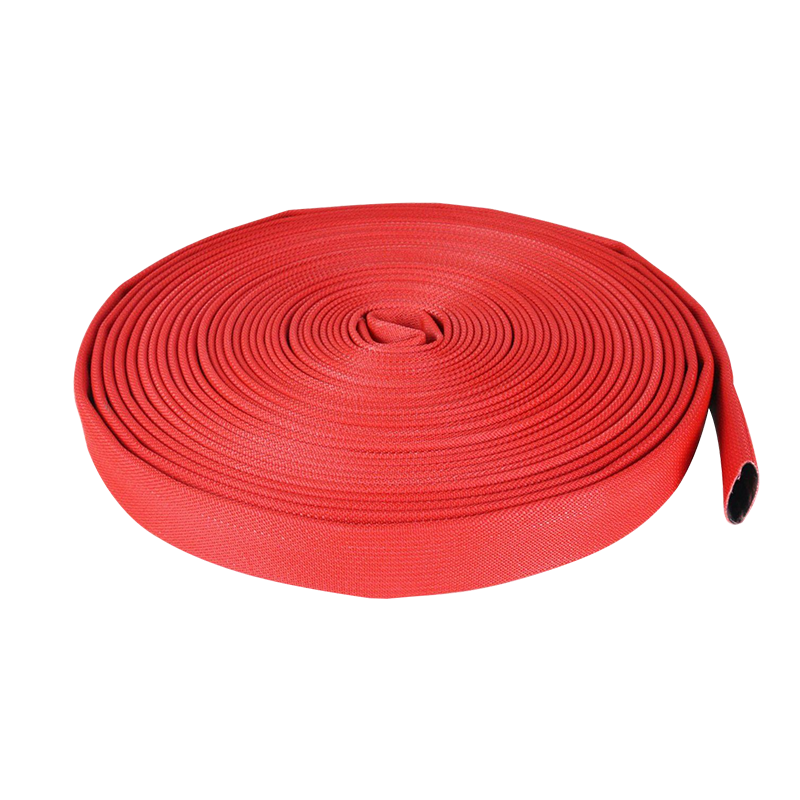
Marine hose Single jacket, PVC liner, PU coated •100% high tenacity polyester yarn,c ircular woven i...
 Call Us
+86 159-5116-9511
Need Support
Head Office
No.58, Kechuang Road, Sixiang Street Medicine Gaoxin District Taizhou City, Jiangsu Province

During a routine service test, a 200-foot attack line fails at 150 psi. The outer jacket looks fine. The problem is inside: a small delamination in the liner has pinched the bore and reduced the flow...
Copyright © Taizhou Shenlong Fire Science and Technology Co., Ltd. All Rights Reserved.
 Fire Hose Manufacturers, Fire Hydrant Hose Factory