

 English
 русский
 Español
 Deutsch
 عربى
عربى Français
 Português
Don't hesitate to send a message
Single jacket, EPDM rubber liner Features • 100% high tenacity polyester jacket, high-grade EPDM rub...
Content
Fire hose couplings are critical components in firefighting systems, allowing for quick and secure connection between hoses, pumps, and nozzles. These couplings ensure the efficient flow of water or fire retardant to extinguish fires. In this article, we will delve into the different types, uses, and benefits of fire hose couplings, as well as how to maintain them for optimal performance.
Fire hose couplings are metal or plastic connectors designed to join sections of fire hoses. They come in different sizes and types, depending on the specific firefighting requirements. Couplings can be attached to both the male and female ends of the hoses, facilitating quick and easy connections during emergencies.
There are several types of fire hose couplings, each suited to specific fire safety applications. Let’s look at the most common ones.
Threaded couplings feature male and female threaded ends that screw together, creating a secure connection. These couplings are most commonly used in firefighting systems where a reliable seal is required. They come in different thread patterns such as NH (National Hose), NPT (National Pipe Thread), or BSP (British Standard Pipe).
Storz couplings are quick-connect designs that do not require threading. Instead, they use a mechanical locking mechanism to join the hoses. These couplings are favored for their speed and ease of use in high-pressure environments, making them ideal for large-scale fire operations.
Clamp-style couplings use a metal clamp to tighten the connection between two hoses. These couplings are used in applications where a secure but temporary connection is necessary, such as for emergency repairs or connecting two hoses of different sizes.
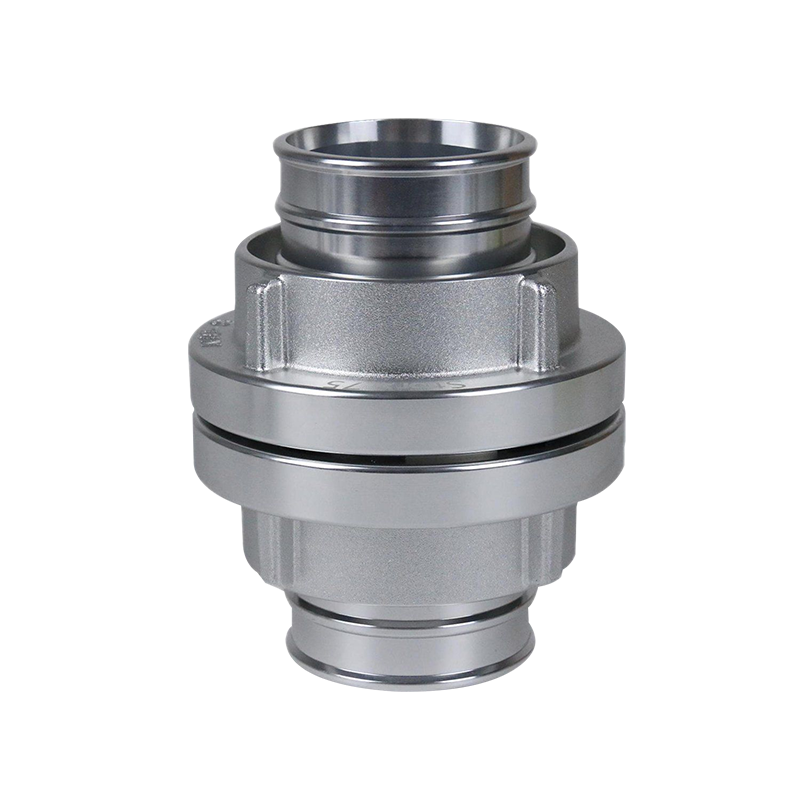
The material used to make fire hose couplings is essential to their strength, durability, and resistance to environmental factors. Let’s explore some of the materials commonly used in fire hose couplings.
Aluminum is one of the most popular materials for fire hose couplings due to its light weight and resistance to corrosion. Aluminum couplings are easy to handle and offer high resistance to heat, making them ideal for most firefighting applications.
Brass couplings are known for their strength and resistance to corrosion. They are commonly used in high-pressure systems and are durable enough to handle long-term use in harsh firefighting environments.
Stainless steel couplings are used in high-demand applications due to their excellent resistance to both heat and corrosion. These couplings are more expensive than aluminum or brass but offer superior performance in extreme conditions.
Regular maintenance of fire hose couplings is critical to ensuring their reliability during an emergency. Here are some essential maintenance tips:
For threaded couplings, it is important to lubricate the threads regularly to prevent them from seizing up or becoming difficult to turn. Use a silicone-based lubricant for best results.
When not in use, store fire hose couplings in a cool, dry place to avoid exposure to moisture, which can cause rust and corrosion. Ensure that the couplings are not under any pressure during storage.
Fire hose couplings are used in various firefighting scenarios, ranging from residential to industrial applications. Some of the most common uses include:
Fire hose couplings are indispensable tools in firefighting operations, enabling quick and secure connections to fire hoses and water sources. Understanding the different types, materials, and maintenance practices for these couplings is essential to ensure that they perform optimally when needed most. By choosing the right coupling for the job and keeping it in good condition, firefighters can enhance their effectiveness in combating fires and saving lives.
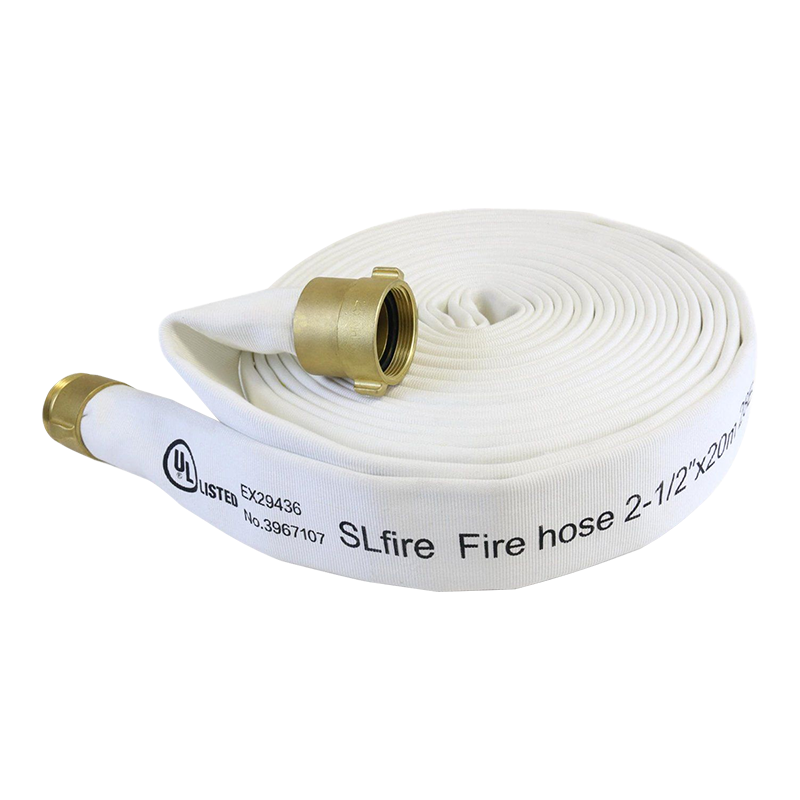
Single jacket, EPDM rubber liner Features • 100% high tenacity polyester jacket, high-grade EPDM rub...
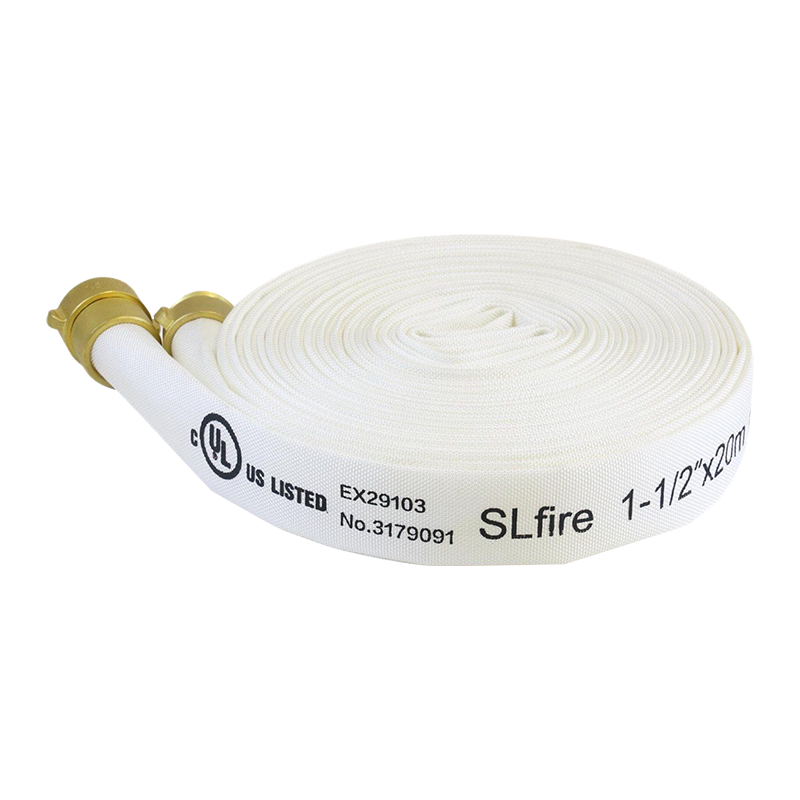
Single jacket, TPU liner •High-tenacity polyester yarn, circular woven in twill weave/plain weave,T ...
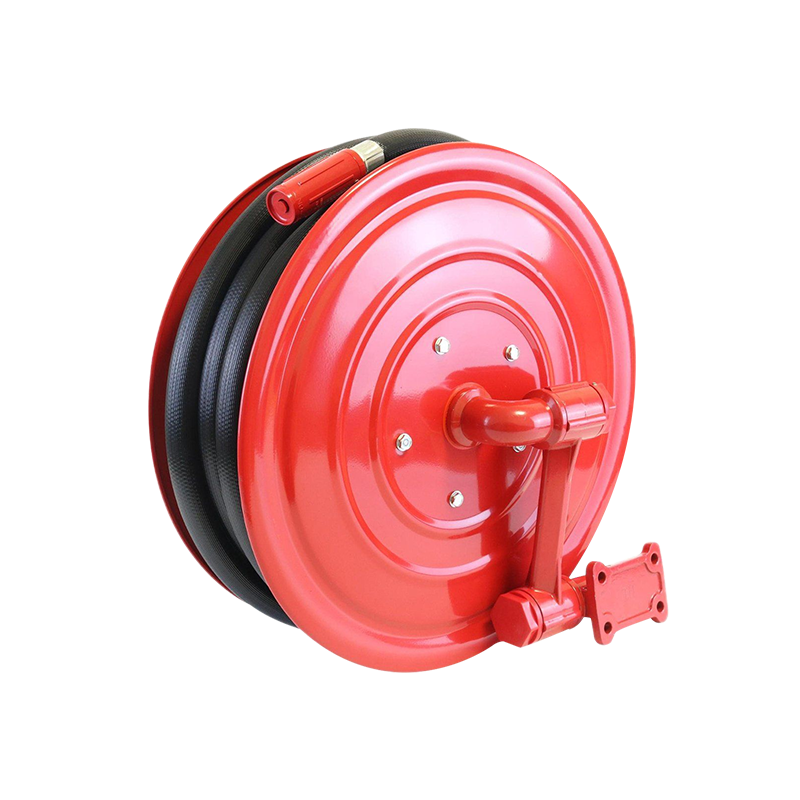
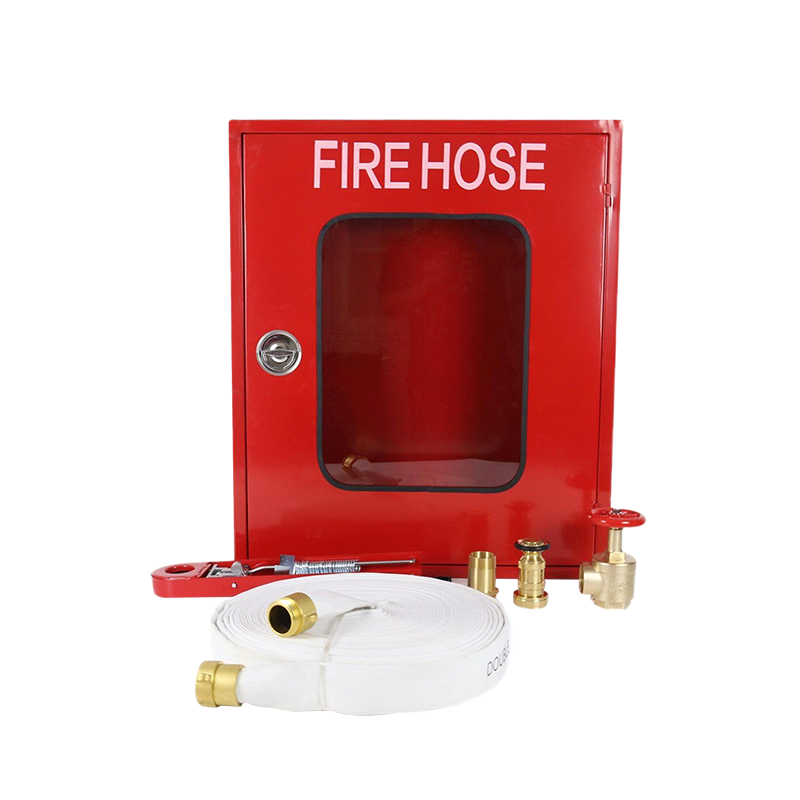
Fire cabinets are designed to accommodate fire hose,valve and other firefighting equipment. Type 201...
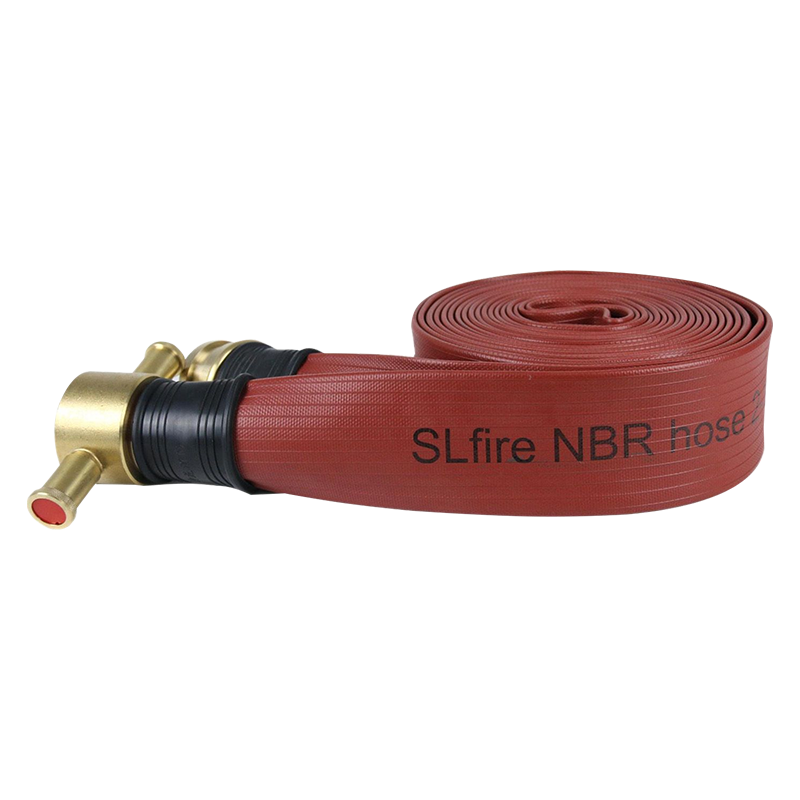
Nitrile covered hose •Nitrile/TPR blend as cover and lining, with 100% high-tenacity polyester yarn ...
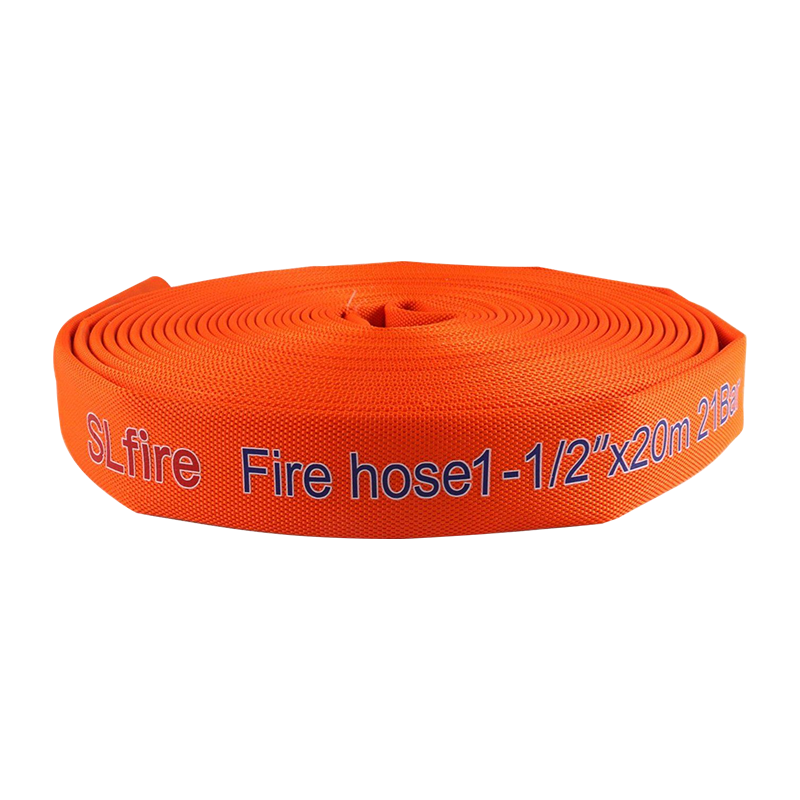
Single jacket, TPU liner •High-tenacity polyester yarn, circular woven in twill weave, TPU lining, f...
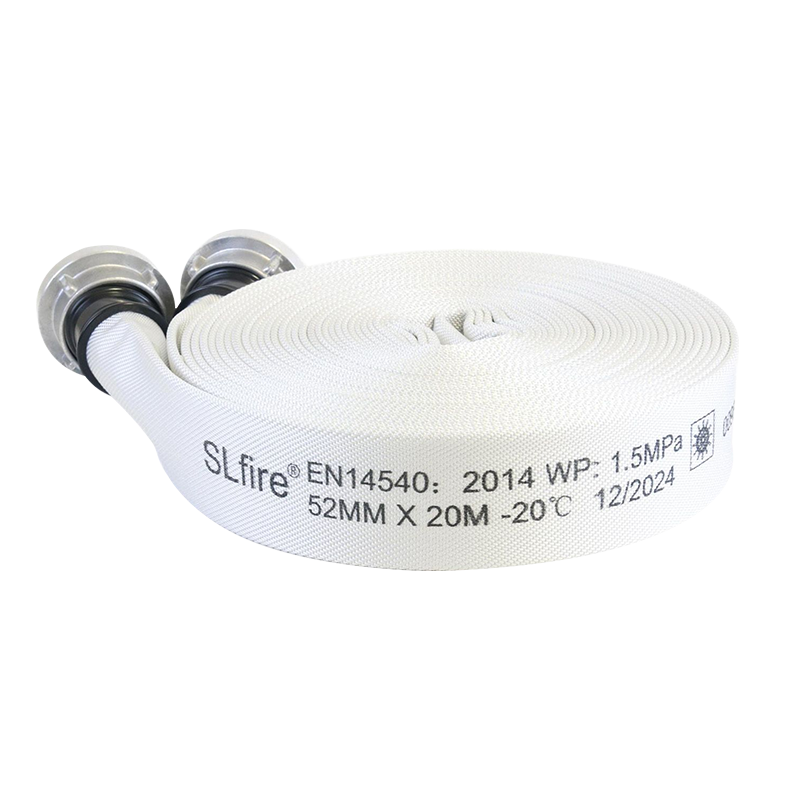
Marine hose Single jacket, PVC liner •100% high tenacity polyester yarn, circular woven in twill wea...
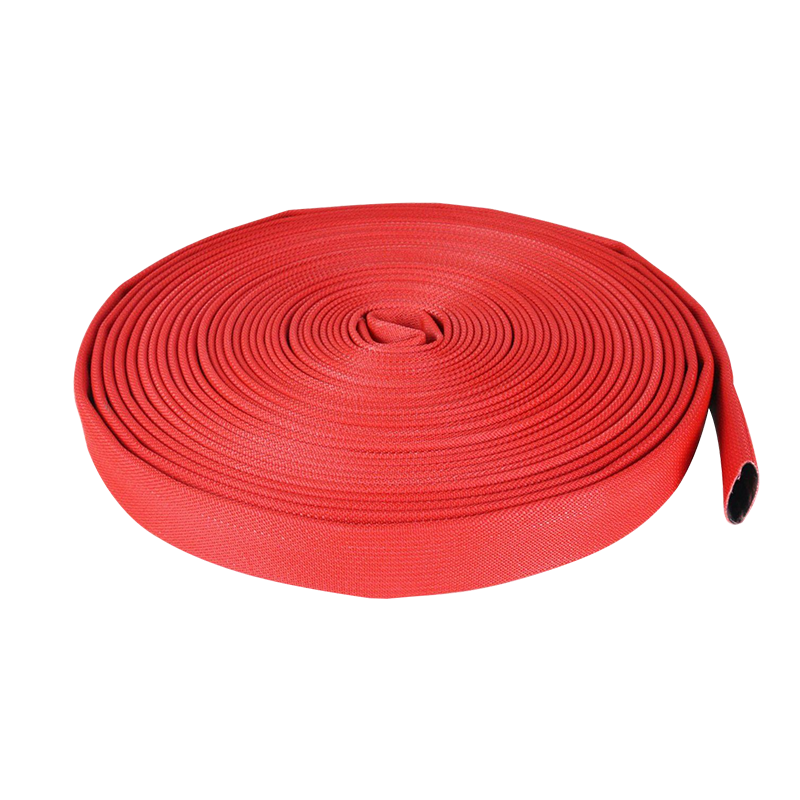
Marine hose Single jacket, PVC liner, PU coated •100% high tenacity polyester yarn,c ircular woven i...
 Call Us
+86 159-5116-9511
Need Support
Head Office
No.58, Kechuang Road, Sixiang Street Medicine Gaoxin District Taizhou City, Jiangsu Province

During a routine service test, a 200-foot attack line fails at 150 psi. The outer jacket looks fine. The problem is inside: a small delamination in the liner has pinched the bore and reduced the flow...
Copyright © Taizhou Shenlong Fire Science and Technology Co., Ltd. All Rights Reserved.
 Fire Hose Manufacturers, Fire Hydrant Hose Factory