

 English
 русский
 Español
 Deutsch
 عربى
عربى Français
 Português
Don't hesitate to send a message
Single jacket, EPDM rubber liner Features • 100% high tenacity polyester jacket, high-grade EPDM rub...
Content
You know the scene: the engine stops short, two crew members jump to the crosslay, and the nozzle team stretches toward the front door. But the hose snags on a folded section, the coupling catches the lip of the bed, and the stretch takes twice as long as it should. Most of the time, the problem is not the crew. It is the way the hose bed is arranged and the hose that is loaded into it.
A fire truck hose bed is not just a storage compartment. It is a tactical tool. The size, location, and loading method determine how quickly a crew can pull an attack line, how much supply hose the rig can carry, and how safely members can work around the apparatus. When you match the right hose construction to each bed position, deployment gets faster and the whole operation runs more smoothly.
At its simplest, a hose bed is the open or enclosed area on an apparatus that stores and deploys fire hose. But the way departments use these beds varies widely. Some rigs carry a single large supply bed; others are organized around multiple preconnected lines for rapid attack.
Each position creates different demands on the hose. Supply hose spends most of its time under pressure and must resist abrasion where it is dragged across pavement and around corners. Attack hose is handled constantly, so it must stay supple and be light enough for a firefighter to pull and advance it without fighting the folds.
Hose bed performance starts with the hose itself. The jacket, liner, and diameter dictate how much hose fits in a given compartment, how fast it can be pulled, and how long it lasts under repeated use.
When you fill the main supply bed, the priority is moving large volumes of water over distance without failure. A double-jacket construction with an EPDM or TPU liner gives the hose the structural strength to handle high pump pressures while the outer jacket protects it from curbs, gravel, and vehicle crossings. In our experience, a double-jacket supply hose with a TPU liner holds up well in departments that stretch long lays daily, because the liner resists kinking and the jacket absorbs more wear before the inner tube is exposed.
If you are evaluating supply hose for your bed, look at the rated working pressure, burst pressure, and how the hose folds. A double-jacket TPU-lined supply hose with good low-temperature flexibility will keep water flowing in winter operations, while a stiff liner can cost you precious minutes when the hose is cold.
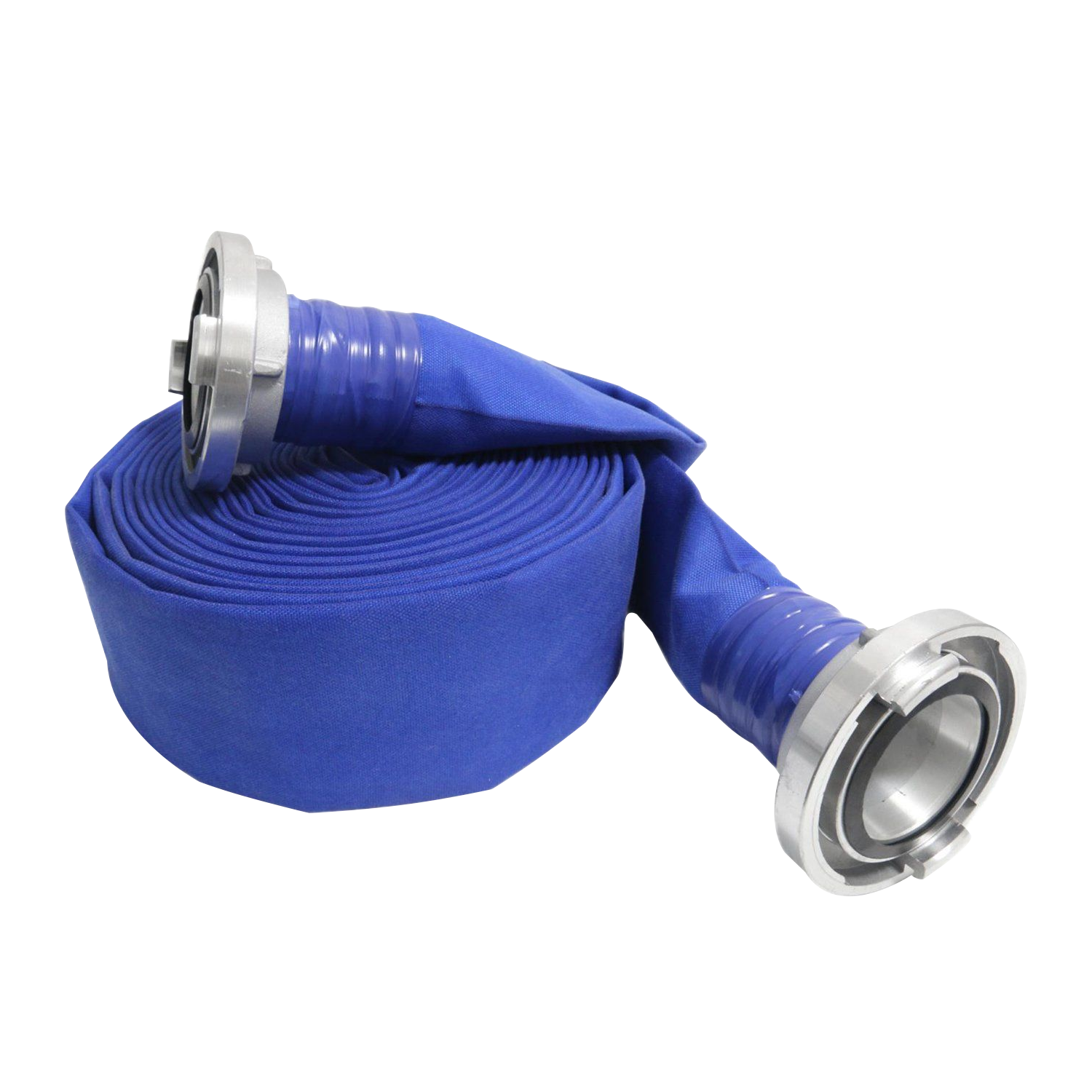 Double jacket TPU liner Supply hose Suppliers, CompanyTaizhou Shenlong Fire Science and Technology Co., Ltd is China Custom Double jacket TPU liner Supply hose Suppliers and Double jacket TPU...View Product →
For crosslays and speedlays, the nozzle team feels every pound. A single-jacket attack hose with a TPU liner is a common choice because it is lighter than rubber-covered alternatives and stows into tight folds without taking a permanent set. The smooth liner keeps friction loss acceptable for preconnected lines up to 200 feet, and the jacket resists punctures better than many crews expect.
When purchasing attack hose for the bed, consider how it behaves after being stored under pressure for long periods. A single-jacket TPU-lined attack hose that stays flexible in cold weather and does not kink at the shoulder makes the difference between a smooth stretch and a frustrating one.
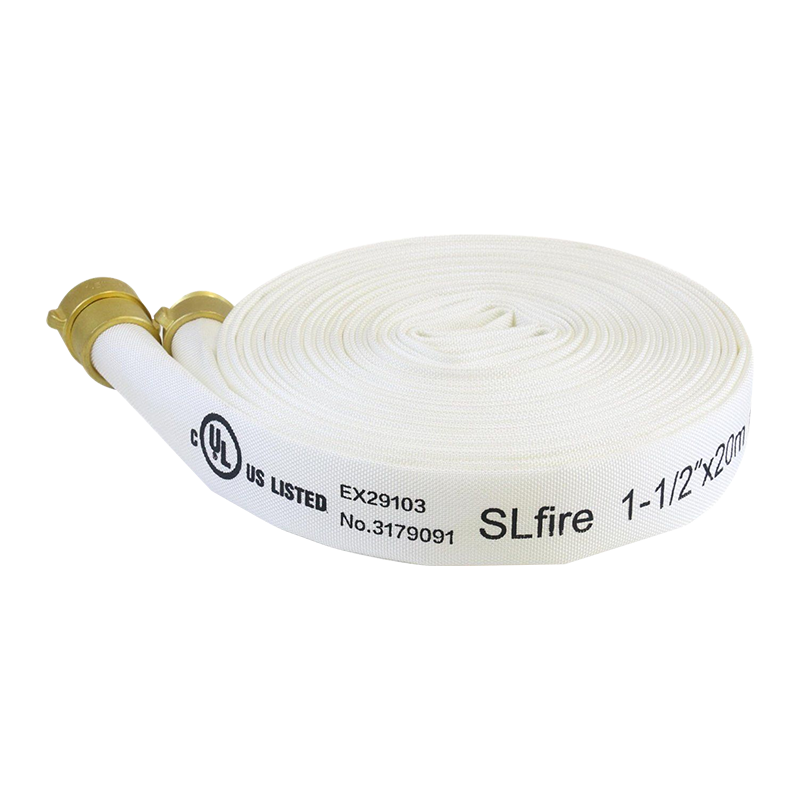 TPU Lined Fire Hose Suppliers,TPU Liner Attack Hose CompanyShenlong is China Custom TPU Lined Fire Hose Suppliers,Single Jacket TPU Liner Attack Hose Company, supply TPU Lined Fire Hose, Single Ja...View Product →
Departments that run brush trucks or wildland units often need a hose bed that packs a lot of line into a small space. A single-jacket forestry hose with a TPU liner is designed to be packed tightly, carried on a firefighter's shoulder, and deployed in rough terrain. Because these lines are often used with lower flow rates, the hose can be more compact without sacrificing strength. A single-jacket TPU-lined forestry fire hose gives brush crews a lightweight option that stores flat and pulls cleanly from a small bed.
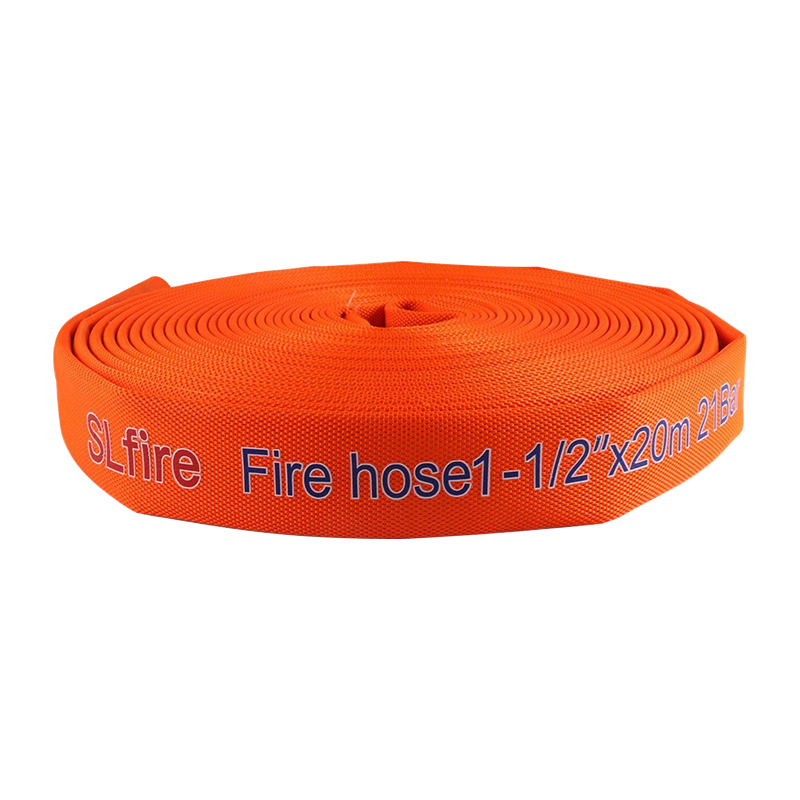 Single Jacket TPU Liner Forestry Fire Hose Suppliers, CompanyTaizhou Shenlong Fire Science and Technology Co., Ltd is China Custom Single Jacket TPU Liner Forestry Fire Hose Suppliers and Single Jac...View Product →
The height of the hose bed affects daily operations more than many departments expect. A high hose bed maximizes the amount of hose the rig can carry, but it forces crews to climb or reach overhead, which slows stretches and increases injury risk. A low hose bed improves access and reduces back strain, but it limits total capacity and can interfere with other body compartments.
There is no universal right answer. Suburban departments that stretch long preconnects regularly might accept the trade-off of a lower bed for speed. Departments that lay miles of large-diameter supply line every month may need the capacity of a deeper, higher bed. The best decision comes from studying your district's fire load, average stretch distances, and the physical demands placed on the crew.
Once the right hose is selected, how it is loaded determines whether it deploys cleanly. Three loading patterns dominate in practice.
| Loading Method | Best Used For | Deployment Advantage | Watch Out For |
|---|---|---|---|
| Flat load | Large-diameter supply hose in a deep bed | Maximum capacity; the hose plays out evenly from the bottom | Requires flaking by hand to prevent snags |
| Accordion load | Attack lines and preconnects | Fast, predictable pull with fewer folds to catch | Takes up more horizontal bed space |
| Horseshoe load | Crosslays and speedlays on narrow beds | Allows pulling from both sides; keeps the load contained | More complex to build without twisting the hose |
The table reflects what we see in the field: departments that standardize their loading method and train on it consistently have fewer deployment problems than those that switch patterns without practice. Whatever method you choose, the nozzle and the first fold should be visible and accessible, and the remaining layers should be flaked so each section lifts out without dragging the one beneath it.
A hose bed is only as good as its weakest length of hose. Regular inspection is non-negotiable. Check the liner for blisters and delamination, look for worn jacket threads where the hose rubs against the bed edge, and confirm that couplings are tight and gaskets are intact. Hose that sits in a bed for months can develop permanent set, so rotate stock when you can and pull each line for a pressure test at least once a year.
It is also worth remembering that the hose bed works together with the couplings and nozzles attached to it. A damaged coupling will tear the jacket of the adjacent length during deployment, and a missing gasket will turn a clean stretch into a leaking mess. If you are reviewing your hose bed setup, take the time to inspect the entire water path from the intake to the tip. The way fire hoses maintain their pressure during firefighting operations depends as much on care between incidents as on the initial design.
No hose bed layout solves every problem, but a carefully selected hose, a consistent loading method, and a disciplined maintenance routine will make your apparatus faster and safer. When you replace hose next season, start with the bed that your crew uses the most, measure the space, and ask for samples that you can fold, pull, and drag before you commit. The right hose for your truck is the one that performs on your fireground, not just in a spec sheet.
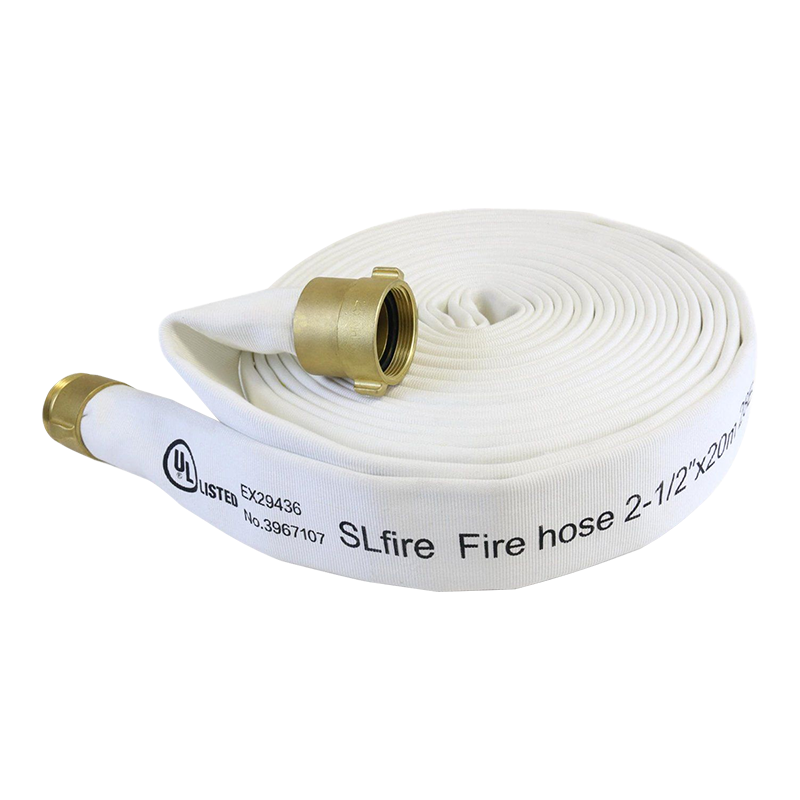
Single jacket, EPDM rubber liner Features • 100% high tenacity polyester jacket, high-grade EPDM rub...
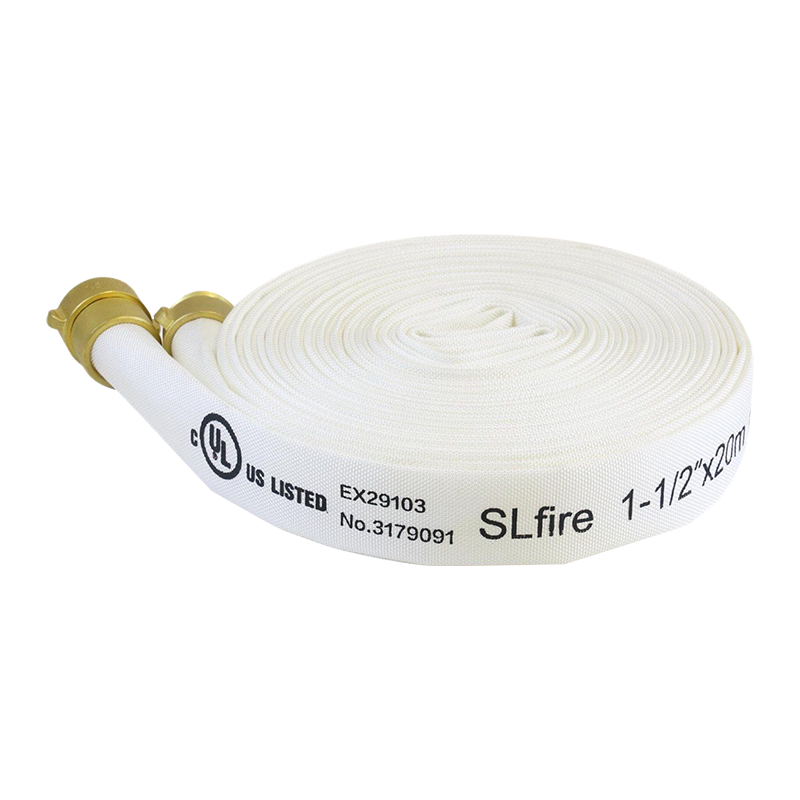
Single jacket, TPU liner •High-tenacity polyester yarn, circular woven in twill weave/plain weave,T ...
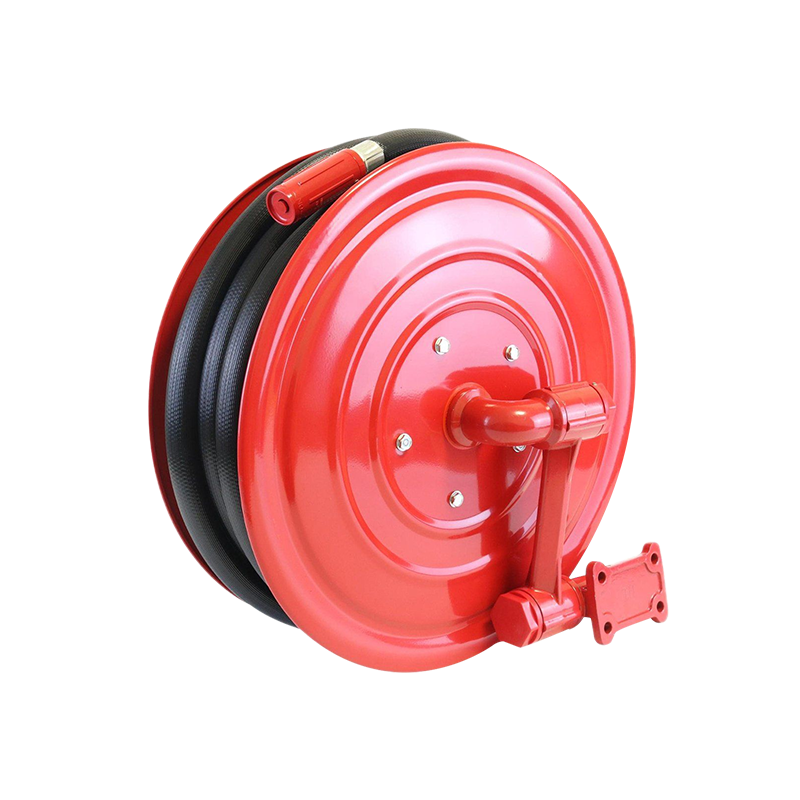
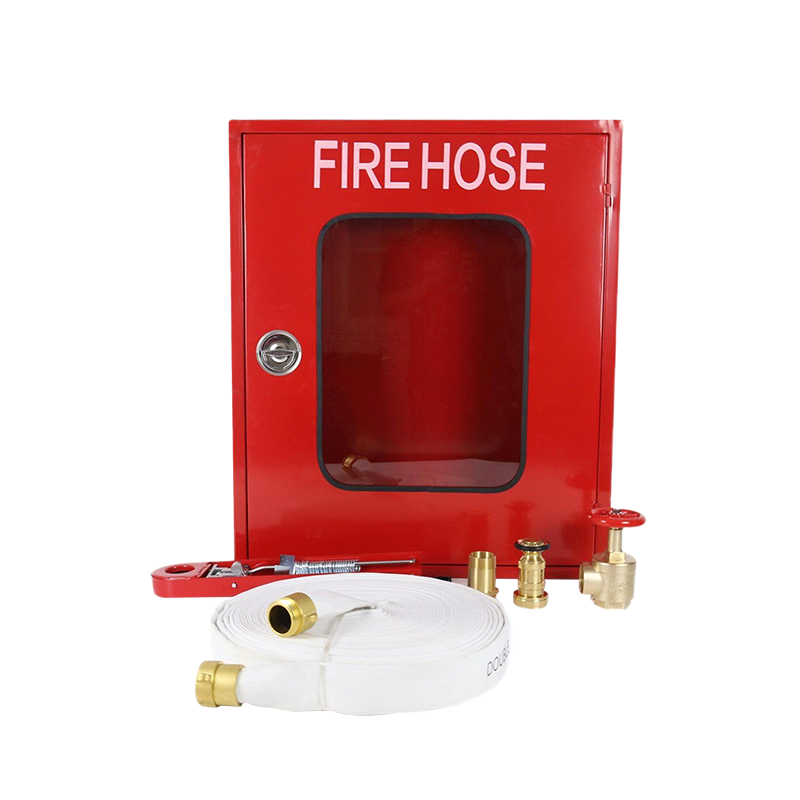
Fire cabinets are designed to accommodate fire hose,valve and other firefighting equipment. Type 201...
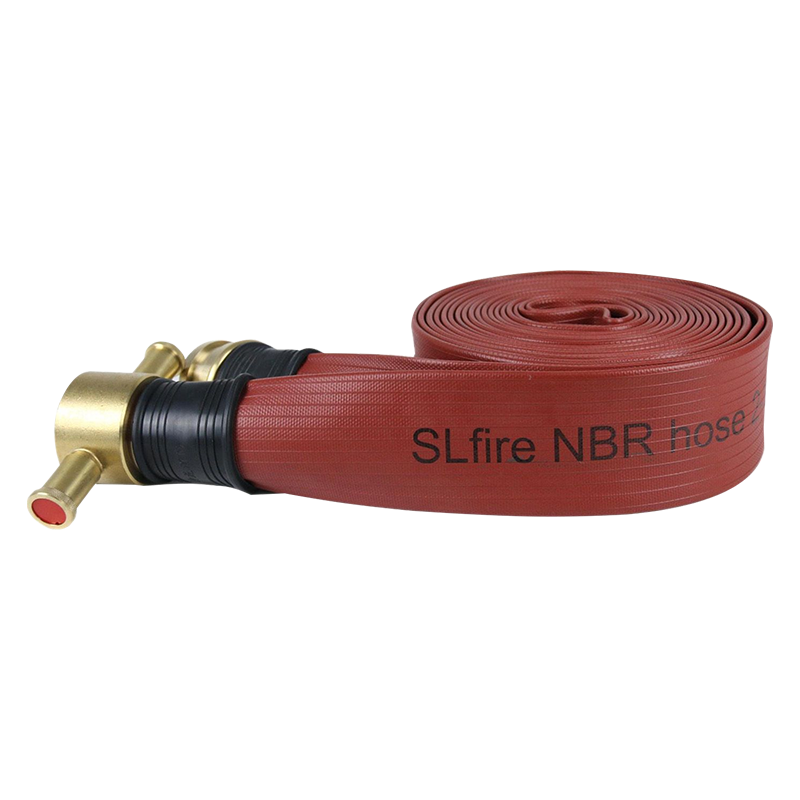
Nitrile covered hose •Nitrile/TPR blend as cover and lining, with 100% high-tenacity polyester yarn ...
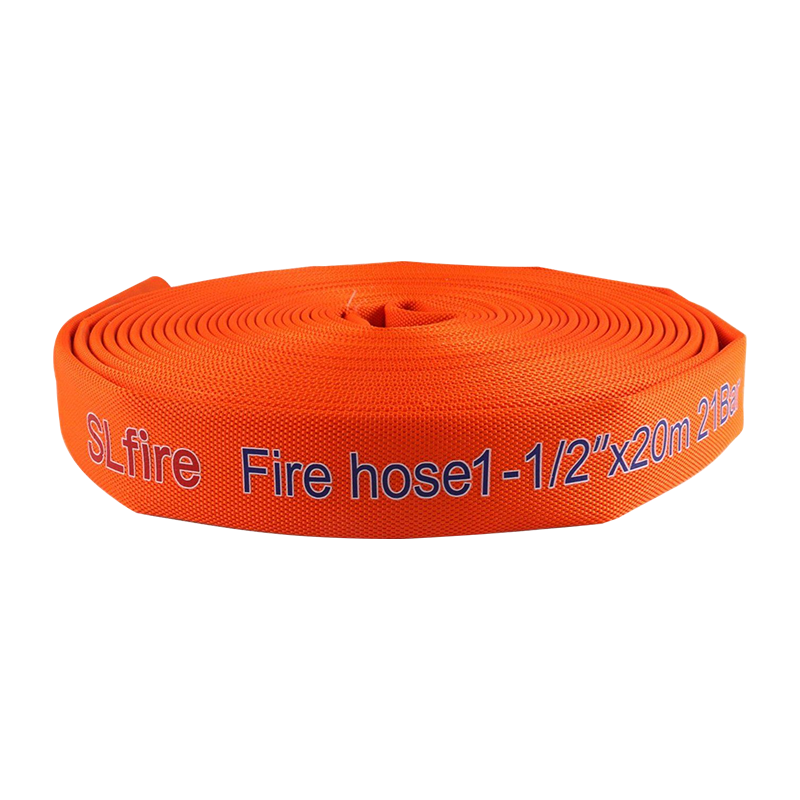
Single jacket, TPU liner •High-tenacity polyester yarn, circular woven in twill weave, TPU lining, f...
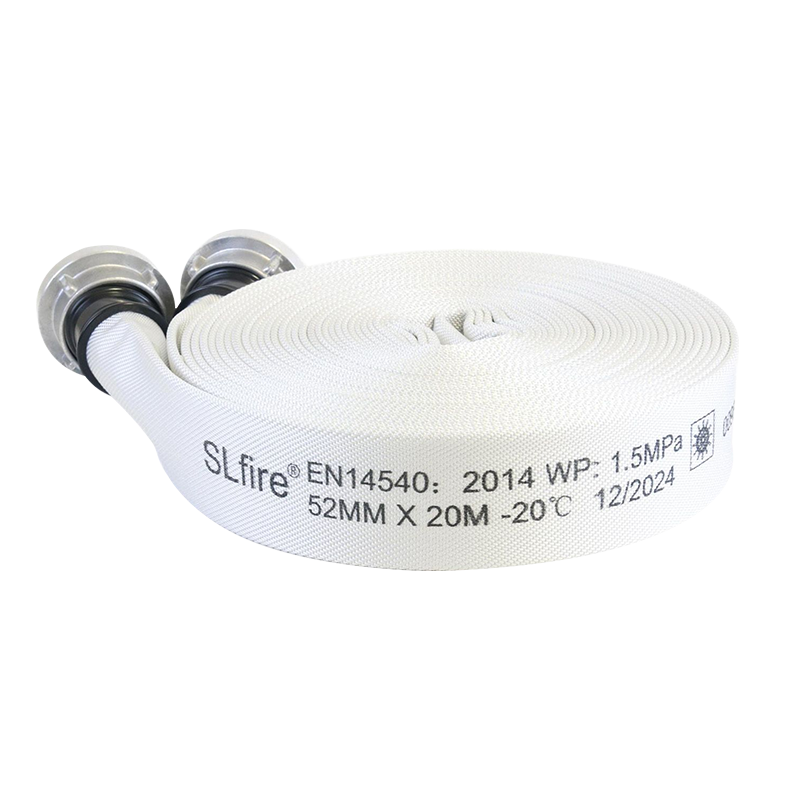
Marine hose Single jacket, PVC liner •100% high tenacity polyester yarn, circular woven in twill wea...
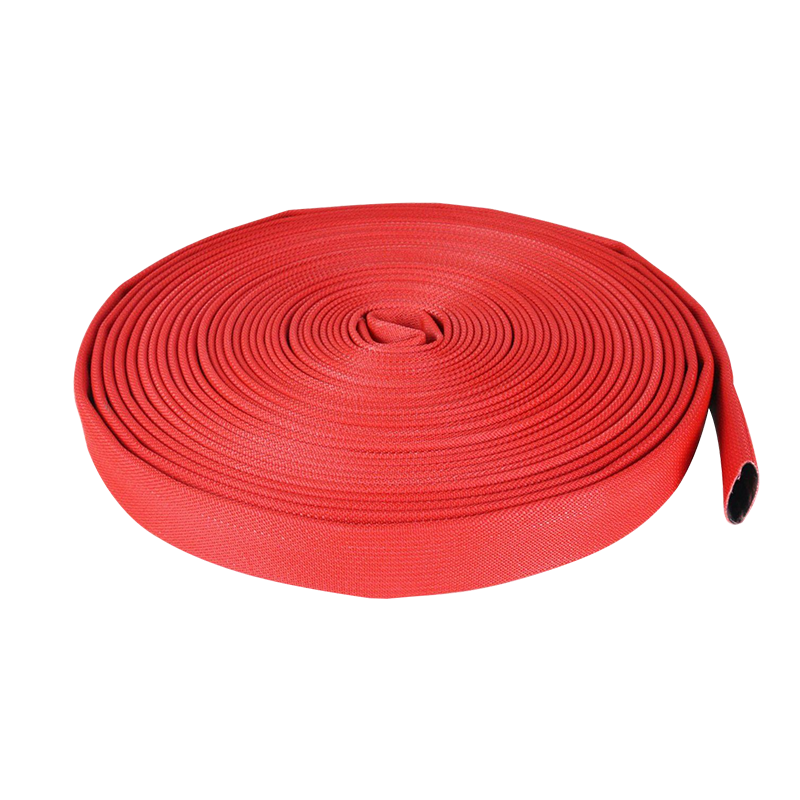
Marine hose Single jacket, PVC liner, PU coated •100% high tenacity polyester yarn,c ircular woven i...
 Call Us
+86 159-5116-9511
Need Support
Head Office
No.58, Kechuang Road, Sixiang Street Medicine Gaoxin District Taizhou City, Jiangsu Province

You know the scene: the engine stops short, two crew members jump to the crosslay, and the nozzle team stretches toward the front door. But the hose snags on a folded section, the coupling catches th...
Copyright © Taizhou Shenlong Fire Science and Technology Co., Ltd. All Rights Reserved.
 Fire Hose Manufacturers, Fire Hydrant Hose Factory