

 English
 русский
 Español
 Deutsch
 عربى
عربى Français
 Português
Don't hesitate to send a message
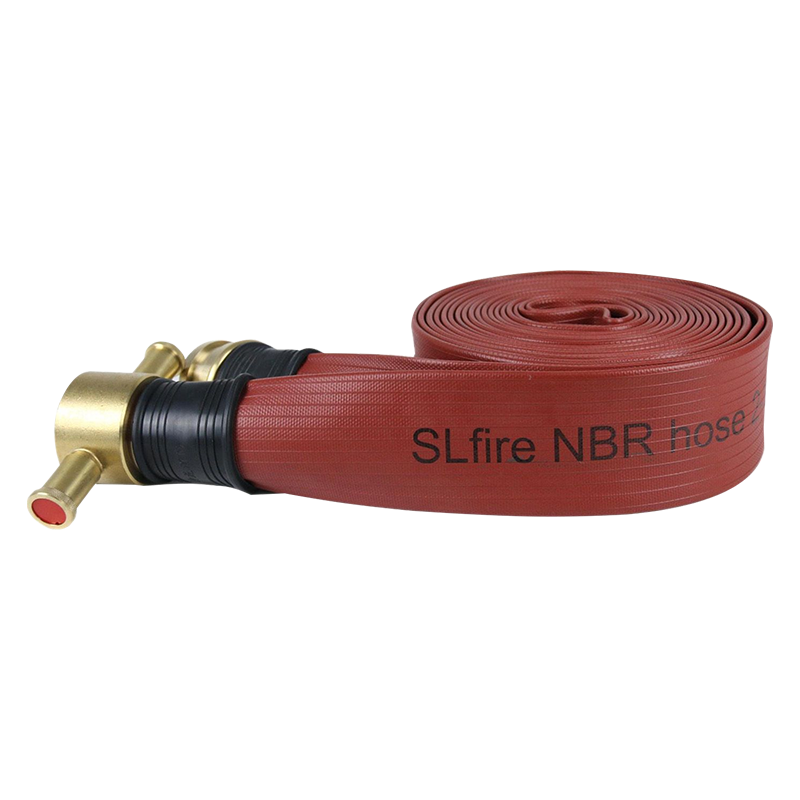
Single jacket, EPDM rubber liner Features • 100% high tenacity polyester jacket, high-grade EPDM rub...
Content
Fire hoses and nozzles represent the primary tools in a firefighter's arsenal, serving as the critical link between water supply and fire suppression. Understanding the various types, constructions, and applications of these essential components can mean the difference between successful fire control and catastrophic outcomes. This comprehensive guide examines the different classifications of fire hoses and nozzles, their specific uses, and the factors that influence equipment selection for different firefighting scenarios.
Modern fire hoses are engineered products designed to withstand pressures, temperatures, and physical abuse while maintaining flexibility and reliability. The construction of a fire hose directly impacts its performance characteristics, durability, and suitability for specific applications. Understanding these construction methods helps firefighters select the right equipment for each situation.
Fire hoses typically consist of three main components: an inner liner that contains the water, a reinforcement jacket that provides strength and pressure resistance, and an outer cover that protects against abrasion, weather, and other environmental hazards. The inner liner is usually made from rubber, thermoplastic, or polyurethane materials that resist water absorption and maintain flexibility across a wide temperature range. These materials must be non-toxic, resistant to mildew and rot, and able to withstand repeated flexing without cracking or developing leaks.
The reinforcement layer determines the hose's burst pressure rating and working pressure capacity. Traditional woven jacket hoses use synthetic fibers like polyester or nylon woven in a circular pattern around the liner. This construction provides kink resistance and maintains flexibility even when pressurized. Rubber-covered hoses feature multiple plies of woven fabric embedded in rubber, creating a more rigid but ly durable construction suitable for high-pressure applications and rough terrain. Modern synthetic hoses incorporate advanced materials like aramid fibers or high-tenacity polyester that offer strength-to-weight ratios compared to traditional materials.
Attack hoses, also known as handlines, are the primary tools firefighters use for direct fire attack and interior operations. These hoses must balance mobility, flow capacity, and pressure capability to enable effective fire suppression while remaining manageable for firefighting teams. The selection of attack hose size depends on the fire load, building construction, and tactical objectives of the operation.
The standard 1.75-inch attack hose represents the common choice for structural firefighting in residential and light commercial applications. This size provides adequate flow rates between 100-200 gallons per minute while remaining light enough for one or two firefighters to advance and maneuver effectively. The 1.75-inch hose offers versatility, working well for room-and-contents fires, vehicle fires, and outdoor fire control. Its relatively low weight when charged with water allows for extended operations without excessive firefighter fatigue.
For larger fires or situations requiring higher flow rates, 2.5-inch attack hoses deliver 200-325 gallons per minute, providing the volume needed to control rapidly developing fires in commercial structures or large residential properties. However, this increased flow capacity comes with significant added weight and reduced maneuverability. A charged 2.5-inch hose requires three to four firefighters to advance effectively, making it less suitable for confined spaces or areas with limited access. Many fire departments use 2.5-inch hoses as transitional lines, establishing strong exterior fire control before advancing smaller handlines for interior operations.
Smaller diameter hoses, typically 1.5 inches or less, serve specialized roles in fire suppression. These lightweight lines are ideal for wildland firefighting, where firefighters must carry equipment over rough terrain for extended distances. The reduced weight and improved portability make them perfect for rapid deployment in brush fires, grass fires, and initial attack scenarios where quick action can prevent fire spread. However, their limited flow capacity restricts their use in structural applications to small fires or overhaul operations.
| Hose Diameter | Flow Rate (GPM) | Typical Application | Crew Size |
| 1.5 inches | 60-150 | Wildland, small fires | 1-2 firefighters |
| 1.75 inches | 100-200 | Structural interior attack | 2 firefighters |
| 2.5 inches | 200-325 | Large structural fires | 3-4 firefighters |
| 3 inches | 300-500 | Master streams, supply lines | 4+ firefighters |
Supply hoses, commonly referred to as large diameter hose (LDH), serve the critical function of moving large volumes of water from hydrants or water sources to fire apparatus pumps. These hoses prioritize flow capacity over pressure capability, using larger diameters and specialized construction to minimize friction loss and maximize water delivery efficiency. The development of LDH technology revolutionized fireground operations by reducing the number of supply lines needed and improving overall water system performance.
Standard LDH sizes include 4-inch, 5-inch, and 6-inch diameters, with 5-inch being the common choice for municipal fire departments. A single 5-inch supply line can deliver 1,000-1,500 gallons per minute with minimal pressure loss, replacing multiple smaller diameter supply lines and reducing the time and personnel required to establish adequate water supply. The construction of LDH emphasizes lightweight materials and flexibility to enable rapid deployment from apparatus, often using specialized beds or reels designed for quick single-person deployment.
Medium diameter supply hoses, typically 2.5 to 3.5 inches, occupy a middle ground between attack lines and LDH. These hoses work well for relay operations where water must be moved moderate distances, for supplementing hydrant supplies, or in areas where full LDH deployment isn't practical. Rural fire departments often rely on 3-inch hoses for drafting operations from ponds, rivers, or portable tanks, as they provide better flow rates than attack lines while remaining more manageable than full-size LDH in areas with limited access or personnel.
Smooth bore nozzles represent the traditional approach to fire stream delivery, using a simple tapered tube to convert pressure into velocity, producing a solid, compact stream with reach and penetrating power. These nozzles contain no moving parts, making them ly reliable and virtually maintenance-free. The straightforward design also results in lower nozzle pressure requirements compared to fog nozzles, typically operating effectively at 50 pounds per square inch (psi) for handlines and 80 psi for master streams.
The primary advantage of smooth bore nozzles lies in their reach and ability to penetrate deep-seated fires. The solid stream maintains cohesion over long distances, minimizing the effects of wind and atmospheric conditions that can disrupt or disperse other stream types. This characteristic makes smooth bore nozzles ideal for exterior operations, defensive attacks on large fires, and situations requiring water delivery into otherwise inaccessible spaces. The solid stream also displaces less air than fog patterns, reducing the risk of disturbing thermal layers in compartment fires.
Smooth bore tips come in fixed sizes ranging from 15/16 inch to 1.75 inches for handlines, with larger sizes available for master stream applications. The tip size determines the flow rate according to established formulas, with common handline tips delivering between 150-185 gallons per minute. Firefighters must select tip size based on the hose diameter and pump pressure capabilities to ensure proper operation. An oversized tip on a small diameter hose creates excessive nozzle reaction and may exceed pump capacity, while an undersized tip wastes potential flow capacity.
Fog nozzles, also called combination nozzles, offer variable stream patterns ranging from straight stream to wide fog, providing firefighters with tactical flexibility to adapt water application to changing fire conditions. These nozzles use internal baffles, teeth, or deflectors to break up the solid stream into droplets, creating patterns that enhance heat absorption and provide fire control in many situations. The ability to adjust pattern width and stream type without changing equipment makes fog nozzles the preferred choice for many modern fire departments.
Automatic fog nozzles maintain relatively constant nozzle pressure across a range of flow rates through an internal spring-loaded mechanism that adjusts the orifice size as pressure changes. This self-regulation allows the nozzle to operate effectively even when multiple lines draw from the same pump or when friction loss varies due to hose length changes. automatic nozzles are designed to operate at 100 psi, with some newer models functioning at 75 psi to reduce nozzle reaction and firefighter fatigue. The typical automatic fog nozzle provides gallonage ranges such as 95-200 gpm or 125-300 gpm, automatically adjusting to deliver the selected flow within these parameters.
Constant gallonage fog nozzles maintain a fixed flow rate regardless of nozzle pressure, requiring careful pump pressure management to ensure proper operation. These nozzles feature a manually adjustable flow control that sets the desired gallonage, typically offering settings like 125, 150, or 200 gpm. Once set, the nozzle delivers this flow rate as long as adequate supply pressure exists. Constant gallonage nozzles provide more predictable hydraulic calculations and ensure consistent tactical performance, but they require trained pump operators who can accurately calculate and maintain proper pressures.
The fog pattern capability offers significant advantages for specific firefighting scenarios. Wide fog patterns create an effective shield against radiant heat, protecting firefighters during exposure protection or rescue operations. The increased surface area of water droplets in fog patterns enhances steam conversion and heat absorption, making them highly effective for interior compartment firefighting where rapid heat reduction is essential. The fog pattern also works well for ventilation support, vapor suppression on hazardous materials incidents, and creating water curtains for protection or decontamination purposes.
Beyond standard smooth bore and fog nozzles, specialized nozzle designs address specific tactical needs and challenging firefighting scenarios. These purpose-built tools extend firefighting capabilities into situations where conventional nozzles prove ineffective or impractical. Understanding when and how to deploy specialized nozzles enhances overall firefighting effectiveness and safety.
Piercing nozzles, also called penetrating nozzles, feature hardened tips designed to punch through walls, roofs, or floors, delivering water directly into concealed spaces or inaccessible fire areas. These tools prove invaluable for fighting fires in walls, attics, or other void spaces where traditional access creates safety hazards or structural damage. The piercing tip protects the water stream delivery mechanism while the nozzle penetrates the barrier, typically providing either a solid stream or a rotating fog pattern once positioned. Some models incorporate cameras or thermal sensors, allowing firefighters to assess conditions inside the space before and during water application.
Cellar nozzles distribute water in a circular or spherical pattern, designed specifically for fighting basement fires or other situations where firefighters cannot safely enter the fire area. These nozzles feature multiple outlets arranged around a central body, creating a rotating spray pattern that covers a wide area as the nozzle spins from water pressure. Firefighters lower the cellar nozzle through a hole in the floor or down a stairway, allowing water to reach the fire area while personnel remain in safe positions. The rotating action helps overcome the directional limitations of fighting fires remotely.
Foam nozzles incorporate aspirating features that mix air with foam solution, generating the expanded foam necessary for Class B fire suppression and vapor suppression on fuel spills. These nozzles require specific pressure ranges and flow rates to produce proper foam quality and expansion ratios. Low-expansion foam nozzles generate foam with expansion ratios of 20:1 or less, creating a heavy blanket that suppresses vapors and excludes oxygen from flammable liquid surfaces. High-expansion foam generators produce expansion ratios of 200:1 to 1000:1, filling large volumes with lightweight foam for total flooding applications in warehouses, aircraft hangars, or similar large spaces.
Selecting the appropriate nozzle for specific firefighting operations requires understanding multiple factors including fire behavior, structural characteristics, water supply limitations, and tactical objectives. The wrong nozzle choice can compromise firefighting effectiveness, waste water resources, or create unnecessary hazards for firefighting personnel. Effective nozzle selection combines theoretical knowledge with practical experience and situational assessment.
Nozzle reaction, the backward force generated when water accelerates through the nozzle, significantly impacts firefighter safety and operational effectiveness. Higher flow rates and pressures increase nozzle reaction proportionally, with the reaction force calculated based on the flow rate and nozzle pressure. A 1.75-inch handline with a fog nozzle operating at 150 gpm and 100 psi generates approximately 90 pounds of reaction force, manageable for two firefighters. Increasing to 200 gpm raises the reaction to approximately 160 pounds, approaching the upper limit of safe handline operation. Understanding these forces helps departments select appropriate nozzle types and flow rates for their staffing capabilities and operational procedures.
Water application efficiency varies significantly between nozzle types based on droplet size and pattern characteristics. Smaller droplets absorb heat more rapidly due to increased surface area relative to volume, making fog patterns more efficient for heat absorption in many scenarios. However, smaller droplets also lose forward momentum more quickly, reducing effective reach and increasing susceptibility to wind interference. The optimal balance depends on whether the tactical priority emphasizes reach, penetration, heat absorption, or protective capabilities. Interior structural firefighting often benefits from fog nozzles' heat absorption, while exterior operations or high-wind conditions favor the reach and penetration of smooth bore streams.
Maintenance requirements and reliability considerations influence long-term nozzle selection decisions. Fog nozzles contain springs, ball valves, teeth, and adjustment mechanisms that require regular inspection, cleaning, and occasional replacement. Debris in the water supply can damage these components or affect performance. Smooth bore nozzles' simple construction eliminates maintenance concerns but sacrifices versatility. Departments must balance the tactical advantages of adjustable nozzles against the reliability benefits and reduced maintenance of smooth bore equipment, often maintaining both types to provide options for different scenarios.
Understanding the complete range of fire hoses and nozzles available, their construction principles, and their appropriate applications enables firefighters to make informed equipment choices that enhance safety and operational effectiveness. The continued evolution of materials, designs, and technologies promises even better tools for future firefighting operations, but the fundamental principles of matching equipment capabilities to tactical requirements remain constant. Proper selection, deployment, and maintenance of fire hoses and nozzles will always form the foundation of successful fire suppression operations.
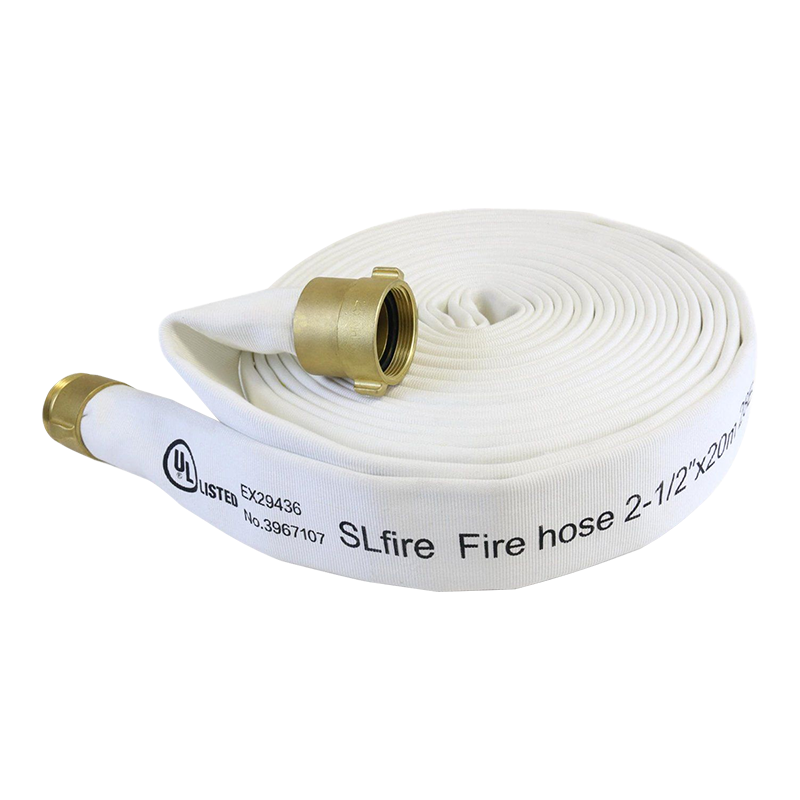
Single jacket, EPDM rubber liner Features • 100% high tenacity polyester jacket, high-grade EPDM rub...
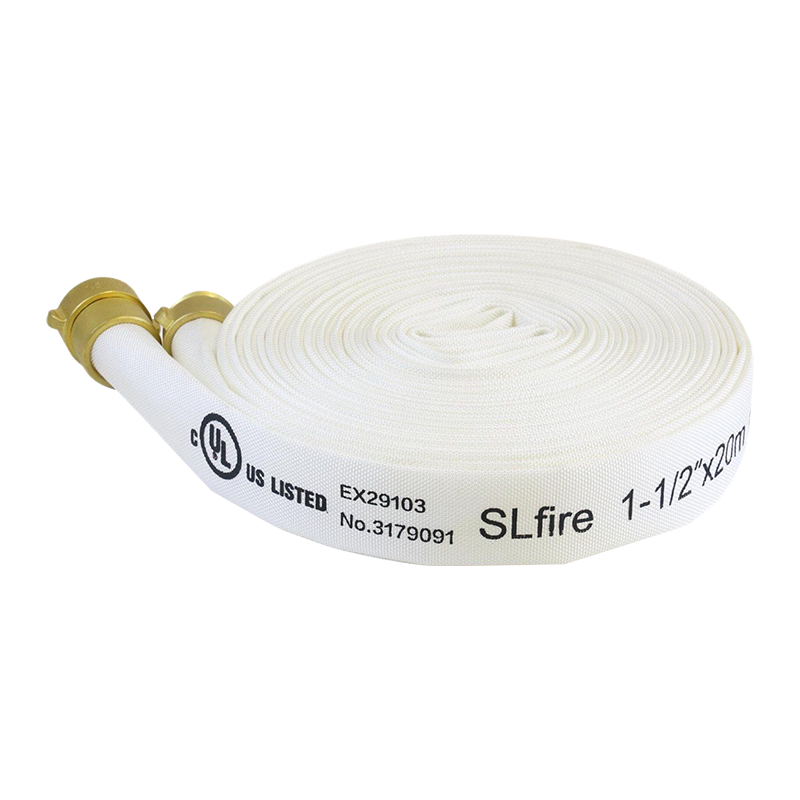
Single jacket, TPU liner •High-tenacity polyester yarn, circular woven in twill weave/plain weave,T ...
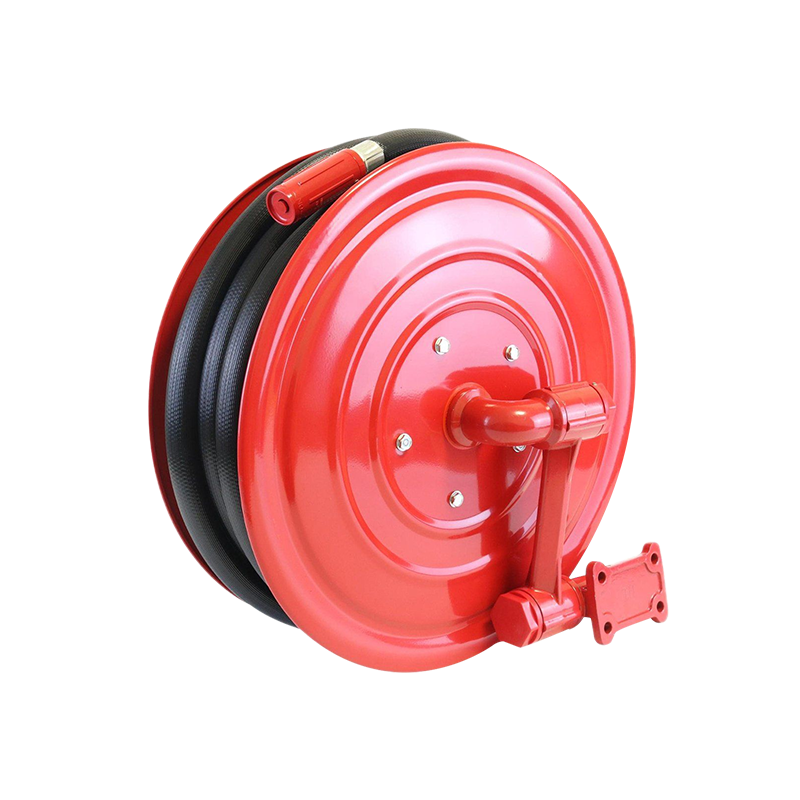
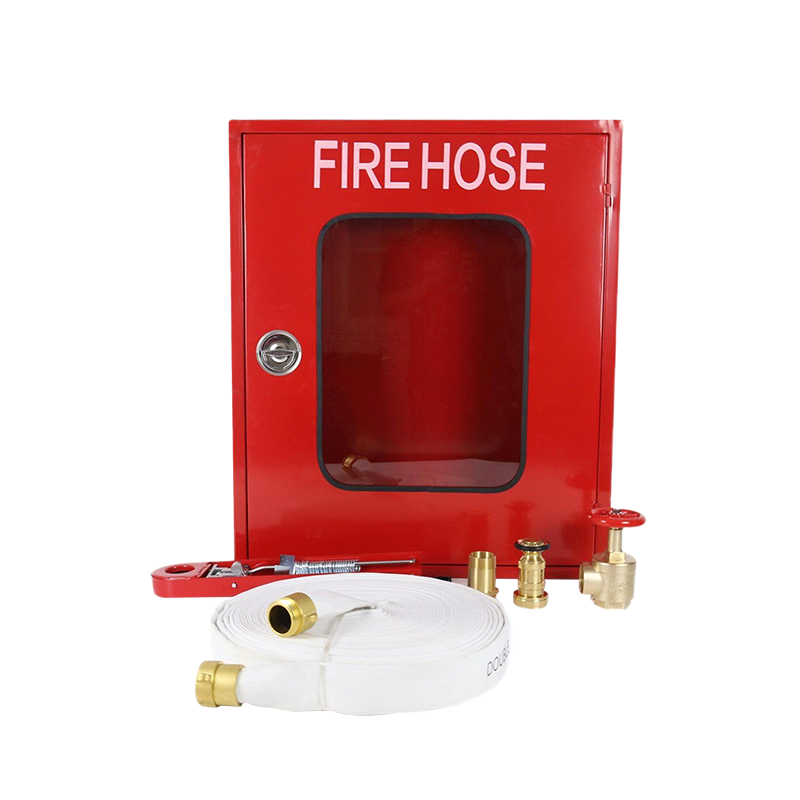
Fire cabinets are designed to accommodate fire hose,valve and other firefighting equipment. Type 201...

Nitrile covered hose •Nitrile/TPR blend as cover and lining, with 100% high-tenacity polyester yarn ...
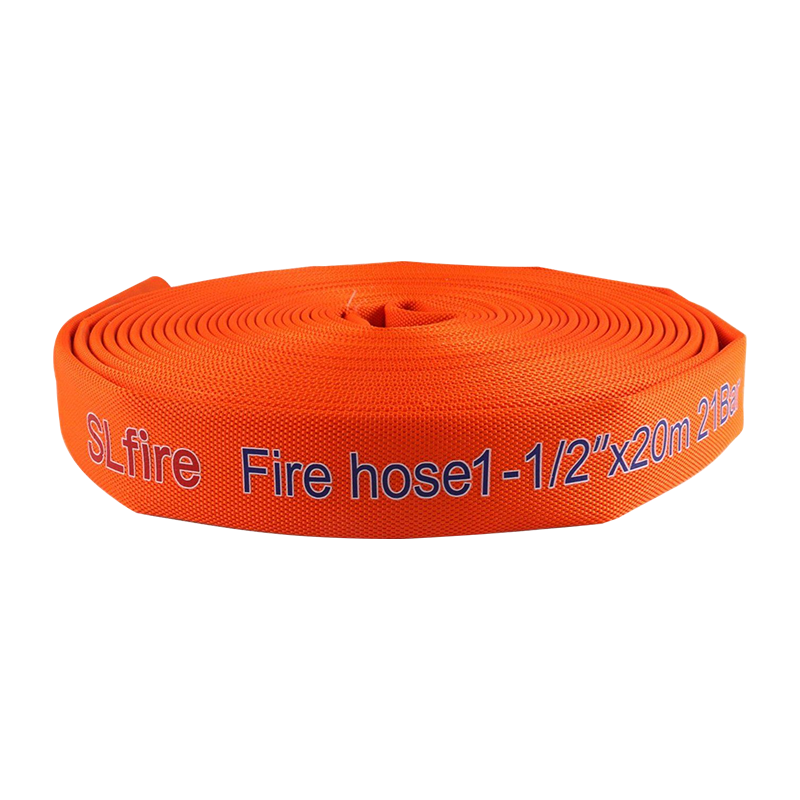
Single jacket, TPU liner •High-tenacity polyester yarn, circular woven in twill weave, TPU lining, f...
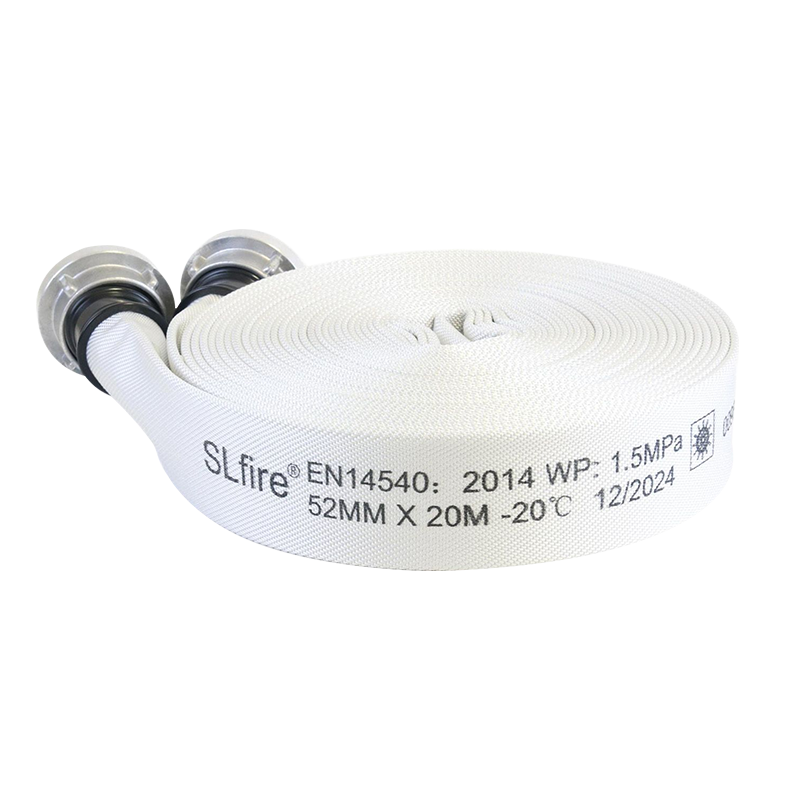
Marine hose Single jacket, PVC liner •100% high tenacity polyester yarn, circular woven in twill wea...
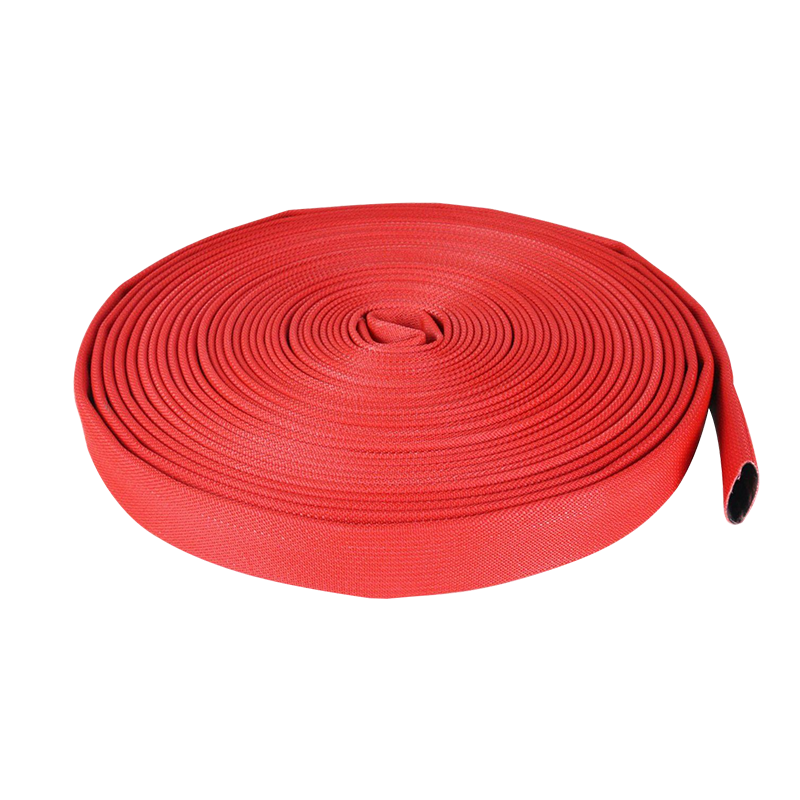
Marine hose Single jacket, PVC liner, PU coated •100% high tenacity polyester yarn,c ircular woven i...
 Call Us
+86 159-5116-9511
Need Support
Head Office
No.58, Kechuang Road, Sixiang Street Medicine Gaoxin District Taizhou City, Jiangsu Province

During a routine service test, a 200-foot attack line fails at 150 psi. The outer jacket looks fine. The problem is inside: a small delamination in the liner has pinched the bore and reduced the flow...
Copyright © Taizhou Shenlong Fire Science and Technology Co., Ltd. All Rights Reserved.
 Fire Hose Manufacturers, Fire Hydrant Hose Factory