

 English
 русский
 Español
 Deutsch
 عربى
عربى Français
 Português
Don't hesitate to send a message
Single jacket, EPDM rubber liner Features • 100% high tenacity polyester jacket, high-grade EPDM rub...
Content
When a fire breaks out, every second counts — and so does every piece of equipment on the scene. Among the most critical tools in any firefighter's arsenal is the fire hose. But not all fire hoses are created equal. Different emergencies demand different hose types, and using the wrong one can cost precious time or even lives. So, what are the essential types of fire hose every firefighter, safety officer, or fire protection enthusiast must know?
Fire hoses are not one-size-fits-all tools. They vary by construction, diameter, pressure rating, lining material, and intended application. A hose used in a high-rise building rescue differs vastly from one deployed in a wildland fire. Understanding the distinctions helps fire departments make smarter purchasing decisions, ensures safer operations on the ground, and improves overall firefighting effectiveness. Misusing a hose — for example, using a low-pressure forestry hose in a structural fire — can lead to equipment failure or inadequate water delivery at the worst possible moment.
Attack hoses are the front-line weapons in firefighting. These hoses are designed to deliver water or foam directly onto burning structures, vehicles, or materials. They are built to withstand high working pressures, typically ranging from 100 to 300 PSI, and are constructed with a durable outer jacket — usually woven synthetic fiber — over a rubber or thermoplastic inner liner.
Attack hoses typically range in diameter from 1¾ inches to 3 inches. The 1¾-inch hose is the most commonly used size in structural firefighting because it balances maneuverability with adequate water flow. Larger 2½-inch attack hoses deliver higher volumes but require more personnel to handle effectively. These hoses connect directly to the fire engine's pump discharge outlet and are pre-connected for rapid deployment.
Supply hoses, often referred to as Large Diameter Hose (LDH), are the workhorses of water supply operations. These hoses are responsible for moving large volumes of water from hydrants or tankers to the fire engine's intake. They typically measure 4 to 6 inches in diameter and are designed for relatively lower pressure but extremely high flow rates.
LDH is critical in relay pumping operations and when establishing a sustained water supply over longer distances. Their construction features a heavy-duty outer jacket with a smooth inner liner that minimizes friction loss, allowing water to travel efficiently. In major urban fires or industrial incidents, multiple supply hoses may be deployed simultaneously to feed aerial ladders and master stream devices.
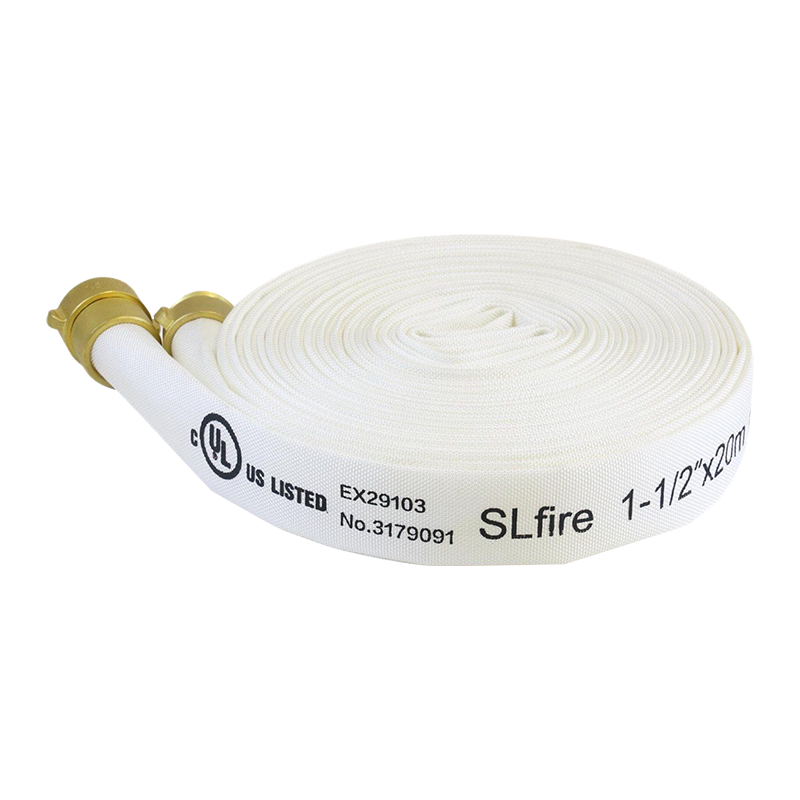
Wildland and forestry fires present unique challenges — rough terrain, remote locations, and extended deployments. Forestry hoses are engineered specifically for these conditions. They are lightweight, flexible, and designed to be carried and laid over long distances through dense vegetation, rocky hillsides, and uneven ground.
Typically 1 to 1½ inches in diameter, forestry hoses operate at lower pressures than structural attack hoses. Their outer jackets are often made from synthetic materials that resist abrasion against rocks and brush. Some models feature a mildew-resistant treatment to survive prolonged exposure in wet environments. These hoses are frequently used in conjunction with portable pumps and backpack water units during wildland firefighting efforts.
Booster hoses are small-diameter, high-pressure hoses typically stored on a reel on the fire apparatus. They range from ¾ inch to 1 inch in diameter and are used for minor fires, vehicle fires, rubbish fires, and overhaul operations after a main fire has been knocked down.
Unlike other hose types that lie flat when uncharged, booster hoses are made from a rigid rubber construction that holds its round shape even when empty. This makes them easy to rewind onto the reel quickly. While they are not suitable for major structural fires due to their limited flow capacity, their quick deployment and ease of use make them invaluable for routine, smaller incidents.
When a fire engine needs to draft water from a static source — such as a lake, pond, swimming pool, or cistern — a hard suction hose is the essential tool. Unlike other hoses that rely on positive water pressure, suction hoses must resist atmospheric pressure to prevent collapse as water is drawn into the pump.
Hard suction hoses are constructed with a rigid spiral reinforcement embedded within the hose wall, giving them the structural integrity to maintain their shape under negative pressure. They typically measure 4 to 6 inches in diameter and come in fixed lengths that are coupled together as needed. Proper setup and priming of the pump are essential to achieving effective drafting operations with these hoses.
Found inside commercial buildings, hospitals, shopping centers, and high-rise apartments, occupant use hoses — also called standpipe hoses — are designed for use by building occupants or trained staff during the early stages of a fire, before the fire department arrives. These hoses are permanently mounted in hose cabinets connected to the building's internal standpipe system.
Standpipe hoses typically measure 1½ inches in diameter and are stored pre-connected to a valve. While they are useful for initial attack on small fires, firefighters responding to high-rise incidents often replace or supplement these hoses with their own attack lines due to concerns about hose condition, age, and flow rate limitations. In many modern buildings, these hose stations have been replaced by dry standpipe connections accessible only to trained firefighters.
In situations where a fire is located far from the nearest water supply, relay pumping becomes necessary. Relay hoses are used to form a pipeline between multiple pumping apparatus, moving water over distances that a single pump cannot cover alone. These are typically medium-to-large diameter hoses — 2½ to 5 inches — capable of sustaining pressure across significant distances.
Relay operations require careful coordination between pump operators to maintain consistent pressure and flow. The hoses used in relay operations must be able to withstand both the working pressure delivered by the upstream pump and the intake pressure required by the downstream apparatus. High-quality, pressure-tested hoses are mandatory in these critical supply chains.
To make it easier to compare the seven types, the following table summarizes their primary characteristics:
| Hose Type | Diameter | Pressure | Primary Use |
| Attack Hose | 1¾" – 3" | High | Direct fire suppression |
| Supply / LDH | 4" – 6" | Low–Medium | Water supply from hydrant |
| Forestry Hose | 1" – 1½" | Low–Medium | Wildland firefighting |
| Booster Hose | ¾" – 1" | High | Minor fires, overhaul |
| Hard Suction Hose | 4" – 6" | Negative (draft) | Drafting from static sources |
| Standpipe Hose | 1½" | Medium | In-building initial attack |
| Relay Hose | 2½" – 5" | Medium–High | Long-distance water relay |
Selecting the appropriate fire hose for any given application involves evaluating several critical factors. Getting this decision right is not just a matter of efficiency — it directly impacts firefighter safety and fire suppression success.
Structural fires require attack hoses rated for high pressure and durable enough to withstand debris and heat exposure. Wildland fires demand lightweight, flexible forestry hoses that can be transported over rugged terrain. Industrial fires may require specialty foam-compatible hoses for handling flammable liquid fires.
If the water source is a pressurized hydrant system nearby, standard supply and attack hoses suffice. For remote areas without hydrants, a hard suction hose for drafting — combined with relay hoses for distance — becomes essential. Planning your hose layout before arriving on scene can dramatically reduce setup time.
Even the best fire hose fails if not properly maintained. Fire hoses should be pressure-tested annually in accordance with NFPA 1962, inspected for wear, mildew, or coupling damage, and stored correctly to prevent degradation. A hose that fails mid-operation is a catastrophic liability.
The materials used in fire hose construction have evolved significantly over the decades. Modern hoses take advantage of advanced synthetics that offer superior durability and performance compared to older rubber or cotton-jacketed models.
The seven types of fire hoses outlined here — attack, supply, forestry, booster, hard suction, standpipe, and relay — each serve a distinct and irreplaceable role in the firefighting ecosystem. Understanding their design, capabilities, and limitations is not just academic knowledge; it is operational intelligence that can save lives. Whether you are a seasoned firefighter, a fire protection engineer, or a facilities manager responsible for building safety systems, knowing your hoses means knowing your readiness. Invest in the right equipment, maintain it diligently, and train with it regularly — because when the alarm sounds, there is no time to improvise.
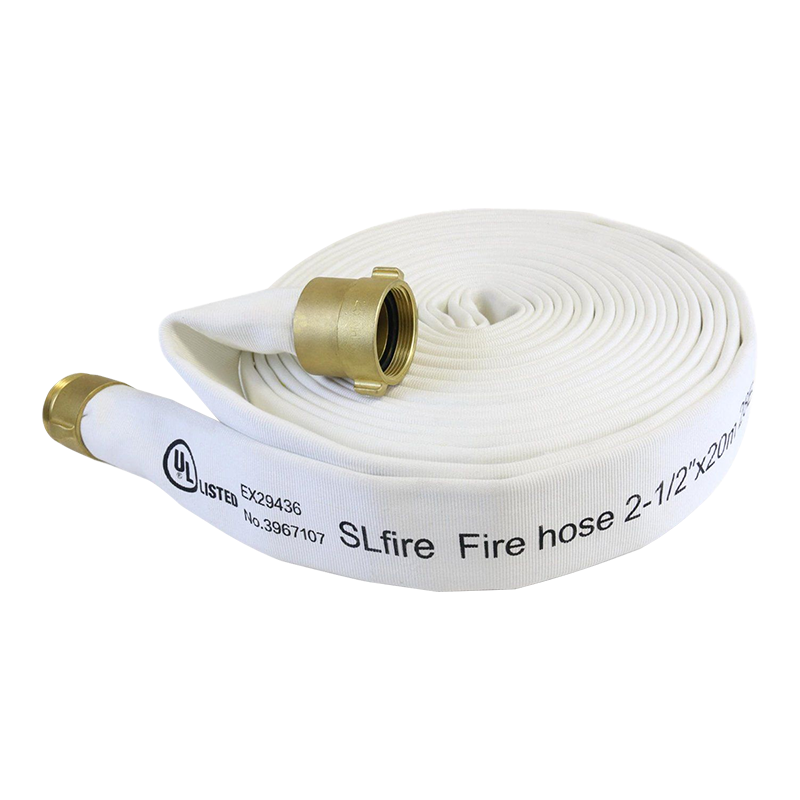
Single jacket, EPDM rubber liner Features • 100% high tenacity polyester jacket, high-grade EPDM rub...

Single jacket, TPU liner •High-tenacity polyester yarn, circular woven in twill weave/plain weave,T ...
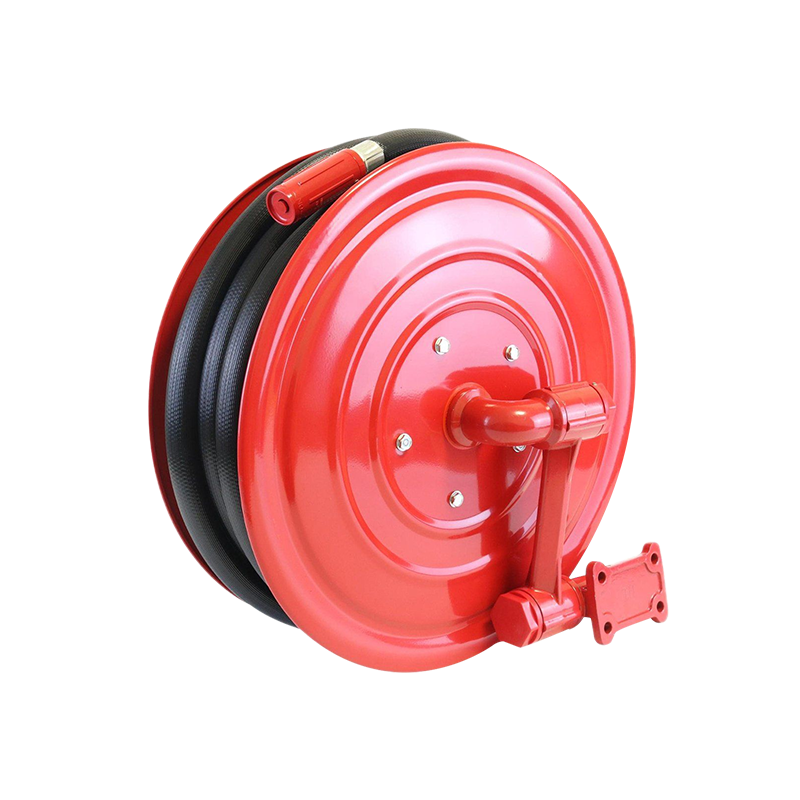
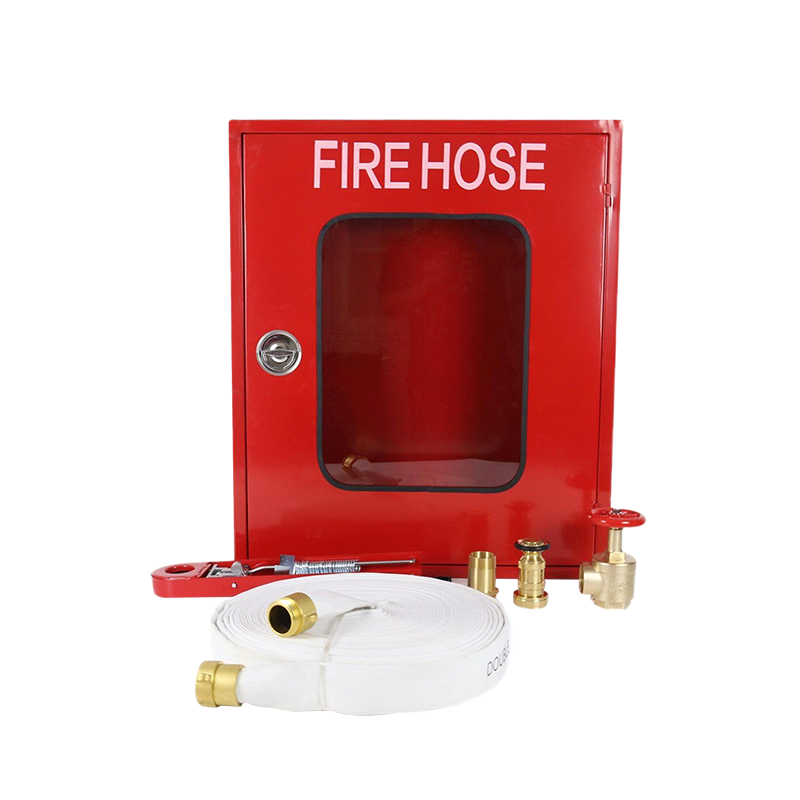
Fire cabinets are designed to accommodate fire hose,valve and other firefighting equipment. Type 201...
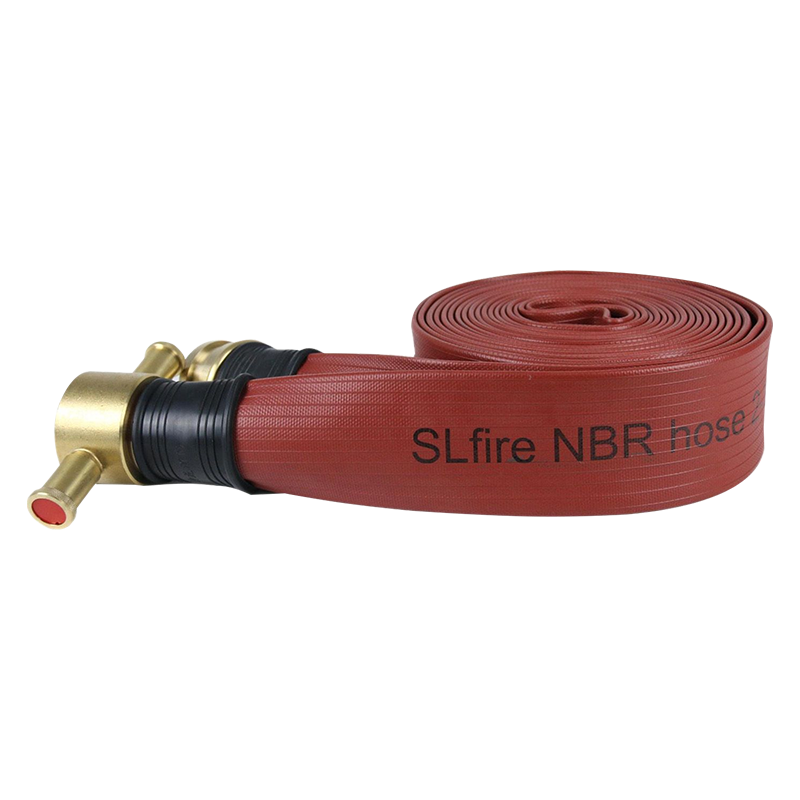
Nitrile covered hose •Nitrile/TPR blend as cover and lining, with 100% high-tenacity polyester yarn ...
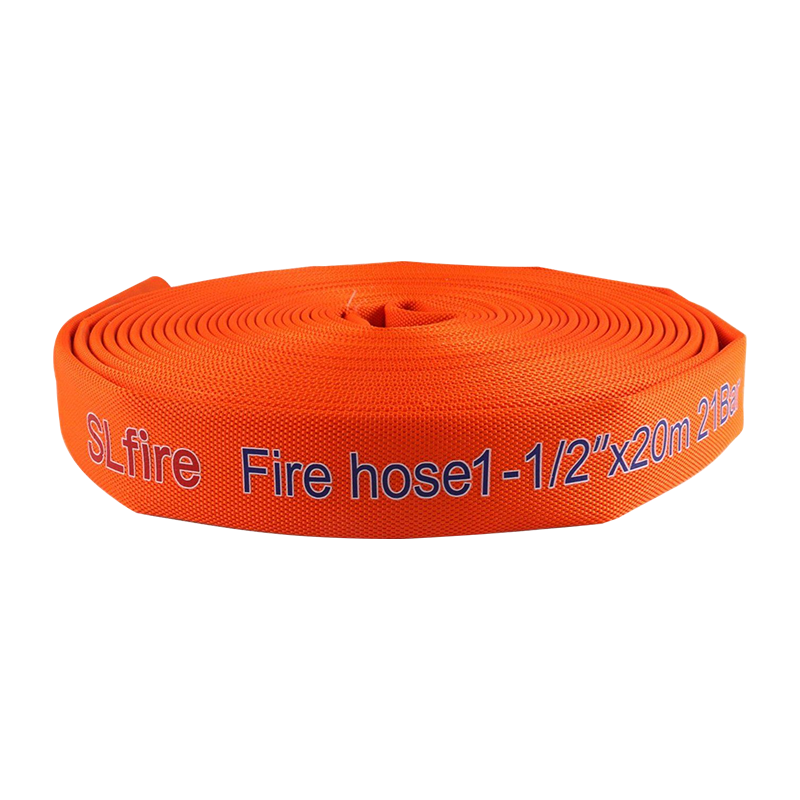
Single jacket, TPU liner •High-tenacity polyester yarn, circular woven in twill weave, TPU lining, f...
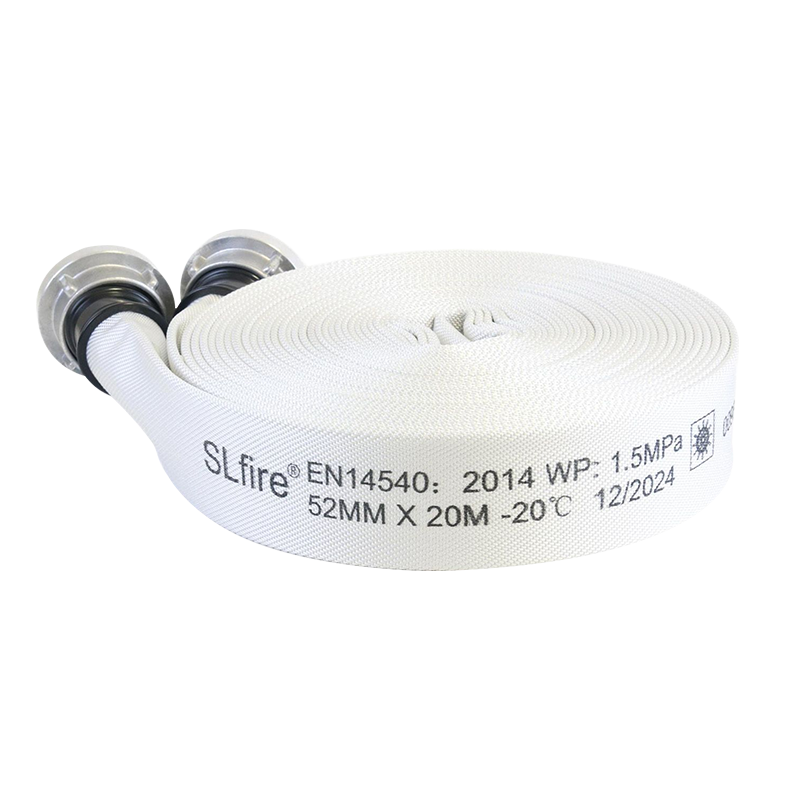
Marine hose Single jacket, PVC liner •100% high tenacity polyester yarn, circular woven in twill wea...
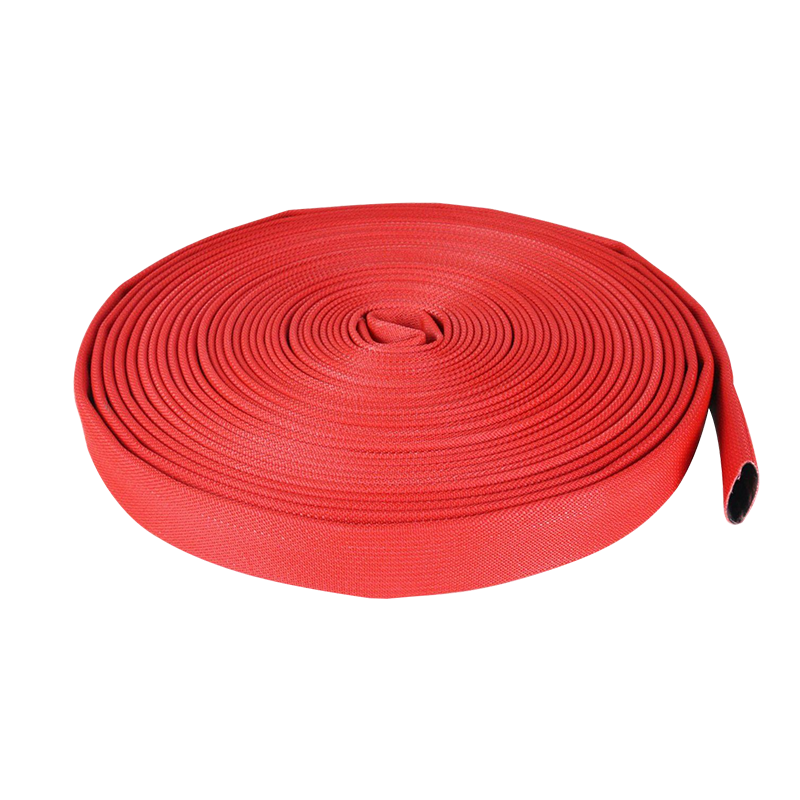
Marine hose Single jacket, PVC liner, PU coated •100% high tenacity polyester yarn,c ircular woven i...
 Call Us
+86 159-5116-9511
Need Support
Head Office
No.58, Kechuang Road, Sixiang Street Medicine Gaoxin District Taizhou City, Jiangsu Province

During a routine service test, a 200-foot attack line fails at 150 psi. The outer jacket looks fine. The problem is inside: a small delamination in the liner has pinched the bore and reduced the flow...
Copyright © Taizhou Shenlong Fire Science and Technology Co., Ltd. All Rights Reserved.
 Fire Hose Manufacturers, Fire Hydrant Hose Factory