

 English
 русский
 Español
 Deutsch
 عربى
عربى Français
 Português
Don't hesitate to send a message
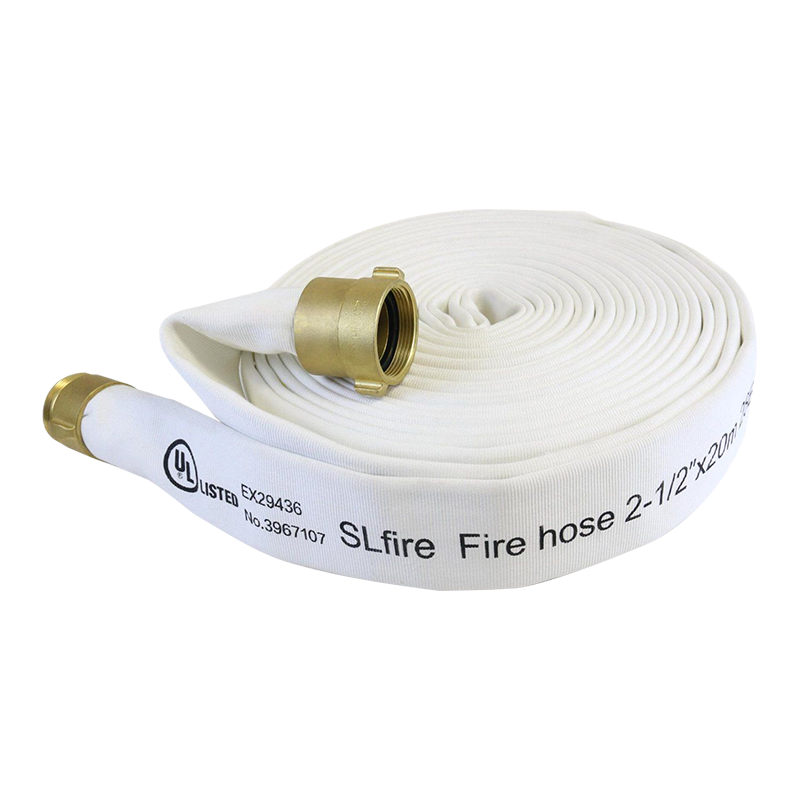
Single jacket, EPDM rubber liner Features • 100% high tenacity polyester jacket, high-grade EPDM rub...
Content
A mill discharge hose is a heavy-duty industrial hose specifically engineered to handle the high-abrasion, high-volume slurry discharge produced by grinding mills in mining, mineral processing, and aggregate operations. When ore, rock, or other hard materials are ground inside ball mills, rod mills, SAG mills, or autogenous grinding mills, the resulting slurry — a mixture of fine solid particles suspended in water or process liquid — must be continuously evacuated from the mill and transported to the next stage of the processing circuit. The mill discharge hose is the critical conduit that handles this transfer, operating under conditions that would rapidly destroy standard industrial hoses.
The application environment is among the most demanding in industrial fluid handling. Mill discharge slurries typically contain sharp, angular particles of ground ore at high concentrations, moving at significant velocity under pump pressure. The combination of abrasive solids, chemical aggression from process reagents, elevated temperatures, and continuous pulsating flow creates wear rates that make hose selection and maintenance a significant operational and cost consideration for any mineral processing plant.
The construction of a mill discharge hose reflects the severity of its operating environment. Unlike general-purpose industrial hoses, mill discharge hoses are built with multiple distinct layers, each serving a specific protective or structural function. Understanding this construction helps buyers evaluate whether a hose's design matches their specific application demands.
The inner lining is the most critical component of a mill discharge hose because it is in direct, continuous contact with the abrasive slurry. Natural rubber remains the dominant lining material for most mill discharge applications due to its outstanding abrasion resistance — natural rubber outperforms most synthetic alternatives in slurry wear tests, particularly when handling fine, high-concentration slurries at moderate velocities. The lining is typically formulated to a specific hardness, measured in Shore A durometer: softer linings in the 35–45 Shore A range absorb impact energy from particles and resist gouging, while harder linings above 60 Shore A resist cutting from sharper, coarser particles. Some manufacturers offer synthetic rubber linings such as SBR or EPDM for applications involving chemical exposure that would degrade natural rubber.
Between the inner lining and the outer cover, mill discharge hoses incorporate multiple layers of reinforcement that provide pressure resistance, structural integrity, and resistance to deformation under operating conditions. Steel wire helix reinforcement is standard in most heavy-duty mill discharge hoses, providing crush resistance and ensuring the hose bore remains open under vacuum or external load. Textile plies — typically high-tenacity nylon or polyester cord — are interleaved with the rubber layers to handle tensile and burst pressure loads. The number and arrangement of reinforcement layers determine the hose's maximum working pressure and its flexibility characteristics.
The outer cover protects the reinforcement structure from external abrasion, UV degradation, ozone attack, and mechanical damage during installation and operation. In mining environments where hoses are dragged across rock surfaces and exposed to harsh outdoor conditions, a robust outer cover is essential for achieving the expected service life. Natural rubber or SBR outer covers provide good abrasion resistance, while EPDM covers are preferred in environments with significant ozone exposure or where oil contamination from machinery is a risk.
Purchasing a mill discharge hose based on price or nominal bore size alone is a common and costly mistake. The following specifications must be carefully matched to the actual operating conditions of the application to ensure adequate service life and safe operation:
| Specification | Typical Range | Selection Guidance |
| Internal Bore Diameter | 50 mm to 500 mm+ | Match to pump discharge flange; undersizing increases velocity and wear |
| Maximum Working Pressure | 6 bar to 25 bar | Must exceed maximum system pressure including surge; apply minimum 4:1 safety factor |
| Lining Thickness | 6 mm to 25 mm | Thicker linings extend service life in high-abrasion slurries; balance against weight |
| Lining Hardness | 35–65 Shore A | Softer for fine slurries; harder for coarse, angular particles |
| Operating Temperature | -20°C to +80°C typical | Verify lining and cover compound ratings against actual process temperature |
| Hose Length | Custom cut to requirement | Allow adequate length for movement and thermal expansion without tension |
The choice of rubber compound for the inner lining is the single most influential factor determining how long a mill discharge hose will last in service. There is no universal best compound — the right choice depends on the specific characteristics of the slurry being handled, including particle size distribution, solids concentration, flow velocity, pH, and the presence of chemical reagents used in the processing circuit.
The connection between the mill discharge hose and the pump, pipeline, or processing equipment is a frequent failure point if not specified and installed correctly. Mill discharge hose end fittings must handle the same pressure, abrasion, and chemical conditions as the hose body itself, and must maintain a leak-free seal under the vibration and movement inherent in pump discharge service.
Flanged end fittings are the most common connection type for large-bore mill discharge hoses in permanent or semi-permanent installations. Steel flanges — typically manufactured to AS4087, ANSI, or DIN standards — are vulcanized or mechanically attached to the hose ends, allowing direct bolted connection to mating flanges on pump housings and piping. The flange face can be flat face, raised face, or full-face rubber-lined depending on the mating equipment specification. Stainless steel flanges are specified for highly corrosive process environments.
For smaller bore hoses and applications requiring frequent connection and disconnection — such as portable mill discharge setups or maintenance bypass lines — camlock (cam and groove) couplings provide fast, tool-free connection. Camlock fittings for abrasive slurry service should be specified in stainless steel or hardened alloy rather than standard aluminum or brass, which wear rapidly under abrasive particle contact at the coupling interface.
On smaller diameter mill discharge hoses, mechanically crimped ferrule fittings provide a reliable permanent connection. The crimp applies uniform radial compression around a barbed nipple, creating a mechanical grip on the hose reinforcement layers. Banded fittings — using heavy-duty stainless steel banding rather than crimping — are an alternative for large-bore hoses where crimping equipment is not available in the required size range.
Even a correctly specified mill discharge hose will fail prematurely if installed incorrectly. The physical configuration of the hose in service — how it is routed, supported, and connected — has a significant impact on where and how quickly wear develops.
Establishing a structured inspection and replacement program for mill discharge hoses is essential for preventing unplanned shutdowns, which carry significant production cost implications in continuous mineral processing operations. A hose that fails in service during production typically costs far more in lost output than the combined cost of a planned replacement program across an entire hose inventory.
Inspection intervals should be set based on the historical wear rate observed for each hose position in the circuit. High-wear positions — immediately downstream of the pump discharge, at changes of direction, and at any point where flow velocity is high — require more frequent inspection than straight-run sections. During each inspection, the following checks should be performed:
Maintaining a stock of critical replacement hoses on-site — particularly for the highest-wear positions and largest bore sizes that have long manufacturing lead times — is a fundamental part of any effective mill discharge hose management program. The cost of carrying inventory is always lower than the cost of extended production downtime waiting for emergency hose supply.
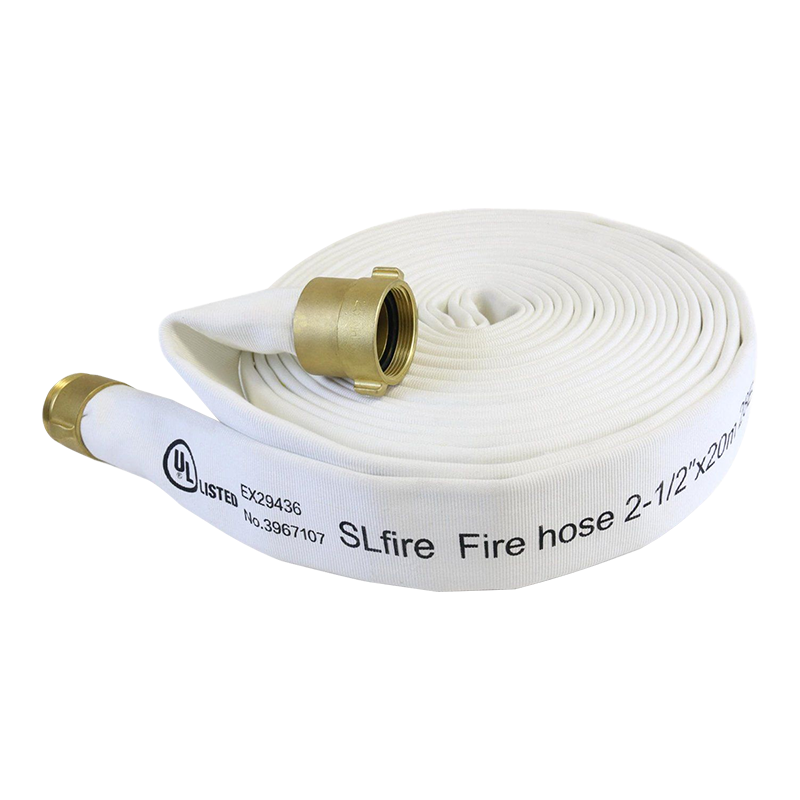
Single jacket, EPDM rubber liner Features • 100% high tenacity polyester jacket, high-grade EPDM rub...
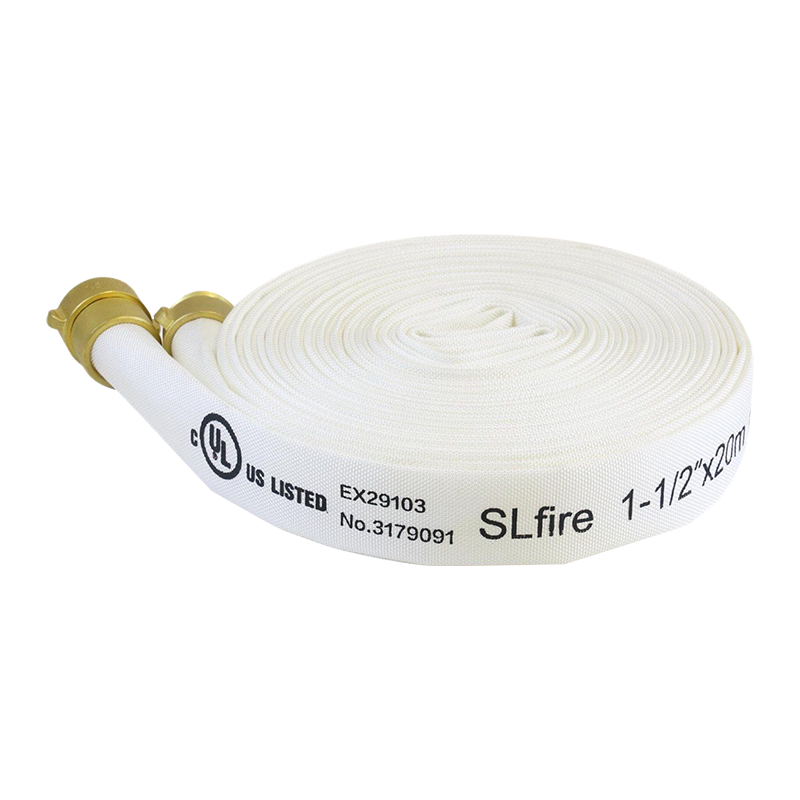
Single jacket, TPU liner •High-tenacity polyester yarn, circular woven in twill weave/plain weave,T ...
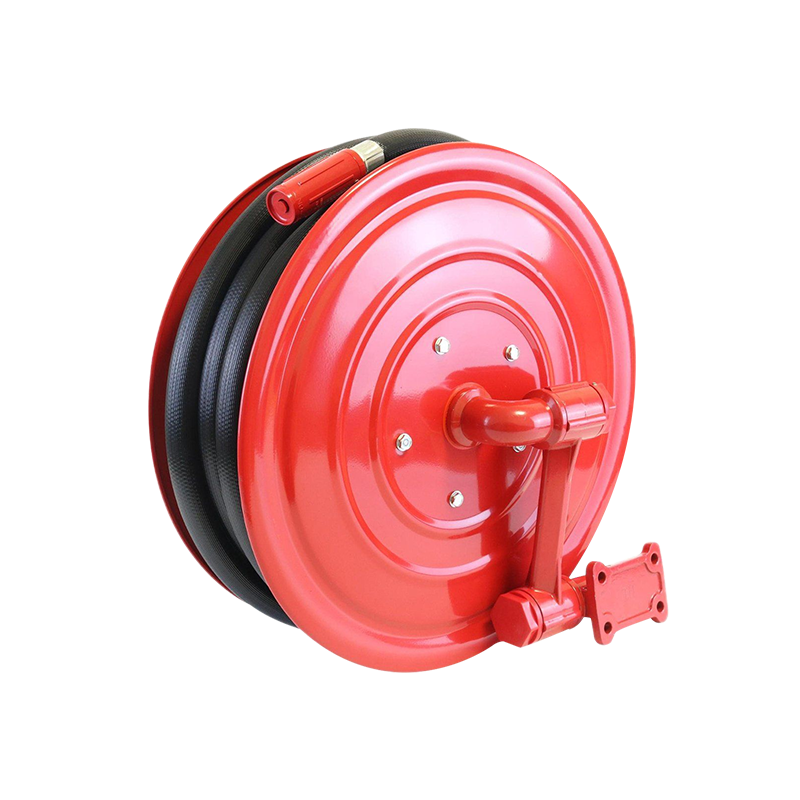
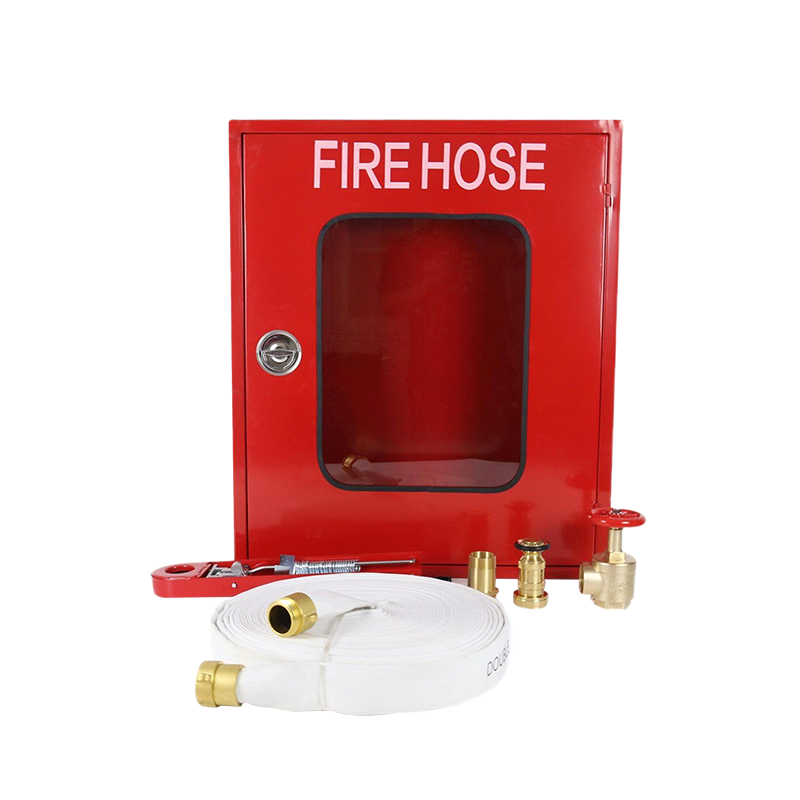
Fire cabinets are designed to accommodate fire hose,valve and other firefighting equipment. Type 201...
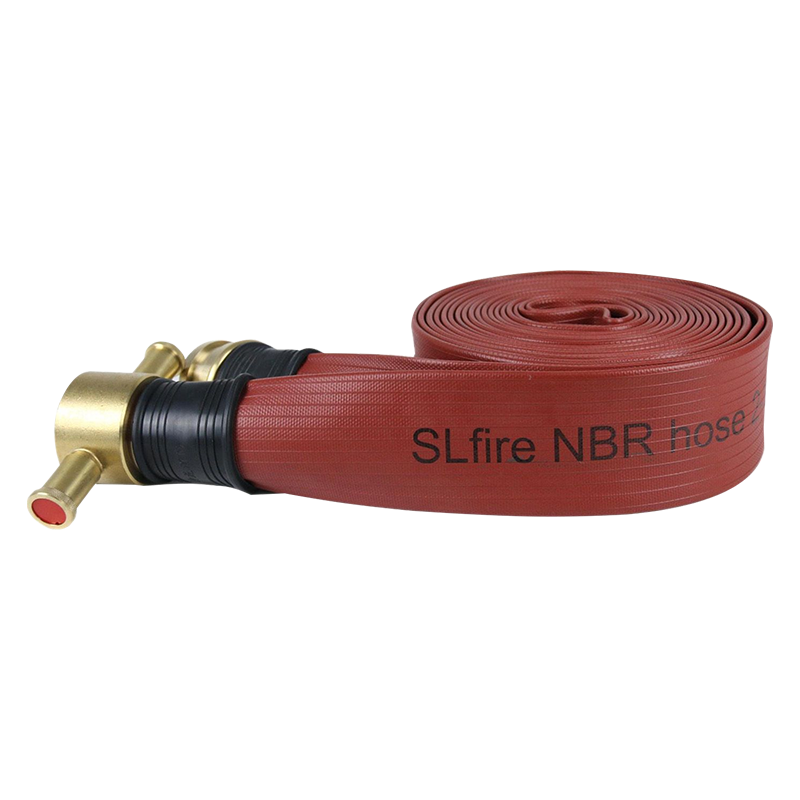
Nitrile covered hose •Nitrile/TPR blend as cover and lining, with 100% high-tenacity polyester yarn ...
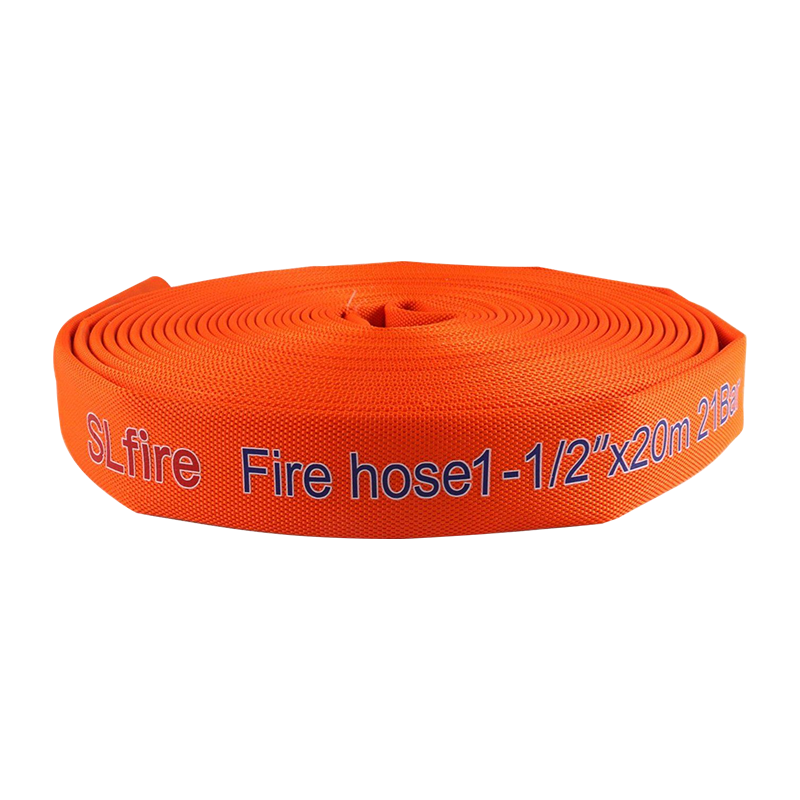
Single jacket, TPU liner •High-tenacity polyester yarn, circular woven in twill weave, TPU lining, f...
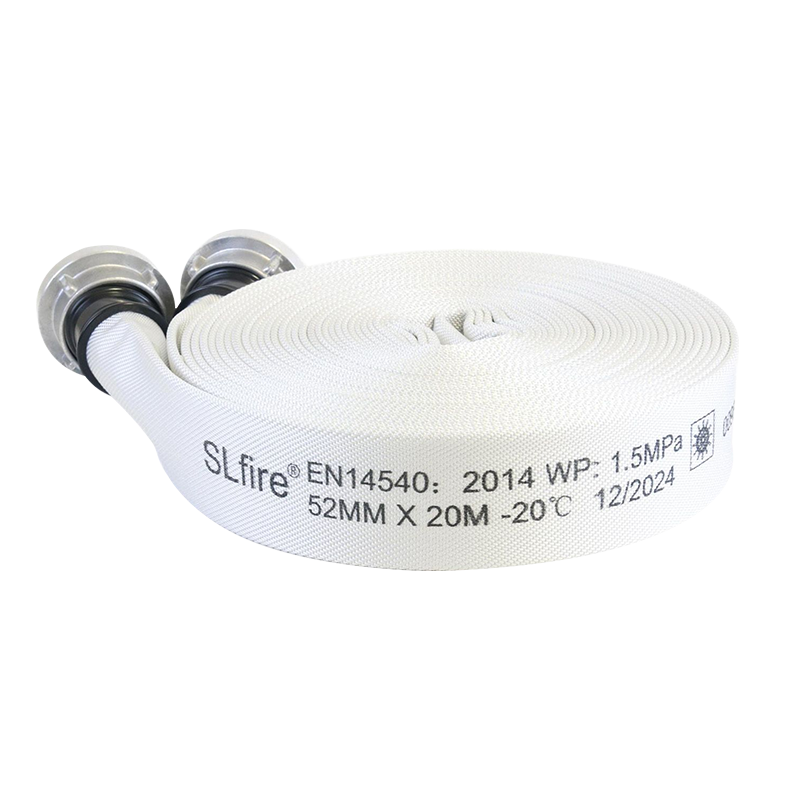
Marine hose Single jacket, PVC liner •100% high tenacity polyester yarn, circular woven in twill wea...
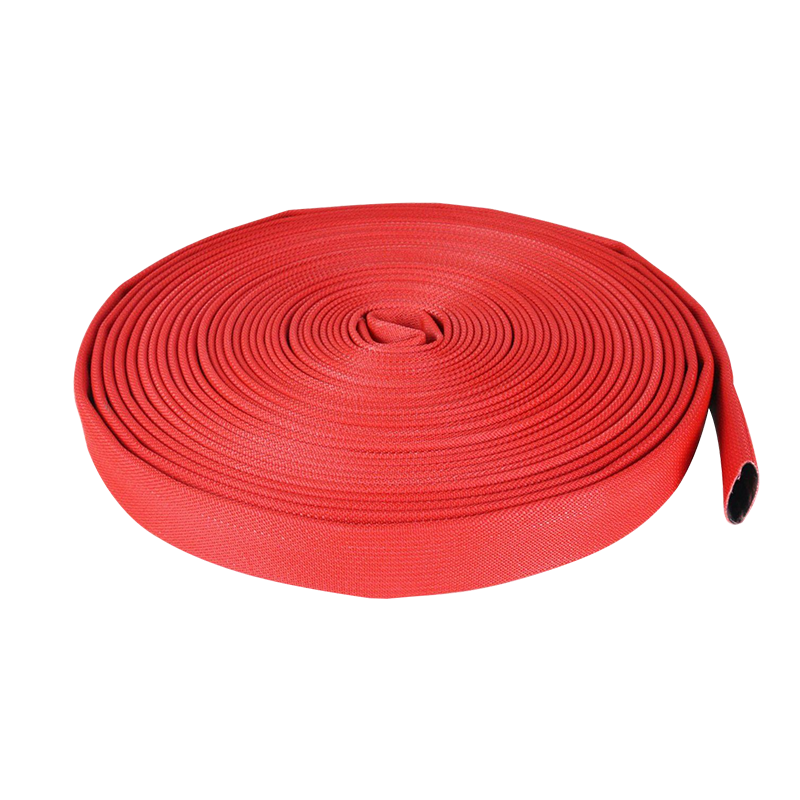
Marine hose Single jacket, PVC liner, PU coated •100% high tenacity polyester yarn,c ircular woven i...
 Call Us
+86 159-5116-9511
Need Support
Head Office
No.58, Kechuang Road, Sixiang Street Medicine Gaoxin District Taizhou City, Jiangsu Province

During a routine service test, a 200-foot attack line fails at 150 psi. The outer jacket looks fine. The problem is inside: a small delamination in the liner has pinched the bore and reduced the flow...
Copyright © Taizhou Shenlong Fire Science and Technology Co., Ltd. All Rights Reserved.
 Fire Hose Manufacturers, Fire Hydrant Hose Factory