

 English
 русский
 Español
 Deutsch
 عربى
عربى Français
 Português
Don't hesitate to send a message
Single jacket, EPDM rubber liner Features • 100% high tenacity polyester jacket, high-grade EPDM rub...
Content
A fire hose is a high-pressure flexible tube designed to carry water or other extinguishing agents from a water source, such as a hydrant or pump, to the point of a fire for suppression. Fire hoses are engineered to withstand significant internal pressure while remaining flexible enough to be maneuvered around obstacles, up stairwells, and across uneven terrain during emergency response situations.
The construction of a fire hose typically involves an inner rubber or synthetic lining that prevents water leakage, surrounded by a woven outer jacket that provides strength and abrasion resistance. This layered design allows fire hoses to handle the high pressures generated by fire pumps while resisting damage from dragging across rough surfaces, sharp debris, or hot pavement during active firefighting operations.
Most fire hoses consist of three main layers: an inner waterproof liner, a reinforcing woven jacket, and, in some designs, an outer protective coating. The liner is typically made from synthetic rubber or thermoplastic compounds, while the jacket is woven from durable fibers like polyester or nylon to provide tensile strength under pressure.
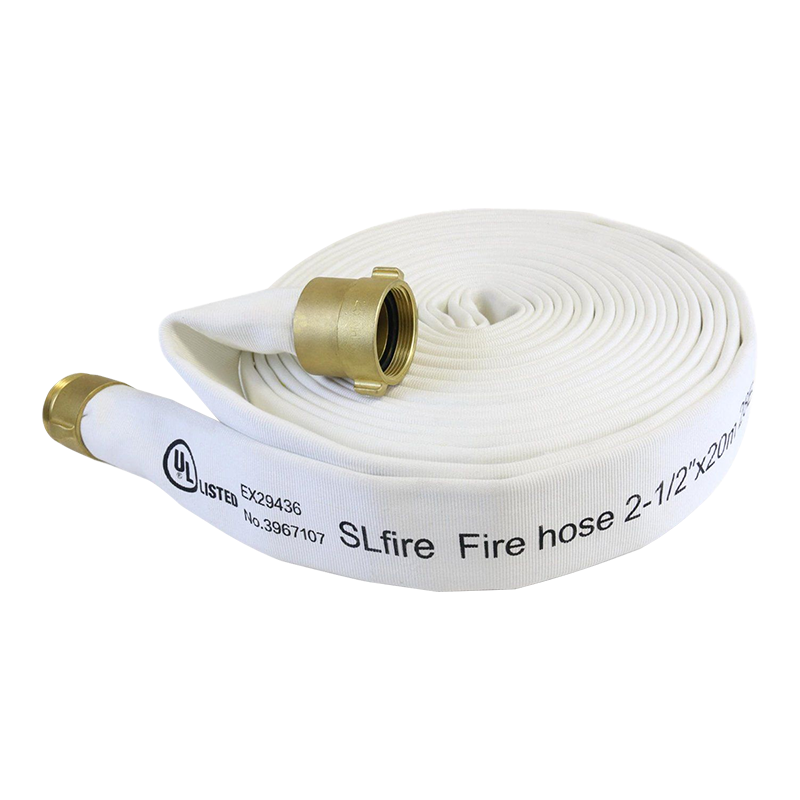
Fire hoses are categorized based on their construction and intended use, with each type suited to different firefighting scenarios and pressure requirements. Understanding these categories helps departments and facilities select the appropriate hose for their specific needs.
| Hose Type | Construction | Typical Use |
| Attack Hose | Double-jacketed, rubber lined | Direct firefighting, interior use |
| Supply Hose | Large diameter, single or double jacket | Transporting water from hydrant to pump |
| Forestry Hose | Lightweight, single jacket | Wildland firefighting, remote terrain |
| Booster Hose | Rubber covered, non-collapsible | Small fires, quick initial response |
| Industrial Hose | Heavy-duty, chemical resistant lining | Factories, refineries, hazardous material sites |
Attack hoses are designed for direct handling by firefighters at the point of a fire, offering flexibility and moderate diameter for controlled water delivery, while supply hoses feature larger diameters to move greater water volumes over longer distances from a hydrant to the fire engine's pump.
Fire hoses are used across a wide range of settings beyond municipal fire departments, wherever reliable water delivery for fire suppression is required. Matching the hose type to the specific application ensures adequate performance during emergency situations.
Selecting the right fire hose requires attention to several technical specifications beyond just hose type. Diameter significantly affects flow rate, with larger diameter hoses capable of delivering higher water volumes but requiring more force to maneuver when charged with water under pressure.
Pressure rating is equally critical, as hoses must be matched to the maximum pressure output of the pump system they will be connected to, since exceeding a hose's rated burst pressure can result in dangerous failure during active use. Length is another important factor, since longer hose lengths reduce the number of connections needed but add weight and can create more friction loss over distance.
As water travels through a hose, friction between the water and the hose lining causes a gradual pressure drop, which becomes more pronounced over longer lengths or smaller diameters. Fire departments account for this friction loss when calculating pump pressure requirements to ensure adequate flow reaches the nozzle at the point of attack.
When purchasing fire hoses, verifying compliance with relevant safety standards and certifications is essential, since these ratings confirm the hose has been tested for burst pressure, abrasion resistance, and overall reliability under emergency conditions. Buyers should also consider the specific environment where the hose will be used, since chemical exposure, extreme temperatures, or saltwater conditions may require specialized lining materials.
Regular inspection for cuts, abrasions, mildew, or weakened couplings helps identify potential failure points before they become dangerous during an actual emergency. Proper drying and storage after use, away from direct sunlight and extreme temperatures, further extends hose lifespan and ensures the equipment remains ready for reliable performance when needed most.

Single jacket, EPDM rubber liner Features • 100% high tenacity polyester jacket, high-grade EPDM rub...
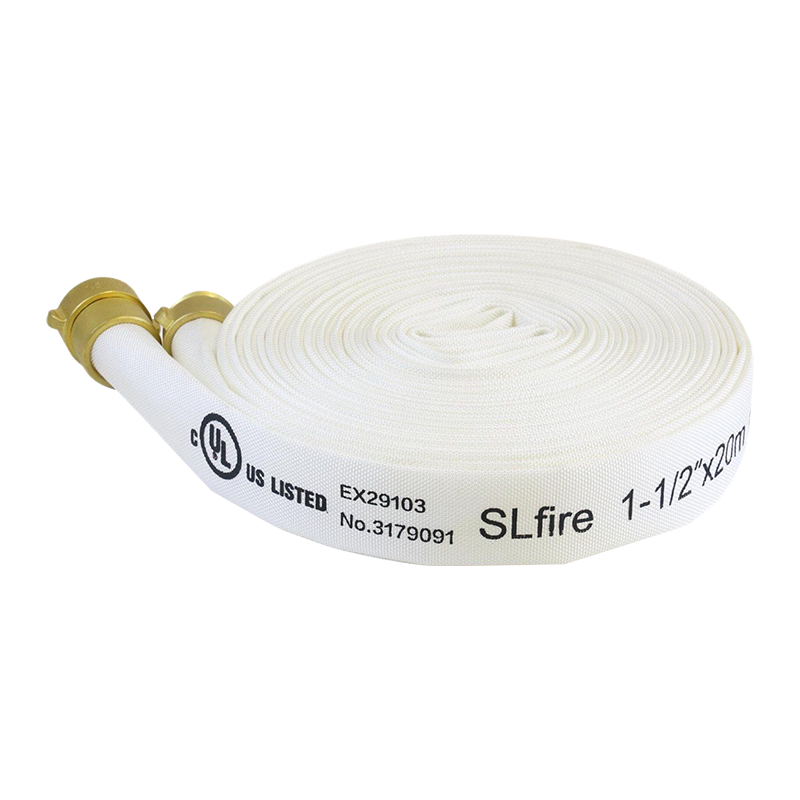
Single jacket, TPU liner •High-tenacity polyester yarn, circular woven in twill weave/plain weave,T ...
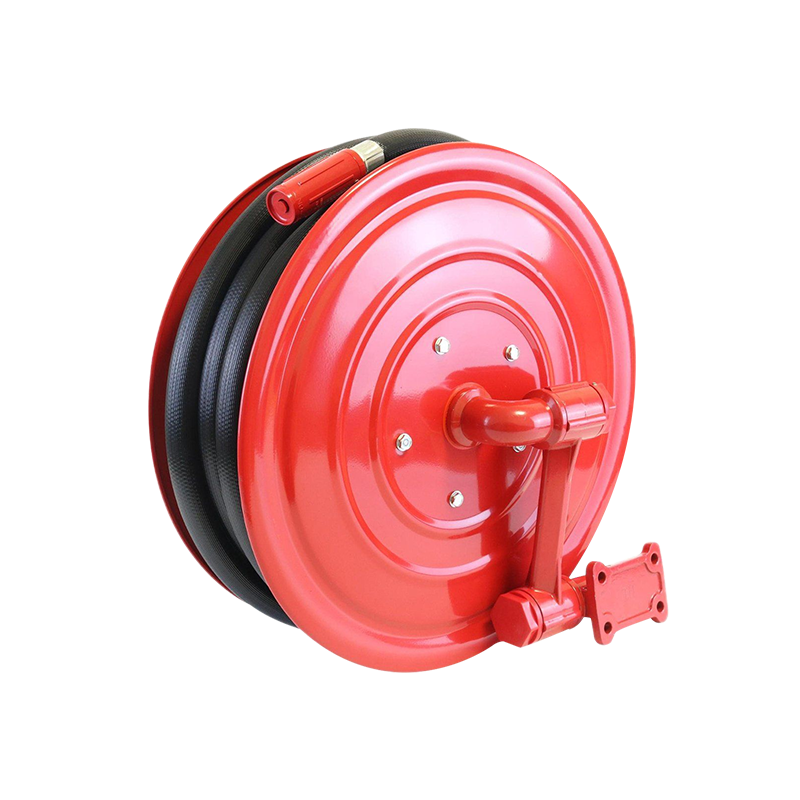
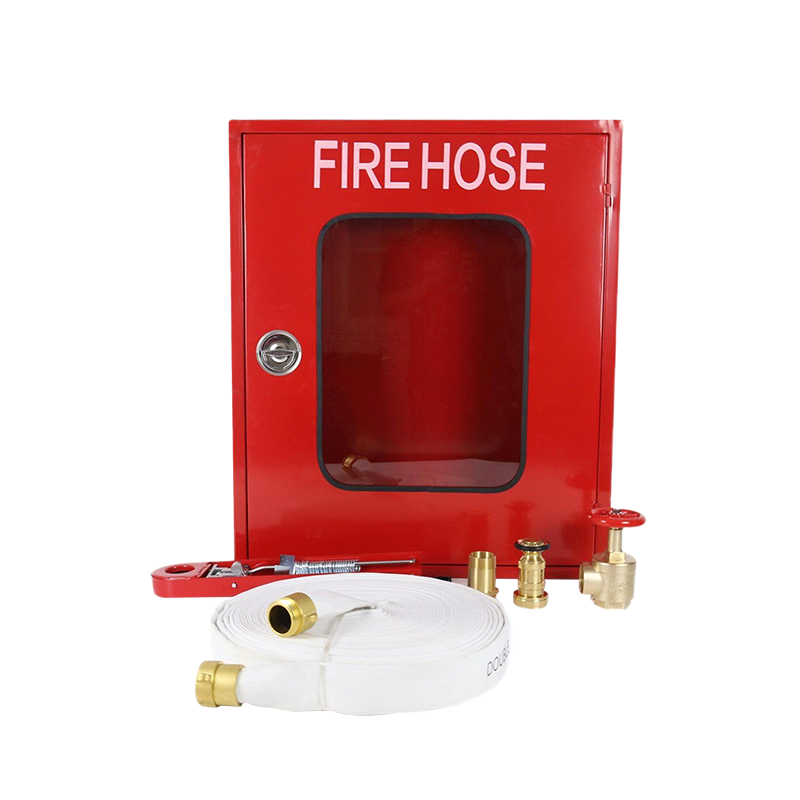
Fire cabinets are designed to accommodate fire hose,valve and other firefighting equipment. Type 201...
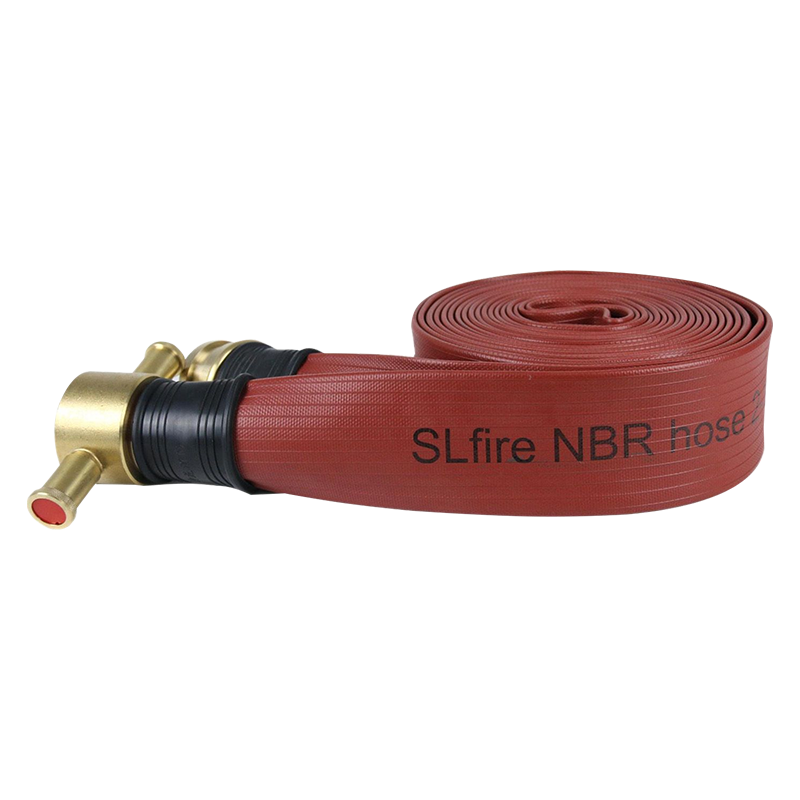
Nitrile covered hose •Nitrile/TPR blend as cover and lining, with 100% high-tenacity polyester yarn ...
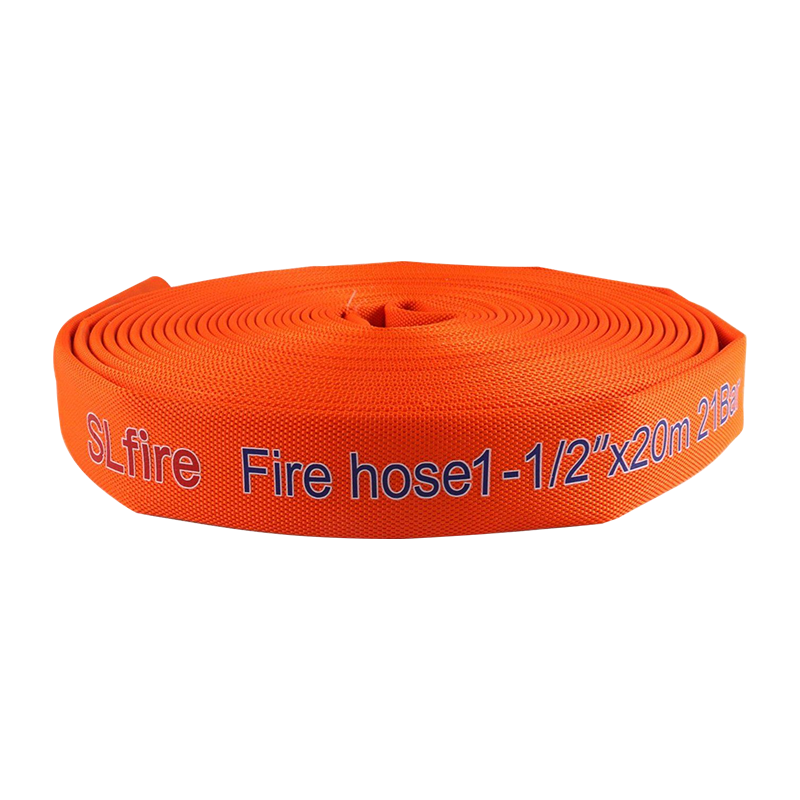
Single jacket, TPU liner •High-tenacity polyester yarn, circular woven in twill weave, TPU lining, f...
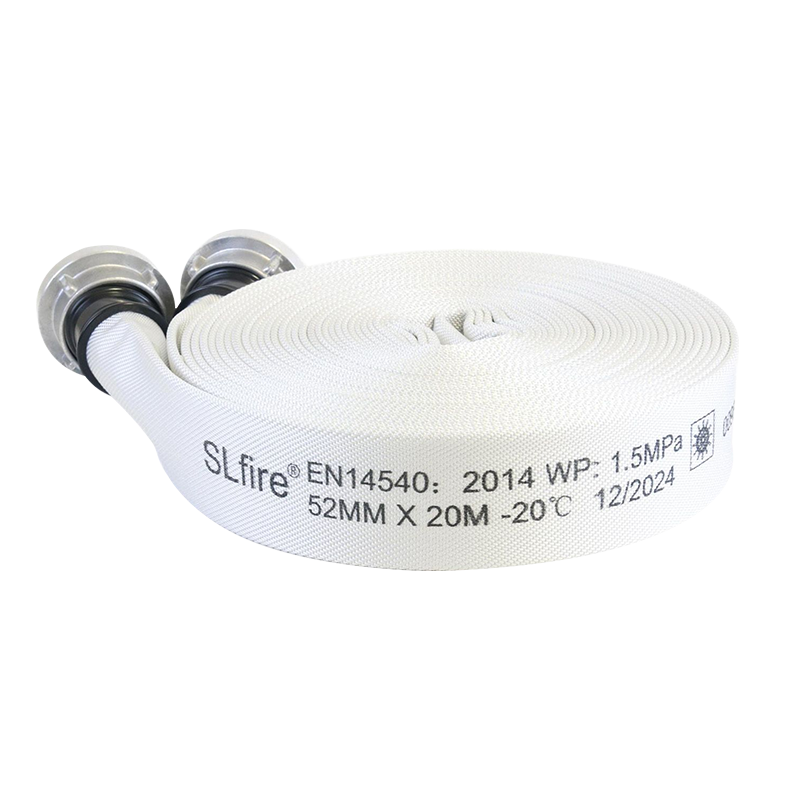
Marine hose Single jacket, PVC liner •100% high tenacity polyester yarn, circular woven in twill wea...
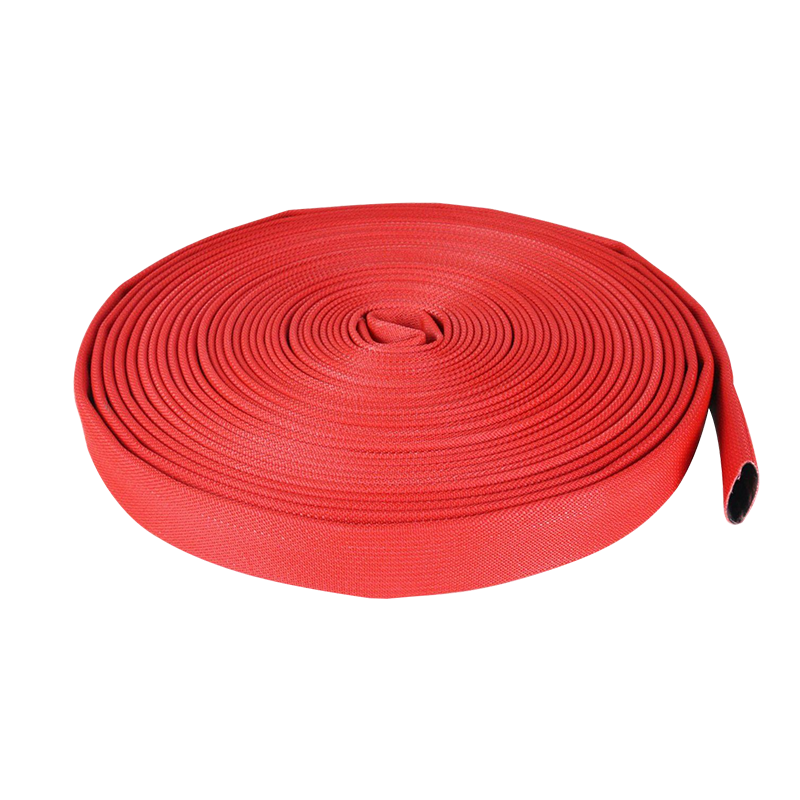
Marine hose Single jacket, PVC liner, PU coated •100% high tenacity polyester yarn,c ircular woven i...
 Call Us
+86 159-5116-9511
Need Support
Head Office
No.58, Kechuang Road, Sixiang Street Medicine Gaoxin District Taizhou City, Jiangsu Province

During a routine service test, a 200-foot attack line fails at 150 psi. The outer jacket looks fine. The problem is inside: a small delamination in the liner has pinched the bore and reduced the flow...
Copyright © Taizhou Shenlong Fire Science and Technology Co., Ltd. All Rights Reserved.
 Fire Hose Manufacturers, Fire Hydrant Hose Factory