

 English
 русский
 Español
 Deutsch
 عربى
عربى Français
 Português
Don't hesitate to send a message
Single jacket, EPDM rubber liner Features • 100% high tenacity polyester jacket, high-grade EPDM rub...
Content
Fire hose is a flexible, reinforced tube designed to carry water or other firefighting agents under high pressure from a water source to the point of application, whether that is a fire truck pumping from a hydrant or a standpipe system inside a building. Unlike garden hoses, fire hose must withstand significantly higher pressures, resist abrasion from rough handling, and remain reliable even after years of storage or repeated use. Choosing the correct hose type, diameter, and material directly affects how effectively a fire response team can deliver water where it is needed.
Fire hose is generally categorized by its construction and intended use, ranging from lightweight hose used inside buildings for first-response situations to heavy-duty supply hose used by fire departments to move large volumes of water over long distances.
Different firefighting scenarios call for different hose designs. The table below summarizes the most common categories and their typical applications.
| Hose Type | Typical Diameter | Primary Use |
| Attack Hose | 1.5 to 2.5 inches | Direct firefighting by hand crews |
| Supply Hose | 3 to 5 inches | Moving large water volumes from hydrant to truck |
| Standpipe Hose | 1.5 to 2.5 inches | Connecting to building standpipe systems |
| Forestry Hose | 1 to 1.5 inches | Wildland firefighting, lightweight and portable |
Attack hose is the type most commonly seen in active firefighting, designed to be light enough for a crew member to maneuver while still carrying sufficient water volume and pressure. Supply hose, by contrast, prioritizes flow capacity over flexibility, since it primarily connects stationary points rather than being advanced toward a fire.
Modern fire hose typically consists of a woven outer jacket combined with an internal rubber or thermoplastic lining. The outer jacket, often made from polyester or a polyester-nylon blend, provides abrasion resistance and structural strength, while the inner lining ensures water containment and reduces friction loss as water moves through the hose.
Diameter selection involves balancing flow rate against maneuverability. Larger diameter hose delivers more water with less friction loss over distance, but it is heavier and harder to handle, especially when charged with water under pressure.
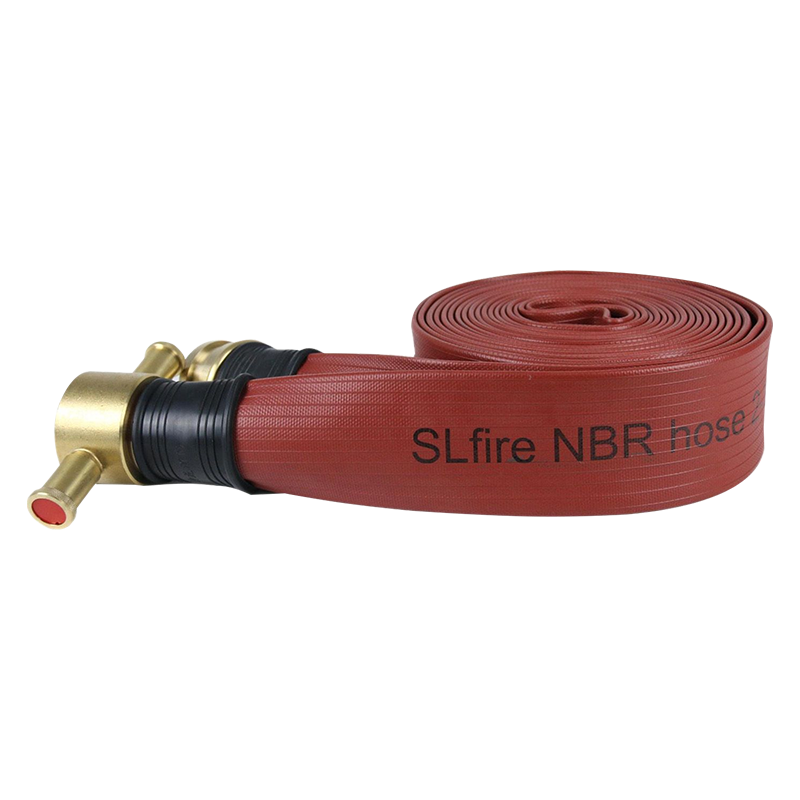
Smaller diameter hose, such as 1.5-inch lines, is generally sufficient for residential structure fires and standpipe applications where a single firefighter needs to control the nozzle. Larger diameter hose, including 2.5-inch attack lines or larger supply lines, is reserved for situations requiring higher flow rates, such as commercial structure fires or supplying water to multiple hose lines simultaneously.
Fire hose is typically manufactured in 50 or 100 foot sections that connect using standardized couplings, allowing multiple lengths to be joined together as needed for the distance between the water source and the fire. Using standardized lengths also simplifies inventory management and ensures compatibility across different hose sections during emergency response.
Regular inspection and testing are essential to ensure fire hose remains safe and functional when needed. Most fire safety standards recommend annual service testing at rated pressure to identify weaknesses before they result in hose failure during an actual emergency.
How fire hose is stored between uses significantly affects its longevity. Hose should always be fully drained and dried before storage to prevent mildew growth and lining degradation, since trapped moisture can weaken internal materials over time. Hose reels and cabinets should be kept away from direct sunlight and extreme temperature fluctuations when possible, as UV exposure and heat accelerate material breakdown. Folding or rolling hose according to manufacturer recommendations, rather than leaving it kinked or twisted, also helps prevent stress points that can develop into weak spots or eventual failures during deployment.
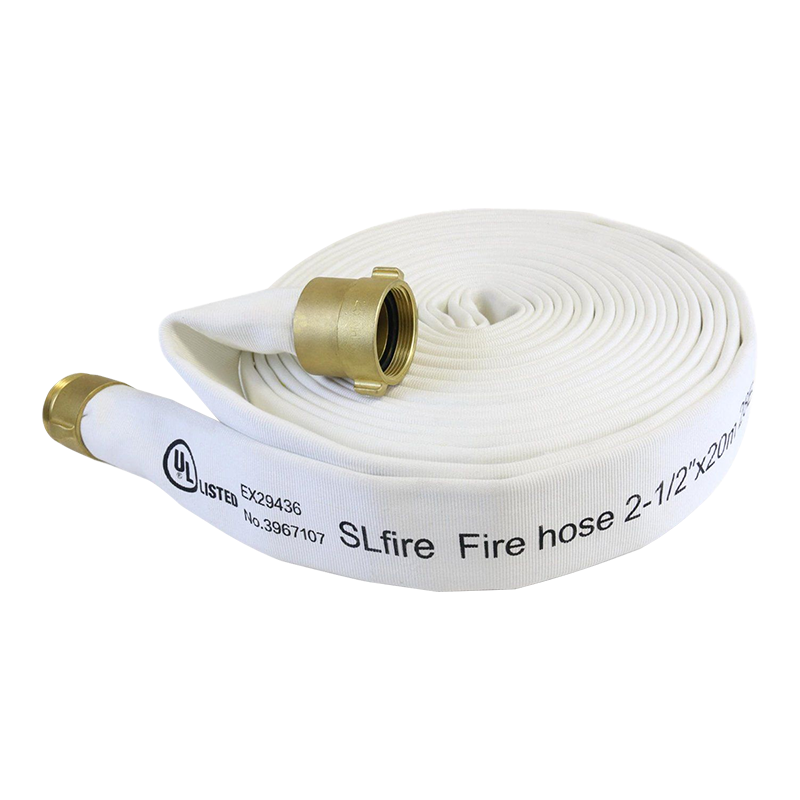
Single jacket, EPDM rubber liner Features • 100% high tenacity polyester jacket, high-grade EPDM rub...
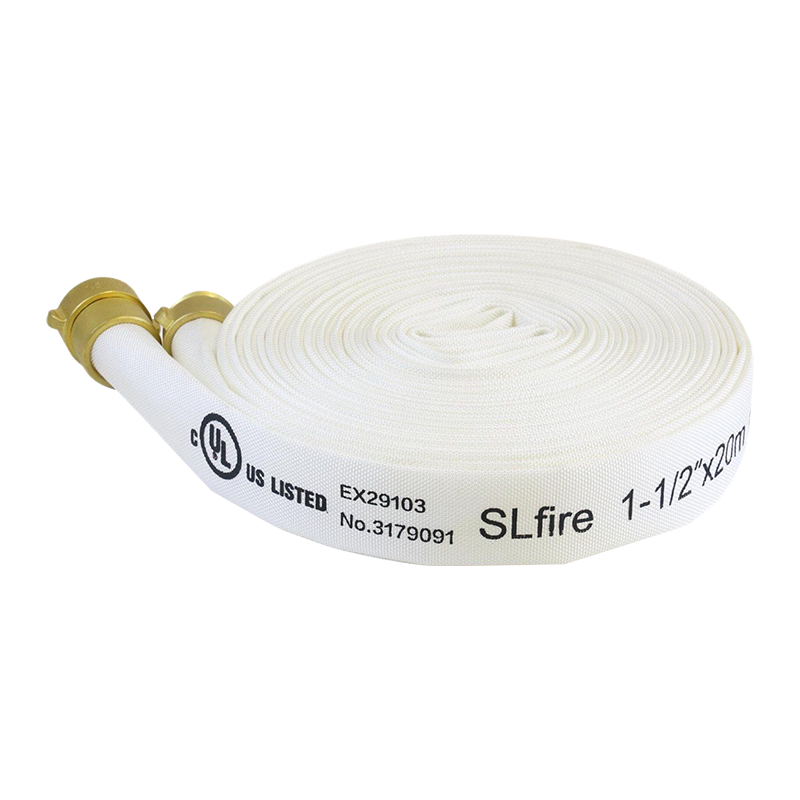
Single jacket, TPU liner •High-tenacity polyester yarn, circular woven in twill weave/plain weave,T ...
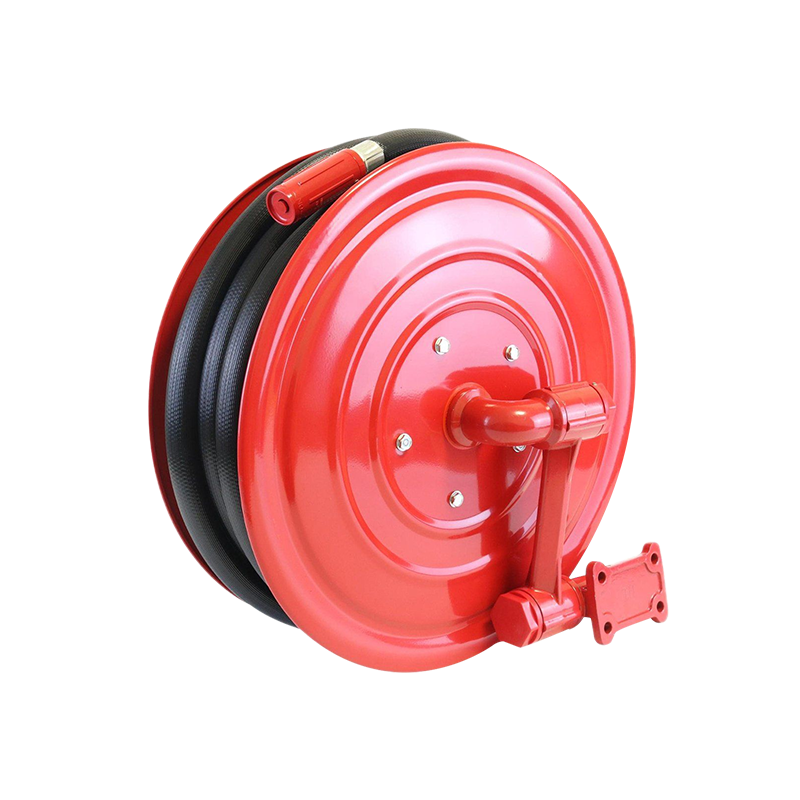
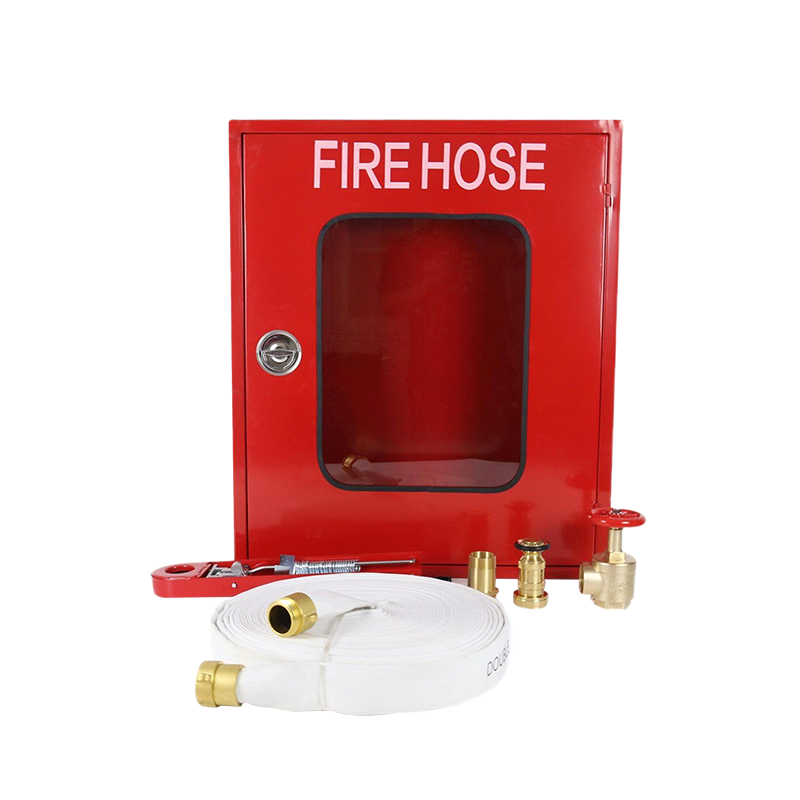
Fire cabinets are designed to accommodate fire hose,valve and other firefighting equipment. Type 201...

Nitrile covered hose •Nitrile/TPR blend as cover and lining, with 100% high-tenacity polyester yarn ...
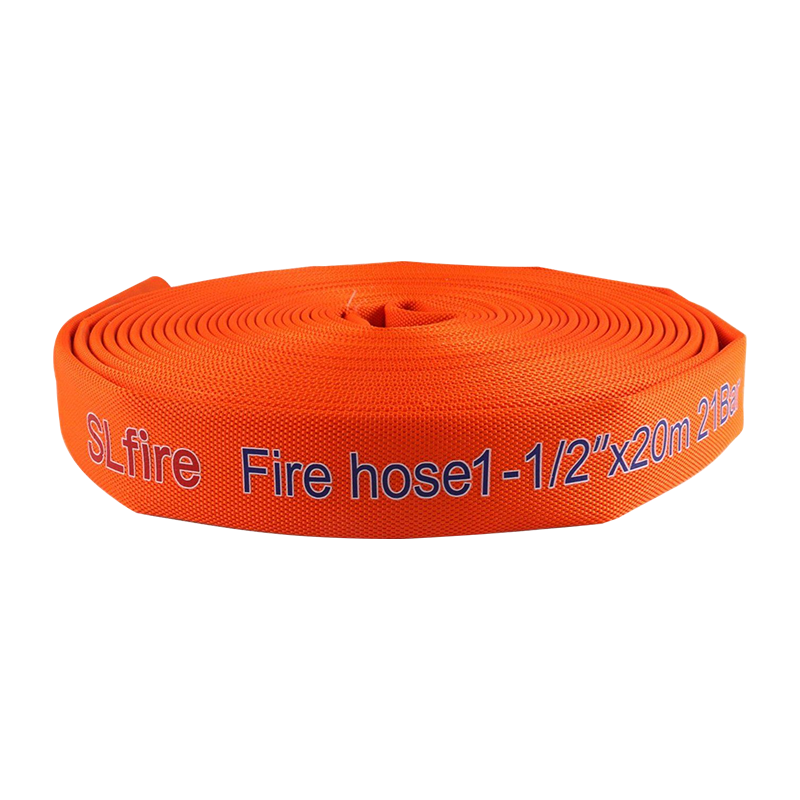
Single jacket, TPU liner •High-tenacity polyester yarn, circular woven in twill weave, TPU lining, f...
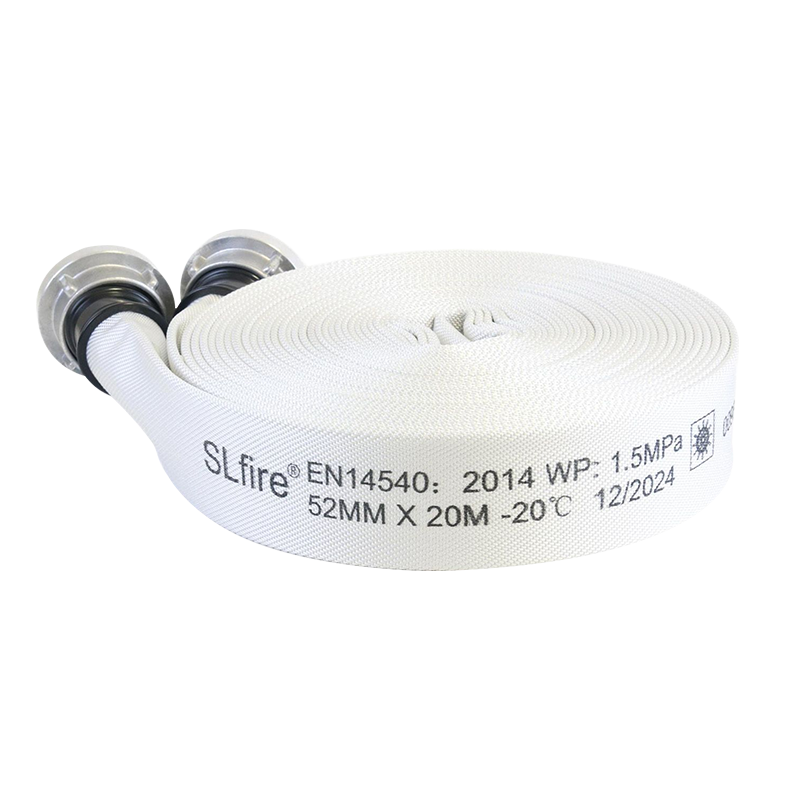
Marine hose Single jacket, PVC liner •100% high tenacity polyester yarn, circular woven in twill wea...
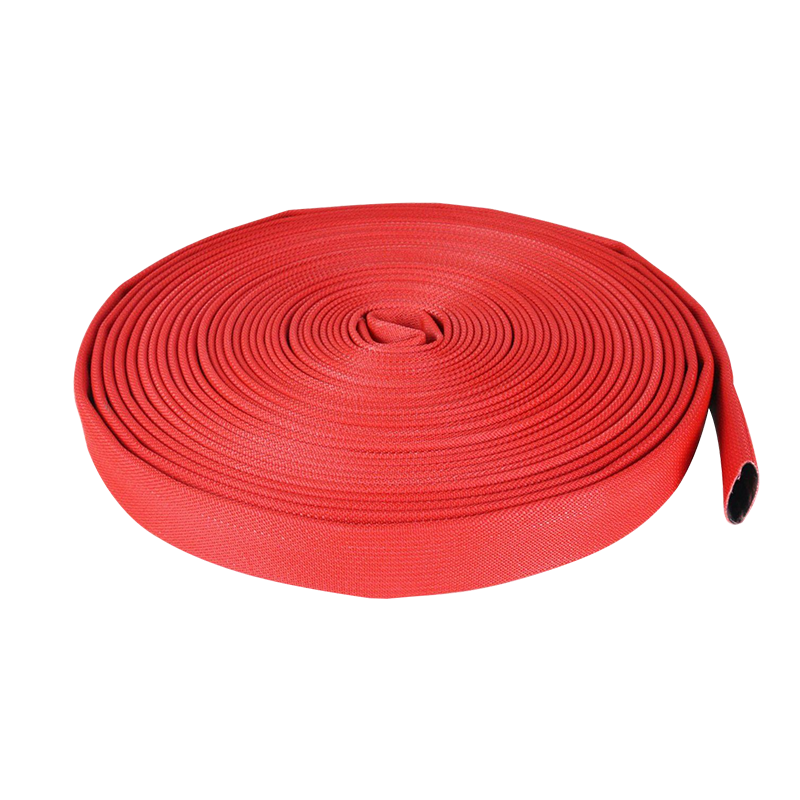
Marine hose Single jacket, PVC liner, PU coated •100% high tenacity polyester yarn,c ircular woven i...
 Call Us
+86 159-5116-9511
Need Support
Head Office
No.58, Kechuang Road, Sixiang Street Medicine Gaoxin District Taizhou City, Jiangsu Province

During a routine service test, a 200-foot attack line fails at 150 psi. The outer jacket looks fine. The problem is inside: a small delamination in the liner has pinched the bore and reduced the flow...
Copyright © Taizhou Shenlong Fire Science and Technology Co., Ltd. All Rights Reserved.
 Fire Hose Manufacturers, Fire Hydrant Hose Factory