

 English
 русский
 Español
 Deutsch
 عربى
عربى Français
 Português
Don't hesitate to send a message
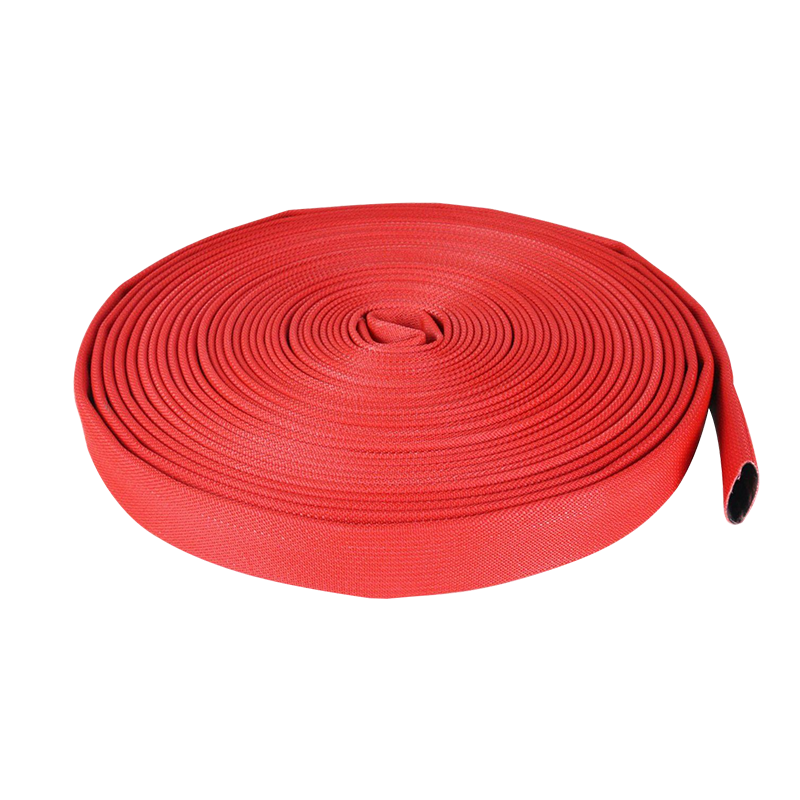
Single jacket, EPDM rubber liner Features • 100% high tenacity polyester jacket, high-grade EPDM rub...
Content
Irrigation hoses are essential tools for delivering water efficiently to gardens, farms, and landscapes. Choosing the right type of hose impacts water flow, durability, flexibility, and overall performance. Among the most common types are rubber, PVC, and reinforced hoses, each with unique characteristics and applications.
Rubber hoses are made from natural or synthetic rubber, providing elasticity and toughness. They can withstand high water pressure and extreme temperatures, making them ideal for demanding irrigation tasks.
PVC (polyvinyl chloride) hoses are lightweight and economical. They are made from flexible plastic and often include layers of reinforcing mesh to increase strength and pressure resistance.
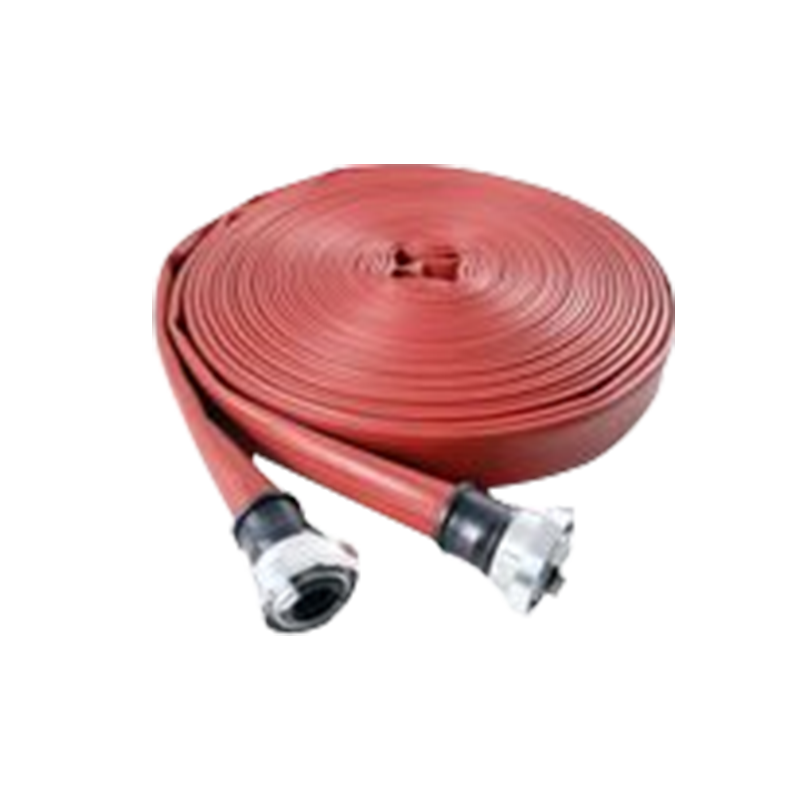
Reinforced hoses combine materials such as PVC, rubber, or thermoplastic with additional internal mesh or fiber layers to increase strength and durability. This design provides a balance between flexibility, lightness, and high pressure resistance.
| Hose Type | Durability | Flexibility | Weight | Cost | Best Use |
| Rubber | Very High | High | Heavy | High | High-pressure irrigation, farms |
| PVC | Moderate | Moderate | Light | Low | Small gardens, light irrigation |
| Reinforced | High | High | Moderate | Moderate | General irrigation, moderate pressure |
Selecting the right irrigation hose depends on factors such as water pressure, terrain, budget, and intended use. Rubber hoses excel in durability and high-pressure applications, PVC hoses are lightweight and economical for smaller gardens, and reinforced hoses provide a balanced option with strength and flexibility. Proper care and maintenance further extend the performance and lifespan of any irrigation hose, ensuring efficient and reliable watering for years to come.
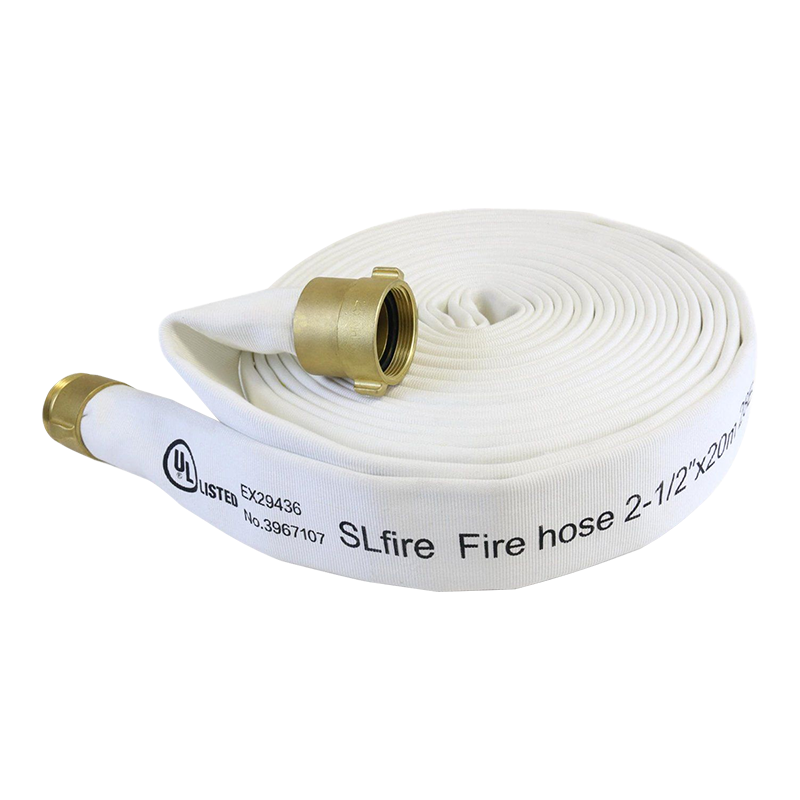
Single jacket, EPDM rubber liner Features • 100% high tenacity polyester jacket, high-grade EPDM rub...
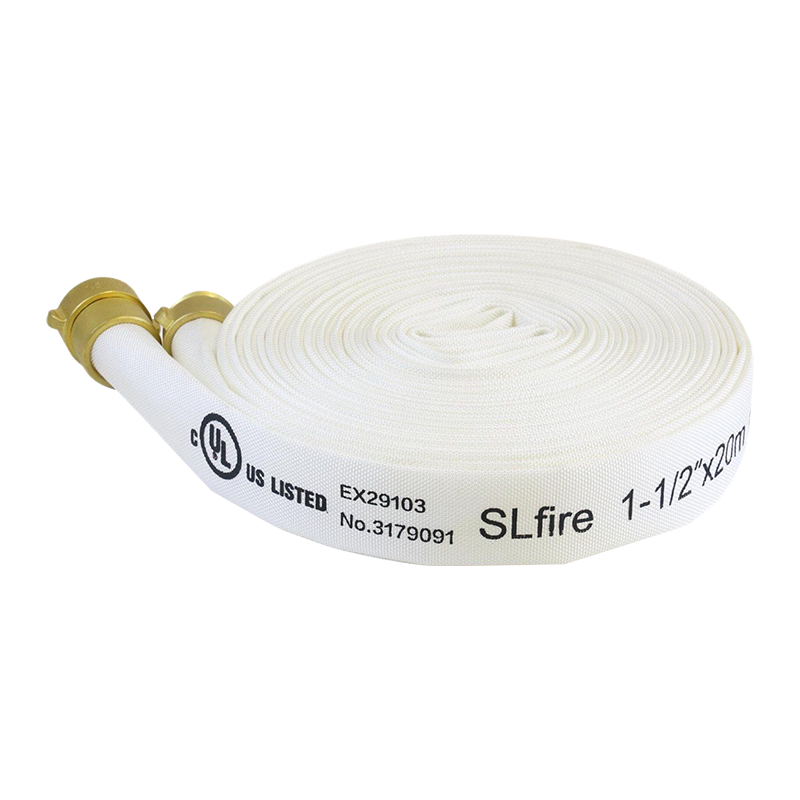
Single jacket, TPU liner •High-tenacity polyester yarn, circular woven in twill weave/plain weave,T ...
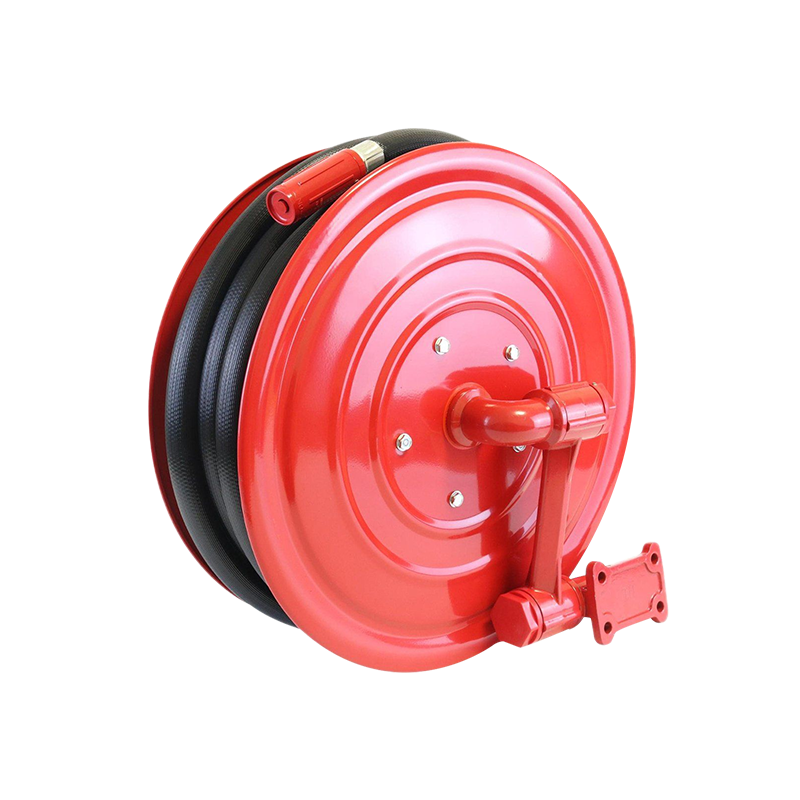
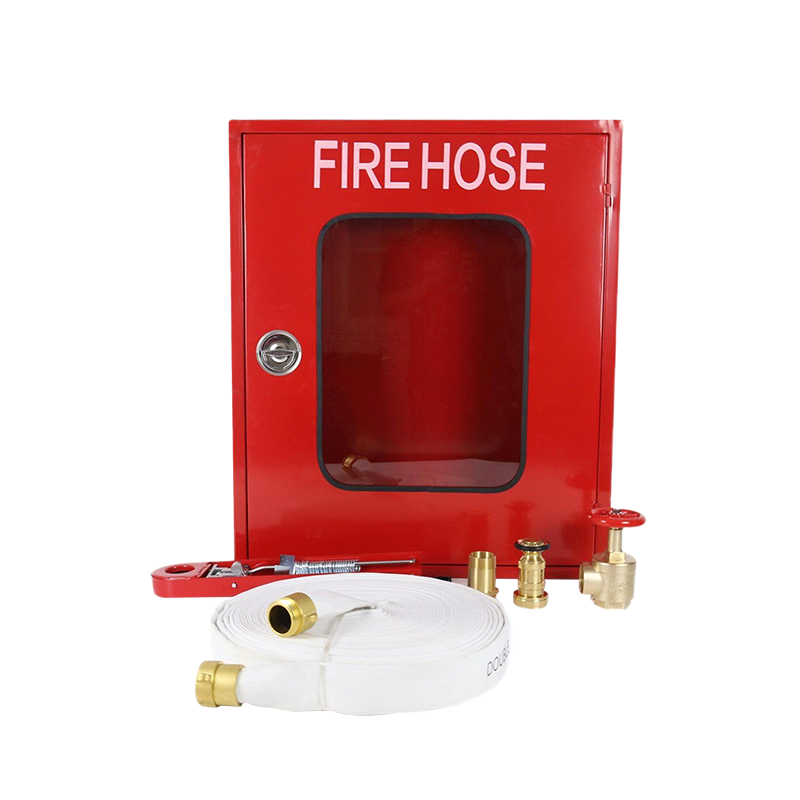
Fire cabinets are designed to accommodate fire hose,valve and other firefighting equipment. Type 201...
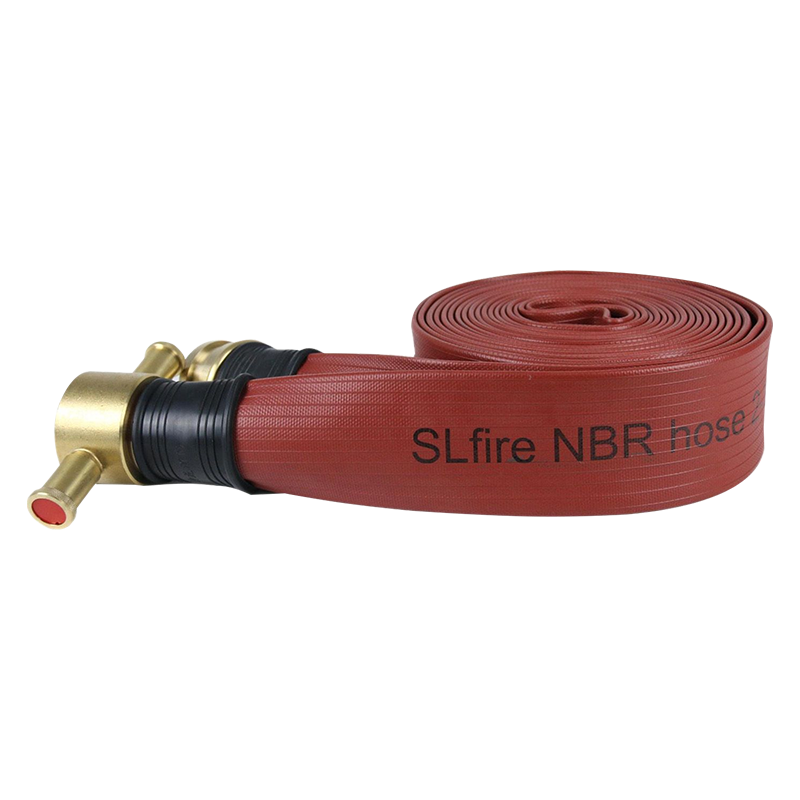
Nitrile covered hose •Nitrile/TPR blend as cover and lining, with 100% high-tenacity polyester yarn ...
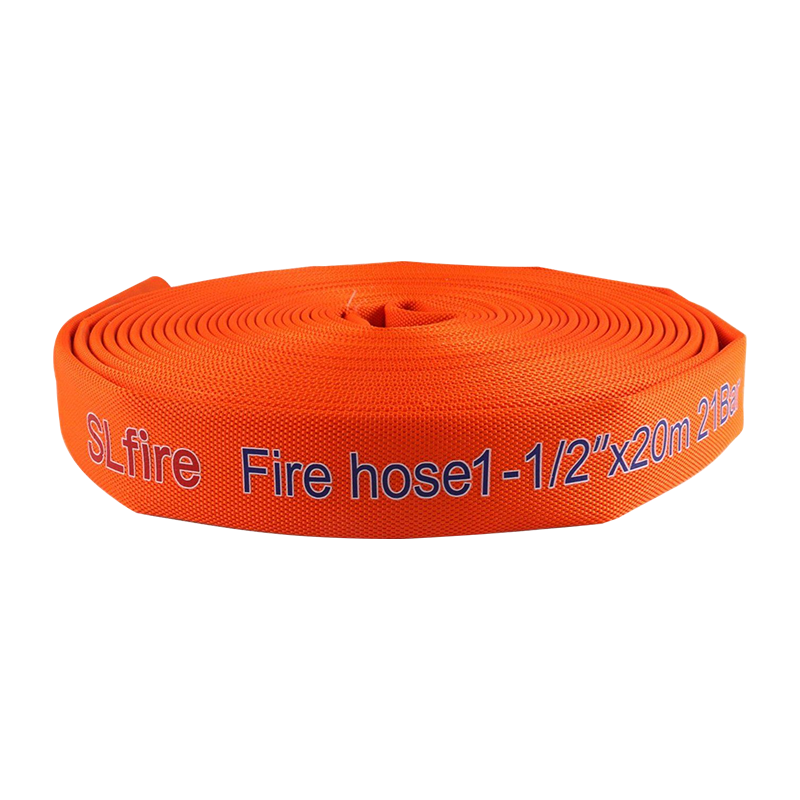
Single jacket, TPU liner •High-tenacity polyester yarn, circular woven in twill weave, TPU lining, f...
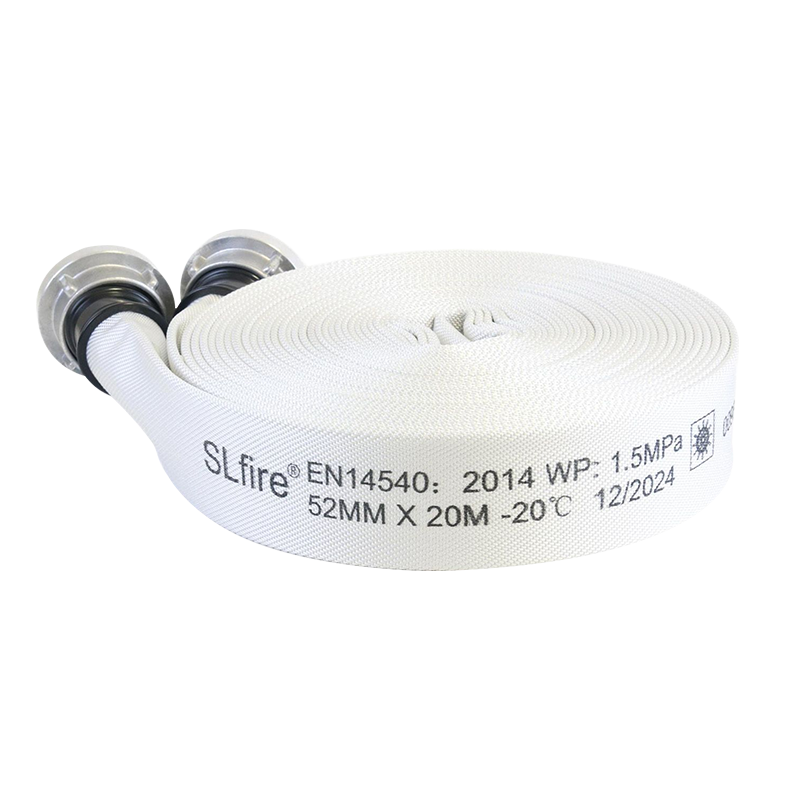
Marine hose Single jacket, PVC liner •100% high tenacity polyester yarn, circular woven in twill wea...
Marine hose Single jacket, PVC liner, PU coated •100% high tenacity polyester yarn,c ircular woven i...
 Call Us
+86 159-5116-9511
Need Support
Head Office
No.58, Kechuang Road, Sixiang Street Medicine Gaoxin District Taizhou City, Jiangsu Province

During a routine service test, a 200-foot attack line fails at 150 psi. The outer jacket looks fine. The problem is inside: a small delamination in the liner has pinched the bore and reduced the flow...
Copyright © Taizhou Shenlong Fire Science and Technology Co., Ltd. All Rights Reserved.
 Fire Hose Manufacturers, Fire Hydrant Hose Factory