

 English
 русский
 Español
 Deutsch
 عربى
عربى Français
 Português
Don't hesitate to send a message
Single jacket, EPDM rubber liner Features • 100% high tenacity polyester jacket, high-grade EPDM rub...
Content
French DSP hose couplings are standardized hydraulic and industrial connectors widely used in Europe and international markets. They are designed to provide secure, leak-proof connections for fluid transfer in high-pressure applications, including fuel, water, chemicals, and industrial fluids. Understanding their design and functionality is critical for selecting the right coupling for your specific application.
DSP stands for "Droit à Serrage par Pression" (direct pressure tightening), which ensures a tight seal through precise threading and clamping mechanisms. These couplings are highly valued for their durability, versatility, and reliability in demanding environments.
Before selecting a French DSP hose coupling, it is essential to assess the specific needs of your application. Consider factors such as fluid type, operating pressure, temperature range, and environmental conditions. These parameters will determine the material, size, and type of coupling required for safe and efficient operation.
For example, hydraulic systems require couplings capable of withstanding high pressures without leakage, while chemical transfer systems may need corrosion-resistant materials like stainless steel or treated alloys. Accurately defining these requirements reduces the risk of system failures and improves long-term reliability.
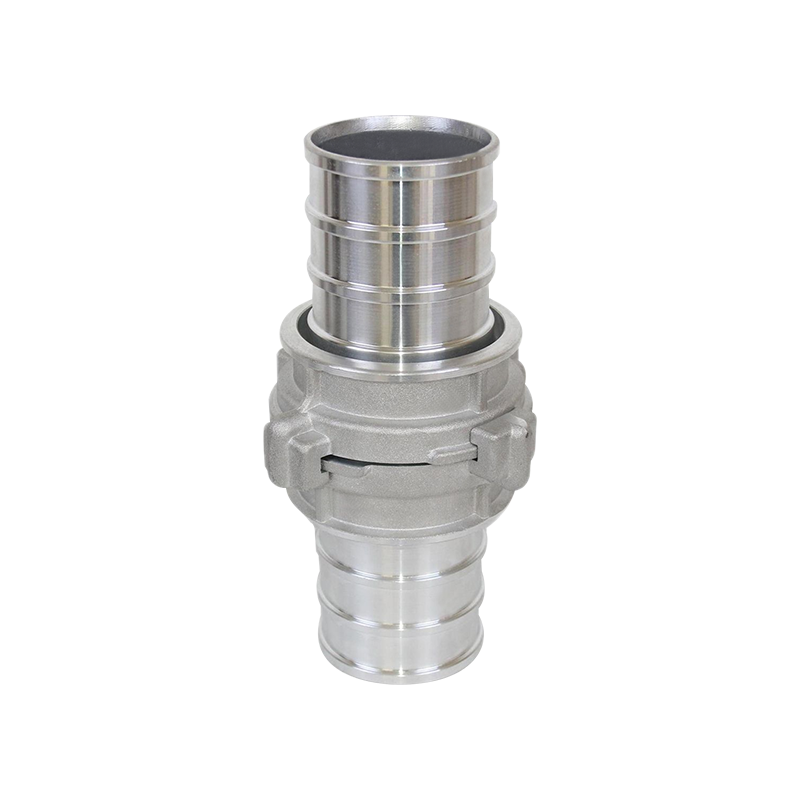
French DSP hose couplings are available in a variety of materials, each offering distinct advantages depending on the fluid and operating environment. Common materials include:
Selecting the right material ensures chemical compatibility, resistance to wear, and safe operation under expected pressures and temperatures.
Correct sizing is crucial for a DSP hose coupling. Couplings are specified by nominal hose diameter, thread size, and pressure rating. Using a mismatched size can result in leaks, reduced flow, or complete system failure.
Measure the outer diameter of the hose and confirm the inner diameter of the coupling to ensure a snug fit. Additionally, verify the thread type and pitch according to French DSP standards, as this guarantees proper engagement and sealing.
Each French DSP hose coupling has a maximum working pressure and temperature range. It is critical to select a coupling that exceeds the highest pressure and temperature conditions expected in your application. Overloading a coupling can cause leaks, deformation, or catastrophic failure.
| Coupling Material | Max Pressure | Temperature Range |
| Stainless Steel | 400–600 bar | -40°C to 250°C |
| Brass | 150–300 bar | -20°C to 150°C |
| Aluminum | 50–200 bar | -10°C to 100°C |
French DSP hose couplings come in various designs including straight, elbowed, and quick-connect types. Choosing the right connection style ensures proper hose alignment, reduces stress on the coupling, and improves overall system efficiency.
Before purchasing, verify that the French DSP hose coupling is compatible with your existing hoses, fittings, and equipment. Compatibility checks include thread type, mating diameter, and pressure rating. Using incompatible components can compromise safety and system integrity.
If necessary, consult manufacturer specifications or request technical support to ensure proper integration.
The operating environment significantly impacts the lifespan of a DSP hose coupling. Factors such as exposure to chemicals, UV light, moisture, and abrasive materials should guide material selection. Stainless steel and treated brass offer superior corrosion resistance, while aluminum may require protective coatings in harsh environments.
Proper maintenance ensures the longevity and reliability of French DSP hose couplings. Regular inspections for wear, corrosion, or loose fittings are essential. Replace seals or gaskets as needed to maintain leak-proof performance. Always follow manufacturer torque specifications during installation to prevent damage.
Selecting the right French DSP hose coupling requires a careful evaluation of application requirements, material properties, pressure and temperature ratings, coupling type, and environmental conditions. By understanding these factors and consulting technical specifications, users can ensure safe, efficient, and reliable hose connections for industrial or hydraulic systems.
Investing time in proper selection and maintenance not only improves system performance but also reduces operational downtime and replacement costs, making the French DSP hose coupling a dependable component in any high-pressure application.
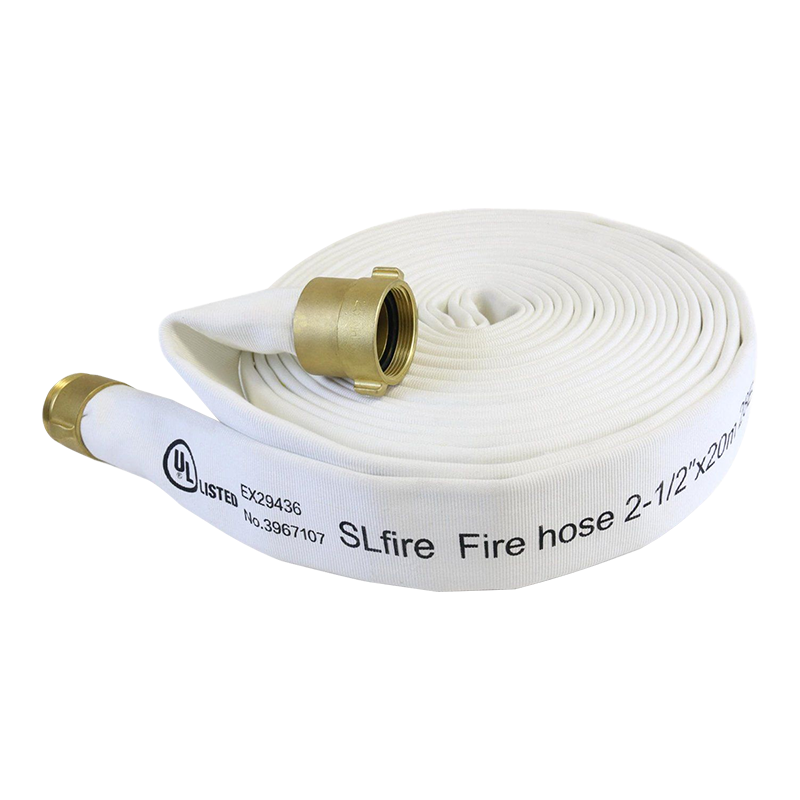
Single jacket, EPDM rubber liner Features • 100% high tenacity polyester jacket, high-grade EPDM rub...
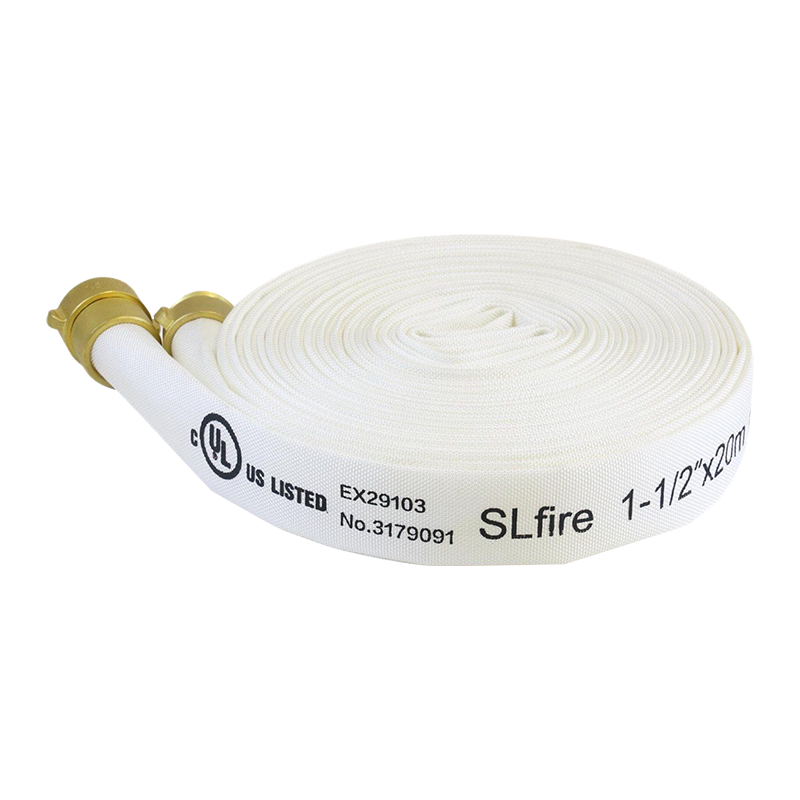
Single jacket, TPU liner •High-tenacity polyester yarn, circular woven in twill weave/plain weave,T ...
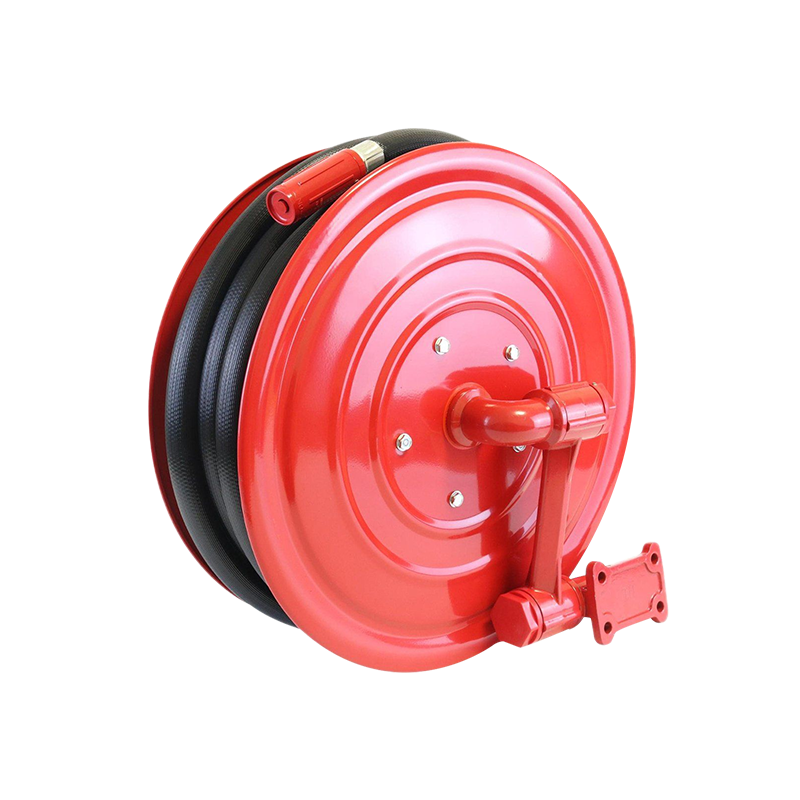
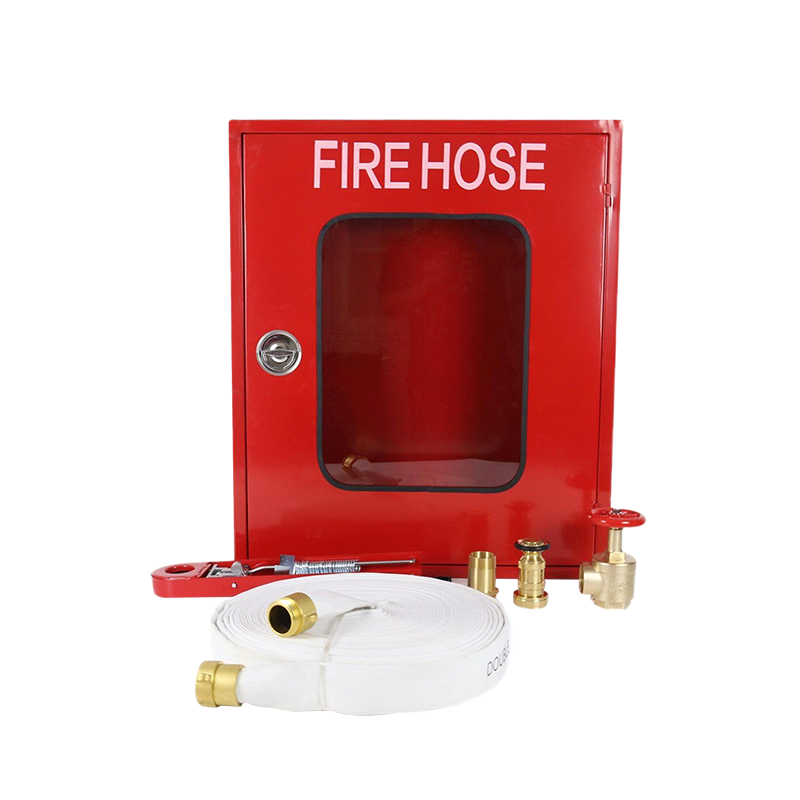
Fire cabinets are designed to accommodate fire hose,valve and other firefighting equipment. Type 201...
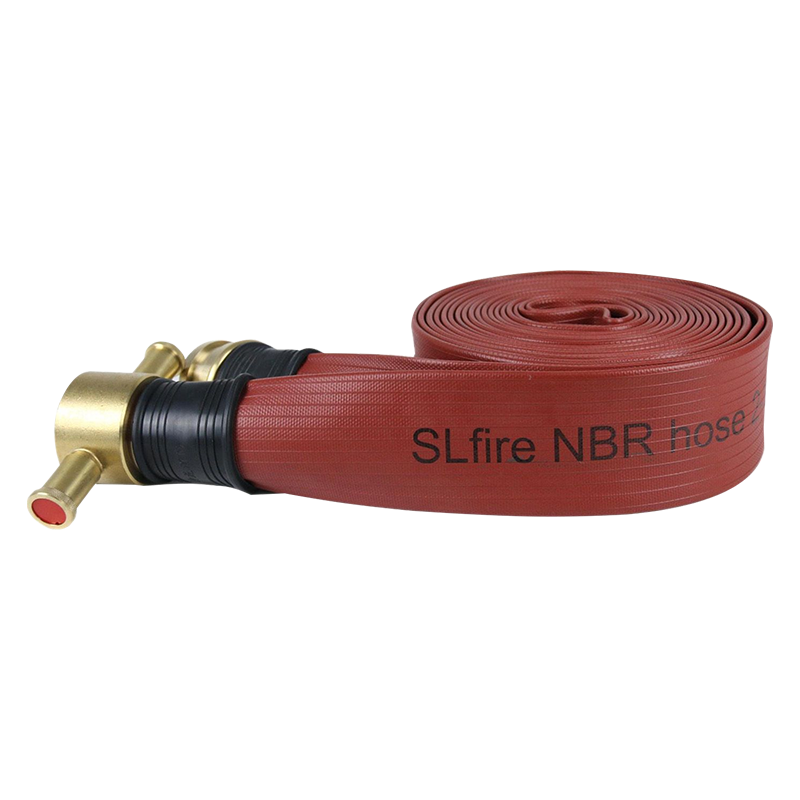
Nitrile covered hose •Nitrile/TPR blend as cover and lining, with 100% high-tenacity polyester yarn ...
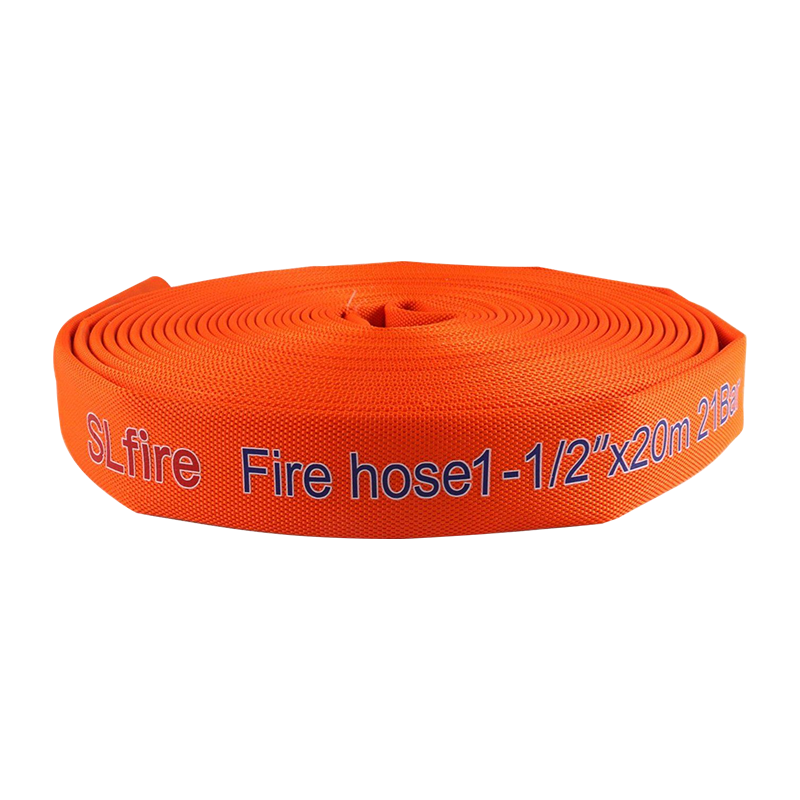
Single jacket, TPU liner •High-tenacity polyester yarn, circular woven in twill weave, TPU lining, f...
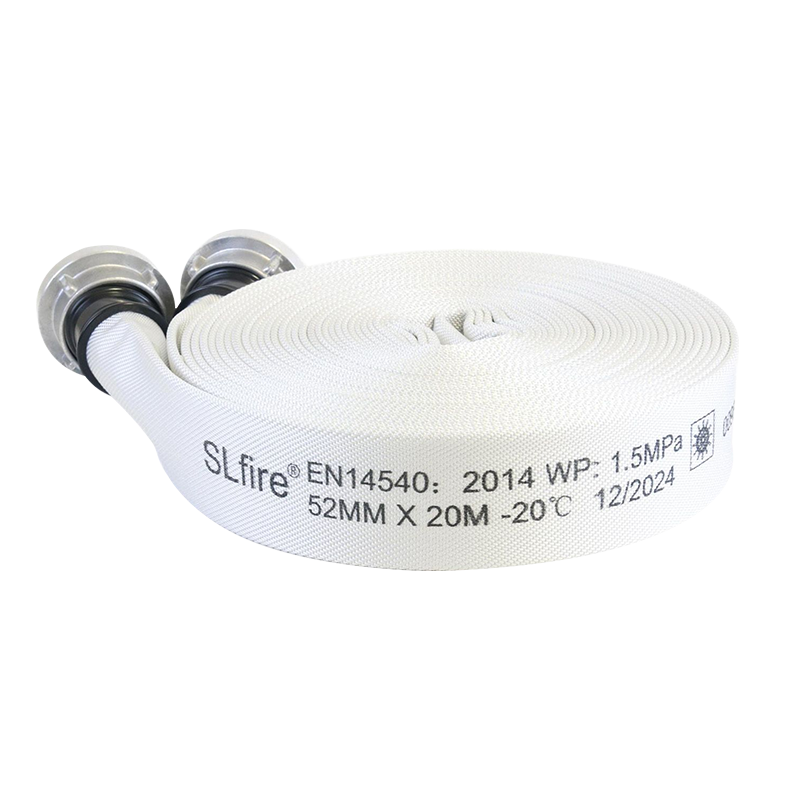
Marine hose Single jacket, PVC liner •100% high tenacity polyester yarn, circular woven in twill wea...
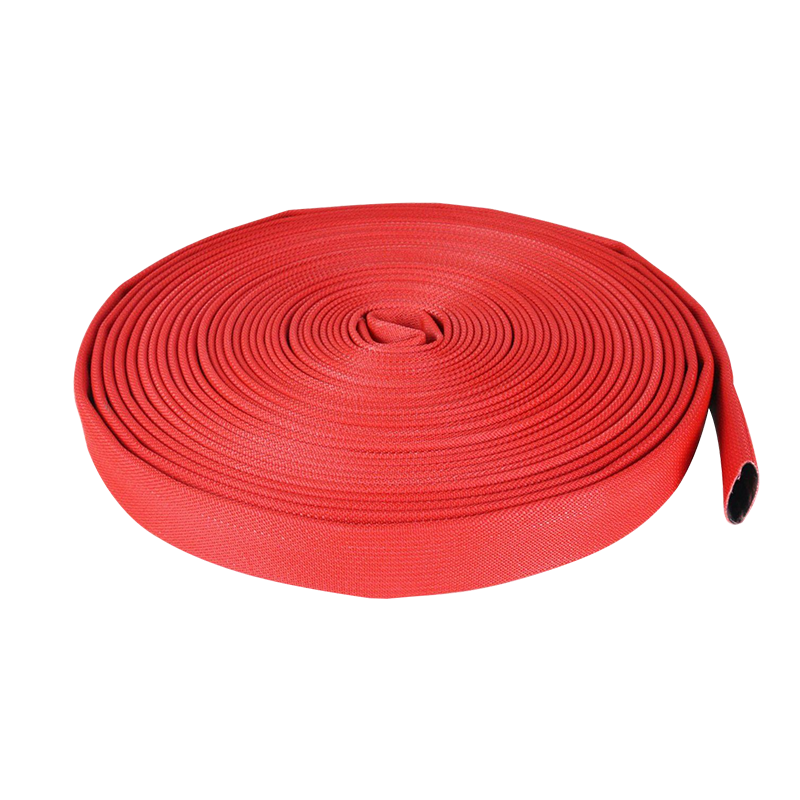
Marine hose Single jacket, PVC liner, PU coated •100% high tenacity polyester yarn,c ircular woven i...
 Call Us
+86 159-5116-9511
Need Support
Head Office
No.58, Kechuang Road, Sixiang Street Medicine Gaoxin District Taizhou City, Jiangsu Province

During a routine service test, a 200-foot attack line fails at 150 psi. The outer jacket looks fine. The problem is inside: a small delamination in the liner has pinched the bore and reduced the flow...
Copyright © Taizhou Shenlong Fire Science and Technology Co., Ltd. All Rights Reserved.
 Fire Hose Manufacturers, Fire Hydrant Hose Factory