

 English
 русский
 Español
 Deutsch
 عربى
عربى Français
 Português
Don't hesitate to send a message
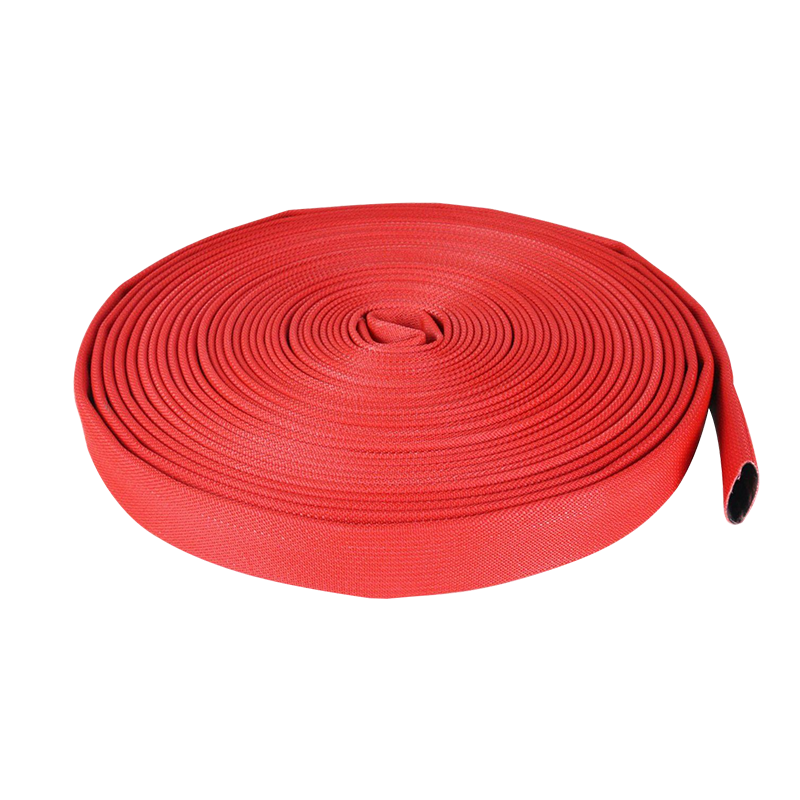
Single jacket, EPDM rubber liner Features • 100% high tenacity polyester jacket, high-grade EPDM rub...
Content
Mill discharge hoses are critical components in mining, mineral processing, and heavy industrial operations. They are designed to transport slurry, tailings, sand, gravel, and other abrasive materials from mills, crushers, or pumps to the next stage of processing. Because these materials are often mixed with water and contain sharp or hard particles, the internal construction of the hose plays a decisive role in performance and service life.
The main distinction among mill discharge hoses lies in the liner material. EPDM rubber liner mill discharge hoses are engineered for demanding slurry applications, while standard discharge hoses are typically designed for general-purpose fluid transfer. Understanding this difference helps operators select the right hose for safety, efficiency, and cost control.
An EPDM rubber liner mill discharge hose uses ethylene propylene diene monomer (EPDM) as its inner lining. EPDM is a synthetic rubber known for its excellent resistance to abrasion, heat, weathering, and certain chemicals. In mill discharge applications, the EPDM liner acts as the primary barrier between the abrasive slurry and the hose structure.
These hoses are usually reinforced with multiple layers of high-tensile synthetic fabric or steel wire to handle high working pressures and pulsation. The EPDM liner is formulated specifically to withstand continuous contact with mineral slurries, making it suitable for long-term, heavy-duty service.
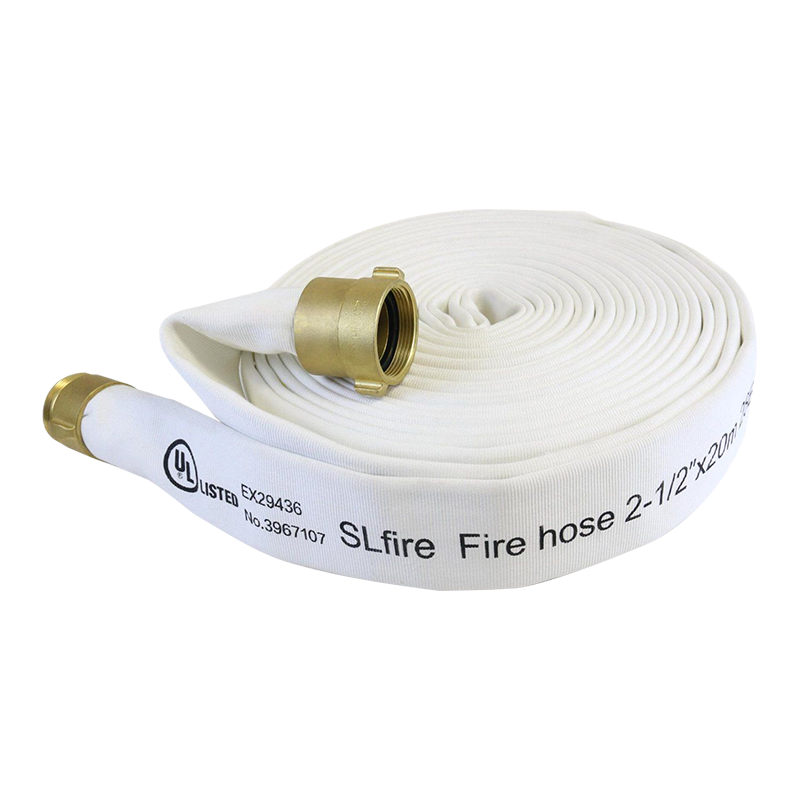
Standard discharge hoses are designed for less demanding applications such as water transfer, light slurry, irrigation, or general industrial discharge. Their inner liners are often made from natural rubber, SBR, or PVC-based compounds, which provide basic flexibility and fluid resistance but limited abrasion performance.
While standard discharge hoses are cost-effective and versatile, they are not specifically engineered for the extreme wear conditions found in mining or milling operations. When used in abrasive environments, they tend to wear out quickly, leading to frequent replacements and increased downtime.
The liner material is the most important factor separating EPDM lined mill discharge hoses from standard discharge hoses. EPDM rubber offers a unique balance of elasticity and toughness, allowing it to absorb impact from solid particles while resisting surface erosion.
Standard liners, by contrast, are often optimized for flexibility or chemical compatibility rather than abrasion resistance. As a result, they degrade faster when exposed to sharp or fast-moving solids.
| Aspect | EPDM Lined Mill Discharge Hose | Standard Discharge Hose |
| Abrasion Resistance | Very high | Low to moderate |
| Heat Resistance | Excellent | Limited |
| Service Life in Slurry | Long-term | Short-term |
In mill discharge environments, slurry often contains coarse particles such as ore, sand, or crushed stone. These materials create constant friction against the hose liner, especially at high flow velocities. EPDM rubber liners are designed to resist this type of wear by maintaining surface integrity even under continuous impact.
Standard discharge hoses lack this level of protection. Their liners may initially perform adequately, but rapid thinning and cracking occur over time. This leads to leaks, unexpected failures, and potential safety hazards for operators.
EPDM rubber liner mill discharge hoses are built to withstand higher working pressures and pressure surges commonly found in pumping systems. Reinforcement layers are carefully matched with the liner to prevent delamination and maintain hose shape under load.
Standard discharge hoses are typically rated for lower pressures and smoother flow conditions. When exposed to heavy slurry pumping, they may experience bulging, collapse, or reinforcement fatigue, which compromises both performance and safety.
EPDM rubber is well known for its resistance to heat, ozone, and weathering. In outdoor mining operations or high-temperature slurry systems, EPDM lined hoses maintain flexibility and sealing performance over extended periods.
Standard discharge hoses may harden, crack, or lose elasticity when exposed to prolonged heat or UV radiation. This aging process shortens service life and increases maintenance requirements.
Because EPDM lined mill discharge hoses are designed for abrasive service, they require less frequent replacement and fewer emergency repairs. This directly reduces downtime in critical processing operations, where hose failure can halt production.
Standard discharge hoses, while easier to source and cheaper upfront, often require frequent inspection and replacement in abrasive environments. Over time, the cumulative cost of downtime and labor can exceed the initial savings.
EPDM rubber liner mill discharge hoses typically have a higher initial purchase cost due to specialized materials and construction. However, their longer service life and reduced failure rate often result in a lower total cost of ownership.
Standard discharge hoses may be suitable for short-term or low-abrasion tasks, but when used beyond their intended scope, replacement costs and operational disruptions can accumulate quickly.
The choice between an EPDM lined mill discharge hose and a standard discharge hose should be based on material abrasiveness, operating pressure, temperature, and expected service duration. For mining, milling, and heavy slurry transport, EPDM lined hoses provide reliability and performance that standard hoses cannot match.
By aligning hose selection with actual operating conditions, facilities can improve safety, reduce maintenance costs, and achieve more consistent production performance.
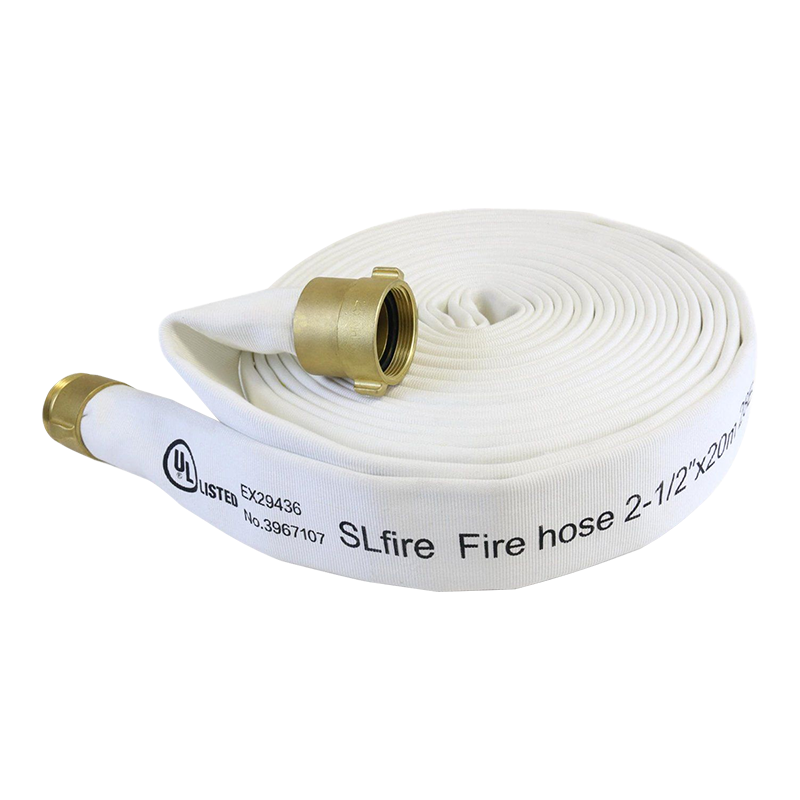
Single jacket, EPDM rubber liner Features • 100% high tenacity polyester jacket, high-grade EPDM rub...
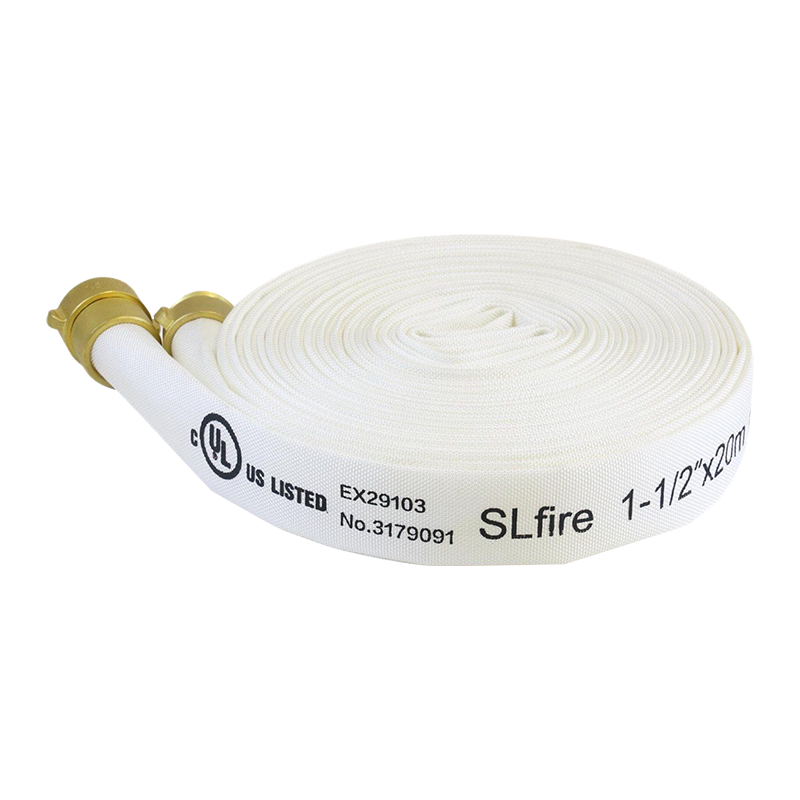
Single jacket, TPU liner •High-tenacity polyester yarn, circular woven in twill weave/plain weave,T ...
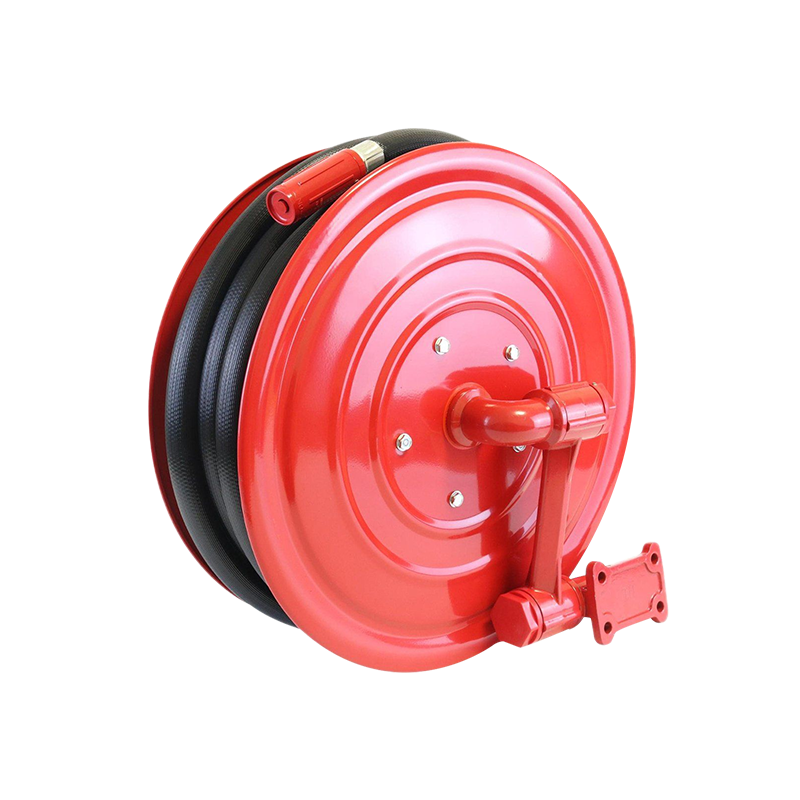
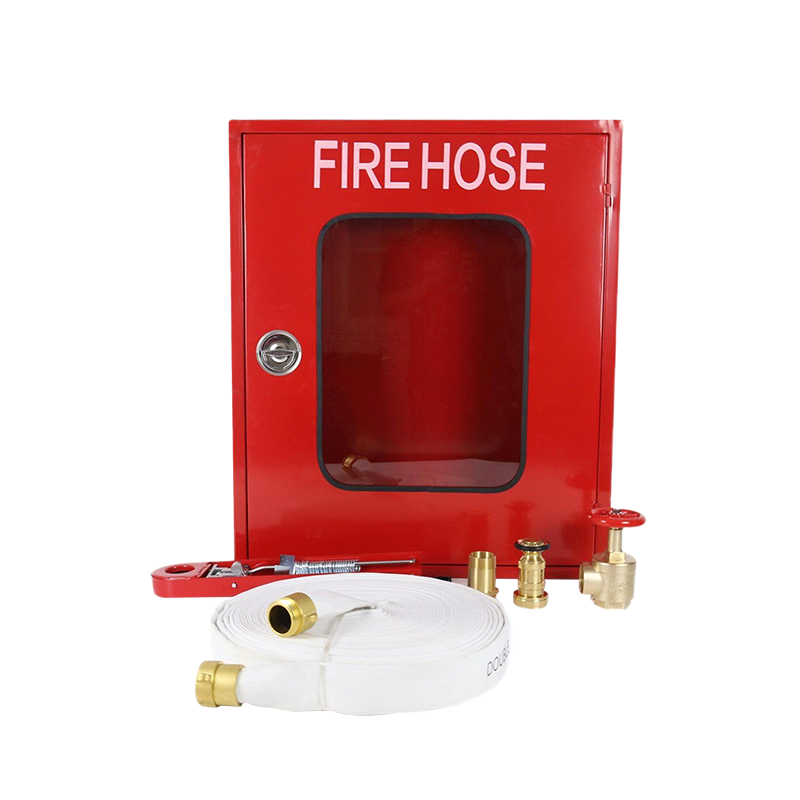
Fire cabinets are designed to accommodate fire hose,valve and other firefighting equipment. Type 201...
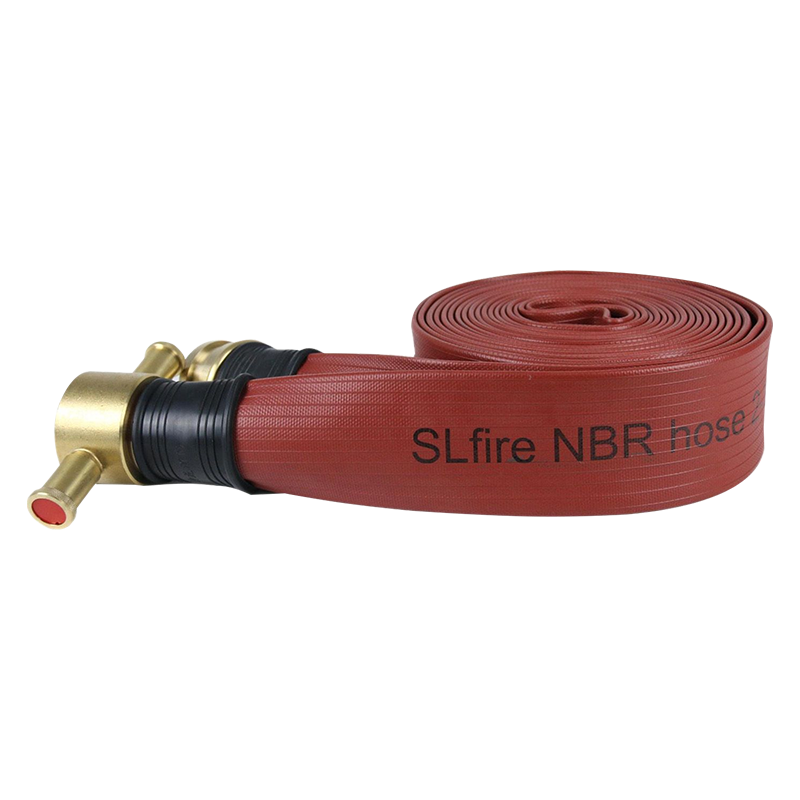
Nitrile covered hose •Nitrile/TPR blend as cover and lining, with 100% high-tenacity polyester yarn ...
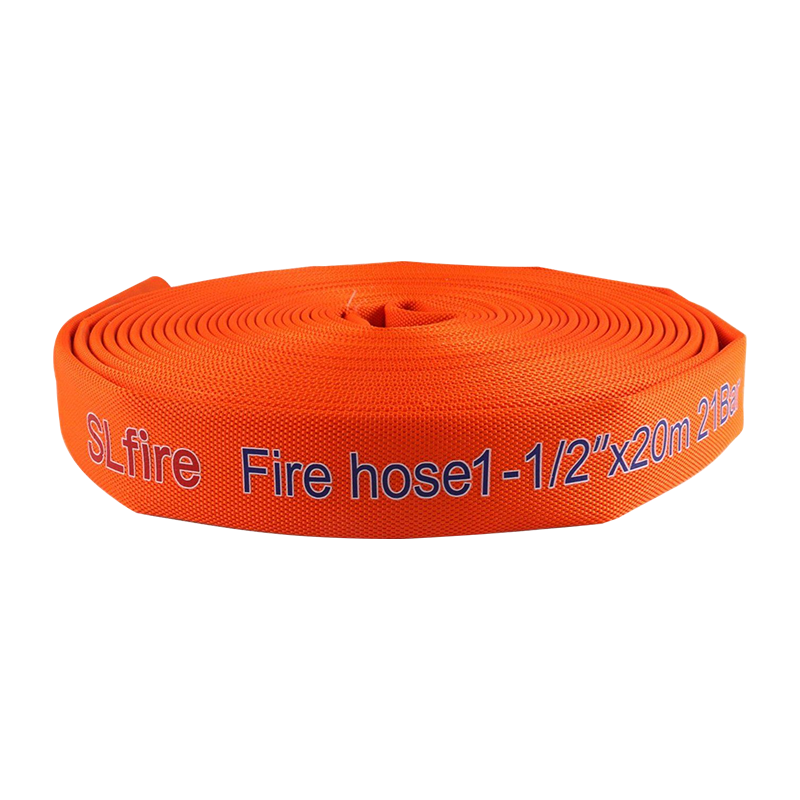
Single jacket, TPU liner •High-tenacity polyester yarn, circular woven in twill weave, TPU lining, f...
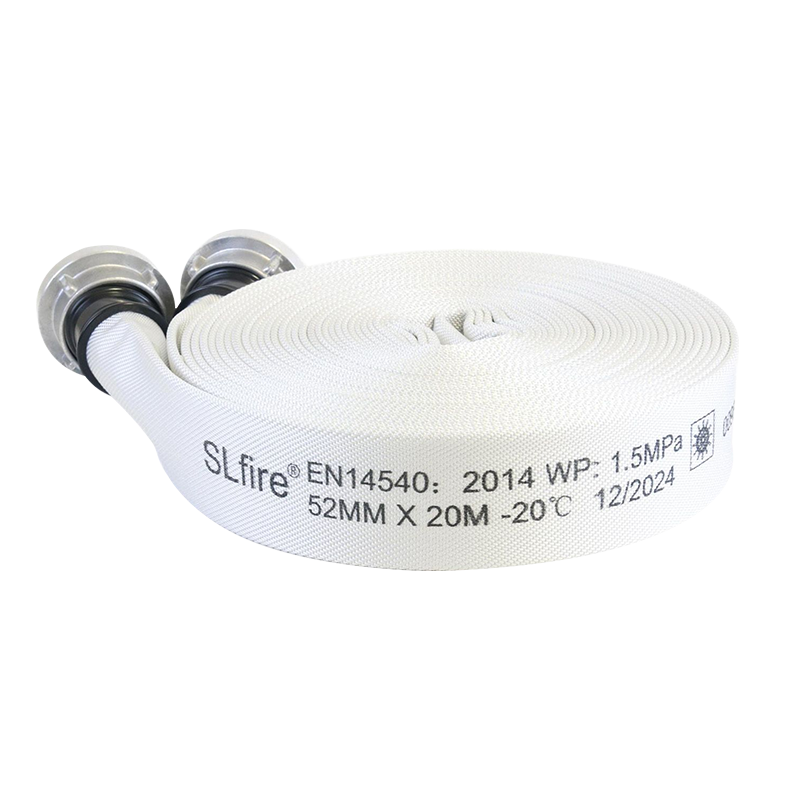
Marine hose Single jacket, PVC liner •100% high tenacity polyester yarn, circular woven in twill wea...
Marine hose Single jacket, PVC liner, PU coated •100% high tenacity polyester yarn,c ircular woven i...
 Call Us
+86 159-5116-9511
Need Support
Head Office
No.58, Kechuang Road, Sixiang Street Medicine Gaoxin District Taizhou City, Jiangsu Province

During a routine service test, a 200-foot attack line fails at 150 psi. The outer jacket looks fine. The problem is inside: a small delamination in the liner has pinched the bore and reduced the flow...
Copyright © Taizhou Shenlong Fire Science and Technology Co., Ltd. All Rights Reserved.
 Fire Hose Manufacturers, Fire Hydrant Hose Factory