

 English
 русский
 Español
 Deutsch
 عربى
عربى Français
 Português
Don't hesitate to send a message
Single jacket, EPDM rubber liner Features • 100% high tenacity polyester jacket, high-grade EPDM rub...
Content
Choosing the right irrigation hose is one of the most consequential decisions in setting up an efficient watering system — whether you are managing a backyard vegetable garden, a commercial greenhouse, a row crop field, or a landscaped property. The wrong hose type leads to uneven water distribution, pressure loss, premature failure, or water waste that negates the efficiency gains that irrigation is supposed to deliver. With dozens of hose types, materials, diameters, and pressure ratings available, the selection process can feel overwhelming. This guide breaks down the core categories of irrigation hose, the practical differences between them, and the specific factors that should drive your selection decision for different growing environments.
An irrigation hose is a purpose-designed water delivery conduit used within a structured irrigation system to transport water from a source — such as a pump, mainline pipe, or tap — to the point of application at or near the plant root zone. Unlike a standard garden hose, which is a flexible general-purpose tool designed for hand watering and short-term connection, irrigation hoses are engineered for permanent or semi-permanent installation, consistent flow rate delivery, and compatibility with emitters, connectors, valves, and control systems.
The key functional distinctions between an irrigation hose and a garden hose are pressure rating, wall thickness, UV resistance, and flow precision. Garden hoses operate at relatively high pressures (typically 40–80 psi) and deliver water in a broad, unregulated stream. Irrigation hoses, particularly drip and soaker types, operate at much lower pressures (8–30 psi) and are calibrated to deliver measured, consistent volumes of water across the full length of the line. This precision is what makes irrigation systems water-efficient — eliminating the evaporation, runoff, and oversaturation that hand watering causes.
The irrigation hose category encompasses several distinct product types, each designed for a specific application range. Understanding these differences is the foundation of making the right selection.
Drip tape is a thin-walled, flat polyethylene tube with factory-installed emitter points at regular intervals along its length. It is the most widely used irrigation hose type in row crop agriculture, vegetable farming, and strawberry production. When pressurised, it inflates to a round profile and delivers water at each emitter point at a precisely calibrated flow rate — typically 0.1 to 1.0 gallons per hour per emitter. Drip tape is designed for seasonal use; it is installed at the beginning of the growing season, often buried just below the soil surface or laid under mulch, and removed or left in place at season's end depending on the application.
Wall thickness is the primary quality indicator for drip tape — measured in mils (thousandths of an inch). Thin-wall tape (6–8 mil) is a single-season product suited to annual crops. Medium-wall (10–15 mil) lasts two to three seasons. Heavy-wall tape (15–20 mil and above) is suitable for multi-year installation in orchards and perennial crops. Emitter spacing commonly ranges from 4 inches to 24 inches, selected based on crop type, soil texture, and row spacing.
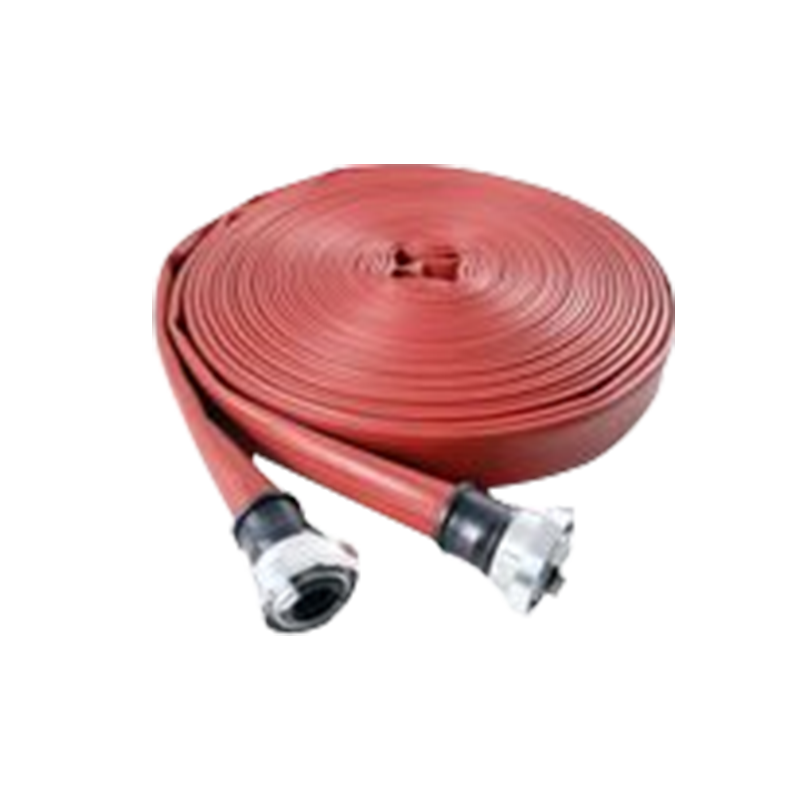
A soaker hose is a porous rubber or recycled rubber/polyethylene blend hose that seeps water slowly along its entire length through microscopic pores in the hose wall. Rather than delivering water at discrete emitter points like drip tape, a soaker hose provides continuous, even moisture along the full run. This makes it particularly well-suited for closely spaced plantings such as hedge rows, garden beds, or densely planted vegetable rows where individual emitter spacing would be impractical.
Soaker hoses are typically used at very low pressure — 8 to 12 psi — and work most effectively in runs of 100 feet or less. Beyond this length, the pressure differential between the inlet and the end of the hose causes uneven water distribution, with plants nearest the water source receiving more water than those at the far end. For larger areas, it is more effective to use multiple shorter soaker hose runs connected to a manifold or multi-outlet timer than to extend a single run beyond its effective length.
Drip line — also called emitter tubing or inline drip tubing — is a thick-walled polyethylene tube with pressure-compensating emitters factory-installed at set intervals within the tube wall. Unlike drip tape, which is a thin, flat product for seasonal use, drip line is a rigid, durable product designed for permanent or long-term installation in landscapes, orchards, vineyards, and container plant systems. Pressure-compensating emitters maintain a consistent flow rate across a wide pressure range (typically 10–45 psi), making drip line highly effective on sloped terrain where pressure variation along the line would otherwise cause uneven watering.
Anti-siphon (or anti-drain) emitters — a feature in many drip line products — prevent soil and debris from being sucked back into the tube when the system is depressurised, significantly reducing clogging and extending the operational life of the line. Drip line is available in diameters from 1/2 inch to 1 inch and in emitter spacings from 6 inches to 36 inches, allowing precise matching to plant density and soil type.
Lay-flat hose is a high-flow, collapsible delivery hose used to transport large volumes of water across a field or site, typically connecting a pump or mainline to a distribution point where smaller drip or soaker lines branch off. It lies flat when not pressurised (making it easy to roll, store, and transport) and expands to a round profile under pressure. Lay-flat hose is a mainline tool rather than a last-mile delivery hose — it moves water efficiently over distance, but the actual distribution to plants is handled by the emitter hoses connected to it.
Once you have identified the hose type appropriate for your application, a second layer of specification comparison determines which specific product will perform best in your system conditions.
| Specification | What It Affects | Selection Guidance |
| Wall Thickness | Durability, lifespan, puncture resistance | Thicker for multi-season or buried use; thin for single-season row crops |
| Emitter Flow Rate | Water delivery volume per hour | Match to soil infiltration rate; sandy soils need higher flow, clay soils lower |
| Emitter Spacing | Water distribution pattern | Closer spacing for sandy soils; wider for clay soils with lateral spread |
| Operating Pressure | System compatibility, flow consistency | Match to your pump or supply pressure; use pressure regulators if needed |
| UV Resistance | Surface durability in sunlight | Essential for above-ground installations; less critical for buried systems |
| Diameter (ID) | Flow capacity, system reach | Larger diameter for longer runs or higher flow demand; smaller for short precise runs |
Soil texture is one of the most important — and most often overlooked — factors in irrigation hose selection. Water moves through soil in a characteristic pattern determined by texture: in sandy soils, water moves rapidly downward with limited lateral spread; in clay soils, water moves slowly downward but spreads significantly in horizontal directions before descending. This directly affects which emitter spacing and flow rate will produce efficient root zone coverage without waste.
Crop type adds a second dimension to this matching process. Deep-rooted crops such as tomatoes, peppers, and corn benefit from lower flow rates that allow water to penetrate deeper into the soil profile. Shallow-rooted crops such as lettuce, strawberries, and herbs need water delivered closer to the surface, making higher-flow, closer-spaced emitters or soaker hose more appropriate.
Correct installation is where most DIY irrigation systems fail — not in product selection but in setup errors that cause pressure imbalances, clogging, and uneven distribution. Following these installation principles produces a system that performs as designed from the first season.
Household tap water pressure (typically 40–80 psi) is too high for most drip and soaker systems, which operate optimally at 10–25 psi. Installing a pressure regulator at the water source — between the tap and the mainline — brings the pressure down to the correct operating range, preventing blown fittings, split hoses, and emitter overflow. Pair the regulator with an inline mesh filter (150–200 mesh for drip tape; 100–150 mesh for drip line) to remove particles that would otherwise clog emitters. This filter-regulator combination is the single most impactful component pair for long-term system reliability and should never be omitted.
When installing on sloped terrain, run drip tape or soaker hose along the contour of the slope — horizontally across the hillside rather than vertically up and down it. Running hose vertically down a slope allows gravity to pull water toward the lowest emitters, causing overwatering at the bottom and underwatering at the top. Contour installation equalises pressure along the run. For significant slopes where contour installation is not possible, use pressure-compensating drip line with PC emitters that maintain consistent output regardless of pressure variation.
Before connecting emitter hoses to a new system for the first time, leave the end of each line open and run the system for two to three minutes to flush out any manufacturing debris, pipe residue, or installation dirt that has entered the tubing. After flushing, install end caps on each line. This single step prevents the majority of first-season emitter clogging events and adds no significant time to the installation process. Repeat this flushing process at the start of each new growing season if the system has been dormant over winter.
Even well-designed systems encounter operational issues over time. Recognising and addressing these problems quickly prevents crop damage and system deterioration.
In climates with freezing winters, proper end-of-season care is essential for protecting irrigation hoses from freeze damage. Water left in hoses, fittings, and filters expands when it freezes and cracks tubing walls, splits fittings, and damages pressure regulators — often invisibly, so that the failure only becomes apparent when the system is pressurised the following spring.
To winterise a drip or soaker hose system, begin by disconnecting the water source and opening all end caps to drain water by gravity. For buried systems, blow compressed air through the mainline from the inlet end to push residual water out through the open emitter hose ends — a small portable compressor at 30 psi is sufficient for most residential systems. Disconnect and store inline filters, pressure regulators, and timer units indoors where they will not freeze. Drip tape in seasonal installations can be rolled up and stored in a cool, dry location for reuse the following season, provided it was flushed clean before storage. Permanent drip line installations can remain in the ground if the system has been properly drained and the above-ground components removed.
A system that is correctly winterised and stored will deliver consistent performance across many growing seasons — making the investment in quality irrigation hose and components a genuinely long-term asset for any growing operation, from a backyard garden to a commercial farm.
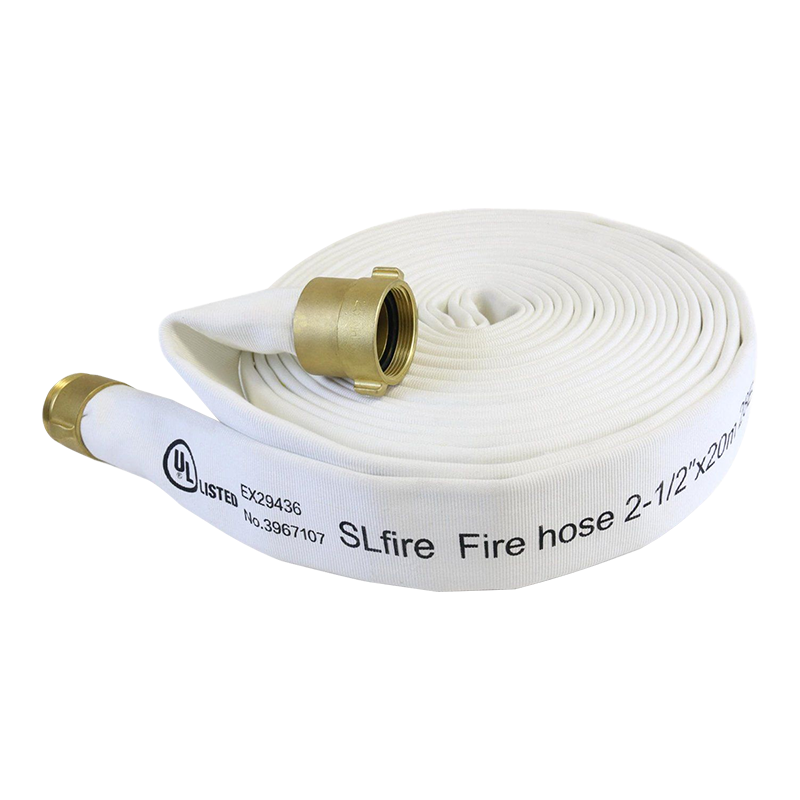
Single jacket, EPDM rubber liner Features • 100% high tenacity polyester jacket, high-grade EPDM rub...
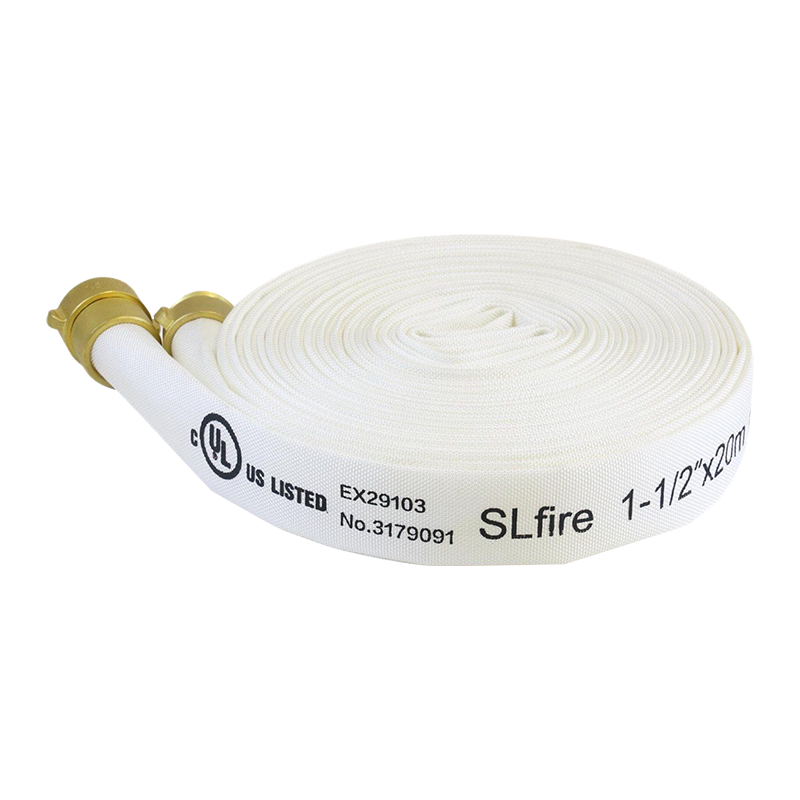
Single jacket, TPU liner •High-tenacity polyester yarn, circular woven in twill weave/plain weave,T ...
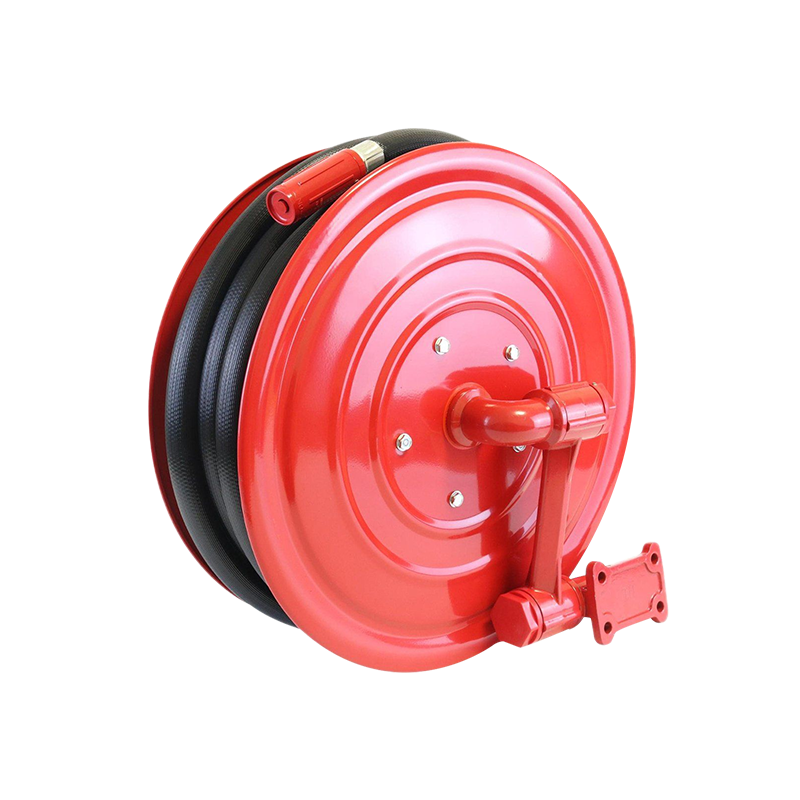
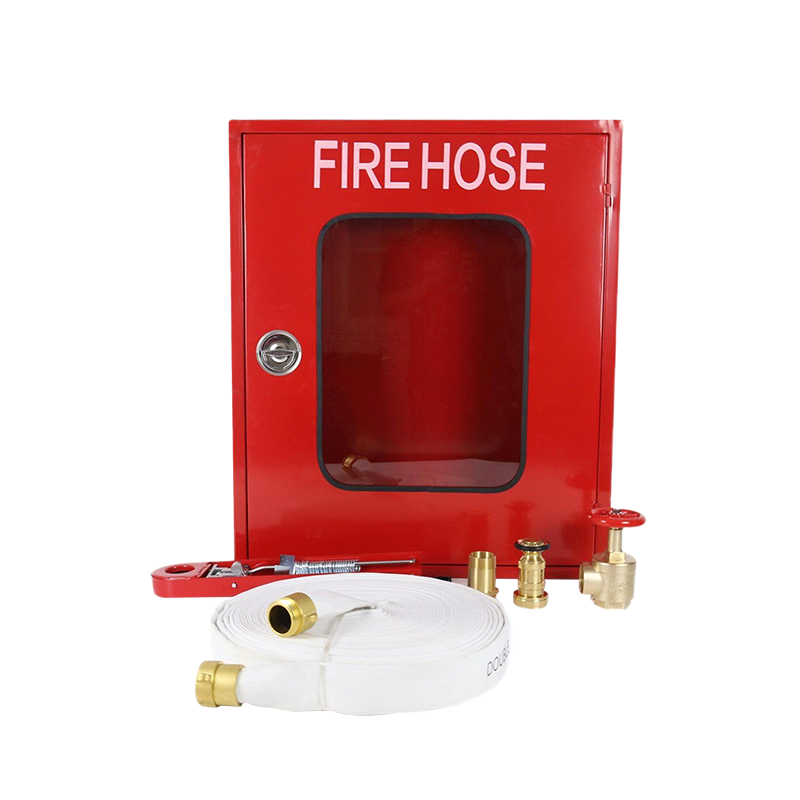
Fire cabinets are designed to accommodate fire hose,valve and other firefighting equipment. Type 201...
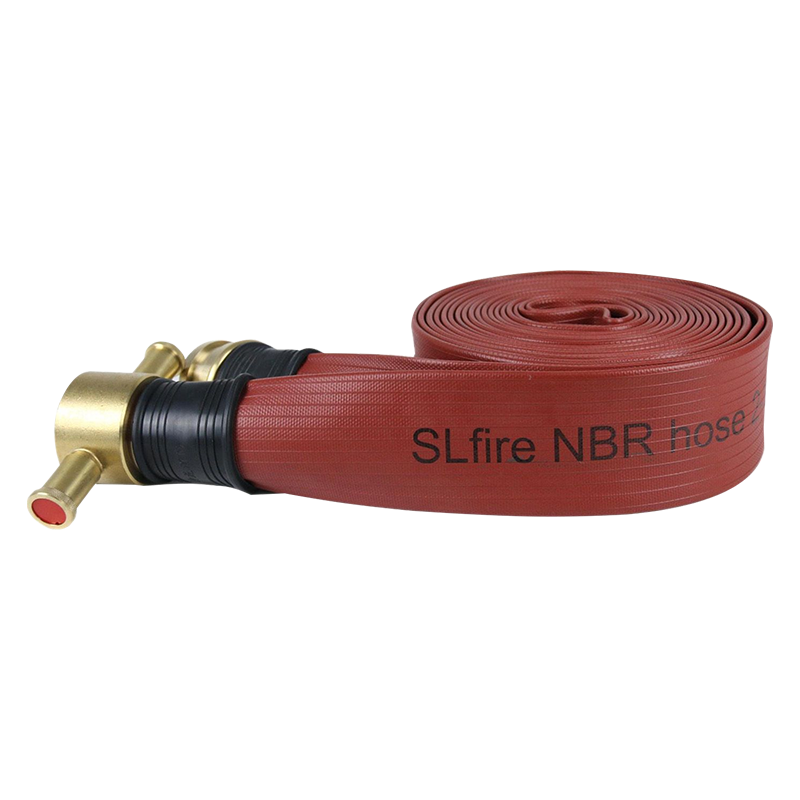
Nitrile covered hose •Nitrile/TPR blend as cover and lining, with 100% high-tenacity polyester yarn ...
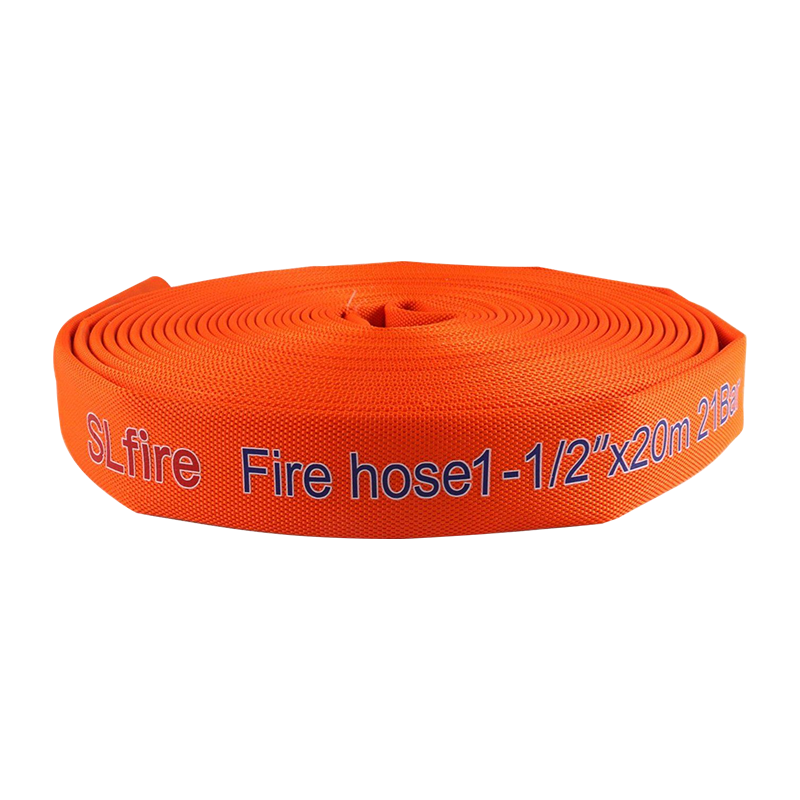
Single jacket, TPU liner •High-tenacity polyester yarn, circular woven in twill weave, TPU lining, f...
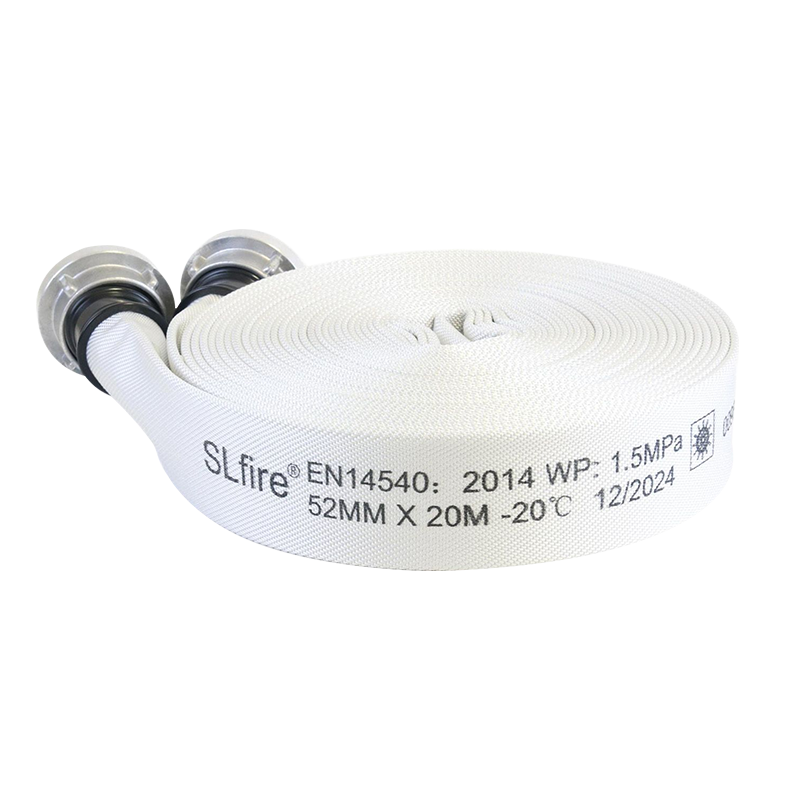
Marine hose Single jacket, PVC liner •100% high tenacity polyester yarn, circular woven in twill wea...
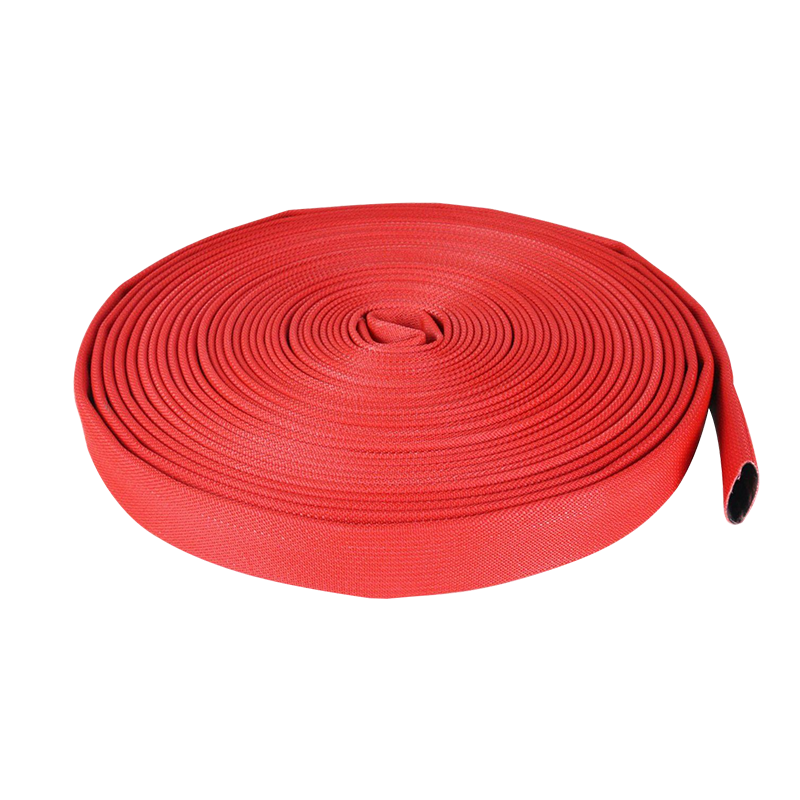
Marine hose Single jacket, PVC liner, PU coated •100% high tenacity polyester yarn,c ircular woven i...
 Call Us
+86 159-5116-9511
Need Support
Head Office
No.58, Kechuang Road, Sixiang Street Medicine Gaoxin District Taizhou City, Jiangsu Province

During a routine service test, a 200-foot attack line fails at 150 psi. The outer jacket looks fine. The problem is inside: a small delamination in the liner has pinched the bore and reduced the flow...
Copyright © Taizhou Shenlong Fire Science and Technology Co., Ltd. All Rights Reserved.
 Fire Hose Manufacturers, Fire Hydrant Hose Factory