

 English
 русский
 Español
 Deutsch
 عربى
عربى Français
 Português
Don't hesitate to send a message
Single jacket, EPDM rubber liner Features • 100% high tenacity polyester jacket, high-grade EPDM rub...
Content
A TPU lay flat hose is a collapsible, flexible water delivery tube made from thermoplastic polyurethane — a high-performance polymer that combines the elasticity of rubber with the strength and chemical resistance of engineering plastics. In its unfilled state, the hose lies completely flat, which dramatically reduces its storage volume and transport weight compared to conventional rigid or semi-rigid hoses. When pressurized water flows through it, the hose expands into a circular cross-section capable of delivering high flow rates across long distances. This combination of flat storage and full-round operation under pressure makes TPU lay flat hoses the preferred irrigation solution across agriculture, mining, fire suppression, and civil engineering projects worldwide.
The most common alternative to TPU in lay flat hose manufacturing is PVC (polyvinyl chloride). While PVC lay flat hoses are cheaper and widely available, they fall significantly short of TPU in several critical performance areas. PVC becomes brittle in cold temperatures and loses flexibility in freezing conditions, making it prone to cracking during winter storage or early-season use. TPU, by contrast, maintains its flexibility across a temperature range of approximately -40°C to +80°C, allowing it to operate reliably in harsh climates without risk of cold-fracture. TPU also resists abrasion far more effectively than PVC — a key advantage in agricultural settings where hoses are dragged across rough ground, gravel paths, or stubble fields repeatedly throughout the season.
Understanding the material science behind TPU helps explain why it consistently outperforms alternatives in demanding irrigation environments. TPU is a block copolymer composed of alternating hard and soft segments, giving the material its distinctive combination of mechanical toughness and elastic flexibility. The hard segments provide structural rigidity and resistance to deformation under pressure, while the soft segments allow the material to stretch and recover without permanent distortion. This molecular architecture results in a hose that can withstand repeated pressurization and depressurization cycles across a long service life without developing fatigue cracks or stress fractures.
Selecting the correct TPU lay flat hose specification for an irrigation project requires a clear understanding of the pressure, flow, and diameter parameters involved. Choosing undersized hose results in inadequate flow rates and excessive friction loss, while oversized hose adds unnecessary cost and handling difficulty. The table below summarizes the most common specifications available from industrial hose manufacturers.
| Inner Diameter | Working Pressure | Burst Pressure | Typical Application |
| 50mm (2 inch) | 8–10 bar | 20–25 bar | Small farm irrigation, garden supply lines |
| 75mm (3 inch) | 8–10 bar | 20–25 bar | Medium field irrigation, water transfer |
| 100mm (4 inch) | 6–8 bar | 16–20 bar | Large-scale crop irrigation, pumping mains |
| 150mm (6 inch) | 4–6 bar | 12–16 bar | Flood irrigation, reservoir filling, civil works |
| 200mm (8 inch) | 3–4 bar | 8–12 bar | High-volume water supply, mining dewatering |
Wall thickness is another critical variable. Standard irrigation TPU lay flat hoses typically feature walls between 1.5mm and 3.0mm depending on the diameter and pressure class. Thicker walls provide higher burst pressure safety margins and greater abrasion resistance but add weight per meter and increase the minimum bend radius. For most agricultural irrigation applications, a 2.0mm wall thickness in a 75mm or 100mm diameter hose delivers the best balance of performance, weight, and cost. Always verify that the stated working pressure includes an adequate safety factor — reputable manufacturers rate working pressure at one-quarter to one-fifth of the actual burst pressure, providing a substantial margin against pressure spikes from pump surges.
TPU lay flat irrigation hoses are used across a wide range of agricultural and water management contexts, and their specific advantages make them particularly well suited to certain deployment scenarios. Understanding where TPU hose adds the most value helps growers and irrigation engineers make the most cost-effective infrastructure decisions.
In drip irrigation systems, TPU lay flat hose is commonly used as the mainline carrier that transports pressurized water from the pump or reservoir to the distribution manifolds, from which drip tape or micro-sprinkler laterals branch off. Because lay flat hose can be rolled out rapidly across a field and connected without specialized tools, it dramatically reduces the setup time compared to rigid PVC mainline systems. At the end of the irrigation season, the hose can be drained, rolled back onto its reel, and stored compactly in a shed or container — a major logistical advantage over buried or fixed pipe systems.
For flood and furrow irrigation on row crops such as corn, sugarcane, or cotton, large-diameter TPU lay flat hoses in the 150mm to 200mm range deliver very high flow rates at relatively low pressure. The hose is connected directly to a pump drawing from an open channel or storage pond and laid along the headland of the field, with gated outlets or siphon tubes drawing water into each furrow. The abrasion resistance of TPU is especially valuable here because the hose is repeatedly dragged along bare soil, crop stubble, and gravel headlands throughout the irrigation season.
TPU lay flat hose is uniquely well suited to temporary or emergency water transfer scenarios where permanent pipe infrastructure does not exist or has failed. During drought emergencies, growers can rapidly deploy several hundred meters of lay flat hose to move water from a distant source to a critical crop area. The hose can be connected end-to-end using camlock or Storz couplings to span long distances, and its light weight means a single worker can carry and deploy a 100-meter reel without mechanical assistance. After the emergency has passed, the entire system can be retrieved and reused across multiple seasons.
Even the highest-quality TPU lay flat hose will underperform or fail prematurely if installed incorrectly. Following a set of proven installation practices ensures the hose operates at rated capacity and achieves its full service life potential.
The market for lay flat irrigation hoses includes products spanning a wide quality range, and price alone is not a reliable indicator of performance. Knowing which quality indicators to look for enables buyers to distinguish genuinely high-performance TPU hoses from inferior products that may be marketed using similar terminology.
Begin by requesting the manufacturer's test certificates for working pressure and burst pressure, which should be based on standardized hydraulic testing rather than theoretical calculations. Ask specifically whether the hose has been tested to EN 14423 or an equivalent standard, as this European norm sets clear requirements for lay flat hose performance across multiple performance classes. Examine the hose construction — quality TPU lay flat hoses use a woven polyester or nylon reinforcement scrim embedded within or laminated between the TPU layers, rather than relying on the TPU film alone for structural integrity. A hose with no internal reinforcement will balloon unevenly under pressure and is at high risk of catastrophic failure.
Check the uniformity of the hose wall by inspecting a cross-section sample — the wall should be consistent in thickness around its entire circumference with no thin spots or visible air bubbles. Finally, verify that the TPU compound used is hydrolysis-stabilized, as some lower-cost TPU formulations use ester-based chemistry that degrades rapidly in sustained water contact. Ether-based TPU or specially stabilized ester grades are the appropriate choice for irrigation applications where the hose will be continuously immersed or filled with water throughout a multi-month growing season.
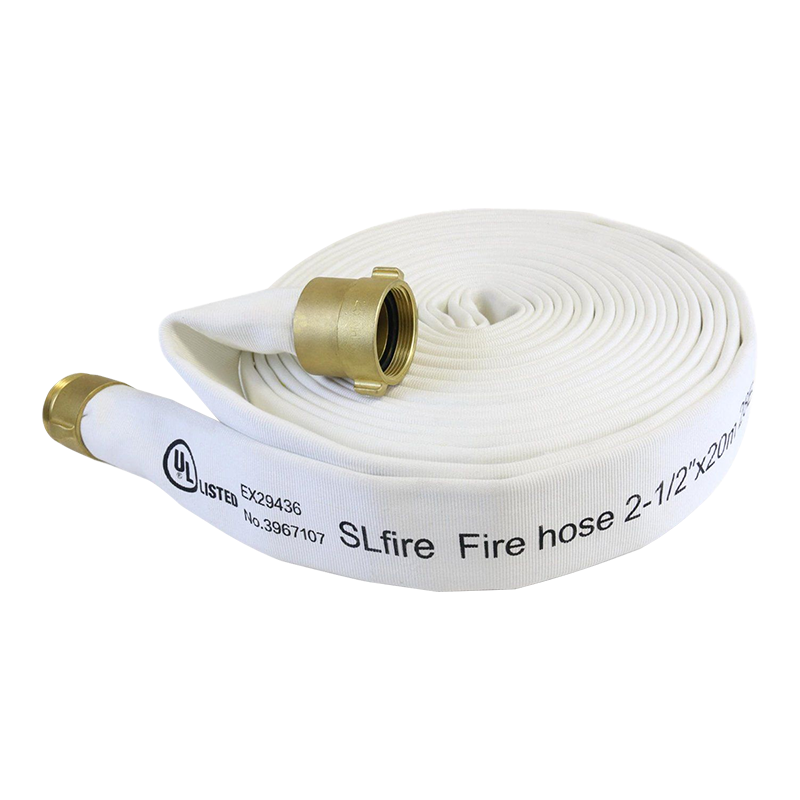
Single jacket, EPDM rubber liner Features • 100% high tenacity polyester jacket, high-grade EPDM rub...
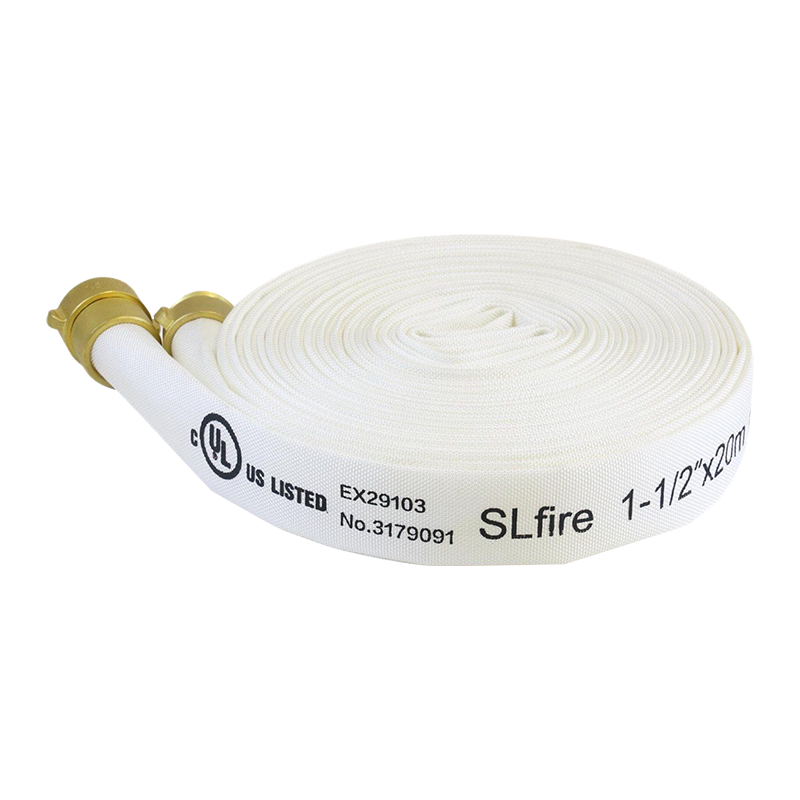
Single jacket, TPU liner •High-tenacity polyester yarn, circular woven in twill weave/plain weave,T ...
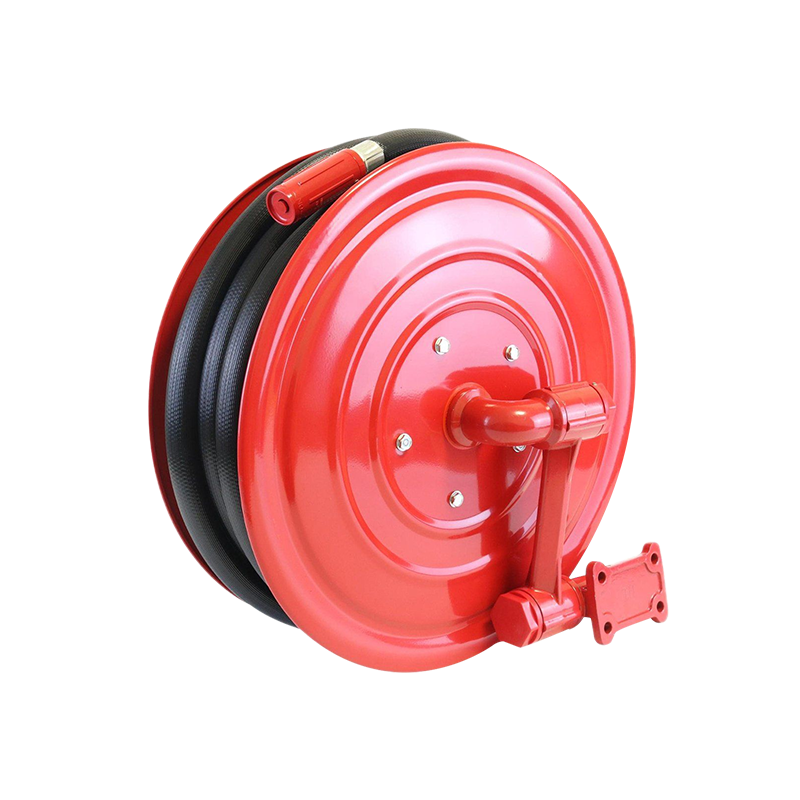
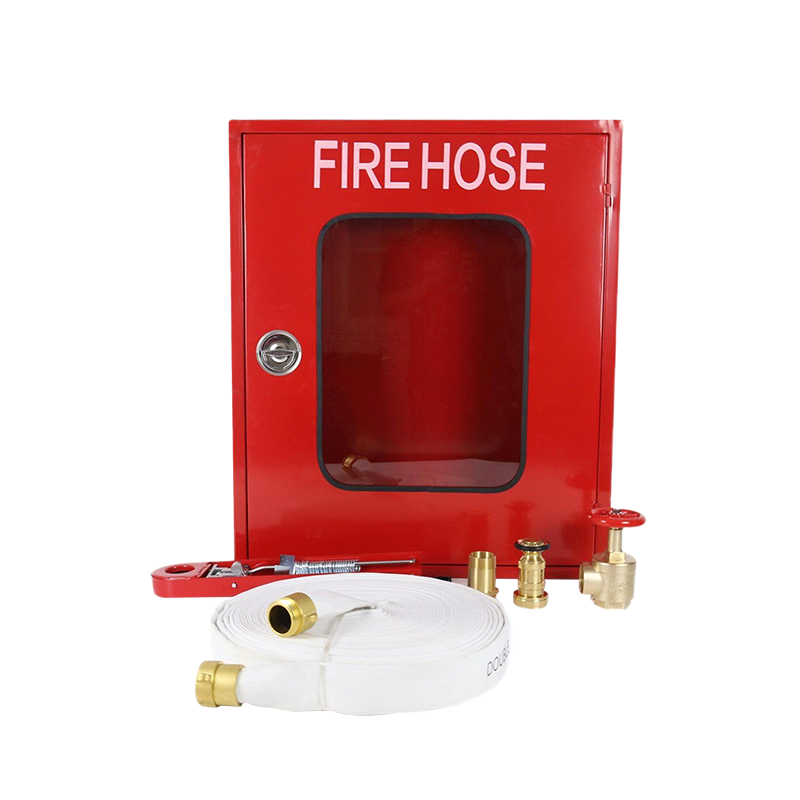
Fire cabinets are designed to accommodate fire hose,valve and other firefighting equipment. Type 201...
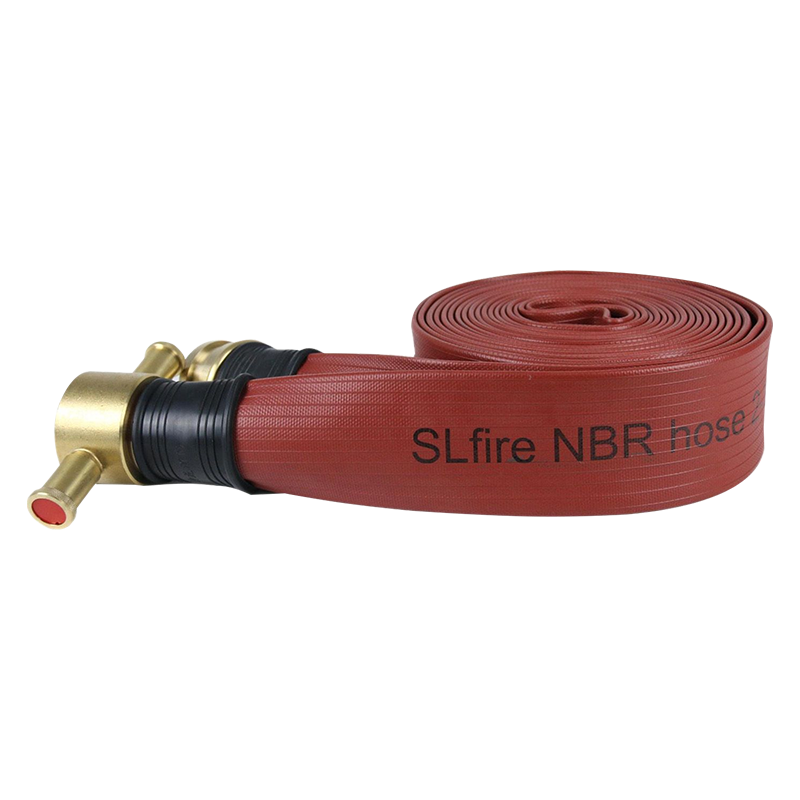
Nitrile covered hose •Nitrile/TPR blend as cover and lining, with 100% high-tenacity polyester yarn ...
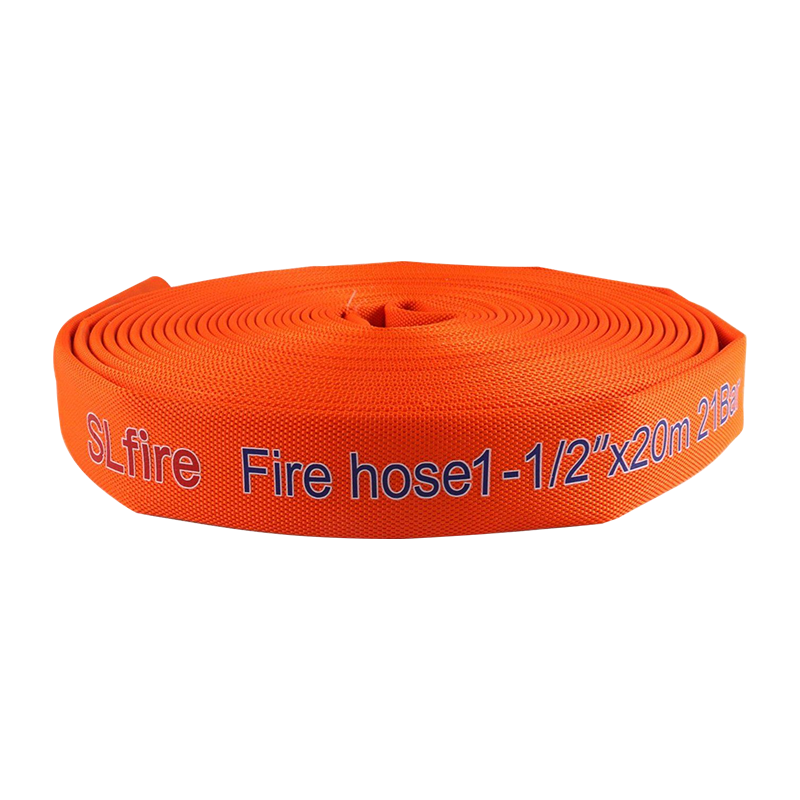
Single jacket, TPU liner •High-tenacity polyester yarn, circular woven in twill weave, TPU lining, f...
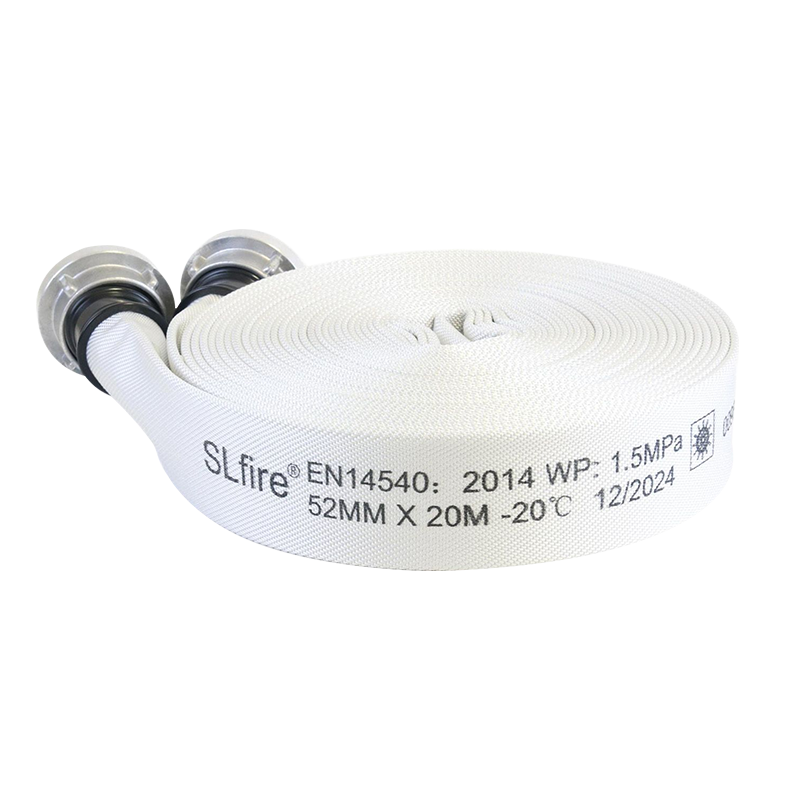
Marine hose Single jacket, PVC liner •100% high tenacity polyester yarn, circular woven in twill wea...
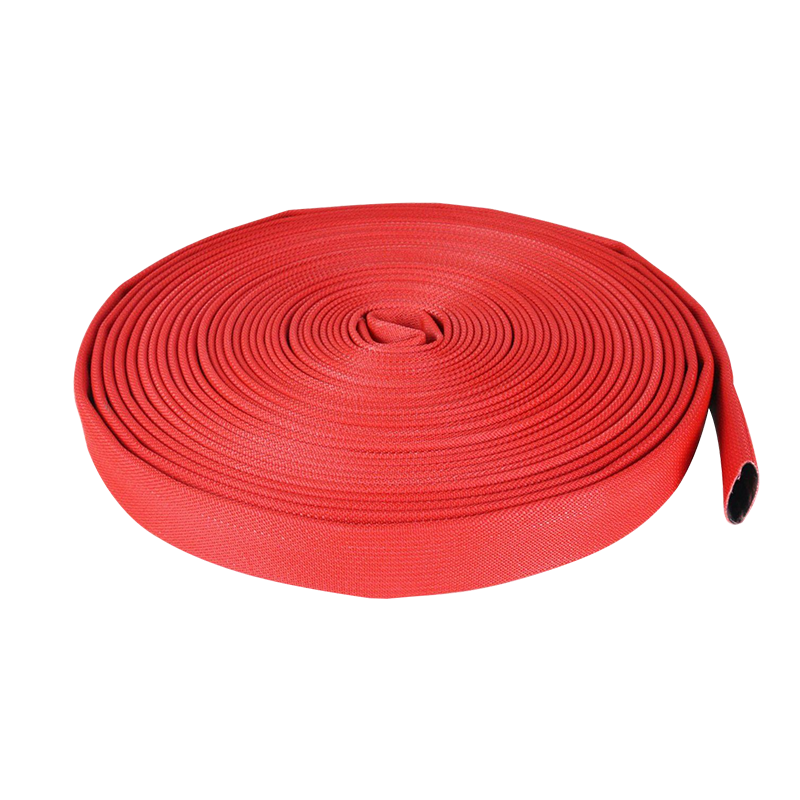
Marine hose Single jacket, PVC liner, PU coated •100% high tenacity polyester yarn,c ircular woven i...
 Call Us
+86 159-5116-9511
Need Support
Head Office
No.58, Kechuang Road, Sixiang Street Medicine Gaoxin District Taizhou City, Jiangsu Province

During a routine service test, a 200-foot attack line fails at 150 psi. The outer jacket looks fine. The problem is inside: a small delamination in the liner has pinched the bore and reduced the flow...
Copyright © Taizhou Shenlong Fire Science and Technology Co., Ltd. All Rights Reserved.
 Fire Hose Manufacturers, Fire Hydrant Hose Factory