

 English
 русский
 Español
 Deutsch
 عربى
 Français
 Português
Don't hesitate to send a message
Single jacket, EPDM rubber liner Features • 100% high tenacity polyester jacket, high-grade EPDM rub...
Content
If you live somewhere with a real winter, the hydrant on the corner is very likely a dry barrel fire hydrant. From the sidewalk it looks ordinary enough: a painted column, a cap on every outlet, an operating nut on top. The parts that actually do the work are buried well below the frost line, and the barrel itself is empty almost all the time. Water only rises into it when someone opens the valve, and it drops back out again the moment the valve closes. That one design decision is what lets a cast iron column stand in frozen ground all winter without splitting apart.
We build fire hose rather than hydrants, so we spend most of our working hours on the place where the two meet: threads, couplings, supply lines, and the pressure that finally reaches the nozzle. This guide walks through how a dry barrel hydrant is put together, what to check before and after you use one, and where the hose side of the system fits in.
The name gives away most of it. In a wet barrel hydrant, the barrel is full of pressurized water at all times and every outlet carries its own small valve. That arrangement is simple and fast to use, which is why it is common in places where the ground never freezes hard enough to threaten the casting.
A dry barrel hydrant works the other way around. There is a single main valve, and it sits at the bottom of the assembly, below the frost line, connected to a branch of the water main. Above that valve, the barrel holds nothing but air. Turning the operating nut sends a long stem down to lift the valve, water rises up the barrel and out of the nozzle, and when the nut is turned back the valve seats and the water column drains away. Because the barrel empties, standing water never has a chance to freeze and crack it.
One clarification is worth making early, since the terms get mixed up in the field. A dry barrel hydrant is not the same thing as a dry hydrant, the rural draft setup that pulls water from a pond or cistern. The first is a pressurized main connection with a valve below grade. The second is a suction pipe with no supply pressure at all.
The barrel is the visible column, usually two sections bolted together at a flange. On top sits the bonnet, which carries the operating nut and protects the top of the stem. The outlets are the familiar arrangement of two smaller nozzle connections and one larger steamer port, each fitted with a cap and often a short chain so the cap does not end up in the gutter. Threads follow local standards, which vary widely between countries and sometimes between neighboring departments.
The main valve is a fairly ordinary gate or compression valve, but its position is the whole point of the design. The operating stem runs from the nut down through the barrel to the valve, and the drain port sits at the bottom of the barrel, usually opening into a small bed of gravel. When the valve is closed, the drain is open and any water left in the barrel seeps away. When the valve opens, the drain closes so water does not simply pour out underground. If that drain clogs, the barrel stays wet, and a hard freeze can do real damage.
Most dry barrel hydrants include a breakable flange above grade, sometimes called a traffic flange, with bolts designed to shear if a vehicle strikes the unit. The barrel tips or separates, the main stays intact, and the repair is usually a new flange and a straightening rather than an excavation.
The comparison below is a general one. Local standards and utility practices vary, but the operating logic holds almost everywhere.
| Feature | Dry barrel hydrant | Wet barrel hydrant |
|---|---|---|
| Typical climate | Freezing winters | Mild, frost-free |
| Water in barrel | Empty until opened | Full and pressurized |
| Main valve location | Below grade, under frost line | At each outlet |
| Number of valves | One main valve | One per nozzle |
| Freeze protection | Drain port empties barrel | Not required |
| Vehicle damage | Breakable flange absorbs impact | Barrel and valves exposed |
| Inspection focus | Drain, stem, lubrication | Outlet valves and seals |
A dry barrel hydrant only performs as designed if it is set at the right depth. The bury depth has to place the main valve below the local frost line, which is why the same model is ordered in different barrel lengths for different regions. Set one too shallow and the valve itself can freeze; set one too deep and access, drainage, and maintenance all become harder than they need to be.
Drainage matters just as much. The drain port needs clean, permeable material around it so water can move away from the barrel instead of pooling against it. In heavy clay or where the gravel bed has silted up, the barrel may stay partly full for hours after a test, and that is the condition that cracks castings in a cold snap. If a hydrant has just been used in freezing weather, it is worth confirming that the barrel actually emptied before walking away.
The hydrant is only the start of the water path. From the steamer port, a large diameter supply line carries water to the pumper, and from there hand lines run to the fire floor. The supply side takes the hardest treatment: full main pressure, long lays, and the friction loss that comes with big flows. A stiffer, double jacket construction with a rubber liner tends to hold its shape and resist kinking when it is charged and dragged around a corner.
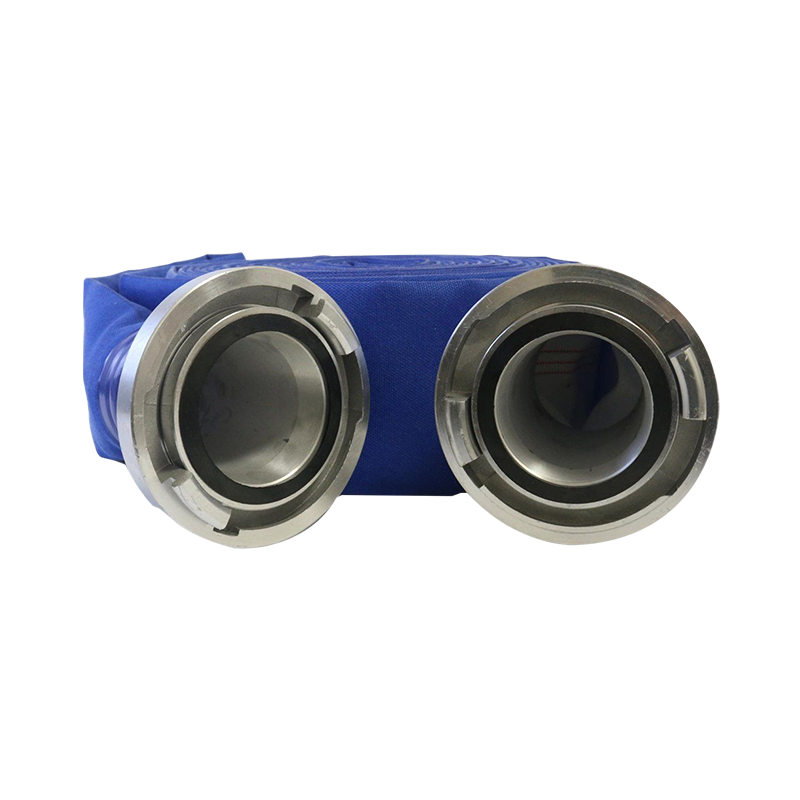 Double Jacket EPDM Rubber Liner Supply HoseA double-jacket supply hose with EPDM lining, designed for large-volume water transfer and described as minimizing friction and pressure loss during use.View Product →
Between the hydrant and the hose is a connection that gets far less attention than it deserves. Threads differ from country to country, and even within one country the standards can diverge, so adapters and the correct coupling are often the difference between a working hookup and ten wasted minutes. Matching the coupling to the local thread standard, and keeping those threads clean and lightly lubricated, prevents most field failures before they start.
 Large Diameter STORZ Self-Locking Hose CouplingA symmetrical large-diameter coupling for quick hose connections without male or female threading, offered in aluminum alloy or brass for industrial and firefighting use.View Product →
At the other end of the line, the nozzle decides what the crew can actually do with the water. A smooth bore gives a solid stream for reach, while a combination nozzle offers pattern control for interior work. Our range of fire hose nozzles covers the common international connection standards, which helps when a department operates equipment from more than one supplier.
Pressure behaviour at the hydrant and at the nozzle is worth understanding before an incident, not during one. This short piece on how fire hoses maintain their pressure during firefighting operations explains what happens along the lay once the pump is engaged.
For the hand lines themselves, a single jacket hose with a rubber liner is a practical middle ground: light enough to move quickly, tough enough for the abrasion that comes with interior work and stairwells.
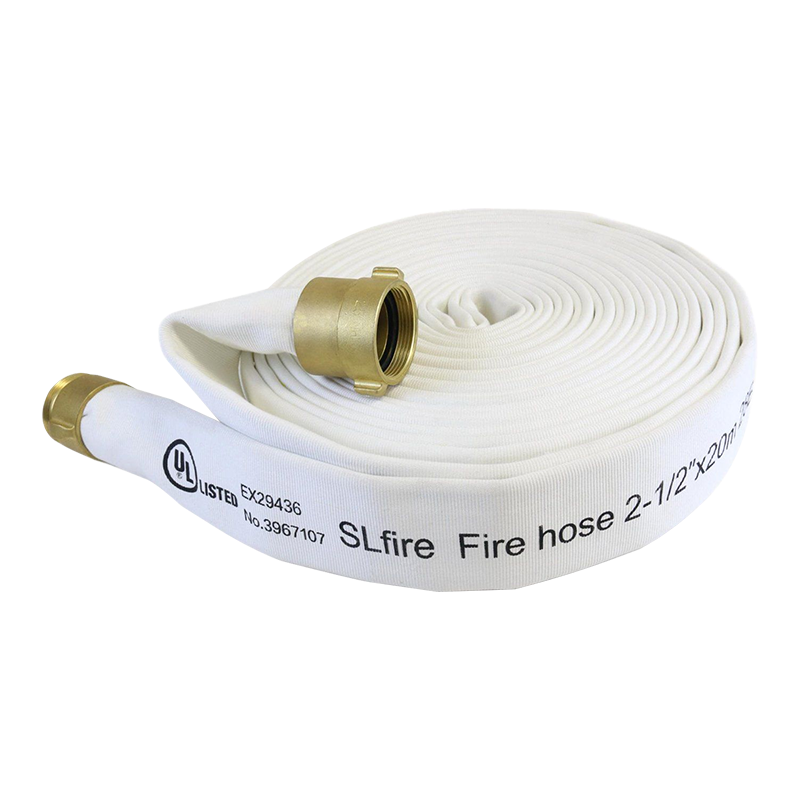 Single Jacket EPDM Rubber Liner Attack HoseA single-jacket attack hose with EPDM lining and polyester jacket, suited to hand-line use where low-temperature flexibility and weather resistance are useful.View Product →
Most hydrant problems announce themselves in fairly consistent ways. The table below pairs the usual symptoms with the first thing worth checking.
| Symptom | Likely cause | First step |
|---|---|---|
| Water seeps from the barrel after shutdown | Blocked or silted drain port | Clear the drain and check the gravel bed |
| Operating nut turns hard | Dry stem threads or tight packing | Lubricate the stem, inspect the packing |
| Soft ground or pooling at the base | Main valve not seating fully | Close the valve, tag the hydrant, notify the utility |
| Caps difficult to remove | Corroded or cross-threaded caps | Clean the threads and replace damaged gaskets |
| Leak at the traffic flange | Impact damage or loose flange bolts | Inspect the barrel for bending before retightening |
A dry barrel fire hydrant is a quietly clever piece of equipment. It holds a column of water only when it needs to, keeps the main safely below the frost line, and drops its contents the moment the valve closes. Almost everything that goes wrong with one traces back to drainage, lubrication, or a connection that was forced rather than fitted.
That is the part we care about most. Hydrants, hoses, couplings, and nozzles only ever work as one chain, and the weakest link is usually a thread or a fitting that someone did not have time to check. Buy the right hose for the pressure and the lay, match the couplings to the local standard, and a hydrant that has stood through thirty winters will still deliver on the night you need it.
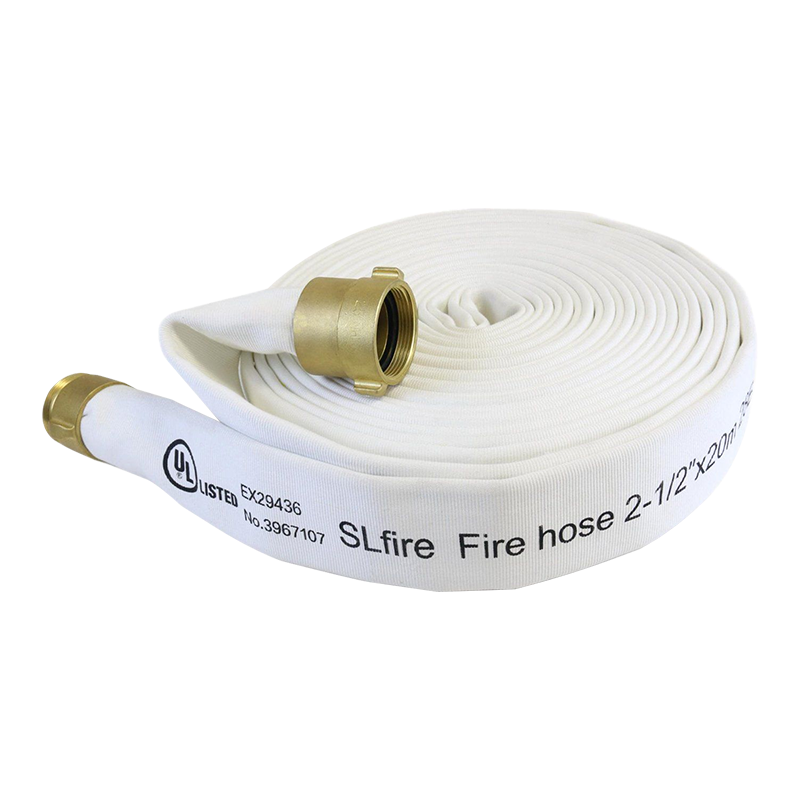
Single jacket, EPDM rubber liner Features • 100% high tenacity polyester jacket, high-grade EPDM rub...
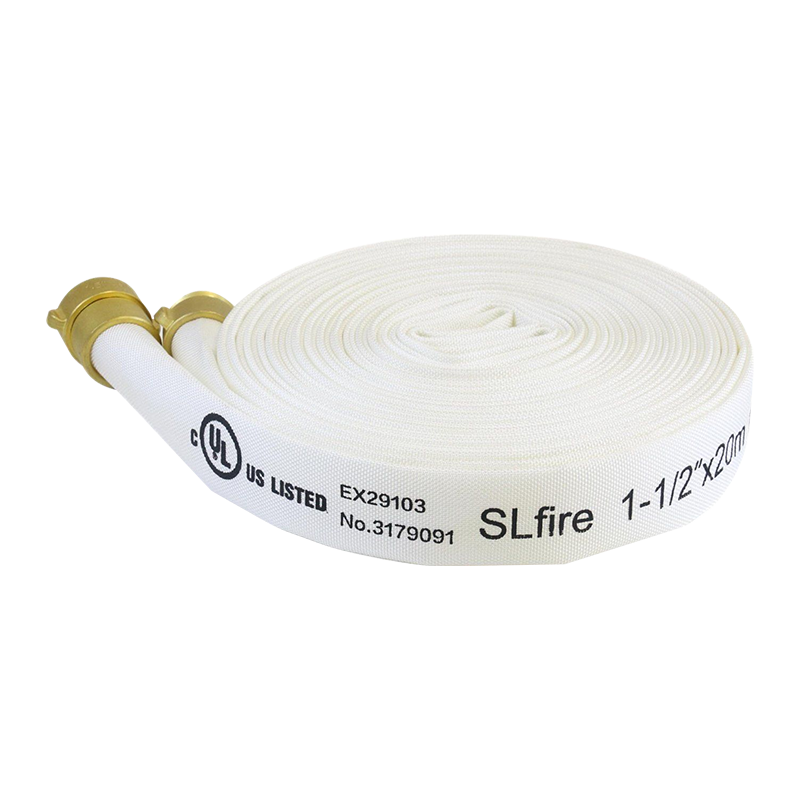
Single jacket, TPU liner •High-tenacity polyester yarn, circular woven in twill weave/plain weave,T ...
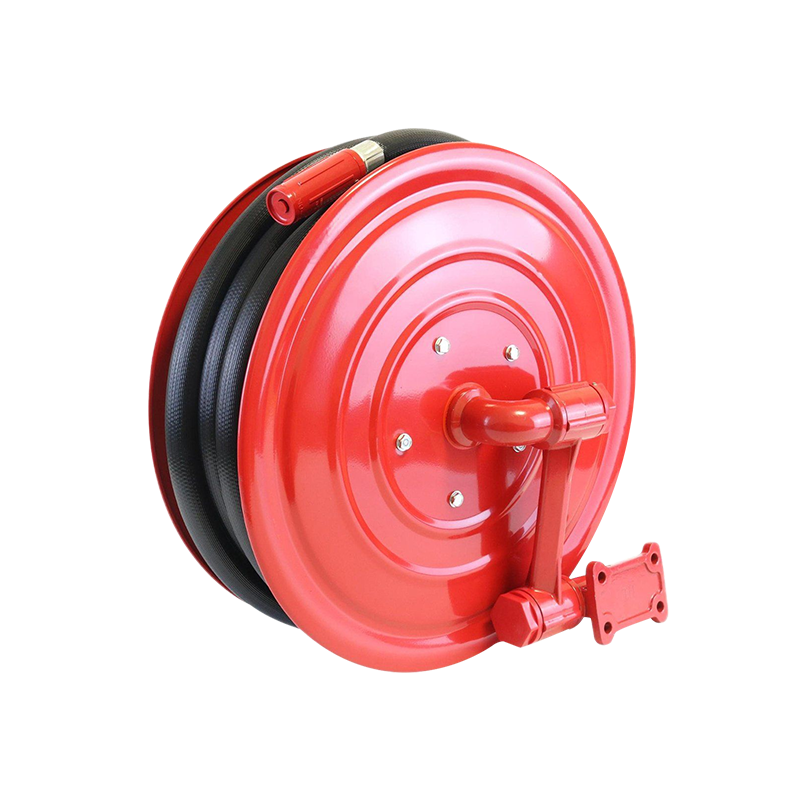
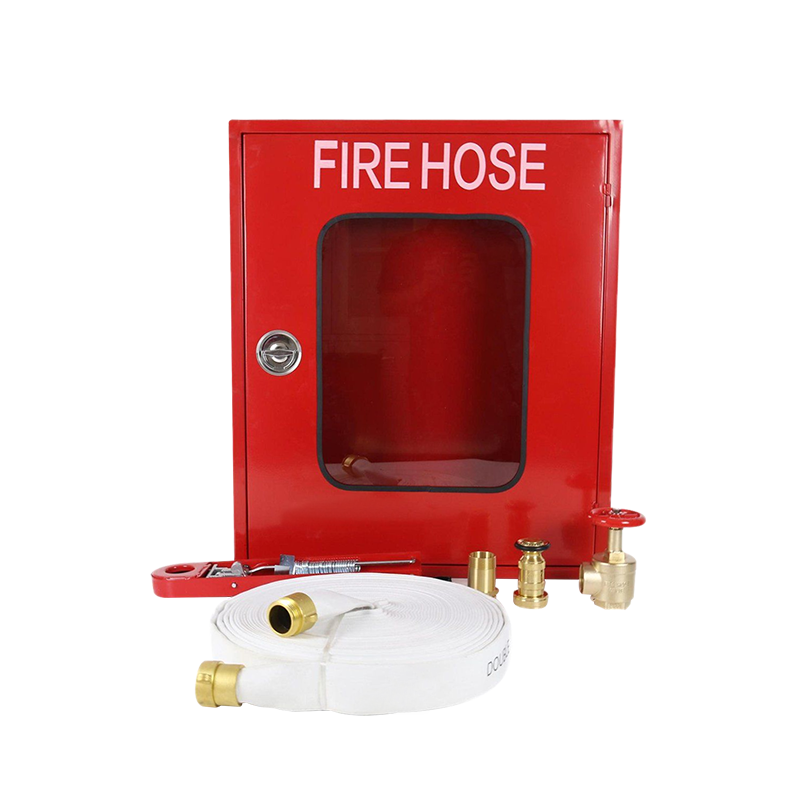
Fire cabinets are designed to accommodate fire hose,valve and other firefighting equipment. Type 201...
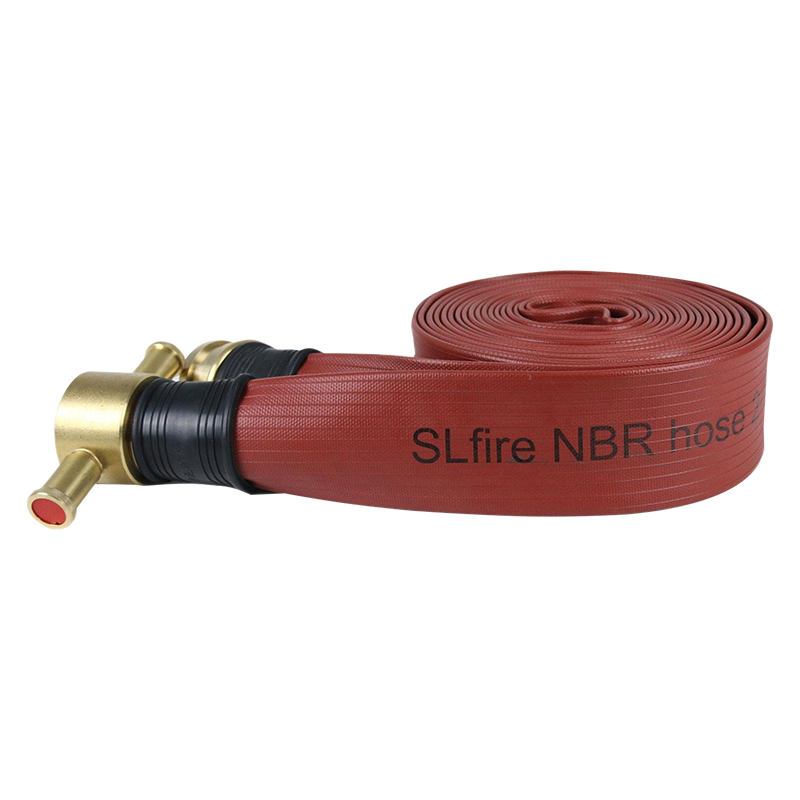
Nitrile covered hose •Nitrile/TPR blend as cover and lining, with 100% high-tenacity polyester yarn ...
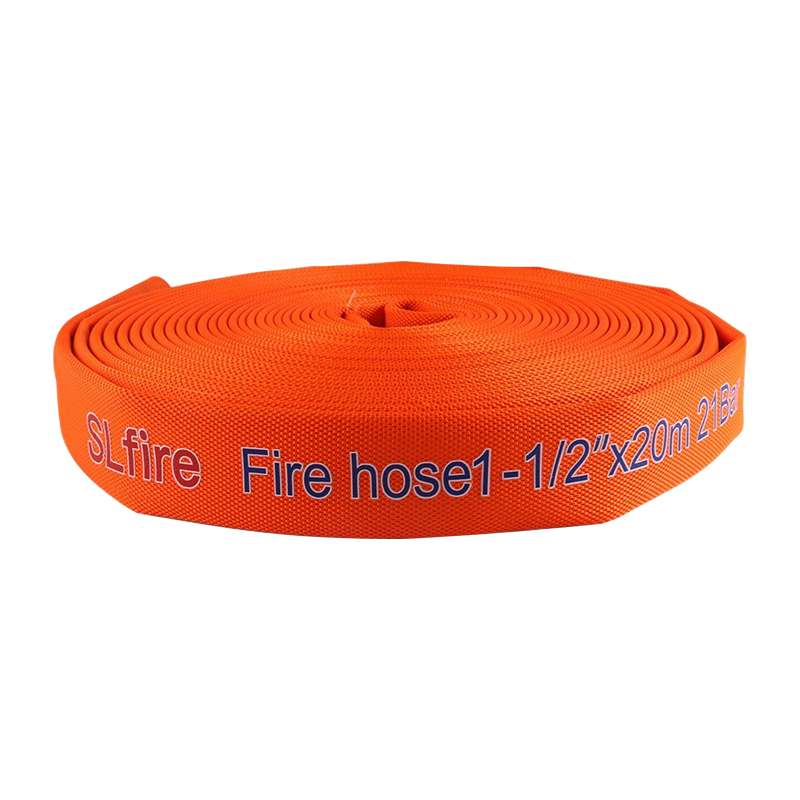
Single jacket, TPU liner •High-tenacity polyester yarn, circular woven in twill weave, TPU lining, f...
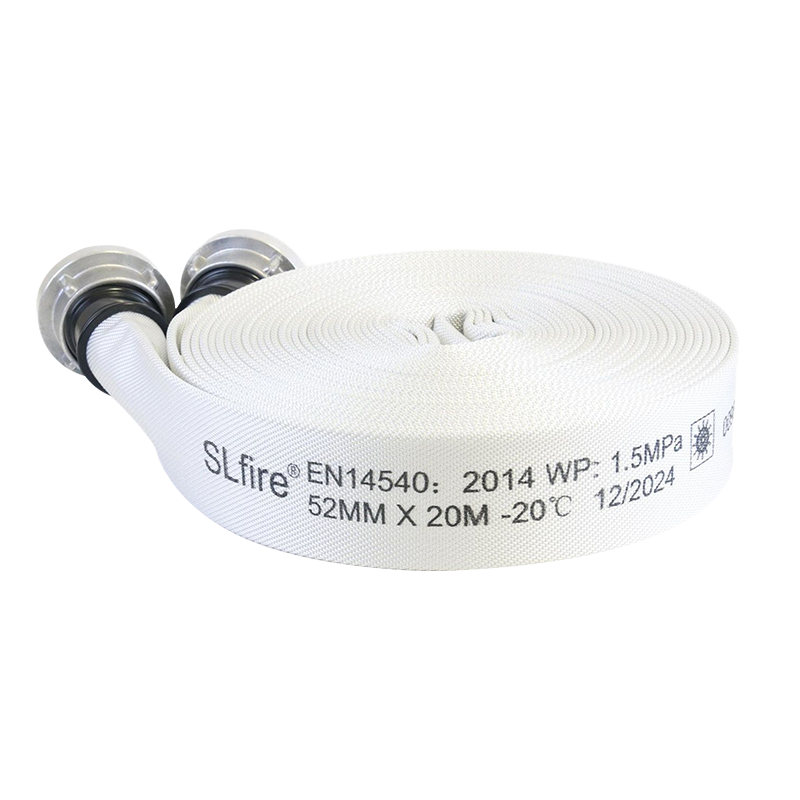
Marine hose Single jacket, PVC liner •100% high tenacity polyester yarn, circular woven in twill wea...
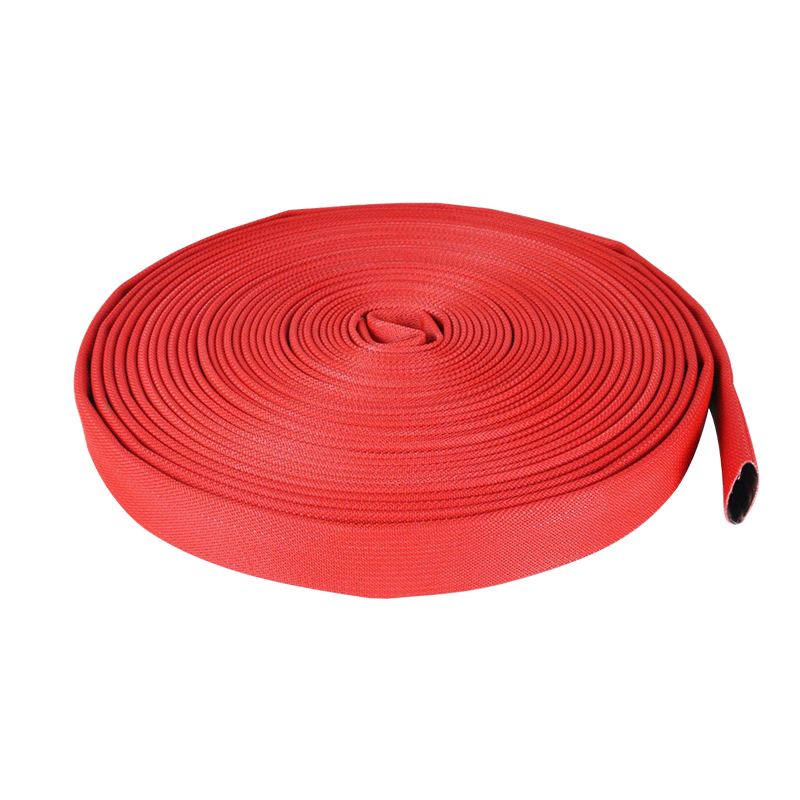
Marine hose Single jacket, PVC liner, PU coated •100% high tenacity polyester yarn,c ircular woven i...
 Call Us
+86 159-5116-9511
Need Support
Head Office
No.58, Kechuang Road, Sixiang Street Medicine Gaoxin District Taizhou City, Jiangsu Province

If you live somewhere with a real winter, the hydrant on the corner is very likely a dry barrel fire hydrant. From the sidewalk it looks ordinary enough: a painted column, a cap on every outlet, an o...
Copyright © Taizhou Shenlong Fire Science and Technology Co., Ltd. All Rights Reserved.
 Fire Hose Manufacturers, Fire Hydrant Hose Factory