

 English
 русский
 Español
 Deutsch
 عربى
عربى Français
 Português
Don't hesitate to send a message
Single jacket, EPDM rubber liner Features • 100% high tenacity polyester jacket, high-grade EPDM rub...
Content
Fire hose couplings serve as critical connection points in fire suppression systems, enabling secure attachment between hose sections, hydrants, pumps, and nozzles while maintaining water flow integrity under high-pressure conditions. The fundamental design of fire hose couplings has evolved over more than a century, yet standardization challenges persist across different regions, creating compatibility issues that firefighters and emergency responders must navigate during mutual aid operations or when working with equipment from multiple manufacturers. Understanding coupling standards forms the foundation for effective equipment selection, procurement planning, and operational readiness in fire service applications.
National Hose Thread, abbreviated as NH or NST (National Standard Thread), represents the most widely adopted coupling standard in the United States, featuring a straight thread design with specific pitch and diameter combinations for each hose size. The thread specifications include two and a half inch couplings with eight threads per inch, three inch couplings with six threads per inch, and four and a half to five inch couplings with four threads per inch, creating distinct profiles that prevent accidental cross-connection between incompatible sizes. NH couplings rely on a gasket or O-ring seal compressed between coupling faces to create watertight connections, rather than depending on thread engagement alone for sealing, which allows for rapid connection and disconnection under field conditions.
British Standard Pipe thread, known as BSP, and other international coupling standards utilize tapered thread designs that create seals through thread interference rather than relying solely on gasket compression. These coupling types remain common in many countries outside North America and on equipment manufactured for international markets, creating compatibility challenges when departments acquire apparatus or equipment from global suppliers. The fundamental difference between straight thread NH couplings and tapered thread systems means they cannot be directly connected without specialized adapters, making awareness of thread type essential when procuring equipment or planning mutual aid operations with departments using different coupling standards.
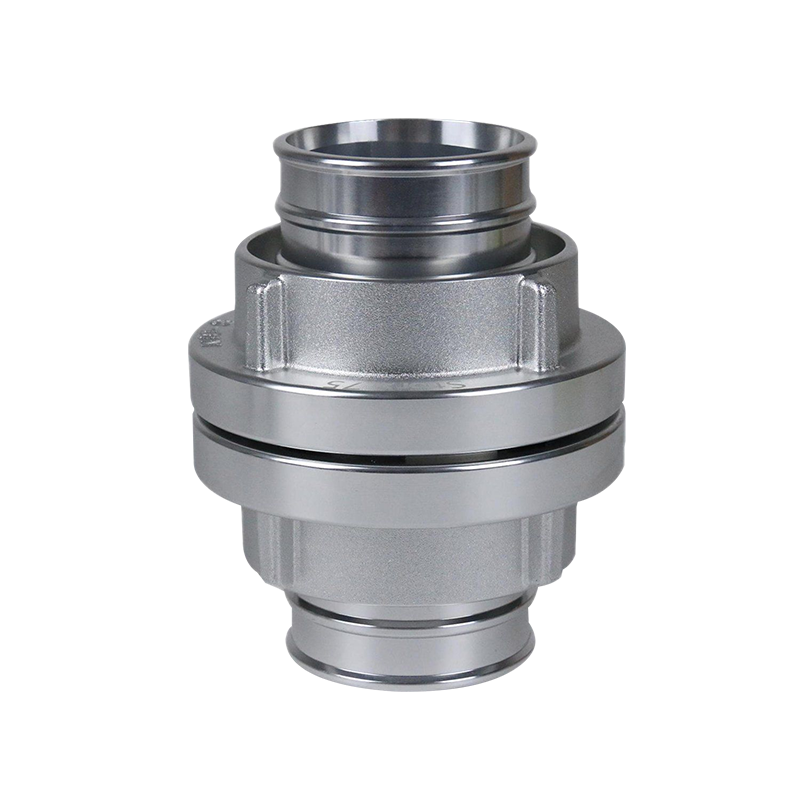
Thread adapters enable connection between incompatible coupling types, sizes, or standards, serving as essential components in fire service equipment inventories to ensure interoperability during emergency operations. The most common adapter configuration features different thread types on each end, such as NH to BSP adapters that allow American fire hoses to connect with British-standard hydrants or equipment encountered in international deployments or when working with imported apparatus. These adapters must be manufactured to precise tolerances ensuring both thread patterns engage properly while maintaining structural integrity under the pressure and mechanical stress encountered during firefighting operations.
Reducing adapters connect hoses or appliances of different diameters, enabling larger supply lines to feed smaller attack lines or allowing connection of standard hose sizes to specialized equipment with non-standard coupling dimensions. A common example involves two and a half inch to one and a half inch reducing adapters that enable connection of standard supply hoses to fog nozzles or specialized applicators designed for smaller diameter couplings. While reducing adapters provide valuable operational flexibility, their use introduces flow restrictions that can significantly impact available pressure and volume at the nozzle, requiring pump operators to compensate with increased discharge pressures calculated based on the reduced diameter's friction loss characteristics.
Double male and double female adapters, often called "double-enders," solve connection problems arising from coupling orientation mismatches where two male or two female couplings would otherwise meet. These adapters prove particularly valuable when extending hose lays using sections that happen to orient in the same direction or when connecting appliances with coupling genders that don't match available hose sections. However, reliance on double-enders often indicates improper hose bed loading or lack of standardized equipment configuration, and departments should address these root causes rather than depending extensively on adapters to compensate for poor equipment organization or inconsistent procurement practices.
| Adapter Type | Connection Pattern | Primary Use | Flow Impact |
| Thread adapter | NH to BSP or other threads | International compatibility | Minimal if same diameter |
| Reducer | 2.5" to 1.5" typical | Size transitions | Significant restriction |
| Increaser | 1.5" to 2.5" typical | Appliance connections | Improves flow capacity |
| Double male | Male both ends, same size | Orientation correction | None |
| Double female | Female both ends, same size | Orientation correction | None |
| Hydrant adapter | Hydrant thread to NH | Non-standard hydrants | Minimal |
Aluminum alloy represents the most common material for fire hose couplings and adapters, offering an optimal balance between strength, weight, and corrosion resistance that suits the demanding conditions of fire service operations. High-grade aluminum alloys, typically 356-T6 or similar specifications, provide tensile strength exceeding thirty thousand pounds per square inch while maintaining relatively light weight that reduces firefighter fatigue during hose handling and deployment. The material's natural corrosion resistance protects against degradation from water exposure, though anodizing or powder coating further enhances durability and provides color coding options for equipment identification and organization systems.
Brass and bronze couplings offer superior durability and longevity compared to aluminum alternatives, though significantly increased weight limits their application primarily to stationary installations or specific appliances where weight concerns prove secondary to extreme durability requirements. The material properties of brass provide excellent thread longevity, resisting galling and wear even after hundreds of connection cycles, making these couplings valuable for frequently connected applications such as hydrant outlets or pump discharge connections. However, the weight penalty of brass couplings, approximately three to four times heavier than equivalent aluminum components, makes them impractical for attack hoses or other applications requiring frequent manual handling and rapid deployment.
Pyrolite and other engineered polymer materials have emerged as lightweight alternatives to traditional metal couplings, offering dramatic weight reductions that can decrease overall hose assembly weight by twenty to thirty percent. These materials provide adequate strength for typical fire service pressures when properly manufactured, though concerns about long-term durability under ultraviolet exposure, extreme temperatures, and mechanical abuse have limited widespread adoption beyond specialized applications. Polymer couplings prove particularly valuable for wildland firefighting equipment where weight savings directly impact firefighter mobility and endurance during extended operations in challenging terrain, though their acceptance for structural firefighting remains mixed across different departments and regions.
Storz couplings, developed in Germany and widely adopted across Europe and increasingly in North American fire departments, feature a symmetrical "sexless" design that eliminates the male-female orientation inherent in traditional threaded couplings. The Storz connection mechanism utilizes interlocking lugs that engage through a quarter-turn motion, creating rapid connections that typically require only one to two seconds compared to the multiple rotations necessary for threaded couplings. This speed advantage proves particularly valuable during initial attack operations where every second counts, and the symmetrical design eliminates the frustration and delays caused by orientation mismatches that plague traditional coupling systems.
The pressure rating and sealing mechanism of Storz couplings typically exceed the capabilities of equivalent threaded couplings, with properly engaged Storz connections routinely handling pressures exceeding three hundred pounds per square inch without leakage or failure. The coupling design incorporates a captured rubber gasket that compresses uniformly around the entire circumference when the lugs engage, creating a more reliable seal than the face-to-face gasket compression of threaded couplings. This sealing effectiveness proves particularly valuable in situations involving debris, ice, or damage that might compromise traditional coupling gaskets, as the Storz design maintains sealing even with moderate contamination or wear.
Transitioning an entire department from traditional threaded couplings to Storz systems represents a significant investment requiring systematic equipment replacement, extensive training, and careful coordination with neighboring departments to maintain mutual aid interoperability. Many departments adopt hybrid approaches, installing Storz couplings on specific apparatus or hose sizes while maintaining threaded connections on other equipment, though this strategy requires maintaining adapter inventories and imposes cognitive load on firefighters who must remember which equipment uses which coupling type. Progressive departments implementing Storz systems report substantial operational benefits including faster hose deployment, reduced coupling failures, and decreased maintenance requirements, though the transition period typically involves challenges as personnel adapt to the new connection method.
Wye fittings divide a single hose line into two separate outlets, enabling a supply line to feed multiple attack lines or allowing deployment of backup lines from a common water source. These appliances typically feature one female inlet coupling and two male outlet couplings, with ball valves or quarter-turn controls at each outlet enabling independent control of water flow to each branch. Gated wyes prove particularly valuable at standpipe connections in high-rise buildings, allowing one engine company to supply multiple attack teams operating on the same floor while maintaining individual flow control for each attack line.
Siamese fittings perform the opposite function from wyes, combining two or more inlet lines into a single outlet, commonly used to supply sprinkler or standpipe fire department connections from multiple apparatus or hydrants. The typical configuration includes two or three female inlet couplings with integral check valves preventing backflow between supply sources, and one male outlet coupling delivering the combined flow to the protected system. The check valves in quality siamese fittings ensure that if one supply source fails or experiences pressure loss, water from other connected sources cannot backfeed through the failed line, maintaining system pressure and preventing water hammer damage when sources are added or removed during operations.
Water thief devices combine the functions of a wye and siamese in a single compact fitting, featuring one inlet and multiple outlets with one outlet maintaining the same diameter as the inlet while additional outlets provide reduced-size connections. A common configuration includes a two and a half inch inlet and outlet with two one and a half inch side outlets, enabling firefighters to supply both a primary attack line and smaller backup or exposure protection lines from a single supply source. The in-line design allows installation in existing hose lays without interrupting flow, providing tactical flexibility when additional lines become necessary after initial deployment.
Regular inspection of fire hose couplings and adapters identifies developing problems before they result in failure during emergency operations, with comprehensive inspection protocols examining threads, lugs, swivels, and sealing surfaces for signs of wear, damage, or corrosion. Thread inspection involves checking for crossed threads, damaged thread starts, and excessive wear that prevents proper engagement or creates leakage paths around the gasket seal. Visual inspection should be supplemented with gauge testing using thread verification tools that identify dimensional deviations from specifications, as worn threads may appear serviceable visually yet fail to achieve proper tightness or create excessive torque requirements during connection.
Gasket condition directly affects coupling seal effectiveness, with deteriorated, compressed, or missing gaskets causing leakage that wastes water, reduces nozzle pressure, and creates slipping hazards from water pooling around connections. Gaskets should be inspected for cracking, permanent compression set, chemical degradation, and proper seating in gasket grooves, with replacement required when any defects appear regardless of gasket age. Maintaining spare gasket inventories in common sizes enables immediate replacement during routine inspections, though firefighters should verify gasket installation before charging hoses as improperly seated gaskets frequently eject under pressure, creating dangerous projectiles and sudden pressure loss at critical moments.
Swivel functionality in rotating couplings requires periodic lubrication and inspection to ensure smooth operation that prevents hose twisting during deployment and nozzle operations. The swivel mechanism incorporates ball bearings or bushings that wear over time, eventually creating excessive play that allows coupling misalignment, increases friction during rotation, or permits water infiltration into the swivel cavity. Testing swivel condition involves checking for smooth rotation through the full range of motion, examining for excessive radial or axial play, and verifying that the swivel maintains alignment under the torque forces encountered during coupling connection and disconnection.
Mutual aid operations between departments using different coupling standards require maintaining comprehensive adapter inventories that enable interoperability regardless of responding agency equipment configurations. Regional planning committees increasingly develop standardized adapter kits specifying minimum adapter quantities and types that all participating departments maintain, ensuring that any combination of responding agencies can establish compatible water supply regardless of their native coupling standards. These standardized kits typically include NH to local thread adapters in common sizes, reducing adapters connecting large-diameter supply lines to smaller attack line couplings, and specialty adapters addressing unique regional requirements such as non-standard hydrant threads found in certain municipalities.
Hydrant compatibility represents a particularly challenging aspect of mutual aid operations, as hydrant outlet threads often follow municipal or water department specifications that differ from fire department hose couplings in the same jurisdiction. Some regions maintain hydrant threads dating to the nineteenth century, predating coupling standardization efforts and creating situations where departments require specialty adapters to connect with hydrants in neighboring communities. Departments operating in regions with diverse hydrant standards should maintain detailed maps or databases documenting hydrant thread types throughout their response area and mutual aid coverage zones, enabling apparatus to carry appropriate adapters when responding to specific locations.
International deployments and incidents involving federal assistance may encounter exotic coupling standards not represented in typical regional adapter inventories, requiring specialized equipment procurement or fabrication. Departments anticipating international deployment should research coupling standards in potential assignment areas, acquiring appropriate adapters before deployment rather than attempting field solutions with improvised connections that compromise safety and operational effectiveness. The National Wildfire Coordinating Group and similar organizations maintain equipment compatibility standards for federal incident management teams, though local fire departments supporting these operations should verify coupling compatibility before committing resources to extended deployments.
Annual service testing of couplings and adapters verifies their ability to maintain seal integrity and structural strength under operating pressures, identifying compromised components before they fail during emergency operations. Standard testing protocols subject couplings to pressures exceeding normal working pressures, typically three hundred pounds per square inch for testing couplings rated for typical fire service use at pressures up to two hundred fifty pounds per square inch. Testing should occur with couplings connected to test manifolds or hose sections representing actual use configurations, as some coupling defects only manifest when connections experience the combined mechanical and hydraulic stresses encountered during operations.
Flow testing through adapters, particularly reducing adapters, quantifies the actual pressure loss and flow restriction imposed by these components, enabling accurate friction loss calculations for pump pressure determinations. Adapters introduce flow turbulence and velocity changes that create pressure losses beyond those predicted by simple diameter changes, with poorly designed adapters imposing substantially higher losses than quality components featuring gradual taper angles and smooth internal transitions. Documenting actual flow characteristics through testing enables pump operators to compensate accurately for adapter-induced losses, ensuring adequate nozzle pressure and flow regardless of the adapter configurations required by specific tactical situations.
Leak detection during pressure testing identifies gasket failures, thread damage, or coupling cracks that might remain undetected during visual inspection alone. Minor weeping around coupling faces may indicate gasket compression issues or thread wear requiring attention, while significant leakage suggests major defects requiring immediate coupling removal from service. Testing should occur with couplings under sustained pressure for several minutes rather than momentary pressurization, as some leaks develop progressively as gaskets compress or minute cracks propagate under sustained stress, revealing defects that quick pressure checks might miss.
Fire hose coupling procurement specifications should reference established standards such as NFPA 1963 Standard for Fire Hose Connections, ensuring purchased equipment meets minimum performance requirements for strength, thread dimensions, and pressure ratings. This standard specifies detailed requirements for thread profiles, coupling strength, swivel operation, and testing protocols that verify compliance, providing objective criteria for evaluating competing products beyond simple price comparisons. Departments should require vendors to provide certification that couplings and adapters meet applicable NFPA standards, with testing documentation available for verification if questions arise about quality or performance characteristics.
Material specifications in procurement documents should detail acceptable alloys, manufacturing processes, and quality control procedures ensuring consistency across production runs and preventing substitution of inferior materials that might compromise safety or longevity. Specifying aluminum alloy grade, heat treatment requirements, and acceptable casting or forging processes eliminates ambiguity while enabling competitive bidding among manufacturers capable of meeting quality standards. Price-driven procurement without adequate quality specifications frequently results in acquiring couplings that meet dimensional requirements but fail prematurely due to inferior materials, inadequate heat treatment, or poor manufacturing quality control.
Long-term cost considerations should influence coupling procurement decisions beyond initial purchase price, accounting for expected service life, maintenance requirements, and compatibility with existing equipment inventories. Premium couplings manufactured to exacting standards and featuring superior materials may justify higher initial costs through extended service life, reduced maintenance, and lower failure rates during operations. Departments should calculate total cost of ownership including expected replacement intervals, maintenance labor, spare parts inventories, and the intangible costs of coupling failures during emergency operations when evaluating competitive bids, selecting products offering optimal value rather than simply accepting lowest initial price.
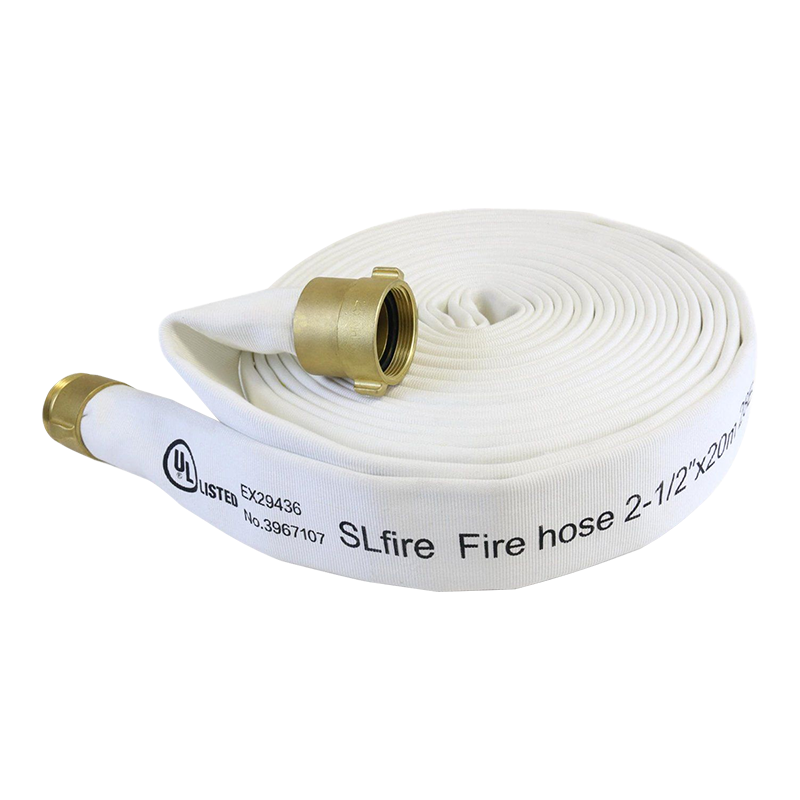
Single jacket, EPDM rubber liner Features • 100% high tenacity polyester jacket, high-grade EPDM rub...
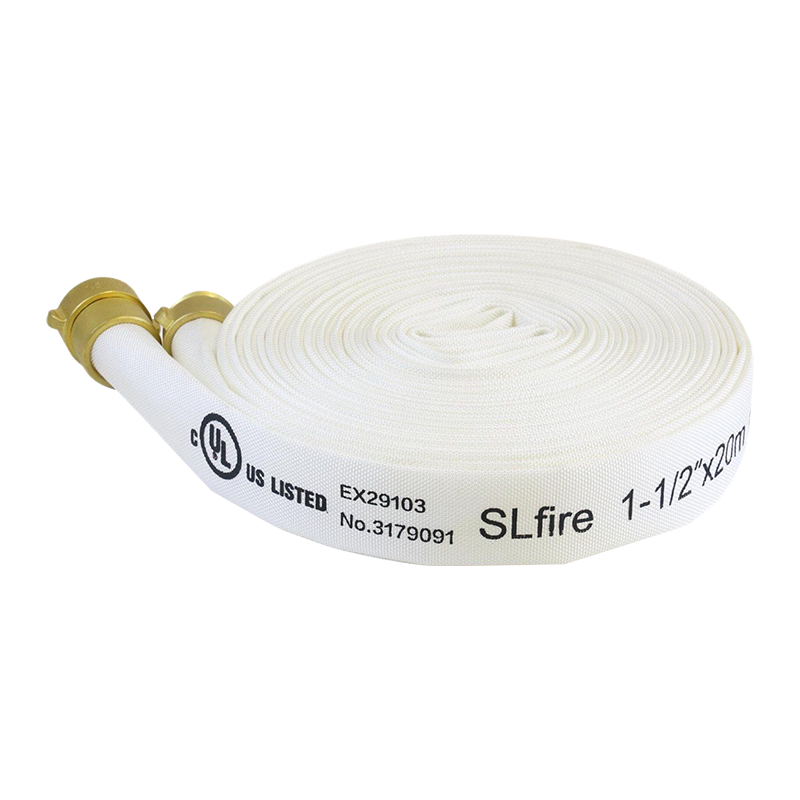
Single jacket, TPU liner •High-tenacity polyester yarn, circular woven in twill weave/plain weave,T ...
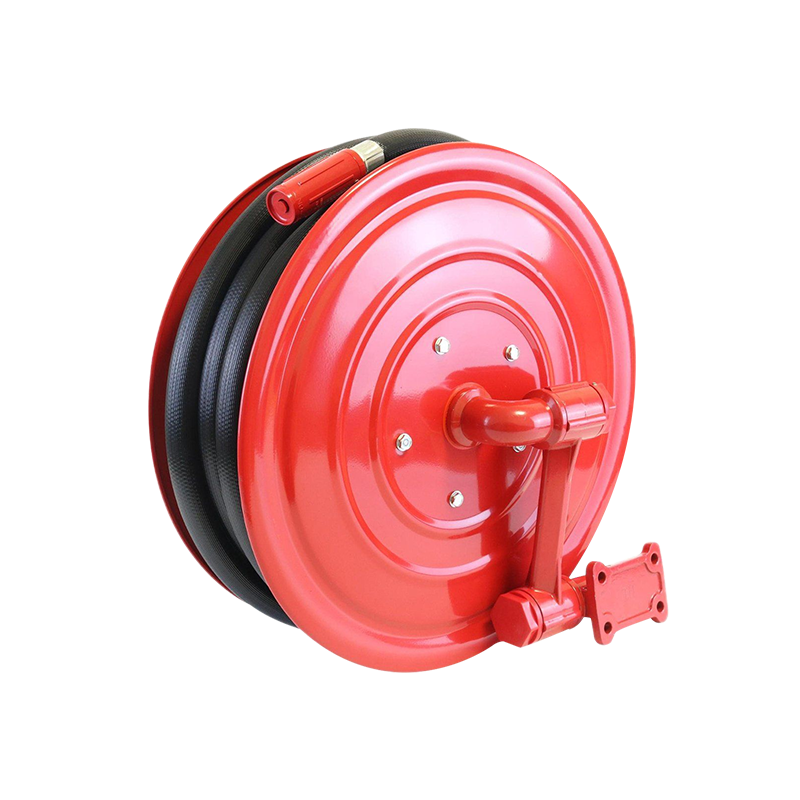
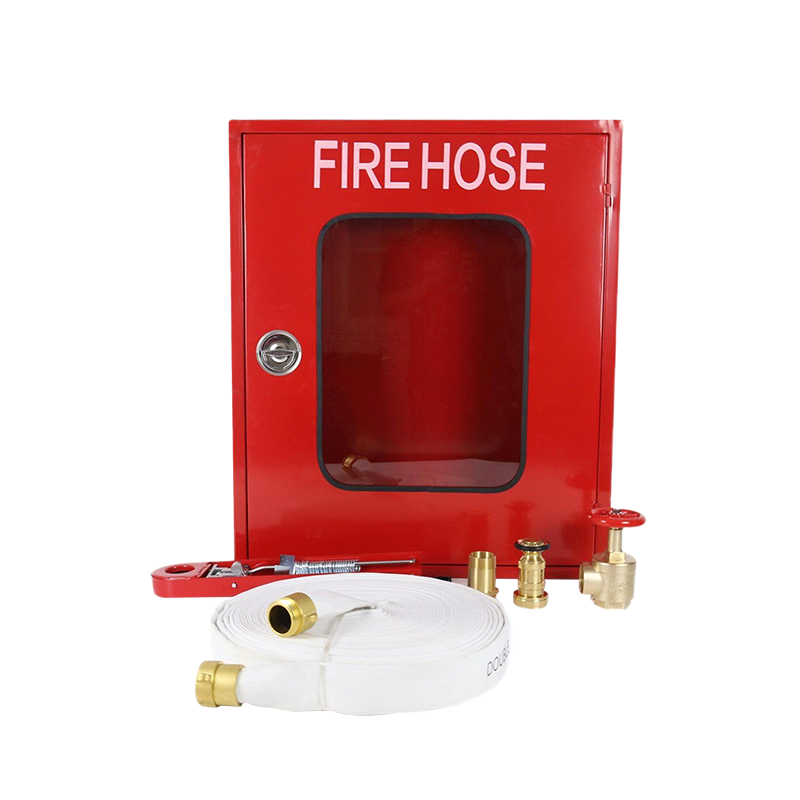
Fire cabinets are designed to accommodate fire hose,valve and other firefighting equipment. Type 201...
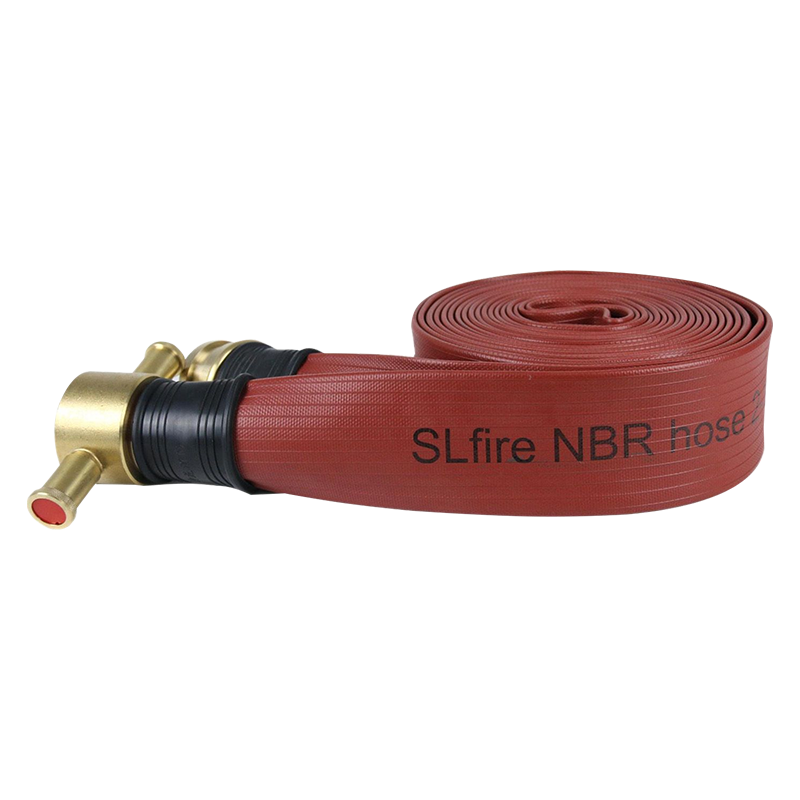
Nitrile covered hose •Nitrile/TPR blend as cover and lining, with 100% high-tenacity polyester yarn ...
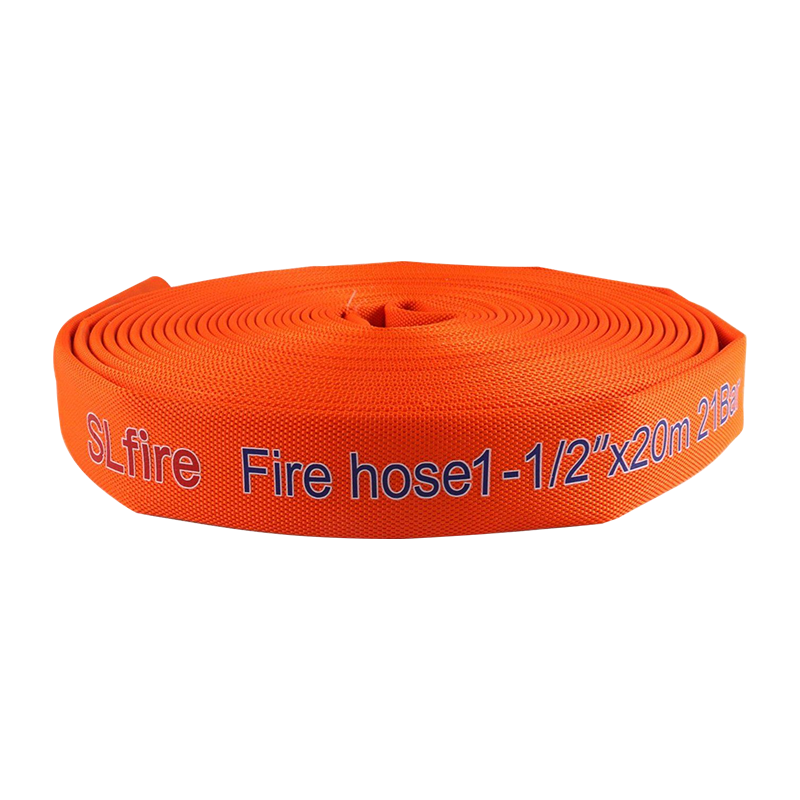
Single jacket, TPU liner •High-tenacity polyester yarn, circular woven in twill weave, TPU lining, f...
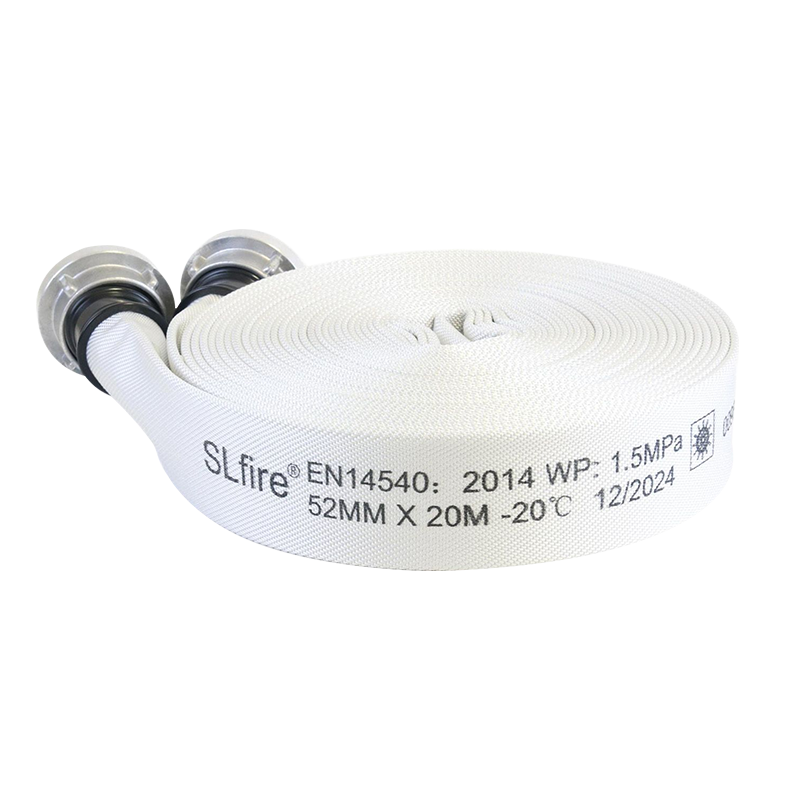
Marine hose Single jacket, PVC liner •100% high tenacity polyester yarn, circular woven in twill wea...
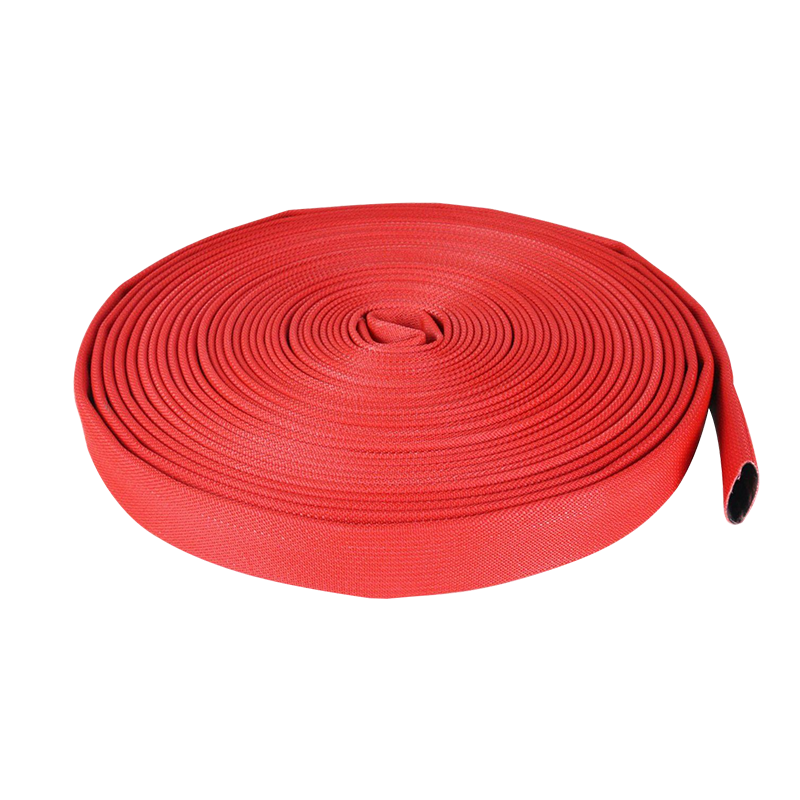
Marine hose Single jacket, PVC liner, PU coated •100% high tenacity polyester yarn,c ircular woven i...
 Call Us
+86 159-5116-9511
Need Support
Head Office
No.58, Kechuang Road, Sixiang Street Medicine Gaoxin District Taizhou City, Jiangsu Province

During a routine service test, a 200-foot attack line fails at 150 psi. The outer jacket looks fine. The problem is inside: a small delamination in the liner has pinched the bore and reduced the flow...
Copyright © Taizhou Shenlong Fire Science and Technology Co., Ltd. All Rights Reserved.
 Fire Hose Manufacturers, Fire Hydrant Hose Factory