

 English
 русский
 Español
 Deutsch
 عربى
عربى Français
 Português
Don't hesitate to send a message
Single jacket, EPDM rubber liner Features • 100% high tenacity polyester jacket, high-grade EPDM rub...
Content
Fire attack hoses come in several standard diameters, each designed to deliver specific flow rates and serve distinct tactical purposes in firefighting operations. The most common sizes include one and three-quarter inch, two inch, and two and a half inch diameters, with each size offering unique advantages and limitations that directly impact firefighting effectiveness. Understanding these diameter options forms the foundation for making informed decisions about hose selection based on the specific fire conditions, building characteristics, and tactical objectives facing the response team.
The one and three-quarter inch attack line represents the most widely used handline in American fire service, offering an optimal balance between maneuverability and fire suppression capability for typical structural fires. This diameter can deliver flow rates ranging from ninety-five to two hundred gallons per minute depending on nozzle selection and pump pressure, providing sufficient water volume to handle rooms and contents fires in residential and light commercial occupancies. The relatively lightweight and flexible characteristics of this hose size enable rapid advancement through confined spaces, stairwells, and typical residential floor plans with minimal crew fatigue during extended operations.
Two inch and two and a half inch attack lines serve as transitional sizes between standard handlines and master stream devices, delivering higher flow rates necessary for larger fire loads or situations requiring greater reach and penetration. Two inch lines typically flow between one hundred fifty and two hundred fifty gallons per minute, making them effective for commercial structures, large residential fires, or situations where the one and three-quarter inch line proves inadequate. The two and a half inch line, traditionally considered a standard engine company line, can deliver three hundred gallons per minute or more, though its increased weight and reduced maneuverability limit its application primarily to first-floor operations or situations where flow capacity outweighs mobility concerns.
Determining the appropriate attack hose size begins with calculating the required flow rate needed to effectively control and extinguish the fire, based on established fire service formulas and the specific characteristics of the involved structure. The most common calculation method, known as the National Fire Academy formula, estimates required flow as length times width of the involved area divided by three for modern construction, providing a baseline gallons-per-minute figure that guides initial hose selection decisions. This calculation accounts for typical fuel loads and fire behavior in residential and commercial occupancies, though modifications may be necessary for structures with unusual contents, construction features, or fire development stages.
Building size and compartmentation significantly influence flow requirements and consequently hose diameter selection, with larger open spaces demanding higher flow rates than smaller compartmentalized rooms. A twenty by thirty foot room fire in a single-family dwelling might require approximately two hundred gallons per minute based on standard calculations, falling within the capability range of a one and three-quarter inch line with appropriate nozzle and pressure. Conversely, a warehouse section measuring sixty by eighty feet with significant commodity storage would require over one thousand gallons per minute, necessitating multiple large-diameter handlines or master stream devices that exceed the capacity of standard attack lines.
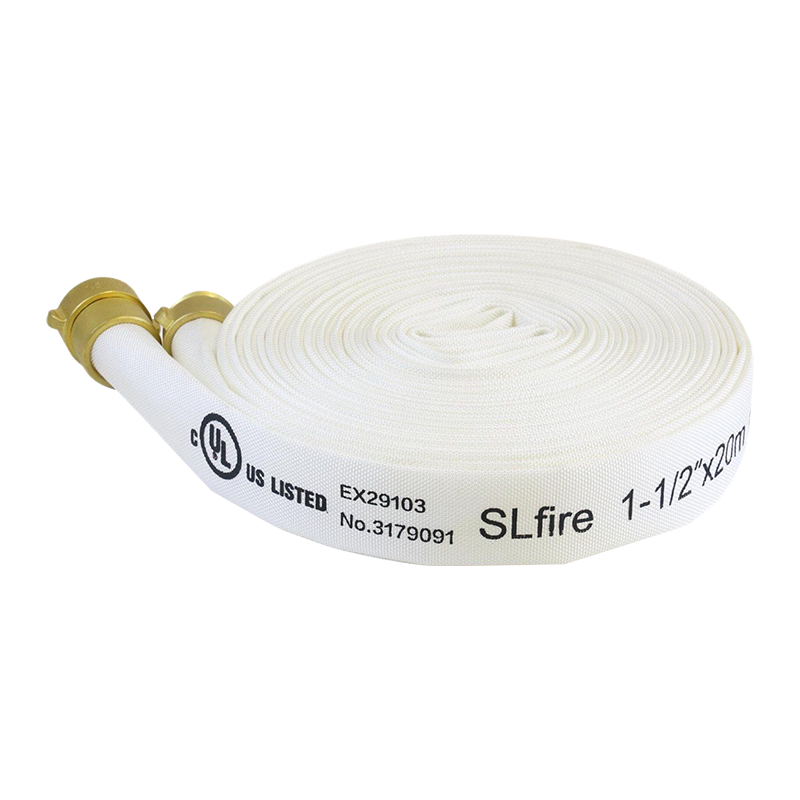
Fire development stage affects required flow rates and hose selection, with incipient-stage fires requiring less water than fully developed compartment fires approaching flashover conditions. Early intervention with appropriately sized attack lines prevents fire escalation, while undersized hoses applied to advanced fires risk crew safety without achieving effective suppression. Observing smoke conditions, flame behavior, and thermal indicators helps incident commanders and company officers match hose diameter to fire severity, selecting larger lines when conditions indicate significant heat release rates or when initial attack efforts with smaller lines prove ineffective at controlling fire progression.
Maneuverability requirements in the operational environment heavily influence attack hose selection, as larger diameter hoses become increasingly difficult to advance through tight spaces, around corners, and up stairways despite their superior flow capabilities. Residential structures with standard doorways, narrow hallways, and tight stairwell configurations favor one and three-quarter inch lines that firefighters can rapidly deploy and maneuver without excessive physical effort or delay. The reduced bulk and weight of this diameter enables single firefighters to briefly manage the line if necessary, though proper two-person operation remains the standard for safety and effectiveness during actual fire attack operations.
Crew size and staffing levels directly impact the practical hose size that teams can effectively deploy and operate under actual fireground conditions. A two-person crew can reasonably manage a one and three-quarter inch attack line through typical residential structures, maintaining adequate mobility and control throughout the operation. However, advancing two inch or larger diameter lines requires minimum three-person crews to handle the increased weight, manage friction loss through longer stretches, and maintain control of the charged line during fire attack, particularly when operating on upper floors or in positions requiring extended reach from the entry point.
Water supply limitations may constrain hose size selection regardless of tactical preferences, particularly in rural areas, locations distant from hydrants, or situations involving limited tanker shuttle operations. Deploying a two and a half inch line flowing three hundred gallons per minute proves counterproductive if the water supply can only sustain one hundred fifty gallons per minute, resulting in inadequate nozzle pressure and ineffective fire streams. Initial attack operations in water-scarce environments may necessitate smaller diameter lines that match available water resources, with provisions for upgrading to larger lines once additional water supply becomes established through relay pumping or tanker operations.
| Hose Diameter | Typical Flow Rate | Weight (100ft charged) | Best Applications |
| 1.75 inches | 95-200 GPM | 110-150 lbs | Residential fires, interior attack |
| 2 inches | 150-250 GPM | 150-190 lbs | Commercial structures, heavy fire |
| 2.5 inches | 250-300+ GPM | 190-240 lbs | Large fires, exterior operations |
| 3 inches | 300-500 GPM | 280-350 lbs | Industrial fires, deck gun supply |
Building construction type significantly influences attack hose selection through its impact on fire behavior, structural stability, and the tactical approaches available to suppression crews. Legacy construction in older structures featuring heavy timber framing, plaster walls, and compartmentalized floor plans typically burns more slowly and predictably than modern lightweight construction, often allowing effective suppression with one and three-quarter inch attack lines even in larger residential occupancies. The substantial structural members in traditional construction provide greater collapse resistance, enabling crews to operate interior attack lines for extended periods while working to achieve complete extinguishment.
Modern lightweight construction utilizing engineered lumber, truss systems, and oriented strand board sheathing demands more aggressive initial attack tactics and careful consideration of flow rates relative to rapid fire development potential. These structures experience accelerated fire growth due to increased surface area of lightweight components and early structural failure from reduced mass and fire resistance of engineered materials. While one and three-quarter inch lines remain effective for room and contents fires caught in incipient stages, transitioning to larger diameter lines may be necessary when fire extends into concealed spaces or involves structural components, providing the flow capacity needed for rapid knockdown before structural collapse threatens firefighter safety.
Occupancy type and fuel load characteristics inform hose diameter decisions through their influence on fire intensity and required suppression capabilities. Residential occupancies with typical furniture and contents respond well to standard one and three-quarter inch attack lines, while commercial occupancies involving high-challenge fuel loads such as plastics manufacturing, warehouse commodity storage, or woodworking facilities may require two inch or larger lines to deliver sufficient flow for effective suppression. Special occupancies including schools, hospitals, and institutional facilities present unique tactical considerations regarding hose size, balancing the need for adequate flow against mobility requirements for navigating long corridors, multiple floors, and complex floor plans typical of these structures.
Understanding friction loss characteristics for different hose diameters enables accurate pump pressure calculations that ensure adequate nozzle pressure for effective fire streams regardless of hose length deployed. Friction loss increases exponentially with flow rate and decreases dramatically with increasing hose diameter, making larger diameter hoses significantly more efficient for delivering high volumes of water over extended distances. A one and three-quarter inch hose flowing one hundred fifty gallons per minute experiences approximately twenty-four pounds per square inch friction loss per one hundred feet of hose, while a two and a half inch line flowing the same rate loses only five pounds per square inch, dramatically reducing required pump pressures for long hose lays.
The practical implications of friction loss become apparent when comparing pump pressure requirements for different hose sizes delivering equivalent flows over typical deployment distances. Flowing one hundred fifty gallons per minute through three hundred feet of one and three-quarter inch hose to a combination nozzle requiring one hundred pounds per square inch nozzle pressure requires a pump discharge pressure of approximately one hundred seventy-two pounds per square inch accounting for friction loss. Flowing the same volume through two and a half inch hose requires only one hundred fifteen pounds per square inch pump pressure, providing equivalent fire stream performance with substantially reduced strain on the pump, decreased likelihood of coupling failures, and improved operational safety margins.
Elevation changes in multi-story buildings add additional pressure requirements that interact with friction loss to influence practical hose size selection for upper floor operations. Each floor height of approximately ten feet requires an additional five pounds per square inch pressure to overcome elevation head, meaning a third-floor operation requires fifteen pounds per square inch beyond the friction loss and nozzle pressure calculations. Extended hose stretches to upper floors in taller buildings may exceed the practical pressure limitations of one and three-quarter inch lines, necessitating two inch or larger diameter hoses to maintain adequate nozzle pressure, or alternatively employing standpipe systems that reduce required hose lengths and associated friction losses.
Nozzle selection works in conjunction with hose diameter to determine actual fire stream effectiveness, flow rates, and operational characteristics that crews experience during fire attack operations. Combination fog nozzles remain the most popular choice for structural firefighting, offering adjustable flow patterns from straight stream to wide fog with flow rates typically ranging from ninety-five to two hundred gallons per minute depending on nozzle design and selected pressure. These nozzles pair effectively with one and three-quarter inch attack lines, providing versatile fire attack and exposure protection capabilities while maintaining manageable nozzle reaction forces that two-person crews can control safely.
Smooth bore nozzles deliver concentrated straight streams that provide superior reach and penetration compared to fog patterns, making them valuable for specific tactical situations despite their lack of pattern adjustability. These nozzles operate at lower pressures than combination nozzles, typically requiring only fifty pounds per square inch at the tip, which reduces friction loss requirements and enables effective flows through longer hose lays or in situations with limited pump pressure availability. Smooth bore tips sized at seven-eighths inch or fifteen-sixteenths inch paired with one and three-quarter inch or two inch attack lines deliver flows from one hundred fifty to two hundred gallons per minute, providing effective fire suppression with reduced nozzle reaction that aids crew control during challenging operational positions.
Automatic or constant pressure nozzles maintain relatively consistent nozzle pressure across a range of flow rates through internal spring mechanisms or pressure-regulating devices, simplifying pump operations and providing predictable fire stream performance. These nozzles work particularly well with standardized hose and nozzle combinations, enabling pump operators to use preset pressures without complex friction loss calculations for each unique hose lay. However, the fixed-gallonage nature of many automatic nozzles may limit tactical flexibility when situations demand flow rate adjustments, and their internal mechanisms can malfunction under heavy use or when debris enters the nozzle, requiring backup nozzle availability and regular maintenance to ensure reliability during critical operations.
Department standard operating procedures regarding attack hose selection should balance tactical flexibility with operational simplicity, establishing clear guidelines that enable rapid decision-making under stressful fireground conditions. Many departments adopt a tiered approach specifying one and three-quarter inch lines as the default initial attack line for typical structural fires, with predetermined conditions triggering automatic deployment of larger diameter lines such as visible fire from multiple windows, reports of trapped occupants requiring rapid fire control, or commercial occupancy involvement. This systematized approach reduces cognitive load on company officers while ensuring appropriate resources deployment based on visible indicators and dispatch information.
Training programs must address hose selection principles comprehensively, providing firefighters with the knowledge and experience necessary to make sound tactical decisions across diverse fire scenarios. Hands-on training comparing different hose diameters under realistic conditions demonstrates the practical differences in maneuverability, flow capability, and crew requirements that theoretical instruction alone cannot convey. Live fire training exercises should specifically incorporate decision-making scenarios requiring crews to evaluate fire conditions, calculate required flows, and select appropriate hose sizes, building the critical thinking skills essential for effective fireground performance when standard procedures prove inadequate for unusual situations.
Equipment standardization across department apparatus promotes operational efficiency and reduces confusion during multi-company operations, though absolute uniformity may sacrifice tactical effectiveness in departments serving diverse geographic areas or occupancy types. Urban departments might standardize on one and three-quarter inch initial attack lines given typical residential and light commercial occupancies, while departments protecting industrial districts or large commercial centers might routinely deploy two inch lines as their standard first line. Regardless of chosen standards, maintaining flexibility for tactical adaptations based on actual conditions prevents rigid adherence to predetermined approaches that may prove inappropriate when confronted with unusual fire behavior, structural configurations, or resource limitations.
Progressive deployment strategies involve initially advancing smaller diameter lines for rapid intervention, with provisions for upgrading to larger lines if initial efforts prove inadequate for fire control. This approach prioritizes speed of deployment and early intervention, recognizing that many structure fires respond effectively to one and three-quarter inch lines when attacked in incipient or early growth stages. The strategy requires disciplined size-up and ongoing evaluation, with company officers prepared to immediately request larger diameter lines when fire conditions exceed the capabilities of initial attack lines, preventing extended ineffective operations that waste water, time, and risk crew safety without achieving suppression objectives.
Transitioning from smaller to larger attack lines during operations presents tactical challenges requiring careful coordination to maintain continuous fire attack while upgrading suppression capabilities. The transition typically involves positioning the larger line parallel to the initial attack line, charging it completely, and ensuring crews are in place before shutting down the smaller line, minimizing the gap in fire suppression during the changeover. This maneuver requires adequate crew resources to staff both lines simultaneously during the transition period, highlighting the importance of early requests for additional resources when fire conditions suggest that line size upgrades may become necessary before achieving complete fire control.
Backup line deployment provides both crew protection and supplemental suppression capability, with diameter selection for backup lines considering both defensive protection roles and potential offensive application if the initial attack line becomes compromised. Many departments specify backup lines matching or exceeding the diameter of initial attack lines, ensuring adequate flow capacity to protect crews if rapid fire extension threatens the primary attack team. However, situations with limited crew resources or difficult access may necessitate deploying smaller diameter backup lines accepting reduced flow capacity in exchange for faster deployment and easier positioning in confined areas, though this compromise requires careful risk assessment and continuous monitoring of fire behavior to ensure adequate safety margins remain throughout the operation.
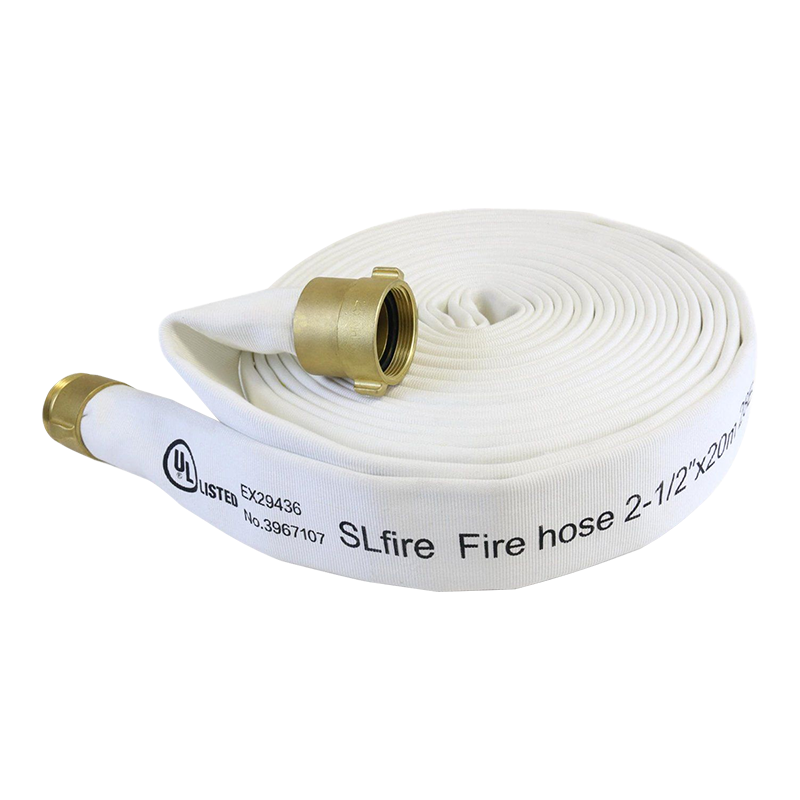
Single jacket, EPDM rubber liner Features • 100% high tenacity polyester jacket, high-grade EPDM rub...

Single jacket, TPU liner •High-tenacity polyester yarn, circular woven in twill weave/plain weave,T ...
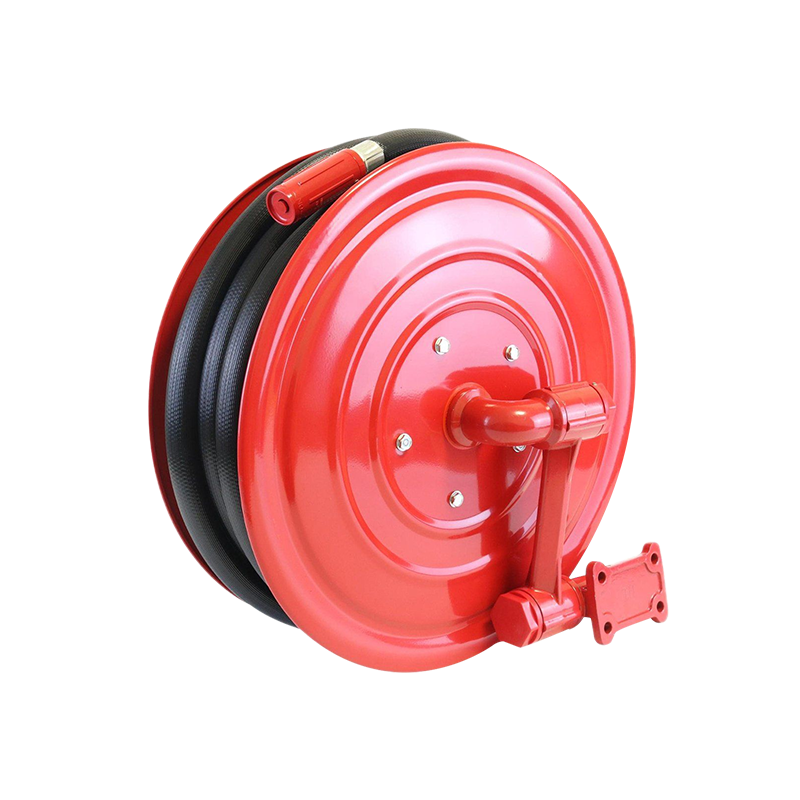
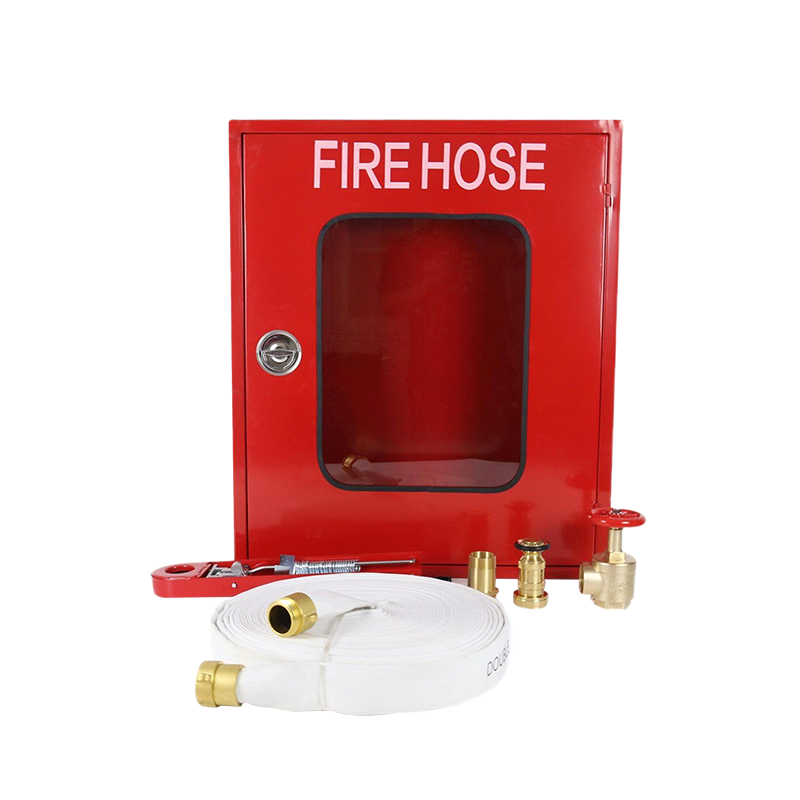
Fire cabinets are designed to accommodate fire hose,valve and other firefighting equipment. Type 201...
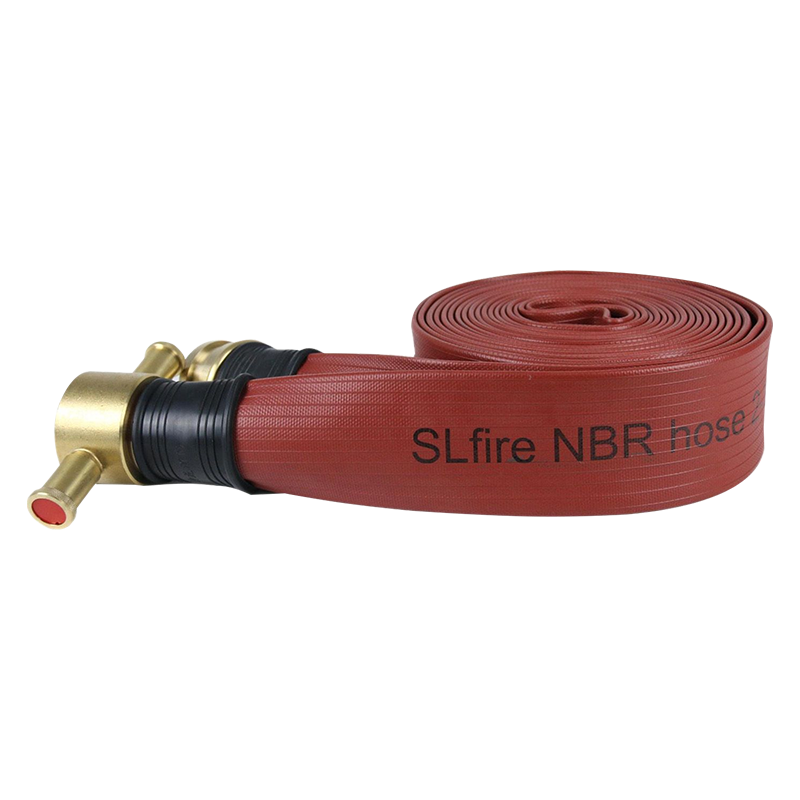
Nitrile covered hose •Nitrile/TPR blend as cover and lining, with 100% high-tenacity polyester yarn ...
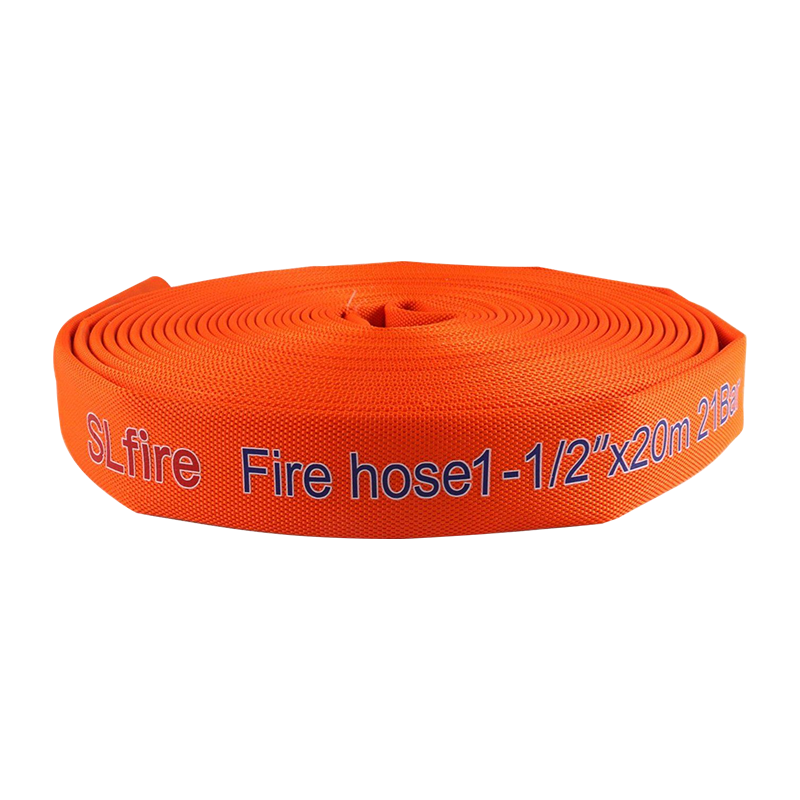
Single jacket, TPU liner •High-tenacity polyester yarn, circular woven in twill weave, TPU lining, f...
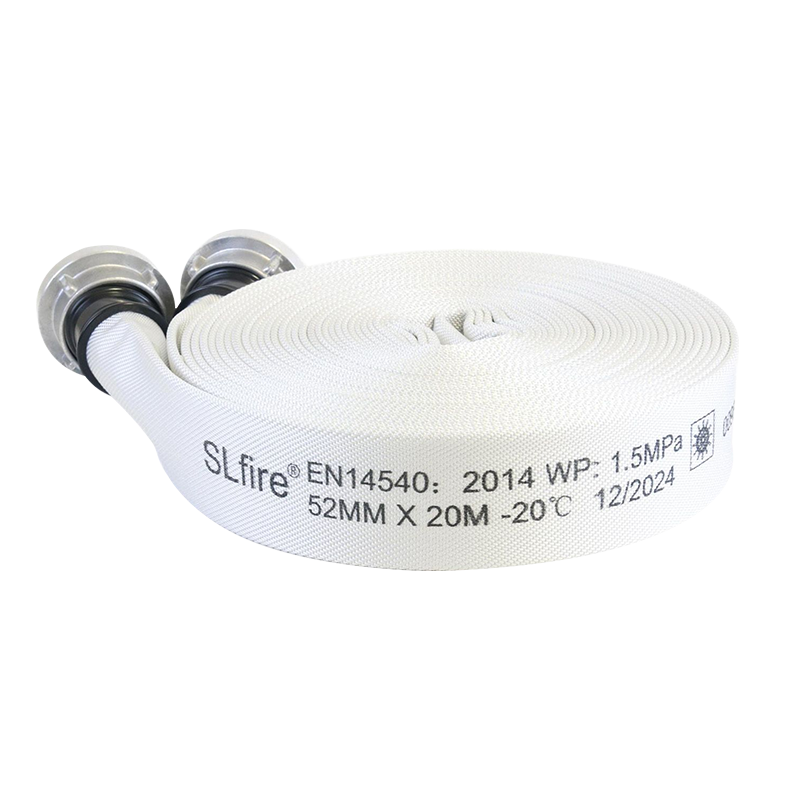
Marine hose Single jacket, PVC liner •100% high tenacity polyester yarn, circular woven in twill wea...
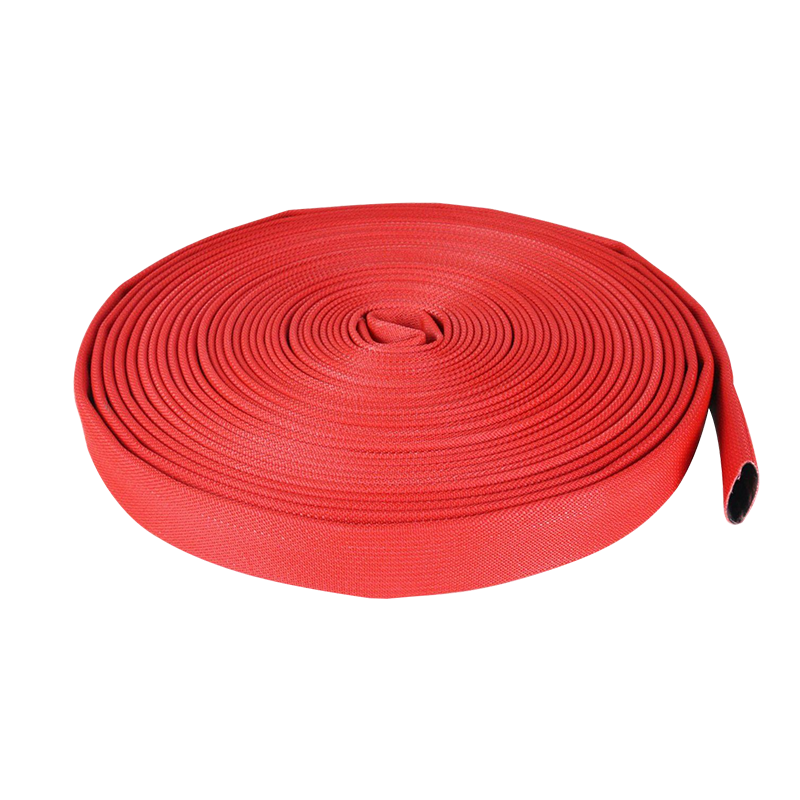
Marine hose Single jacket, PVC liner, PU coated •100% high tenacity polyester yarn,c ircular woven i...
 Call Us
+86 159-5116-9511
Need Support
Head Office
No.58, Kechuang Road, Sixiang Street Medicine Gaoxin District Taizhou City, Jiangsu Province

During a routine service test, a 200-foot attack line fails at 150 psi. The outer jacket looks fine. The problem is inside: a small delamination in the liner has pinched the bore and reduced the flow...
Copyright © Taizhou Shenlong Fire Science and Technology Co., Ltd. All Rights Reserved.
 Fire Hose Manufacturers, Fire Hydrant Hose Factory