

 English
 русский
 Español
 Deutsch
 عربى
عربى Français
 Português
Don't hesitate to send a message
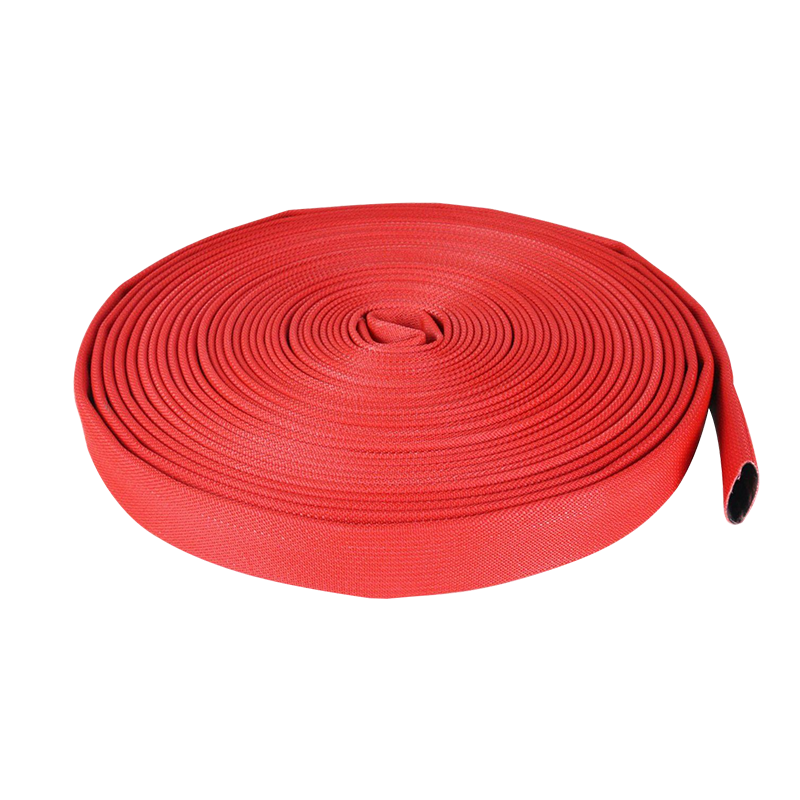
Single jacket, EPDM rubber liner Features • 100% high tenacity polyester jacket, high-grade EPDM rub...
Content
A fire hose coupling is the fitting attached to each end of a fire hose that allows it to connect securely to a water source, another hose section, or a discharge device such as a nozzle or monitor. Without a reliable coupling, even the highest-quality hose becomes useless in an emergency — water pressure alone would force the connection apart within seconds. Couplings are engineered to withstand the significant internal pressures generated by firefighting pumps, which can routinely exceed 10 bar (150 psi) and in some high-rise or industrial scenarios reach well above that. The coupling is therefore not a minor accessory; it is a critical load-bearing component that determines whether the entire hose assembly functions as intended under real emergency conditions.
Beyond pressure resistance, couplings must connect and disconnect quickly, often in low visibility or physically demanding conditions. A firefighter wearing gloves, operating in smoke, or working on an unstable surface cannot afford to wrestle with a poorly designed fitting. This operational reality has driven the development of standardised coupling designs that prioritise speed, security, and interchangeability across equipment from different manufacturers and fire services.
Fire hose couplings fall into several broad categories based on their connection mechanism. Each type has distinct advantages and is suited to particular applications, hose diameters, and operational contexts.
Instantaneous couplings, sometimes called quarter-turn or bayonet couplings, are the most widely used type in municipal and structural firefighting. The male and female halves engage with a simple push-and-twist motion that locks them together in under a second. A rubber gasket seated inside the female half creates a watertight seal as the coupling tightens. These fittings are designed to be connected and disconnected rapidly, even under moderate residual pressure, making them ideal for hose-laying operations where speed is paramount. The Storz coupling — a symmetrical instantaneous design where both halves are identical — is particularly popular in Europe and increasingly adopted internationally because it eliminates the distinction between male and female ends, reducing the risk of grabbing the wrong coupling half during a fast-moving incident.
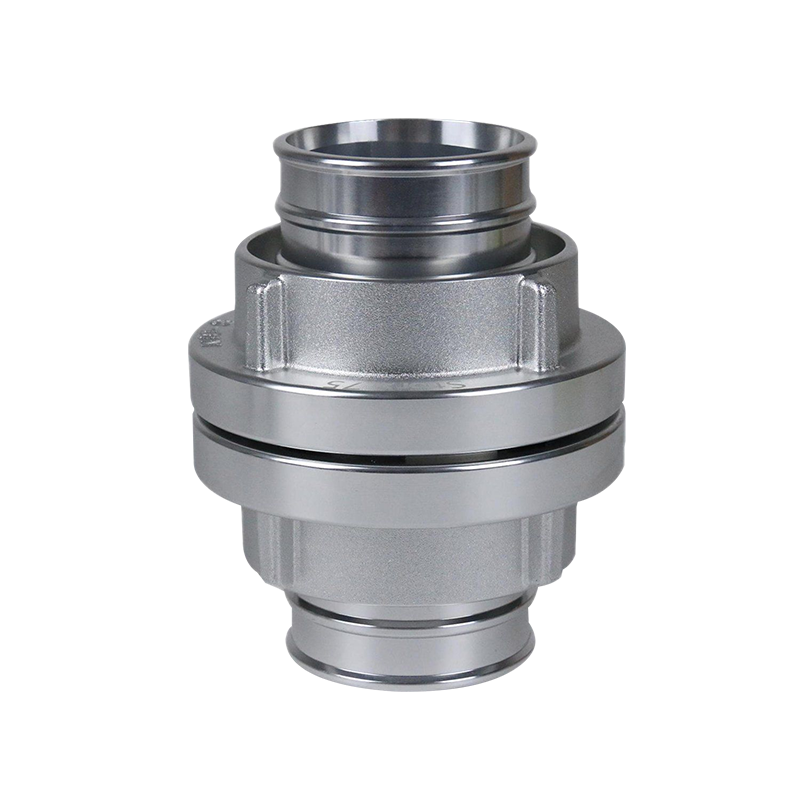
Threaded couplings use a helical thread on the male shank that engages with a corresponding internal thread on the female swivel. They provide an exceptionally secure and leak-resistant connection, which is why they remain standard on many hydrant outlets, pump inlets, and standpipe systems. The trade-off is speed — threading a coupling correctly takes longer than a quarter-turn engagement, and cross-threading under pressure is a real operational hazard. National Hose (NH) thread, also known as National Standard Thread (NST) in the United States, is the most widely recognised threaded coupling standard in North America, while British Standard Pipe (BSP) threads are common in the UK and Commonwealth countries.
Cam-lock fittings use external lever arms (cams) that swing down to grip a groove on the male adapter, pulling the two halves tightly together and compressing an internal gasket. They are widely used in industrial firefighting, foam system connections, and tanker truck operations rather than structural hose lines. Cam-locks connect very quickly without any rotation, which makes them convenient for large-diameter supply lines where rotating a heavy coupling is impractical. They are available in standardised sizes designated by letter codes (Type A through Type F), with Type C and Type E being the most common in fire and industrial applications.
Hammer lug couplings incorporate a modified thread profile developed by Edwin Higbee that allows the coupling to be started at any rotational position, eliminating the need to align threads before engaging. A pair of external lugs allows the coupling to be driven tight with a spanner wrench or struck with a mallet — hence the term "hammer lug." These are common on large-diameter attack and supply hoses in North America, particularly on 2.5-inch and larger lines. The Higbee cut at the start of the thread ensures positive engagement and prevents cross-threading, which is a significant safety advantage when connecting large, heavy hose under time pressure.
Standardisation is one of the most important topics in fire hose coupling selection because incompatible couplings between departments or equipment suppliers can have life-threatening consequences at a multi-agency incident. Several major standards bodies publish specifications that define thread dimensions, pressure ratings, material requirements, and test procedures.
| Standard | Region | Coupling Type Covered | Key Application |
| NFPA 1963 | USA / North America | NH threaded, Storz | Municipal firefighting |
| EN 671 / EN 1947 | Europe | Instantaneous / Storz | Fixed and semi-rigid systems |
| AS/NZS 1221 | Australia / NZ | Instantaneous | Fire hose reels and attack lines |
| BS 336 | United Kingdom | Instantaneous (round thread) | UK fire service hose lines |
When procuring equipment for use across jurisdictions or in mutual aid agreements, confirming coupling compatibility against the relevant standard is essential. Many fire services maintain adapter inventories specifically to bridge incompatible coupling standards at incident scenes, but adapters introduce an additional potential failure point and should not be treated as a permanent solution.
The material from which a coupling is manufactured directly affects its weight, corrosion resistance, strength, and cost. The three most common materials used in fire hose couplings each present a distinct set of trade-offs.
Aluminium couplings are by far the most prevalent in modern structural firefighting. They are lightweight — roughly one-third the weight of equivalent brass fittings — which significantly reduces fatigue when firefighters are handling multiple hose lengths. Aluminium alloys used in fire couplings (typically 6061-T6 or similar) offer excellent strength-to-weight ratios and resist corrosion well in most environments. The primary limitation is susceptibility to damage from impact and the galvanic corrosion that can occur when aluminium contacts dissimilar metals over time, particularly in coastal or high-humidity environments.
Brass couplings are heavier than aluminium but offer superior durability in high-wear applications. They resist corrosion effectively across a wide range of chemical exposures and maintain dimensional stability over long service lives. Brass is the preferred material for hydrant connections, pump panel fittings, and standpipe system components that remain in fixed installations rather than being handled regularly in the field. The added weight is acceptable in these contexts because the coupling is not being carried by a firefighter over extended distances.
High-performance polymer couplings have entered the market as weight-reduction technology has advanced. Certain nylon and glass-fibre-reinforced polymer formulations can meet required pressure ratings while offering substantial weight savings over aluminium. These materials are inherently corrosion-proof and electrically non-conductive, which provides a safety advantage in environments where electrical hazards are present. However, they are less tolerant of impact damage and high temperatures, limiting their application primarily to lower-risk supply lines and forestry firefighting equipment.
Choosing the correct coupling requires evaluating several factors simultaneously. Getting this decision wrong creates interoperability problems, maintenance difficulties, and in the worst case, coupling failure during an active incident. The following considerations should guide the selection process:
Couplings require regular inspection and cleaning to ensure they remain serviceable. After every deployment, couplings should be visually checked for damage including cracks, dents, bent lugs, and thread deformation. A coupling with damaged threads or a cracked body must be removed from service immediately — field repairs are not appropriate for pressure-bearing components. The following maintenance routine keeps couplings in reliable condition between deployments:
Meticulous coupling maintenance is not an administrative exercise — it is what ensures that a hose assembly will hold together at 12 bar in a burning building. The coupling is the weakest mechanical link in the hose system by design, and keeping it in peak condition is a fundamental part of firefighting equipment readiness.
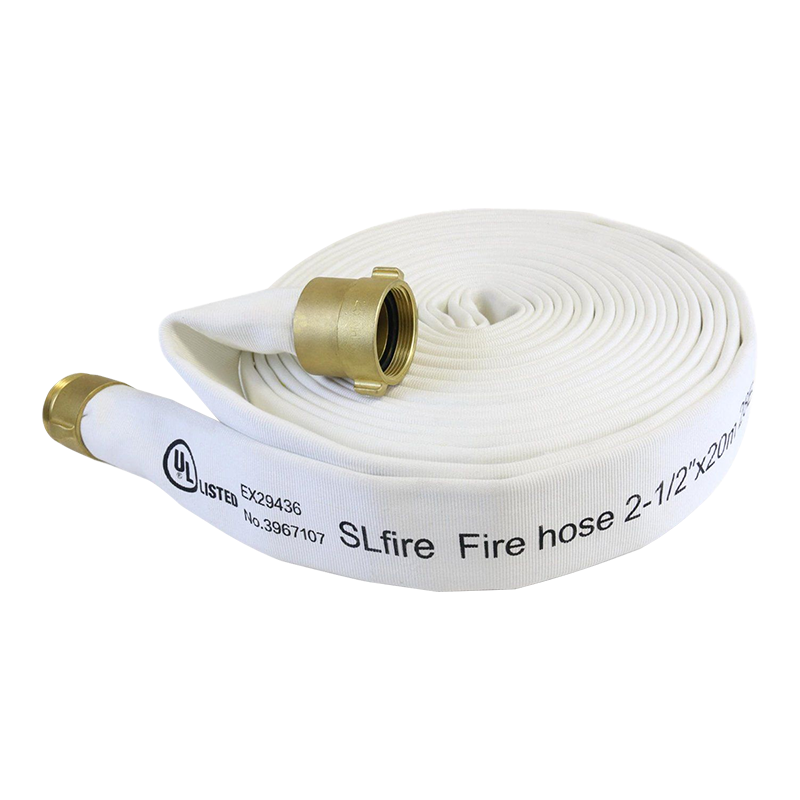
Single jacket, EPDM rubber liner Features • 100% high tenacity polyester jacket, high-grade EPDM rub...
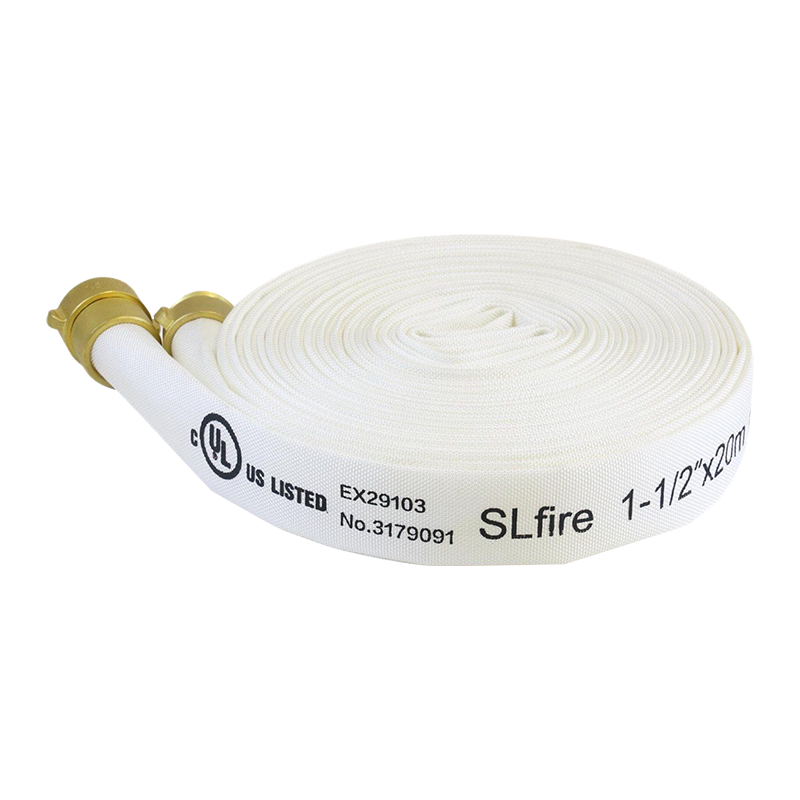
Single jacket, TPU liner •High-tenacity polyester yarn, circular woven in twill weave/plain weave,T ...
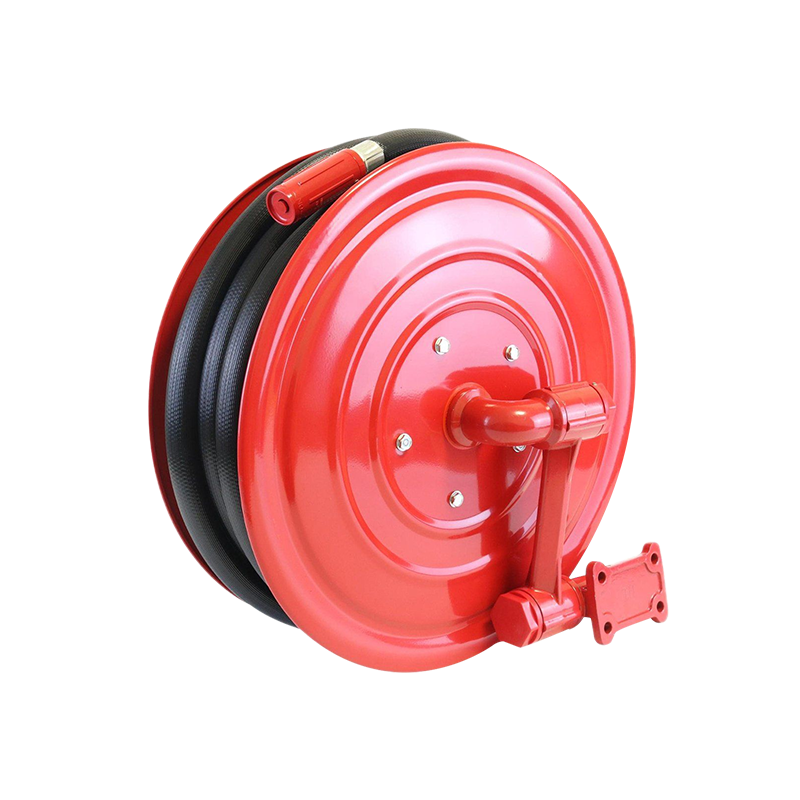
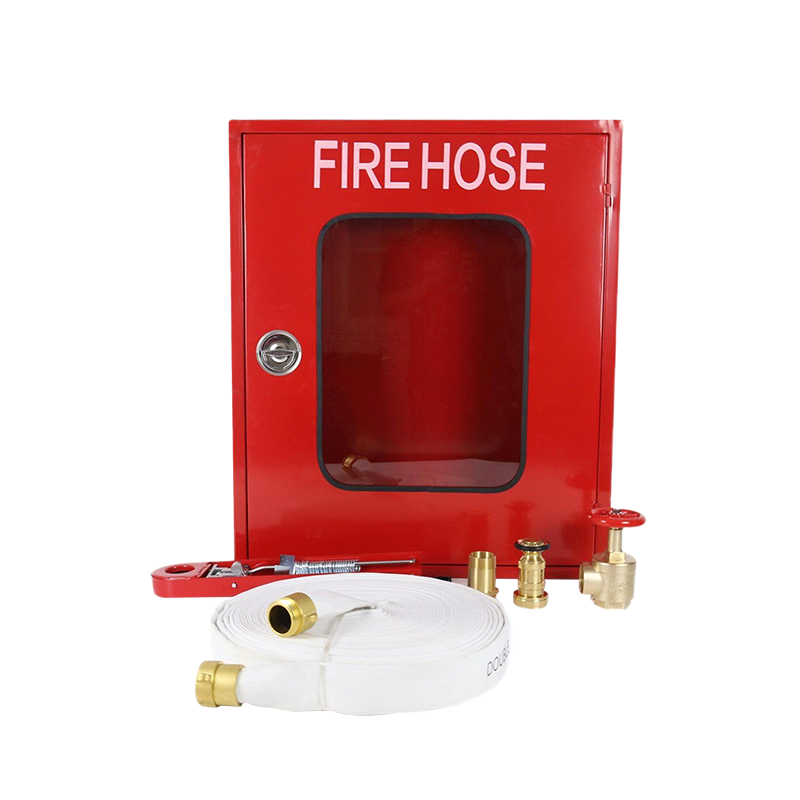
Fire cabinets are designed to accommodate fire hose,valve and other firefighting equipment. Type 201...
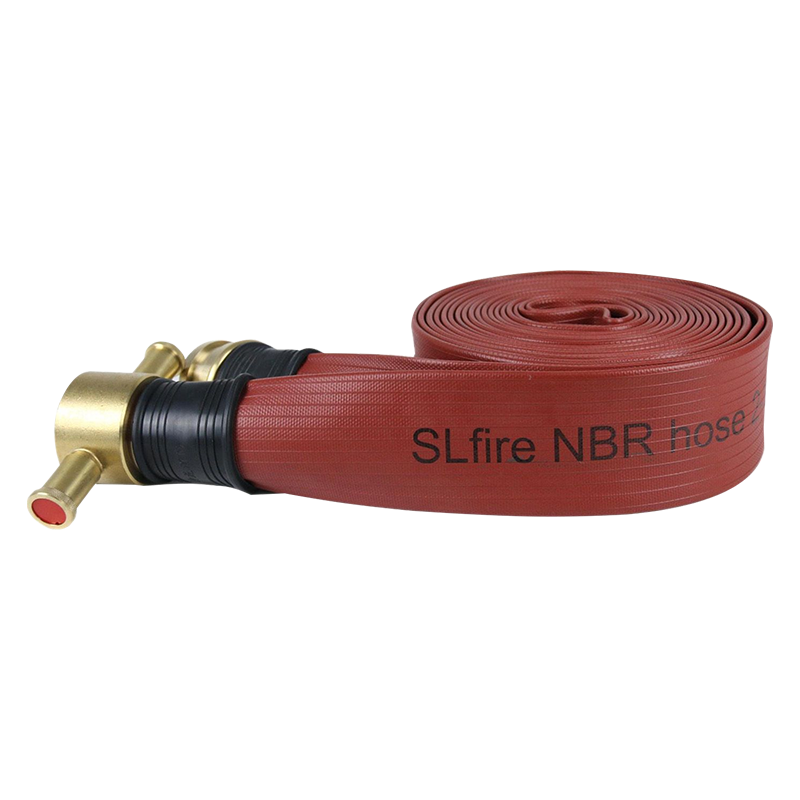
Nitrile covered hose •Nitrile/TPR blend as cover and lining, with 100% high-tenacity polyester yarn ...
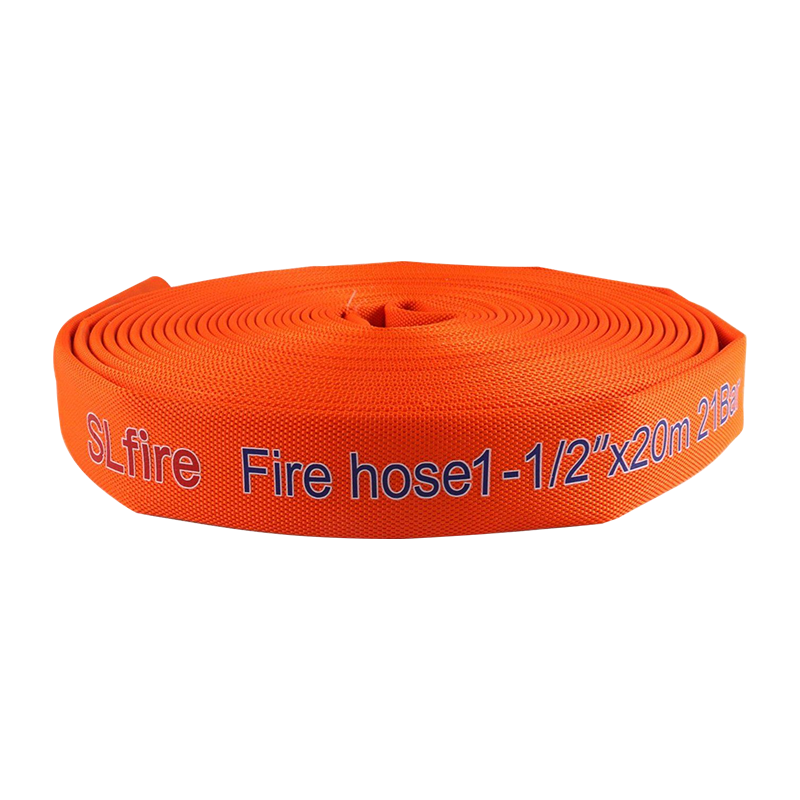
Single jacket, TPU liner •High-tenacity polyester yarn, circular woven in twill weave, TPU lining, f...
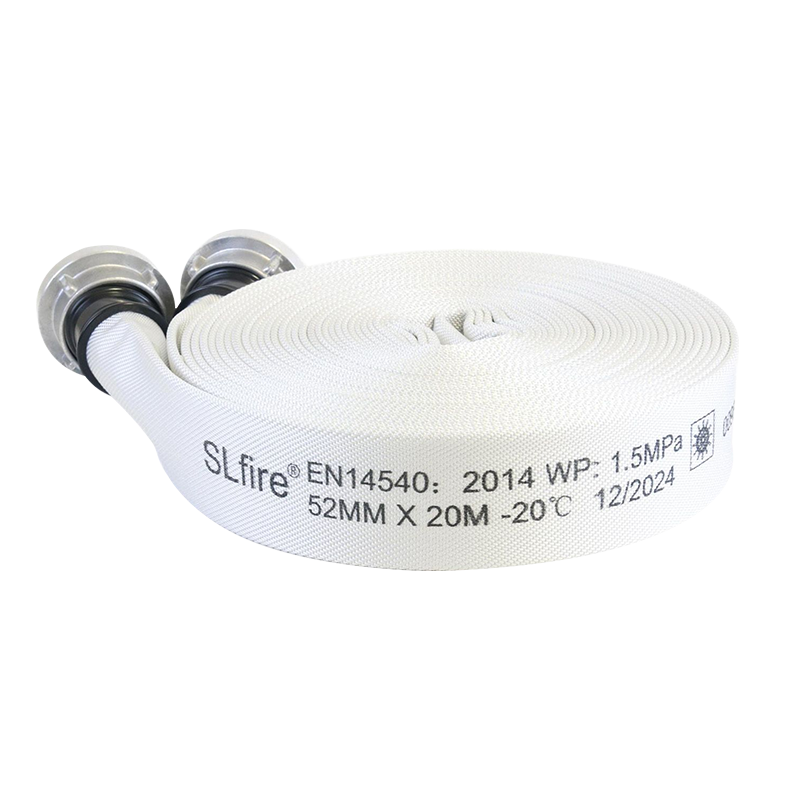
Marine hose Single jacket, PVC liner •100% high tenacity polyester yarn, circular woven in twill wea...
Marine hose Single jacket, PVC liner, PU coated •100% high tenacity polyester yarn,c ircular woven i...
 Call Us
+86 159-5116-9511
Need Support
Head Office
No.58, Kechuang Road, Sixiang Street Medicine Gaoxin District Taizhou City, Jiangsu Province

During a routine service test, a 200-foot attack line fails at 150 psi. The outer jacket looks fine. The problem is inside: a small delamination in the liner has pinched the bore and reduced the flow...
Copyright © Taizhou Shenlong Fire Science and Technology Co., Ltd. All Rights Reserved.
 Fire Hose Manufacturers, Fire Hydrant Hose Factory