

 English
 русский
 Español
 Deutsch
 عربى
عربى Français
 Português
Don't hesitate to send a message
Single jacket, EPDM rubber liner Features • 100% high tenacity polyester jacket, high-grade EPDM rub...
Content
A large diameter fire hose, often referred to as an LDH, is a high-capacity hose specifically designed to transport large volumes of water from a water source to firefighting equipment or directly to the fireground. Compared with standard attack hoses, which are typically smaller in diameter, large diameter hoses focus primarily on water supply rather than direct nozzle operation.
These hoses are widely used by municipal fire departments, industrial firefighting teams, and emergency response units that require a reliable, uninterrupted flow of water over long distances. Common diameters include 4 inches, 5 inches, 6 inches, and even larger custom sizes depending on the application.
The main purpose of a large diameter fire hose is to maximize water flow while minimizing friction loss. This makes it a critical component in high-rise firefighting, warehouse protection, airport emergency response, and large industrial facilities where substantial water delivery is required.
The importance of a large diameter fire hose lies in its ability to deliver thousands of gallons of water per minute. In large-scale fires, smaller hoses may not provide enough volume to control rapidly spreading flames. LDH systems ensure that pumpers, hydrants, and relay operations maintain sufficient pressure and flow.
For example, when firefighters need to supply multiple attack lines simultaneously, a large diameter supply hose serves as the main water artery. Without it, water pressure drops can severely affect firefighting effectiveness.
Large diameter hoses are engineered to move significantly more water than standard 1.5-inch or 2.5-inch hoses. This makes them ideal for supplying ladder trucks, sprinkler support systems, and master stream devices.
A wider internal diameter reduces resistance as water travels through the hose. Lower friction loss means better pressure retention over long distances, which is essential in urban and industrial firefighting scenarios.
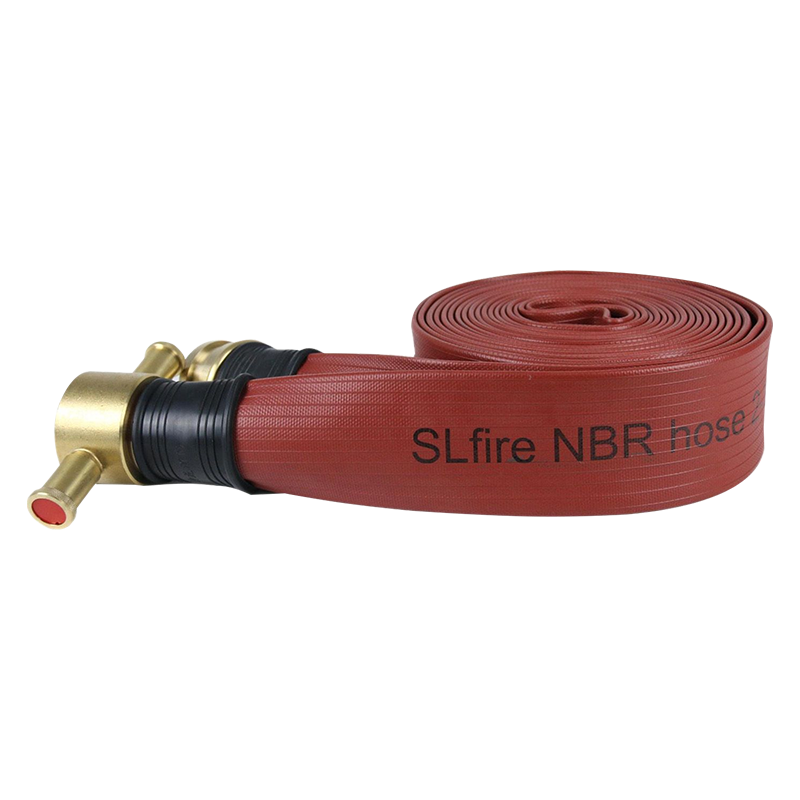
Large diameter fire hoses come in several standard sizes based on required flow rate and compatibility with existing equipment.
| Diameter | Typical Use | Flow Capacity |
| 4 inch | Municipal supply lines | Approx. 1000 GPM |
| 5 inch | Main fire supply | Approx. 1500–2000 GPM |
| 6 inch | Industrial and airport use | 2000+ GPM |
Among these, the 5-inch large diameter fire hose is one of the most commonly used options in modern firefighting systems.
Material quality directly affects hose durability, flexibility, and pressure performance. Most large diameter fire hoses are made from advanced synthetic materials engineered for harsh emergency conditions.
The outer jacket is commonly made from high-strength polyester yarn or double-jacket woven fibers. This provides abrasion resistance, tensile strength, and long service life.
The inner lining is typically manufactured from EPDM rubber, TPU, or synthetic elastomers. These materials ensure smooth water flow and excellent resistance to pressure, chemicals, and temperature fluctuations.
Aluminum alloy, brass, or forged metal couplings are usually fitted to both ends to provide secure and leak-resistant connections.
Large diameter fire hoses are widely used in scenarios that require high-volume water transfer.
In industrial settings, these hoses are also used for emergency water transfer and temporary flood control.
Selecting the right hose depends on the specific operational requirements. Buyers should consider flow capacity, pressure rating, coupling compatibility, and environmental conditions.
Always verify the working pressure and burst pressure ratings. Industrial applications may require higher specifications than municipal systems.
Long-distance supply operations often require hoses in 50-foot or 100-foot lengths, depending on the deployment area.
For urban use or rough ground conditions, abrasion-resistant outer jackets significantly extend service life.
Proper maintenance is essential to ensure long-term performance and compliance with safety standards.
Routine maintenance not only improves reliability but also reduces replacement costs over time.
A large diameter fire hose is an indispensable part of any advanced firefighting infrastructure. Its ability to move high volumes of water quickly and efficiently makes it essential for controlling major fires and supporting multiple response units.
For fire departments, industrial facilities, and emergency service providers, investing in a high-quality large diameter fire hose means improved response efficiency, greater safety, and better protection of life and property.
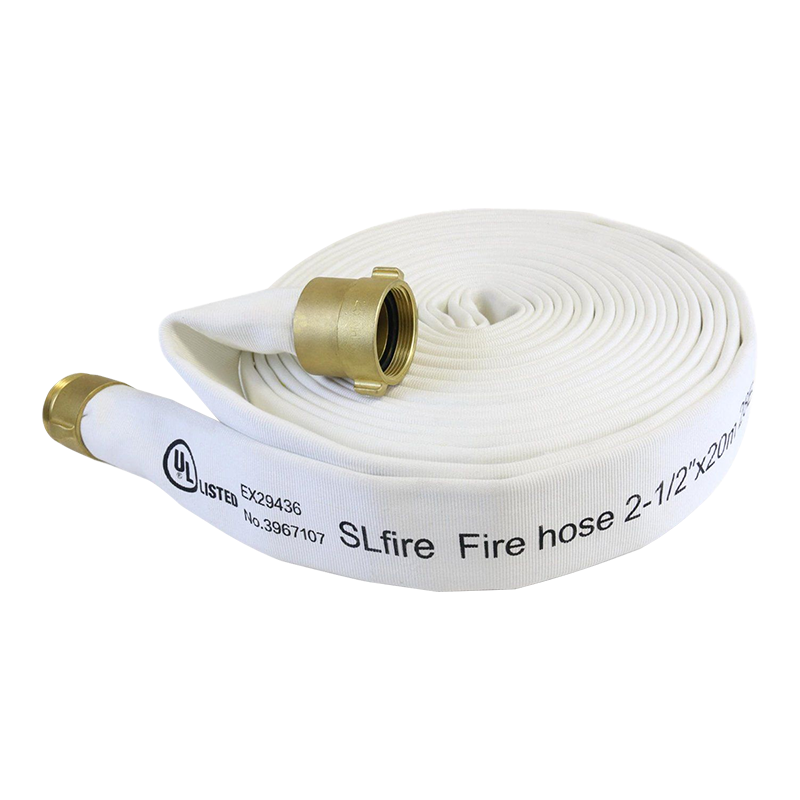
Single jacket, EPDM rubber liner Features • 100% high tenacity polyester jacket, high-grade EPDM rub...
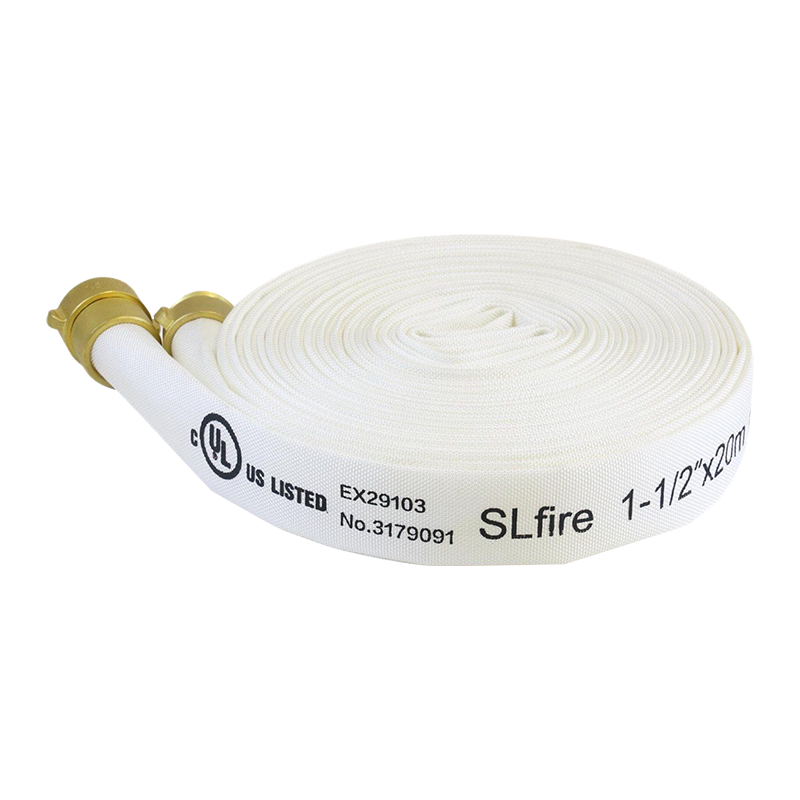
Single jacket, TPU liner •High-tenacity polyester yarn, circular woven in twill weave/plain weave,T ...
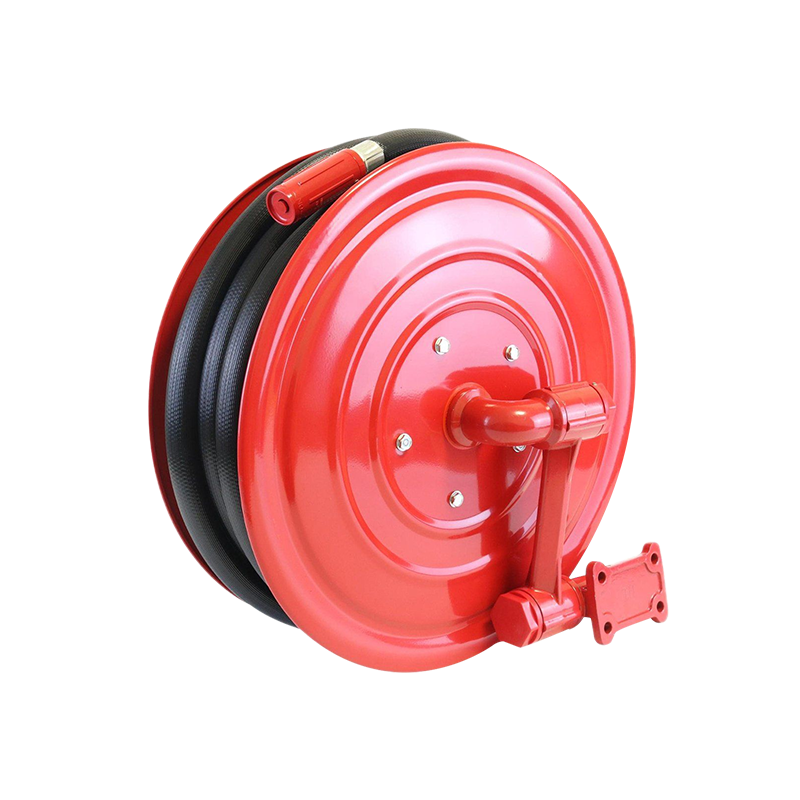
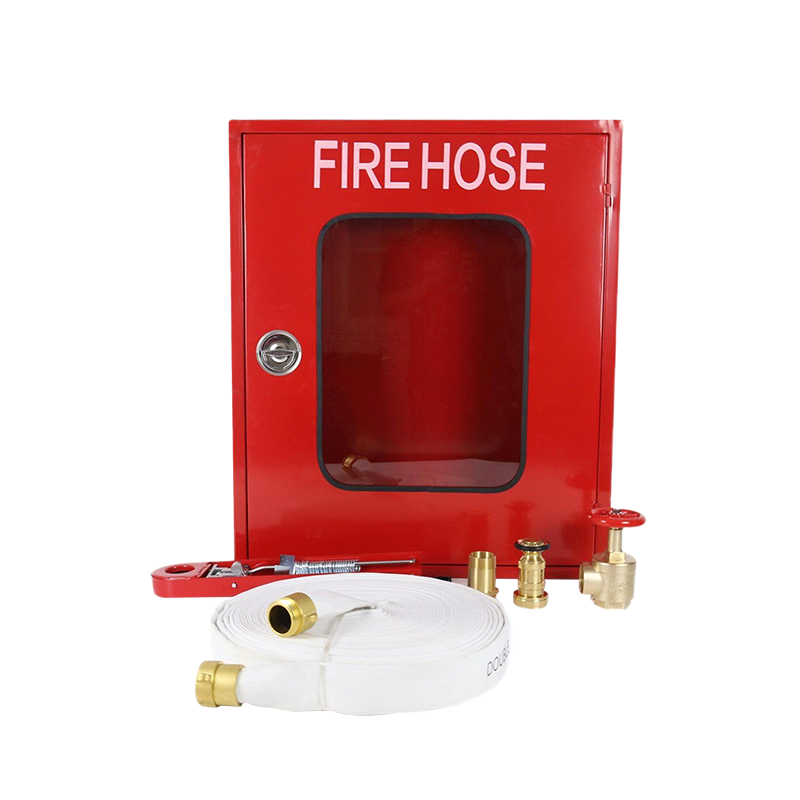
Fire cabinets are designed to accommodate fire hose,valve and other firefighting equipment. Type 201...

Nitrile covered hose •Nitrile/TPR blend as cover and lining, with 100% high-tenacity polyester yarn ...
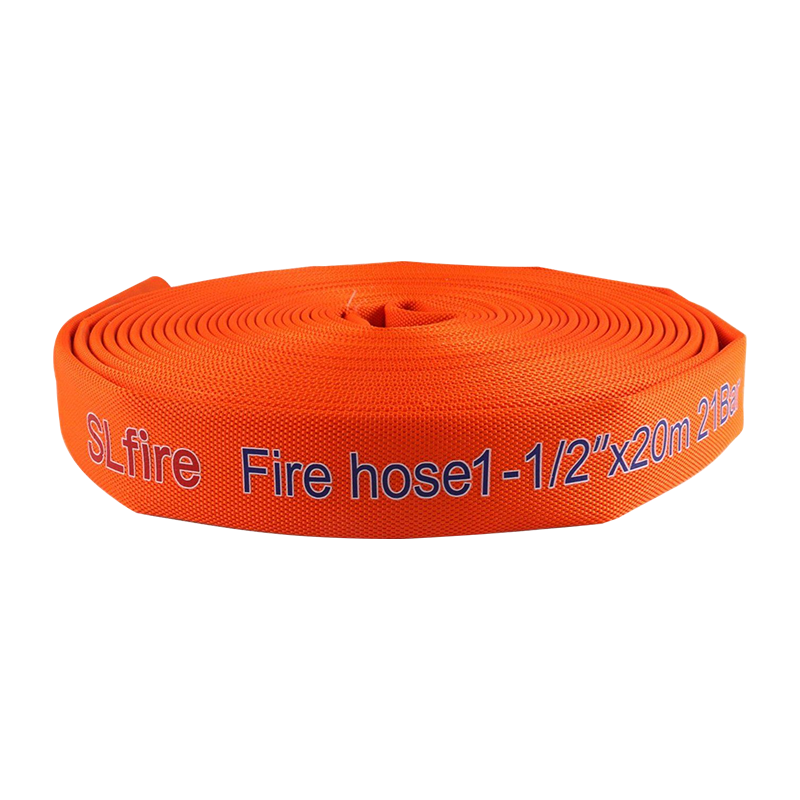
Single jacket, TPU liner •High-tenacity polyester yarn, circular woven in twill weave, TPU lining, f...
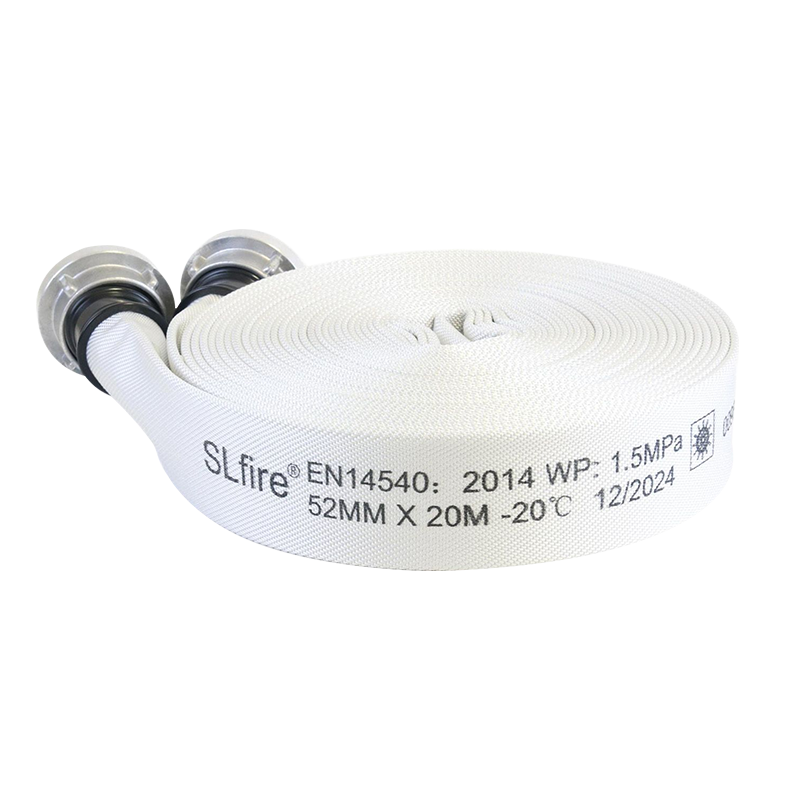
Marine hose Single jacket, PVC liner •100% high tenacity polyester yarn, circular woven in twill wea...
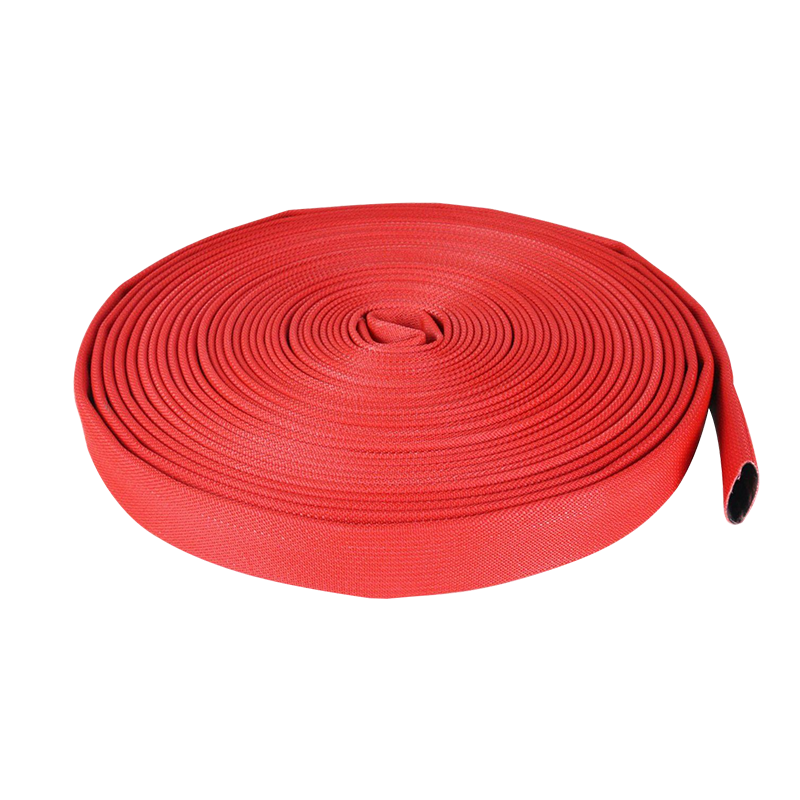
Marine hose Single jacket, PVC liner, PU coated •100% high tenacity polyester yarn,c ircular woven i...
 Call Us
+86 159-5116-9511
Need Support
Head Office
No.58, Kechuang Road, Sixiang Street Medicine Gaoxin District Taizhou City, Jiangsu Province

During a routine service test, a 200-foot attack line fails at 150 psi. The outer jacket looks fine. The problem is inside: a small delamination in the liner has pinched the bore and reduced the flow...
Copyright © Taizhou Shenlong Fire Science and Technology Co., Ltd. All Rights Reserved.
 Fire Hose Manufacturers, Fire Hydrant Hose Factory