

 English
 русский
 Español
 Deutsch
 عربى
عربى Français
 Português
Don't hesitate to send a message
Single jacket, EPDM rubber liner Features • 100% high tenacity polyester jacket, high-grade EPDM rub...
Content
If you reach for the wrong fire hose size, the problem shows up almost immediately. The nozzle loses pressure, the line becomes too heavy to advance, or the water supply runs out before the fire is controlled. In most fireground situations, the practical answer is a 1.5-inch or 1.75-inch attack line for interior work, a 2.5-inch line for heavy attack or standpipe operations, and a 4-inch to 5-inch large diameter supply hose between the hydrant and the apparatus.
This article explains how fire hose sizes are defined, what each diameter is designed to do, and the factors that matter when you select a hose for a department, industrial site, or marine firefighting system.
Fire hose sizes in North America are expressed by nominal inside diameter, measured in inches. The same nomenclature is used in most international standards when metric equivalents like 38 mm or 64 mm are listed. A 1.5-inch hose has an inside diameter of 1.5 inches; the outside diameter is larger and depends on jacket construction, liner thickness, and coupling style.
The National Fire Protection Association standard NFPA 1961 establishes new inside/outside diameter requirements for fire hose. For attack hoses, recognized sizes now include 1-inch, 1.5-inch, 1.75-inch, 2-inch, 2.25-inch, 2.5-inch, and 2.75-inch. For supply hoses, sizes include 3-inch, 3.5-inch, 4-inch, 4.5-inch, 5-inch, and 6-inch. These categories reflect the two main jobs a hose can do: delivering water at high pressure to the nozzle, or moving large volumes from a source to a pump.
Each diameter represents a trade-off between flow, friction loss, weight, and maneuverability. The table below summarizes the most common sizes and typical uses in firefighting operations.
| Hose Size | Common Name | Typical Use | Estimated Flow |
|---|---|---|---|
| 3/4 inch | Booster line | Apparatus reel, quick knock-down, vehicle fires | 10-30 gpm |
| 1 inch | Forestry/trash line | Wildland attack, small exterior fires | 20-40 gpm |
| 1.5 inch | Standard attack line | Interior fire attack, residential fires | 95-180 gpm |
| 1.75 inch | Modern attack line | Interior attack with high flow and manageable weight | 150-200 gpm |
| 2.5 inch | Heavy attack/supply line | Exterior operations, standpipe systems, large flows | 250-500 gpm |
| 3 inch | Medium supply line | Relay supply, hydrant to apparatus | 375-600 gpm |
| 4-5 inch | Large diameter supply hose | Hydrant supply, relay operations, high-volume drafting | 700+ gpm |
Booster hose, usually 3/4 inch, is carried on a reel and supplied from the apparatus tank. It is stiff, compact, and useful for vehicle fires or exterior flare-ups, but too small for structural fire attack. A 1-inch line is more common in wildland and forestry work, where compact packing and light weight are more important than flow. Crews that need a compact and light line often choose a single-jacket TPU-lined forestry fire hose.
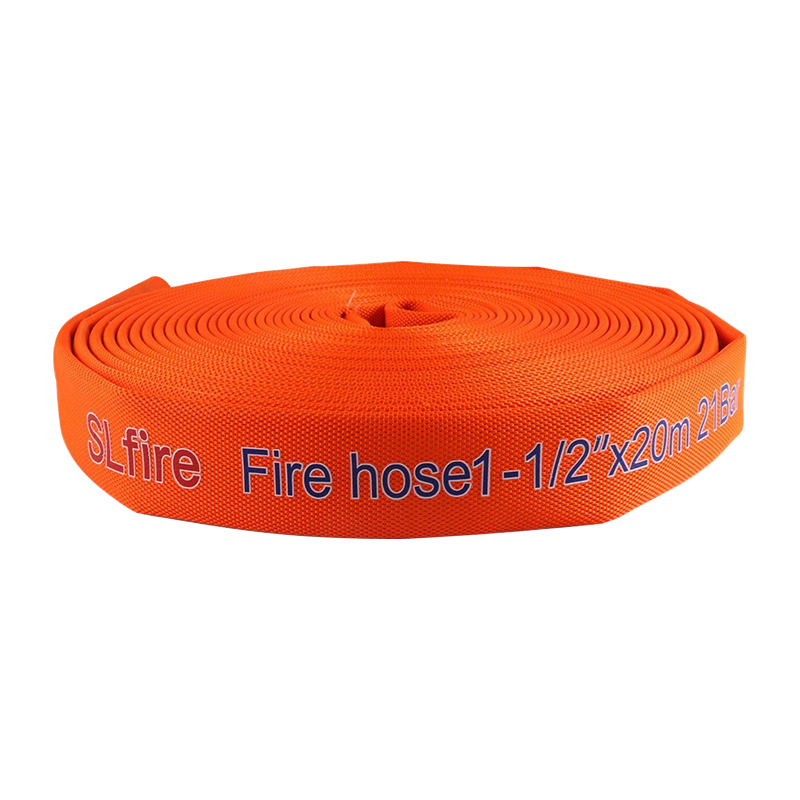 Single Jacket TPU Liner Forestry Fire Hose Suppliers, CompanyTaizhou Shenlong Fire Science and Technology Co., Ltd is China Custom Single Jacket TPU Liner Forestry Fire Hose Suppliers and Single Jac...View Product →
The 1.5-inch line is the classic attack line. It is easy to handle, fits through doorways and stairwells, and still delivers enough flow for most residential fires. Many departments have moved to 1.75-inch because the slightly larger diameter provides noticeably better flow while remaining comparable in weight. The 2.5-inch line is a heavy line that requires two or more firefighters to advance, but it supports outdoor master stream operations and standpipe connections in high-rise buildings. For interior crews that need a tough but manageable option, a single-jacket TPU-lined attack hose offers a good balance of low weight and abrasion resistance.
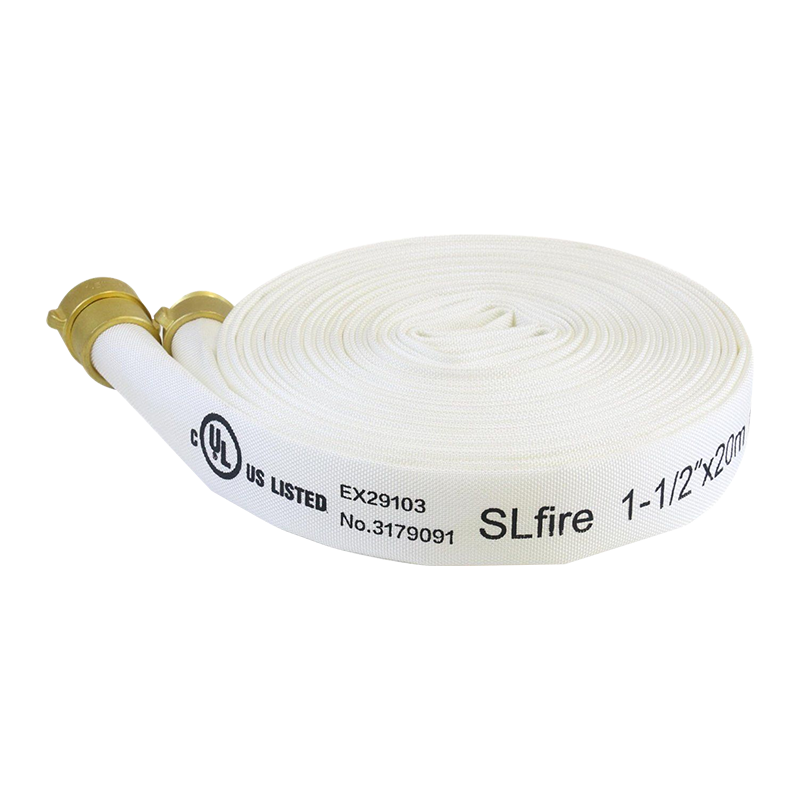 TPU Lined Fire Hose Suppliers,TPU Liner Attack Hose CompanyShenlong is China Custom TPU Lined Fire Hose Suppliers,Single Jacket TPU Liner Attack Hose Company, supply TPU Lined Fire Hose, Single Ja...View Product →
Once the attack team is committed, the supply operation needs to move as much water as possible. Large diameter hoses from 4 to 6 inches are designed for low friction loss and high flow rates. They are less flexible and heavier per foot, but they allow a hydrant, engine, or relay operation to feed multiple attack lines. A double-jacket TPU-lined supply hose is a typical choice when the hose will be dragged across pavement, ditches, or rough ground.
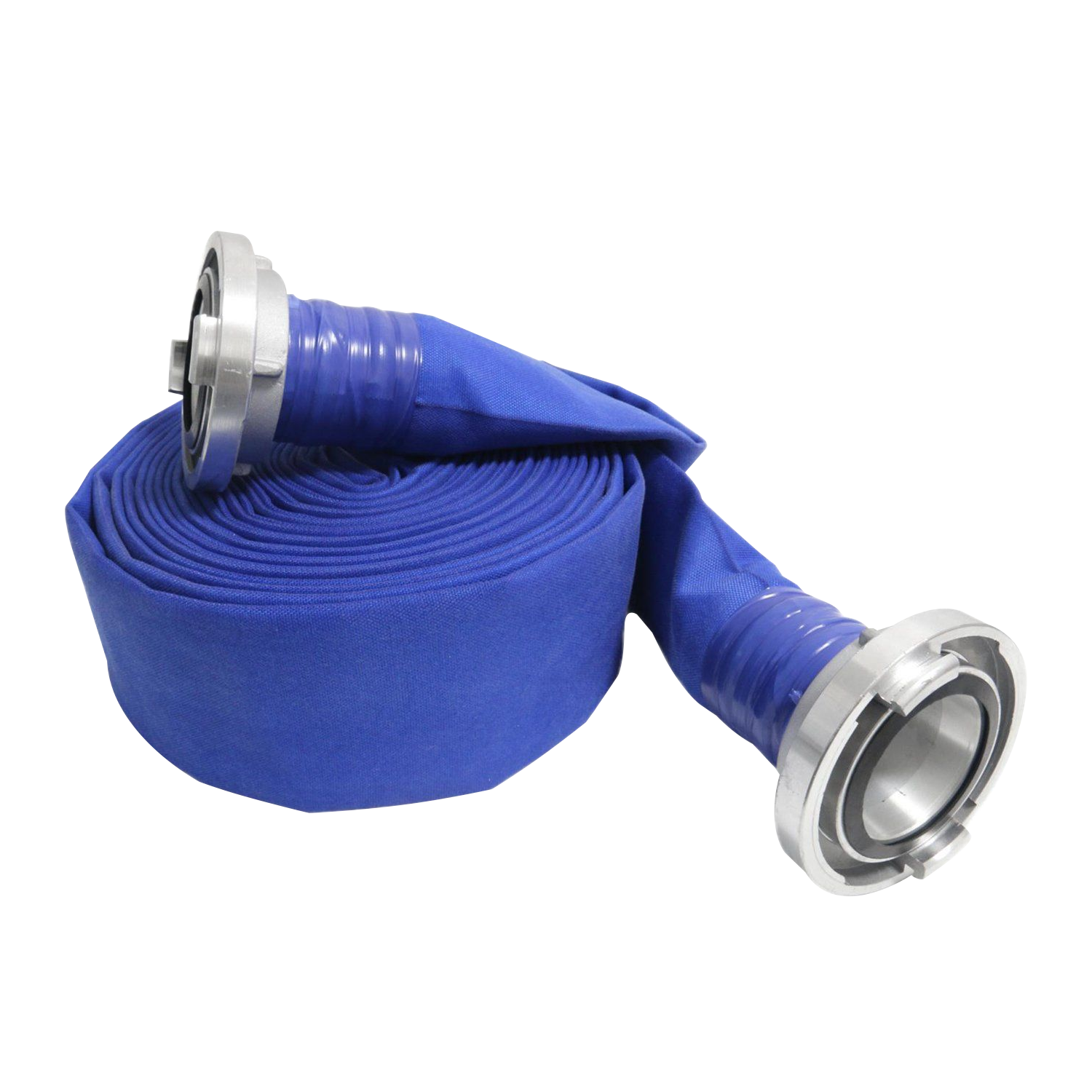 Double jacket TPU liner Supply hose Suppliers, CompanyTaizhou Shenlong Fire Science and Technology Co., Ltd is China Custom Double jacket TPU liner Supply hose Suppliers and Double jacket TPU...View Product →
The diameter of a hose controls the cross-sectional area of the water path. Doubling the inside diameter quadruples the cross-sectional area, so the same pump pressure can push a much larger volume of water through a larger line. This is why a 4-inch supply hose can keep up with a 1.5-inch attack line in a way a 2.5-inch line cannot when the distance is long.
Friction loss is the practical enemy of small hose. Water rubbing against the inner tube and couplings converts pressure into heat, and the pressure loss per 100 feet increases sharply as the diameter shrinks. For a 1.5-inch line, friction loss can be significant at flows above 150 gallons per minute. A 1.75-inch line provides a larger bore that keeps pressure at the nozzle closer to the pump discharge pressure. The same principle makes large diameter supply hose attractive when the distance from the hydrant is more than a few hundred feet.
Handling also depends on water weight. A charged 2.5-inch line can weigh more than 100 pounds per 50-foot section. That is acceptable for a fixed supply line but hard to maneuver through a narrow residence. The trade-off between flow and handling is why fire departments carry more than one size on the same apparatus. For more on the physics behind nozzle pressure, see our article on how fire hoses maintain their pressure during firefighting operations.
Size alone does not determine whether a hose will perform well in a specific environment. The liner, jacket, and coupling all influence how the hose behaves. Single-jacket hoses are lighter and more flexible, which makes them attractive for attack and forestry lines. Double-jacket hoses have a protective outer layer that improves abrasion resistance and pressure capacity for supply and industrial work.
Liners are available in EPDM rubber, TPU, PVC, or polyurethane. TPU is commonly chosen for attack and supply hoses because it resists kinking and remains flexible in cold weather. EPDM rubber offers strong heat resistance and long service life in high-temperature industrial settings. PVC liners are economical and work well where intense use is not expected. The choice of liner and jacket does not change the nominal size, but it changes how the hose feels, how it packs, and how long it will last on the apparatus.
There is no universal fire hose size for every situation. The selection process should be based on your most common fireground tasks, vehicle storage space, pump capacity, and the water supply available. The following steps provide a short checklist.
If you are replacing a section of hose or building a complete set, consider the full system: hose length, diameter, couplings, nozzle, and storage. A fire hose supplier that manufactures different sizes and constructions can help you standardize without sacrificing performance.
Fire hose sizes are not arbitrary numbers; they define how much water can flow, how much pressure is lost over distance, and how many people are needed to handle the hose. A 1.75-inch attack line and a 4-inch supply line solve different problems, and the best departments plan for both. Start by identifying your flow requirement, then choose the smallest diameter that can deliver that flow with acceptable staff and friction loss. When you need to outfit a new station, upgrade an existing inventory, or standardize a mixed fleet, work with a manufacturer that can supply the right sizes, liners, and coupling standards for your region.
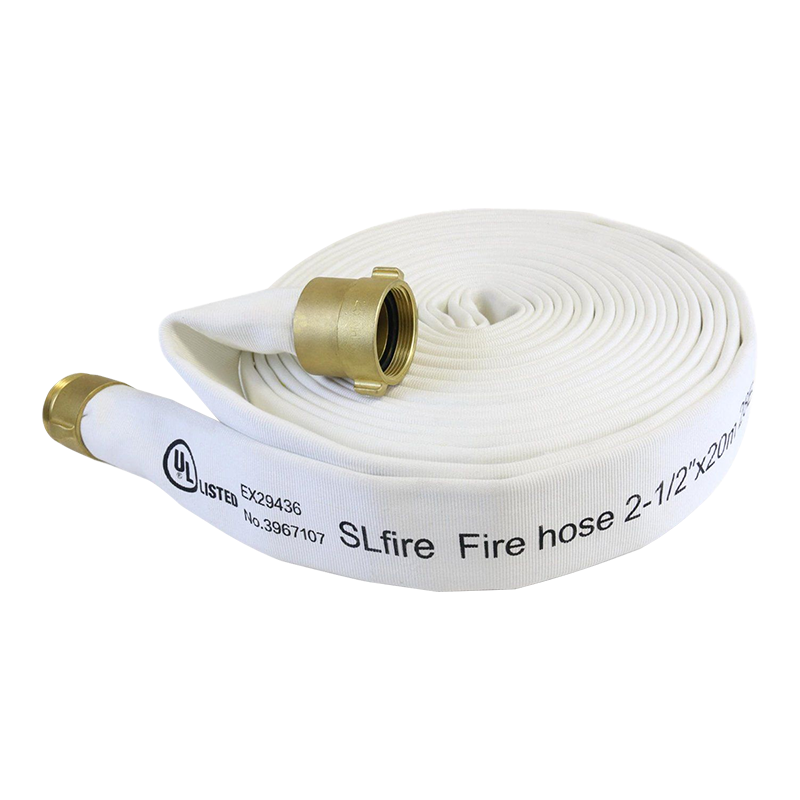
Single jacket, EPDM rubber liner Features • 100% high tenacity polyester jacket, high-grade EPDM rub...
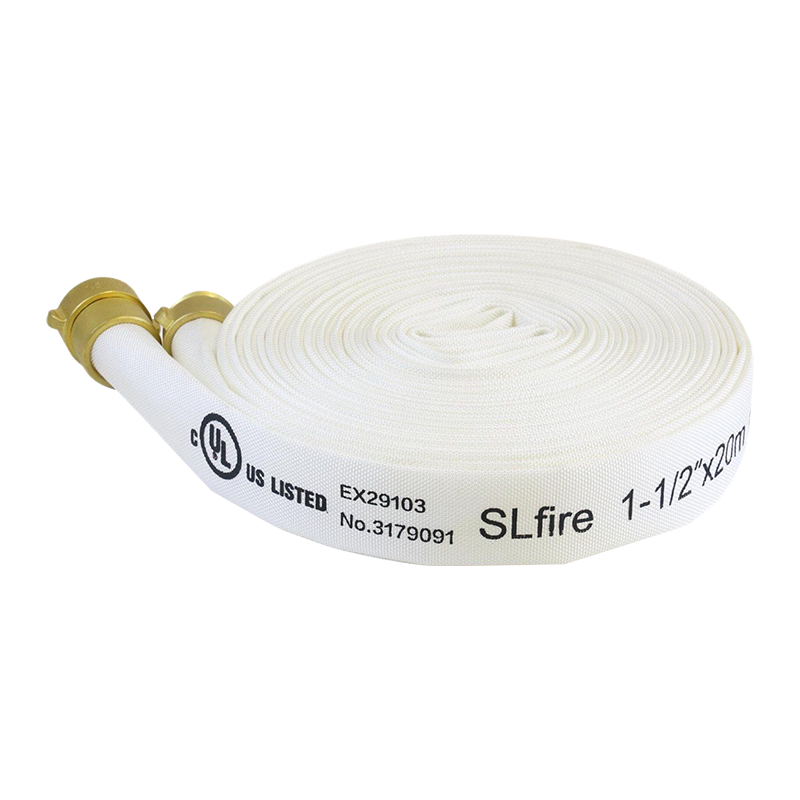
Single jacket, TPU liner •High-tenacity polyester yarn, circular woven in twill weave/plain weave,T ...
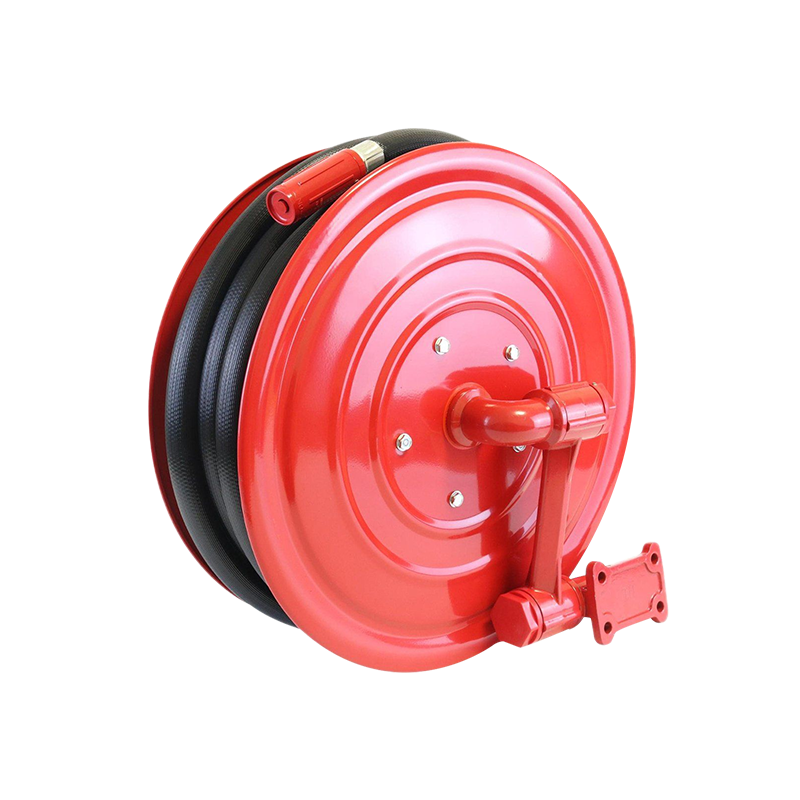
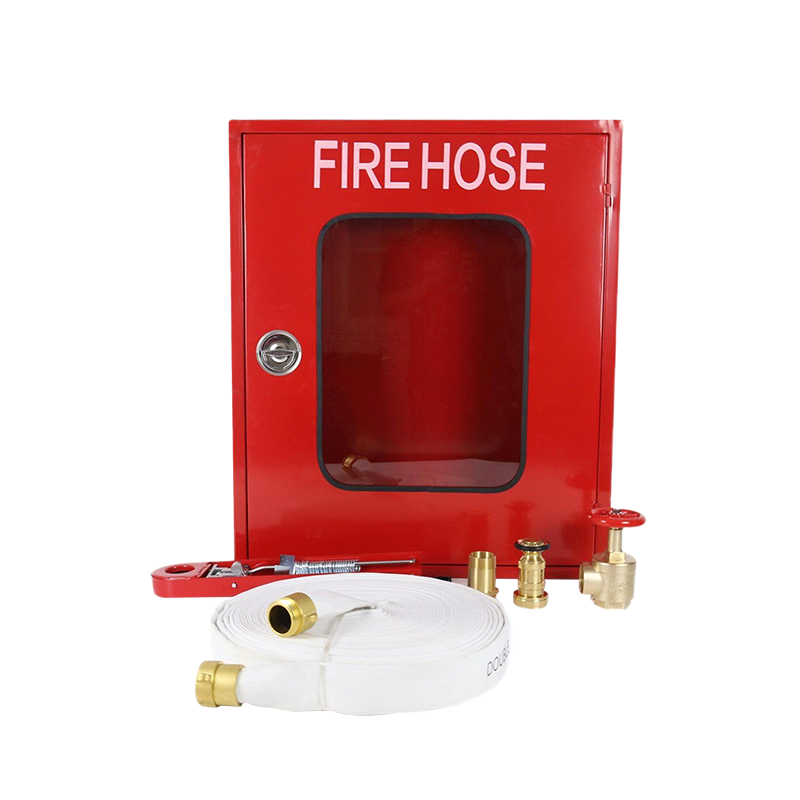
Fire cabinets are designed to accommodate fire hose,valve and other firefighting equipment. Type 201...
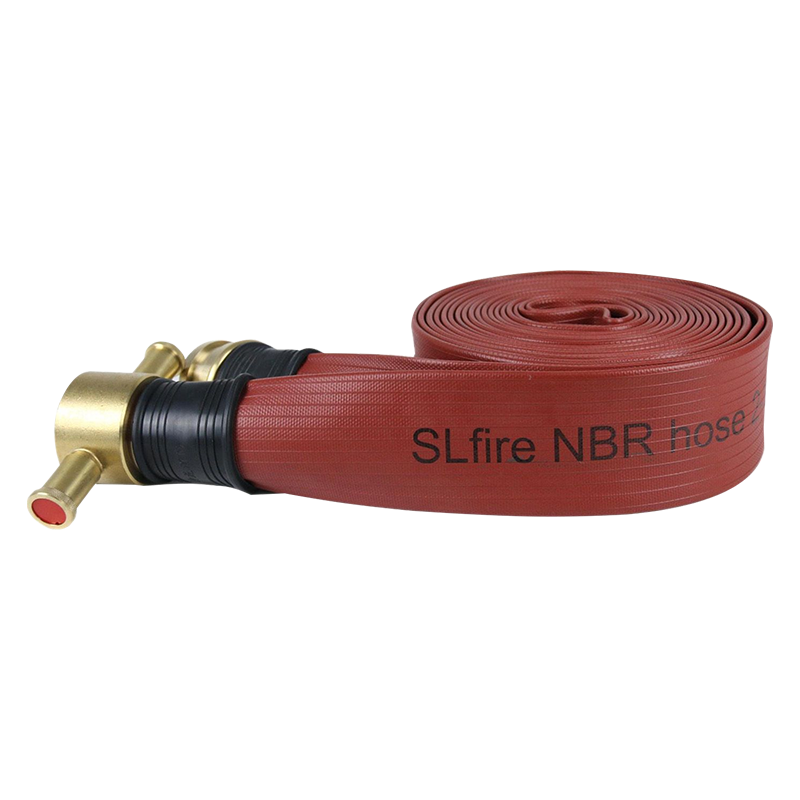
Nitrile covered hose •Nitrile/TPR blend as cover and lining, with 100% high-tenacity polyester yarn ...
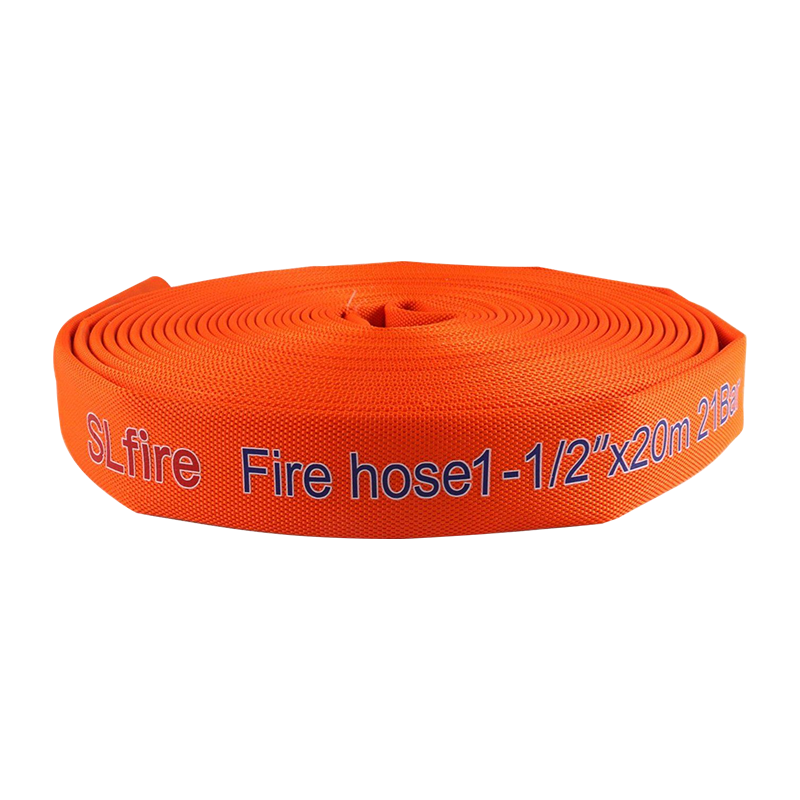
Single jacket, TPU liner •High-tenacity polyester yarn, circular woven in twill weave, TPU lining, f...
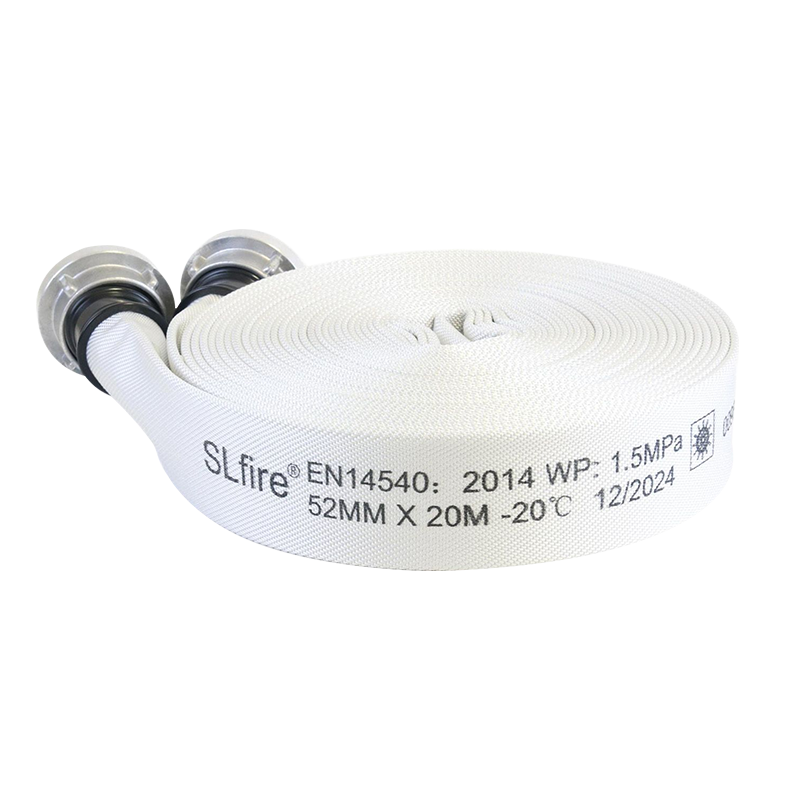
Marine hose Single jacket, PVC liner •100% high tenacity polyester yarn, circular woven in twill wea...
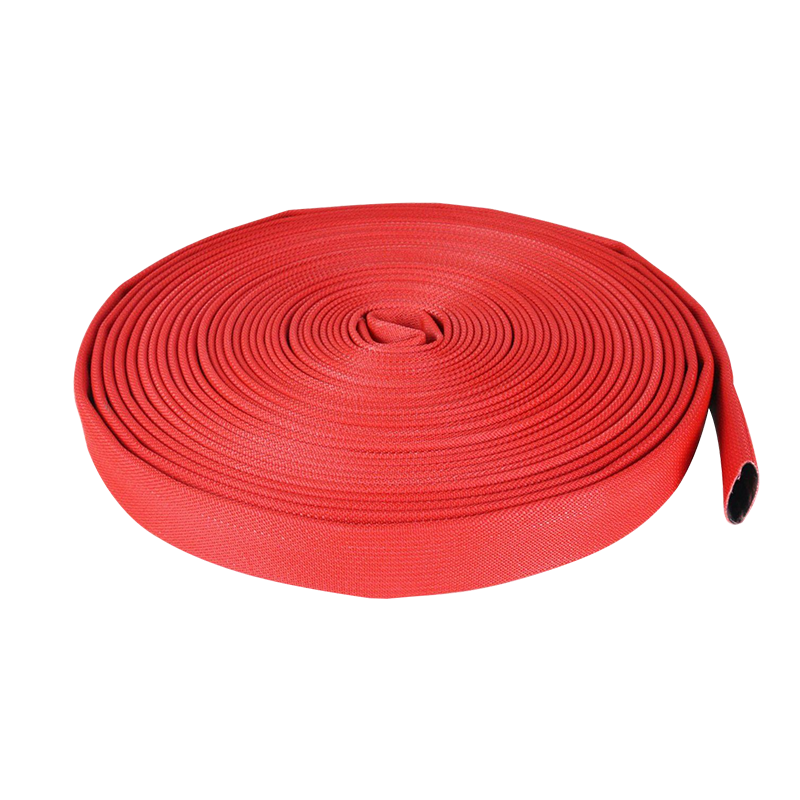
Marine hose Single jacket, PVC liner, PU coated •100% high tenacity polyester yarn,c ircular woven i...
 Call Us
+86 159-5116-9511
Need Support
Head Office
No.58, Kechuang Road, Sixiang Street Medicine Gaoxin District Taizhou City, Jiangsu Province

If you reach for the wrong fire hose size, the problem shows up almost immediately. The nozzle loses pressure, the line becomes too heavy to advance, or the water supply runs out before the fire is c...
Copyright © Taizhou Shenlong Fire Science and Technology Co., Ltd. All Rights Reserved.
 Fire Hose Manufacturers, Fire Hydrant Hose Factory