

 English
 русский
 Español
 Deutsch
 عربى
عربى Français
 Português
Don't hesitate to send a message
Single jacket, EPDM rubber liner Features • 100% high tenacity polyester jacket, high-grade EPDM rub...
Content
Every fire hose has a number printed on the jacket that crews rarely think about until the stream starts to fade: the working pressure. That number tells you how much pressure the hose can handle hour after hour without bursting or leaking. If you are choosing a pressure fire hose for a new engine or replacing a worn-out line, the working pressure rating is the first specification to compare. Get this one wrong, and even the best nozzle or pump will not make up for it.
Working pressure is the maximum steady internal pressure a hose is designed to hold while water is flowing. It is not the same as burst pressure, which is the point at which the jacket finally ruptures. The fire service typically works with structural hoses rated somewhere between 8 and 20 bar, or roughly 116 to 290 psi. NFPA 1961, the United States standard for fire hose, is a useful reference because it defines construction and performance requirements for hoses used in structural firefighting.
That range covers a wide variety of duties. A hose that works well as a supply line may be too stiff or too heavy to use as an attack line, while a lightweight wildland hose may not have the pressure rating needed for a high-rise standpipe operation. The printed working pressure is your guide, but it only makes sense when you read it against the task.
Any reliable fire hose is rated with at least three numbers, and mixing them up leads to undersized or dangerous equipment.
When a specification says "pressure fire hose," read the working pressure, not the burst pressure. A high burst rating sounds strong, but it does not mean the hose should be operated at that level. The working pressure is the number you compare with your pump discharge pressure and the nozzle you intend to use.
A pressure fire hose is a layered system. The inner liner is the water barrier; it must be flexible, watertight, and compatible with the water or chemicals it carries. The jacket is the load-bearing shell; its weave, yarn strength, and number of layers determine how much pressure the hose can hold before the walls distend.
Single-jacket construction is lighter and easier to handle, while double-jacket construction adds a protective outer layer that improves wear resistance and safety margins. Material selection matters just as much. EPDM rubber liners resist heat and abrasion well, TPU liners reduce weight and improve flexibility, and PVC or PU liners suit specific industrial or marine environments. Some modern hoses use a through-the-weave construction, where the TPU liner is fused into the jacket, creating a hose that handles pressure spikes without the liner separating from the jacket.
If you need a dependable attack line with a proven material combination, a single-jacket EPDM rubber lined attack hose is a practical option because it balances pressure capability with maneuverability.
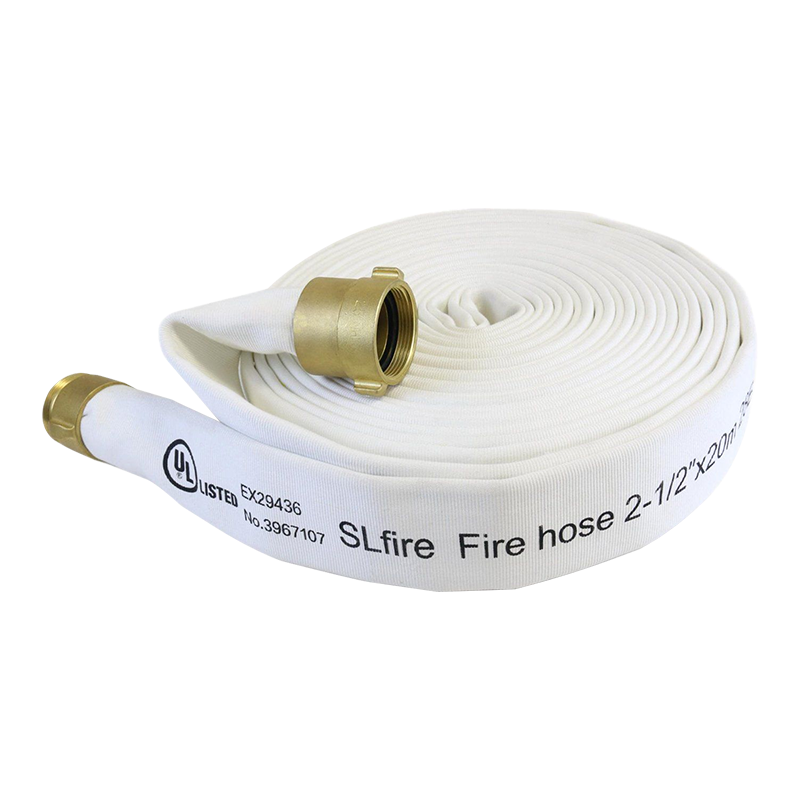 EPDM Lined Fire Hose Suppliers,EPDM Rubber Liner Attack Hose CompanyAs a China Custom EPDM Lined Fire Hose Suppliers,Single Jacket EPDM Rubber Liner Attack Hose Company, Shenlong supply wholesale Single Ja...View Product →
The same truck carries different hoses for different jobs. The pressure rating, diameter, and construction all work together. The table below sums up the general pattern.
| Duty | Typical Position | Construction Priority | Pressure Emphasis |
|---|---|---|---|
| Attack | Pump to nozzle | Single or double jacket; EPDM or TPU liner | High working pressure |
| Supply | Hydrant or water source to engine | Double jacket; EPDM or TPU liner | High flow, moderate pressure |
| Forestry | Pack line for wildland use | Single jacket; TPU liner | Low weight, good flexibility |
These are general patterns, not universal rules. Always confirm the manufacturer’s rated working pressure and test pressure for the specific hose you are buying.
Attack hose connects the pump or hydrant to the nozzle. It is the line that takes the highest pressure on the fireground because it has to overcome friction loss and still deliver a solid, reachable stream. Attack hose is routinely at the upper end of the 8-to-20 bar range, and it needs a jacket that can handle being dragged over pavement, through doorways, and over debris. The most common sizes are 1.5-inch and 2-inch lines, with larger attack lines used where high flow is needed.
Supply hose, by contrast, is asked to move large volumes of water over longer distances at lower pressure. It is usually larger in diameter than attack hose, which keeps friction loss down. The main stress on a supply line comes from handling, pressure surges, and traffic running over it, not from the nozzle stream. A double-jacket EPDM rubber lined supply hose is well suited to repeated layouts and the rough conditions around a hydrant or drafting site.
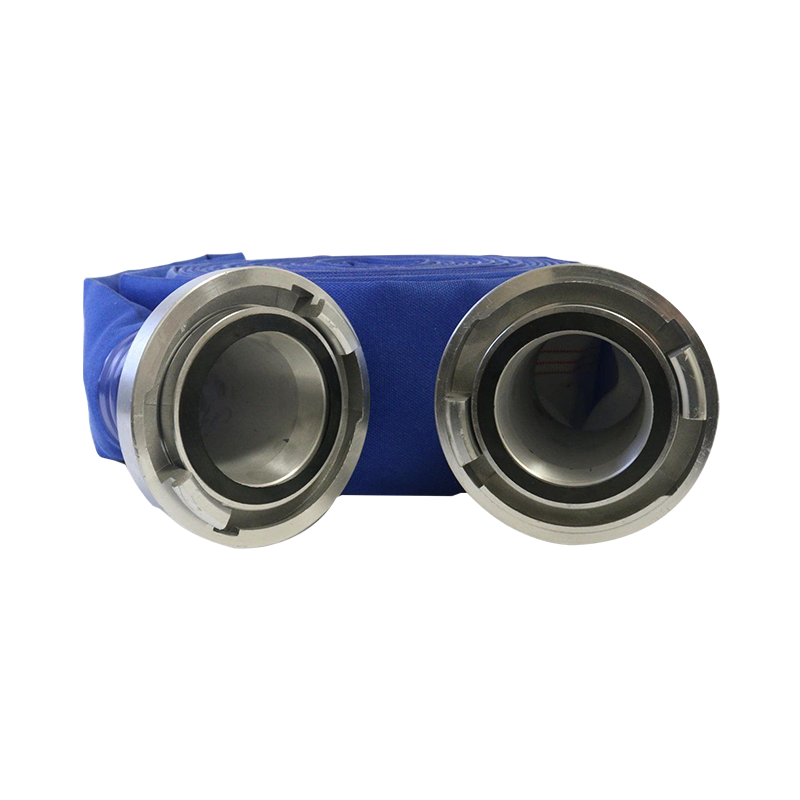 Double Jacket EPDM Rubber Liner Supply Hose Suppliers, CompanyTaizhou Shenlong Fire Science and Technology Co., Ltd is China Custom Double Jacket EPDM Rubber Liner Supply Hose Suppliers and Double Ja...View Product →
Forestry and wildland operations have a different set of priorities. A pack line has to be light enough to carry into the brush and flexible enough not to kink when it is dragged over uneven ground. TPU liners are frequently used for this type of hose because they cut weight while still allowing a useful working pressure. A single-jacket TPU lined forestry fire hose is a common choice for crews that need a compact, durable line in remote terrain.
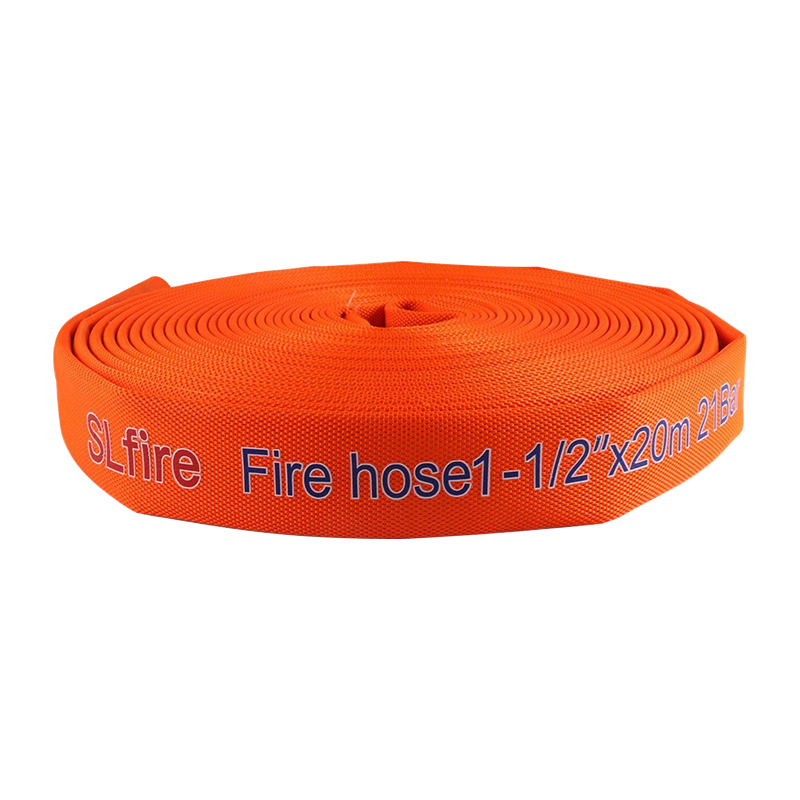 Single Jacket TPU Liner Forestry Fire Hose Suppliers, CompanyTaizhou Shenlong Fire Science and Technology Co., Ltd is China Custom Single Jacket TPU Liner Forestry Fire Hose Suppliers and Single Jac...View Product →
Marine hose is exposed to salt, sunlight, and constant flexing, so the jacket and couplings have to be corrosion resistant. Industrial hoses may have to handle oil or chemicals and are often tested at higher safety margins. In these cases, the working pressure rating you select depends on the fluid, the temperature, and the applicable industry standard. A hose that is pressure-rated for clean water may perform very differently when it is used to transfer fuel or operate in a saltwater environment.
On the fireground, working pressure is only the starting point. Friction between water and the hose wall creates a pressure drop along the entire length of the line. The longer the hose, the smaller the diameter, or the higher the flow rate, the more pressure you lose before water reaches the nozzle. Friction loss rises quickly as flow increases, which is why a line rated for 15 bar at the pump can arrive at the nozzle at much less than 15 bar after length and elevation changes.
That is why crews choose a hose with a working pressure above the desired nozzle pressure, not just equal to it. Kinked or worn hoses make the problem worse by creating extra turbulence and restricting the cross-section. If you are troubleshooting a weak stream, you can read more about how fire hoses maintain their pressure during firefighting operations.
Couplings are another weak point. A coupling that is not rated for the same pressure class as the hose can leak, pull apart, or restrict flow. Check both the thread type and the pressure rating when you connect a new hose to existing equipment. The same principle applies to nozzles; a high-pressure attack hose connected to a low-pressure nozzle creates a dangerous mismatch at the point where the crew is standing.
Pressure fire hose is a safety device, and it should be tested like one. Annual hydrostatic testing at the rated working pressure is a common practice in many departments. Before each use, inspect the jacket for blisters, fraying, or deep cuts, and feel the liner for soft spots. A hose can pass a visual inspection and still fail under pressure if the inner liner has been damaged by overtightening couplings, chemical exposure, or excessive heat.
When testing, use water rather than air. Air pressure stores far more energy and turns a failed hose into a projectile risk. During the test, keep the hose laid out straight, watch for bulges, and verify that the couplings do not leak. Record the results so you can track how the hose aged over time.
The right pressure fire hose is the one that holds its working pressure from the pump to the nozzle with a comfortable margin. Compare the three pressure numbers, match the jacket to the job, and check your couplings. When those variables line up, the hose becomes the quietest part of the fire attack instead of the weak link.
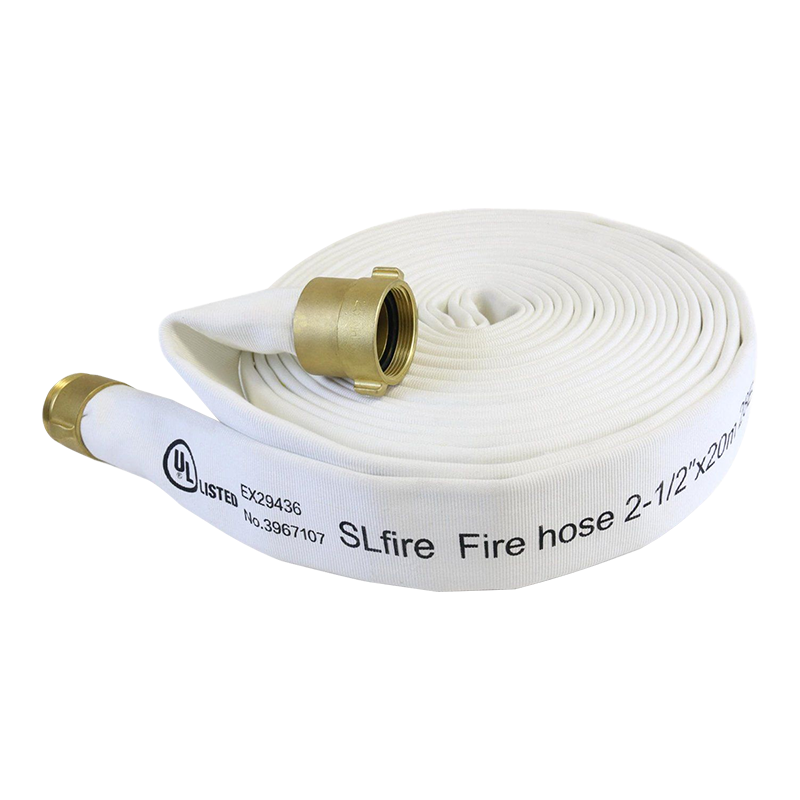
Single jacket, EPDM rubber liner Features • 100% high tenacity polyester jacket, high-grade EPDM rub...
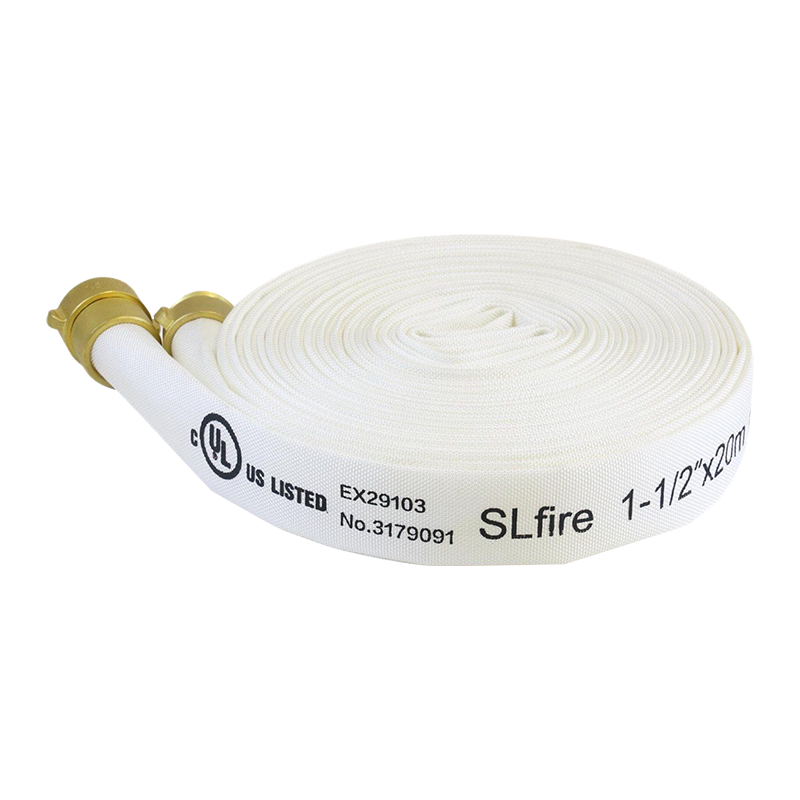
Single jacket, TPU liner •High-tenacity polyester yarn, circular woven in twill weave/plain weave,T ...
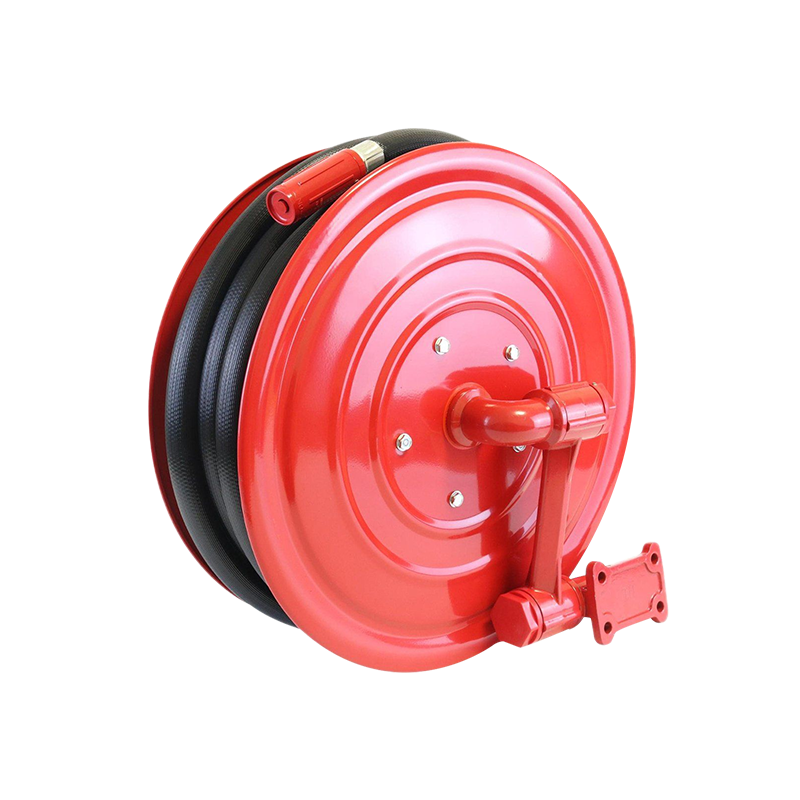
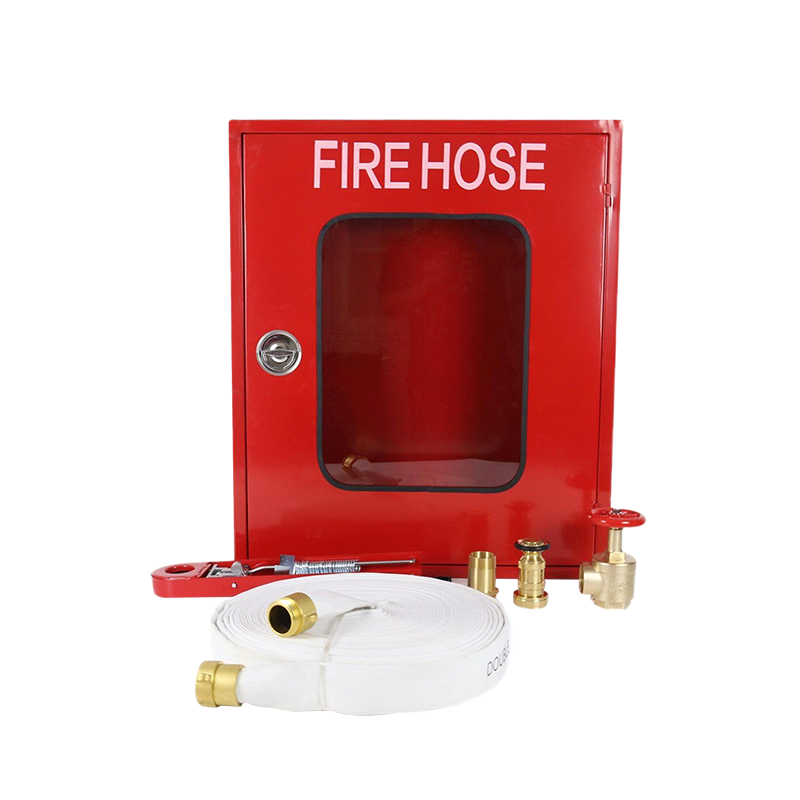
Fire cabinets are designed to accommodate fire hose,valve and other firefighting equipment. Type 201...
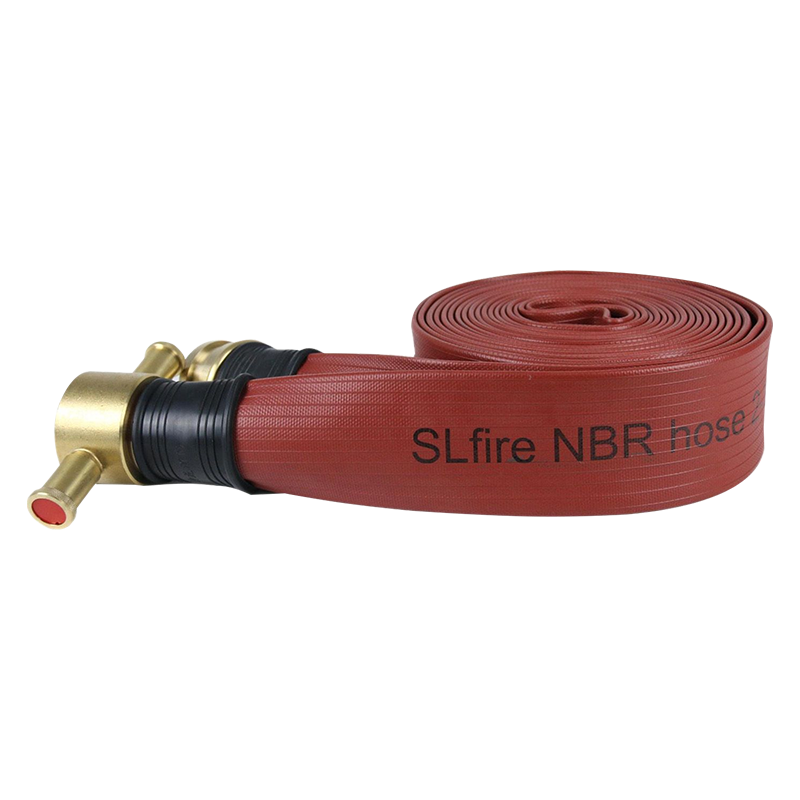
Nitrile covered hose •Nitrile/TPR blend as cover and lining, with 100% high-tenacity polyester yarn ...
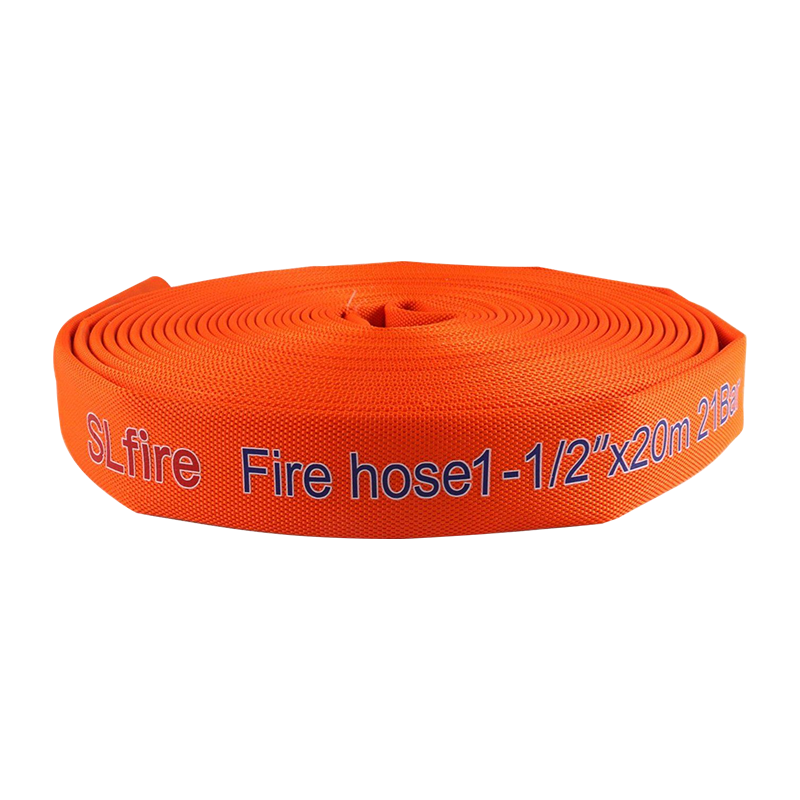
Single jacket, TPU liner •High-tenacity polyester yarn, circular woven in twill weave, TPU lining, f...
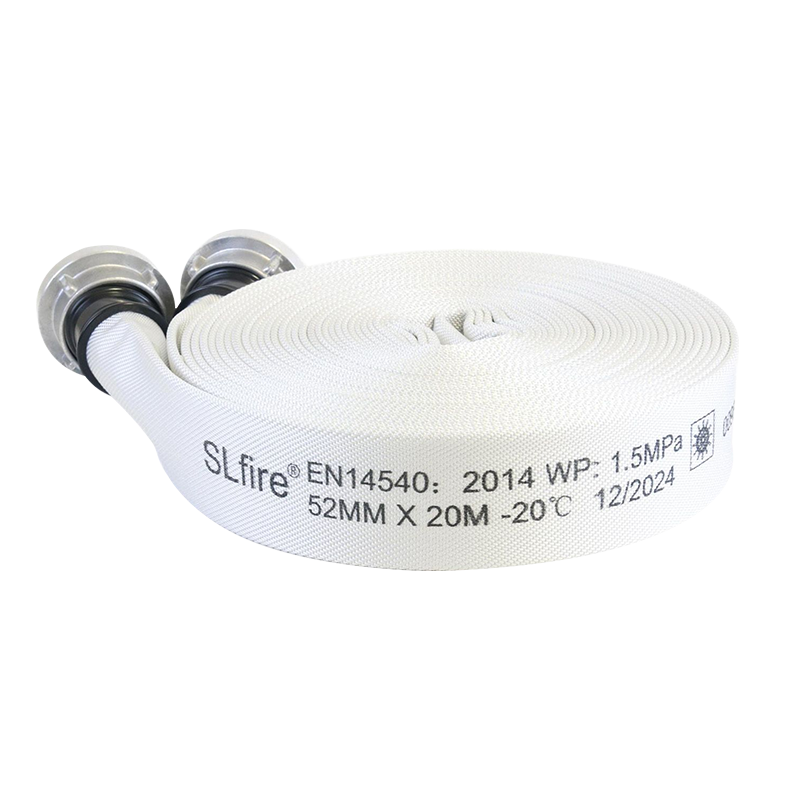
Marine hose Single jacket, PVC liner •100% high tenacity polyester yarn, circular woven in twill wea...
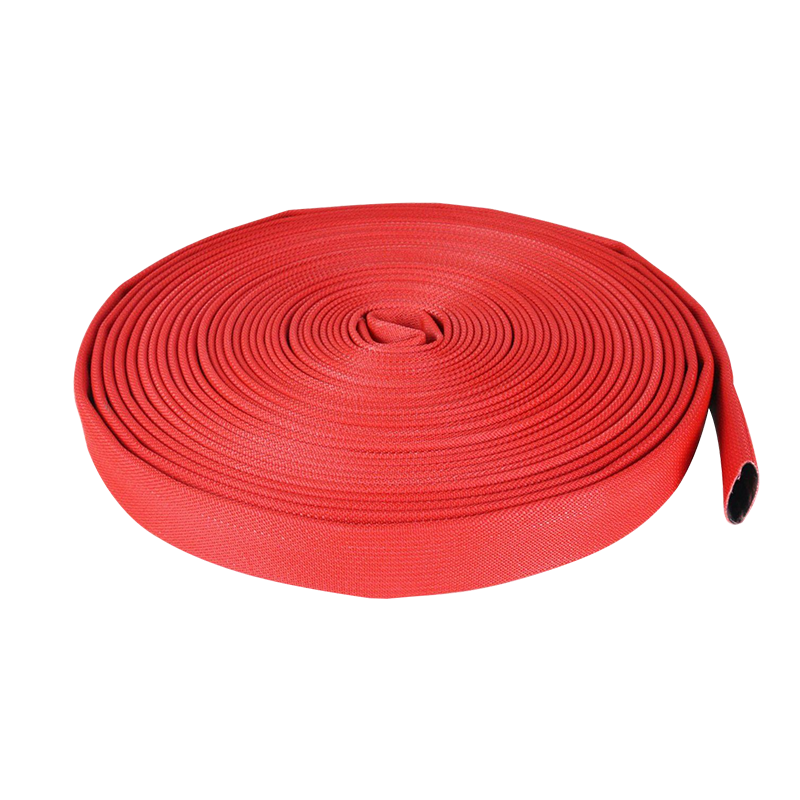
Marine hose Single jacket, PVC liner, PU coated •100% high tenacity polyester yarn,c ircular woven i...
 Call Us
+86 159-5116-9511
Need Support
Head Office
No.58, Kechuang Road, Sixiang Street Medicine Gaoxin District Taizhou City, Jiangsu Province

Every fire hose has a number printed on the jacket that crews rarely think about until the stream starts to fade: the working pressure. That number tells you how much pressure the hose can handle hou...
Copyright © Taizhou Shenlong Fire Science and Technology Co., Ltd. All Rights Reserved.
 Fire Hose Manufacturers, Fire Hydrant Hose Factory