

 English
 русский
 Español
 Deutsch
 عربى
عربى Français
 Português
Don't hesitate to send a message
Single jacket, EPDM rubber liner Features • 100% high tenacity polyester jacket, high-grade EPDM rub...
Content
An air swept round port rotary valve is a specialized type of rotary airlock feeder designed to meter and discharge bulk dry materials from pneumatic conveying systems, dust collectors, hoppers, and silos while maintaining an effective air seal between different pressure zones. What distinguishes it from a standard rotary valve is the combination of two defining features: a fully round inlet and outlet port geometry, and an integrated air sweep purge system that continuously clears product from the rotor pockets before they rotate back to the inlet. Together, these features make it uniquely suited for handling fragile, fibrous, sticky, or granular materials that would otherwise be damaged or cause blockages in conventional square-port or drop-through valve designs.
The valve operates by rotating a multi-bladed rotor inside a precision-machined housing. As each rotor pocket passes under the inlet, it fills with material. The pocket then carries the material through the housing body and discharges it at the outlet, all while the rotor tips maintain a close clearance with the housing bore to minimize air leakage. The round port design eliminates the sharp corners present in square-port valves, which are common sites for material bridging, rotor tip wear, and particle attrition. This makes the air swept round port rotary valve a high-performance solution for demanding applications in food processing, pharmaceuticals, chemicals, wood processing, and pneumatic conveying.
The air sweep feature is the most functionally important aspect that sets this valve apart from conventional rotary feeders. As the rotor pockets travel from the discharge point back toward the inlet, a controlled flow of compressed air is injected into each pocket through purge ports located in the housing end plates. This air sweep serves two critical purposes: it clears residual material from the pocket before it re-enters the inlet zone, and it pressurizes the pocket to balance the differential pressure across the valve.
Without an air sweep, residual product trapped in returning pockets can be carried back into the inlet, causing contamination, erratic feed rates, and material compaction. In systems where the downstream pressure is higher than the upstream pressure — such as positive pressure pneumatic conveying lines — unswept pockets can also act as conduits for back-pressure air to blow back into the hopper, disrupting material flow and creating dust emissions. The sweep air system counteracts this by equalizing pocket pressure before each inlet opening, resulting in consistent volumetric metering and a reliable air seal even under challenging differential pressure conditions.
The round port configuration is not merely an aesthetic distinction — it has direct consequences for valve performance, material integrity, and service life. Standard square or rectangular port rotary valves have 90-degree corners at the inlet and outlet openings where rotor blades pass. These corners create zones of high mechanical stress on the rotor tips and expose fragile materials to shear forces as blades sweep past the edges.
In a round port valve, the inlet and outlet openings are circular, matching the rotational sweep of the rotor. The rotor blade tips pass the port edge at a tangent rather than a right angle, dramatically reducing the pinch zone where material can be crushed or cut. This is especially critical when handling pelletized products, food grains, wood chips, plastic pellets, or any material where particle integrity directly impacts product quality or downstream process performance. The round port design also reduces rotor tip wear, lowers power consumption, and extends the valve's operational lifespan in abrasive service conditions.
Understanding the internal construction of an air swept round port rotary valve helps engineers and maintenance teams make informed decisions during specification and procurement. The core components include:
The material of construction must align with the product being handled, the operating environment, temperature range, and any regulatory requirements. Common options are summarized below:
| Material | Typical Use Case | Key Benefit |
| Ductile Iron | General industrial, mineral processing | Cost-effective, high strength |
| Carbon Steel | Cement, fly ash, abrasive powders | Good wear resistance, weldable |
| 304 Stainless Steel | Food, chemical, mild corrosives | Corrosion resistance, cleanability |
| 316L Stainless Steel | Pharmaceutical, chloride environments | Superior corrosion and pitting resistance |
| Hardened / Chrome-Plated | Highly abrasive minerals, sand, silica | Extended service life under abrasion |
For food and pharmaceutical applications, internal surfaces are often polished to Ra 0.8 µm or finer to eliminate product retention sites and facilitate effective cleaning-in-place (CIP) or manual washdown procedures. All product-contact elastomers and seals must comply with FDA 21 CFR or EC 1935/2004 regulations where applicable.
The air swept round port rotary valve is not a general-purpose fitting — it is an engineered solution chosen specifically when standard rotary valves fall short. Its primary industries and use cases include:
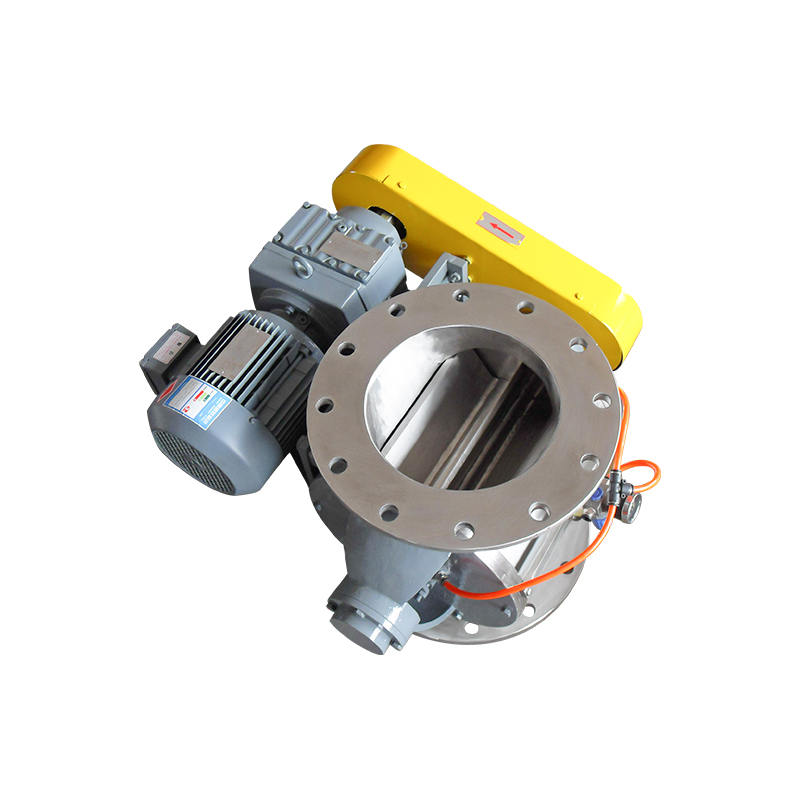
Correctly sizing an air swept round port rotary valve requires a thorough understanding of the process parameters. Undersized valves restrict throughput and create back-pressure problems, while oversized valves waste energy and may deliver inconsistent feed rates. The following factors must be evaluated during the specification process:
Routine maintenance of an air swept round port rotary valve is straightforward but must be performed consistently to prevent premature failure and maintain metering accuracy. Recommended practices include inspecting rotor tip clearances at scheduled intervals using feeler gauges — clearances that have grown beyond the manufacturer's maximum specification indicate rotor or housing wear that will compromise air sealing. Bearings should be lubricated according to the manufacturer's schedule, and bearing temperature should be monitored during operation as a leading indicator of lubrication failure or misalignment.
The air sweep system itself requires attention: purge ports should be checked for blockages, and the compressed air supply pressure and flow rate should be verified against the design specification. Insufficient sweep air pressure leads to pocket carry-back and erratic feed rates, while excessive pressure can fluidize the material in the hopper and disrupt fill consistency. End plate seals should be inspected for wear or material ingress, and replaced proactively before shaft seal failure allows product to contaminate the bearing housings. Keeping a stock of critical spare parts — including rotor blades, end plate seals, and shaft packing — minimizes unplanned downtime in continuous production environments.
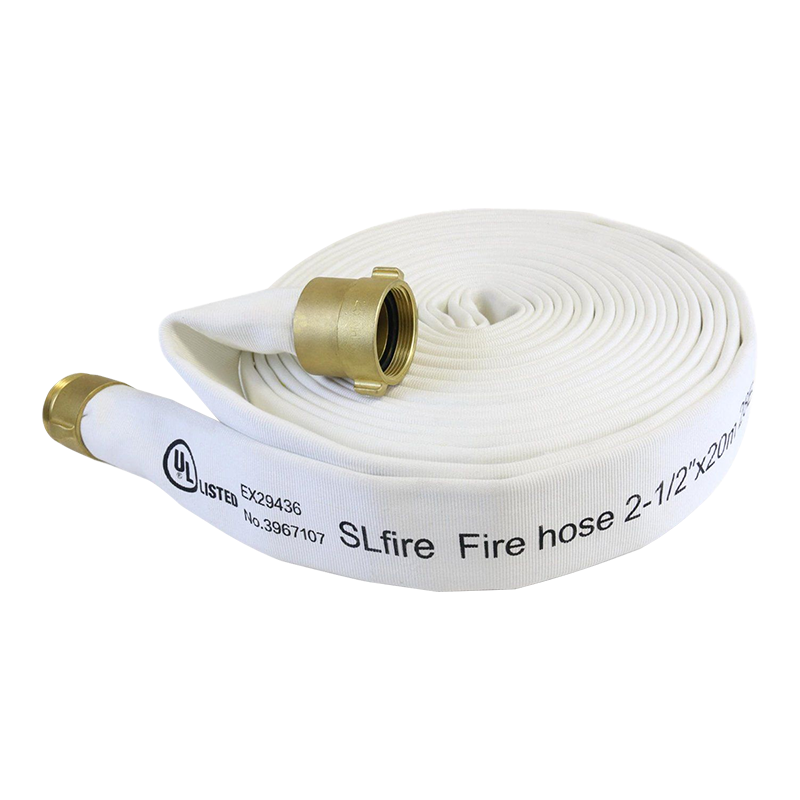
Single jacket, EPDM rubber liner Features • 100% high tenacity polyester jacket, high-grade EPDM rub...
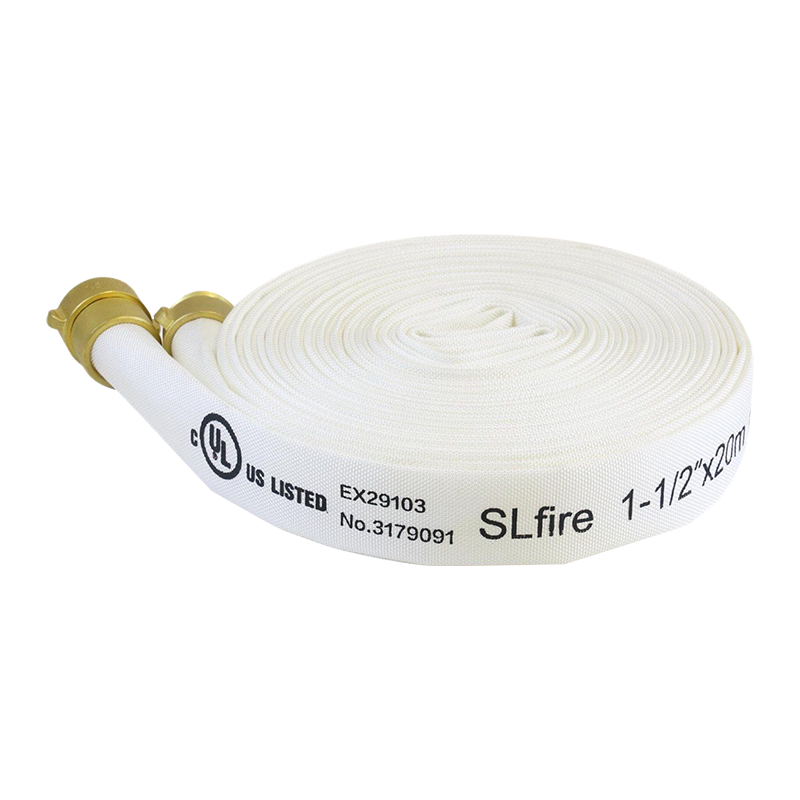
Single jacket, TPU liner •High-tenacity polyester yarn, circular woven in twill weave/plain weave,T ...
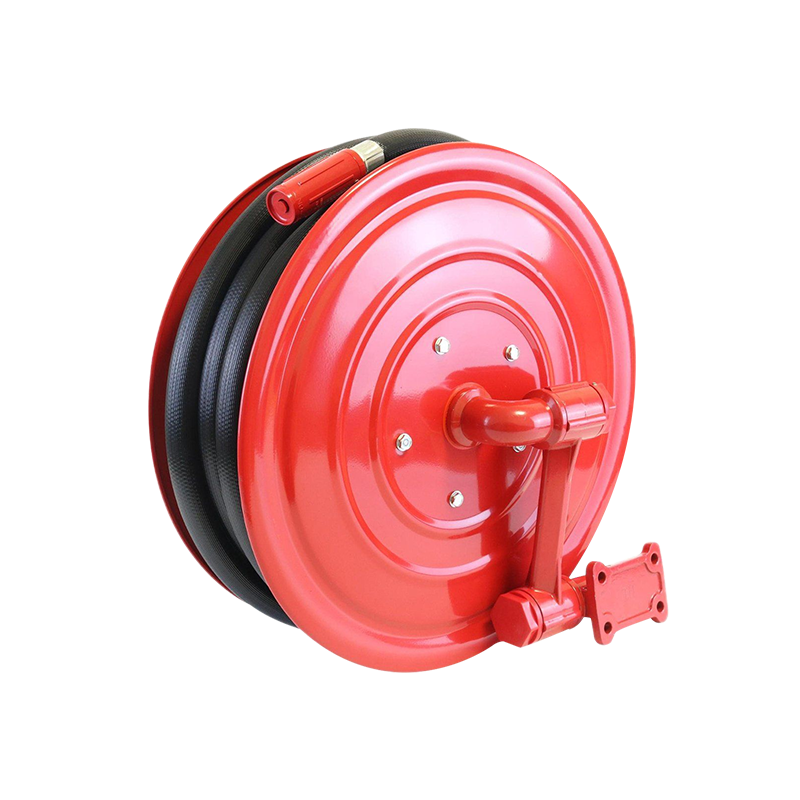
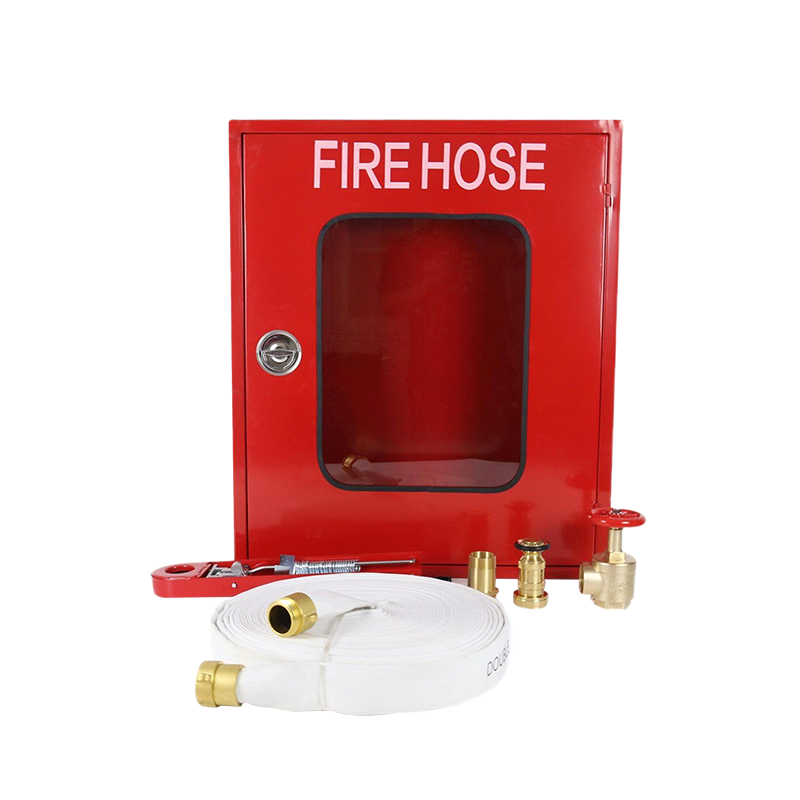
Fire cabinets are designed to accommodate fire hose,valve and other firefighting equipment. Type 201...
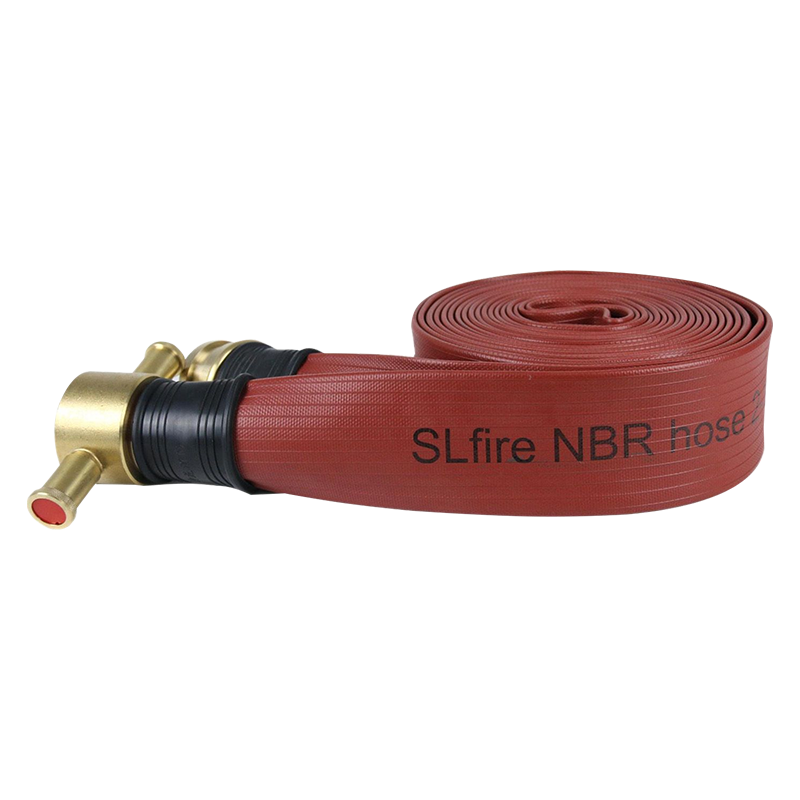
Nitrile covered hose •Nitrile/TPR blend as cover and lining, with 100% high-tenacity polyester yarn ...
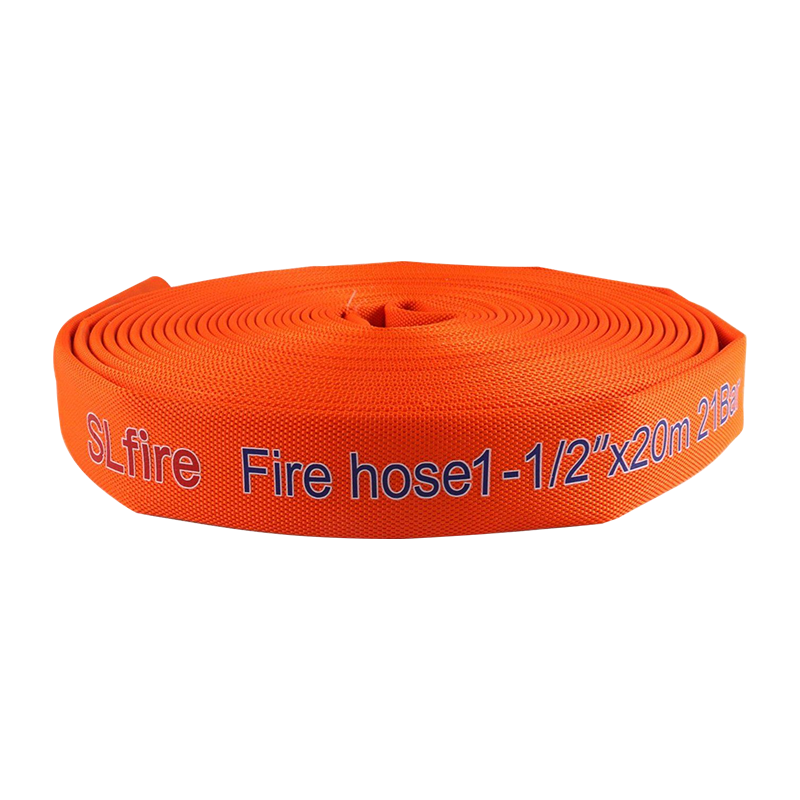
Single jacket, TPU liner •High-tenacity polyester yarn, circular woven in twill weave, TPU lining, f...
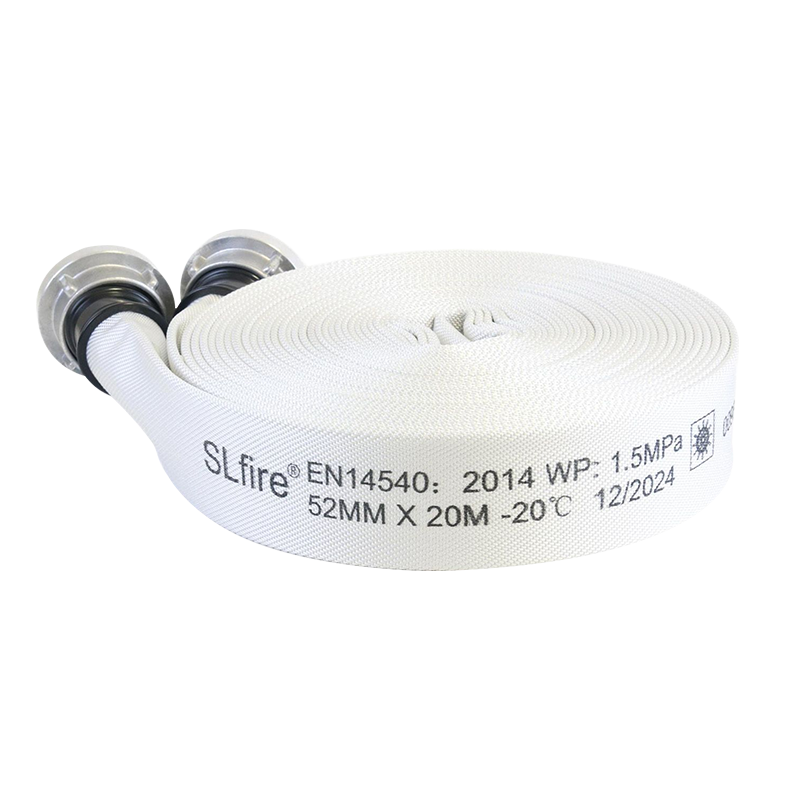
Marine hose Single jacket, PVC liner •100% high tenacity polyester yarn, circular woven in twill wea...
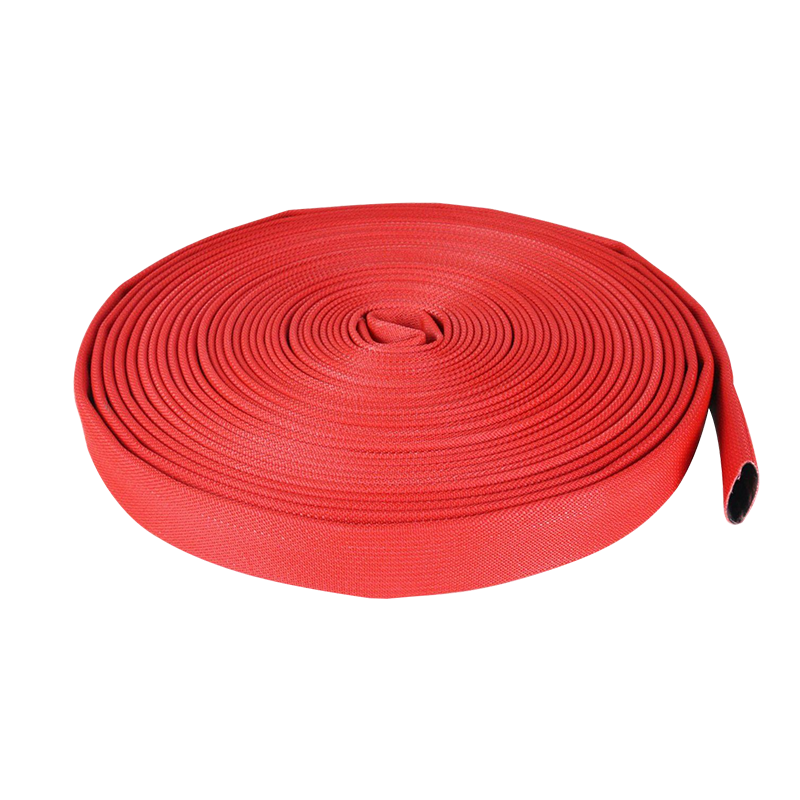
Marine hose Single jacket, PVC liner, PU coated •100% high tenacity polyester yarn,c ircular woven i...
 Call Us
+86 159-5116-9511
Need Support
Head Office
No.58, Kechuang Road, Sixiang Street Medicine Gaoxin District Taizhou City, Jiangsu Province

During a routine service test, a 200-foot attack line fails at 150 psi. The outer jacket looks fine. The problem is inside: a small delamination in the liner has pinched the bore and reduced the flow...
Copyright © Taizhou Shenlong Fire Science and Technology Co., Ltd. All Rights Reserved.
 Fire Hose Manufacturers, Fire Hydrant Hose Factory