

 English
 русский
 Español
 Deutsch
 عربى
عربى Français
 Português
Don't hesitate to send a message
Single jacket, EPDM rubber liner Features • 100% high tenacity polyester jacket, high-grade EPDM rub...
Content
A fire hose is one of the most critical pieces of equipment in any firefighting operation, yet many facility managers, safety officers, and even fire crews underestimate how much technical knowledge goes into selecting and maintaining the right hose for the job. From construction materials and pressure ratings to coupling types and storage protocols, every detail matters when lives and property are on the line. This article provides a thorough, practical breakdown of fire hose fundamentals to help you make informed decisions.
Understanding the anatomy of a fire hose helps explain why different hoses perform differently under pressure and in varied environments. A standard fire hose consists of multiple layers, each serving a specific structural or functional role.
The innermost layer is the liner, typically made from synthetic rubber, EPDM (ethylene propylene diene monomer), or thermoplastic. This layer must be watertight and resistant to the chemicals it may carry, including foam concentrates used in suppression systems. Surrounding the liner is the reinforcement layer, usually constructed from woven polyester or nylon yarn braided at precise angles to handle radial and longitudinal stress when the hose is pressurized. The outermost jacket protects the reinforcement from abrasion, UV degradation, heat, and mechanical damage during dragging across rough surfaces.
Some hoses feature a double-jacket construction, where two woven layers surround the liner for added durability in high-demand environments. Others are single-jacket, offering a lighter, more flexible option for situations where ease of handling is prioritized over maximum durability.
Fire hoses are not interchangeable. The type you need depends on whether you are fighting a structure fire, supplying water from a hydrant, or managing an industrial hazard. Below is a breakdown of the primary categories:
Attack hoses are used directly in firefighting operations, connecting the nozzle to the water supply at the front line. They typically range from 1.5 inches to 3 inches in diameter and are built to withstand operating pressures between 100 and 300 PSI. These hoses must be flexible enough for firefighters to maneuver in confined or cluttered environments while maintaining structural integrity under sustained pressure.
Supply hoses, often called large diameter hoses (LDH), transport water from hydrants or tankers to the pumping apparatus. They typically measure 4 to 6 inches in diameter and operate at lower pressures — usually 50 to 185 PSI. Their large bore allows high-volume water flow, making them essential for sustained operations where maintaining water supply to pump engines is critical.
Forestry hoses are lightweight, small-diameter hoses designed for wildland firefighting where personnel must carry equipment over uneven terrain for extended distances. They are typically 1 inch in diameter and constructed from abrasion-resistant materials that can withstand contact with rocks, roots, and debris. Weight and packability are key performance criteria for this category.
Booster hoses are semi-rigid rubber hoses stored on reels, used for small fires and mop-up operations. They do not collapse when not pressurized, which allows for quick deployment from a reel without the need to lay out and charge a full hose line. Common in both municipal fire apparatus and industrial settings, booster hoses typically measure 0.75 to 1 inch in diameter.
Suction hoses are hard or semi-rigid hoses that allow fire pumps to draw water from static sources such as ponds, rivers, or open tanks. Unlike pressure hoses, suction hoses must resist collapsing under negative pressure (vacuum). They are typically reinforced with a rigid helix or wire spiral embedded within the wall to maintain their circular cross-section during drafting operations.
Every fire hose carries pressure ratings that define safe operating parameters. Confusing these ratings — or ignoring them — can result in catastrophic hose failure during an emergency. The three primary pressure values to understand are:
Standards bodies such as NFPA (National Fire Protection Association) in the United States and EN (European Norm) in Europe publish specifications that define minimum pressure performance requirements. NFPA 1961, for example, establishes standards for fire hose design, construction, and testing in the US market.
Couplings are the metal fittings at each end of a fire hose that connect it to hydrants, pumps, nozzles, and other hose sections. Selecting the wrong coupling type can make it impossible to connect equipment from different manufacturers or jurisdictions — a critical problem during mutual aid operations.
| Coupling Type | Connection Method | Common Use |
| Storz | Symmetrical, quarter-turn | LDH supply lines, European standard |
| NST (National Standard Thread) | Threaded, male/female | US attack and supply hoses |
| NPSH (National Pipe Straight Hose) | Straight thread with gasket | Booster lines, garden-style connections |
| Camlock | Cam-lever locking | Industrial and municipal supply lines |
| Guillemin | Symmetrical, snap-lock | French/European fire services |
Coupling materials also vary: aluminum is lightweight and corrosion-resistant, making it ideal for attack hoses, while brass offers greater durability and is often used in hydrant connections and industrial systems. When purchasing replacement hoses or adapters, always confirm thread pitch, diameter, and coupling standard before ordering.
Improper storage is one of the leading causes of premature fire hose degradation. A hose stored incorrectly may develop flat spots, mildew, cracking, or coupling damage that compromises its performance when it is needed most. The three most common storage methods each have specific advantages:
The straight roll method coils the hose into a cylindrical bundle that can be carried over the shoulder or stored in a hose bed. It is one of the most common methods for attack hose and is easy to deploy by allowing the roll to uncoil as it is advanced toward the fire. However, straight rolls require the hose to be re-rolled after each use, which takes time.
In the donut roll, the hose is folded back on itself before rolling, placing both couplings on the outside of the bundle. This makes it easy to connect the hose at both ends without unrolling, which is advantageous for rapid deployment scenarios. It is a preferred method for hose packs carried by wildland firefighters.
Flat loading stores hose in parallel folds inside a hose bed on a fire apparatus. This method allows large quantities of hose to be packed efficiently and deployed quickly as the vehicle moves. Accordion and horseshoe flat loads are variations that enable a single firefighter to pull and advance the hose without the coil binding or tangling during deployment.
A regular inspection and testing program is not optional — it is required by most national fire codes and insurance standards. Following a structured schedule identifies damage before it becomes a failure during an emergency response.
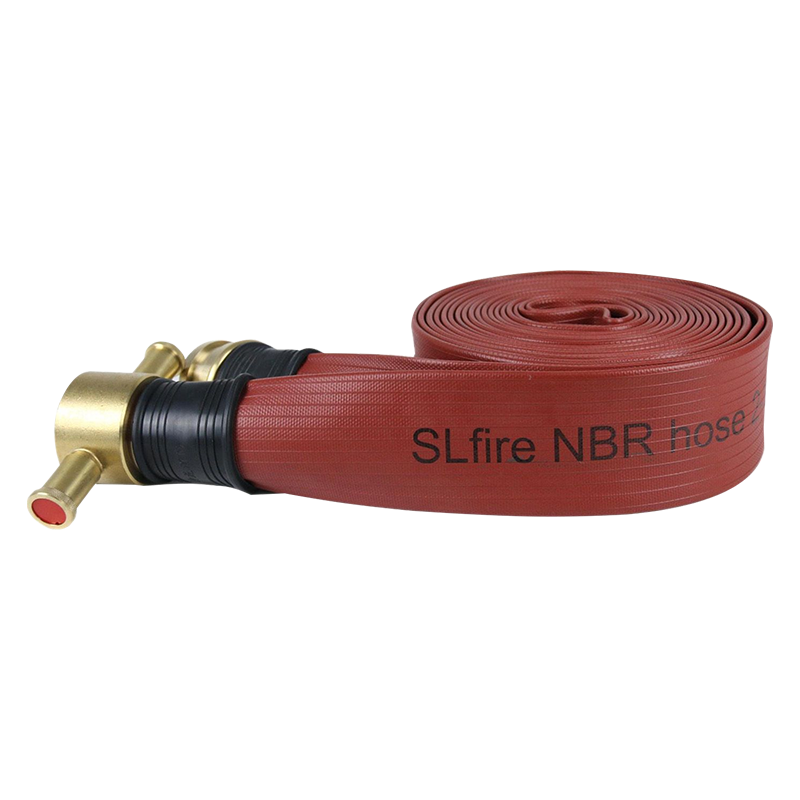
Understanding failure modes helps firefighters and safety managers take targeted preventive action rather than replacing hoses reactively. The most frequently observed causes of fire hose failure include:
Choosing a fire hose requires matching the hose specifications precisely to the operational demands it will face. Start by identifying the application — structure attack, wildland firefighting, industrial suppression, or hydrant supply — and then evaluate the following criteria in sequence: required working pressure, diameter and flow rate, jacket construction and abrasion resistance, coupling type and thread standard, and weight constraints for the personnel or apparatus carrying it.
For facilities maintaining internal fire hose cabinets under building codes, confirm that the hose diameter, length, and nozzle combination comply with local fire authority requirements. Many jurisdictions mandate specific hose lengths (commonly 100 feet) and nozzle flow rates for Class II and Class III standpipe systems. Purchasing a hose that does not meet these specifications can result in failed inspections and uninsured liability in the event of a fire.
When in doubt, consult directly with your local authority having jurisdiction (AHJ) or a certified fire protection engineer before making a purchase decision. The right fire hose, properly maintained and correctly deployed, is one of the most reliable tools in the firefighting arsenal — but only when it has been chosen with care and technical precision.
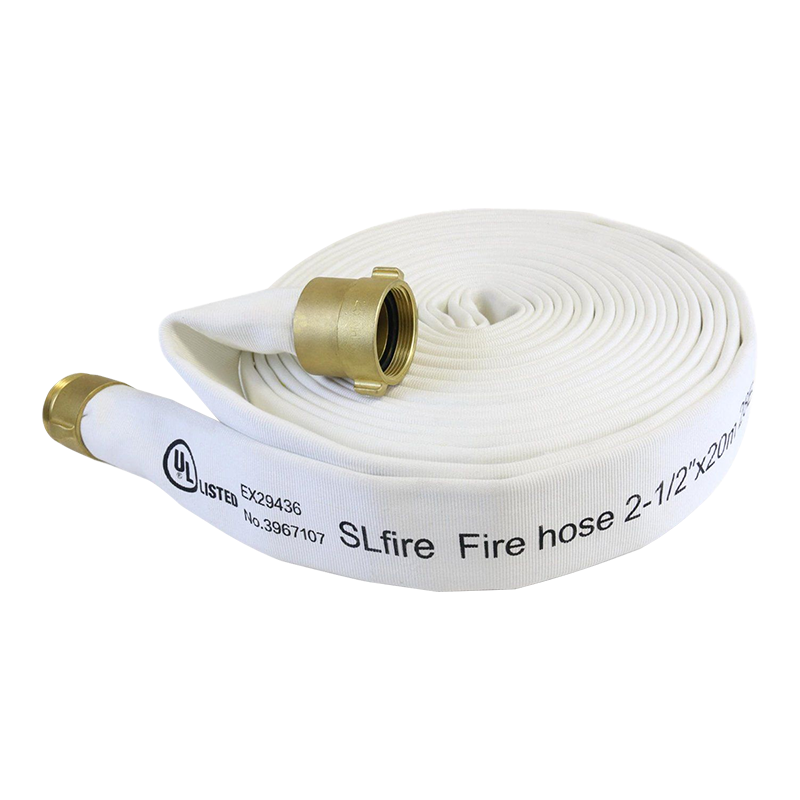
Single jacket, EPDM rubber liner Features • 100% high tenacity polyester jacket, high-grade EPDM rub...
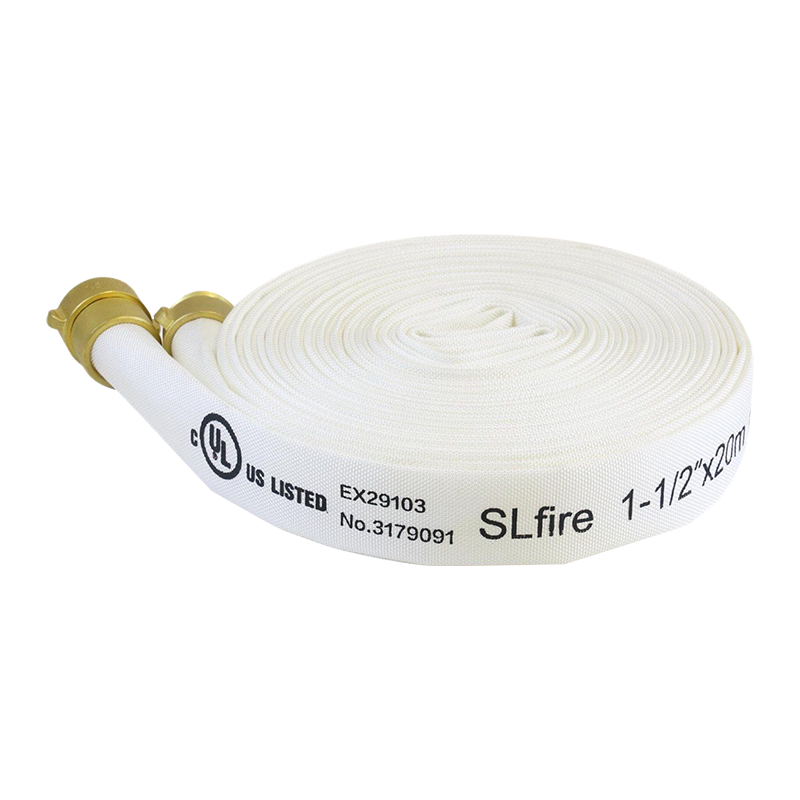
Single jacket, TPU liner •High-tenacity polyester yarn, circular woven in twill weave/plain weave,T ...
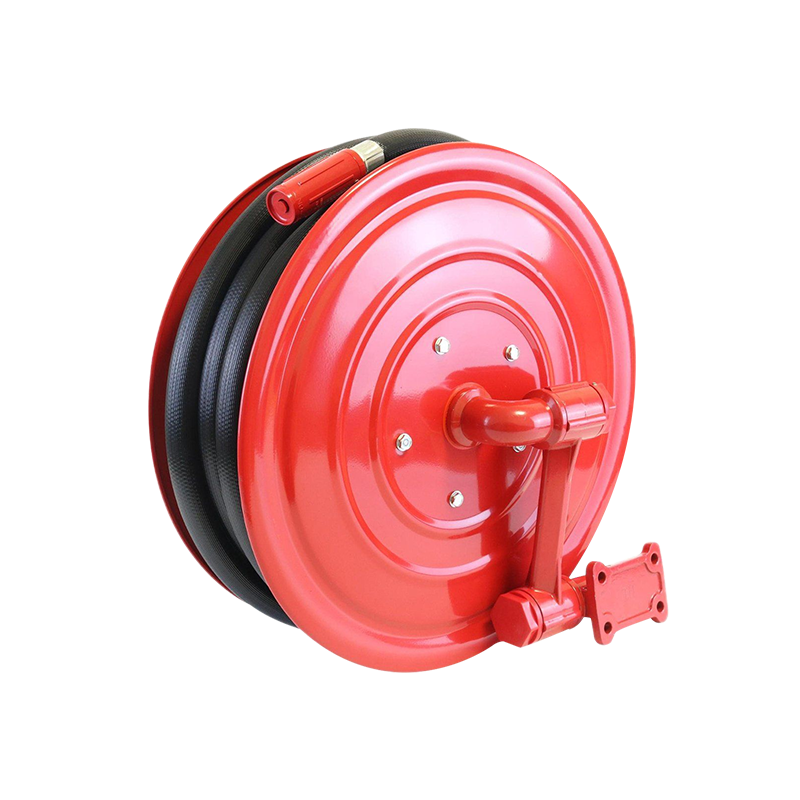
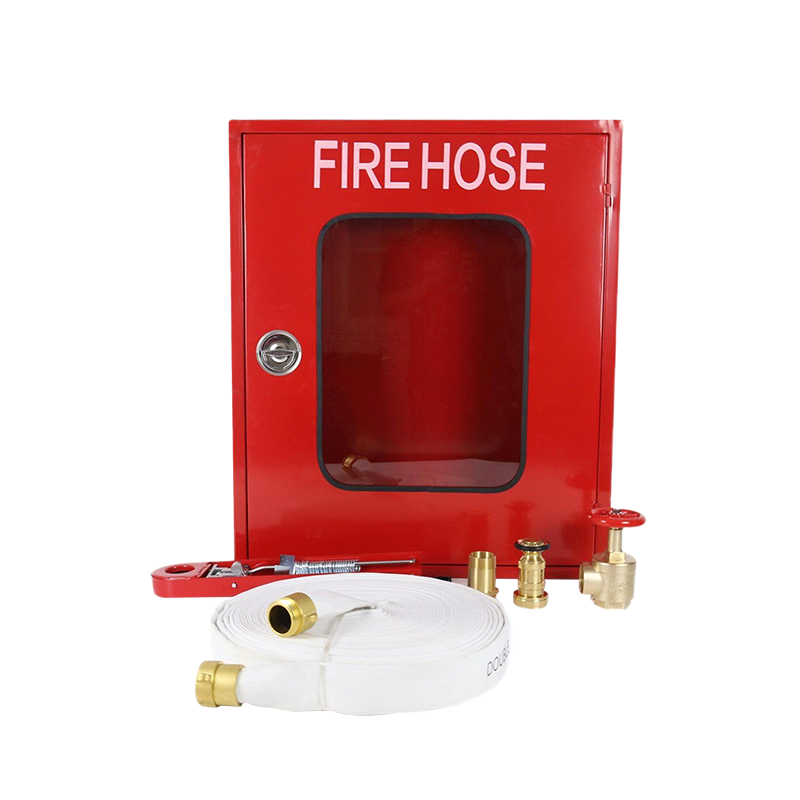
Fire cabinets are designed to accommodate fire hose,valve and other firefighting equipment. Type 201...

Nitrile covered hose •Nitrile/TPR blend as cover and lining, with 100% high-tenacity polyester yarn ...
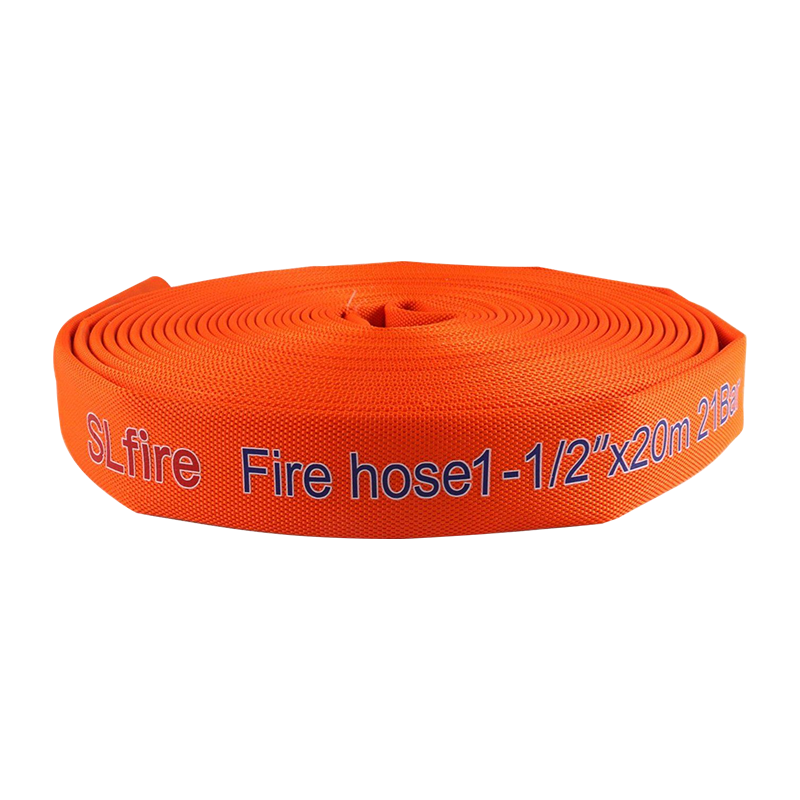
Single jacket, TPU liner •High-tenacity polyester yarn, circular woven in twill weave, TPU lining, f...
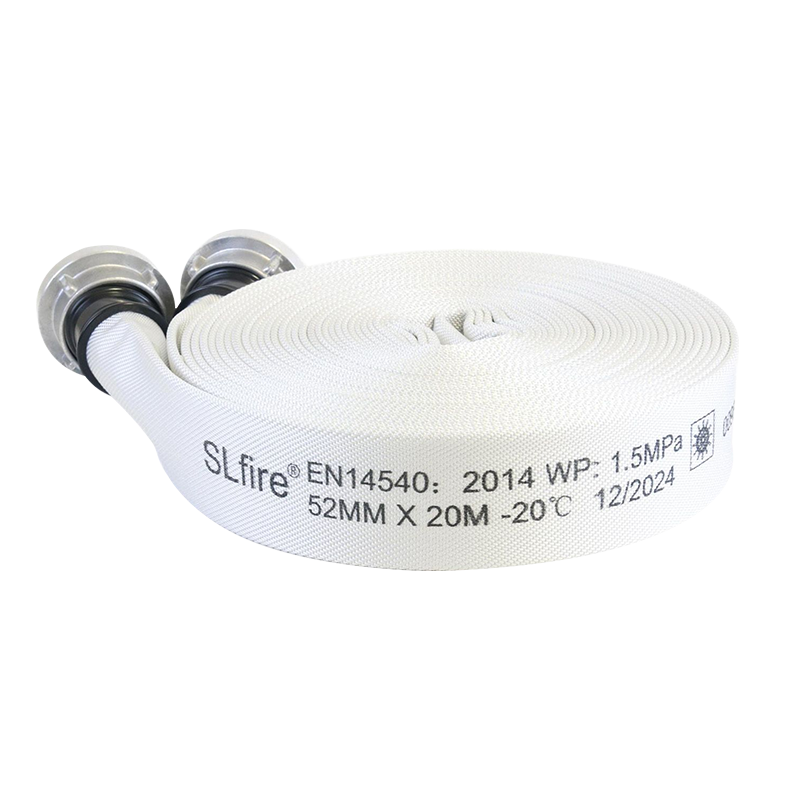
Marine hose Single jacket, PVC liner •100% high tenacity polyester yarn, circular woven in twill wea...
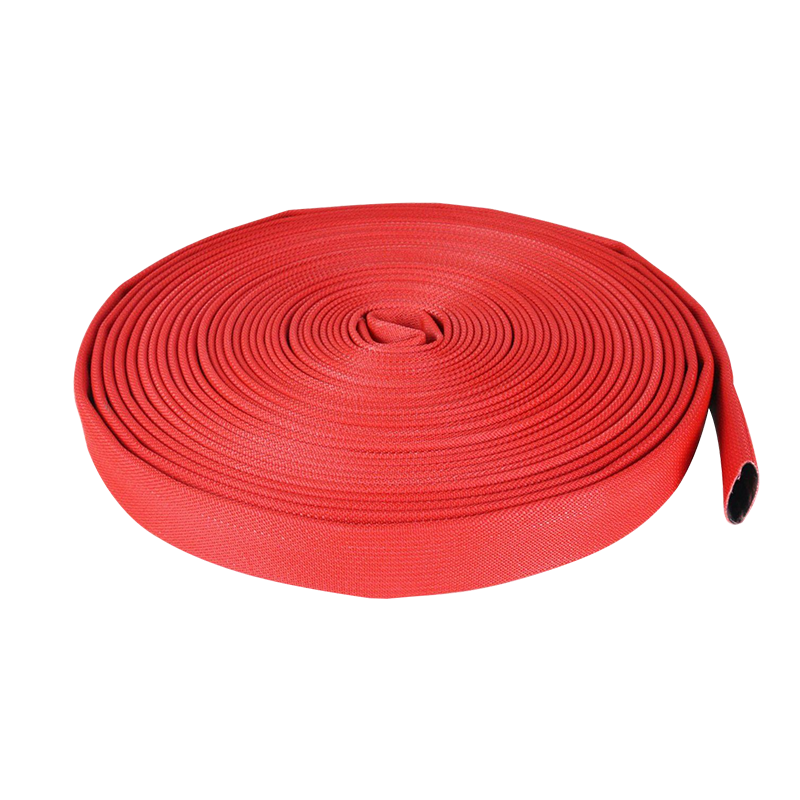
Marine hose Single jacket, PVC liner, PU coated •100% high tenacity polyester yarn,c ircular woven i...
 Call Us
+86 159-5116-9511
Need Support
Head Office
No.58, Kechuang Road, Sixiang Street Medicine Gaoxin District Taizhou City, Jiangsu Province

During a routine service test, a 200-foot attack line fails at 150 psi. The outer jacket looks fine. The problem is inside: a small delamination in the liner has pinched the bore and reduced the flow...
Copyright © Taizhou Shenlong Fire Science and Technology Co., Ltd. All Rights Reserved.
 Fire Hose Manufacturers, Fire Hydrant Hose Factory