

 English
 русский
 Español
 Deutsch
 عربى
عربى Français
 Português
Don't hesitate to send a message
Single jacket, EPDM rubber liner Features • 100% high tenacity polyester jacket, high-grade EPDM rub...
Content
Marine fire hoses are engineered specifically for the harsh conditions found aboard ships and offshore platforms, which sets them apart from the fire hoses used in land-based firefighting. Unlike standard hoses, marine versions must withstand constant exposure to saltwater, extreme humidity, and the vibration and movement of a vessel underway. They also need to resist degradation from fuel oils, hydraulic fluids, and chemicals that might be present in engine rooms or cargo holds. Because space aboard a ship is limited and access to replacement equipment at sea is not always possible, marine fire hoses are built with reinforced linings and jackets designed to last through years of saltwater exposure without cracking or losing pressure integrity. Understanding these baseline differences helps explain why choosing the correct hose type for a vessel is a safety decision, not just a procurement one.
Several distinct hose types are used across commercial ships, naval vessels, and offshore rigs, each suited to different firefighting scenarios and equipment setups. Knowing which type applies to which situation is essential for compliance with maritime safety regulations and for effective emergency response.
Woven jacket hoses feature a rubber or synthetic lining wrapped in a tightly woven fabric exterior, typically made from polyester. This construction gives the hose flexibility for maneuvering through tight corridors and stairwells while still providing enough abrasion resistance to survive being dragged across metal decking. Woven jacket hoses are among the most common types found on cargo ships and tankers because they balance weight, flexibility, and durability effectively.
Rubber-covered hoses have a solid rubber exterior rather than a woven fabric jacket, making them more resistant to chemical exposure and prolonged UV contact on open decks. These hoses tend to be heavier and less flexible than woven jacket versions, but their toughness makes them a preferred choice in engine rooms and areas where fuel or oil spills are more likely.
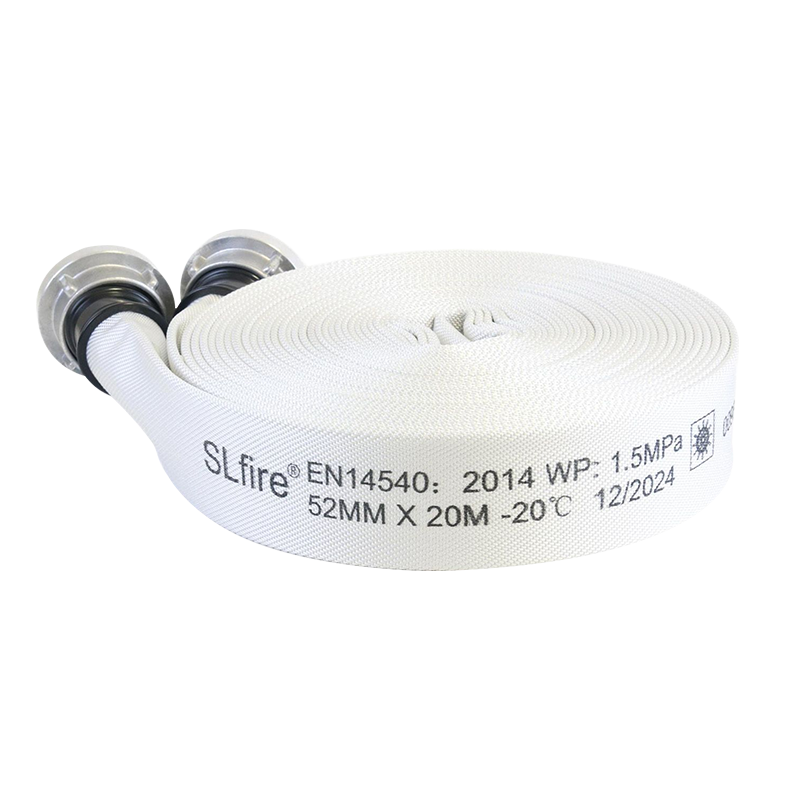
Collapsible hoses flatten completely when not under pressure, which makes them easier to store in confined spaces such as hose lockers or stairwell cabinets common on smaller vessels. Once water pressure is applied, the hose expands into its full round shape. This design is especially valuable on ships where every inch of storage space matters.
Choosing between these hose types often comes down to weighing flexibility against chemical resistance and storage needs. The table below summarizes the main tradeoffs to help crews and safety officers make informed decisions when selecting or replacing shipboard equipment.
| Hose Type | Flexibility | Chemical Resistance | Typical Location |
| Woven Jacket | High | Moderate | Corridors, deck stations |
| Rubber-Covered | Low | High | Engine rooms, fuel areas |
| Collapsible | High | Moderate | Storage lockers, small vessels |
The inner lining of a marine fire hose is typically made from nitrile rubber or EPDM (ethylene propylene diene monomer), both of which resist oil, saltwater corrosion, and temperature extremes. The outer jacket, whether woven or solid rubber, is reinforced with polyester or nylon fibers that add tensile strength without significantly increasing weight. Brass or stainless steel couplings connect hose sections and attach to onboard hydrants, chosen specifically for their corrosion resistance in a marine environment where standard steel fittings would rust quickly. Some hoses also include a UV-resistant outer coating to prevent the jacket from breaking down when stored or used on exposed weather decks.
Marine fire hoses come in standardized sizes to ensure compatibility with fittings across different vessels and ports. Common diameters range from 1.5 inches for smaller vessels and confined spaces, up to 2.5 inches for larger cargo ships and firefighting vessels that require higher water flow rates. Standard hose lengths are typically 15 or 30 meters (about 50 or 100 feet), coiled or folded to fit standard hose reels and storage cabinets. Regulatory bodies such as the International Maritime Organization (IMO) specify minimum requirements for hose diameter, length, and quantity based on vessel size and type, so crews should always confirm their equipment meets the applicable class and flag state requirements.
Regular inspection is critical since a hose that fails during an actual fire emergency can have severe consequences. Crews should visually check hoses monthly for cracks, abrasions, or soft spots along the jacket, paying particular attention to areas near the couplings where stress concentrates during use. Pressure testing, typically conducted annually, confirms that a hose can handle its rated working pressure without bursting or leaking at the seams. Hoses should be fully dried before storage to prevent mildew growth inside the lining, and they should be rotated periodically so that no single hose sees excessive wear from repeated drills. Proper coiling technique also matters, since tight, uneven coils can create stress points that weaken the hose material over time.
Selecting the correct marine fire hose depends on the vessel's size, the areas it needs to cover, and the specific hazards present onboard. Smaller fishing vessels or workboats often rely on collapsible hoses for their compact storage, while larger tankers and cargo ships typically stock a combination of woven jacket hoses for general deck use and rubber-covered hoses for engine room protection. Consulting the vessel's fire safety plan and relevant classification society requirements ensures that hose selection aligns with both practical needs and regulatory obligations. Investing in quality hoses built specifically for marine conditions, rather than adapting land-based equipment, remains the most reliable way to ensure readiness when an emergency occurs at sea.
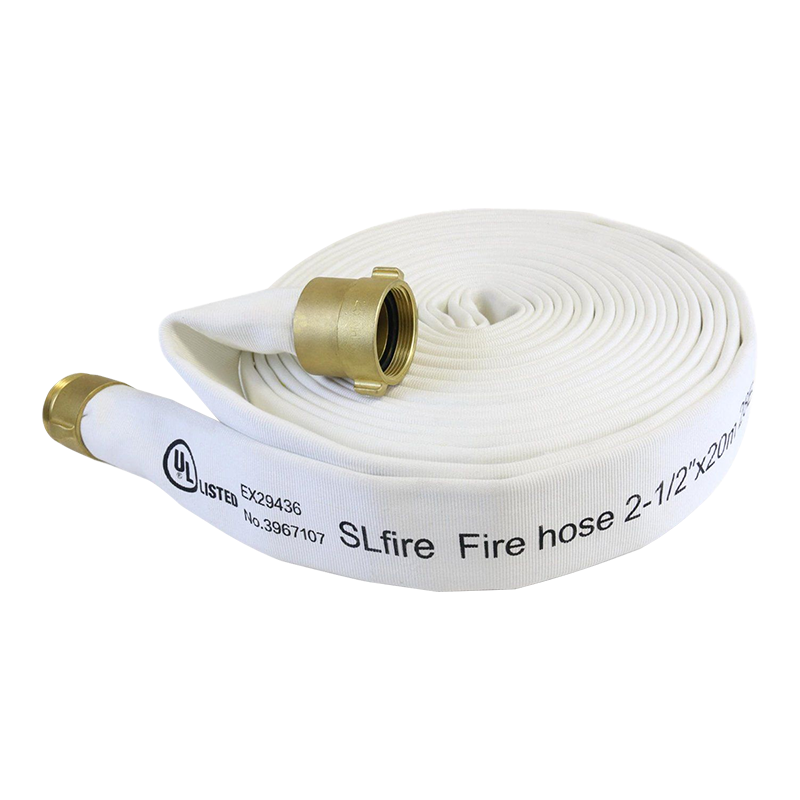
Single jacket, EPDM rubber liner Features • 100% high tenacity polyester jacket, high-grade EPDM rub...
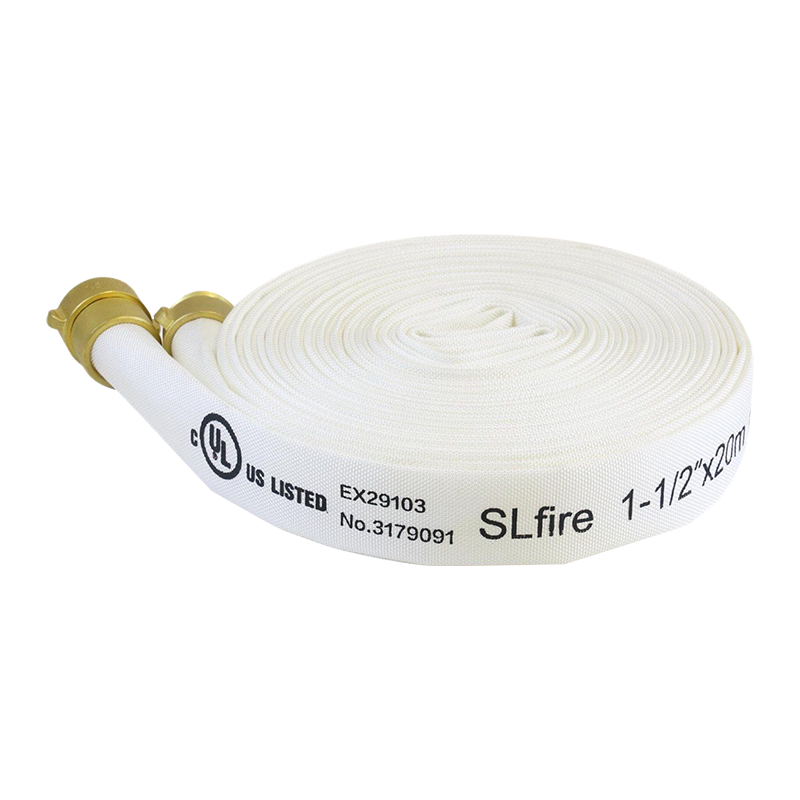
Single jacket, TPU liner •High-tenacity polyester yarn, circular woven in twill weave/plain weave,T ...
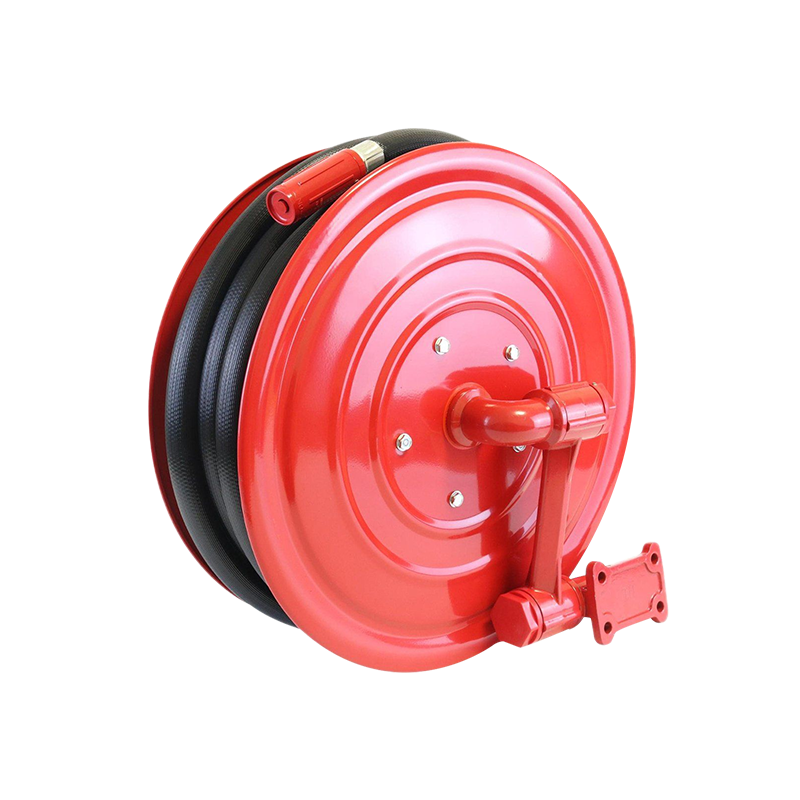
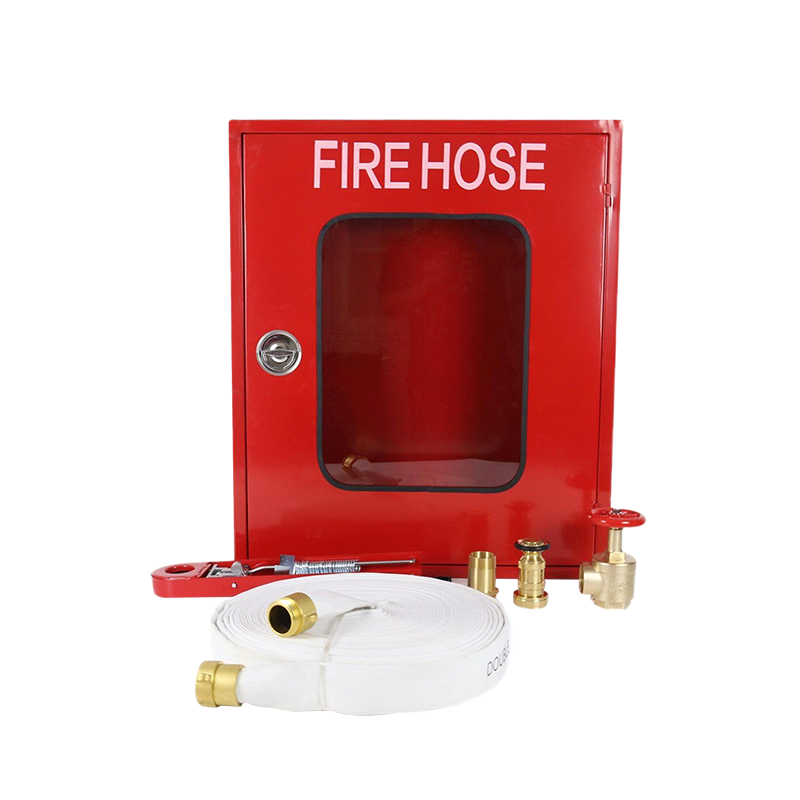
Fire cabinets are designed to accommodate fire hose,valve and other firefighting equipment. Type 201...
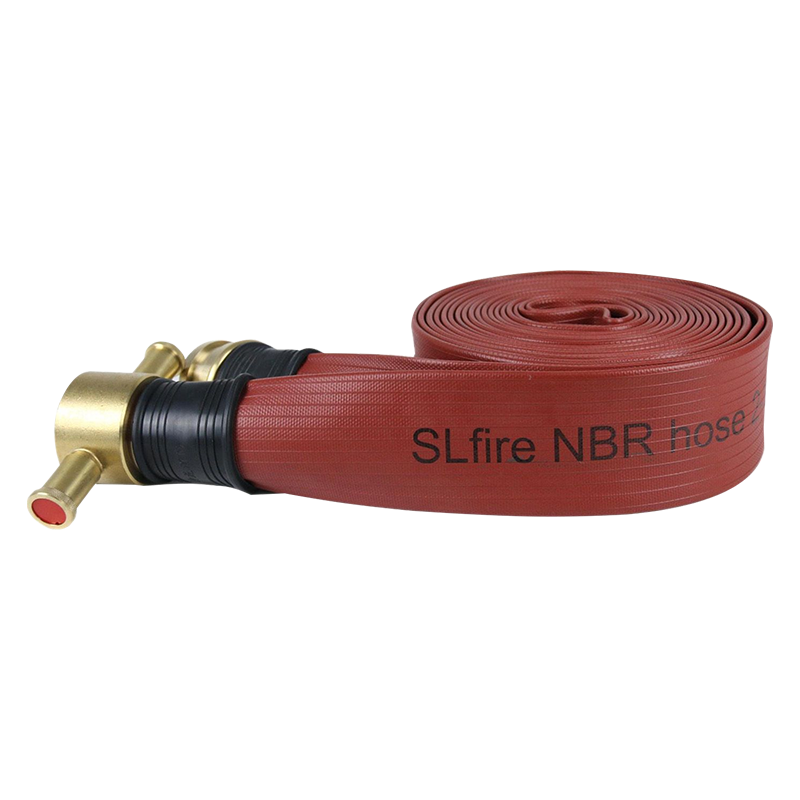
Nitrile covered hose •Nitrile/TPR blend as cover and lining, with 100% high-tenacity polyester yarn ...
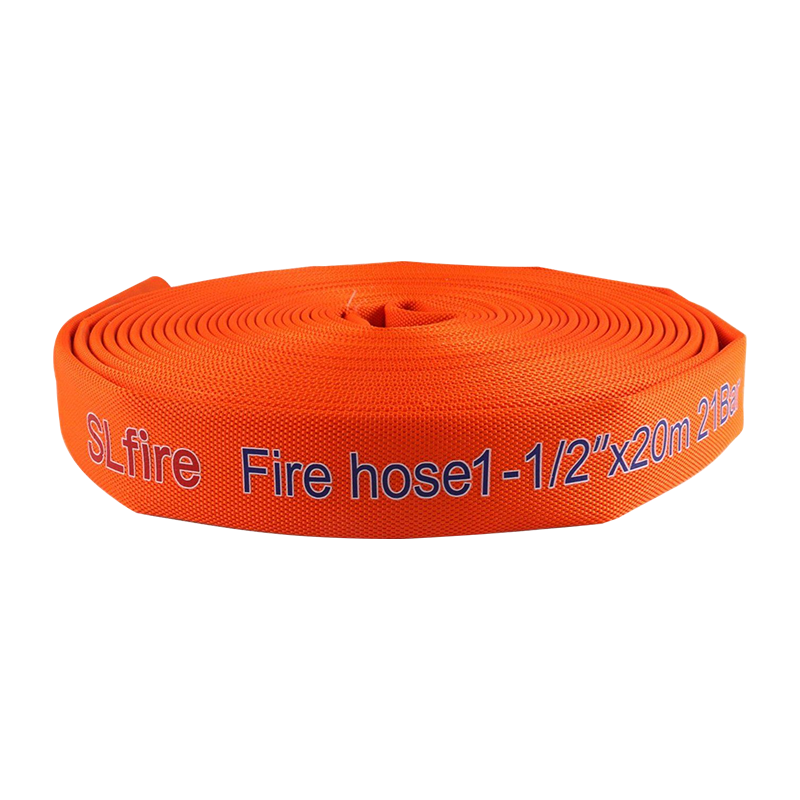
Single jacket, TPU liner •High-tenacity polyester yarn, circular woven in twill weave, TPU lining, f...

Marine hose Single jacket, PVC liner •100% high tenacity polyester yarn, circular woven in twill wea...
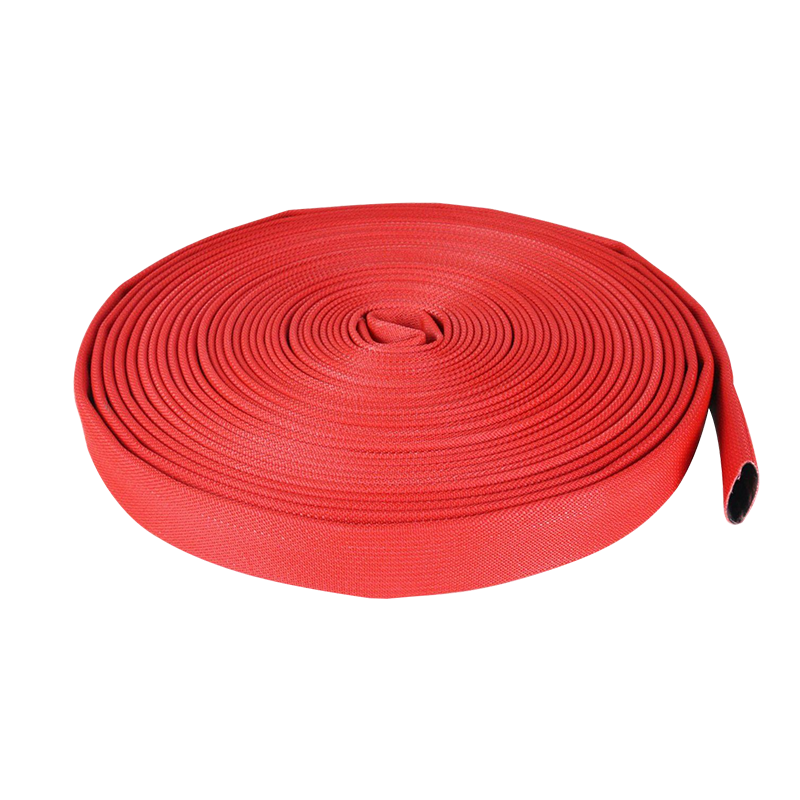
Marine hose Single jacket, PVC liner, PU coated •100% high tenacity polyester yarn,c ircular woven i...
 Call Us
+86 159-5116-9511
Need Support
Head Office
No.58, Kechuang Road, Sixiang Street Medicine Gaoxin District Taizhou City, Jiangsu Province

During a routine service test, a 200-foot attack line fails at 150 psi. The outer jacket looks fine. The problem is inside: a small delamination in the liner has pinched the bore and reduced the flow...
Copyright © Taizhou Shenlong Fire Science and Technology Co., Ltd. All Rights Reserved.
 Fire Hose Manufacturers, Fire Hydrant Hose Factory