

 English
 русский
 Español
 Deutsch
 عربى
عربى Français
 Português
Don't hesitate to send a message
Single jacket, EPDM rubber liner Features • 100% high tenacity polyester jacket, high-grade EPDM rub...
Content
Fire hose racks and reels are more than simple storage equipment; they are a critical part of a facility's overall fire response readiness. A properly selected and maintained rack or reel ensures that hose can be deployed quickly and without tangling or damage during an emergency, when every second matters. Poorly chosen or improperly maintained storage equipment, on the other hand, can lead to kinked hose, delayed deployment, or even equipment failure at the exact moment it is needed most.
Beyond emergency performance, fire hose racks and reels also play a role in code compliance, since most jurisdictions have specific requirements governing how fire hose must be stored, accessed, and maintained within commercial and industrial buildings. Understanding the available equipment types and how to match them to a facility's specific layout and hazard profile is an important step in building an effective fire protection system.
While often discussed together, fire hose racks and fire hose reels are distinct types of equipment, each suited to different facility needs and hose configurations.
Fire hose racks store hose in a folded or coiled configuration on a fixed wall-mounted frame, typically designed for flat, non-collapsible hose used in standpipe systems. Racks are generally simpler in construction than reels, with fewer moving parts, which can make them more cost-effective and lower maintenance, though deploying hose from a rack requires manually unfolding or uncoiling the hose during use.
Fire hose reels wind hose around a rotating drum, allowing it to be pulled out and deployed with minimal manual handling. Many reels are designed for use with semi-rigid or collapsible rubber hose connected directly to a water supply, and swinging or pivoting reel designs allow the hose to be extended in multiple directions from a single mounting point. Reels are often favored in facilities where quick, single-person deployment is a priority.
| Feature | Fire Hose Rack | Fire Hose Reel |
| Hose type | Flat, non-collapsible | Semi-rigid, collapsible |
| Deployment speed | Moderate | Fast |
| Moving parts | Minimal | Rotating drum mechanism |
| Typical setting | Standpipe systems | Direct water supply connections |
Fire hose racks are available in several configurations designed to accommodate different hose storage needs and available wall space.
Choosing the right fire hose storage equipment requires evaluating several facility-specific factors rather than defaulting to a standard configuration.
Fire hose racks and reels are manufactured from several different materials, each offering different levels of durability and corrosion resistance suited to specific facility environments.
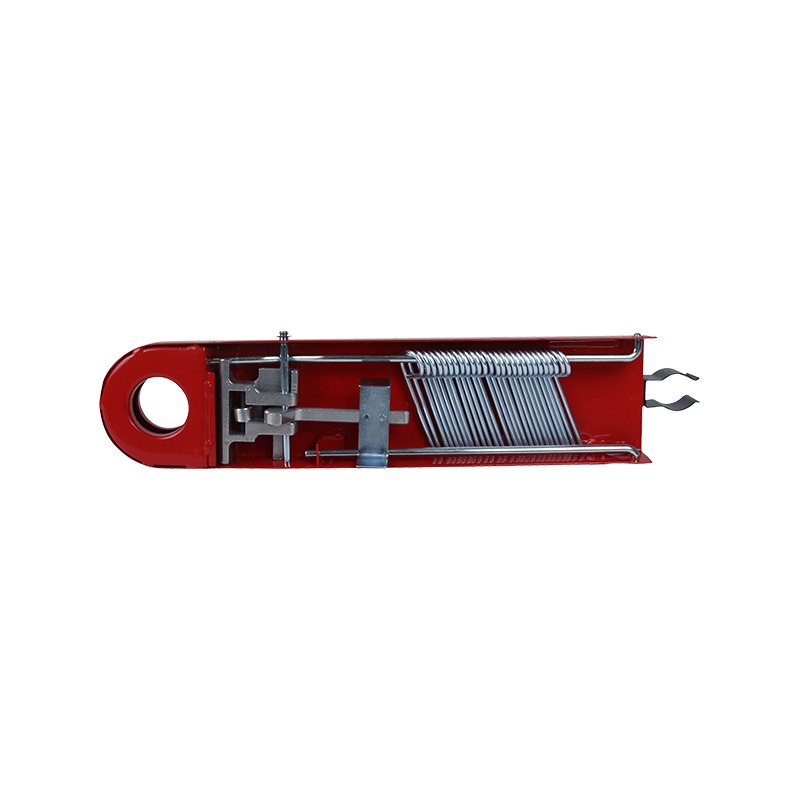
Steel racks and reels, often finished with a powder coating, offer strong structural support at a relatively lower cost, making them a common choice for general industrial and commercial applications where extreme corrosion exposure is not a primary concern. Stainless steel equipment provides significantly better corrosion resistance and is often specified for facilities in coastal areas, food processing plants, or other environments with high humidity or chemical exposure, where standard steel components would be more prone to rust over time.
Aluminum racks and reels offer a lighter-weight alternative with good corrosion resistance, though they may not provide the same load-bearing strength as steel options for very heavy or long hose lengths. Selecting the appropriate material based on the facility's specific environmental conditions helps ensure the equipment remains functional and code-compliant throughout its expected service life.
Fire hose racks and reels are subject to specific regulatory standards that govern their placement, accessibility, and maintenance within a facility. In many jurisdictions, standards published by the National Fire Protection Association (NFPA), particularly NFPA 14 for standpipe and hose systems, provide detailed guidance on hose station spacing, mounting height, and required signage.
Local fire authorities may impose additional requirements beyond these baseline standards, so it is important to consult with local code officials or a licensed fire protection engineer during the planning stage of any fire hose storage installation. Ensuring that hose stations remain clearly visible, unobstructed, and properly labeled also supports both code compliance and practical usability during an actual emergency response.
Regular inspection and maintenance of fire hose racks and reels is essential to ensure equipment remains fully operational when needed. Facilities should establish a routine inspection schedule that checks for rust, mechanical wear, and proper hose folding or winding, since improperly stored hose can develop kinks or damage that reduces water flow during deployment.
Reels with rotating mechanisms should be periodically tested to confirm smooth operation, and any signs of stiffness or resistance should be addressed promptly, as this can indicate a developing mechanical issue that could delay deployment during an emergency. Many jurisdictions also require periodic hose testing, separate from rack or reel maintenance, to confirm the hose itself remains free of leaks or structural weaknesses.
By carefully selecting fire hose racks or reels suited to the facility's hose type, available space, and environmental conditions, and by maintaining a consistent inspection schedule, facility managers can help ensure their fire protection equipment remains reliable, code-compliant, and ready to perform when it matters most.
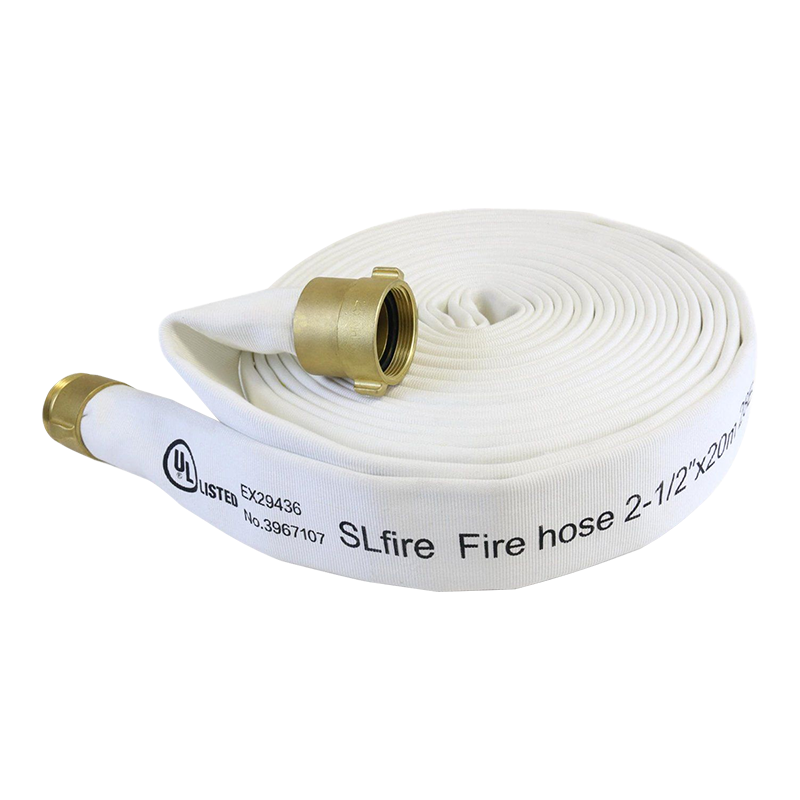
Single jacket, EPDM rubber liner Features • 100% high tenacity polyester jacket, high-grade EPDM rub...
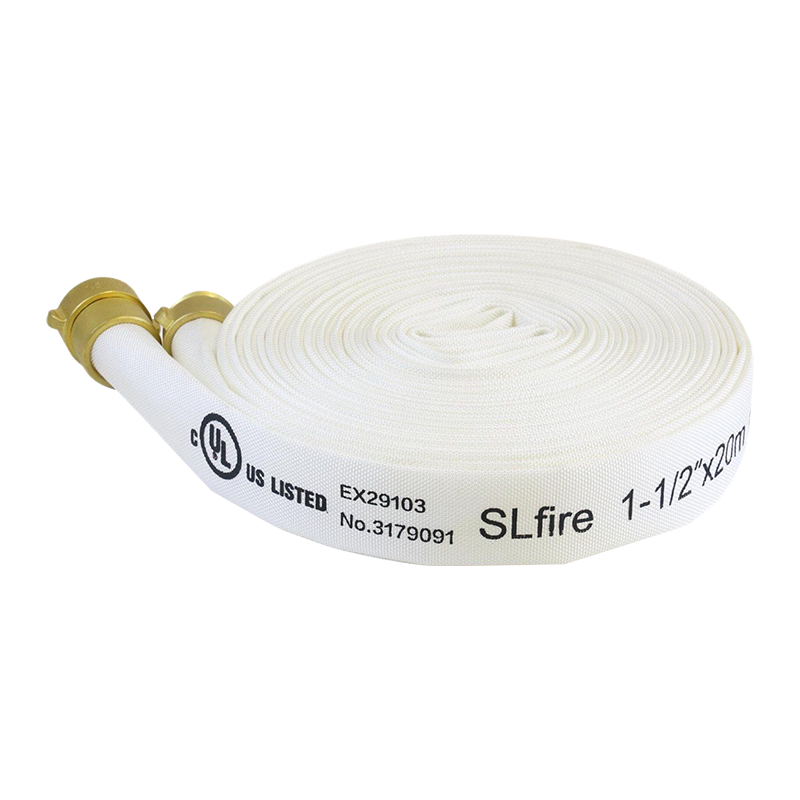
Single jacket, TPU liner •High-tenacity polyester yarn, circular woven in twill weave/plain weave,T ...
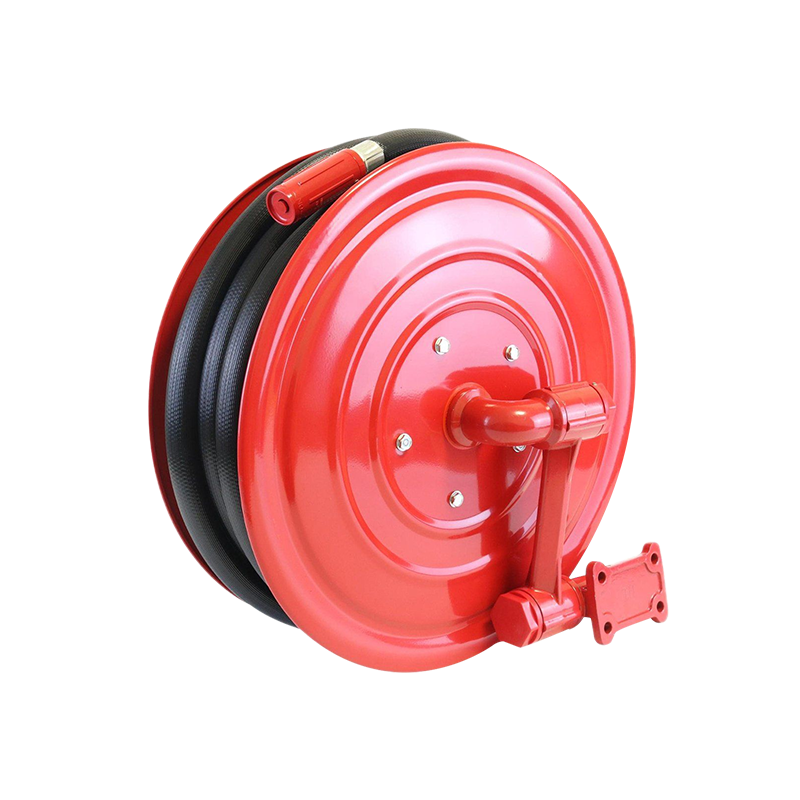
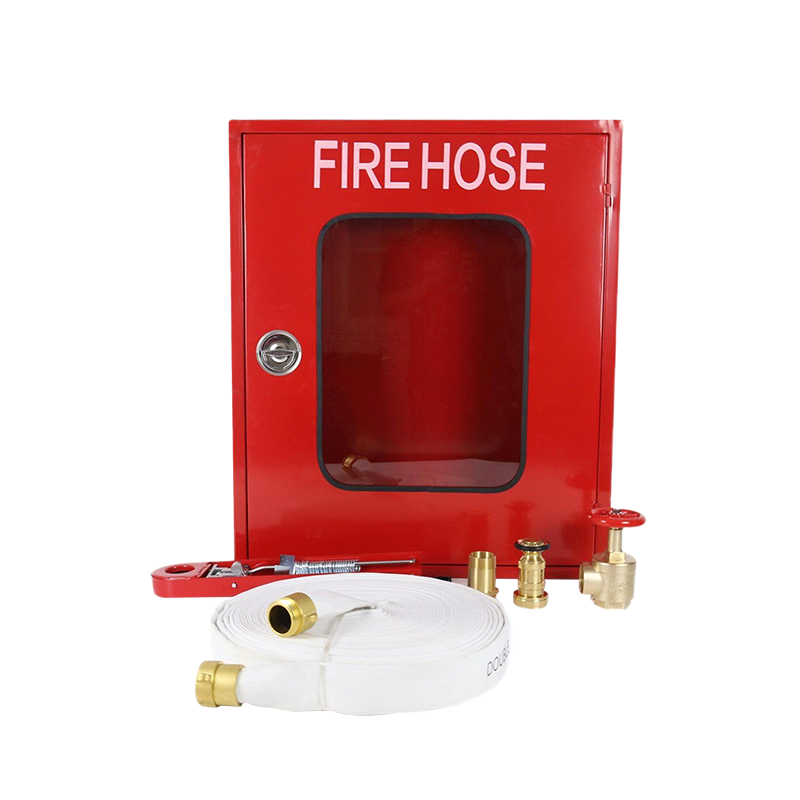
Fire cabinets are designed to accommodate fire hose,valve and other firefighting equipment. Type 201...
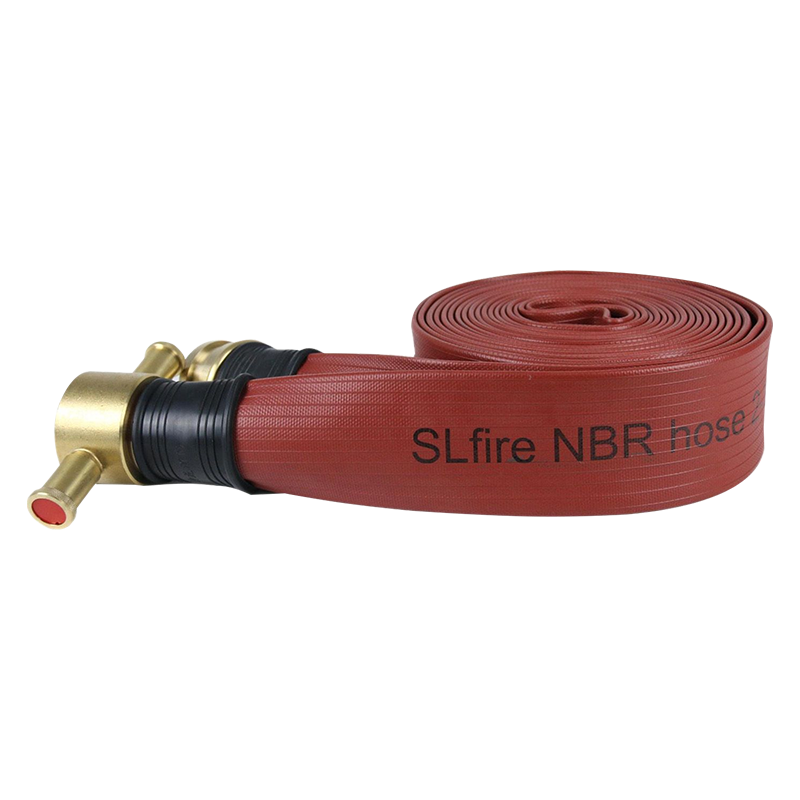
Nitrile covered hose •Nitrile/TPR blend as cover and lining, with 100% high-tenacity polyester yarn ...
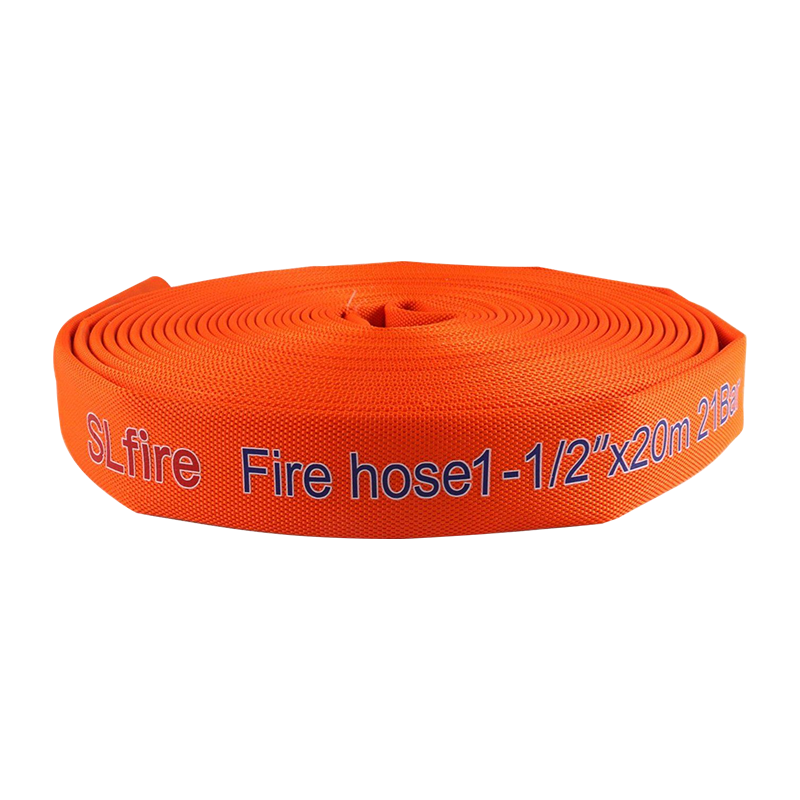
Single jacket, TPU liner •High-tenacity polyester yarn, circular woven in twill weave, TPU lining, f...
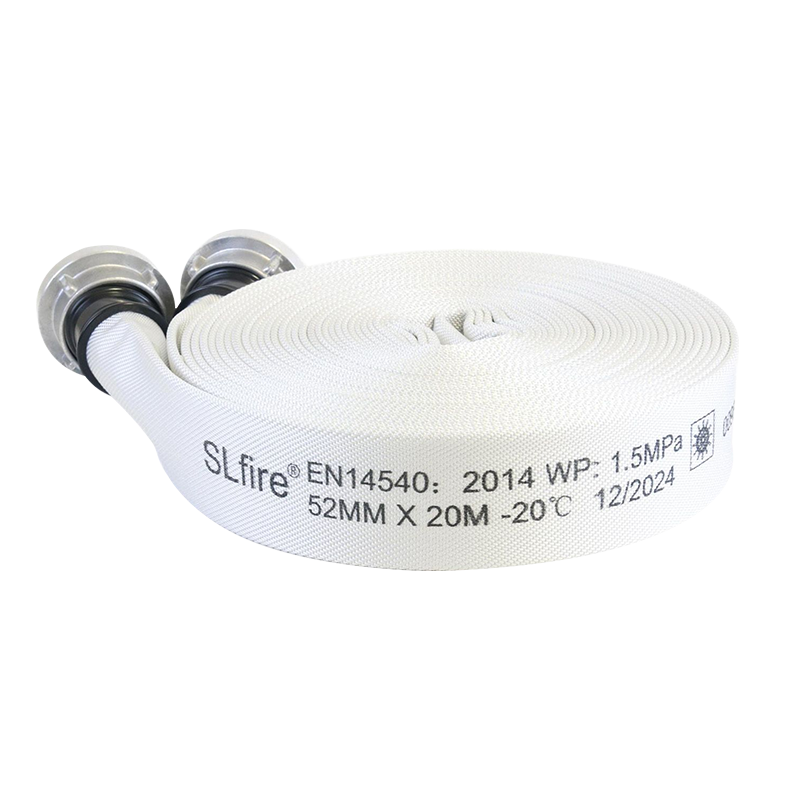
Marine hose Single jacket, PVC liner •100% high tenacity polyester yarn, circular woven in twill wea...
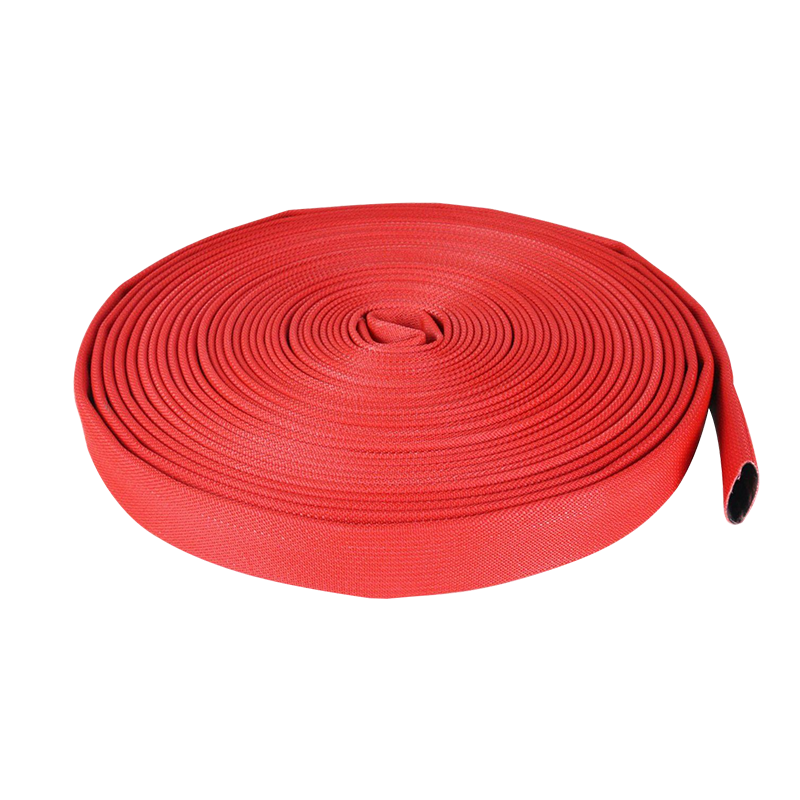
Marine hose Single jacket, PVC liner, PU coated •100% high tenacity polyester yarn,c ircular woven i...
 Call Us
+86 159-5116-9511
Need Support
Head Office
No.58, Kechuang Road, Sixiang Street Medicine Gaoxin District Taizhou City, Jiangsu Province

During a routine service test, a 200-foot attack line fails at 150 psi. The outer jacket looks fine. The problem is inside: a small delamination in the liner has pinched the bore and reduced the flow...
Copyright © Taizhou Shenlong Fire Science and Technology Co., Ltd. All Rights Reserved.
 Fire Hose Manufacturers, Fire Hydrant Hose Factory