

 English
 русский
 Español
 Deutsch
 عربى
عربى Français
 Português
Don't hesitate to send a message
Single jacket, EPDM rubber liner Features • 100% high tenacity polyester jacket, high-grade EPDM rub...
Content
Snow-making hoses are the critical fluid conveyance arteries of any artificial snow production system, responsible for delivering high-pressure water and compressed air from pump houses and compressor stations to snow guns positioned across ski slopes, terrain parks, and cross-country trails. The performance of a snow-making system is ultimately limited by the weakest link in its distribution network, and the hose — exposed to freezing temperatures, repeated pressurization cycles, mechanical abrasion from snow groomers and foot traffic, and the physical stresses of seasonal installation and removal — represents one of the most demanding hose applications in any industry. Selecting, installing, and maintaining snow-making hoses correctly is not a peripheral concern but a fundamental operational requirement that directly determines system uptime, snowmaking efficiency, and the total cost of operating a snow production infrastructure over its service life.
A modern ski resort snow-making system is a pressurized hydraulic and pneumatic network that begins at central pump stations and compressor facilities and extends through a combination of buried permanent piping and surface-deployed flexible hoses to reach individual snow guns at precisely positioned locations across the mountain. The buried piping infrastructure — typically steel or HDPE — handles the main distribution under the slope surface and connects to hydrant outlets spaced at intervals along each run. From these hydrant points, flexible snow-making hoses extend across the surface to connect the fixed infrastructure to the mobile or semi-permanent snow gun positions, providing the operational flexibility to reposition snow guns as snowmaking priorities shift across the season.
In this system, the hose must simultaneously handle working pressures that commonly reach 40–80 bar for water circuits and 10–25 bar for air circuits, maintain flexibility at ambient temperatures that regularly fall to -20°C or below, resist the abrasion of being dragged across rocky slope surfaces and run over by grooming equipment, and maintain pressure integrity through thousands of connect-disconnect cycles at quick-release couplings over multiple seasons. No single hose construction satisfies all of these demands optimally, which is why snow-making hose selection involves carefully matching hose specifications to the specific pressure, temperature, flexibility, and durability requirements of each position in the distribution network.
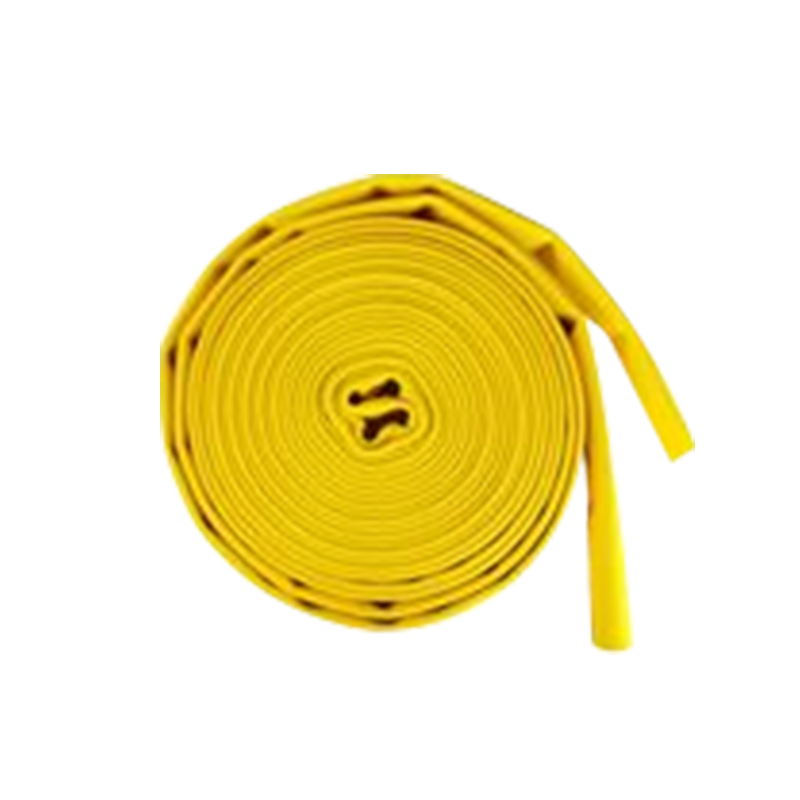
Snow-making hoses are composite structures consisting of multiple functional layers, each contributing a specific property to the overall hose performance. Understanding the role of each layer clarifies what to look for when evaluating hose specifications and helps explain why apparently similar hoses can deliver dramatically different service lives in equivalent operating conditions.
The inner tube is the fluid-contact layer that must be chemically compatible with the conveyed medium — water in the case of snow-making — and sufficiently smooth to minimize pressure drop through the hose length. EPDM (ethylene propylene diene monomer) rubber is the most widely used inner tube material for snow-making hoses because of its excellent resistance to water, its broad temperature range that maintains flexibility down to -40°C or beyond with appropriate compound formulation, and its resistance to ozone and UV degradation that would cause surface cracking in exposed installations. Nitrile rubber inner tubes are used in some applications but offer inferior low-temperature flexibility compared to EPDM. Thermoplastic polyurethane (TPU) inner tubes appear in some lightweight hose constructions and offer excellent abrasion resistance at the bore surface, important in applications where entrained particles or sand in the water supply could otherwise erode the tube wall over time.
The reinforcement layer — or layers, in multi-spiral constructions — carries the working pressure load and determines the hose's maximum pressure rating and impulse fatigue life. High-tensile steel wire in spiral or braided configurations is the standard reinforcement for high-pressure snow-making water hoses, with the number of spiral layers and the wire angle determining both the pressure rating and the flexibility of the finished hose. Single-wire braid constructions suit lower-pressure applications, while four- and six-spiral wire configurations are used for the highest working pressures in main distribution runs. Synthetic textile reinforcement — typically high-tenacity polyester or aramid fiber — is used in medium-pressure and air hose applications where weight reduction and easier handling are priorities and the absolute pressure rating requirements are lower than for high-pressure water service.
The outer cover protects the reinforcement from mechanical damage, UV radiation, ozone attack, and the abrasion inevitable in surface-deployed snow-making applications. EPDM rubber covers are standard for their combination of cold-weather flexibility, UV resistance, and moderate abrasion resistance. For applications involving particularly aggressive abrasion — hoses dragged across rocky terrain, run over by snow groomers, or positioned in high-traffic areas — polyurethane outer covers provide substantially superior abrasion resistance compared to rubber, often delivering two to three times the cover wear life of equivalent rubber covers in abrasive conditions. Some manufacturers offer hoses with a wrapped fabric impression on the outer cover surface that improves grip when handlers are working with gloved hands in cold, wet conditions — a practical detail that meaningfully affects operational efficiency during rapid snow gun repositioning.
Evaluating snow-making hoses against the demands of a specific system requires examining a defined set of technical specifications that collectively describe the hose's pressure capability, temperature performance, flexibility, and service life characteristics.
| Specification | Typical Range | Why It Matters |
| Working Pressure (Water) | 40 – 100 bar | Must exceed system maximum operating pressure with safety margin |
| Working Pressure (Air) | 15 – 30 bar | Compressed air circuits operate at lower pressure than water circuits |
| Burst Pressure | 4× working pressure minimum | Safety factor requirement per industry standards |
| Minimum Bend Radius | 100 – 300 mm (DN25–DN50) | Determines flexibility in tight routing situations |
| Temperature Range | -40°C to +70°C | Cold flexibility critical for sub-zero operation |
| Inner Diameter | DN19 – DN51 (¾" – 2") | Determines flow capacity and pressure drop |
| Hose Length per Section | 10 – 50 m | Longer sections reduce coupling points but increase handling weight |
| Coupling Type | Storz, BSP, NPT, proprietary | Must match resort infrastructure standardization |
The safety factor between working pressure and burst pressure deserves particular attention in snow-making applications. Industry standards and best practice guidelines for high-pressure hydraulic hoses specify a minimum burst-to-working pressure ratio of 4:1, meaning a hose rated for 60 bar working pressure must burst at no less than 240 bar. In practice, reputable manufacturers specify burst pressures well above this minimum for snow-making hoses, recognizing that the combination of pressure surges during system startup and shutdown, impulse fatigue from repeated pressurization cycles, and degradation from cold-weather flexing over multiple seasons creates a demanding service environment that benefits from conservative pressure margins.
Not all snow-making hose applications impose identical demands, and the hose market reflects this diversity with distinct product types optimized for different positions in the distribution system.
These hoses form the main flexible segment connecting fixed hydrant infrastructure to snow guns in the primary water supply circuit. Working pressures in this circuit commonly reach 60–80 bar at high-altitude resorts with significant elevation head in the distribution system, requiring multi-spiral steel wire reinforced hoses with proven impulse fatigue life of at least 200,000 pressure cycles to the rated working pressure. DN25 (1 inch) and DN32 (1.25 inch) bore sizes are most common for individual gun supply hoses, providing adequate flow capacity for single gun operation while keeping hose weight and handling effort at manageable levels for slope personnel who must connect and disconnect these hoses repeatedly throughout the snowmaking season.
Compressed air supply hoses for snow guns that use external air injection — as opposed to fan guns that generate their own airflow — operate at significantly lower pressures than water hoses but impose their own specific requirements. The primary challenge for air hoses is that a burst or rapid leak in an air hose at altitude in sub-zero conditions poses an immediate personnel safety risk from the high-velocity air release and potential whipping of the hose end. This makes the integrity requirements for air hoses, though lower in absolute pressure terms, no less critical from a safety perspective. DN19 (¾ inch) and DN25 (1 inch) are standard bore sizes for individual gun air supply, with textile-reinforced rubber or thermoplastic hoses providing a good balance of flexibility, pressure rating, and weight for this service.
Some system designs use twin hose assemblies — two hoses bonded side by side or incorporated in a single outer jacket — to supply both water and air to each snow gun through a single flexible assembly. This arrangement reduces the number of separate hoses that must be managed, connected, and stored, simplifying operations in high-density gun layouts. Twin hose assemblies require careful design to ensure the water and air circuits are adequately isolated from each other and that the differential in operating pressure between the two circuits does not cause the assembly to twist or buckle when pressurized, which would impose bending stress at the coupling connections.
At the end of snowmaking operations, all water must be evacuated from hoses before temperatures fall low enough to freeze the residual water inside — ice formation inside a pressurized hose can generate sufficient internal pressure to split the hose wall, particularly at low temperatures where rubber compounds have reduced tensile elongation. Drain hoses and blowout connection hoses used in the winterization process are typically lighter-duty constructions than operating hoses because they handle air pressure only during blowout and gravity drainage during drain-down, but they must still maintain flexibility at very low temperatures and provide reliable coupling connections under difficult field conditions.
Among all the performance requirements placed on snow-making hoses, cold-weather flexibility at working pressure is arguably the most operationally significant. A hose that becomes stiff and unmanageable at -15°C creates serious handling difficulties for slope personnel who must deploy, reposition, and connect hoses while wearing bulky cold-weather gloves in poor visibility and difficult terrain. More critically, a hose that loses flexibility at the temperatures it regularly experiences in service will be subjected to damaging kinking whenever it must be bent around a snow gun position, a terrain feature, or a routing obstacle — and each severe kink at sub-zero temperatures imposes concentrated stress on the reinforcement wires that progressively fatigues them toward wire breakage and eventual hose failure.
Specifying a hose with a minimum temperature rating of -40°C provides an adequate safety margin for all but the most extreme Alpine and Arctic snowmaking installations, where ratings to -50°C or beyond may be warranted. The minimum temperature rating on a hose datasheet should be verified as the temperature at which the hose retains adequate flexibility for safe handling and routing, not merely the temperature below which the compound begins to show property changes in laboratory testing — these are not always equivalent values, and for safety-critical high-pressure applications the distinction matters.
The coupling system at each end of a snow-making hose is as critical to system reliability as the hose body itself. Coupling failures — either leakage through the seal face or complete coupling separation under pressure — are among the most common causes of unplanned downtime in snow-making operations and can create safety hazards from high-pressure water or air release on occupied slopes.
The service life of snow-making hoses is heavily influenced by how they are handled, installed, and maintained throughout the snowmaking season and during off-season storage. Hoses that are consistently handled correctly and stored properly can deliver five or more seasons of reliable service; the same hoses subjected to poor handling practices may fail within a single season.
The procurement decision for snow-making hoses should be driven by a systematic evaluation of the specific requirements of each circuit in the distribution system rather than by a single specification applied uniformly across the entire installation. Begin by mapping the working pressure at each hydrant point across the resort — this varies significantly with elevation and pump station capacity — and specify hose working pressure ratings that provide adequate safety margin above the actual system pressure at each location, rather than specifying all hoses to the maximum system pressure when many positions operate at significantly lower pressures.
Prioritize cold-weather flexibility specifications appropriate to the actual minimum temperatures recorded at the resort rather than using a generic specification. Resorts at lower elevations with milder winters can achieve long service lives from hoses rated to -25°C or -30°C that would be inadequate at high-altitude installations regularly experiencing -35°C or below. Evaluate total lifecycle cost — purchase price divided by expected service life in seasons — rather than initial unit price when comparing hose options, recognizing that the direct and indirect costs of in-season hose failures (emergency replacement, lost snowmaking hours, personnel time) typically far exceed the purchase price difference between economy and premium hose specifications over a multi-year investment horizon.
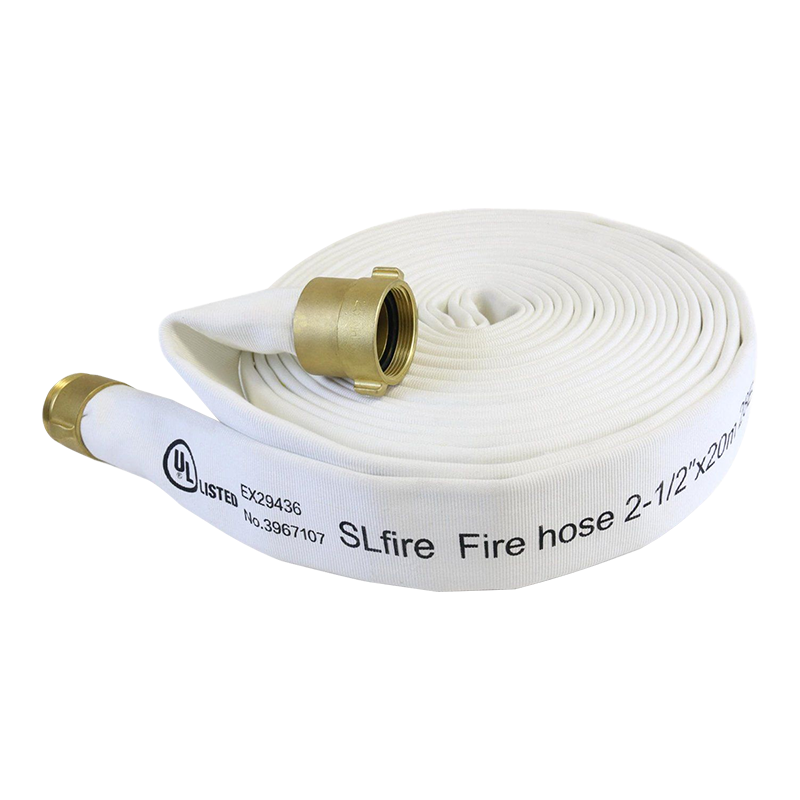
Single jacket, EPDM rubber liner Features • 100% high tenacity polyester jacket, high-grade EPDM rub...
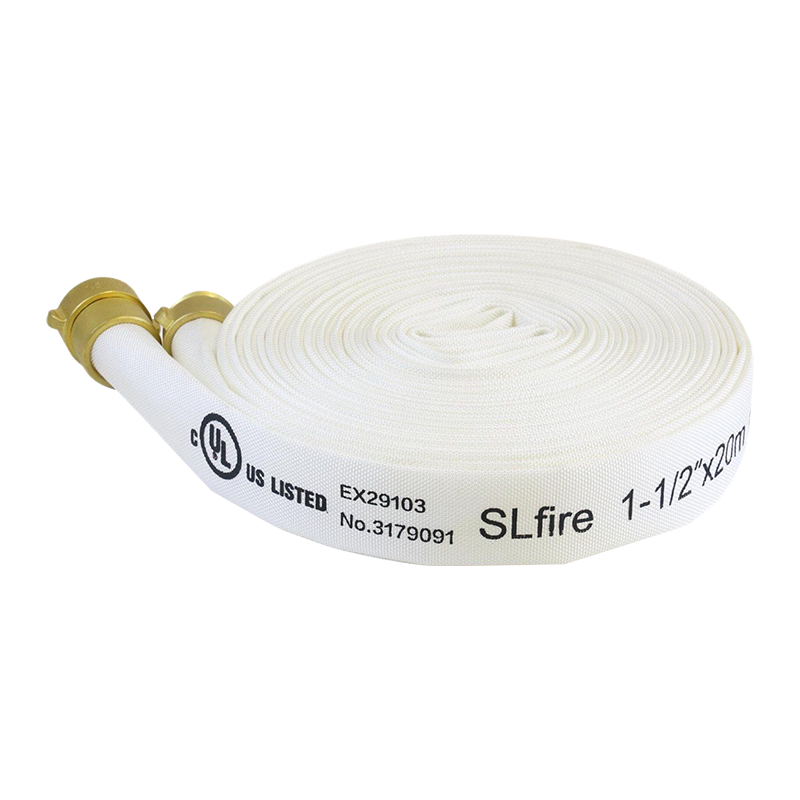
Single jacket, TPU liner •High-tenacity polyester yarn, circular woven in twill weave/plain weave,T ...
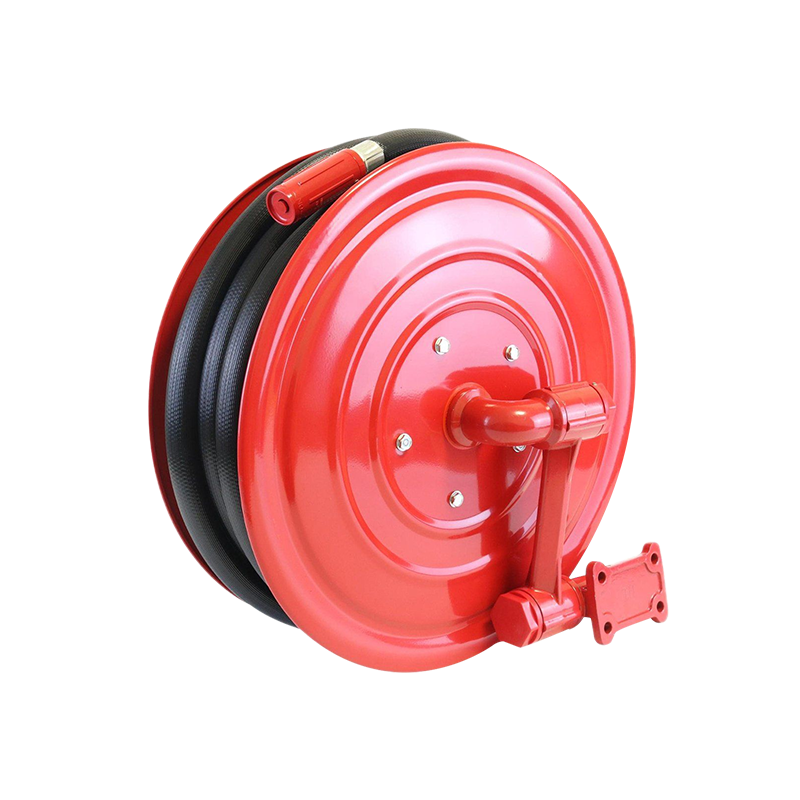
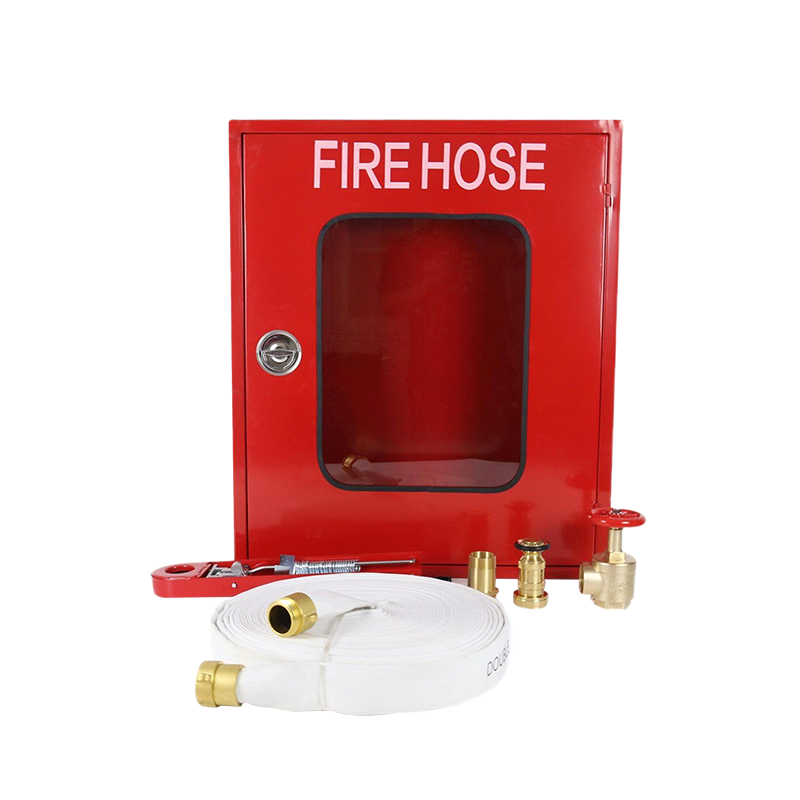
Fire cabinets are designed to accommodate fire hose,valve and other firefighting equipment. Type 201...
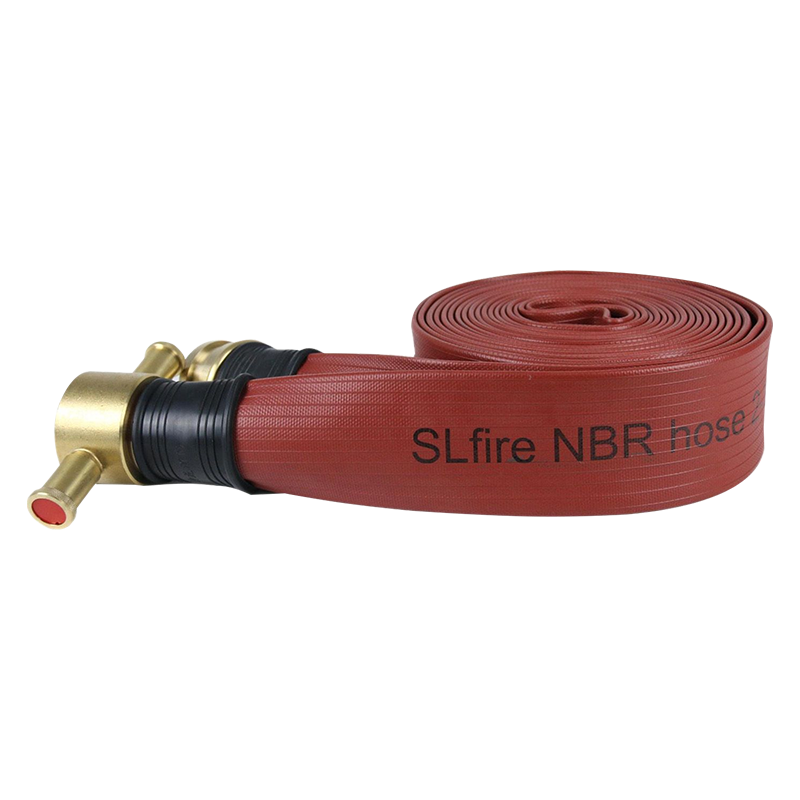
Nitrile covered hose •Nitrile/TPR blend as cover and lining, with 100% high-tenacity polyester yarn ...
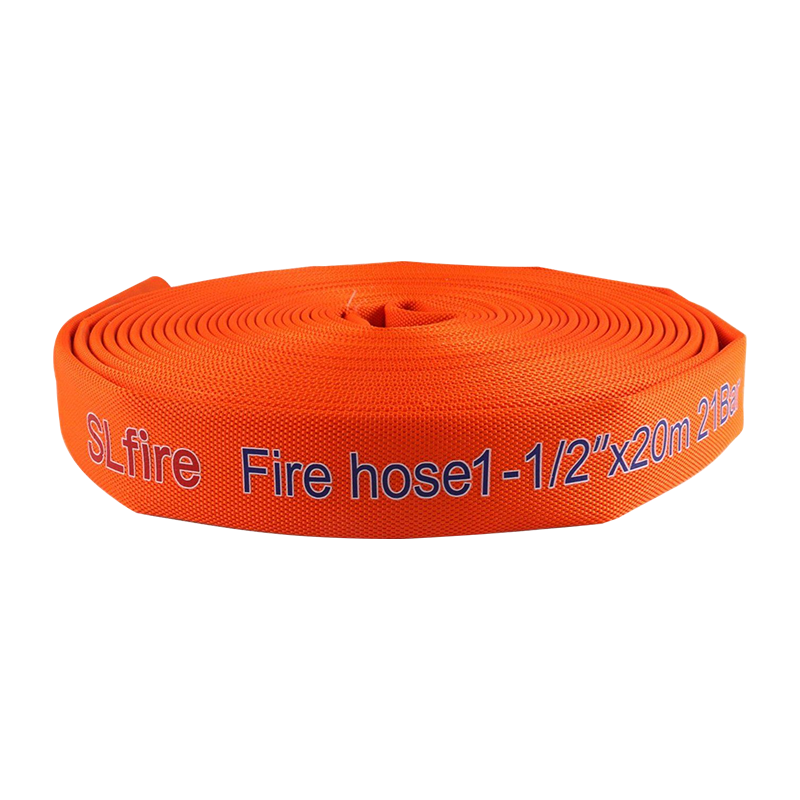
Single jacket, TPU liner •High-tenacity polyester yarn, circular woven in twill weave, TPU lining, f...
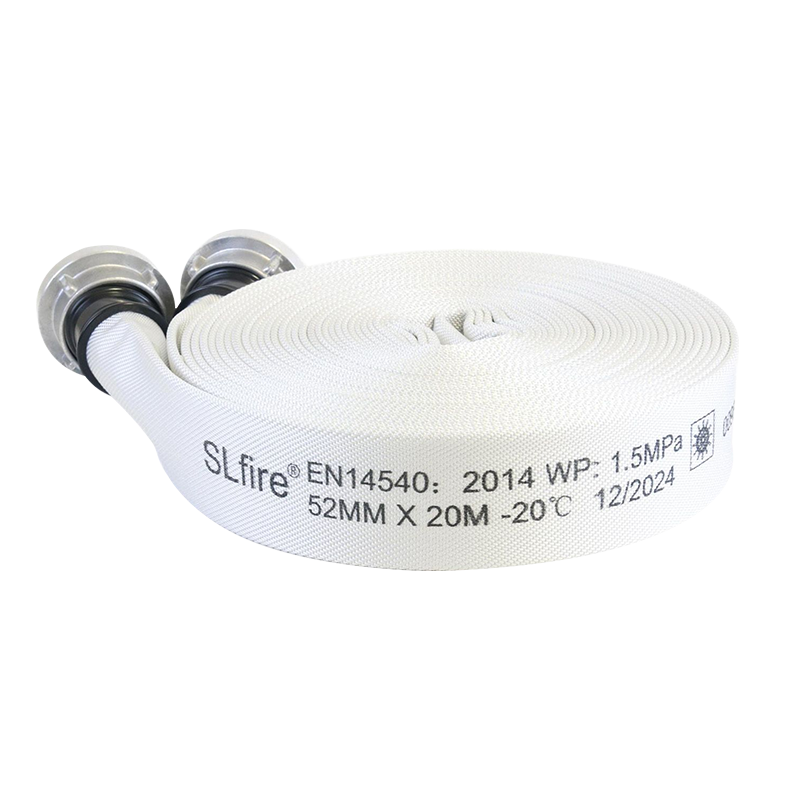
Marine hose Single jacket, PVC liner •100% high tenacity polyester yarn, circular woven in twill wea...
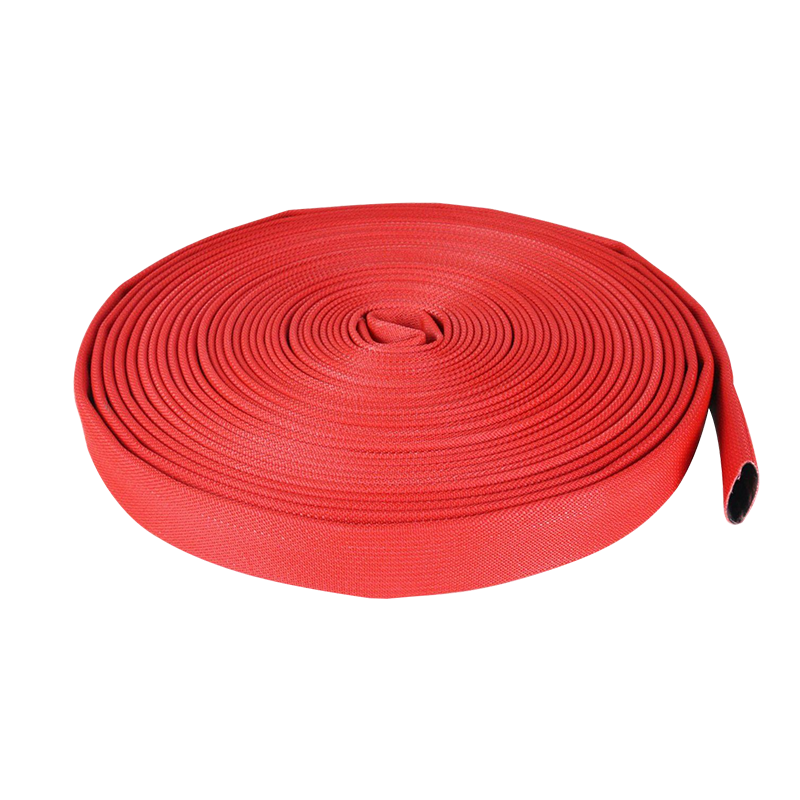
Marine hose Single jacket, PVC liner, PU coated •100% high tenacity polyester yarn,c ircular woven i...
 Call Us
+86 159-5116-9511
Need Support
Head Office
No.58, Kechuang Road, Sixiang Street Medicine Gaoxin District Taizhou City, Jiangsu Province

During a routine service test, a 200-foot attack line fails at 150 psi. The outer jacket looks fine. The problem is inside: a small delamination in the liner has pinched the bore and reduced the flow...
Copyright © Taizhou Shenlong Fire Science and Technology Co., Ltd. All Rights Reserved.
 Fire Hose Manufacturers, Fire Hydrant Hose Factory