

 English
 русский
 Español
 Deutsch
 عربى
عربى Français
 Português
Don't hesitate to send a message
Single jacket, EPDM rubber liner Features • 100% high tenacity polyester jacket, high-grade EPDM rub...
Content
Suppose a pumper crew is stretching a line at 3 a.m. with limited visibility and a rapidly growing fire. The difference between an attack line that stays supple and one that kinks or loses pressure is rarely the color of the hose or the price tag. It comes down to construction. The liner controls friction and resistance to the fluid inside; the jacket carries the load of abrasion and pressure. Fire fighting hoses are not interchangeable: attack hoses, supply hoses, forestry hoses and marine hoses are designed with different priorities. This guide explains what makes each type different and what to check before you buy.
Start with the inner liner because it touches the water or foam first. EPDM rubber is a common choice for attack and supply hoses because it handles hot water and disinfecting agents well. TPU liners are lighter and stay flexible in cold weather, which is why they appear in forestry and compact attack hoses. PVC liners offer a cost-effective option, while polyurethane coatings improve abrasion resistance on jacket surfaces. NBR or nitrile rubber is used where oil contact is possible.
The outer jacket, in turn, determines how much mechanical abuse the hose can take. A single jacket is lighter and easier to maneuver; a double jacket adds cushioning and durability for supply lines that drag over pavement or rough ground. Before choosing a hose, look for the working pressure, burst pressure and the bend radius specified in the datasheet. These numbers matter more than brand names.
Do not buy a fire fighting hose before deciding which role it has to fill. The same material set can be assembled into different shapes, so the selection should start with the application.
Attack hoses are the handlines firefighters use for direct suppression. They are normally about 1.5 to 2.5 inches in diameter, which keeps the line light enough to advance and maneuver inside a building. A good attack hose needs a smooth or low-friction liner so the pump pressure reaches the nozzle. A single-jacket TPU-lined attack hose is a common choice when you want a supple, lightweight line that packs quickly. Look at the coupling thread as well: it must mate with the pump outlet and the nozzle on the same engine.
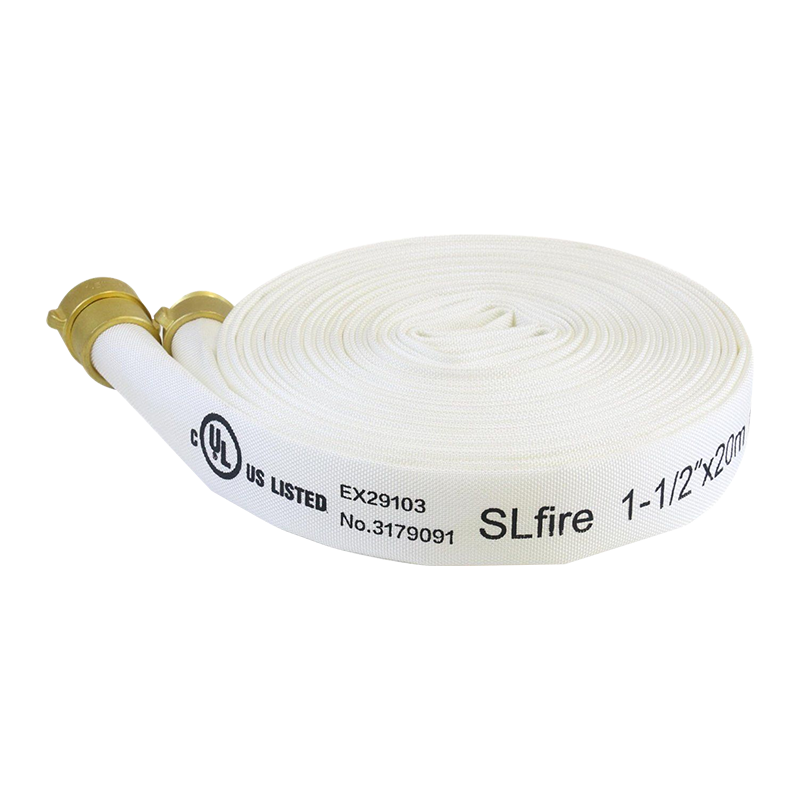 TPU Lined Fire Hose Suppliers,TPU Liner Attack Hose CompanyShenlong is China Custom TPU Lined Fire Hose Suppliers,Single Jacket TPU Liner Attack Hose Company, supply TPU Lined Fire Hose, Single Ja...View Product →
Supply hoses move water from a hydrant, pond or another engine to the apparatus. They are bigger than attack lines and often use a double jacket to tolerate being dragged over asphalt and driven over by vehicles. EPDM or TPU liners help keep friction loss low over long stretches. A double-jacket EPDM rubber lined supply hose is one example of a construction that balances durability and flow performance. When you need to run several lengths from a water source to a pump, this type tends to be easier to manage than a single-jacket product.
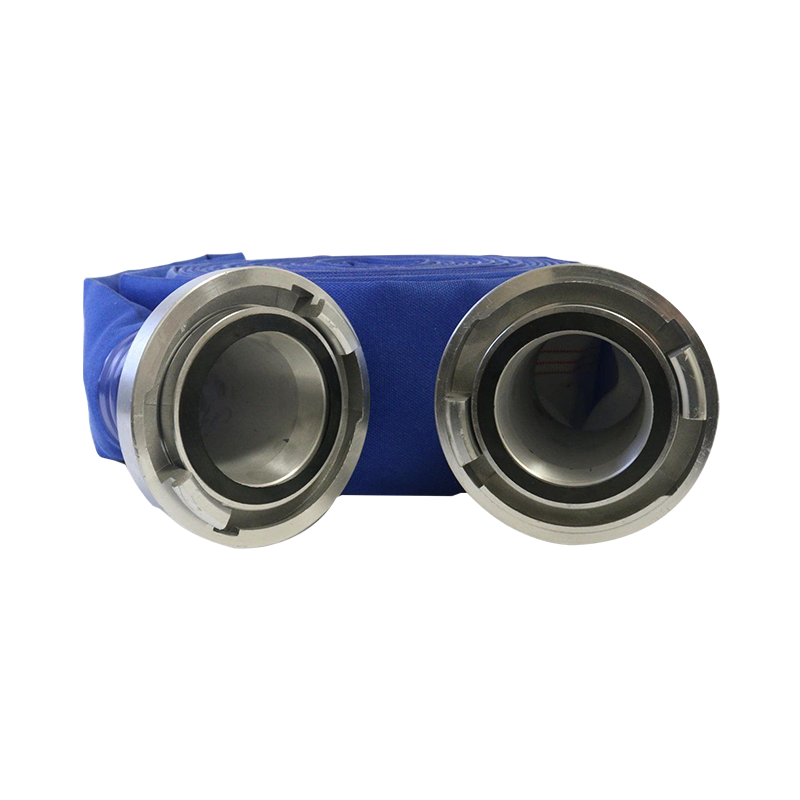 Double Jacket EPDM Rubber Liner Supply Hose Suppliers, CompanyTaizhou Shenlong Fire Science and Technology Co., Ltd is China Custom Double Jacket EPDM Rubber Liner Supply Hose Suppliers and Double Ja...View Product →
Wildland crews need a hose that can be carried uphill on foot, so forestry hoses are thinner, lighter and stored in smaller rolls. A single-jacket TPU-lined forestry fire hose keeps the weight down while still holding enough pressure for pump operations. Marine environments are a different problem: saltwater, motion and deck abrasion attack the jacket. PVC-covered marine hose or a single-jacket PU-coated hose is often specified for shipboard use. Mill discharge hoses, used around mines and processing plants, need a robust cover because the hose may be dragged over sharp debris. For more detail on how these hoses behave outside structural firefighting, see how fire hoses are used in industrial and marine firefighting applications.
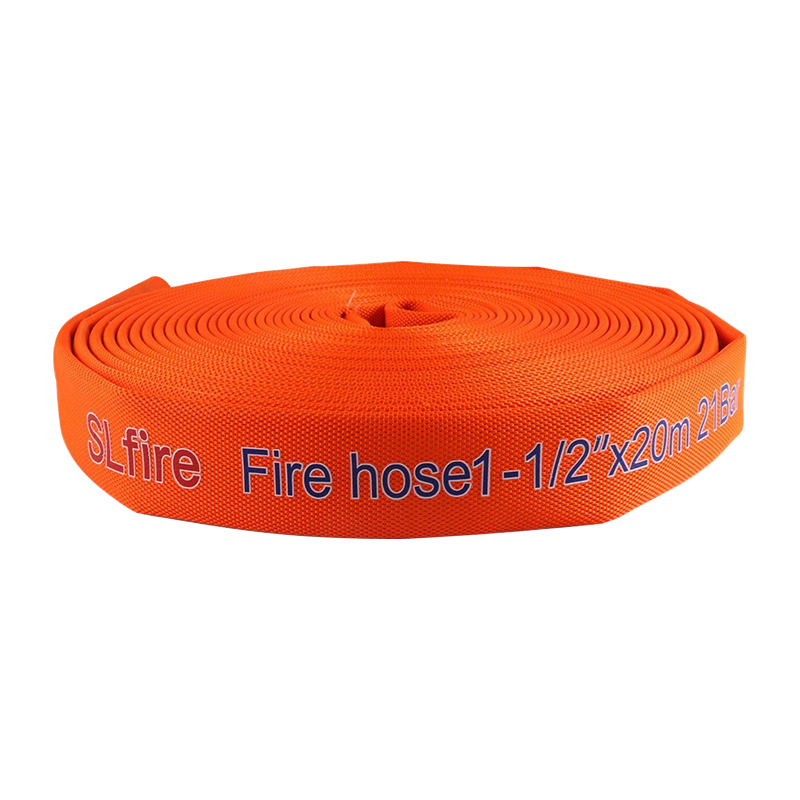 Single Jacket TPU Liner Forestry Fire Hose Suppliers, CompanyTaizhou Shenlong Fire Science and Technology Co., Ltd is China Custom Single Jacket TPU Liner Forestry Fire Hose Suppliers and Single Jac...View Product →
| Hose category | Typical liner options | Operating priority | Common role |
|---|---|---|---|
| Attack | TPU, EPDM, NBR-covered | Mobility and low friction | Direct suppression |
| Supply | Double-jacket EPDM, TPU, nitrile cover | Pressure retention and wear resistance | Long-distance water feed |
| Forestry | Single-jacket TPU | Light weight and compact storage | Wildland and off-road use |
| Marine | PVC-lined/PU-coated, EPDM | Saltwater and abrasion resistance | Shipboard and dockside operations |
| Mill discharge | Double/single-jacket EPDM | Abrasion tolerance | Mines and industrial drainage |
A hose with the perfect liner and jacket is still useless if the coupling cannot connect to the pump, hydrant or nozzle on site. Fire hose couplings come in many national and regional standards: Storz, John Morris, Machino, American, Russian GOST, French DSP, Italian UNI and camlock are all still in service in different markets. The critical detail is not which standard is newer; it is whether every length, pump outlet and nozzle in your system uses the same geometry and pressure rating.
Sealing performance also matters. A worn gasket or mismatched threads causes leaks that reduce pressure at the nozzle and turn a simple operation into a water-moving problem. Choosing compatible couplings and replacing worn gaskets prevent most of those failures. The mechanics are the same whether you use light-alloy or brass parts, which is why maintenance guides usually focus on the sealing surfaces. For a deeper view, read how the sealing performance of hose couplings ensures long-term efficient operation.
Nozzles should be chosen after the hose diameter and pump pressure are known. A smooth-bore or fog nozzle changes the flow requirement, and the hose diameter must support that flow without excessive friction loss. Forestry, marine and industrial teams may use different nozzle patterns on the same hose, so standardizing on one coupling type across your equipment reduces confusion.
The pressure rating of a fire hose should be read carefully. The working pressure is the maximum pressure you can expect through the system in normal operation; the burst pressure is a safety limit, not a daily operating target. On the fireground, elevation changes and longer hose lays increase friction loss. A short attack line can tolerate a higher flow at the same pump pressure; a long supply line may need a larger diameter to keep friction loss acceptable.
Pressure also interacts with temperature and aging. Hoses stored in direct sunlight or near chemicals gradually lose strength even if they look new. Dry the hose after use, avoid tight bends, and inspect the liner for delamination or cracking. If you want to understand how the same construction maintains pressure under real operating conditions, our article on how fire hoses maintain their pressure during firefighting operations walks through the main factors.
When you buy directly from a manufacturer, ask for the liner and jacket specification rather than simply a model name. The factory should be able to state the hose's working pressure, test pressure, nominal diameter and the coupling standards available. A supplier that can assemble a complete set - hoses, couplings and nozzles - reduces inventory mismatches.
Taizhou Shenlong Fire Science and Technology, for example, has made fire hoses on a production base in Jiangsu Province since the 1990s. The facility covers 17,000 square meters and employs a team of roughly 176 people, including a separate research and development group. Its catalog covers attack, supply, forestry, marine, mill and industrial hoses in different liner and jacket combinations, plus couplings in multiple national standards. That kind of scope makes it easier to find one source for water delivery, discharge and firefighting requirements.
Keep in mind that a product page or a catalog photo is not enough. Request a sample length before large orders, check the connection threads against your existing equipment, and confirm how the hose is coiled, packed and labeled for your market. When you compare manufacturers, look for specifics rather than vague claims:
The right fire fighting hose is the one that matches the job, the pump, the local coupling standard and the conditions your crew face. Attack hoses for maneuverability, supply hoses for delivery, forestry hoses for pack-in work, marine hoses for saltwater exposure, and industrial hoses for abrasive or oily duty. Keep pressure ratings and storage in mind, and confirm the supplier can furnish matching couplings and nozzles. With that approach, the equipment you carry is far less likely to surprise you at the moment you need it most.
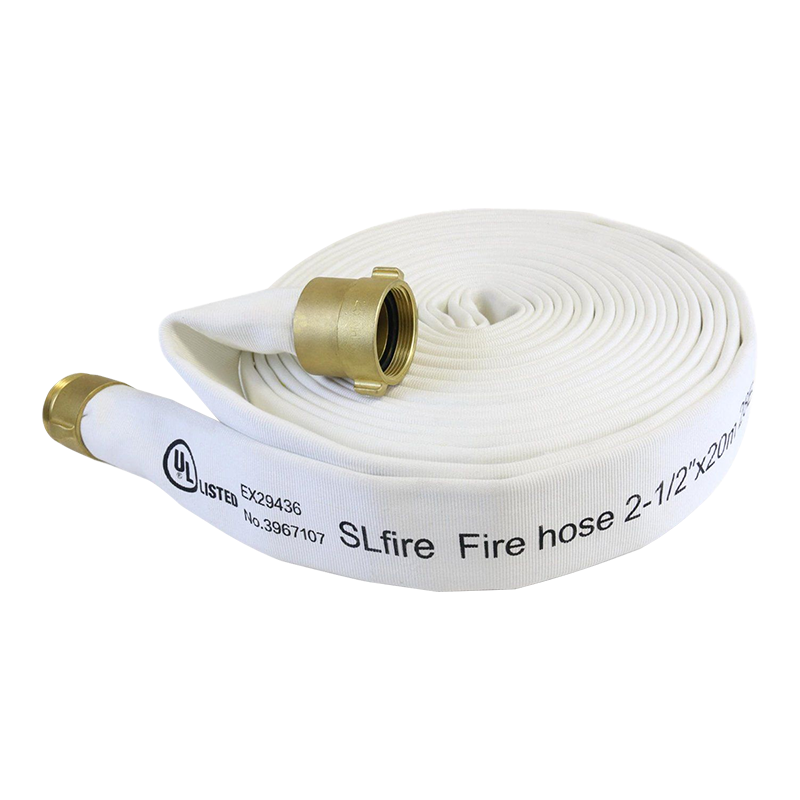
Single jacket, EPDM rubber liner Features • 100% high tenacity polyester jacket, high-grade EPDM rub...
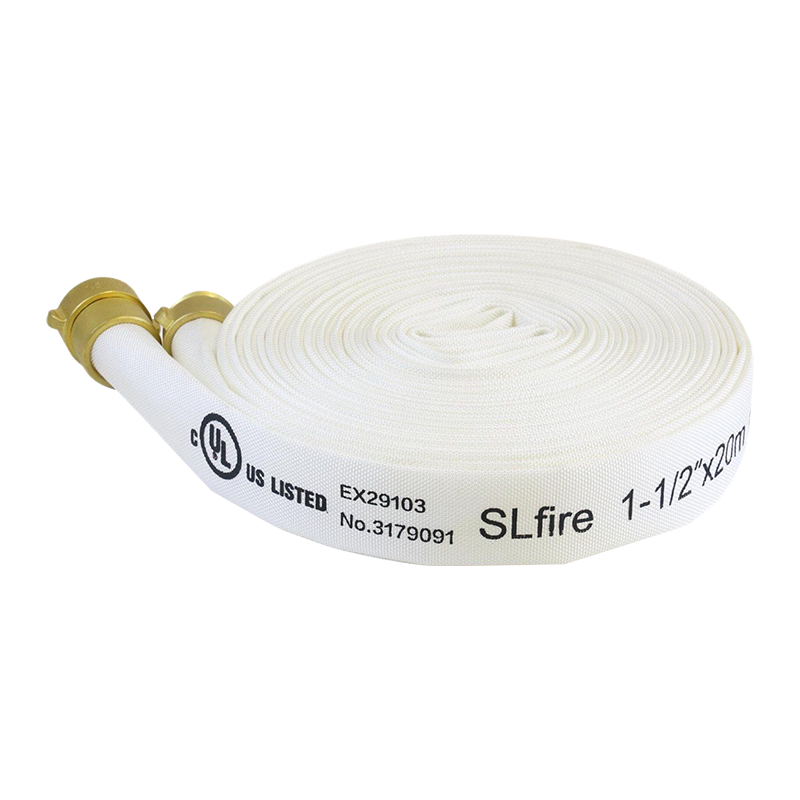
Single jacket, TPU liner •High-tenacity polyester yarn, circular woven in twill weave/plain weave,T ...
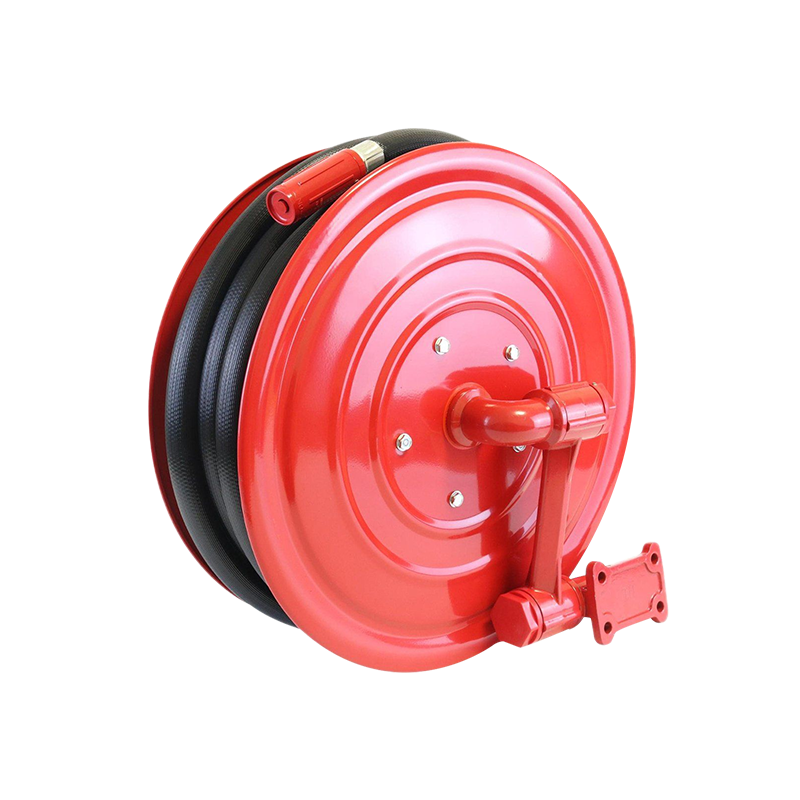
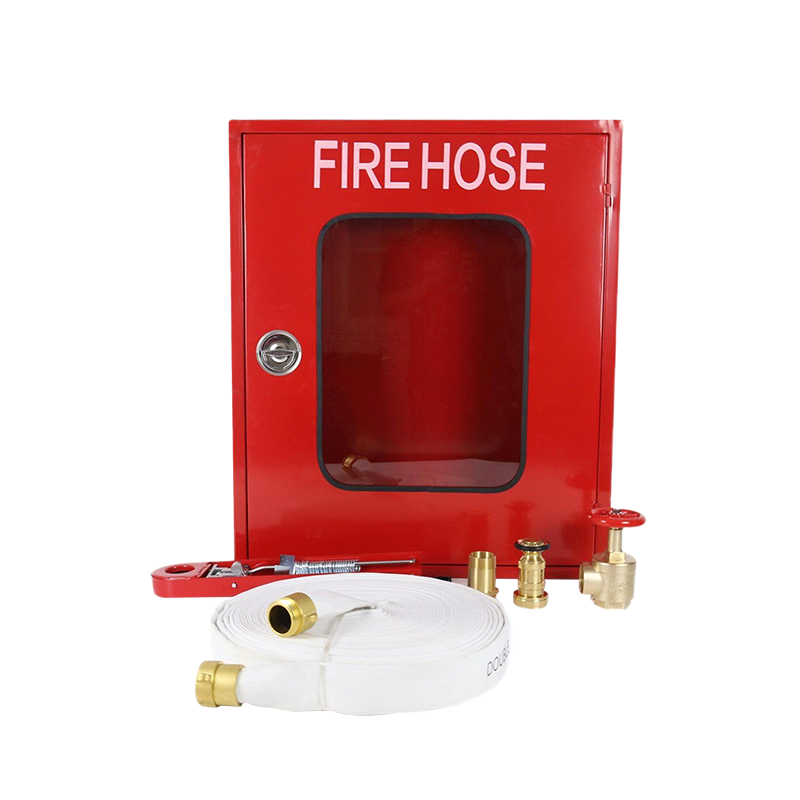
Fire cabinets are designed to accommodate fire hose,valve and other firefighting equipment. Type 201...
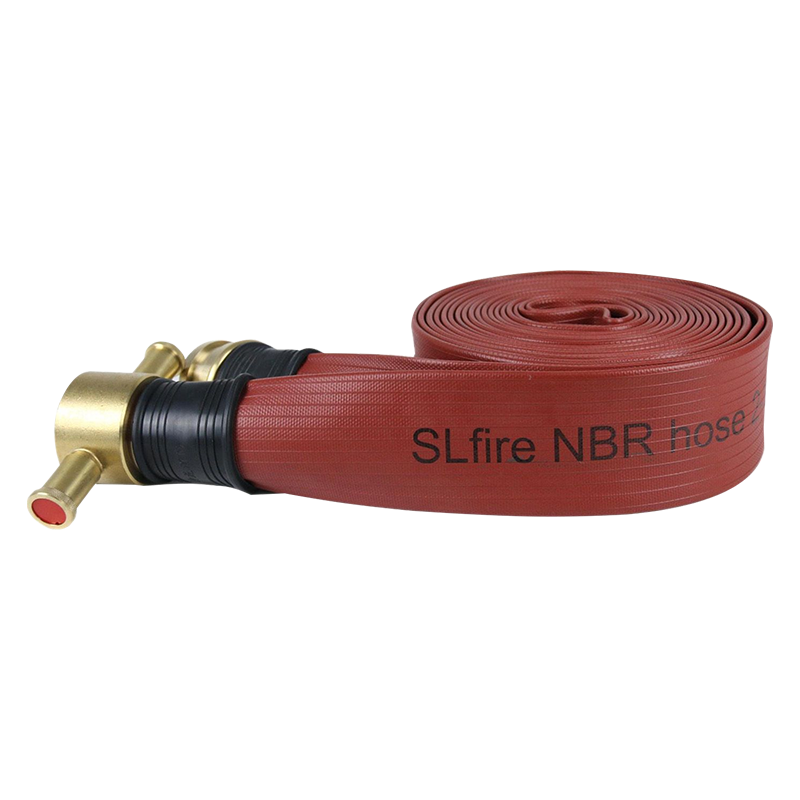
Nitrile covered hose •Nitrile/TPR blend as cover and lining, with 100% high-tenacity polyester yarn ...
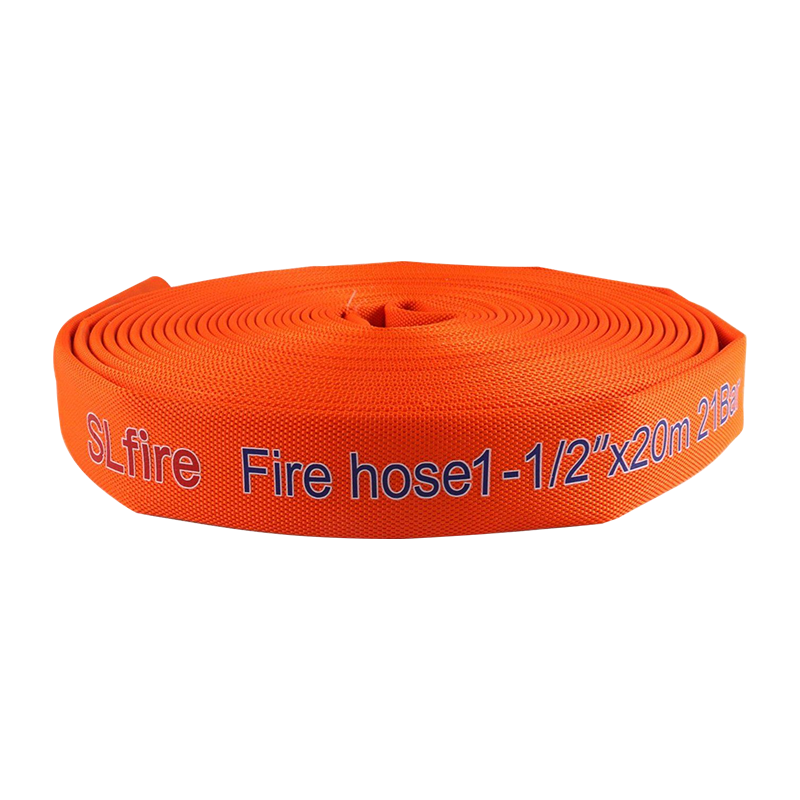
Single jacket, TPU liner •High-tenacity polyester yarn, circular woven in twill weave, TPU lining, f...
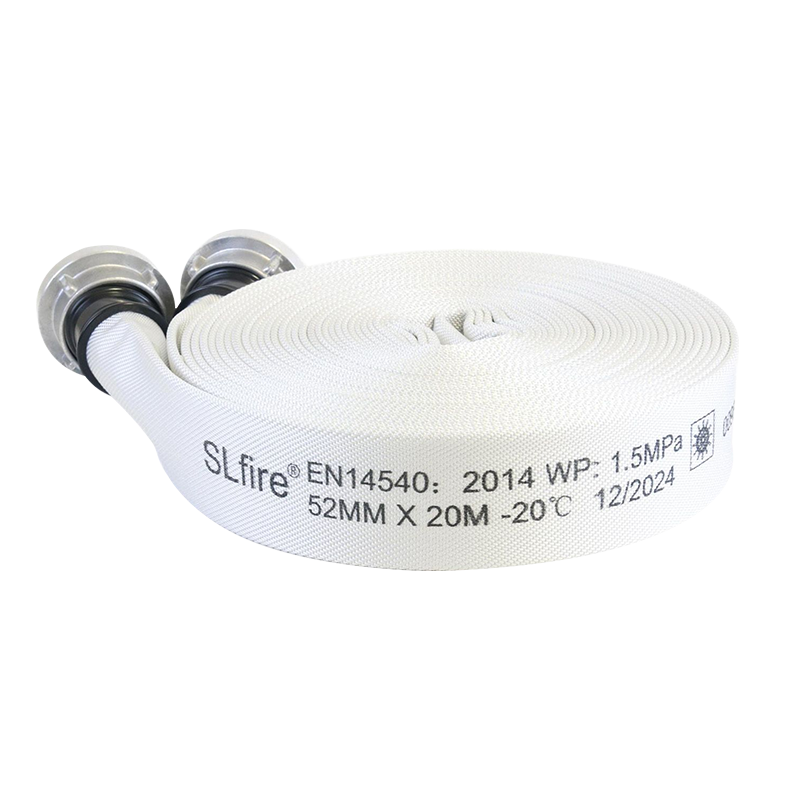
Marine hose Single jacket, PVC liner •100% high tenacity polyester yarn, circular woven in twill wea...
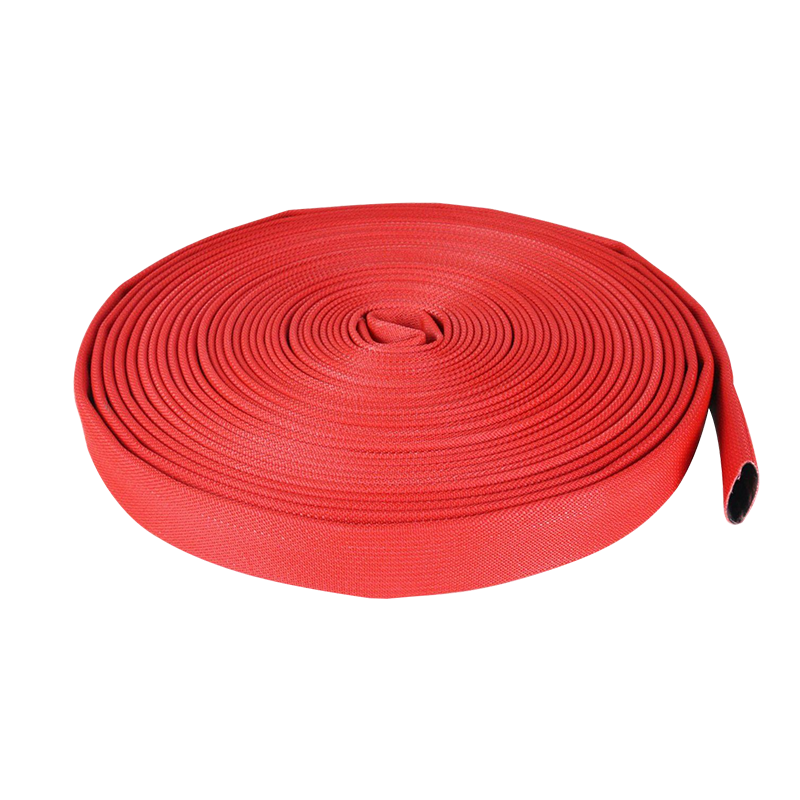
Marine hose Single jacket, PVC liner, PU coated •100% high tenacity polyester yarn,c ircular woven i...
 Call Us
+86 159-5116-9511
Need Support
Head Office
No.58, Kechuang Road, Sixiang Street Medicine Gaoxin District Taizhou City, Jiangsu Province

When the engine returns to the station after a working fire, the work is not done. The attack line is flushed, drained, and then rolled with a straight hose roll before anyone sits down. This techniq...
Copyright © Taizhou Shenlong Fire Science and Technology Co., Ltd. All Rights Reserved.
 Fire Hose Manufacturers, Fire Hydrant Hose Factory