

 English
 русский
 Español
 Deutsch
 عربى
عربى Français
 Português
Don't hesitate to send a message
Single jacket, EPDM rubber liner Features • 100% high tenacity polyester jacket, high-grade EPDM rub...
Content
Inside a fire station bay, crews learn to reach for the right fire hose types without hesitation: a preconnected attack line for interior work, a large-diameter supply line to keep the pumper fed, and a lightweight forestry line if the call moves into brush. Choose the wrong jacket or lining, and the result is excessive friction loss, premature wear, or a hose too heavy to advance. In practice, three variables define every fire hose type: the job it performs, the material inside the liner, and the jacket construction around it. Once you can assess those three variables, specifying the correct hose for municipal, wildland, marine, or industrial service becomes a straightforward decision.
Most manufacturers and fire departments organize hose into functional families. Knowing which family a hose belongs to tells you more than diameter alone, because each family is engineered around a distinct operating condition.
Attack hose is the working line that runs from the pumper to the nozzle, typically 1.5 to 3 inches in diameter, and it is built for high operating pressure with acceptable friction loss. The lining matters as much as the jacket: a single-jacket EPDM rubber liner attack hose offers the heat and abrasion tolerance that structural firefighting demands, while TPU-lined versions are lighter for faster deployment. Nitrile-covered attack hose is also available for crews working around oil and fuel exposure.
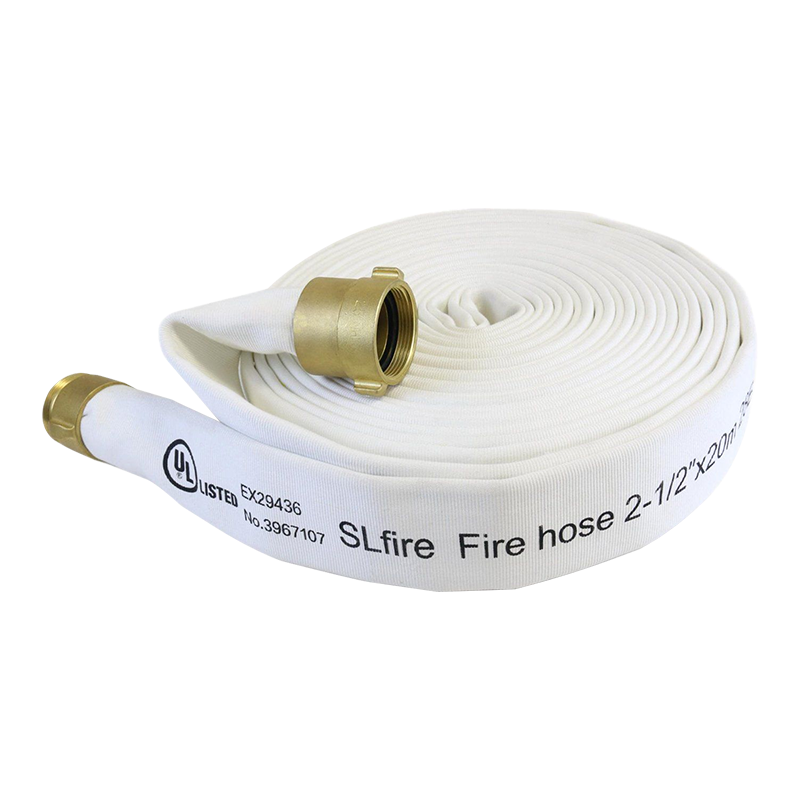 EPDM Lined Fire Hose Suppliers,EPDM Rubber Liner Attack Hose CompanyAs a China Custom EPDM Lined Fire Hose Suppliers,Single Jacket EPDM Rubber Liner Attack Hose Company, Shenlong supply wholesale Single Ja...View Product →
Supply hose, often called large-diameter hose, moves water from the hydrant to the pumper or between relay engines, with diameters commonly starting at 4 inches. Double-jacket EPDM and TPU liners are standard because the line must handle sustained pressure and dragging across pavement. A double-jacket TPU liner supply hose keeps weight down while resisting punctures, which is why it shows up frequently in municipal water supply operations.
Wildland crews need hose that can be carried into terrain where apparatus cannot go. Forestry hose is narrow, usually 1 to 1.5 inches, and built with light single-jacket construction. The single-jacket TPU liner forestry fire hose is a representative example: TPU keeps the line flexible in cold weather and resistant to vegetation abrasion without adding the weight of a second jacket.
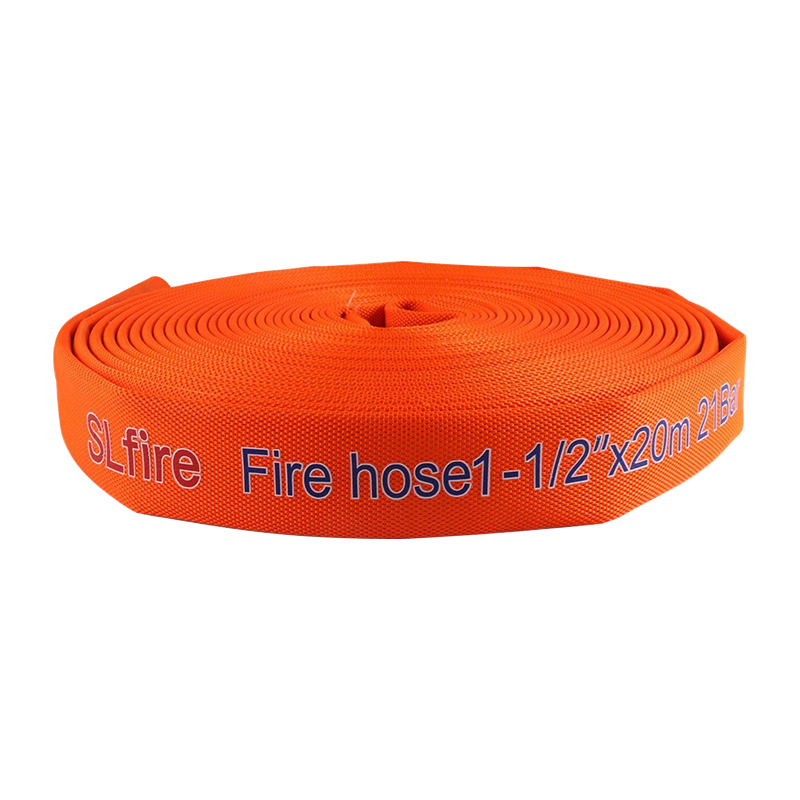 Single Jacket TPU Liner Forestry Fire Hose Suppliers, CompanyTaizhou Shenlong Fire Science and Technology Co., Ltd is China Custom Single Jacket TPU Liner Forestry Fire Hose Suppliers and Single Jac...View Product →
Fire protection on ships, docks, and offshore platforms requires hose that endures saltwater, spray, and tight storage compartments. Marine hose uses PVC-covered, PU-coated, or EPDM rubber-lined constructions depending on the service. A single-jacket EPDM rubber liner marine hose is a reliable general-purpose option for vessel crews, because the rubber liner holds up to seawater exposure and repeated coupling changes.
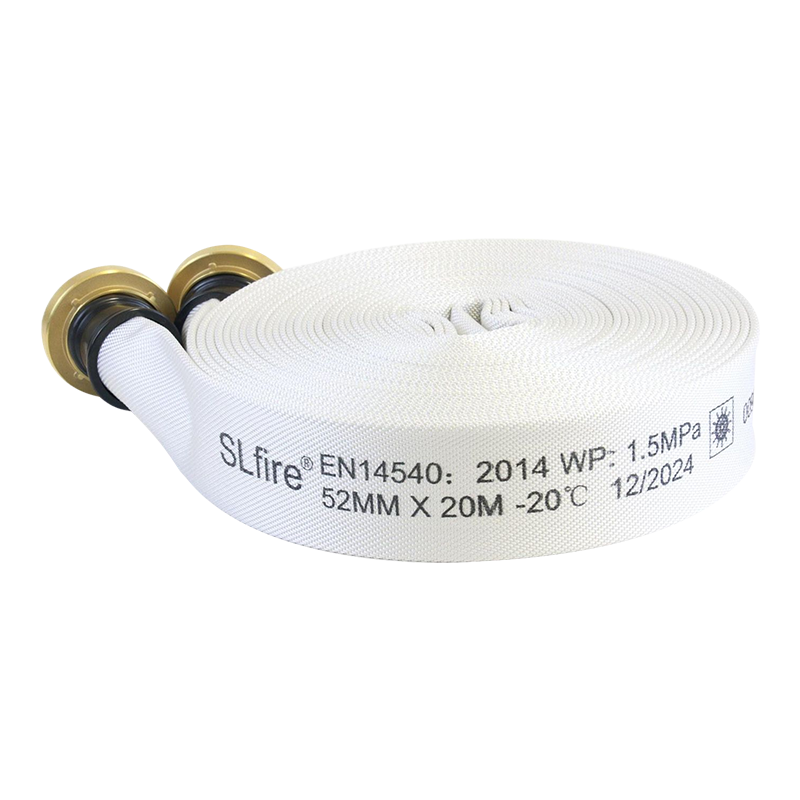 Single Jacket EPDM Rubber Liner Marine Hose Suppliers, CompanyTaizhou Shenlong Fire Science and Technology Co., Ltd is China Custom Single Jacket EPDM Rubber Liner Marine Hose Suppliers and Single Ja...View Product →
Mill hose, sometimes called mine hose, is the industrial workhorse for mining, quarrying, and heavy manufacturing sites. These lines carry water, slurry, and debris-laden discharge, so double-jacket EPDM rubber liners dominate this category. If your site needs a line that can be dragged over rock and stepped on by equipment, the mill discharge hose family is the correct starting point.
The liner is the layer that touches the water, and it determines how the hose behaves under pressure, heat, chemicals, and weather. Four materials cover the majority of fire hose specifications:
The lining choice also affects storage behavior. Rubber-lined hose endures repeated service testing, while TPU hose tends to stay easier on a firefighter's back during long carries.
The table below summarizes the practical differences between the most common fire hose linings. Use it as a starting point, then confirm the manufacturer's rated working pressure and service test protocol for the specific model.
| Lining | Key Strength | Typical Fire Hose Types |
|---|---|---|
| EPDM rubber | Heat, ozone, and abrasion resistance | Attack, marine, mill, snowmaking |
| TPU | Light weight and low-temperature flexibility | Forestry, supply, industrial layflat |
| PVC | Cost efficiency and stable dimensions | Marine, rack hose |
| Nitrile (NBR) | Oil and fuel resistance | Industrial transfer, covered attack hose |
Hose is woven with either one or two jackets of synthetic fiber around the liner. Single-jacket construction is lighter and easier to handle, but double-jacket construction provides higher burst resistance and better protection against physical damage. The trade-off is weight: a double-jacket supply line can weigh considerably more than a single-jacket line of the same length, which matters on the fireground and in the storage room.
A fire hose is only as useful as its connections. The same hose body can be finished with different couplings depending on the target market: Storz in Germany and much of Europe, John Morris in the United Kingdom, Machino in Japan, American threaded couplings in North America, and GOST in Russia, among others. When you procure hose assemblies, the coupling standard must match your pumps, hydrants, and nozzles, or you will end up with adapter after adapter. Coupling design also decides where pressure retention is won or lost, because a poor seal at the coupling-to-hose interface defeats even the best-lined hose. Understanding how fire hoses maintain their pressure during firefighting operations begins with checking that interface, not just the fabric itself.
When a tender or purchase order comes across your desk, start with the duty, not a brand name. Ask how the hose will be used, how often it will be service-tested, and what surfaces or chemicals it will touch during a normal shift. Those answers determine which of the fire hose types belongs in the specification.
The practical benefit of working with a manufacturer that covers the whole hose system is that specifications stay consistent from the hydrant to the nozzle. Taizhou Shenlong Fire Science and Technology Co., Ltd., based in Jiangsu Province, China, produces attack, supply, forestry, marine, and mill hoses with EPDM, TPU, PVC, PU, and nitrile liners, and its catalogue also includes the couplings, nozzles, fire hose reels, and fire cabinets that complete a firefighting installation. Its coupling range covers American, Storz, John Morris, Machino, Camlock, Barcelona, French DSP, Italian UNI, GOST, and Nakajima standards, which makes it easier for importers and engineering contractors to source a matched system instead of assembling components from different suppliers. The company's five-person research and development team includes two senior engineers with more than 20 years of experience each, providing the technical support that a plain trading company cannot offer. For departments planning a new hose inventory or replacing aging lines, reviewing the full product range is a sensible first step before committing to a single hose family.
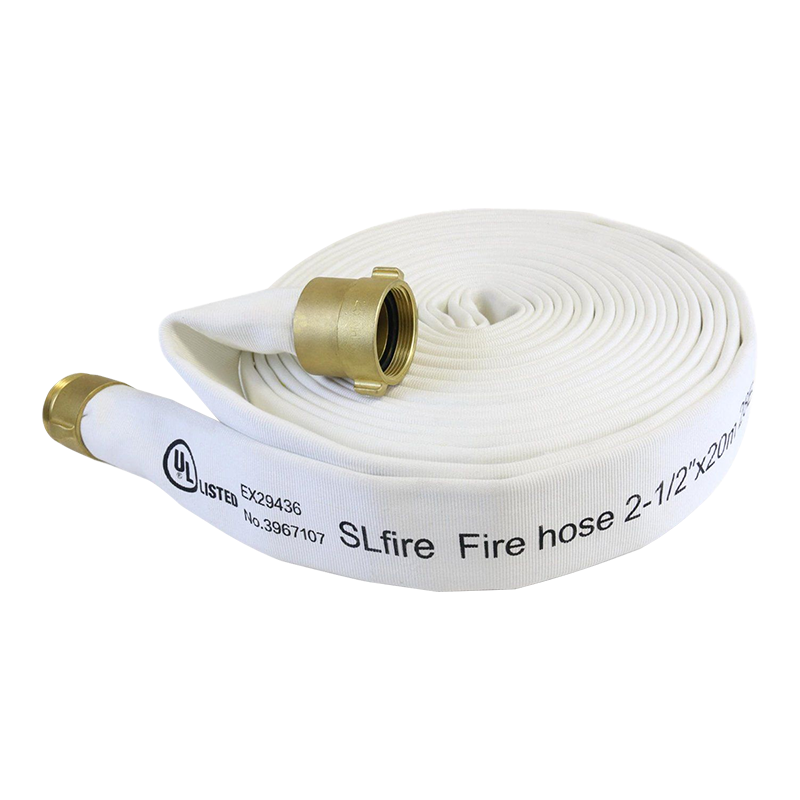
Single jacket, EPDM rubber liner Features • 100% high tenacity polyester jacket, high-grade EPDM rub...
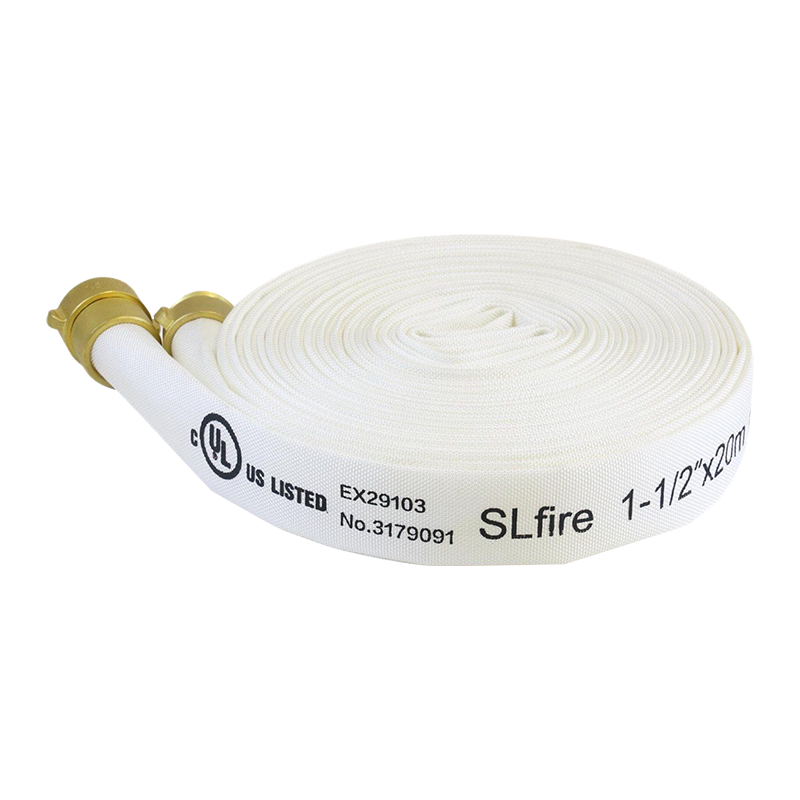
Single jacket, TPU liner •High-tenacity polyester yarn, circular woven in twill weave/plain weave,T ...
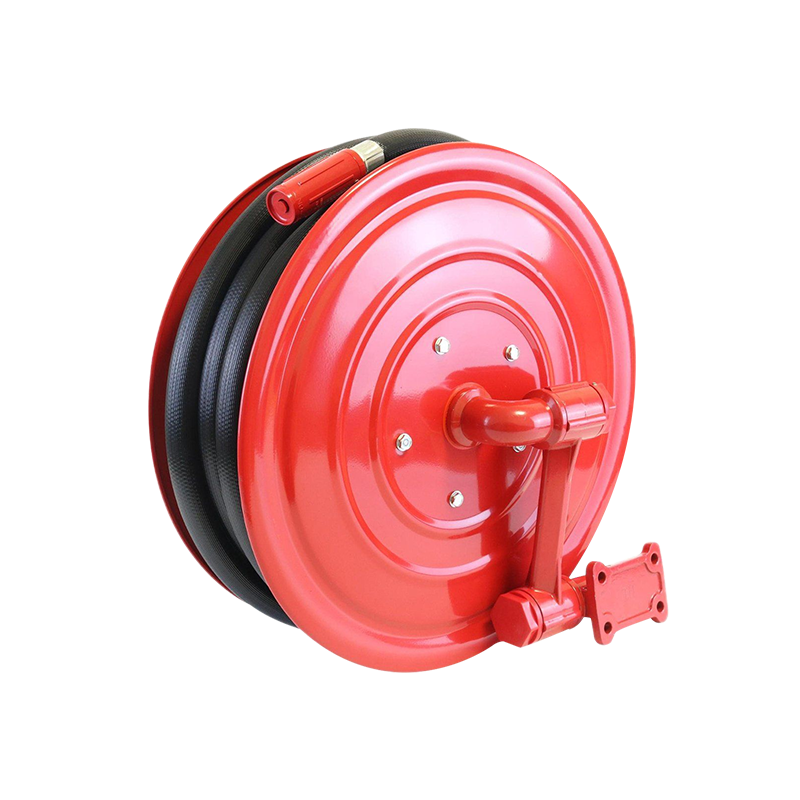
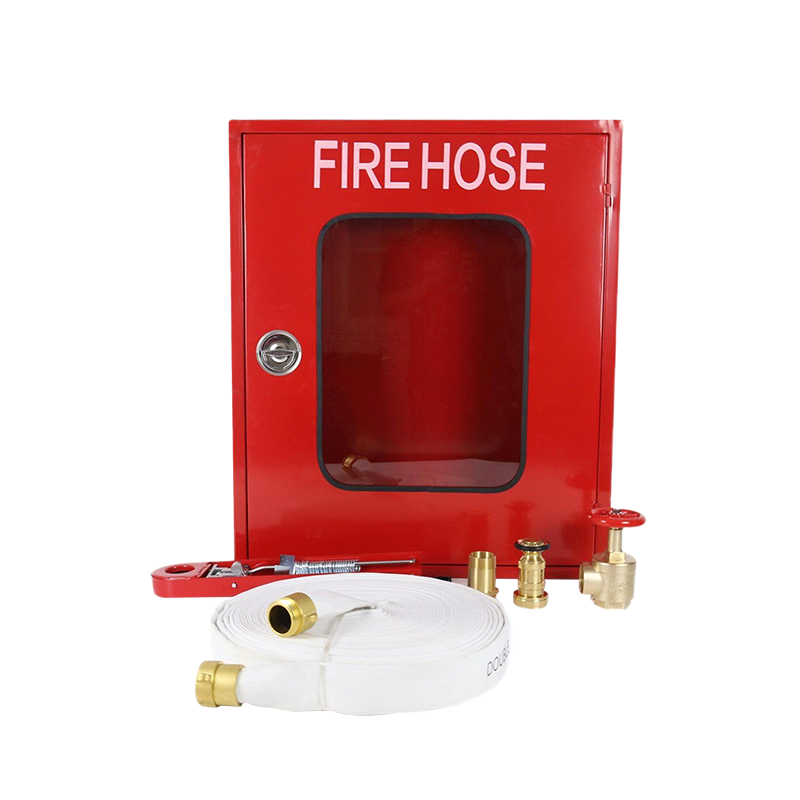
Fire cabinets are designed to accommodate fire hose,valve and other firefighting equipment. Type 201...
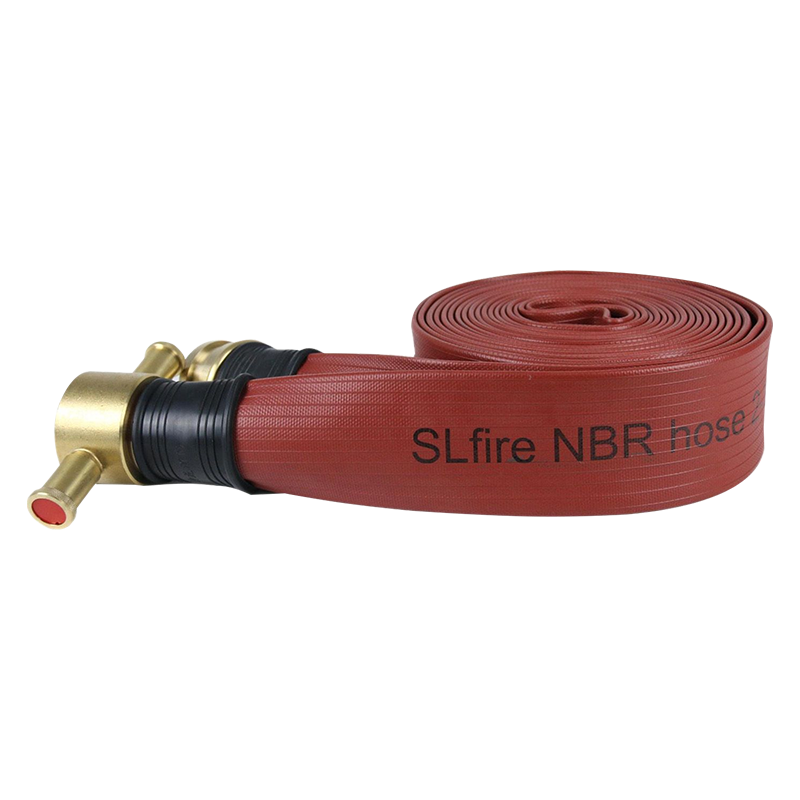
Nitrile covered hose •Nitrile/TPR blend as cover and lining, with 100% high-tenacity polyester yarn ...
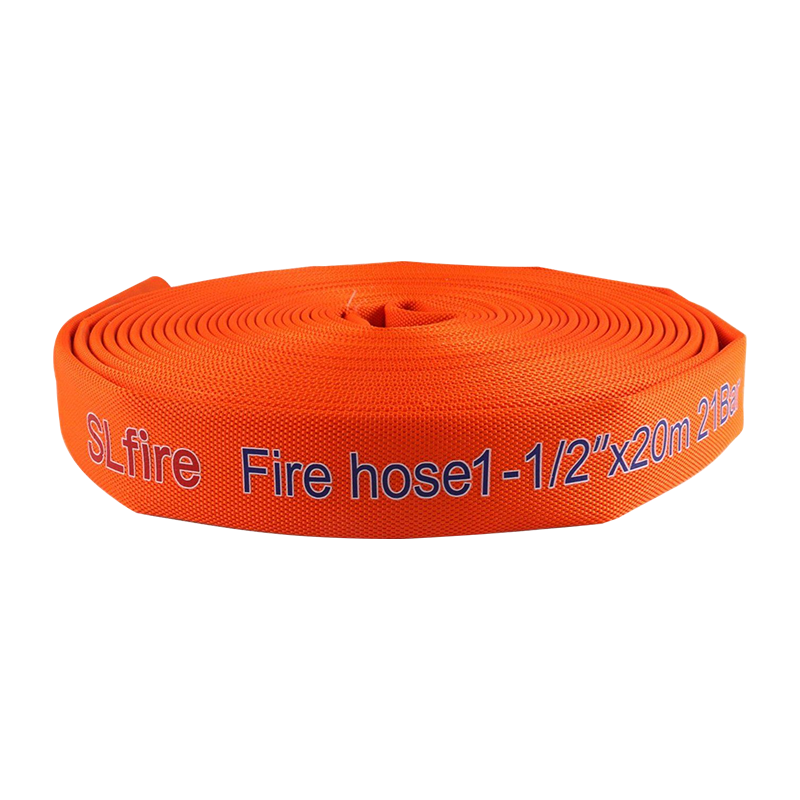
Single jacket, TPU liner •High-tenacity polyester yarn, circular woven in twill weave, TPU lining, f...
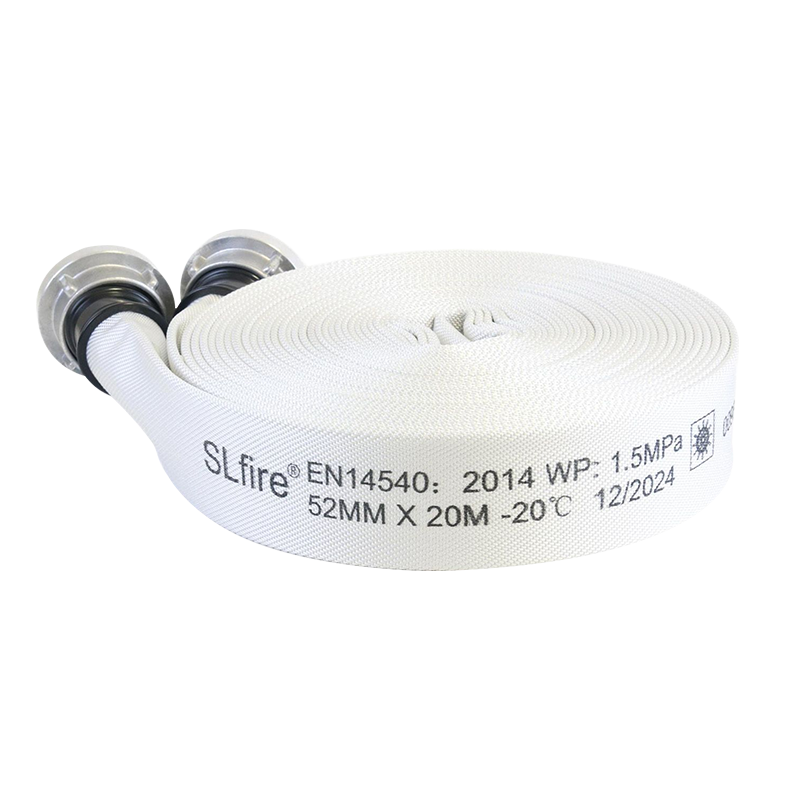
Marine hose Single jacket, PVC liner •100% high tenacity polyester yarn, circular woven in twill wea...
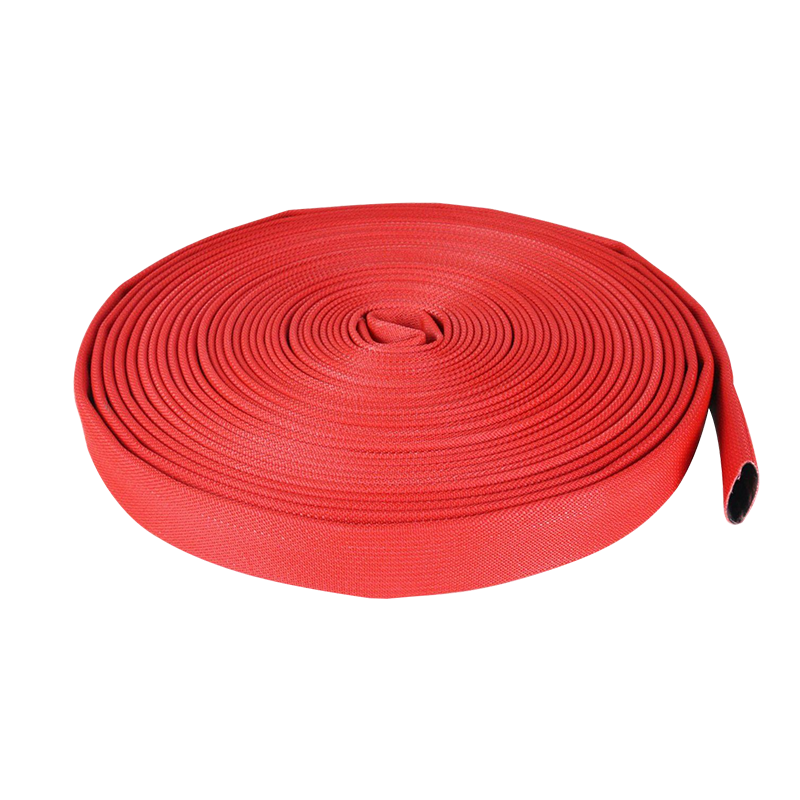
Marine hose Single jacket, PVC liner, PU coated •100% high tenacity polyester yarn,c ircular woven i...
 Call Us
+86 159-5116-9511
Need Support
Head Office
No.58, Kechuang Road, Sixiang Street Medicine Gaoxin District Taizhou City, Jiangsu Province

When the engine returns to the station after a working fire, the work is not done. The attack line is flushed, drained, and then rolled with a straight hose roll before anyone sits down. This techniq...
Copyright © Taizhou Shenlong Fire Science and Technology Co., Ltd. All Rights Reserved.
 Fire Hose Manufacturers, Fire Hydrant Hose Factory