

 English
 русский
 Español
 Deutsch
 عربى
عربى Français
 Português
Don't hesitate to send a message
Single jacket, EPDM rubber liner Features • 100% high tenacity polyester jacket, high-grade EPDM rub...
Content
The officer at the hydrant needs to split a 4-inch supply line into two 2.5-inch handlines, adapt a Storz connection onto an American NH hydrant, and keep each line's flow independent. Across the street, a nozzle operator switches from a straight stream to a wide fog pattern without leaving the line. Every one of those moves depends on fire hose appliances — the fittings and flow-control devices that connect, split, combine, adapt, and shape water between the pump and the nozzle tip.
Getting the appliances right matters as much as choosing the hose itself. A mismatched thread stops water at the hydrant. A corroded valve seat leaks pressure at the nozzle. A wye without individual outlet valves makes it impossible to close one line without starving the other. Selection, compatibility, and maintenance are not small details; they determine whether a water supply operation runs smoothly or falls apart.
Training and certification frameworks such as NFPA 1010 treat hose appliances as core firefighter knowledge, because a firefighter who cannot select and operate the right appliance cannot deliver water effectively. The definition is broad on purpose: an appliance is any device used together with fire hose to deliver, control, redirect, or combine water flow. That includes everything between the hydrant outlet and the nozzle, and in some definitions the nozzle itself.
| Appliance | Function | Typical use |
|---|---|---|
| Wye | Splits one supply line into two or more outlets | Feeding two attack lines from a single supply line |
| Siamese connection | Combines two or more inlet lines into one outlet | Supplying a standpipe or sprinkler system from multiple pumpers |
| Gate valve | Starts or stops flow through a line | Isolating a dead-end line or controlling a hydrant outlet |
| Gated wye | Wye with an individual valve on each outlet | Managing flow from one supply line to several attack lines |
| Adapter or reducer | Changes thread type or hose size | Connecting a Storz supply line to an NH hydrant outlet |
| Nozzle | Shapes and regulates the stream at the delivery point | Producing solid, fog, or adjustable patterns at the fireground |
Wyes and siamese connections are easy to confuse because both involve multiple hose lines. The difference is direction: a wye takes one input and creates multiple outputs, while a siamese takes multiple inputs and merges them into one output. Fire departments usually carry both, because real supply layouts rarely follow the textbook example.
A plain wye is the simplest way to divide a supply line. A 2.5-inch wye with two 1.5-inch outlets lets an engine feed two handlines from one hose bed. A gated wye adds a valve on each outlet, so crew members can close one line without shutting down the other. That difference matters during long operations: with un-gated wyes, every line shares the same flow path, and opening one nozzle drops pressure in the others.
Siamese connections support high-demand layouts where one supply line is not enough. Two pumpers can each lay a line into a siamese that feeds a standpipe, giving the building's interior system the pressure and volume of both engines. The same appliance is used on some hydrant hookups to combine two hydrant outlets into one large supply, and on relay pumping to merge multiple supply lines into an elevated or distant water source.
Gate valves, ball valves, and butterfly valves all play a role in fire hose systems. The gate valve is the standard appliance for isolating dead-end lines and hydrant discharges. In pumping operations, valves let the driver adjust flow on one line without changing pump speed, which protects pressure on the other lines. A poorly chosen valve — one with a small internal bore, for example — adds friction loss and shortens stream reach at the nozzle.
Mixed-thread situations are common when departments buy apparatus from different manufacturers, operate across jurisdictional borders, or build an interchangeable hose inventory. A Storz-to-NH adapter, a 4-inch-to-2.5-inch reducer, a double-male or double-female fitting: all are low-cost appliances with outsized operational value. It is not unusual for a pumper to carry five or more adapter types just to cover the hydrant and standpipe variations in its response district.
Nozzles are the last appliance in the system, and they shape the fire attack itself. Smooth-bore nozzles deliver a solid stream with good reach at a fixed flow and low nozzle reaction. Adjustable fog nozzles let the officer change pattern and flow without leaving the line. The right choice depends on the department's attack methods and the hose diameter feeding the line, and many departments carry both types.
Before buying any appliance, confirm the thread standard on both the hose and the water source. The major coupling standards in use worldwide include Storz, American National Standard (NH), British John Morris, Barcelona, Machino, Russian GOST, French DSP, Italian UNI, and Japanese Nakajima. Each has a distinct thread profile, and none of them mate with the others without an adapter.
Compatibility is usually the first question a manufacturer asks at quotation stage. When the supplier lists the coupling standard on every product, the purchasing team can avoid the most common failure in fire hose procurement: perfect hose that cannot connect to the hydrants, standpipes, or neighboring apparatus in its own response area.
Pressure ratings matter just as much. A 16 bar working pressure coupling suits pumper discharge lines, large-diameter supply hose, and high-pressure industrial installations. A lower-rated coupling may be adequate only for gravity-fed or reduced-pressure systems, and using it beyond its rating risks a burst at the connection point. For crews standardized on American NH threads, American hose couplings rated at 16 bar working pressure are machined with tight tolerances to prevent thread binding and reduce leakage over years of hard use.
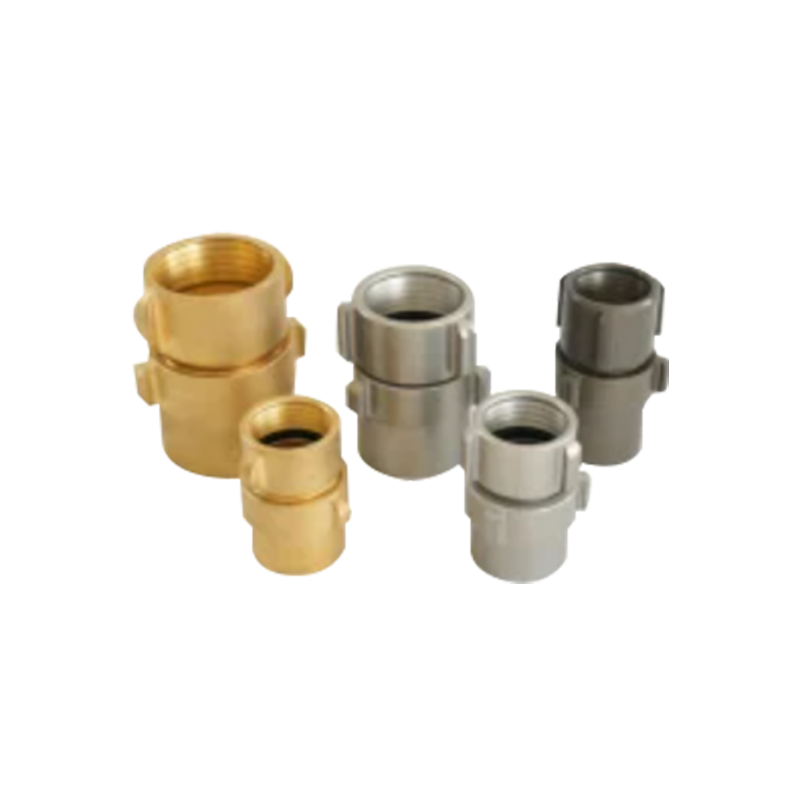 16Bar Working pressure American Hose Couplings Suppliers, CompanyTaizhou Shenlong Fire Science and Technology Co., Ltd is China Custom 16Bar Working pressure American Hose Couplings Suppliers and 16Bar ...View Product →
Fire attack tactics decide the nozzle specification. A department that relies on exterior master streams and transitional attack may favor smooth-bore nozzles for reach and volume. A department that works primarily indoors needs adjustable fog nozzles to change pattern quickly and to protect crews with water curtain techniques. Either choice is legitimate; the nozzle simply has to match the hose diameter and the pump discharge pressure used on the line.
A multipurpose option can reduce the number of nozzle types carried on an engine. The pistol-grip multipurpose fire nozzle gives the operator a comfortable grip for extended suppression work while keeping adjustable pattern and flow in one package. That flexibility matters for departments that cannot stock a dedicated nozzle for every scenario.
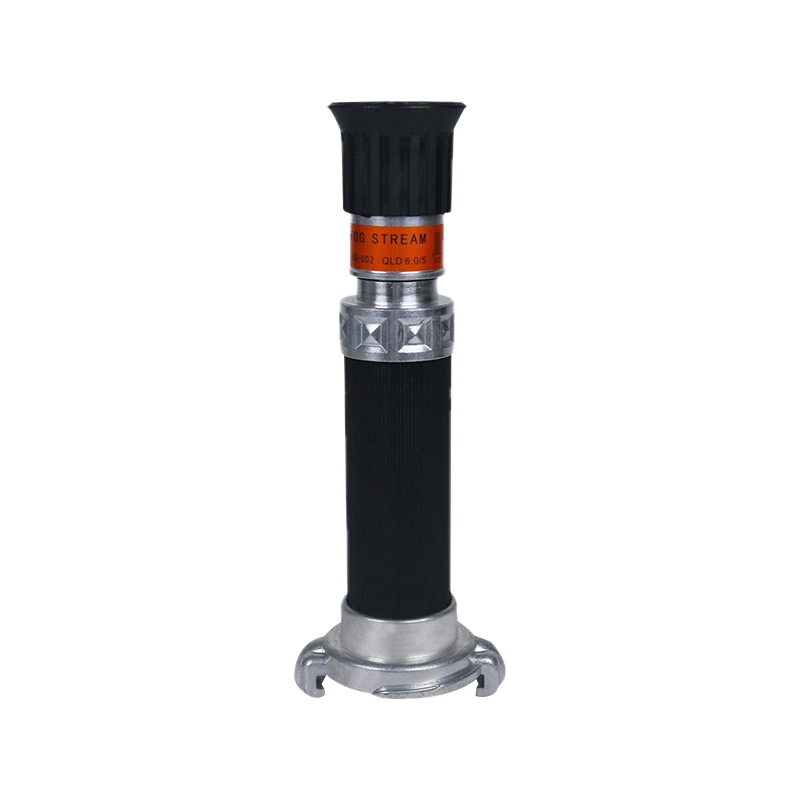 Pistol Grip Fire Multi-Purpose Hose Nozzel Suppliers, CompanyTaizhou Shenlong Fire Science and Technology Co., Ltd is China Custom Pistol Grip Fire Multi-Purpose Hose Nozzel Suppliers and Pistol Gri...View Product →
Pressure at the nozzle is not set by the nozzle alone; it is the sum of pump pressure, hose diameter, elevation, and the friction loss created by every appliance in the line. For a closer look at that relationship, see how fire hoses maintain pressure during firefighting operations.
Fire hose appliances do not operate in isolation. A complete fire hose system links the hose, couplings, nozzles, and the storage or deployment equipment that keeps them ready. System-level decisions — flat-load hose beds versus reels, for example — change which appliances can be carried and how quickly they can be put into service.
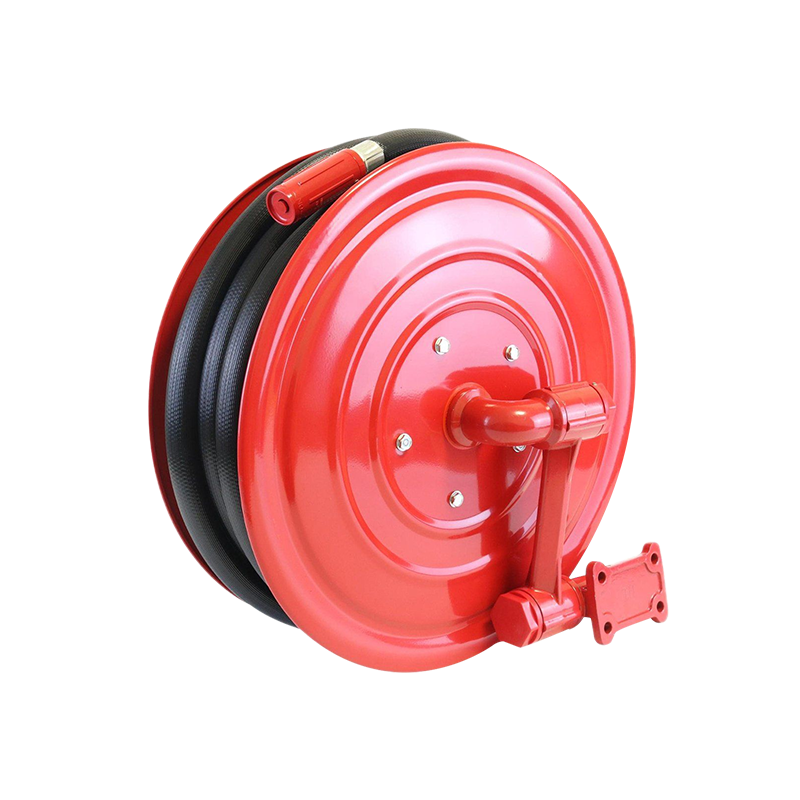
In buildings with limited space, fixed and swing manual fire hose reels keep a length of hose, a shutoff valve, and a nozzle in one accessible package. They are a practical choice for standpipe and initial-attack duties in residential and commercial occupancies, as long as the reel is sized for the hose diameter and length it will carry and the nozzle matches the reel's rated flow.
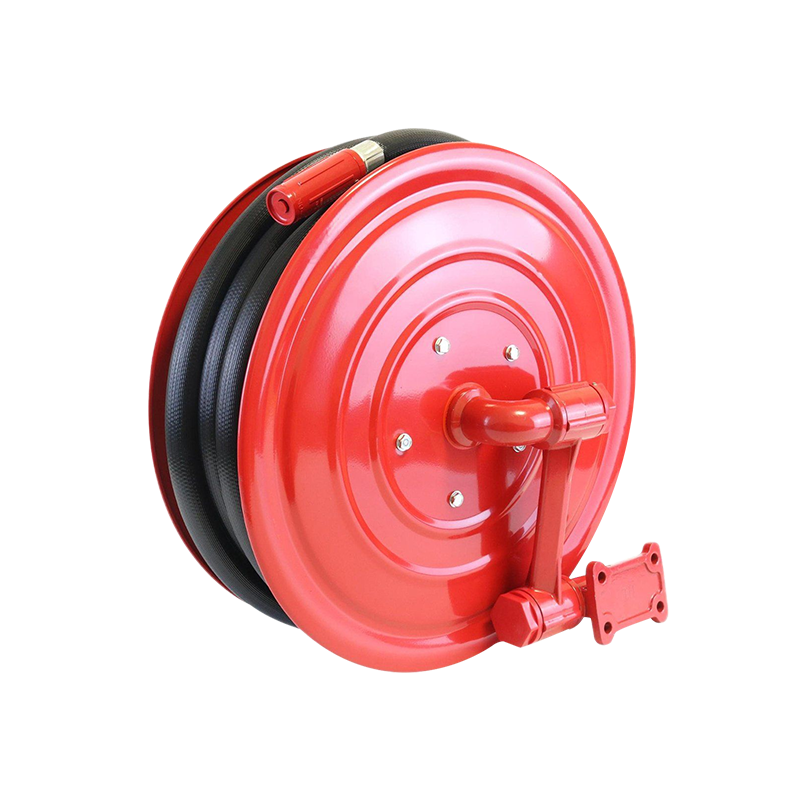 Fixed Manual / Swing Manual Fire Hose Reels Suppliers, CompanyTaizhou Shenlong Fire Science and Technology Co., Ltd is China Custom Fixed Manual / Swing Manual Fire Hose Reels Suppliers and Fixed Ma...View Product →
When assembling a system, confirm that couplings, adapters, and nozzles are compatible with the hose lining material and its pressure class. An EPDM-lined supply hose rated at 16 bar, for example, pairs correctly with couplings tested to the same pressure. The same logic applies to industrial and marine contexts, where corrosion resistance and material compatibility add another layer of selection criteria.
Fire hose appliances are mechanical parts with seals, threads, and moving elements. They degrade whether they are used daily or left on the shelf for months. The most common failure points are damaged threads, corroded valve seats, degraded gaskets, and seized ball or gate mechanisms. A short visual and functional check before each shift catches most of these issues.
Keep appliance surfaces clean, lubricate moving parts with a light silicone grease, and protect threads with caps or plugs when not in use. If an appliance is dropped on the fireground, take it out of service until the threads are checked and the valve function is verified. Replacement gaskets and O-rings are inexpensive; a leak at the wrong moment is not. For the full seasonal and environmental picture, see this guide to proper care and storage of hose couplings.
Because appliances are inexpensive relative to hose and apparatus, replacing worn fittings before they fail is the cheapest insurance a department can buy. A clean thread connects in seconds; a corroded one costs time on the fireground, and time is the one resource no pump can replace.
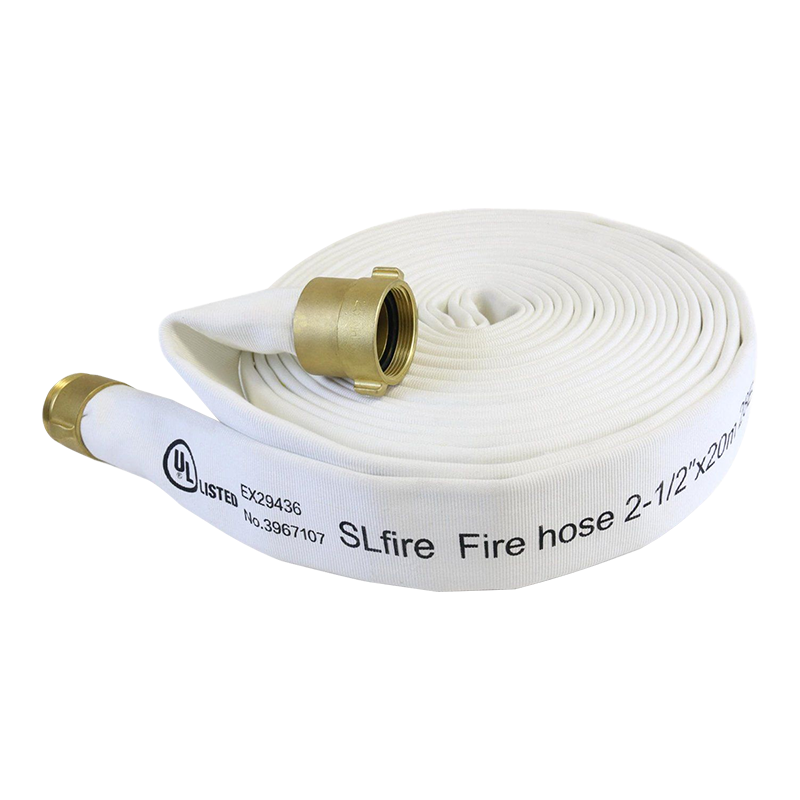
Single jacket, EPDM rubber liner Features • 100% high tenacity polyester jacket, high-grade EPDM rub...
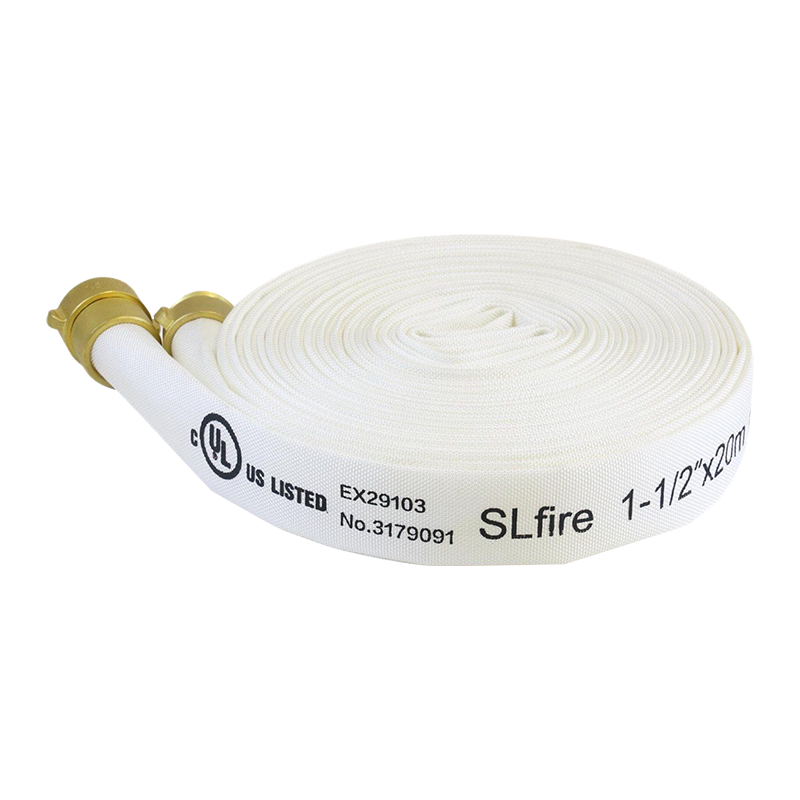
Single jacket, TPU liner •High-tenacity polyester yarn, circular woven in twill weave/plain weave,T ...
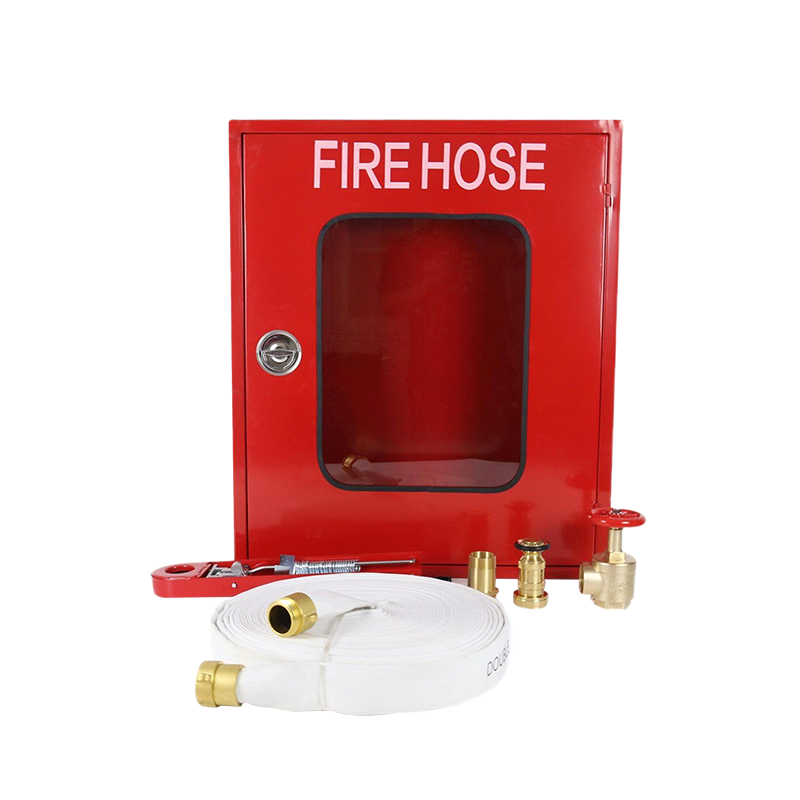
Fire cabinets are designed to accommodate fire hose,valve and other firefighting equipment. Type 201...
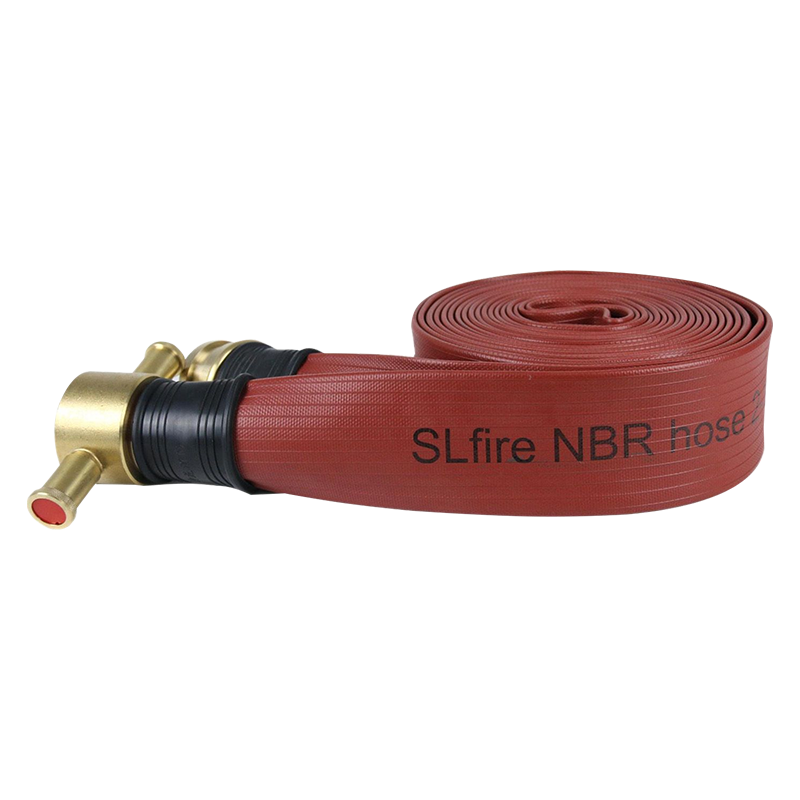
Nitrile covered hose •Nitrile/TPR blend as cover and lining, with 100% high-tenacity polyester yarn ...
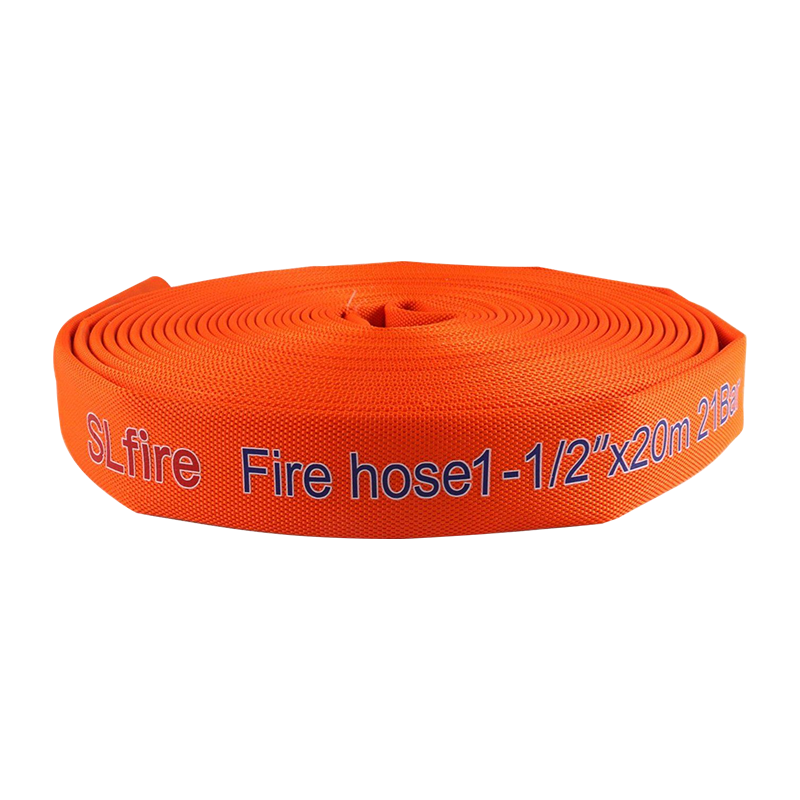
Single jacket, TPU liner •High-tenacity polyester yarn, circular woven in twill weave, TPU lining, f...
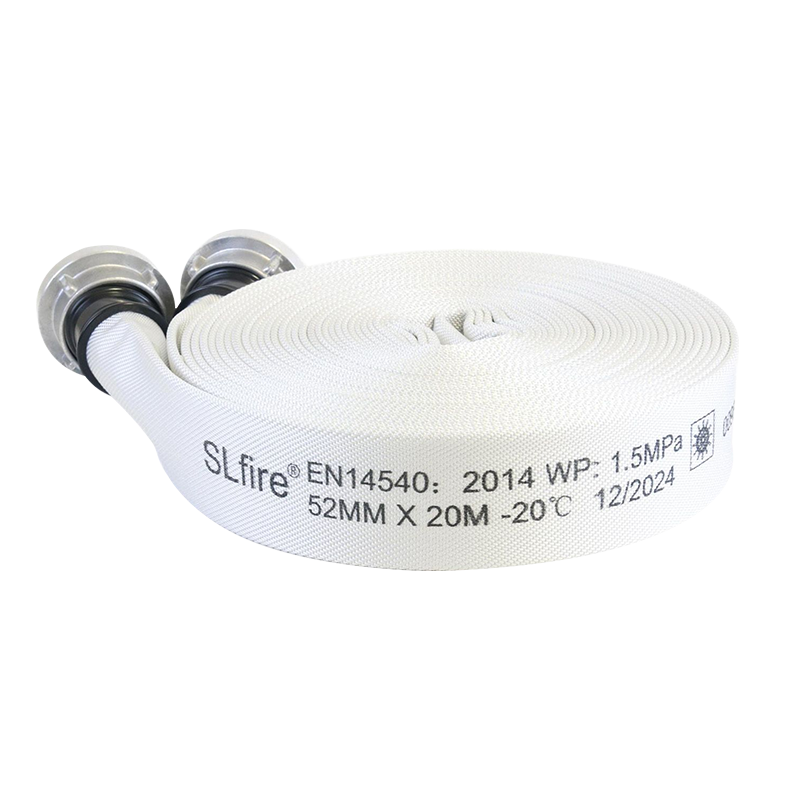
Marine hose Single jacket, PVC liner •100% high tenacity polyester yarn, circular woven in twill wea...
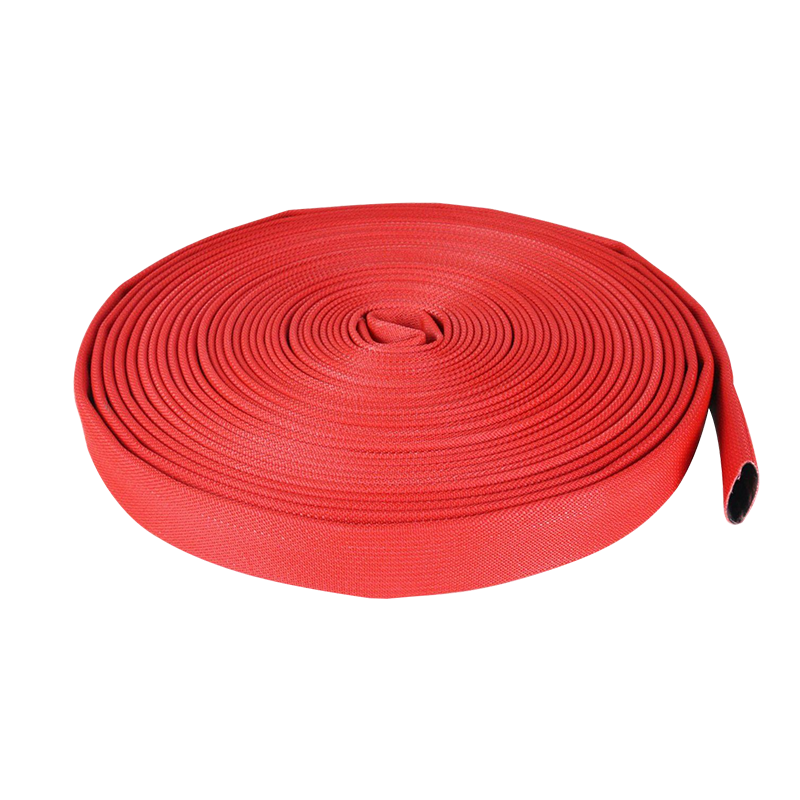
Marine hose Single jacket, PVC liner, PU coated •100% high tenacity polyester yarn,c ircular woven i...
 Call Us
+86 159-5116-9511
Need Support
Head Office
No.58, Kechuang Road, Sixiang Street Medicine Gaoxin District Taizhou City, Jiangsu Province

When the engine returns to the station after a working fire, the work is not done. The attack line is flushed, drained, and then rolled with a straight hose roll before anyone sits down. This techniq...
Copyright © Taizhou Shenlong Fire Science and Technology Co., Ltd. All Rights Reserved.
 Fire Hose Manufacturers, Fire Hydrant Hose Factory