

 English
 русский
 Español
 Deutsch
 عربى
عربى Français
 Português
Don't hesitate to send a message
Single jacket, EPDM rubber liner Features • 100% high tenacity polyester jacket, high-grade EPDM rub...
Content
Picture an engine operator throttling up while the firefighter at the nozzle still has a weak stream. The line looks sound, the couplings are tight, and the pump gauge is climbing. The missing pressure is being consumed inside the hose itself. Fire hose friction loss is the pressure drop that occurs as water moves along the inside of a hose, and it affects every handline, supply line, and relay operation.
Friction loss is a normal physical effect, but it is also manageable. In practical terms, it depends on four things: hose diameter, flow rate, hose length, and the smoothness of the inner liner. Choosing the right hose, laying it out properly, and accounting for pressure loss before the pump work begins can make the difference between effective fire attack and a disappointing stream.
Nozzle performance depends on pressure. A nozzle designed for 100 psi will not produce the same flow, reach, or fog pattern if it receives only 70 psi. As friction loss eats away at the pressure inside the hose, the actual flow at the nozzle drops. That means less water on the fire, shorter reach, and slower knockdown.
The issue goes beyond fire attack. Pump operators often try to compensate by raising discharge pressure, but that approach has limits. Higher pressure stresses the hose, couplings, and fittings, and it does not remove the underlying restriction. A better solution is to design the layout with friction loss in mind: use the correct diameter, keep hose runs as short as the scene allows, and choose a hose with a smooth liner. For teams working in demanding settings, understanding how fire hoses maintain pressure during firefighting operations helps explain why hose selection is as important as pump pressure. Similar principles apply in industrial and marine firefighting applications, where water supply distances and pump pressures vary significantly.
Diameter is usually the biggest single factor in friction loss. A larger hose has a much larger internal cross-section, so water moves more slowly at the same flow rate. Slower flow creates less turbulence and less contact friction. For example, a 2-inch attack line carries a given flow with less friction loss than a 1.5-inch line at the same flow. The tradeoff is weight and handling, but the hydraulic advantage is clear.
Friction loss does not increase in a straight line with flow. In most smooth-bore fire hose, friction loss rises roughly with the square of the flow rate. If you double the flow through a given hose, the friction loss can roughly quadruple. This is why small changes in nozzle settings or pump discharge can create large changes in actual nozzle pressure.
Friction loss accumulates along the full length of the hose. A 200-foot lay loses roughly twice as much pressure as a 100-foot lay at the same flow, assuming the same hose and flow rate. Every extra coupling, bend, or kink adds a little resistance. A straight, unkinked hose run is a simple way to minimize pressure loss.
The smoothness of the water channel also matters. A hose with a rough or wrinkled inner surface creates turbulence and more friction loss. This is why liner quality is so important. Couplings can add friction loss if their bore is narrower than the hose, so couplers should be matched to the hose size and kept in good condition with proper care and storage of hose couplings.
You do not need to memorize complex fire hydraulics to plan a layout. A practical method is to start with a friction loss value for one 100-foot section of hose at a given flow, then multiply by the number of 100-foot sections in the layout. Many manufacturers publish friction loss charts or provide data per 50 or 100 feet. Some pump charts also list typical values for different hose diameters.
The basic process is straightforward:
Online calculators are convenient, but they are only as good as the data behind them. The most dependable numbers come from the actual hose you plan to use, which is why a manufacturer’s friction loss data should be part of the purchase decision.
A fire hose is not just a tube of fabric; it is a carefully layered product. The outer jacket provides abrasion resistance and structural strength, while the inner liner creates a watertight, low-friction channel. Liner materials such as TPU and EPDM are common because they can be applied as smooth, continuous surfaces. A smooth liner reduces turbulence and keeps friction loss lower over the life of the hose.
Hose construction also affects how the hose behaves under pressure. A single-jacket hose is lighter and easier to maneuver, which makes it practical for handlines and wildland work. A double-jacket hose adds durability for supply lines and demanding industrial settings. The right choice depends on the operating pressure, flow, and working environment, not just the diameter.
For example, a single-jacket TPU lined attack hose is often a good match for fire attack lines where a smooth bore and easy handling matter. In contrast, a double-jacket EPDM rubber lined supply hose gives large-diameter supply layouts a sturdy outer shell and a smooth internal liner. For forestry crews, a single-jacket TPU lined forestry fire hose keeps weight down while still providing the smooth waterway needed at the lower flows typical of wildland operations.
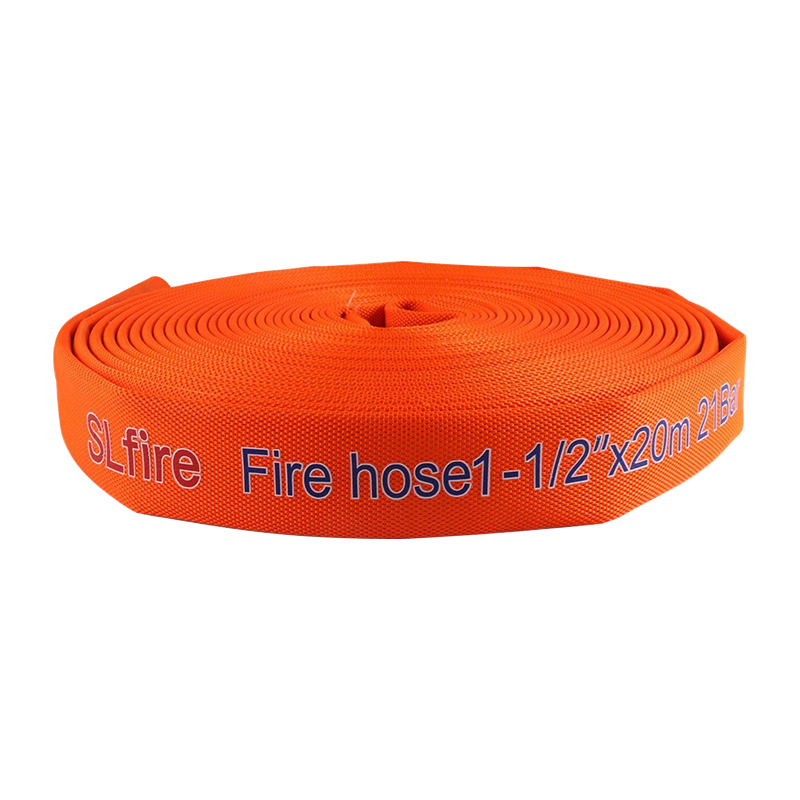 Single Jacket TPU Liner Forestry Fire Hose Suppliers, CompanyTaizhou Shenlong Fire Science and Technology Co., Ltd is China Custom Single Jacket TPU Liner Forestry Fire Hose Suppliers and Single Jac...View Product →
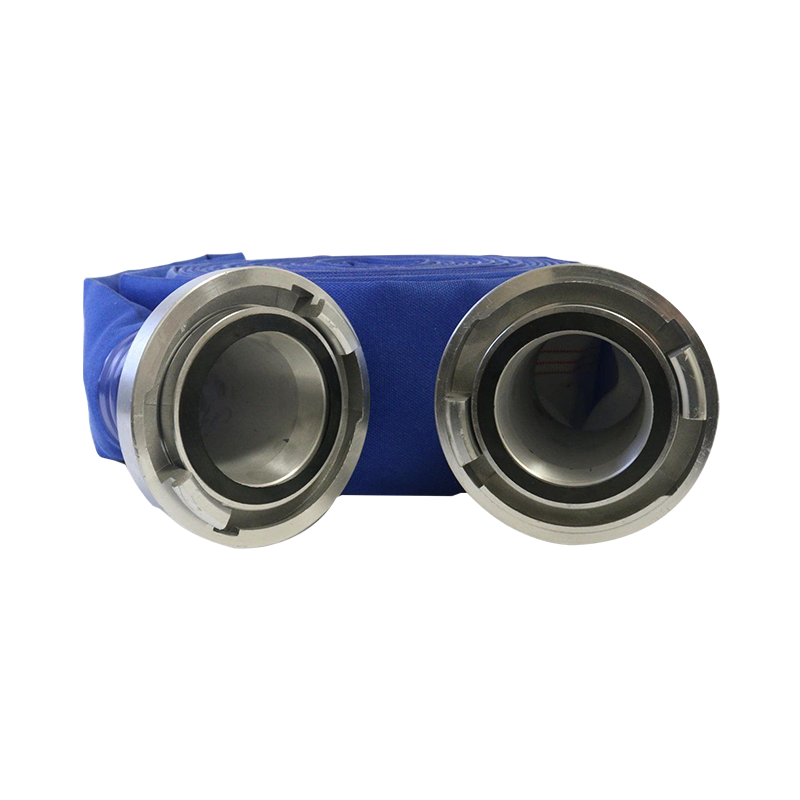 Double Jacket EPDM Rubber Liner Supply Hose Suppliers, CompanyTaizhou Shenlong Fire Science and Technology Co., Ltd is China Custom Double Jacket EPDM Rubber Liner Supply Hose Suppliers and Double Ja...View Product →
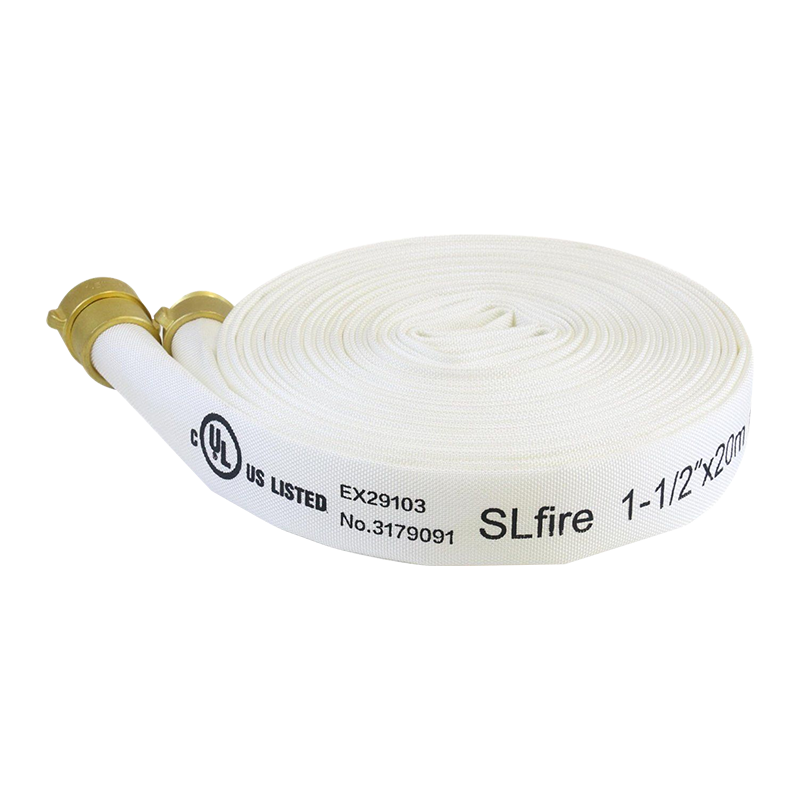 TPU Lined Fire Hose Suppliers,TPU Liner Attack Hose CompanyShenlong is China Custom TPU Lined Fire Hose Suppliers,Single Jacket TPU Liner Attack Hose Company, supply TPU Lined Fire Hose, Single Ja...View Product →
| Hose role | Typical diameter range | Lining priority | Friction-loss expectation |
|---|---|---|---|
| Attack line | 1.5 to 2.5 in | Smooth, flexible liner | Higher per 100 ft at handline flows; choose larger diameter when flow demands |
| Supply line | 3 to 5 in | Low-friction liner with durable jacket | Lower per 100 ft at high flows; good for long layouts |
| Forestry line | 0.75 to 1.5 in | Lightweight smooth liner | Higher per 100 ft due to small diameter; used at lower flow rates |
Start with the job. An attack hose carried into a structure needs to be light and flexible enough for rapid movement. A supply hose stretched from a hydrant or tender needs to handle higher flow over a longer distance. The same hose cannot always do both well. Define the expected flow and nozzle pressure before selecting a hose, then compare friction loss per 100 feet at those conditions.
When comparing products, look at the liner rather than only the outer jacket. A smooth TPU or EPDM liner will generally have lower friction loss than a rough or uneven surface, and it will stay smooth as the hose is coiled, flattened, and repacked. Ask for friction loss data at the flows you actually use, not just at a single test point. The lowest friction loss on paper does not always mean the best hose if the liner cannot tolerate your operating conditions, so balance smoothness, durability, and flexibility.
Friction loss is not only about the hose. Couplings with a narrowed bore, damaged threads, or dirty gaskets can add pressure loss and cause leaks. A crew that cleans and inspects its couplings will protect the entire water delivery system. Regular care makes it easier to keep friction loss predictable. Rely on verified manufacturer data, train with the actual hose and nozzles, and build a pump chart based on real measured performance so the next fireground operation starts with numbers you can trust.
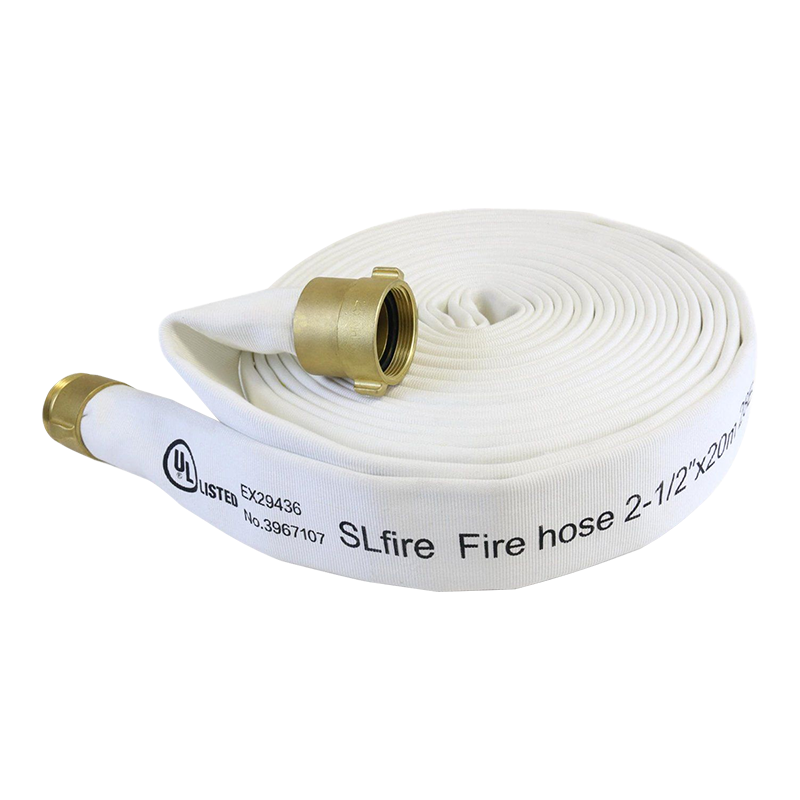
Single jacket, EPDM rubber liner Features • 100% high tenacity polyester jacket, high-grade EPDM rub...
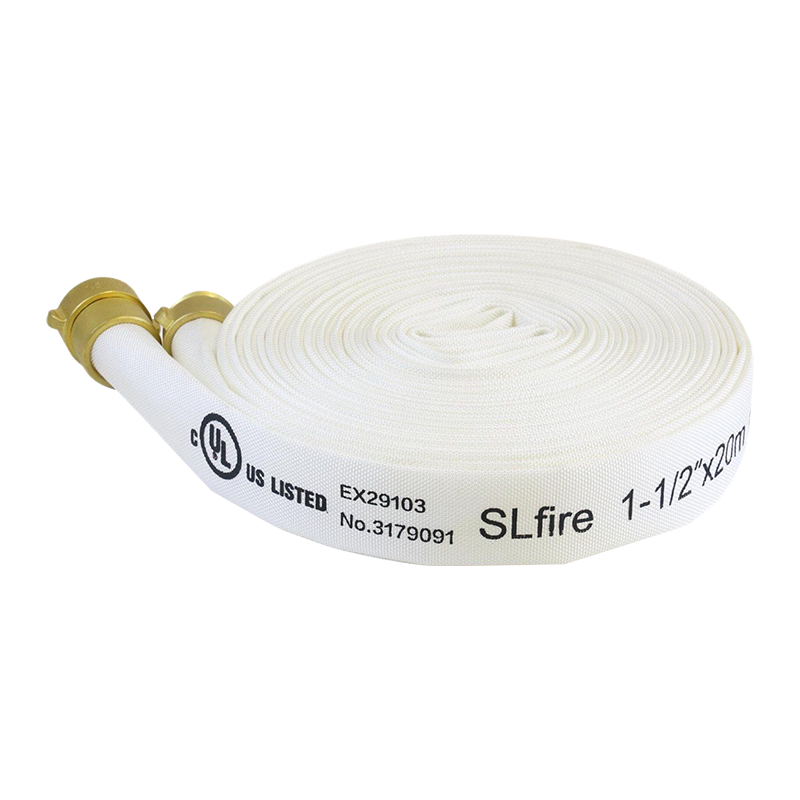
Single jacket, TPU liner •High-tenacity polyester yarn, circular woven in twill weave/plain weave,T ...
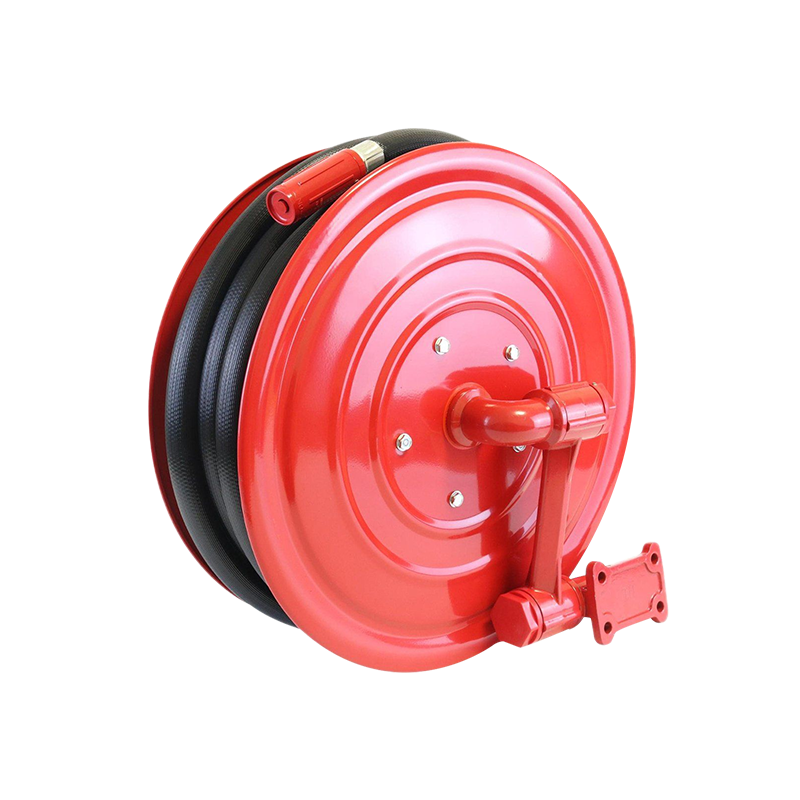
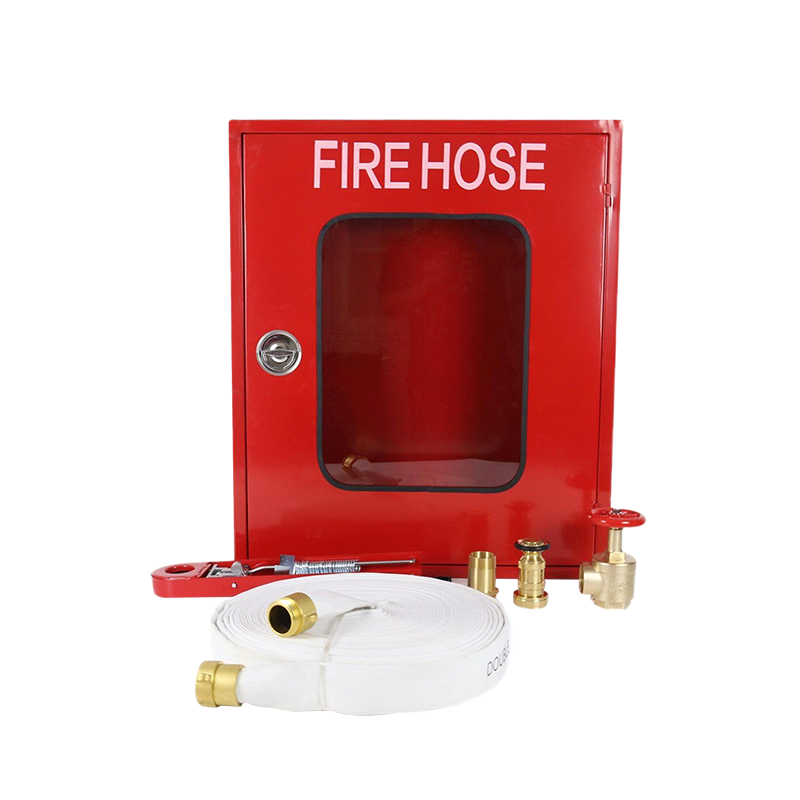
Fire cabinets are designed to accommodate fire hose,valve and other firefighting equipment. Type 201...
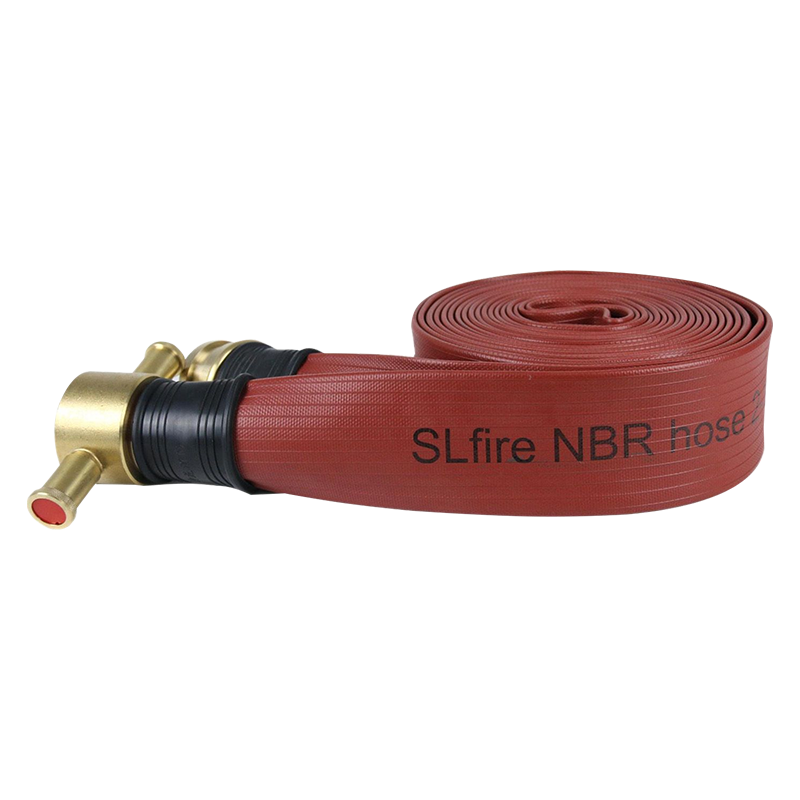
Nitrile covered hose •Nitrile/TPR blend as cover and lining, with 100% high-tenacity polyester yarn ...
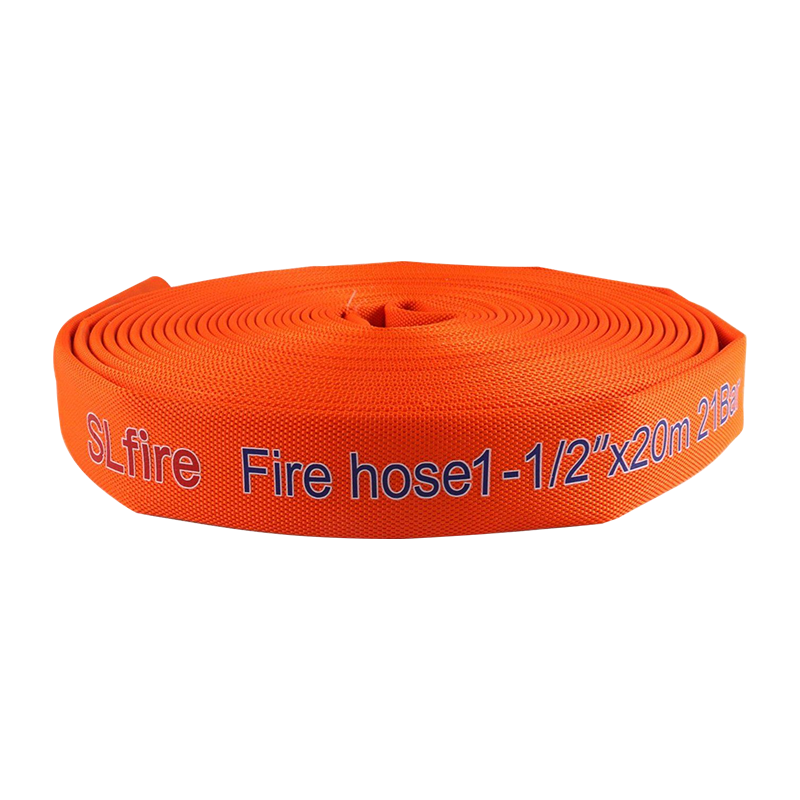
Single jacket, TPU liner •High-tenacity polyester yarn, circular woven in twill weave, TPU lining, f...
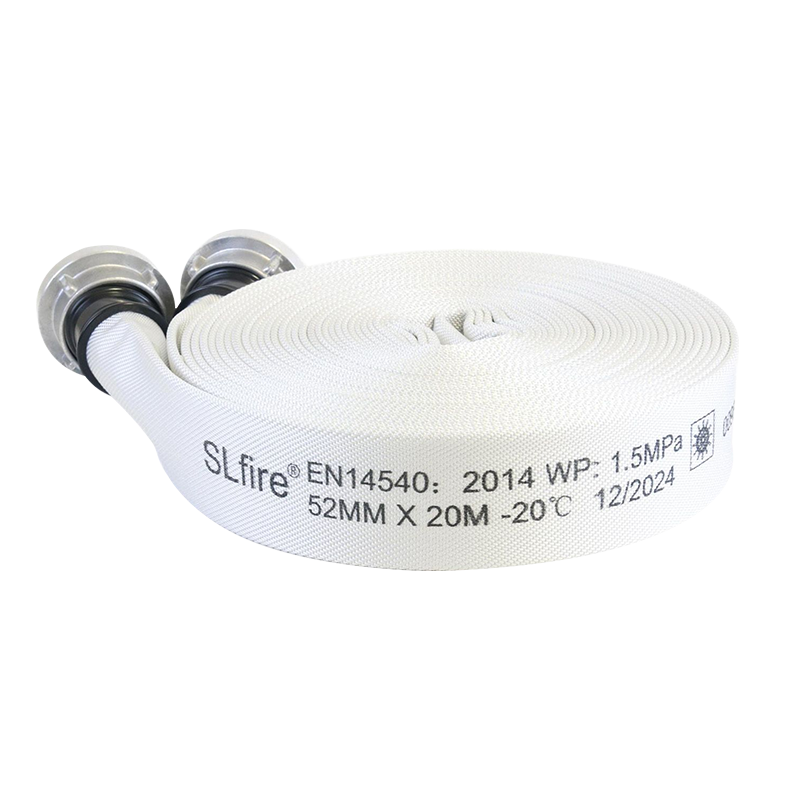
Marine hose Single jacket, PVC liner •100% high tenacity polyester yarn, circular woven in twill wea...
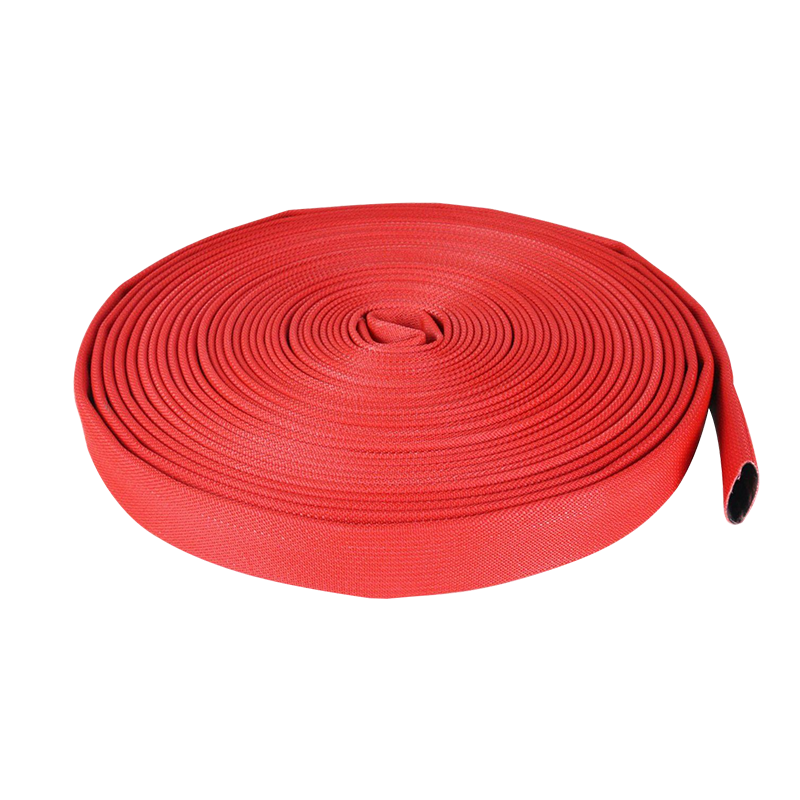
Marine hose Single jacket, PVC liner, PU coated •100% high tenacity polyester yarn,c ircular woven i...
 Call Us
+86 159-5116-9511
Need Support
Head Office
No.58, Kechuang Road, Sixiang Street Medicine Gaoxin District Taizhou City, Jiangsu Province

When the engine returns to the station after a working fire, the work is not done. The attack line is flushed, drained, and then rolled with a straight hose roll before anyone sits down. This techniq...
Copyright © Taizhou Shenlong Fire Science and Technology Co., Ltd. All Rights Reserved.
 Fire Hose Manufacturers, Fire Hydrant Hose Factory