

 English
 русский
 Español
 Deutsch
 عربى
عربى Français
 Português
Don't hesitate to send a message
Single jacket, EPDM rubber liner Features • 100% high tenacity polyester jacket, high-grade EPDM rub...
Content
When an engine crew arrives at a structure fire, the first minutes are decided by equipment that was chosen months earlier. The attack line has to be light enough to advance quickly, the nozzle has to produce a stream that matches the fire conditions, and every coupling has to mate with the hydrant, the pumper, and the standpipe without a second thought. A fire hose is only as effective as the nozzle it feeds and the couplings it connects to.
The practical conclusion is that fire hoses and nozzles should be planned as one system, not as separate accessories. Liner material, jacket construction, nozzle pattern, and coupling standard all affect one another. A mismatch at any point reduces flow, adds friction loss, or creates a failure point on the fireground.
For fire departments, marine operators, and industrial teams, the real selection question is not which single component is strongest, but which combination is best matched to the duty, the environment, and the hardware already in service.
Fire hoses are generally grouped by the job they perform in water delivery, and each job places different demands on the liner and the jacket. Understanding those demands is the first step toward a spec that performs reliably under pressure.
Attack hoses carry water from the pumper to the nozzle at the fire. They must be flexible enough to move through doorways and up stairwells, abrasion-resistant enough to survive contact with glass and debris, and strong enough to hold handline working pressure. Fire departments frequently choose a single-jacket TPU-lined attack hose because the thermoplastic polyurethane liner stays smooth for low friction loss while the jacket keeps the overall weight manageable. EPDM rubber liners are also common where extra heat and ozone resistance is required, and nitrile-covered versions add oil resistance for industrial settings.
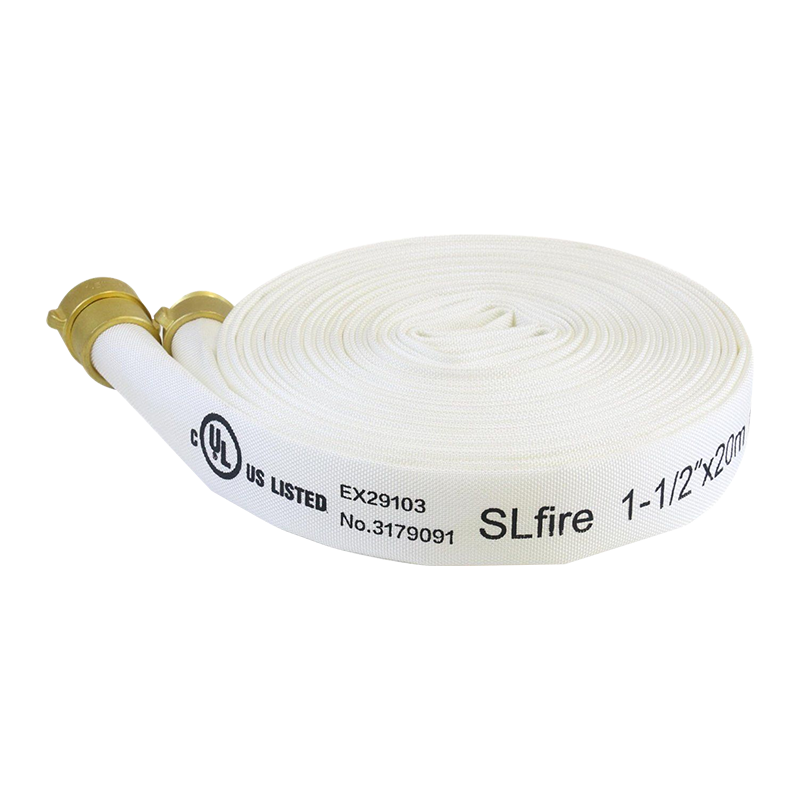 TPU Lined Fire Hose Suppliers,TPU Liner Attack Hose CompanyShenlong is China Custom TPU Lined Fire Hose Suppliers,Single Jacket TPU Liner Attack Hose Company, supply TPU Lined Fire Hose, Single Ja...View Product →
Supply hoses move water from a hydrant or static source to the pumper, or from the pumper to a distribution point. Because the runs are longer and the flows are higher, the liner must be smooth to minimize friction loss, and the jacket often needs to be heavier to survive being laid along roadways and across rough ground. A double-jacket EPDM rubber-lined supply hose is a typical choice for this duty, with TPU-lined versions offering a lighter alternative where weight is the bigger concern.
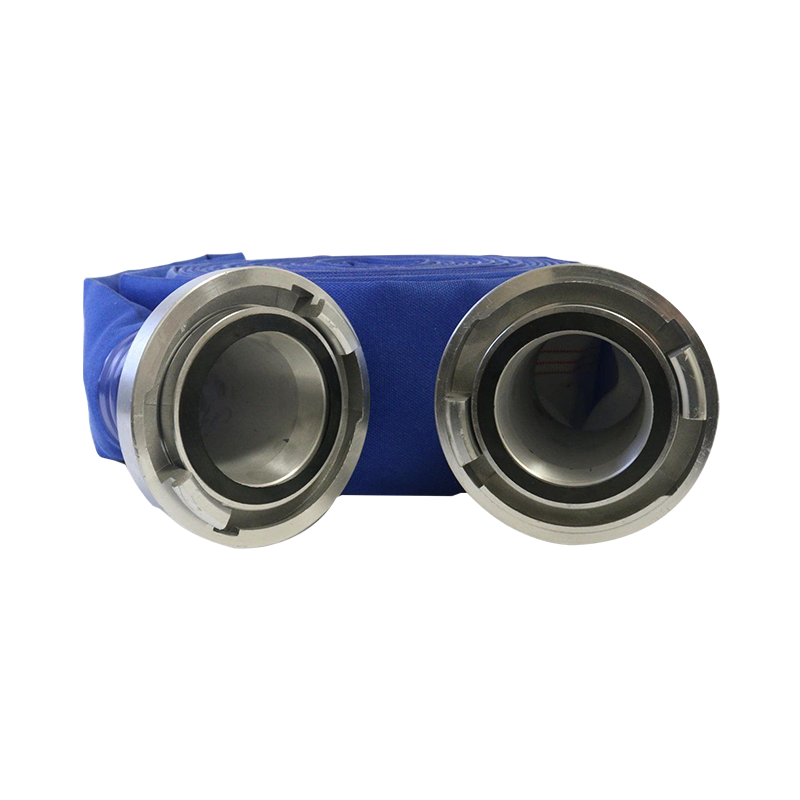 Double Jacket EPDM Rubber Liner Supply Hose Suppliers, CompanyTaizhou Shenlong Fire Science and Technology Co., Ltd is China Custom Double Jacket EPDM Rubber Liner Supply Hose Suppliers and Double Ja...View Product →
Specialty fire hoses adapt the same construction principles to a specific environment. Forestry hoses are built light, often with a single TPU liner, so crews can carry them over steep terrain. Marine hoses use PVC covers, PU coatings, or EPDM liners to resist saltwater corrosion and constant flexing, as explained in our overview of industrial and marine firefighting applications. Mill discharge hoses are designed for industrial water, slurry, and mine discharge, which is why the EPDM construction is often doubled for extra abrasion resistance.
| Hose type | Common liner and jacket | Typical working pressure | Best suited for |
|---|---|---|---|
| Attack hose | Single-jacket TPU or EPDM liner | 200–400 psi | Interior attack, fast hose lays |
| Supply hose | Double-jacket EPDM or TPU liner | 150–300 psi | Long-distance water movement |
| Forestry hose | Single-jacket TPU liner | 200–300 psi | Wildland and steep terrain |
| Marine hose | PVC-covered or PU-coated jacket | 150–250 psi | Shipboard, docks, offshore platforms |
| Mill discharge hose | Double-jacket EPDM liner | 150–250 psi | Industrial water and slurry handling |
The nozzle converts the hydraulic energy of the pump into the stream that reaches the fire. Its pattern affects reach, penetration, water usage, and crew protection, which is why nozzle selection deserves the same attention as the hose itself.
Straight stream and smooth bore nozzles deliver a compact, solid column of water with the longest reach and deepest penetration at a relatively low pressure loss. They are well suited to exterior operations, exposed fires, and scenarios where water supply is limited. The trade-off is a narrow pattern and less ability to shield the crew with a spray curtain.
Fog and adjustable spray nozzles break the water into droplets, increasing surface area and accelerating heat absorption. The same nozzle can usually sweep from a straight stream to a wide-angle fog, which gives crews tactical flexibility for interior attack, ventilation, and thermal protection. The cost is higher flow and slightly higher friction loss at the same pressure.
Multipurpose designs combine several patterns in one body and are especially common on hose reels and fixed installations, where the operator needs to switch from stream to spray quickly without changing tools. A pistol-grip multipurpose fire hose nozzle is a practical example of this format, offering adjustable patterns in a single unit.
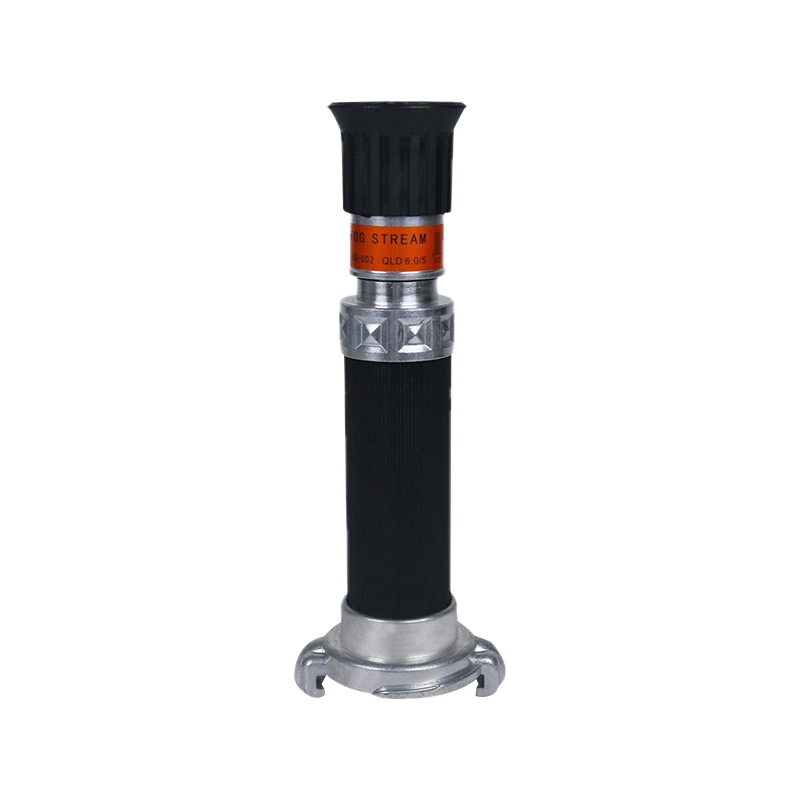 Pistol Grip Fire Multi-Purpose Hose Nozzel Suppliers, CompanyTaizhou Shenlong Fire Science and Technology Co., Ltd is China Custom Pistol Grip Fire Multi-Purpose Hose Nozzel Suppliers and Pistol Gri...View Product →
Coupling compatibility is just as important as the pattern. A nozzle is useless if it cannot mate with the hose and the pumper outlet. Standards differ from market to market: Storz and American National Standard threads are common in parts of Europe and North America, John Morris and Machino in Asian and Commonwealth markets, and GOST, DSP, UNI, and other national standards elsewhere. A manufacturer that offers nozzles in different inlet sizes and coupling standards simplifies both domestic and export projects considerably.
Selecting fire hoses and nozzles comes down to matching three things: the pump, the hose lay, and the operating environment. Each criterion filters the options in a different way.
Every hose has a rated working pressure, and every nozzle has a rated flow at a given pressure. Both must be compatible with the pump output and the length of the hose lay, because friction loss reduces the pressure available at the nozzle. On a long supply line, the difference between a smooth liner and a high-friction liner can mean the difference between an effective stream and a weak one. Understanding how fire hoses maintain their pressure during firefighting operations helps explain why this matching matters in practice.
The liner is the part that touches the water, so it sets the friction loss and largely determines how the hose behaves in cold, heat, chemicals, and sunlight. TPU liners are lightweight, abrasion-resistant, and stay flexible in low temperatures. EPDM rubber liners provide strong heat and ozone resistance, which is why they dominate supply and industrial duties. PVC liners are economical and dependable for lighter service, while nitrile constructions add oil resistance for marine and workshop environments. The environment of the end user should drive the material choice, not the unit price alone.
Before approving a hose and nozzle combination, verify that the coupling standard matches your hydrants and appliances, and that the nozzle inlet size matches the hose diameter. Confirm the documented working pressure and test pressure rating, then plan periodic retesting and sensible storage. Couplings and nozzles may look rugged, but UV, moisture, and chemical exposure degrade seals and threads over time. Knowing how to care for and store hose couplings to prevent environmental degradation extends service life and prevents failures at the worst moment.
When preparing a specification, a practical checklist looks like this:
For departments and distributors, buying hoses, nozzles, and couplings from a single manufacturer simplifies specification, inspection, and warranty management. Taizhou Shenlong Fire Science and Technology has organised its production around exactly this system approach. The company makes fire hose liners in EPDM, TPU, PVC, PU, and nitrile combinations, produces nozzle bodies across multiple inlet sizes, and manufactures couplings to American, British, French, German, Italian, Russian, Japanese, and other national standards.
Backing the range is a production base of 17,000 square meters with a 60-meter automated vulcanization line, a five-person R&D team that includes engineers with more than 20 years of experience, and a workforce in which most employees have been with the company for over a decade. For a product that must perform in an emergency, that stability of people and process matters as much as the material certificate.
The right fire hose and nozzle combination is the one that works as a system on the day it matters. Start with the duty, match the liner to the environment, match the coupling to your existing hardware, and choose a manufacturer that can deliver the whole package consistently.
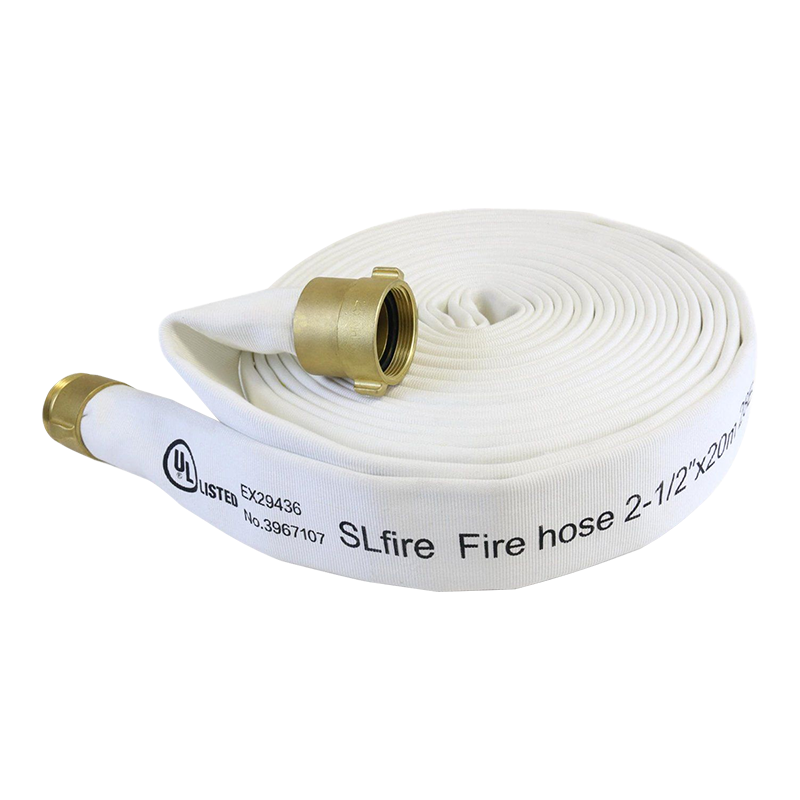
Single jacket, EPDM rubber liner Features • 100% high tenacity polyester jacket, high-grade EPDM rub...
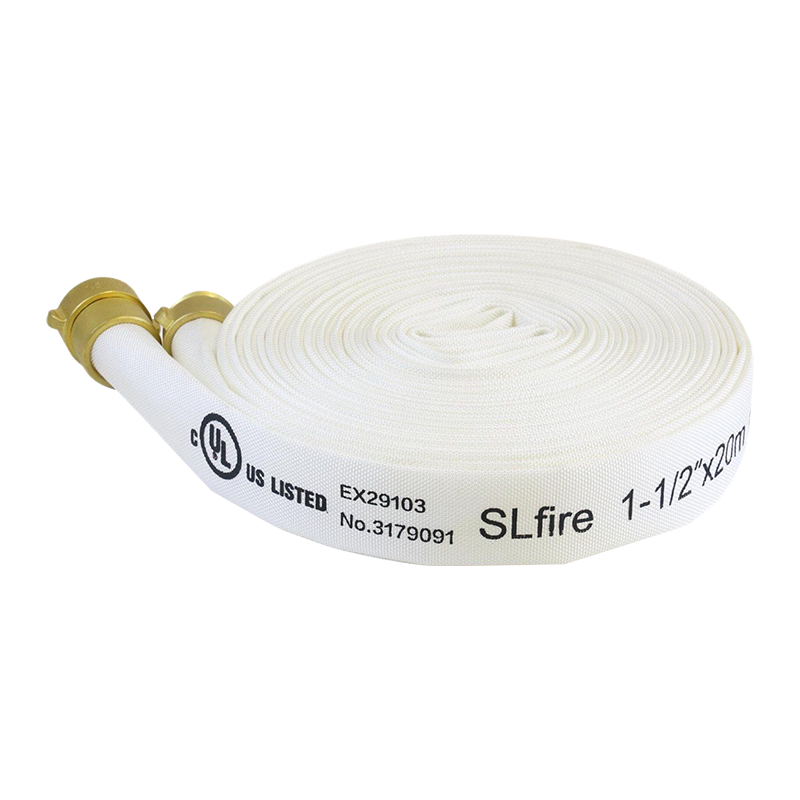
Single jacket, TPU liner •High-tenacity polyester yarn, circular woven in twill weave/plain weave,T ...
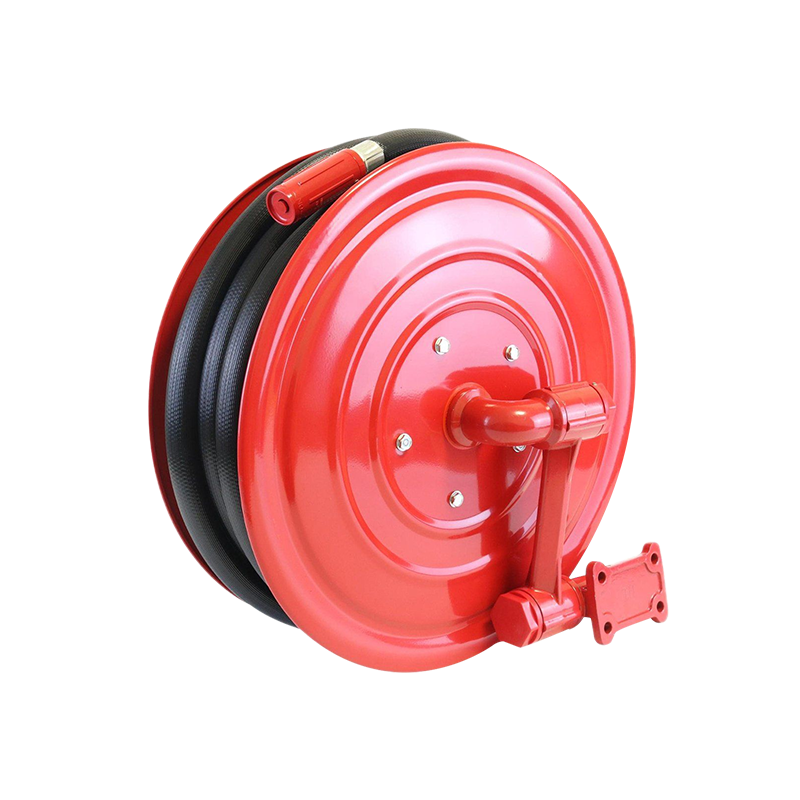
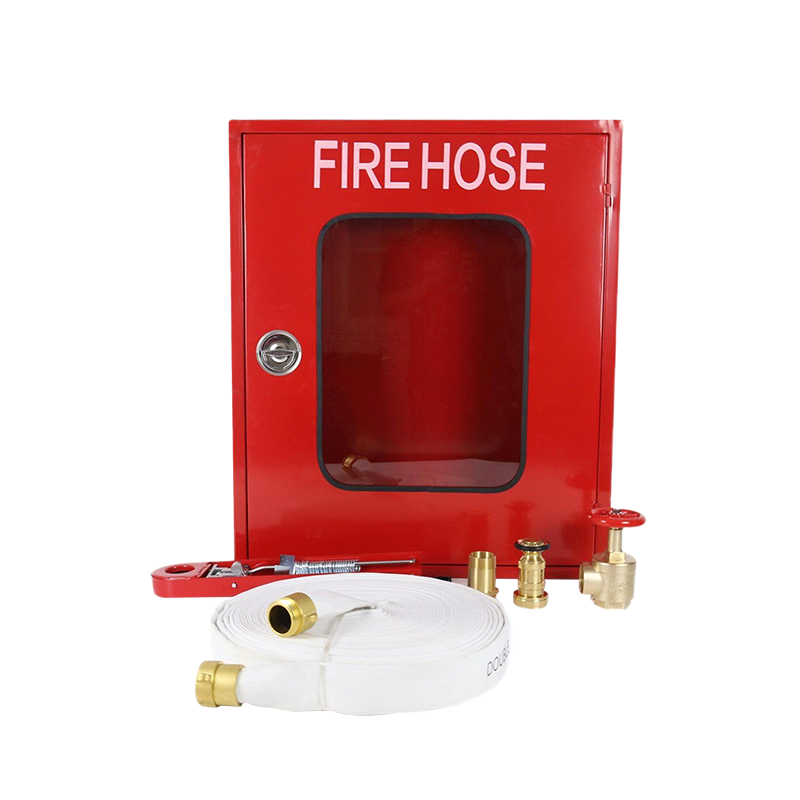
Fire cabinets are designed to accommodate fire hose,valve and other firefighting equipment. Type 201...
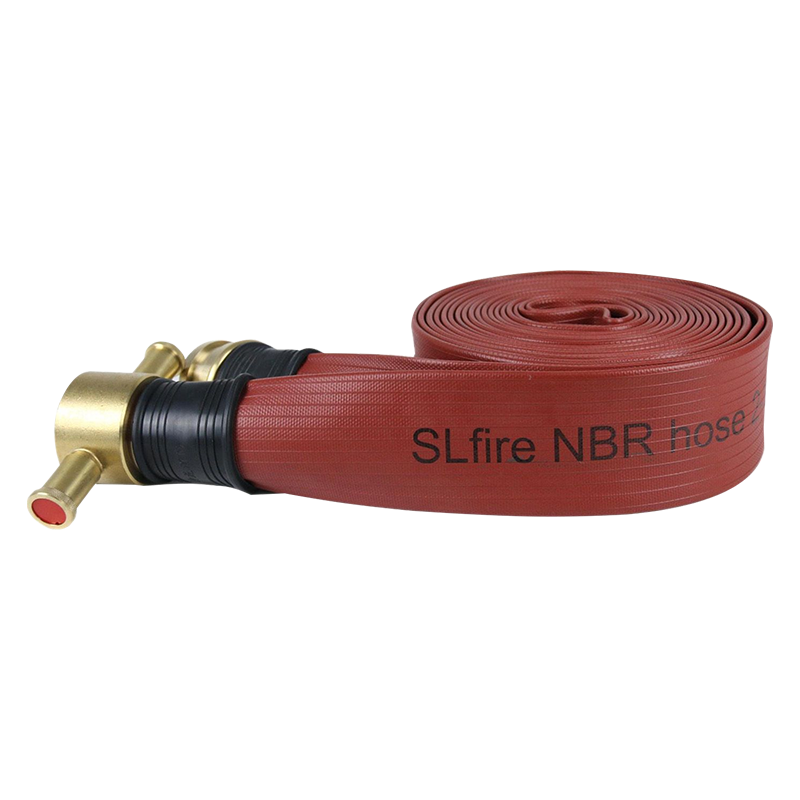
Nitrile covered hose •Nitrile/TPR blend as cover and lining, with 100% high-tenacity polyester yarn ...
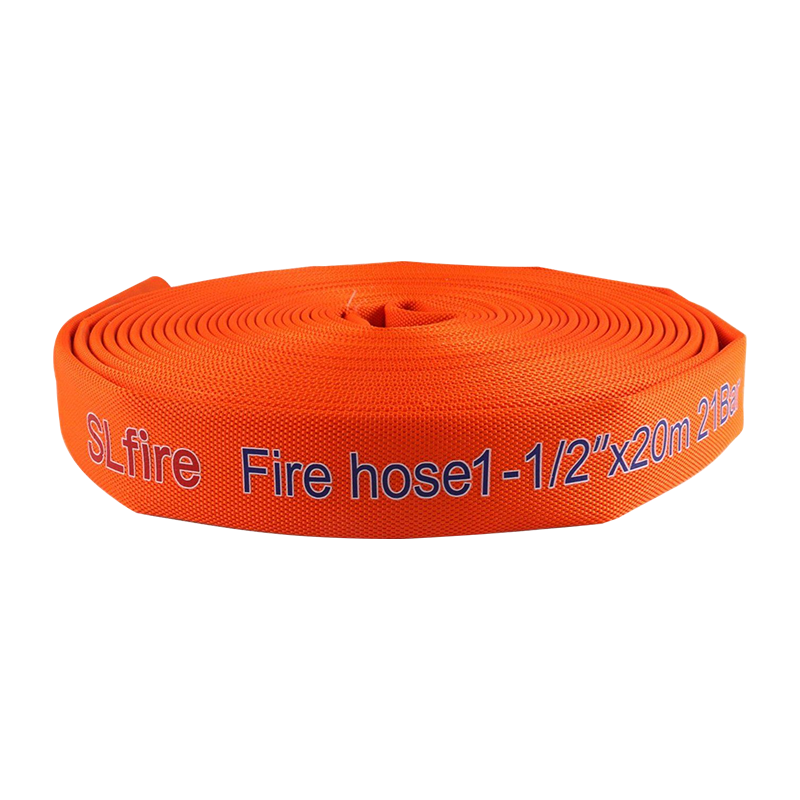
Single jacket, TPU liner •High-tenacity polyester yarn, circular woven in twill weave, TPU lining, f...
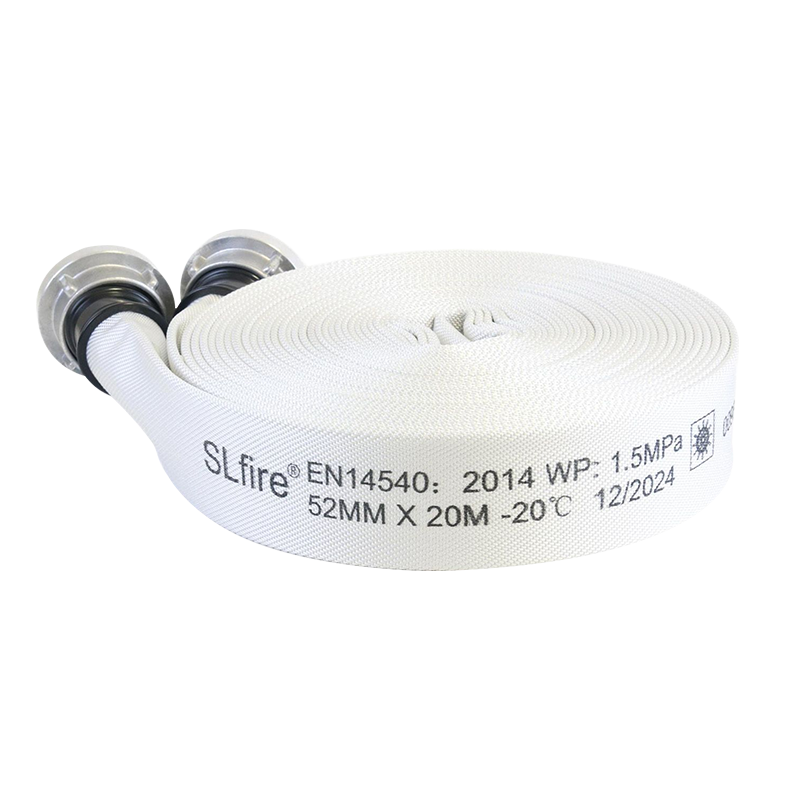
Marine hose Single jacket, PVC liner •100% high tenacity polyester yarn, circular woven in twill wea...
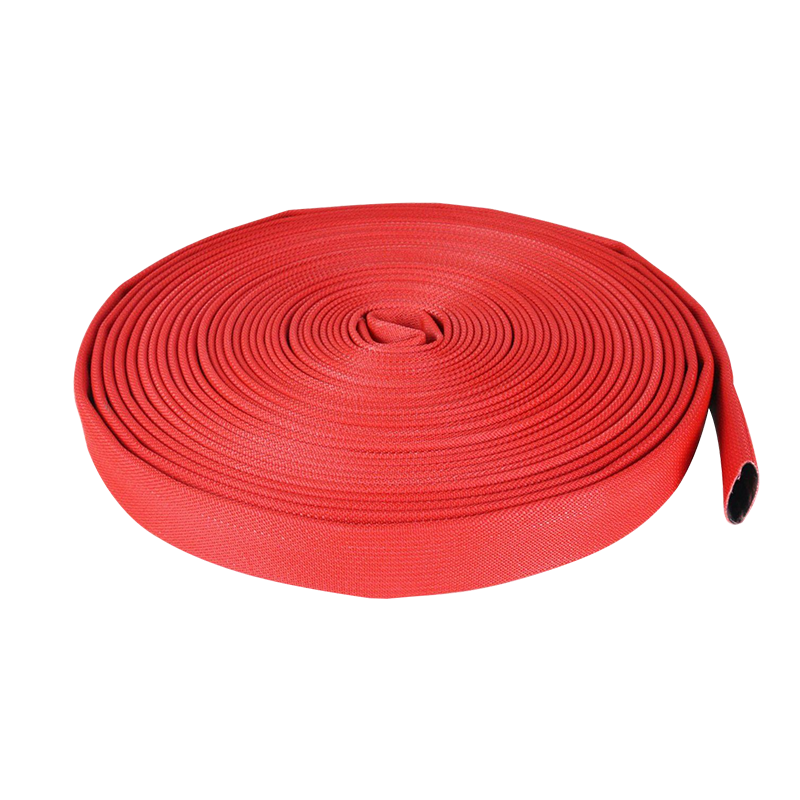
Marine hose Single jacket, PVC liner, PU coated •100% high tenacity polyester yarn,c ircular woven i...
 Call Us
+86 159-5116-9511
Need Support
Head Office
No.58, Kechuang Road, Sixiang Street Medicine Gaoxin District Taizhou City, Jiangsu Province

When the engine returns to the station after a working fire, the work is not done. The attack line is flushed, drained, and then rolled with a straight hose roll before anyone sits down. This techniq...
Copyright © Taizhou Shenlong Fire Science and Technology Co., Ltd. All Rights Reserved.
 Fire Hose Manufacturers, Fire Hydrant Hose Factory