

 English
 русский
 Español
 Deutsch
 عربى
عربى Français
 Português
Don't hesitate to send a message
Single jacket, EPDM rubber liner Features • 100% high tenacity polyester jacket, high-grade EPDM rub...
Content
A fire hose is a high-pressure flexible hose designed to carry water or fire retardant chemicals from a water source, such as a hydrant, pump, or tank, to a fire for suppression purposes. Fire hoses are built to withstand significant internal pressure while remaining flexible enough for firefighters or facility personnel to maneuver quickly during an emergency. Construction typically involves a woven synthetic fiber outer jacket, often made from polyester, combined with an inner rubber or thermoplastic lining that keeps water contained and prevents seepage through the fabric layer.
Fire hoses are classified and manufactured according to specific standards depending on their intended use, whether for municipal firefighting, industrial facilities, marine applications, or standpipe systems in commercial buildings. Selecting the correct hose type and specification is critical, since a hose that is mismatched to its pressure source or application can fail under stress precisely when reliable performance matters most.
Fire hoses are generally categorized based on their construction and intended application, with each type suited to different pressure levels and use environments.
| Hose Type | Construction | Typical Use |
| Attack Hose | Rubber-lined, double jacket | Direct firefighting, high-pressure use |
| Supply Hose (LDH) | Large diameter, lightweight lining | Moving large water volumes from hydrant to pump |
| Standpipe/Riser Hose | Single or double jacket, rack-stored | Commercial building fire suppression systems |
| Forestry Hose | Lightweight, single jacket | Wildland firefighting, portable use |
| Booster Hose | Rubber-covered, small diameter | Quick initial attack, reeled on trucks |
Understanding how a fire hose is built helps explain why certain hoses perform differently under pressure and in various environmental conditions.
The outer jacket is typically woven from polyester or a polyester-nylon blend, providing abrasion resistance and structural strength. Double-jacket hoses feature two woven layers for added durability, commonly used in municipal firefighting where hoses are dragged across rough surfaces.
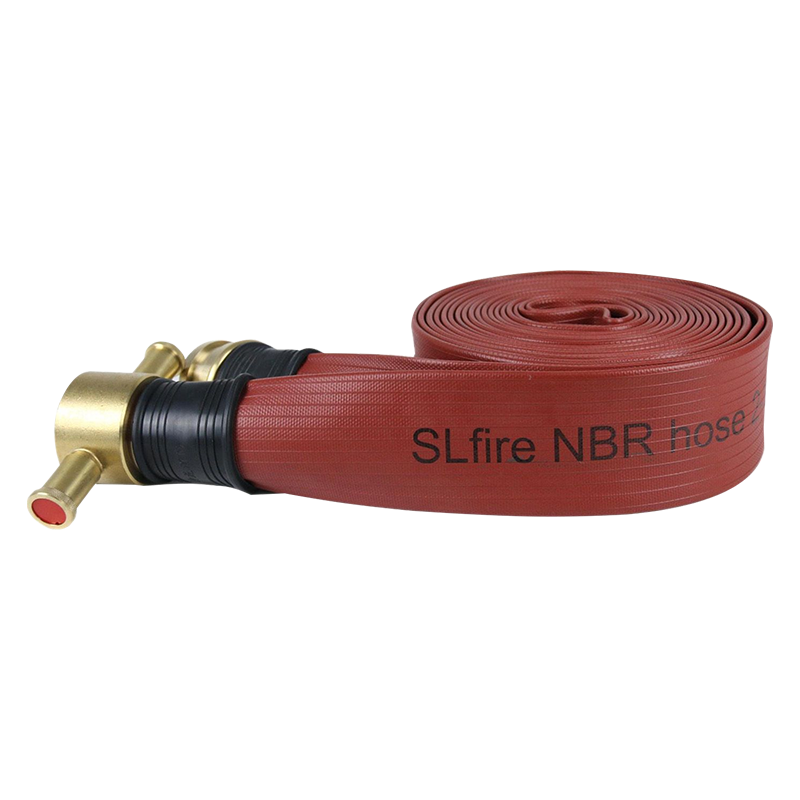
The inner lining, usually made from rubber or a thermoplastic compound like EPDM, keeps water contained within the hose and prevents it from seeping through the woven jacket. This lining also affects the hose's flow characteristics, with smoother linings generally reducing friction loss over long hose runs.
Couplings are the metal fittings attached to each end of the hose, allowing it to connect to hydrants, pumps, nozzles, or other hose sections. Common coupling types include National Standard Thread (NST) and Storz couplings, and compatibility between coupling types across different equipment is essential for rapid deployment during an emergency.
Several technical specifications determine whether a fire hose is appropriate for a specific application, and understanding these terms helps when selecting or evaluating equipment.
Fire hoses are deployed across a wide range of environments beyond municipal fire departments, each with its own specific requirements.
Regular inspection and maintenance are essential to ensuring a fire hose performs reliably when needed, since a hose that fails during an actual emergency can have serious safety consequences. Most fire safety regulations require periodic pressure testing, typically on an annual basis, to confirm that hoses can withstand their rated working pressure without leaking or bursting.
Visual inspections should check for cuts, abrasions, mildew, or discoloration on the outer jacket, as well as signs of wear or corrosion on couplings. After use, hoses should be thoroughly drained and dried before storage, since prolonged moisture exposure can promote mildew growth and weaken the fabric jacket over time. Proper storage in a cool, dry location away from direct sunlight also helps prevent UV degradation, particularly for hoses made with synthetic jacket materials that can become brittle under prolonged exposure.
Selecting the appropriate fire hose depends on matching the hose type, diameter, and pressure rating to the specific application, whether that involves a municipal fire department, an industrial facility's standpipe system, or a marine vessel's onboard suppression equipment. Consulting applicable fire safety codes and standards during selection helps ensure the chosen hose meets both performance requirements and regulatory compliance, while consistent inspection and maintenance practices keep it ready for reliable use when an emergency occurs.
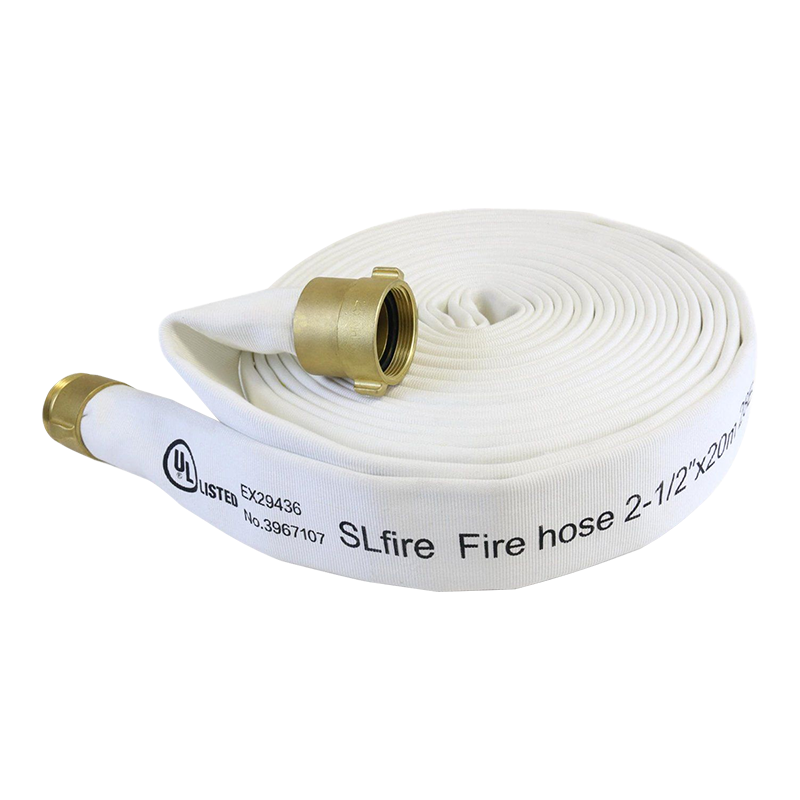
Single jacket, EPDM rubber liner Features • 100% high tenacity polyester jacket, high-grade EPDM rub...
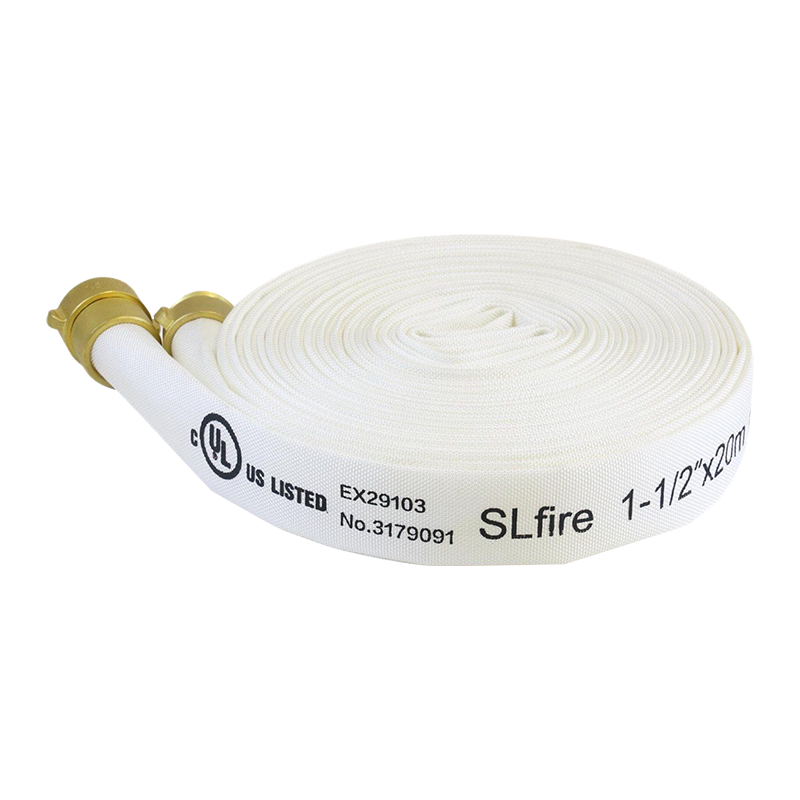
Single jacket, TPU liner •High-tenacity polyester yarn, circular woven in twill weave/plain weave,T ...
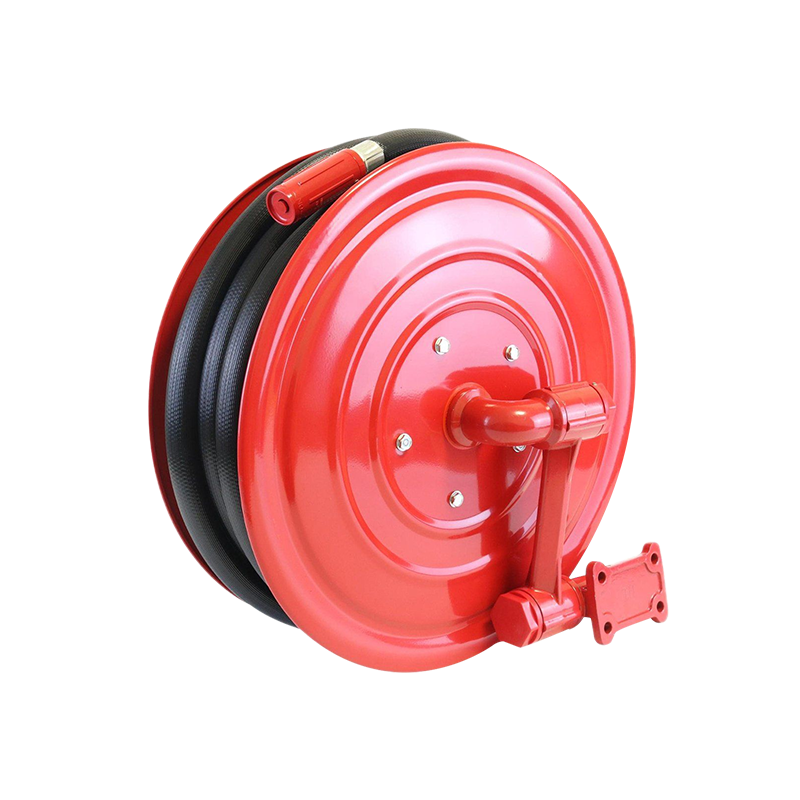
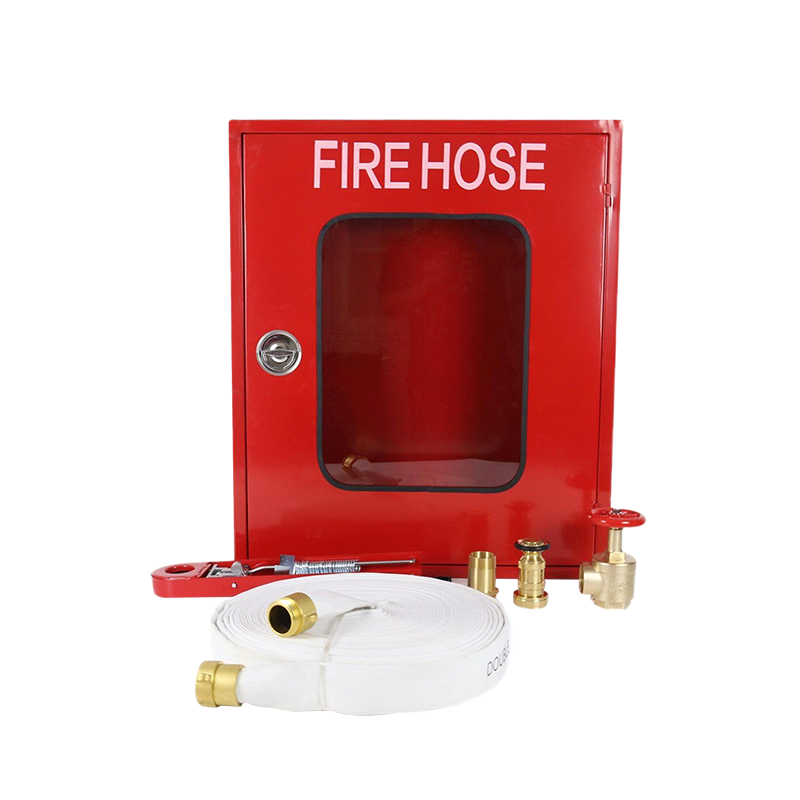
Fire cabinets are designed to accommodate fire hose,valve and other firefighting equipment. Type 201...

Nitrile covered hose •Nitrile/TPR blend as cover and lining, with 100% high-tenacity polyester yarn ...
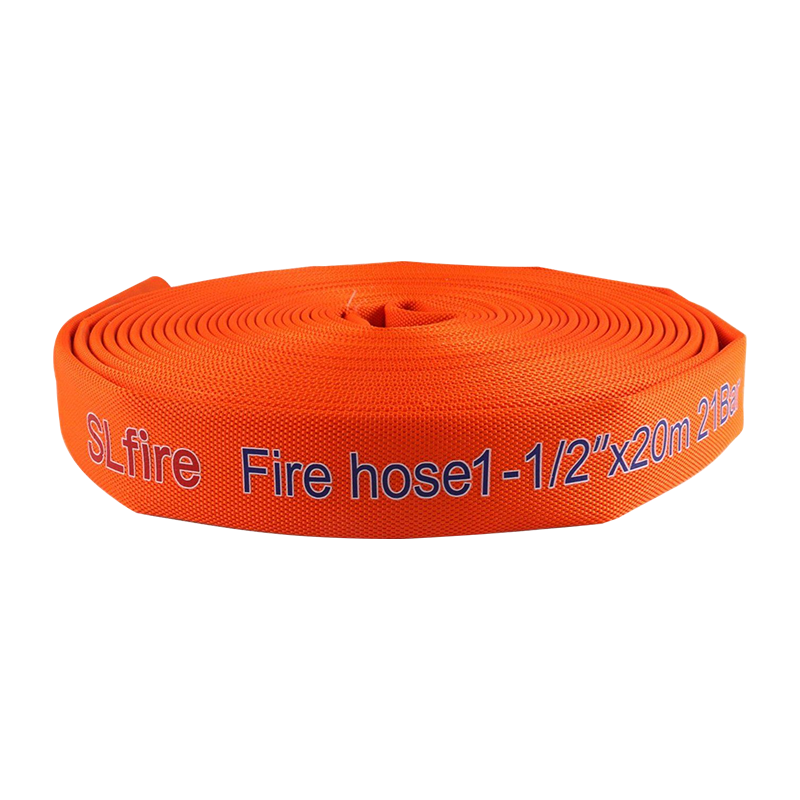
Single jacket, TPU liner •High-tenacity polyester yarn, circular woven in twill weave, TPU lining, f...
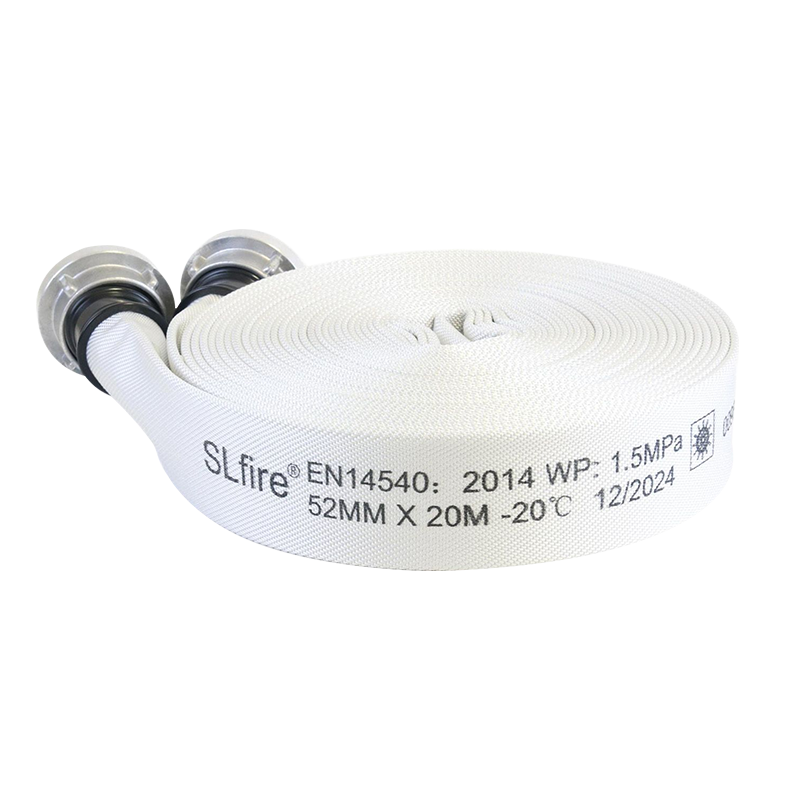
Marine hose Single jacket, PVC liner •100% high tenacity polyester yarn, circular woven in twill wea...
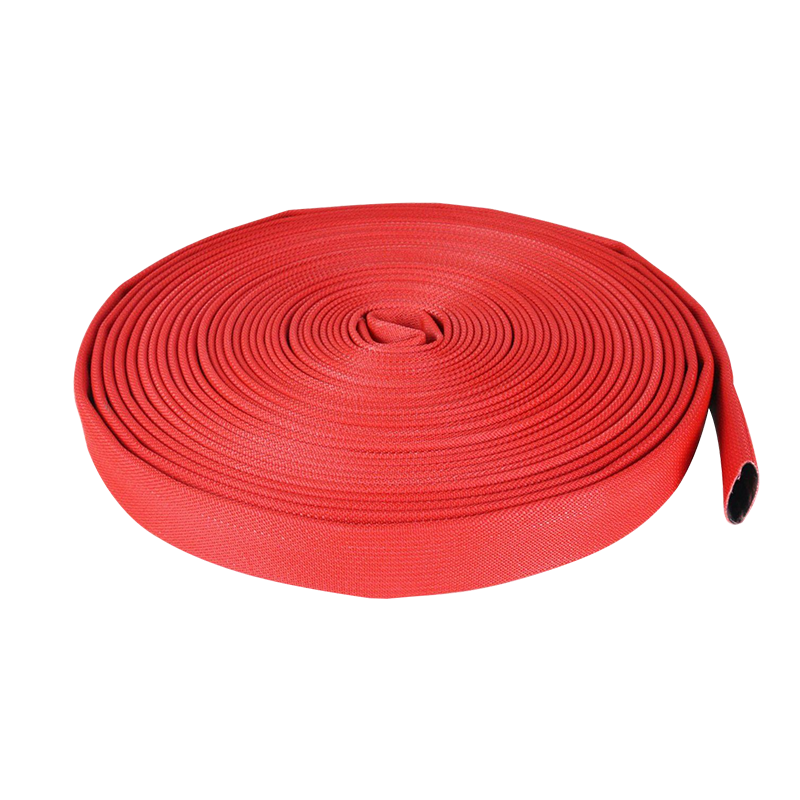
Marine hose Single jacket, PVC liner, PU coated •100% high tenacity polyester yarn,c ircular woven i...
 Call Us
+86 159-5116-9511
Need Support
Head Office
No.58, Kechuang Road, Sixiang Street Medicine Gaoxin District Taizhou City, Jiangsu Province

During a routine service test, a 200-foot attack line fails at 150 psi. The outer jacket looks fine. The problem is inside: a small delamination in the liner has pinched the bore and reduced the flow...
Copyright © Taizhou Shenlong Fire Science and Technology Co., Ltd. All Rights Reserved.
 Fire Hose Manufacturers, Fire Hydrant Hose Factory