

 English
 русский
 Español
 Deutsch
 عربى
عربى Français
 Português
Don't hesitate to send a message
Single jacket, EPDM rubber liner Features • 100% high tenacity polyester jacket, high-grade EPDM rub...
Content
Fire hose nozzles are specialized devices attached to the end of fire hoses to control the direction, pressure, and pattern of water or firefighting agents. They play a critical role in firefighting operations by allowing firefighters to adapt water streams to different fire conditions, improve extinguishing efficiency, and increase operational safety. Without a proper nozzle, the hose stream would be difficult to aim, inconsistent, and less effective in penetrating heat layers or cooling surfaces.
Modern nozzles are engineered to deliver various flow rates, spray patterns, and pressures. These capabilities enable firefighters to handle structural fires, industrial fires, wildfires, vehicle fires, and high-risk emergency zones. Whether it is a fog pattern used for heat shielding or a straight stream for long-distance reach, the effectiveness of fire suppression is directly linked to selecting the appropriate nozzle type.
Fire hose nozzles function through a combination of mechanical valves and engineered openings that manipulate water flow. When water passes through a narrow opening or baffle plate, its velocity increases, allowing the nozzle to project water at high pressure. A firefighter can rotate, pull, or push the nozzle’s control mechanism to adjust the spray pattern from a straight stream to a wide fog spray.
The internal mechanism varies by nozzle type. Constant flow nozzles deliver the same flow rate regardless of pattern adjustments, while automatic nozzles maintain optimal pressure by automatically adjusting internal springs or baffles. Smooth bore nozzles rely on a simple drilled tip, maximizing reach by generating a solid stream with minimal turbulence. Each mechanism is designed to address different fire environments and water supply conditions.
Fire hose nozzles come in various designs, each optimized for specific firefighting applications. Understanding each type helps firefighters choose the right nozzle for safety, efficiency, and operational adaptability.
Smooth bore nozzles produce a powerful, straight water stream with excellent reach and penetration. They are often used in structural firefighting where high volume and long-distance projection are required. Their simple design minimizes clogging, making them ideal for environments containing debris.
Fog nozzles create patterns ranging from a narrow stream to a wide fog, offering versatility for heat shielding, steam conversion, and ventilation support. Their adjustable nature helps protect firefighters from radiant heat and improve maneuverability inside burning structures.
These nozzles automatically adjust their internal mechanisms to maintain consistent pressure even when water supply conditions fluctuate. They are widely used in municipal fire departments where unpredictable water pressure is common.
Constant flow nozzles provide a fixed flow rate regardless of spray pattern adjustment. They are highly reliable in training situations and standardized operations where consistent water output is necessary.
Selectable gallonage nozzles allow operators to choose between multiple flow rate options. This flexibility is valuable in situations where water supply, fire size, or team tactics require different output settings.
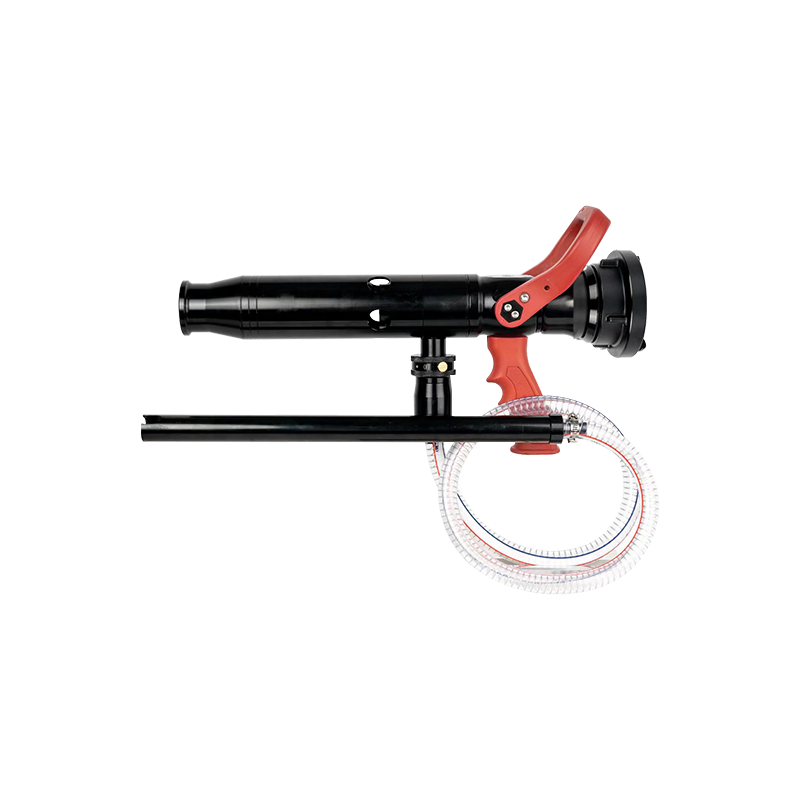
Fire hose nozzles must withstand extreme heat, high pressure, impact, and corrosion. Therefore, manufacturers use materials designed for demanding environments.
| Material | Properties | Applications |
| Aluminum Alloy | Lightweight, corrosion-resistant | Municipal firefighting |
| Brass | Durable, heat-resistant | Industrial and marine |
| Stainless Steel | High strength, corrosion proof | Hazardous environments |
| Composite Plastics | Impact-resistant, lightweight | Training, light-duty use |
The performance of fire hose nozzles is determined by flow rate, pressure, pattern capability, and ergonomics. Each factor influences how firefighters manage different fire conditions.
Flow rate is measured in gallons per minute (GPM) or liters per minute (LPM). Higher flow rates deliver more water, which is essential for large structural fires. Smaller fires or tight spaces may require lower flow for better control.
Most fire nozzles operate at standard pressures such as 50 PSI, 75 PSI, or 100 PSI. Lower-pressure nozzles reduce nozzle reaction force, helping firefighters maintain stability during active fire suppression.
A wide pattern range provides tactical flexibility. Straight streams are used for penetration, while fog patterns are ideal for heat shielding, search support, and ventilation control.
Firefighters often operate nozzles in extreme conditions. Rubber grips, lightweight construction, and smooth control mechanisms reduce fatigue and improve accuracy in high-risk settings.
Choosing a fire hose nozzle requires understanding operational needs, water supply capability, and fire environment. Fire departments and industries must consider several key factors to ensure effectiveness.
Proper maintenance ensures long-term reliability and safety. Fire hose nozzles must be inspected regularly to detect wear, corrosion, or mechanical issues. Neglecting maintenance can lead to reduced flow performance and nozzle failure during emergencies.
Fire hose nozzles serve as one of the most essential tools in modern firefighting. Their ability to regulate water flow, pressure, and spray patterns directly affects the success of fire suppression efforts. From smooth bore nozzles offering maximum reach to fog nozzles providing protective heat shielding, each design supports specific tactical needs and safety strategies.
Choosing the right nozzle, understanding its mechanics, and maintaining it properly ensures that firefighters can perform safely and effectively in high-intensity environments. Whether for municipal fire brigades, industrial plants, airports, or marine operations, investing in high-quality fire hose nozzles remains a critical component of comprehensive fire protection systems.
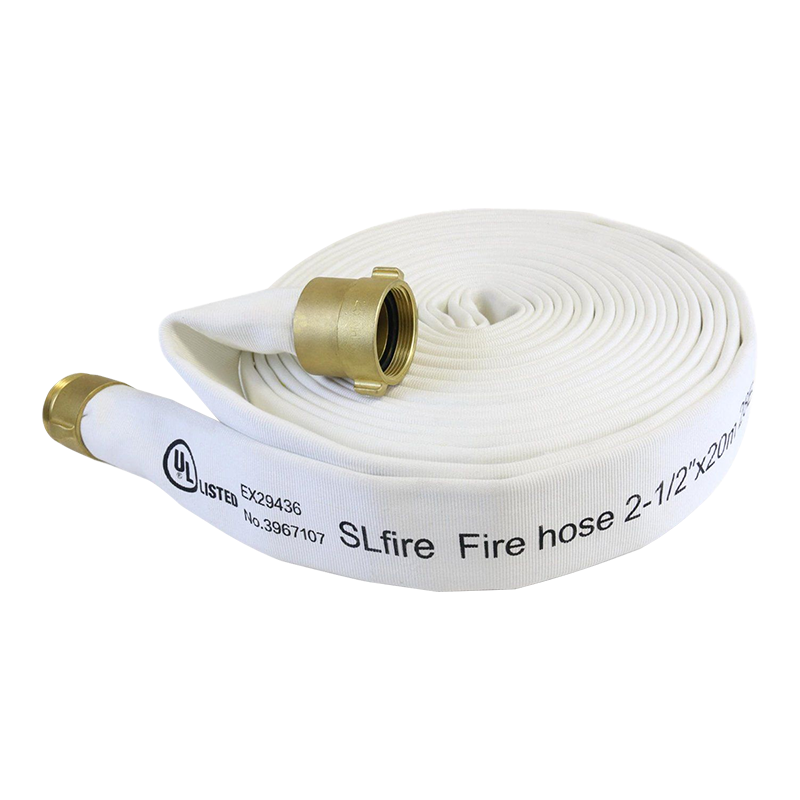
Single jacket, EPDM rubber liner Features • 100% high tenacity polyester jacket, high-grade EPDM rub...
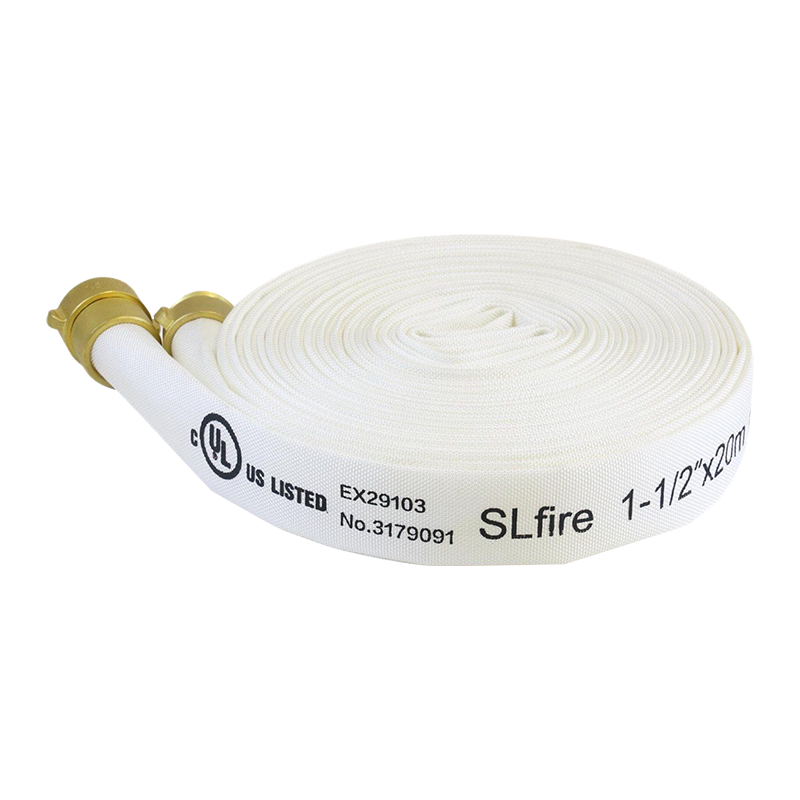
Single jacket, TPU liner •High-tenacity polyester yarn, circular woven in twill weave/plain weave,T ...
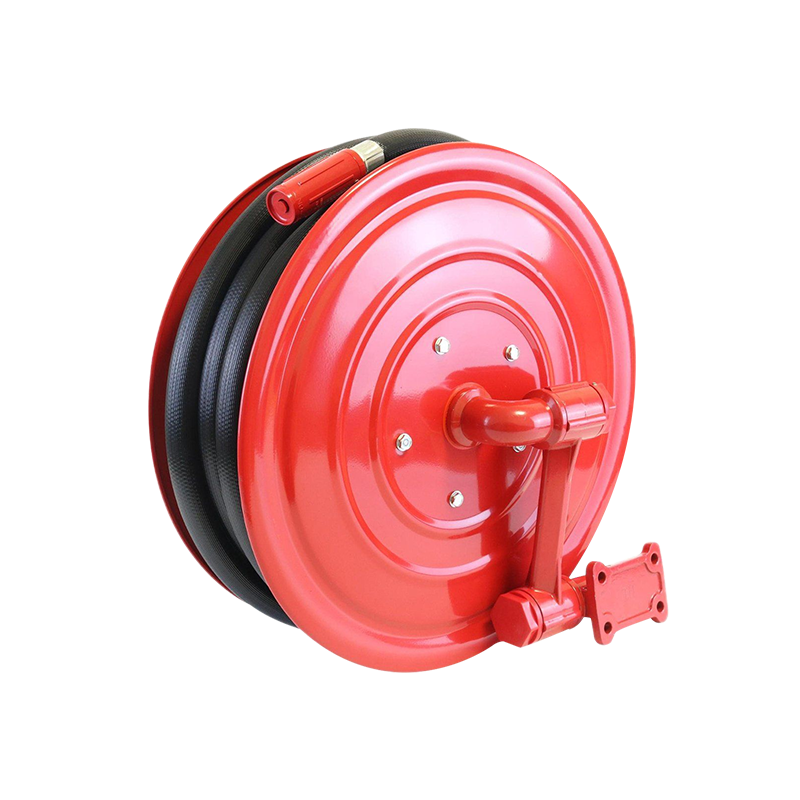
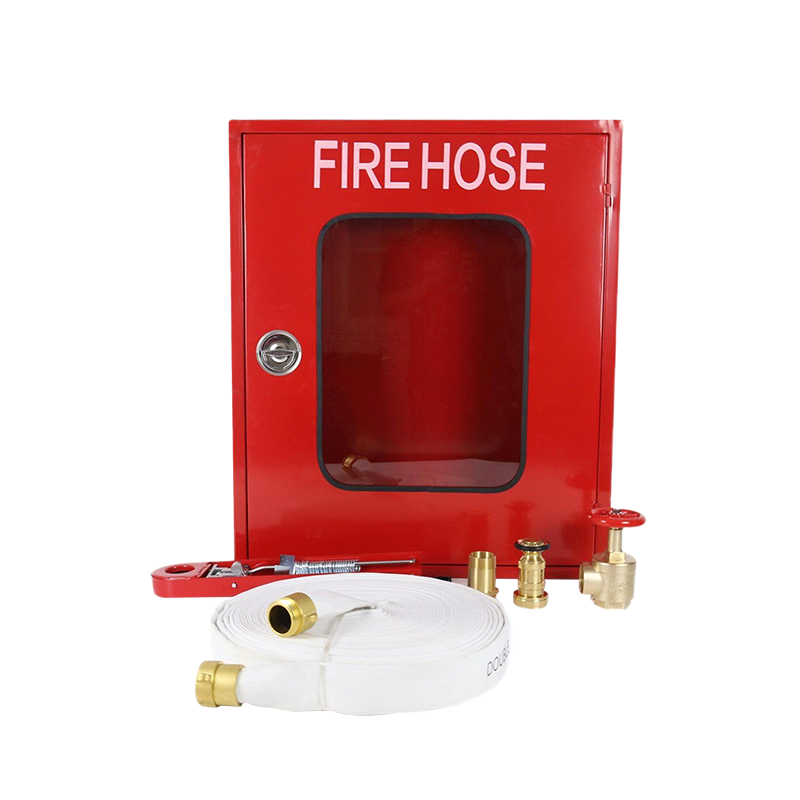
Fire cabinets are designed to accommodate fire hose,valve and other firefighting equipment. Type 201...
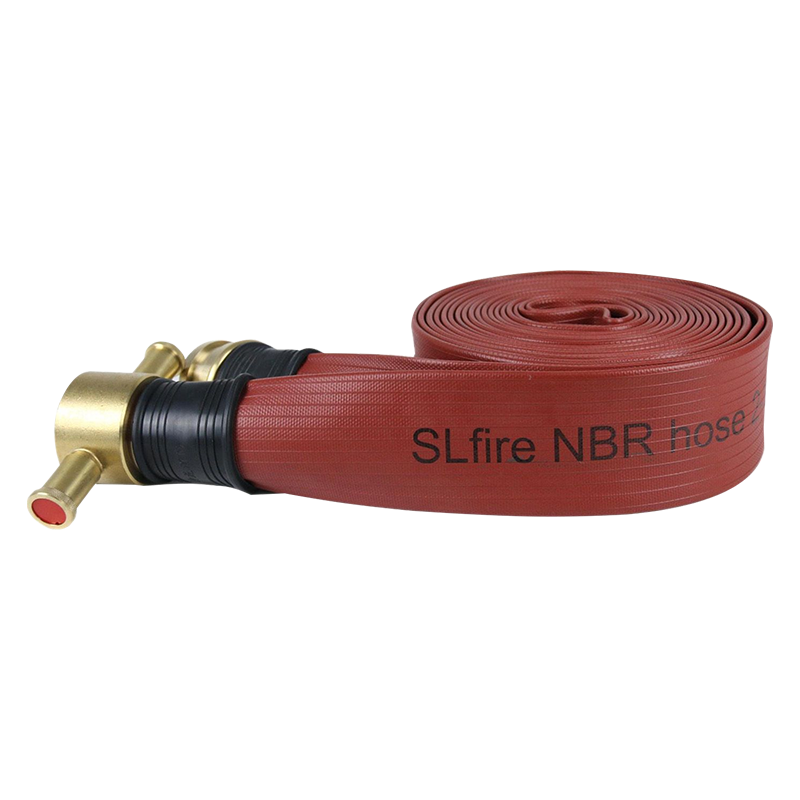
Nitrile covered hose •Nitrile/TPR blend as cover and lining, with 100% high-tenacity polyester yarn ...
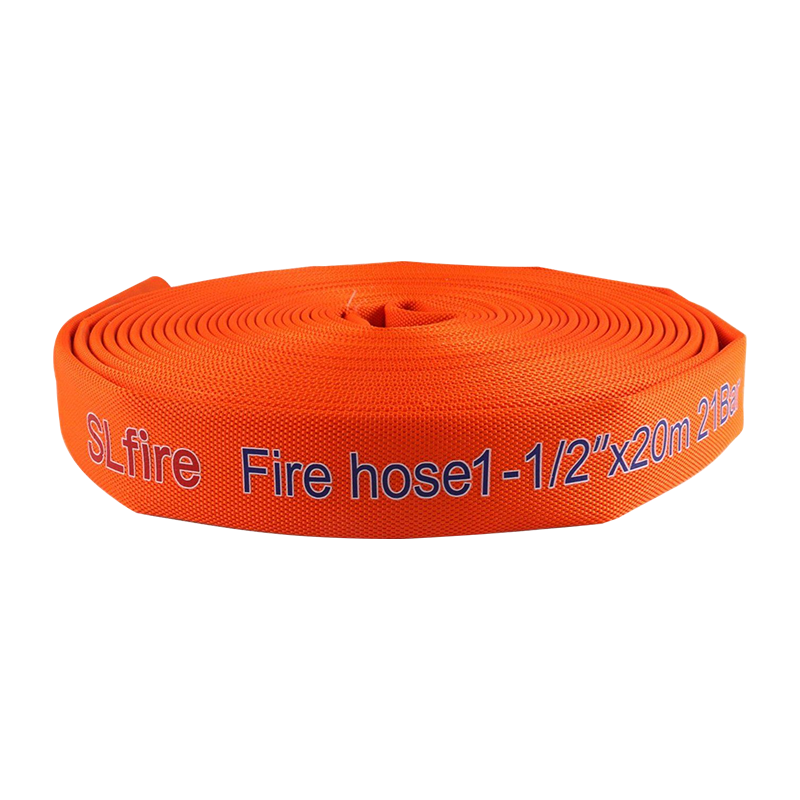
Single jacket, TPU liner •High-tenacity polyester yarn, circular woven in twill weave, TPU lining, f...
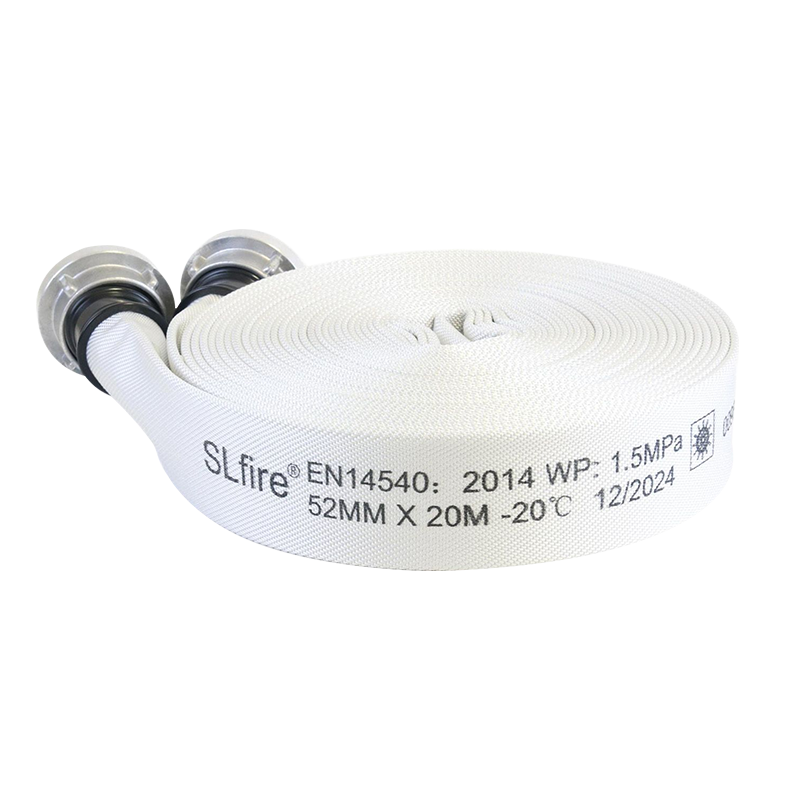
Marine hose Single jacket, PVC liner •100% high tenacity polyester yarn, circular woven in twill wea...
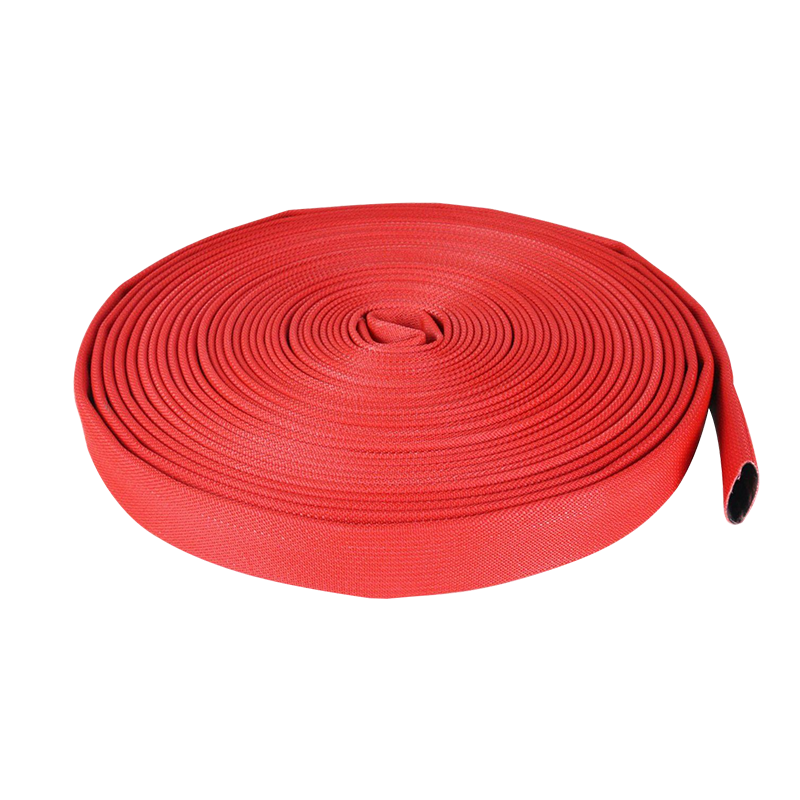
Marine hose Single jacket, PVC liner, PU coated •100% high tenacity polyester yarn,c ircular woven i...
 Call Us
+86 159-5116-9511
Need Support
Head Office
No.58, Kechuang Road, Sixiang Street Medicine Gaoxin District Taizhou City, Jiangsu Province

During a routine service test, a 200-foot attack line fails at 150 psi. The outer jacket looks fine. The problem is inside: a small delamination in the liner has pinched the bore and reduced the flow...
Copyright © Taizhou Shenlong Fire Science and Technology Co., Ltd. All Rights Reserved.
 Fire Hose Manufacturers, Fire Hydrant Hose Factory