

 English
 русский
 Español
 Deutsch
 عربى
عربى Français
 Português
Don't hesitate to send a message
Single jacket, EPDM rubber liner Features • 100% high tenacity polyester jacket, high-grade EPDM rub...
Content
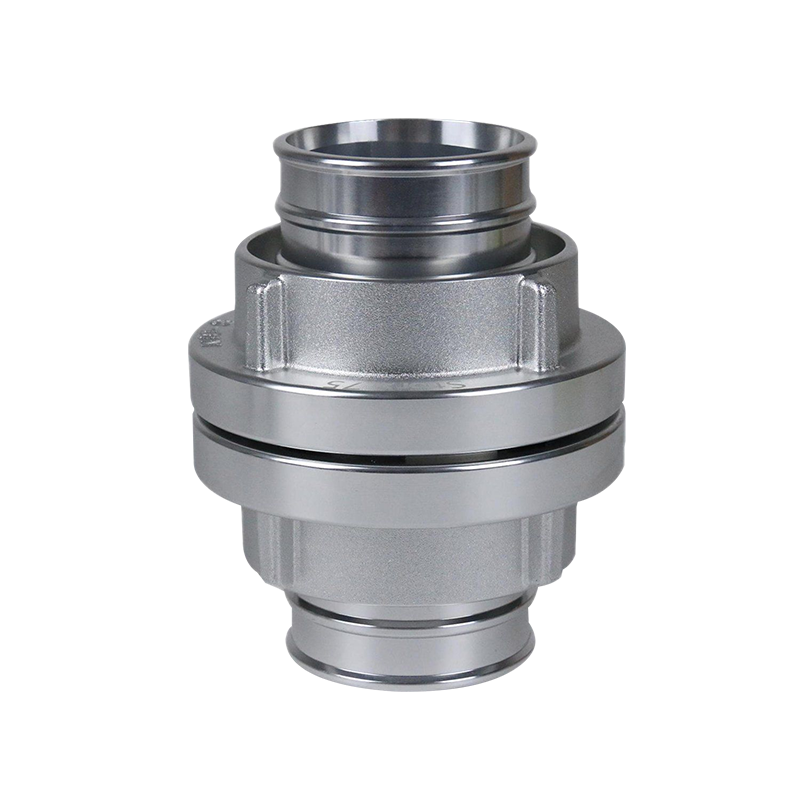
Fire hose couplings are critical components in firefighting systems, ensuring a secure connection between hoses and hydrants, pumps, or other hoses. A leak at the coupling can reduce water pressure, compromise firefighting efficiency, and create safety hazards. Preventing leaks requires proper selection, installation, inspection, and maintenance of couplings. This guide provides a detailed overview of the techniques and best practices to ensure fire hose couplings operate leak-free under demanding conditions.
Fire hose couplings are mechanical devices used to join hoses together or connect a hose to a water source. They are typically made from durable materials such as brass, aluminum, or stainless steel and designed to withstand high pressure and repeated use. Common types include threaded couplings, Storz couplings, and sexless quick-connect couplings. Each type has distinct connection methods and sealing mechanisms that influence leak prevention strategies.
Leaks can result from several factors:
Choosing the right coupling type and material for the intended application is the first step in leak prevention. Considerations include:
Even high-quality couplings can leak if improperly connected. Key connection practices include:
Regular inspection and maintenance are essential to prevent leaks and ensure reliability:
Check couplings for visible damage such as cracks, corrosion, or wear. Inspect the gaskets and O-rings for elasticity, cracks, or deformation. Clean the sealing surfaces to remove any dirt, debris, or mineral deposits.
Conduct pressure tests periodically by connecting hoses and running water at operational pressure. Observe for leaks, dripping, or misting at the coupling interface. Rotate couplings slightly to ensure smooth movement and proper seal under pressure.
Apply a thin layer of manufacturer-approved lubricant on O-rings and threads to reduce friction and wear. Avoid petroleum-based lubricants on rubber seals. Clean couplings after use to prevent corrosion or buildup of debris that can compromise the seal.
Environmental factors can affect coupling integrity:
Proper storage extends the life of couplings and prevents leaks:
Even with proper maintenance, components may wear out:
| Component | Maintenance Tip | Frequency |
| O-ring/Gasket | Inspect, clean, and lightly lubricate | Before every use and monthly for storage |
| Threads | Clean and inspect for wear; apply approved lubricant | Monthly or after exposure to dirt/debris |
| Coupling Body | Check for cracks, corrosion, and deformation | Quarterly or after heavy-duty use |
Preventing leaks in fire hose couplings requires a combination of proper selection, correct connection techniques, regular inspection, and diligent maintenance. By understanding the causes of leaks, following best practices for connection and handling, and promptly replacing worn components, firefighting teams can ensure reliable performance and maintain water pressure during critical operations. Consistent care and adherence to these guidelines maximize the lifespan and effectiveness of fire hose couplings under any operational conditions.
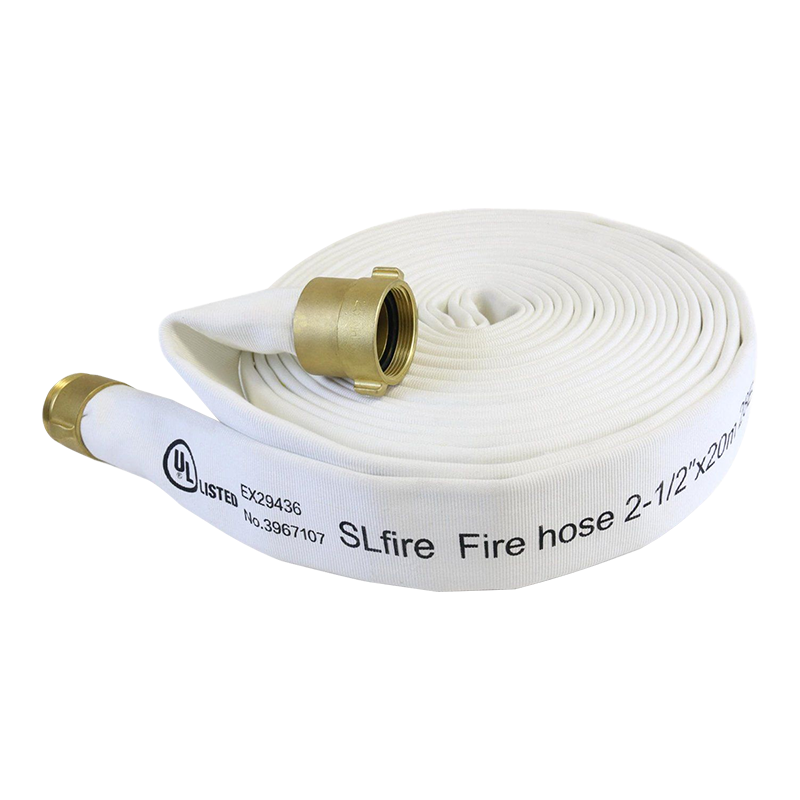
Single jacket, EPDM rubber liner Features • 100% high tenacity polyester jacket, high-grade EPDM rub...
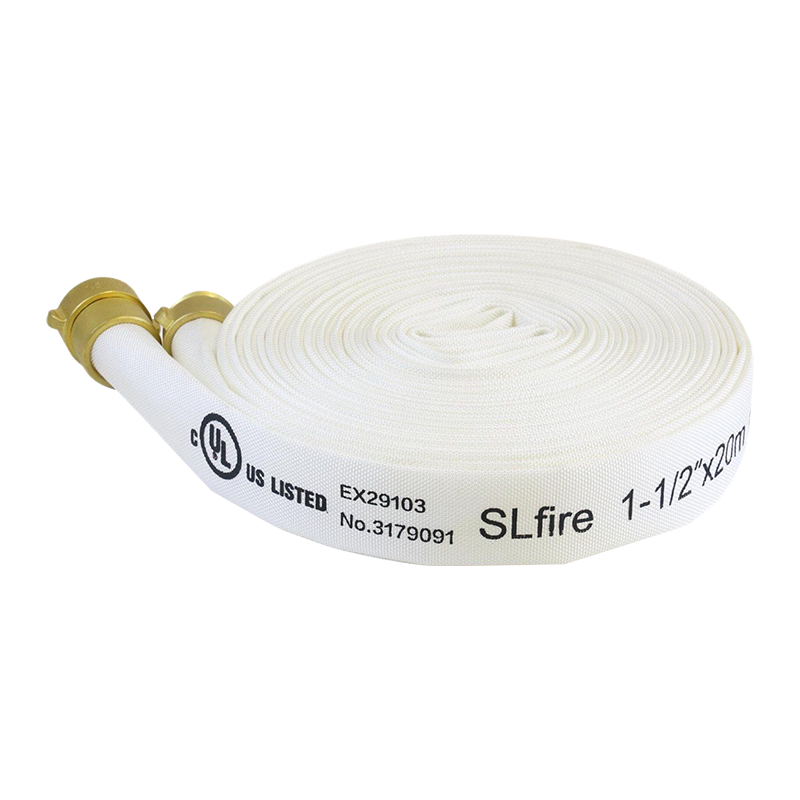
Single jacket, TPU liner •High-tenacity polyester yarn, circular woven in twill weave/plain weave,T ...
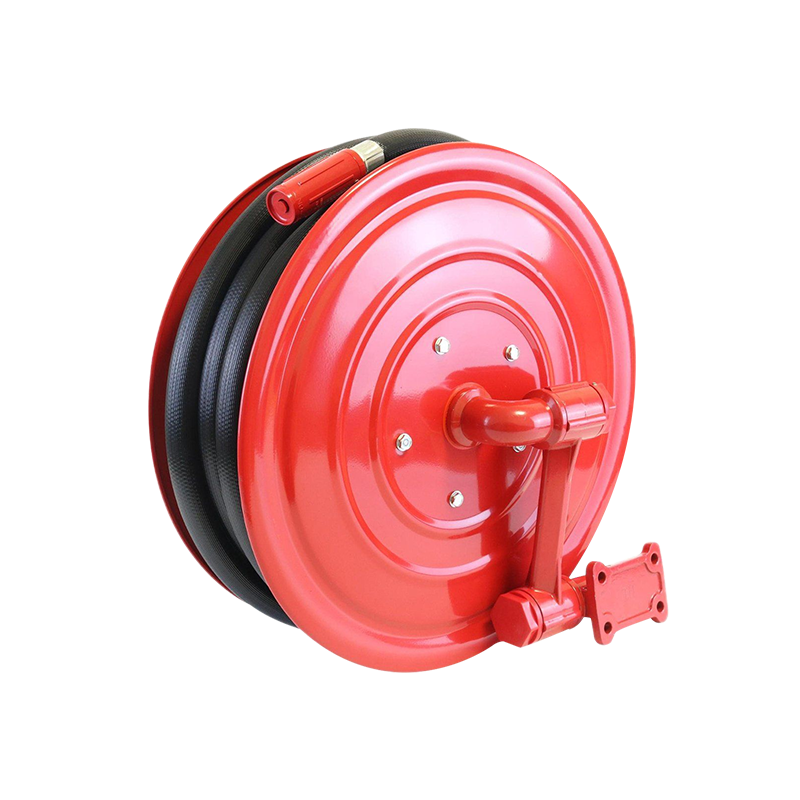
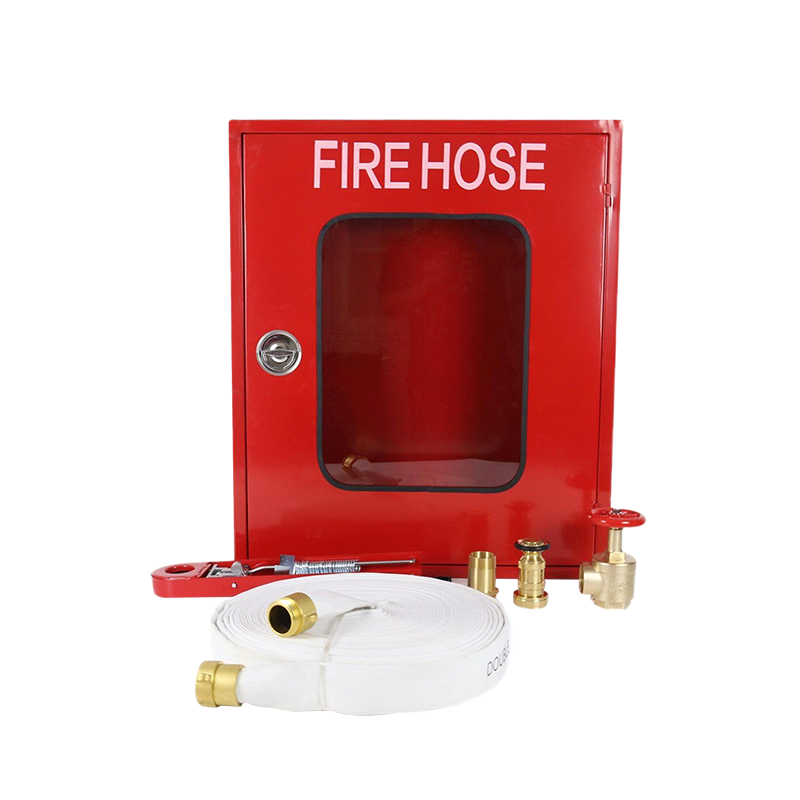
Fire cabinets are designed to accommodate fire hose,valve and other firefighting equipment. Type 201...
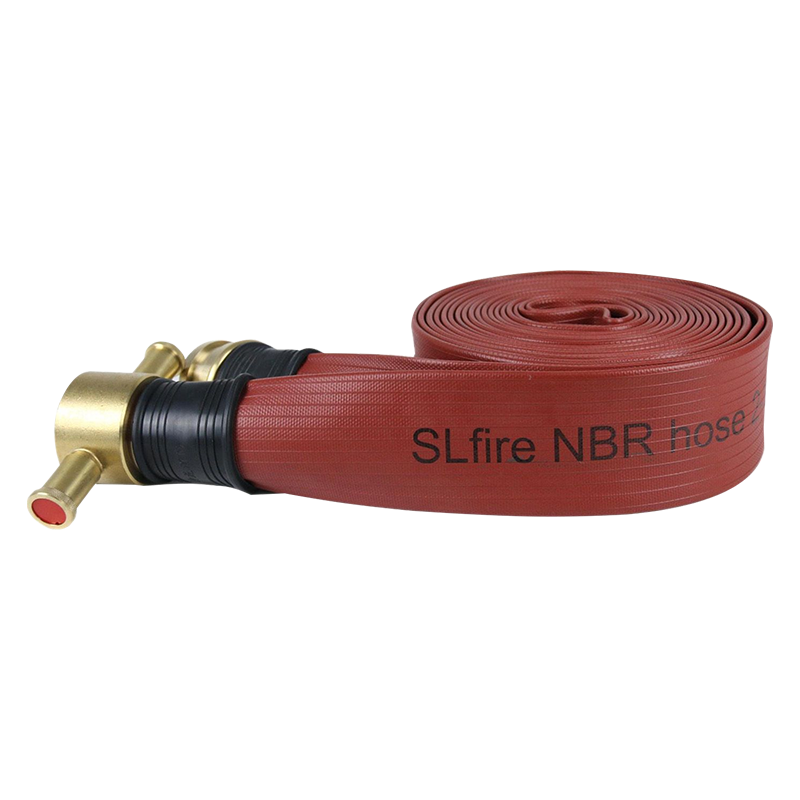
Nitrile covered hose •Nitrile/TPR blend as cover and lining, with 100% high-tenacity polyester yarn ...
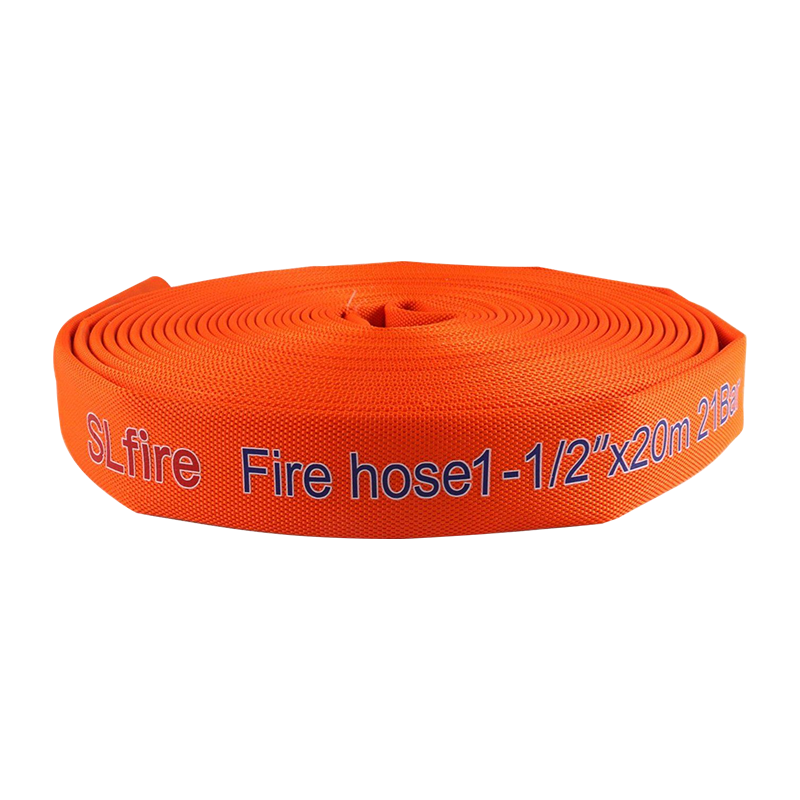
Single jacket, TPU liner •High-tenacity polyester yarn, circular woven in twill weave, TPU lining, f...
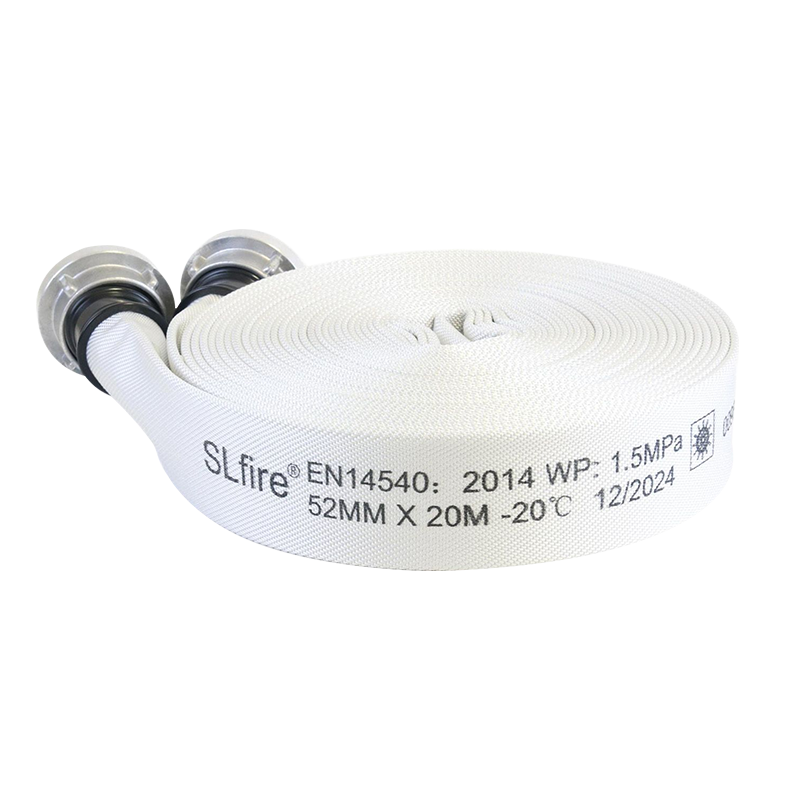
Marine hose Single jacket, PVC liner •100% high tenacity polyester yarn, circular woven in twill wea...
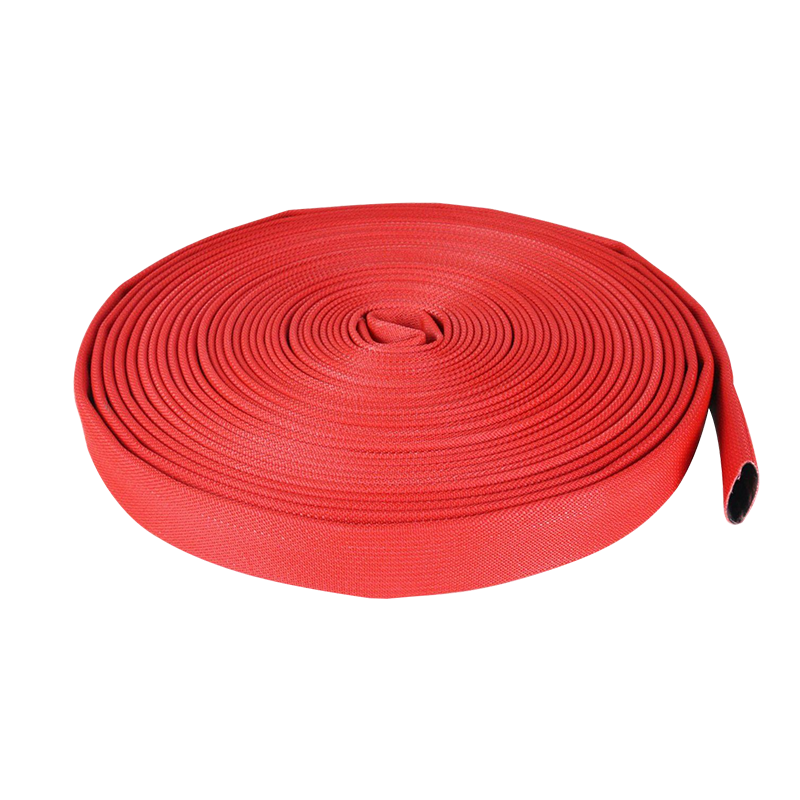
Marine hose Single jacket, PVC liner, PU coated •100% high tenacity polyester yarn,c ircular woven i...
 Call Us
+86 159-5116-9511
Need Support
Head Office
No.58, Kechuang Road, Sixiang Street Medicine Gaoxin District Taizhou City, Jiangsu Province

During a routine service test, a 200-foot attack line fails at 150 psi. The outer jacket looks fine. The problem is inside: a small delamination in the liner has pinched the bore and reduced the flow...
Copyright © Taizhou Shenlong Fire Science and Technology Co., Ltd. All Rights Reserved.
 Fire Hose Manufacturers, Fire Hydrant Hose Factory