

 English
 русский
 Español
 Deutsch
 عربى
عربى Français
 Português
Don't hesitate to send a message
Single jacket, EPDM rubber liner Features • 100% high tenacity polyester jacket, high-grade EPDM rub...
Content
A fire hose is a high-pressure flexible tube engineered to carry water or other fire-suppressing agents from a pressurized source — such as a fire hydrant, fire engine pump, or standpipe system — to the point where the agent is needed to control or extinguish a fire. While a fire hose may appear to be a simple piece of equipment, its construction involves carefully selected materials and engineering tolerances that determine whether it will hold up under the extreme mechanical and thermal stresses of active firefighting. A hose that fails under pressure during a fire operation endangers both firefighters and the people they are trying to protect. This is why fire hoses are subject to strict manufacturing standards, regular inspection requirements, and clearly defined performance certifications in most countries and jurisdictions.
The basic structure of a fire hose consists of an inner tube that carries the water, one or more reinforcement layers that provide pressure resistance and structural integrity, and an outer jacket that protects against abrasion, heat, and environmental damage. The specific materials used in each layer, the number of reinforcement plies, and the coupling type at each end all vary depending on the intended application — from industrial fire suppression systems to municipal fire department attack lines and wildland firefighting deployments.
Fire hoses are not a single product category but a family of specialized hose types, each optimized for a particular role in fire protection and suppression operations. Selecting the correct type is essential for both operational effectiveness and safety compliance.
Attack hoses are the primary firefighting hoses used by fire department crews to deliver water directly onto a fire. They are designed to withstand high working pressures — typically 175 to 300 psi (12 to 20 bar) — while remaining flexible enough for firefighters to maneuver in confined spaces and around obstacles. Attack hoses are generally available in 38mm (1.5 inch) and 45mm (1.75 inch) diameters for interior structural firefighting, and in 65mm (2.5 inch) diameters for master stream or exterior suppression operations. They feature a woven outer jacket — most commonly made from polyester or a polyester-cotton blend — over a rubber or thermoplastic inner liner.
Supply hoses, including large diameter hoses (LDH), are used to move large volumes of water over longer distances, typically from a hydrant or water source to a fire engine or fire pump. LDH is commonly available in 100mm (4 inch) and 125mm (5 inch) diameters and is designed to operate at moderate working pressures — usually 100 to 200 psi (7 to 14 bar). Because these hoses carry high water volumes rather than high-velocity streams, they are optimized for flow capacity and ease of deployment from hose beds rather than for the high-pressure resistance required of attack lines.
Wildland firefighting hoses are lightweight, compact, and designed to be carried by foot crews across rough terrain. They are available in smaller diameters — typically 19mm (0.75 inch) and 25mm (1 inch) — and are constructed with lightweight synthetic jackets over thermoplastic liners that resist abrasion from rocky ground and forest debris. Because wildland hoses are frequently dragged over uneven terrain and exposed to heat from burning vegetation, their outer jackets must provide exceptional abrasion resistance while remaining flexible enough to be coiled and packed quickly.
Booster hoses are rigid, non-collapsible rubber hoses typically stored on a reel on a fire apparatus. They are used for small fires, mop-up operations, and initial attack scenarios where a quick, lightweight water delivery is needed without the time required to lay out a flat attack hose. Booster hoses are rated for high working pressures and are extremely durable, but their relatively small diameter — typically 19mm to 32mm — limits their flow capacity compared to larger attack hoses.
Suction hoses, also called hard suction hoses, are rigid or semi-rigid hoses used to draft water from static sources such as ponds, rivers, or swimming pools into a fire pump. Unlike pressure hoses, suction hoses must withstand the negative pressure (vacuum) created by the pump without collapsing. They are constructed with a rigid helical wire reinforcement embedded in the rubber wall to maintain their circular cross-section under vacuum conditions. Standard suction hose diameters for fire apparatus range from 75mm to 125mm (3 to 5 inches).
Pressure ratings are among the most critical specifications for any fire hose. Two pressure values are important: the service test pressure, which is the pressure at which the hose must be periodically tested without leaking or showing distress, and the rated working pressure, which is the maximum pressure the hose is designed to sustain during normal operation. The burst pressure — typically three to five times the working pressure — represents the point at which the hose would catastrophically fail, and adequate safety margin between working and burst pressure is a fundamental design and safety requirement.
| Hose Type | Typical Diameter | Working Pressure | Service Test Pressure |
| Attack Hose (small) | 38–45mm | 175–300 psi (12–20 bar) | 300 psi (20 bar) |
| Attack Hose (large) | 65mm | 175–250 psi (12–17 bar) | 250 psi (17 bar) |
| Supply / LDH | 100–125mm | 100–200 psi (7–14 bar) | 200 psi (14 bar) |
| Wildland / Forestry | 19–25mm | 100–200 psi (7–14 bar) | 200 psi (14 bar) |
| Booster Hose | 19–32mm | 200–400 psi (14–28 bar) | 400 psi (28 bar) |
Flow rate performance is equally important and is a function of hose diameter, operating pressure, and hose length. Friction loss — the reduction in pressure that occurs as water travels through the hose — increases with longer hose lengths, smaller diameters, and higher flow rates. Fire departments calculate friction loss carefully when planning hose layouts to ensure that adequate nozzle pressure is available at the point of attack regardless of how much hose has been deployed between the pump and the nozzle.
Fire hose couplings are the fittings at each end of a hose that allow it to be connected to hydrants, pumps, nozzles, and other hose sections. Coupling compatibility is a critical operational issue — if two hoses use incompatible coupling standards, they cannot be connected in the field, which can severely compromise a fire department's ability to operate effectively. Several coupling standards are used globally, and fire departments must maintain consistent coupling standards across their equipment inventory and ensure that mutual aid partners use compatible systems or carry appropriate adapters.
Fire hoses used in professional firefighting and life safety applications are subject to strict standards that govern their construction, performance, and testing requirements. Compliance with these standards is mandatory for fire department procurement in most jurisdictions and is a fundamental quality benchmark for industrial and commercial fire systems.
Regular inspection and annual service testing are fundamental requirements for maintaining fire hose in safe operational condition. NFPA 1962 provides detailed guidance on the care, use, inspection, service testing, and replacement of fire hose in North America, and similar national standards apply in other countries. The following inspection and testing practices are standard industry requirements:
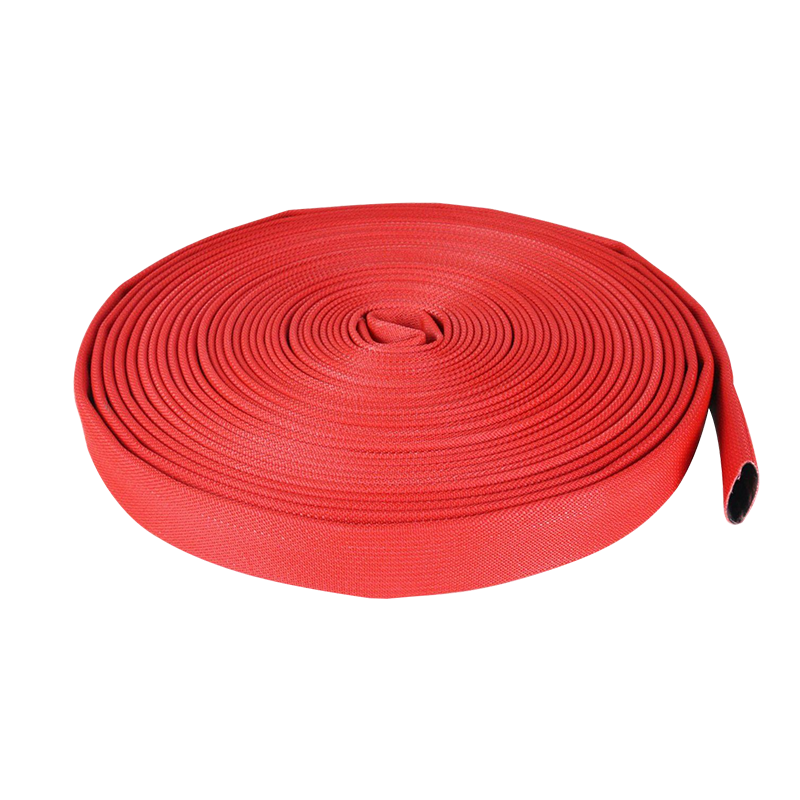
Understanding the most frequent causes of fire hose failure helps fire departments and facility managers implement preventive maintenance practices that extend hose service life and reduce the risk of in-service failure. The following factors are responsible for the majority of premature fire hose deterioration:
Choosing the correct fire hose requires matching hose type, diameter, pressure rating, jacket material, and coupling standard to the specific operational requirements of the application. For municipal fire departments, the selection process is guided by national standards, apparatus specifications, and operational protocols developed through experience and training programs. For industrial facilities, commercial buildings, and private fire systems, selection should be made in consultation with a qualified fire protection engineer who can assess flow rate requirements, system pressures, storage constraints, and applicable regulatory standards. In all cases, purchasing fire hose from manufacturers with demonstrated compliance to the relevant national or international standards — verified by third-party testing certification — is the most important quality assurance step available to any buyer. Fire hose is life safety equipment, and the consequences of specifying or purchasing substandard product are measured not in financial terms but in human lives.
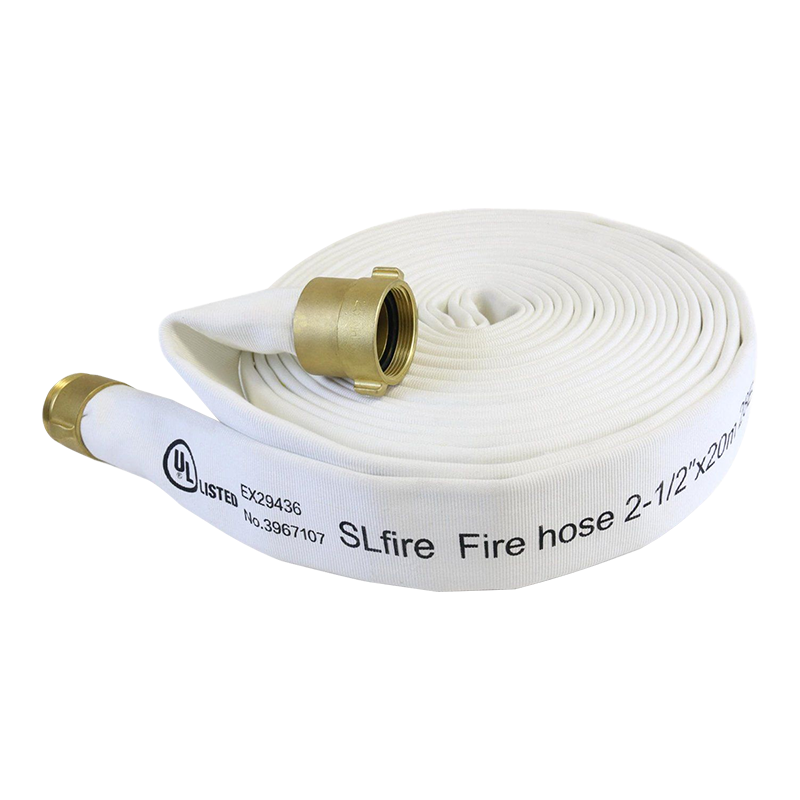
Single jacket, EPDM rubber liner Features • 100% high tenacity polyester jacket, high-grade EPDM rub...
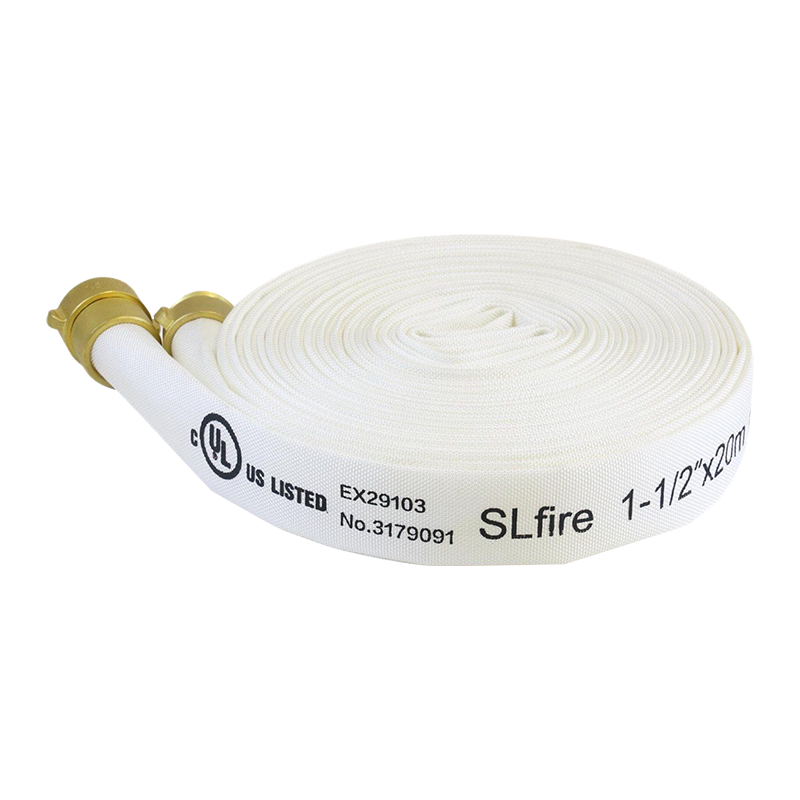
Single jacket, TPU liner •High-tenacity polyester yarn, circular woven in twill weave/plain weave,T ...
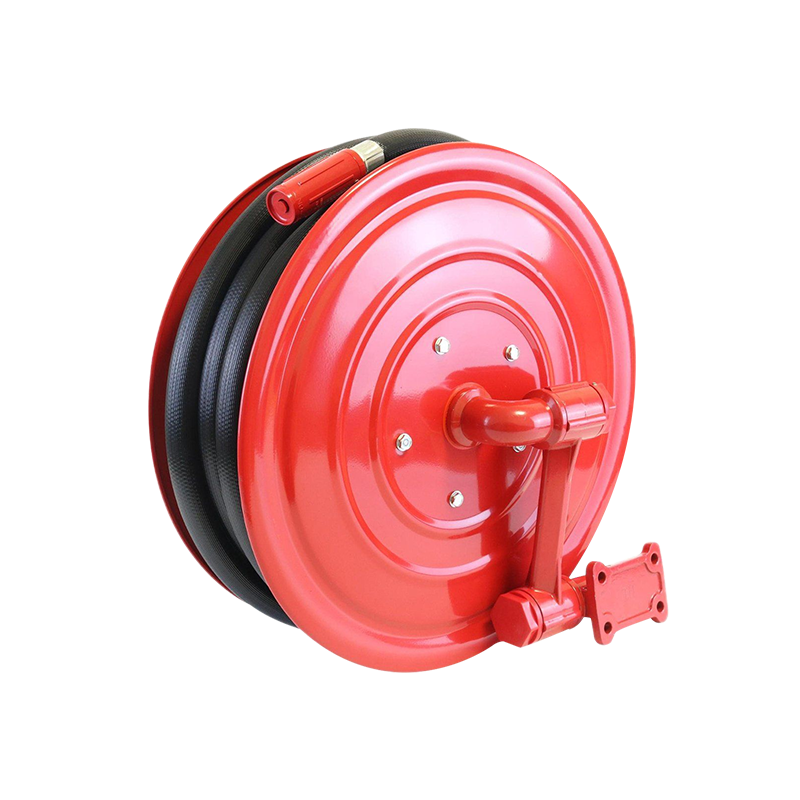
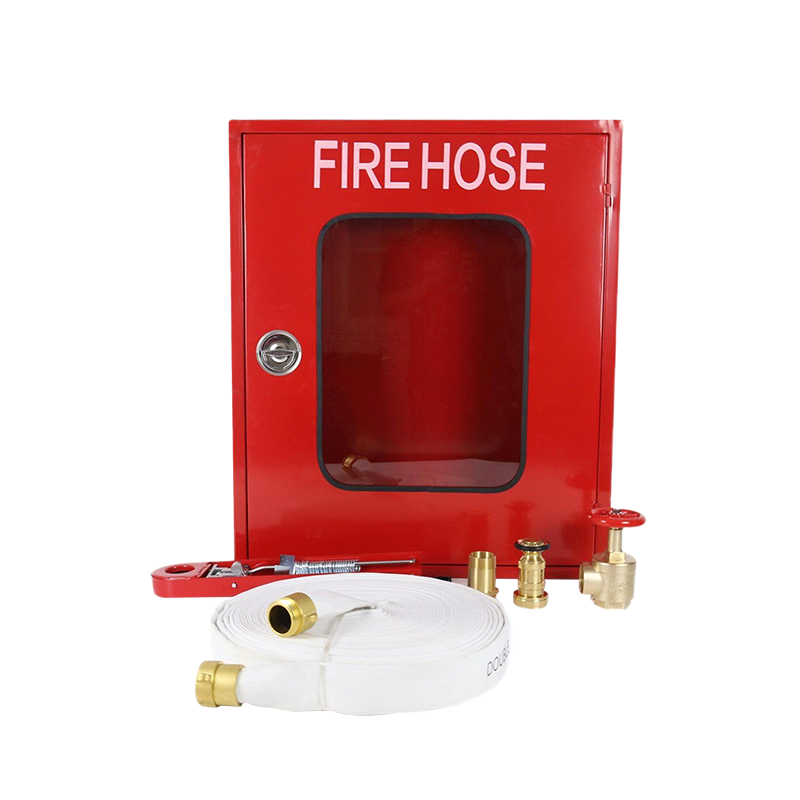
Fire cabinets are designed to accommodate fire hose,valve and other firefighting equipment. Type 201...
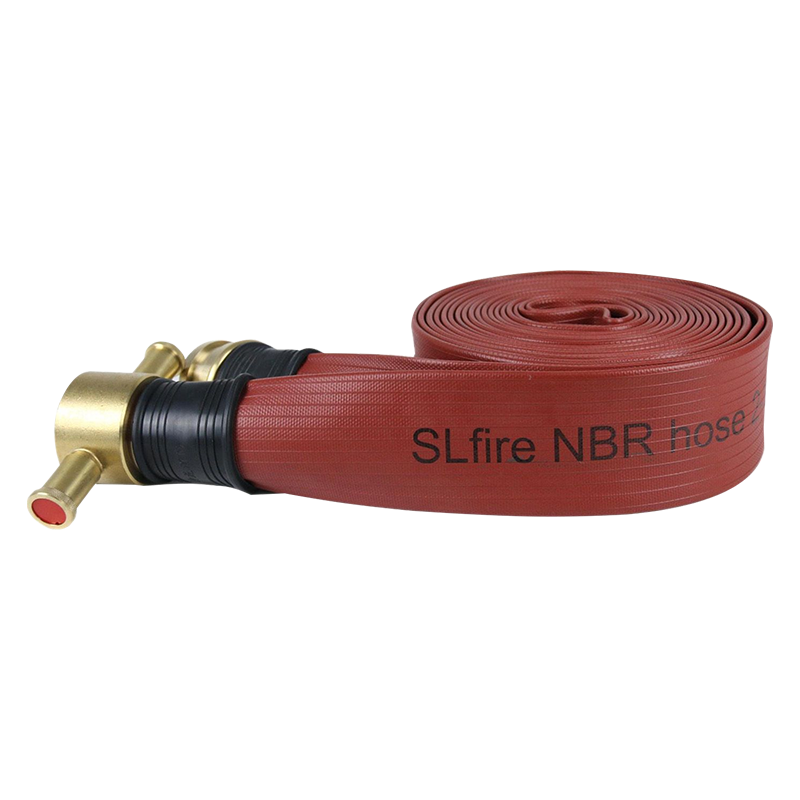
Nitrile covered hose •Nitrile/TPR blend as cover and lining, with 100% high-tenacity polyester yarn ...
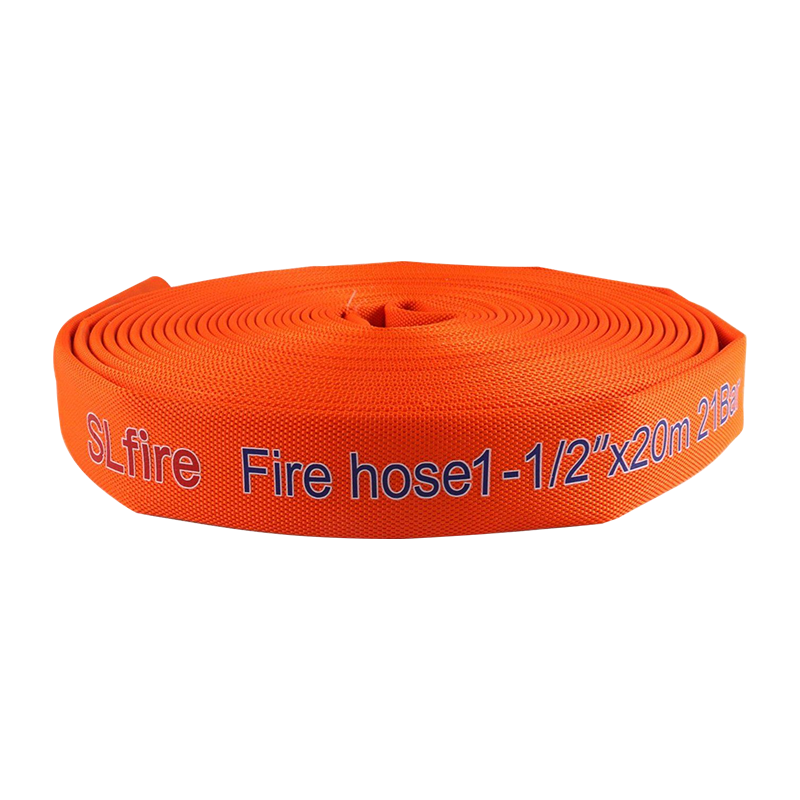
Single jacket, TPU liner •High-tenacity polyester yarn, circular woven in twill weave, TPU lining, f...
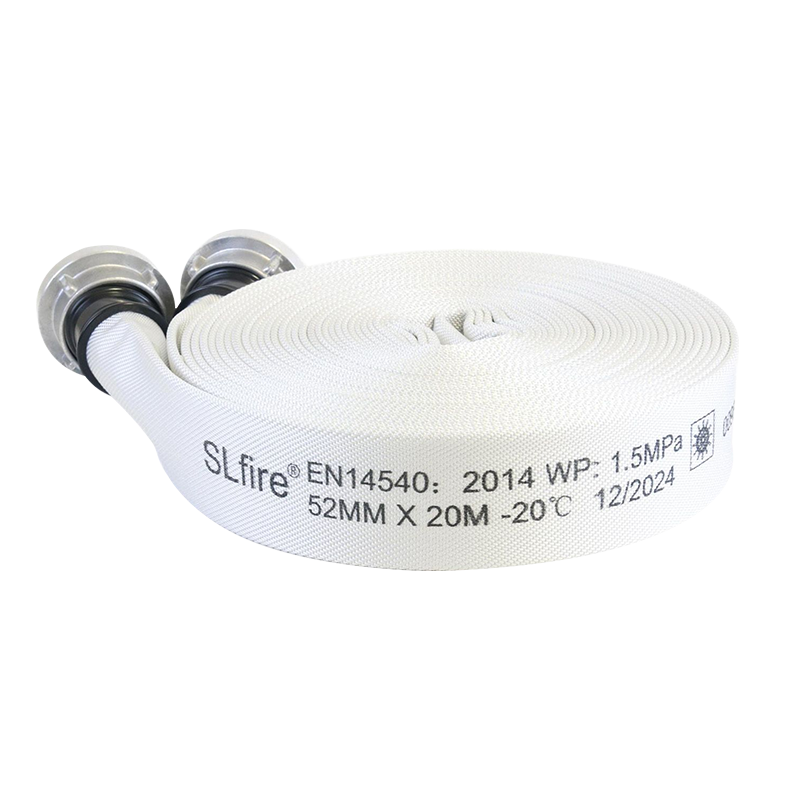
Marine hose Single jacket, PVC liner •100% high tenacity polyester yarn, circular woven in twill wea...

Marine hose Single jacket, PVC liner, PU coated •100% high tenacity polyester yarn,c ircular woven i...
 Call Us
+86 159-5116-9511
Need Support
Head Office
No.58, Kechuang Road, Sixiang Street Medicine Gaoxin District Taizhou City, Jiangsu Province

During a routine service test, a 200-foot attack line fails at 150 psi. The outer jacket looks fine. The problem is inside: a small delamination in the liner has pinched the bore and reduced the flow...
Copyright © Taizhou Shenlong Fire Science and Technology Co., Ltd. All Rights Reserved.
 Fire Hose Manufacturers, Fire Hydrant Hose Factory