

 English
 русский
 Español
 Deutsch
 عربى
عربى Français
 Português
Don't hesitate to send a message
Single jacket, EPDM rubber liner Features • 100% high tenacity polyester jacket, high-grade EPDM rub...
Content
A fire hose is a high-pressure hose specifically engineered to carry water or fire-suppressing foam from a water source, such as a fire hydrant or pumper truck, to the location of a fire. Constructed to withstand significant internal pressure while remaining flexible enough for maneuvering through buildings, streets, and rugged terrain, fire hoses are a critical component of firefighting operations across residential, commercial, industrial, and wildland settings. Their design has evolved considerably over time, moving from early leather and rubber constructions to modern synthetic materials capable of handling much higher pressures with reduced weight.
Unlike garden hoses or industrial water hoses used for general purposes, fire hoses must meet strict performance standards regarding burst pressure, abrasion resistance, and flow rate, since failure during an active fire can have severe safety consequences. This is why fire hoses are manufactured and tested according to established standards, such as those set by the National Fire Protection Association in the United States, which specify minimum requirements for construction, labeling, and performance testing.
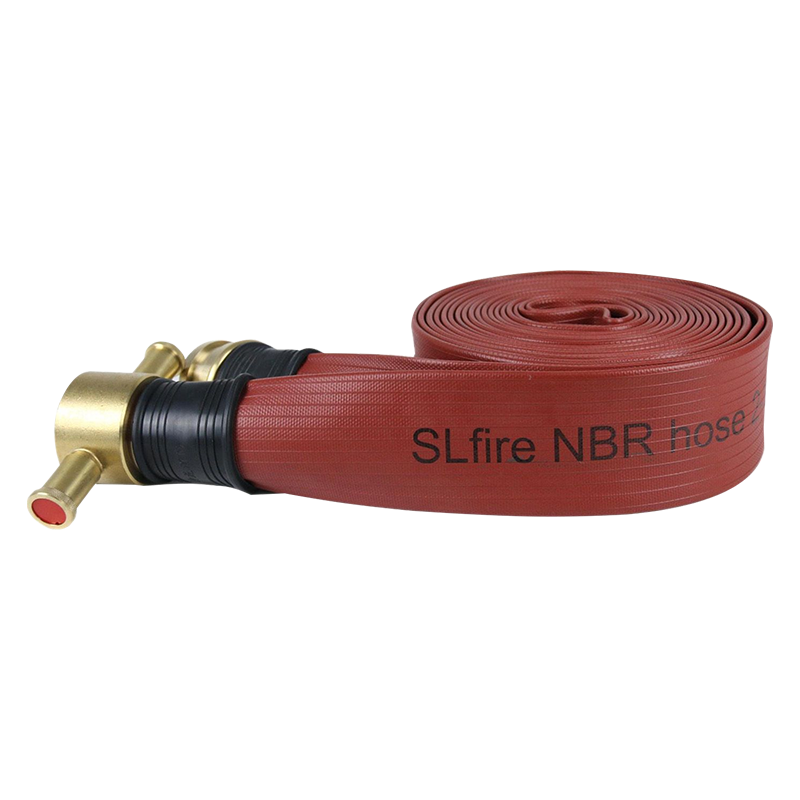
Fire hoses are generally categorized based on their intended application, each type engineered with specific construction features to suit particular firefighting scenarios. Understanding these categories helps departments and facility managers select the appropriate hose for their specific operational needs.
| Hose Type | Typical Diameter | Primary Use |
| Attack Hose | 1.5 to 2.5 inches | Direct firefighting by hose teams |
| Supply Hose | 3 to 5 inches | Transporting water from hydrant to pumper |
| Forestry Hose | 1 to 1.5 inches | Wildland and brush fires |
| Standpipe Hose | 1.5 to 2.5 inches | High-rise building fire systems |
Attack hoses are the most commonly recognized type, used directly by firefighting crews to deliver water at the fire scene, while larger diameter supply hoses focus on moving high volumes of water efficiently over longer distances from the water source to the pumping apparatus.
Modern fire hoses are typically constructed using one of two primary designs: single-jacket or double-jacket construction. Single-jacket hoses feature one woven layer surrounding an inner rubber or synthetic lining, making them lighter and easier to handle, which is often preferred for wildland firefighting where crews must carry hose over long distances on foot.
Double-jacket hoses add a second woven layer for increased durability and higher pressure ratings, making them the standard choice for municipal fire departments handling structural firefighting, where hoses are subjected to frequent dragging over rough surfaces such as pavement, gravel, and debris.
The diameter of a fire hose directly affects how much water it can deliver per minute, a critical factor in effectively suppressing fires of different sizes. Smaller diameter attack hoses, generally between 1.5 and 1.75 inches, are easier for firefighters to maneuver but deliver lower flow rates, making them suitable for smaller residential fires. Larger diameter hoses, such as 2.5-inch attack lines, deliver significantly higher flow rates needed for larger structural fires but require more personnel to handle safely due to increased water weight and hose rigidity when pressurized.
Supply hoses, which move water from the hydrant to the fire engine rather than directly to the fire, are typically much larger in diameter, often ranging from 3 to 5 inches, since their primary function is moving high water volumes efficiently rather than precise nozzle control at the fire scene.
Proper maintenance is essential to ensure fire hoses perform reliably when needed, since equipment failure during an emergency can have life-threatening consequences. Fire departments and facility managers are generally required to conduct annual service testing, which involves pressurizing each hose section to a specified test pressure to check for leaks, weak spots, or coupling failures.
Any hose that fails inspection or pressure testing should be immediately removed from service and either repaired by a qualified technician or replaced entirely, since a compromised hose can fail unpredictably under the high pressures generated during firefighting operations.
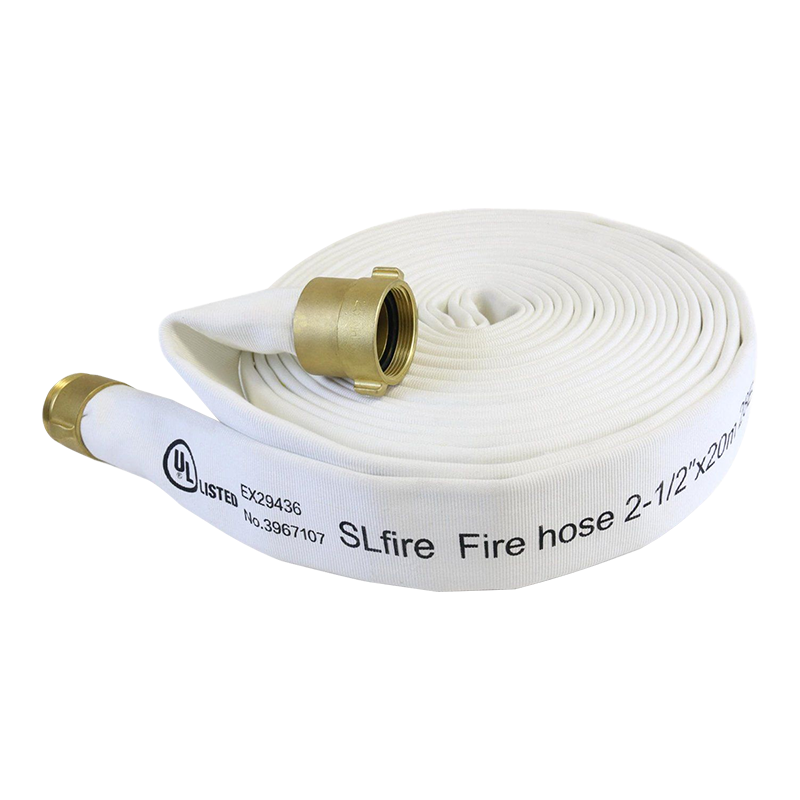
Single jacket, EPDM rubber liner Features • 100% high tenacity polyester jacket, high-grade EPDM rub...
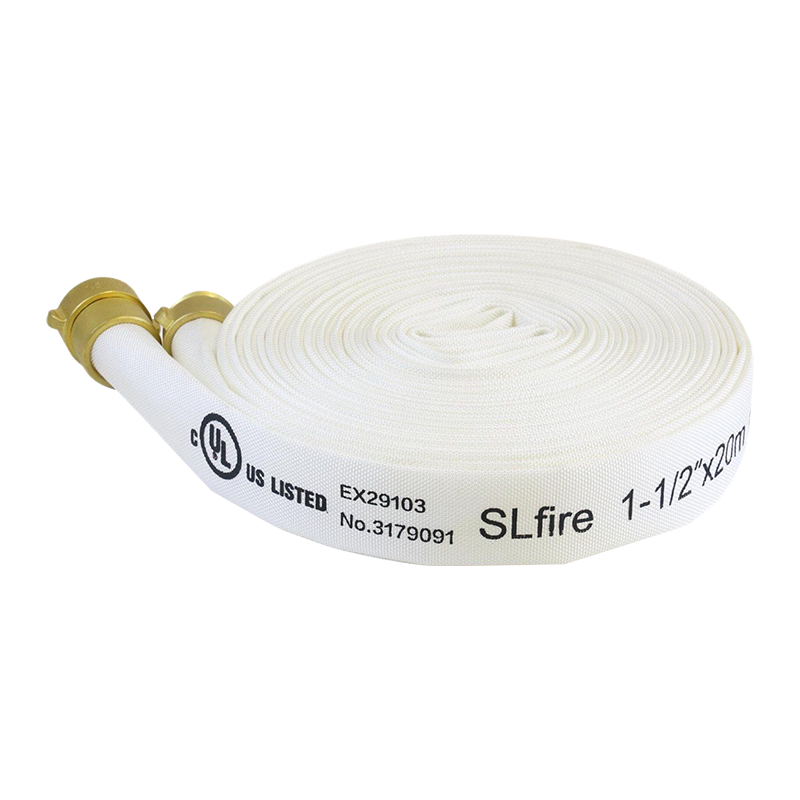
Single jacket, TPU liner •High-tenacity polyester yarn, circular woven in twill weave/plain weave,T ...
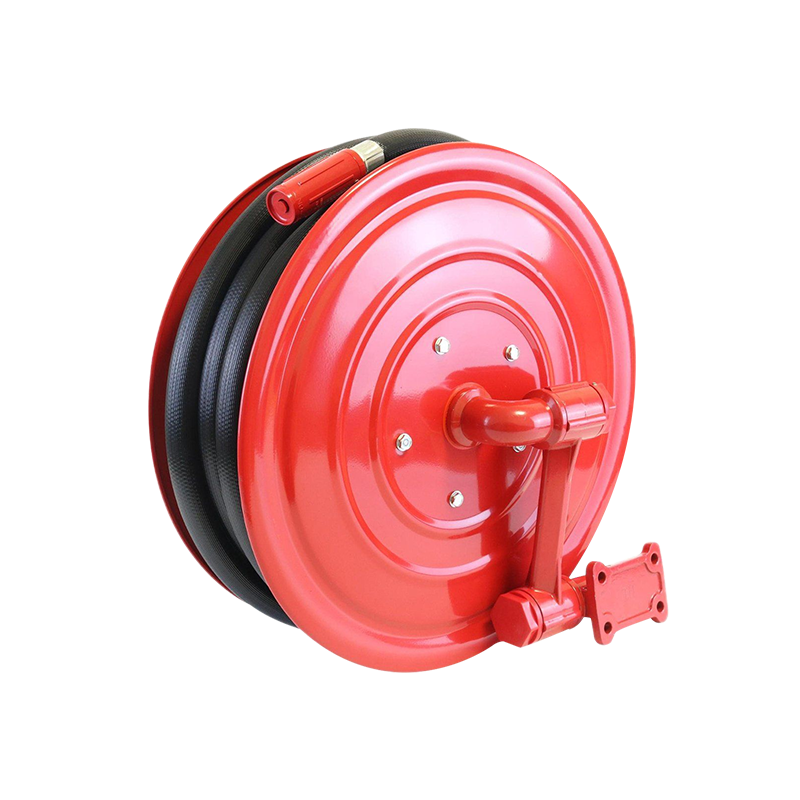
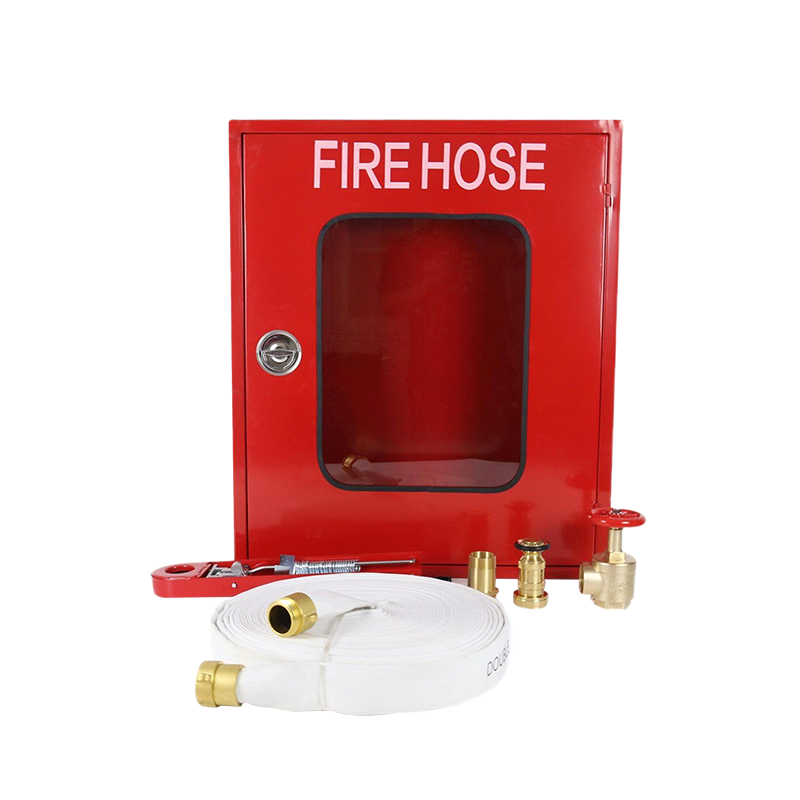
Fire cabinets are designed to accommodate fire hose,valve and other firefighting equipment. Type 201...

Nitrile covered hose •Nitrile/TPR blend as cover and lining, with 100% high-tenacity polyester yarn ...
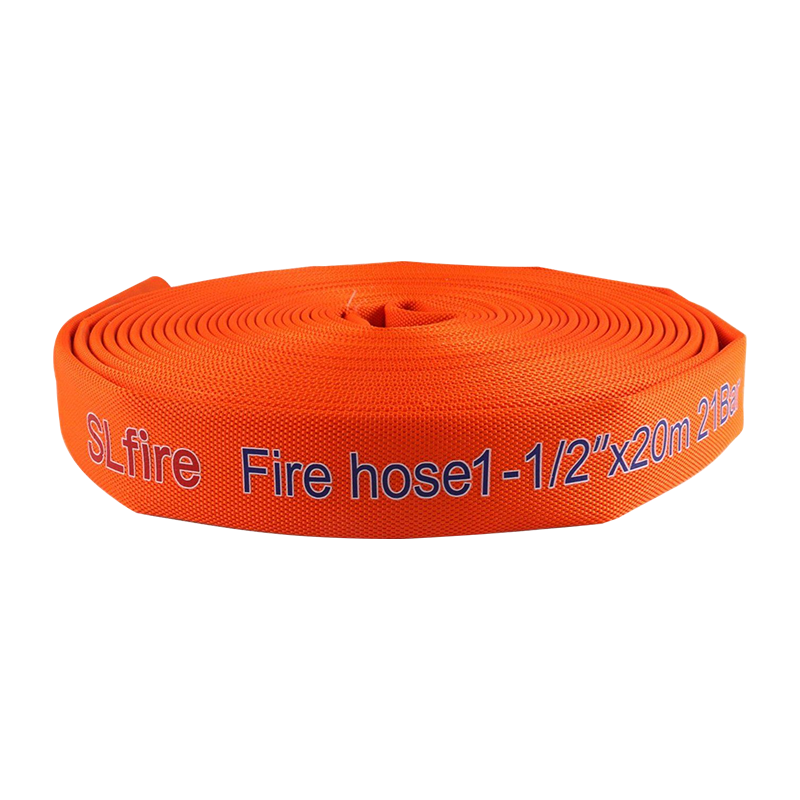
Single jacket, TPU liner •High-tenacity polyester yarn, circular woven in twill weave, TPU lining, f...
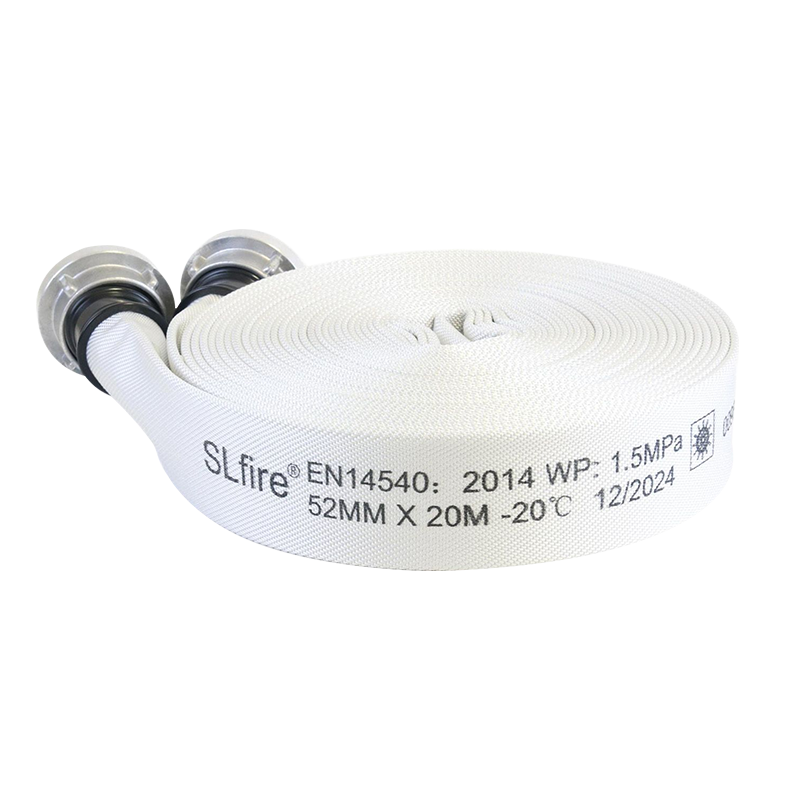
Marine hose Single jacket, PVC liner •100% high tenacity polyester yarn, circular woven in twill wea...
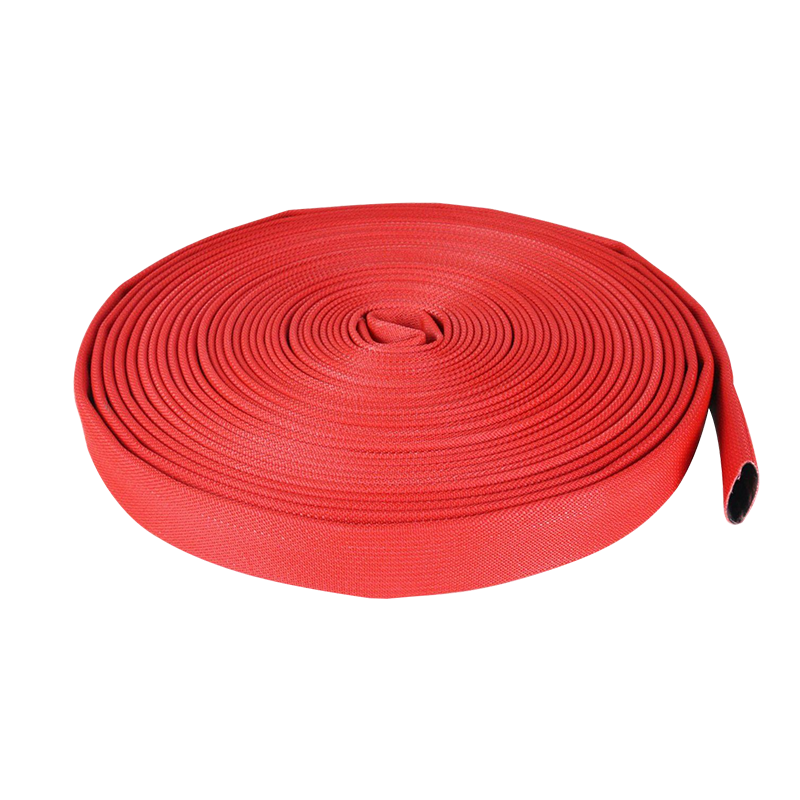
Marine hose Single jacket, PVC liner, PU coated •100% high tenacity polyester yarn,c ircular woven i...
 Call Us
+86 159-5116-9511
Need Support
Head Office
No.58, Kechuang Road, Sixiang Street Medicine Gaoxin District Taizhou City, Jiangsu Province

During a routine service test, a 200-foot attack line fails at 150 psi. The outer jacket looks fine. The problem is inside: a small delamination in the liner has pinched the bore and reduced the flow...
Copyright © Taizhou Shenlong Fire Science and Technology Co., Ltd. All Rights Reserved.
 Fire Hose Manufacturers, Fire Hydrant Hose Factory