

 English
 русский
 Español
 Deutsch
 عربى
عربى Français
 Português
Don't hesitate to send a message
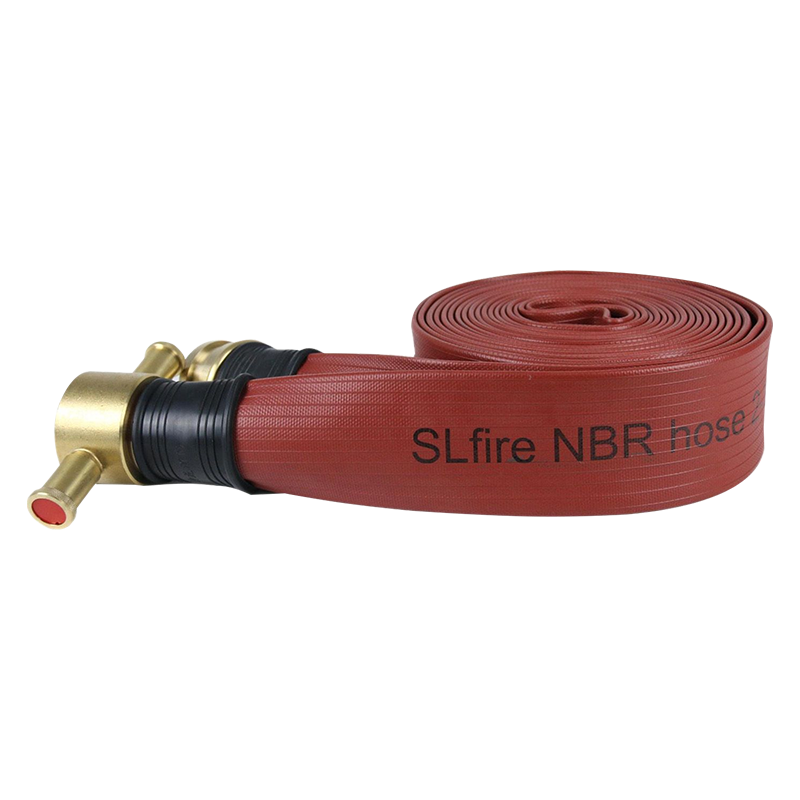
Single jacket, EPDM rubber liner Features • 100% high tenacity polyester jacket, high-grade EPDM rub...
Content
A fire hose is a high-pressure flexible tube specifically engineered to carry water or firefighting foam from a pressurized water source — such as a fire hydrant, fire engine pump, or building standpipe system — to the point where it is needed to suppress or extinguish a fire. Unlike ordinary garden hoses or industrial water hoses, a fire hose must perform reliably under extreme conditions: high burst pressures, intense radiant heat, abrasion against rough concrete and debris, and the physical abuse of being dragged, driven over, and rapidly deployed by firefighters under emergency stress. The construction quality, material selection, coupling integrity, and maintenance history of a fire hose are not abstract specifications — they are the difference between a hose that delivers water at the moment of critical need and one that ruptures, kinks, or fails at the worst possible time.
Modern fire hoses are precision-engineered products subject to rigorous national and international standards covering every aspect of their construction, performance, and testing. Understanding the key elements of fire hose design and specification allows fire departments, building safety managers, and industrial fire protection teams to select, deploy, and maintain hoses that meet the exact demands of their operational environment — and to identify when a hose has reached the end of its safe service life before it fails in the field.
Fire hoses are not a single product but a family of distinct types, each designed for a specific role in fire suppression operations. Selecting the wrong hose type for an application compromises both operational effectiveness and personnel safety.
Attack hose is the primary firefighting hose used to deliver water directly to the fire. It is deployed from fire apparatus directly to the burning structure or vehicle and must withstand working pressures typically between 10 and 20 bar (150–300 psi) while being maneuvered through doorways, up stairwells, and across debris-strewn floors. Attack hoses are manufactured in diameters ranging from 38 mm (1.5 inches) to 65 mm (2.5 inches), with the larger diameter used for higher-flow exterior operations and the smaller diameter preferred for interior structural firefighting where maneuverability in confined spaces is critical. The outer jacket of an attack hose must resist abrasion, cutting, and heat exposure, while the inner liner must maintain flexibility at both ambient and elevated temperatures.
Supply hose — including large-diameter hose (LDH) in diameters of 100 mm (4 inches) to 150 mm (6 inches) or larger — is used to move large volumes of water from hydrants, tankers, or water sources to the fire apparatus pump. Unlike attack hose, supply hose typically operates at lower pressures (3 to 10 bar) but must carry extremely high flow volumes with minimal friction loss over distances of several hundred meters. LDH is particularly critical in rural firefighting operations where apparatus must relay water over long distances from remote water sources. Its larger diameter and thinner wall construction prioritize flow capacity over the abrasion resistance demanded of attack hose.
Forestry hose is a lightweight, small-diameter hose — typically 25 mm (1 inch) or 38 mm (1.5 inches) — designed specifically for wildland and brush fire suppression where firefighters must carry equipment on foot over rough terrain. Weight is the primary design constraint: forestry hose is manufactured with thinner walls and lighter jacket materials than structural attack hose, accepting reduced durability in exchange for the portability essential in backcountry operations. Working pressures typically range from 7 to 14 bar. Forestry hose couplings are often lighter aluminum rather than the brass or machined aluminum used on structural hose, further reducing carry weight per meter of hose.
Booster hose is a small-diameter, rubber-jacketed hose — typically 19 mm to 25 mm in diameter — permanently mounted on a reel on fire apparatus. Because it is stored and deployed directly from a reel under pressure rather than being laid flat and charged, booster hose must be semi-rigid and capable of maintaining its shape without kinking when partially deployed. It is used for small brush fires, vehicle fires, and overhaul operations where a full attack line would be unnecessarily cumbersome. Booster hose is rated for higher pressures than its diameter might suggest — typically 28 to 35 bar — because small-diameter hoses are capable of containing higher pressures per unit of wall stress than larger diameter equivalents at the same wall thickness.
Occupant use hose, also called standpipe hose or cabinet hose, is the small-diameter hose installed in fire hose cabinets inside commercial and residential buildings for first-response use by building occupants before the fire department arrives. Typically 19 mm to 25 mm in diameter, these hoses are designed to be operated by untrained individuals under the low-pressure supply of a building standpipe system (typically 3.5 to 7 bar). Modern building codes in many jurisdictions are moving away from occupant-use hoses in favor of dry standpipe connections intended solely for fire department use, recognizing that untrained hose operation can be hazardous in smoke-filled environments.
The performance of a fire hose is determined by the engineering of its cross-sectional construction. A typical firefighting hose consists of two or three functional layers, each contributing specific properties to the overall assembly.
The inner liner is the watertight tube that contains the pressurized water and must remain flexible across a wide temperature range, resist the growth of mold and bacteria during storage, and withstand the turbulent flow of water at high velocity without erosion or chemical degradation. Thermoplastic polyurethane (TPU) is the most common liner material in modern fire hoses, offering excellent flexibility at low temperatures, high abrasion resistance on the inner surface from turbulent flow, and good resistance to chlorine and other water treatment chemicals. EPDM rubber liners offer broader chemical resistance and are used in specialty hoses designed for foam concentrate service or chemical plant fire suppression. The liner thickness is carefully balanced — too thin risks pinhole formation under sustained pressure cycling, while too thick adds weight and reduces flexibility.
The reinforcement jacket is the structural element of the hose — a woven or braided layer of high-tenacity synthetic yarn that contains the internal pressure and gives the hose its mechanical strength. Polyester is the dominant fiber used in modern fire hose jackets because of its high tensile strength, excellent abrasion resistance, resistance to UV degradation, and dimensional stability when wet. Earlier fire hoses used cotton jackets, which absorbed water and became heavier over time, were susceptible to rot and mildew, and weakened significantly when wet — all critical disadvantages in the field. Single-jacket construction is used for supply and forestry hose, while double-jacket construction — two overlapping weave layers oriented to oppose each other — is standard for attack hose where maximum abrasion resistance and resistance to mechanical damage are required.
Some fire hose types incorporate an outer rubber or polyurethane cover over the woven jacket to improve abrasion resistance, chemical resistance, and ease of cleaning. Rubber-covered hoses, such as booster hose, are more resistant to petroleum products and cutting damage than jacket-only hoses, but are heavier and less flexible. Jacket-only attack hoses sacrifice the chemical protection of a rubber cover in exchange for lighter weight and greater flexibility — important factors when firefighters must drag and advance hose in structural interiors under physical and thermal stress.
Fire hoses are rated to three pressure values that define their operational limits and safety margins. Understanding what each pressure value represents is essential for anyone responsible for specifying, testing, or operating firefighting equipment.
| Pressure Type | Definition | Typical Value (Attack Hose) |
| Working Pressure | Maximum sustained operating pressure in normal service | 10–20 bar (150–300 psi) |
| Service Test Pressure | Annual hydrostatic test pressure to verify integrity | 24–27 bar (350–400 psi) |
| Proof Pressure / Burst Pressure | Manufacturer-tested pressure before failure; safety margin above working pressure | 40–70 bar (580–1015 psi) |
The ratio between working pressure and burst pressure — typically 3:1 to 4:1 in well-designed fire hoses — constitutes the safety factor built into the design. This margin accounts for pressure surges from water hammer when nozzles are suddenly shut, the gradual degradation of hose strength over its service life, and the dynamic pressure loads imposed when a charged hose is kinked, bent sharply, or run over by a vehicle. Standards such as NFPA 1961 in the United States, EN 14540 in Europe, and AS/NZS 1221 in Australia define minimum pressure requirements and test protocols for fire hoses used in their respective jurisdictions.
A fire hose is only as reliable as its couplings — the metal fittings at each end that connect the hose to hydrants, apparatus, nozzles, and other hose sections. Coupling failure under pressure is catastrophic, both in terms of water delivery loss and the physical danger of a suddenly pressurized hose end whipping violently. Fire hose couplings are manufactured from aluminum alloy, brass, or stainless steel, with cast or forged aluminum dominating modern structural attack hose because of its favorable strength-to-weight ratio.
Thread and connection standards vary by country and region, which creates significant interoperability challenges in mutual aid and international disaster response operations. The most commonly encountered coupling standards include NST (National Standard Thread, also called NH) used throughout the United States, BSP (British Standard Pipe) used in the UK and many Commonwealth countries, and Storz — a threadless quarter-turn coupling system widely used in Germany, Switzerland, and increasingly adopted globally for large-diameter hose because of its speed of connection and non-gendered symmetry that eliminates male/female connector mismatch. Adapters between coupling standards are essential inventory items for any fire department or industrial fire brigade that may need to connect to equipment of different national origins.
Coupling attachment to the hose body uses either expansion ring (internally expanded shank), screw-type (threaded shank screwed into the hose), or swaged construction. Properly attached couplings must be proof-tested after assembly to ensure the hose-to-coupling connection can withstand the same pressures as the hose body itself. A coupling that pulls free from the hose under pressure at 15 bar is just as dangerous as a hose that bursts — both result in complete loss of water flow and potential injury from the uncontrolled release of pressurized water.
A fire hose that is not regularly inspected, tested, and properly maintained will degrade silently — appearing serviceable on the outside while developing internal liner cracks, jacket wear, or coupling loosening that will only manifest as catastrophic failure during an actual emergency. Maintenance is not optional in fire hose management; it is the operational foundation of reliable fire suppression capability.
Matching fire hose specification to operational requirements requires systematic evaluation of several interdependent factors. A municipal fire department responding to structural building fires has fundamentally different hose requirements from an industrial refinery fire brigade, a wildland fire agency, or a building owner installing a standpipe system in a commercial high-rise. The following selection criteria provide a practical framework for making defensible, operationally appropriate hose specification decisions.
Flow rate requirement drives diameter selection. Calculate the required fire flow for the anticipated hazard — residential structure fires typically require 500 to 1,500 liters per minute, while large industrial facilities may require 3,000 liters per minute or more at a single suppression point. Select the hose diameter that can deliver the required flow within the available pump pressure using standard hydraulic friction loss tables, ensuring that the operating pressure at the nozzle remains within the rated working pressure of the hose and within the effective operating range of the nozzle pattern.
Operating environment drives material selection. Industrial sites with petroleum storage, chemical processes, or aggressive cleaning agents require hoses with chemical-resistant liner materials and rubber outer covers. Wildland operations require ultra-lightweight constructions. Cold-climate operations require liners and jackets that maintain flexibility at temperatures well below 0°C. Matching the hose construction to the specific chemical and environmental exposures it will face in service — rather than purchasing a generic product and hoping it performs — is the foundation of a professional fire hose specification program that delivers reliable protection when the stakes are highest.
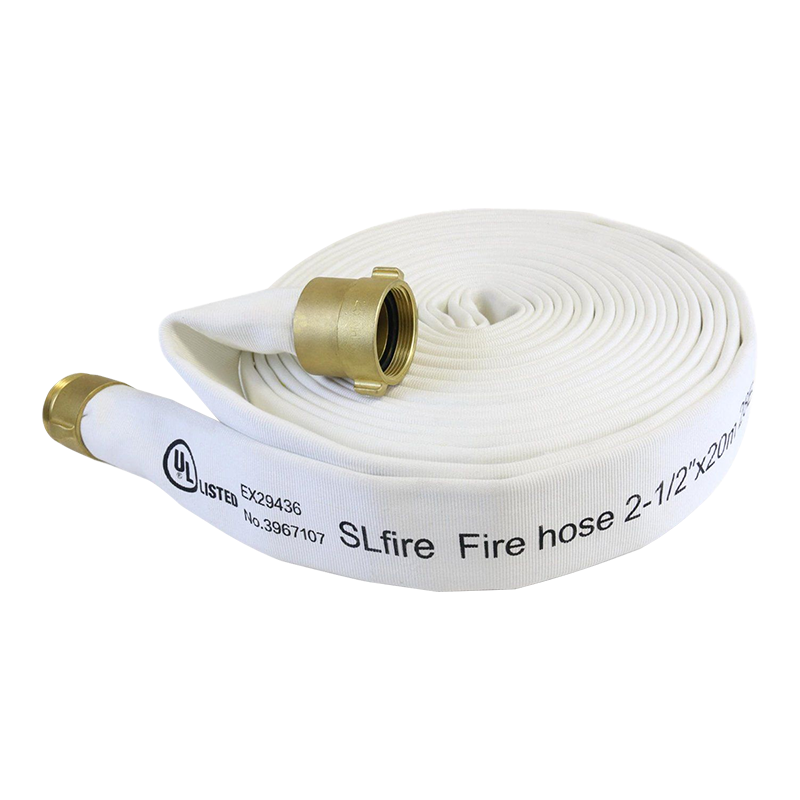
Single jacket, EPDM rubber liner Features • 100% high tenacity polyester jacket, high-grade EPDM rub...
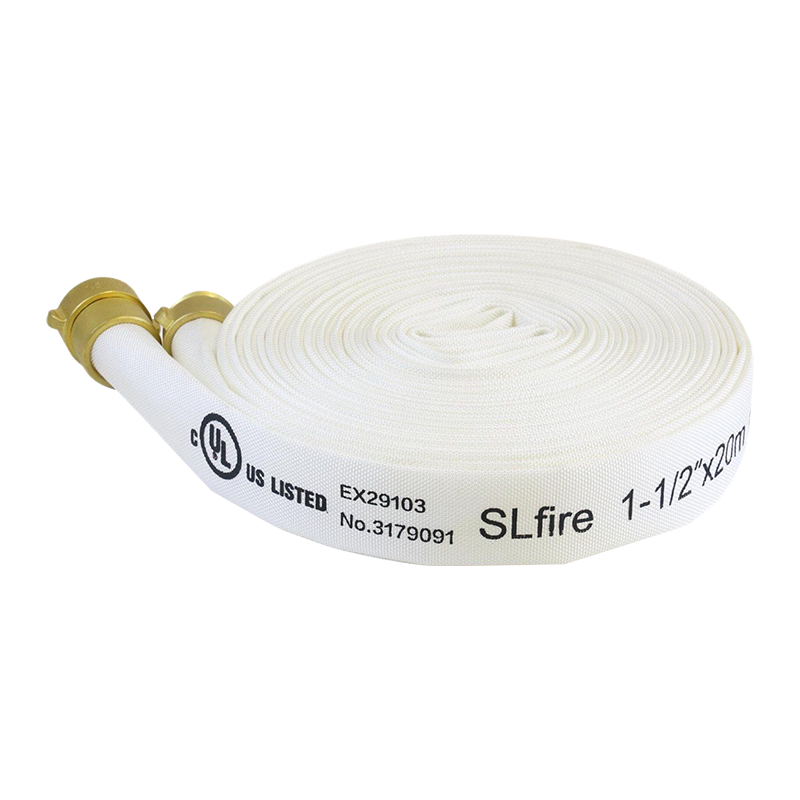
Single jacket, TPU liner •High-tenacity polyester yarn, circular woven in twill weave/plain weave,T ...
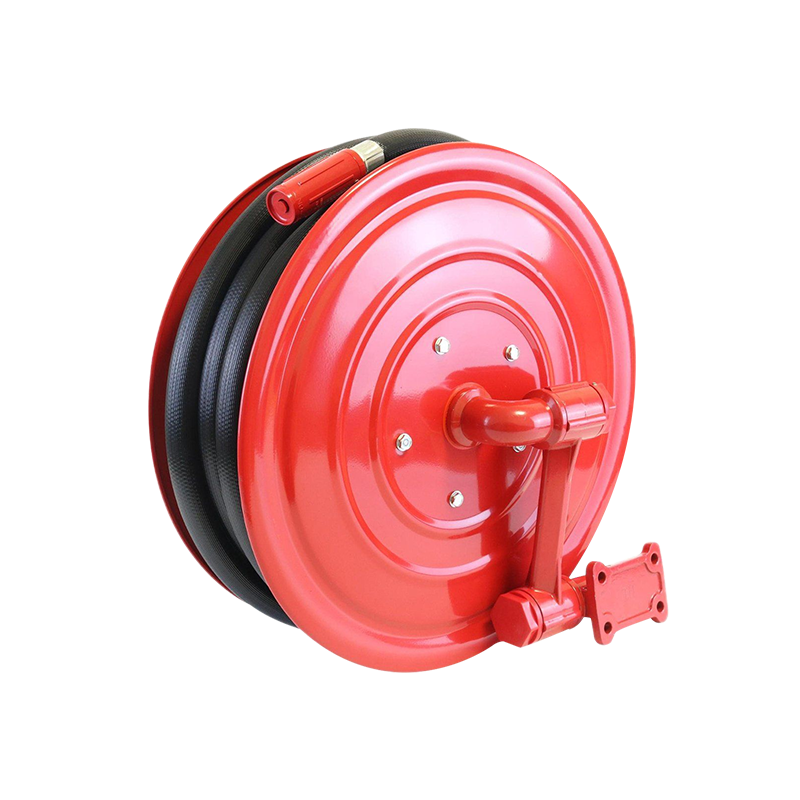
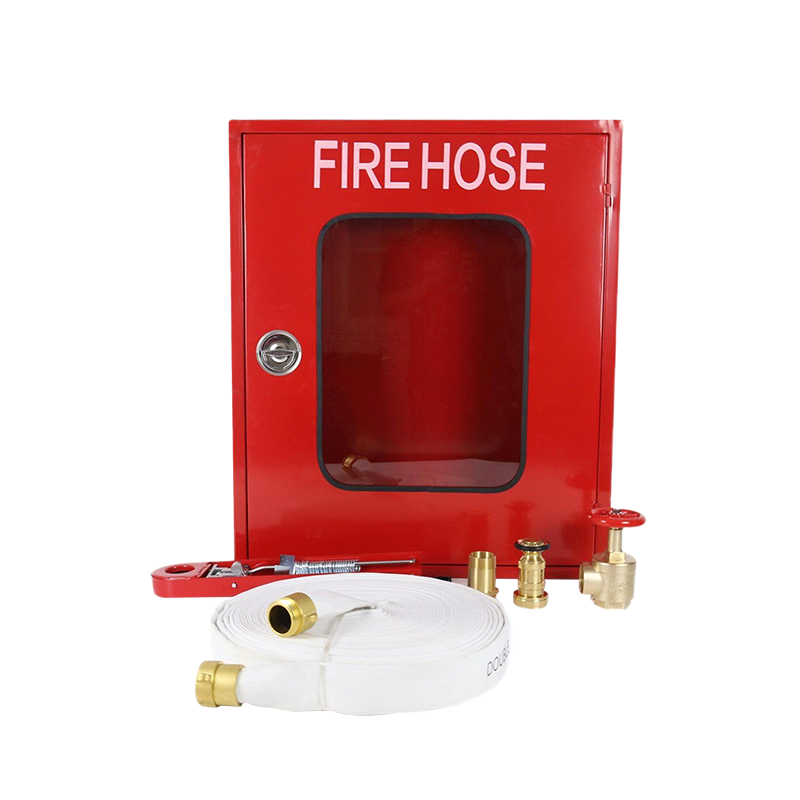
Fire cabinets are designed to accommodate fire hose,valve and other firefighting equipment. Type 201...

Nitrile covered hose •Nitrile/TPR blend as cover and lining, with 100% high-tenacity polyester yarn ...
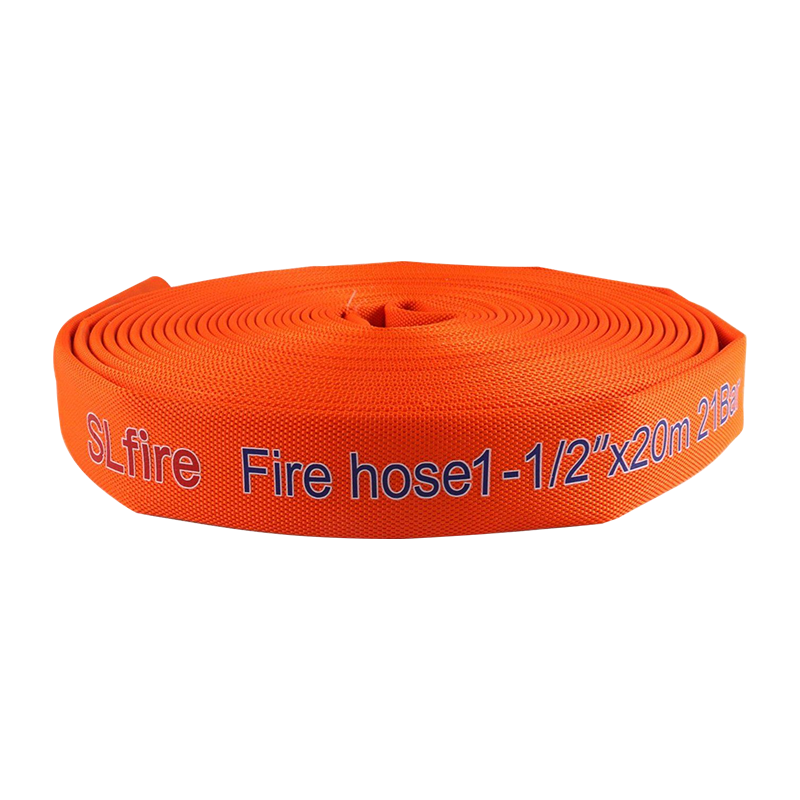
Single jacket, TPU liner •High-tenacity polyester yarn, circular woven in twill weave, TPU lining, f...
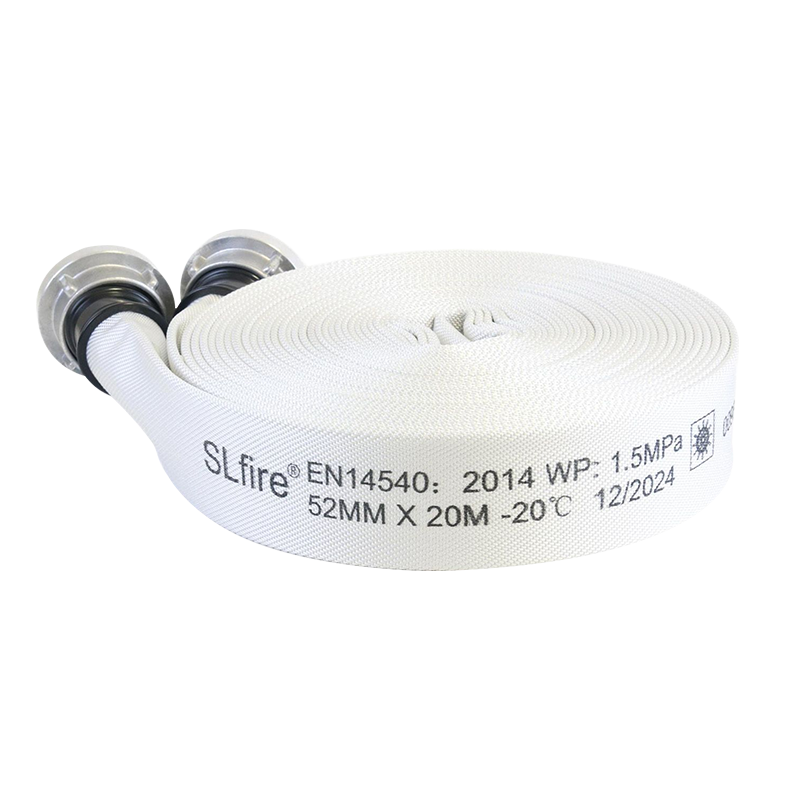
Marine hose Single jacket, PVC liner •100% high tenacity polyester yarn, circular woven in twill wea...
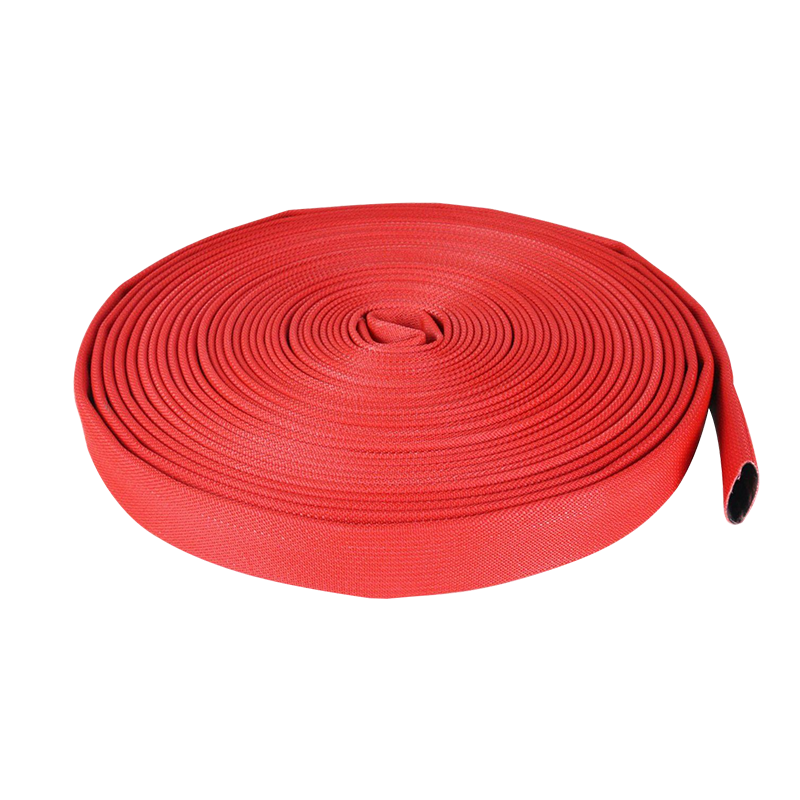
Marine hose Single jacket, PVC liner, PU coated •100% high tenacity polyester yarn,c ircular woven i...
 Call Us
+86 159-5116-9511
Need Support
Head Office
No.58, Kechuang Road, Sixiang Street Medicine Gaoxin District Taizhou City, Jiangsu Province

During a routine service test, a 200-foot attack line fails at 150 psi. The outer jacket looks fine. The problem is inside: a small delamination in the liner has pinched the bore and reduced the flow...
Copyright © Taizhou Shenlong Fire Science and Technology Co., Ltd. All Rights Reserved.
 Fire Hose Manufacturers, Fire Hydrant Hose Factory