

 English
 русский
 Español
 Deutsch
 عربى
عربى Français
 Português
Don't hesitate to send a message
Single jacket, EPDM rubber liner Features • 100% high tenacity polyester jacket, high-grade EPDM rub...
Content
An agricultural hose is a flexible conduit designed to transport water, fertilizers, pesticides, fuel, or other fluids across the wide range of tasks involved in modern farming operations. Unlike general-purpose garden hoses, agricultural hoses are engineered to withstand demanding field conditions, including exposure to abrasive soil, agricultural chemicals, UV radiation, and repeated dragging across rough terrain. Selecting the right hose for a specific application directly affects operational efficiency, chemical safety, and the long-term cost of equipment maintenance.
Because farms rely on hoses for such a diverse set of tasks, from irrigation and chemical spraying to livestock watering and fuel transfer, there is no single hose design suited to every application. Understanding the construction differences, material options, and pressure ratings available helps farm operators match the right hose to each specific job.
Agricultural hoses share a common layered construction, though the specific materials and reinforcement methods vary considerably depending on the intended application and required durability.
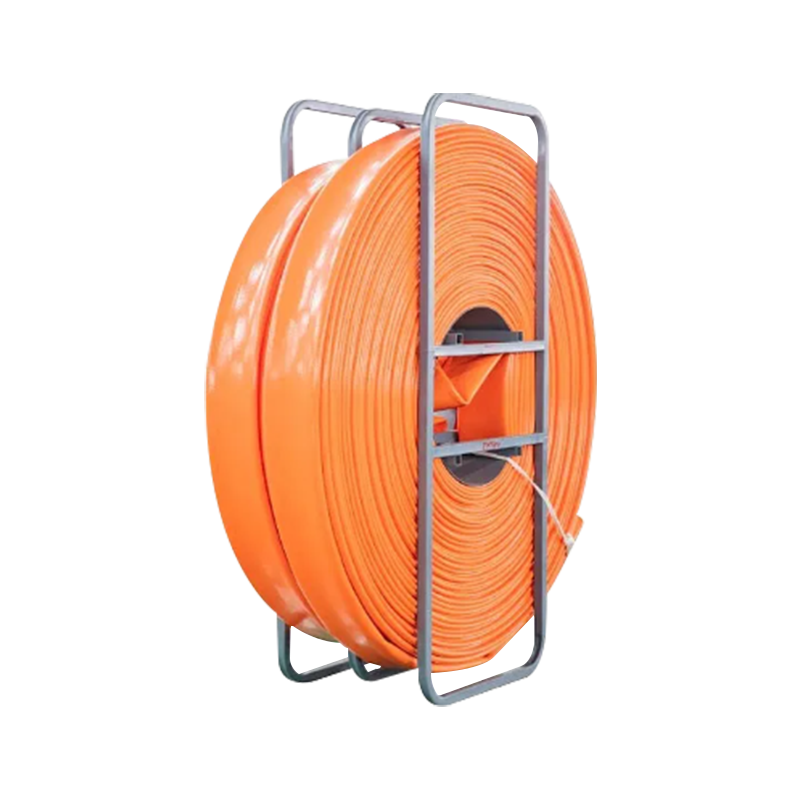
The innermost layer of the hose is the tube that directly contacts the fluid being transported. This layer must be chemically compatible with the specific substance carried, whether that is clean water, fertilizer solution, or concentrated pesticide, since an incompatible tube material can degrade quickly and potentially contaminate the fluid or fail structurally.
Between the inner tube and outer cover, a reinforcement layer, typically consisting of braided or spiraled synthetic fiber or wire, provides the hose with its pressure rating and resistance to kinking. Higher-pressure applications, such as those found in sprayer systems, generally require hoses with more robust reinforcement layers than low-pressure gravity-fed irrigation lines.
The outer cover protects the hose from external abrasion, UV degradation, and chemical exposure from the surrounding environment. Materials such as EPDM rubber or reinforced PVC are commonly used for this layer, chosen based on the specific environmental conditions the hose will encounter during field use.
Different farming tasks require hoses engineered for specific pressure ranges, chemical compatibilities, and flexibility requirements. Understanding these distinctions helps operators avoid using an improperly matched hose that could fail prematurely or pose safety risks.
Irrigation hoses are designed primarily for transporting water across fields, often over long distances and sometimes under moderate pressure from pump systems. These hoses typically prioritize flexibility and kink resistance to accommodate the frequent repositioning required during seasonal irrigation setup and breakdown.
Spray hoses used for applying pesticides, herbicides, and fertilizers must be constructed with inner tubes specifically resistant to the chemical formulations being transported. These hoses often incorporate specialized nitrile or chemical-resistant compounds in the inner tube to prevent degradation from prolonged exposure to concentrated agricultural chemicals.
Used for tasks such as pumping water from ponds or transferring fuel and liquid fertilizers between storage tanks, suction hoses require rigid internal helix reinforcement to prevent collapse under negative pressure conditions. Without this reinforcement, the hose walls could cave inward when a pump creates suction, restricting or completely blocking flow.
Hoses used for livestock watering systems must use food-grade or drinking water safe inner tube materials, since livestock health depends on water quality being maintained throughout the transport process. These hoses often carry specific certifications confirming their suitability for potable water applications.
The material composition of an agricultural hose significantly affects its chemical resistance, flexibility in cold weather, and overall service life under field conditions.
| Material | Chemical Resistance | Best Suited For |
| PVC | Moderate | General irrigation, water transfer |
| EPDM Rubber | Good | Fertilizer and mild chemical transfer |
| Nitrile Rubber | Excellent | Pesticide and fuel transfer |
| Polyurethane | Good, high abrasion resistance | Suction lines, rugged field conditions |
Choosing a hose with insufficient chemical resistance for a given application, particularly in pesticide or fertilizer transfer, can lead to premature inner tube breakdown, resulting in leaks, chemical contamination, and potential safety hazards for equipment operators.
Beyond material selection, several technical specifications should be evaluated to ensure the chosen hose matches the demands of its intended application.
Failing to account for any of these factors can result in reduced hose lifespan, inconsistent flow performance, or in more serious cases, hose failure that leads to chemical spills or equipment downtime during critical field operations.
Every agricultural hose carries a working pressure rating, along with a separate, higher burst pressure rating that indicates the point at which the hose would be expected to fail catastrophically. Operating a hose consistently near its rated working pressure accelerates wear and shortens its usable lifespan, while operating well below the rated pressure generally extends service life considerably.
When connecting a hose to a sprayer or pump system, it is important to confirm that the hose's working pressure rating exceeds the maximum output pressure of the connected equipment, including any pressure spikes that might occur during startup or when valves are suddenly closed, a phenomenon known as water hammer that can momentarily exceed steady-state operating pressure.
Proper storage between growing seasons significantly extends the lifespan of agricultural hoses, particularly in regions with cold winters where freezing residual water can damage hose walls and fittings.
Hoses should be fully drained of any remaining fluid before storage, and those used for chemical transfer should be flushed thoroughly with clean water to remove residue that could otherwise cause material degradation or cross-contamination during the next use.
Storing hoses indoors or in a shaded area away from direct sunlight during the off-season reduces UV-related material breakdown. Coiling hoses loosely rather than tightly kinking them prevents stress cracking at bend points, particularly important for PVC-based hoses that become more brittle in cold temperatures.
Before each growing season, hoses should be inspected for cracking, bulging, or soft spots that indicate internal reinforcement damage. Fittings and couplings should also be checked for corrosion or wear that could lead to leaks under pressure during active use.
Choosing the right agricultural hose requires careful consideration of the specific fluid being transported, required pressure rating, and environmental conditions the hose will face throughout its service life. By matching material composition and construction features to the intended application, and by following consistent seasonal maintenance practices, farm operators can reduce equipment downtime and ensure reliable fluid transfer across their operation's diverse range of tasks.
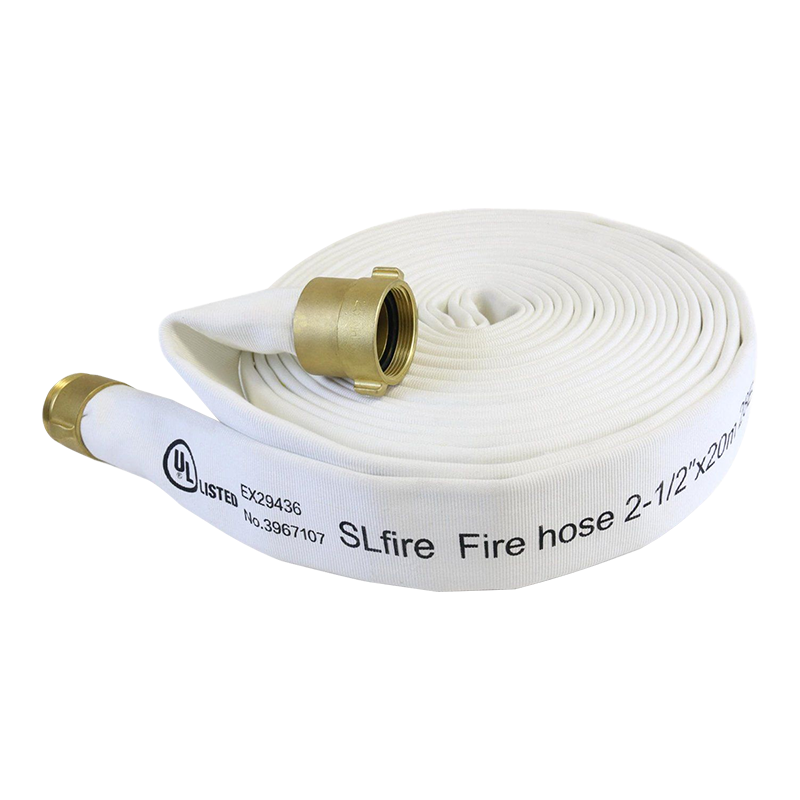
Single jacket, EPDM rubber liner Features • 100% high tenacity polyester jacket, high-grade EPDM rub...
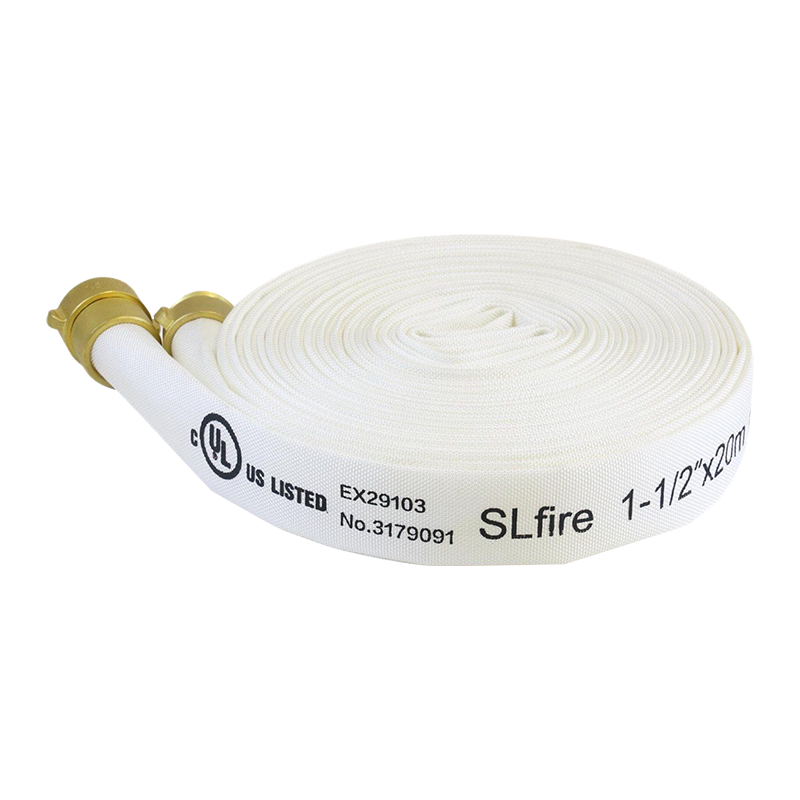
Single jacket, TPU liner •High-tenacity polyester yarn, circular woven in twill weave/plain weave,T ...
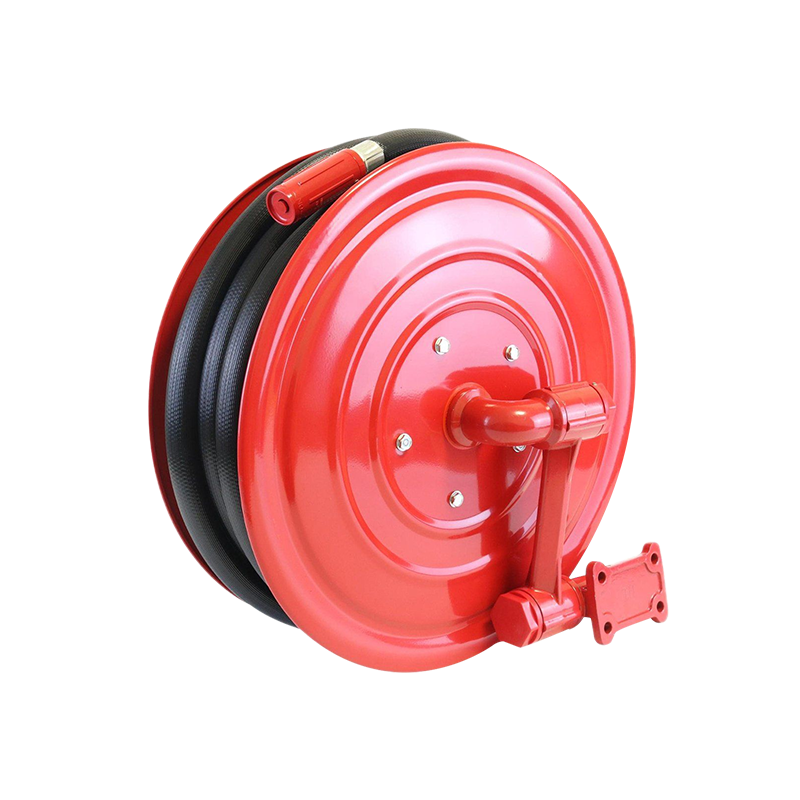
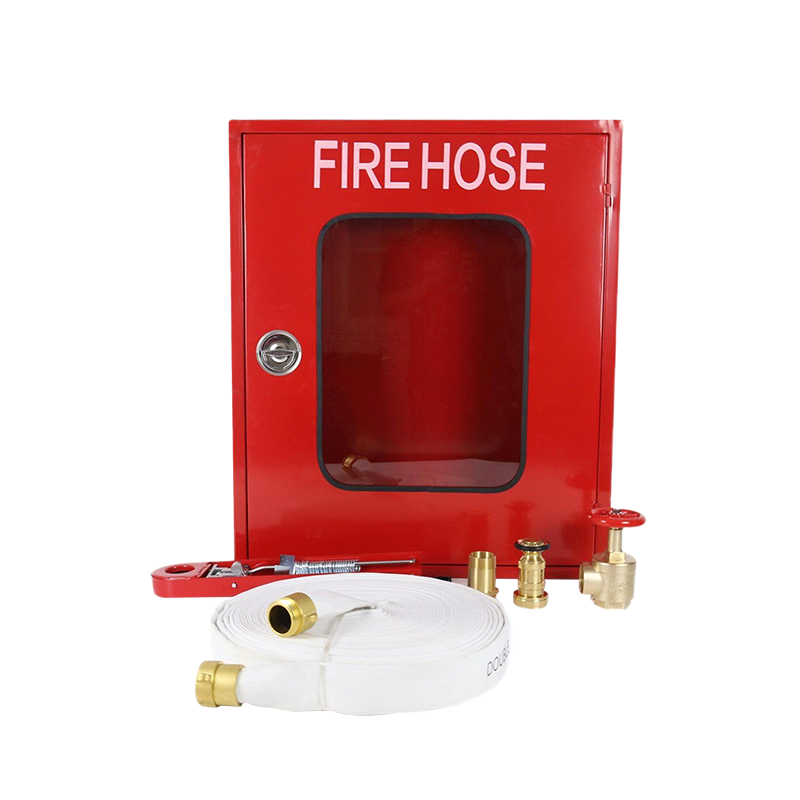
Fire cabinets are designed to accommodate fire hose,valve and other firefighting equipment. Type 201...
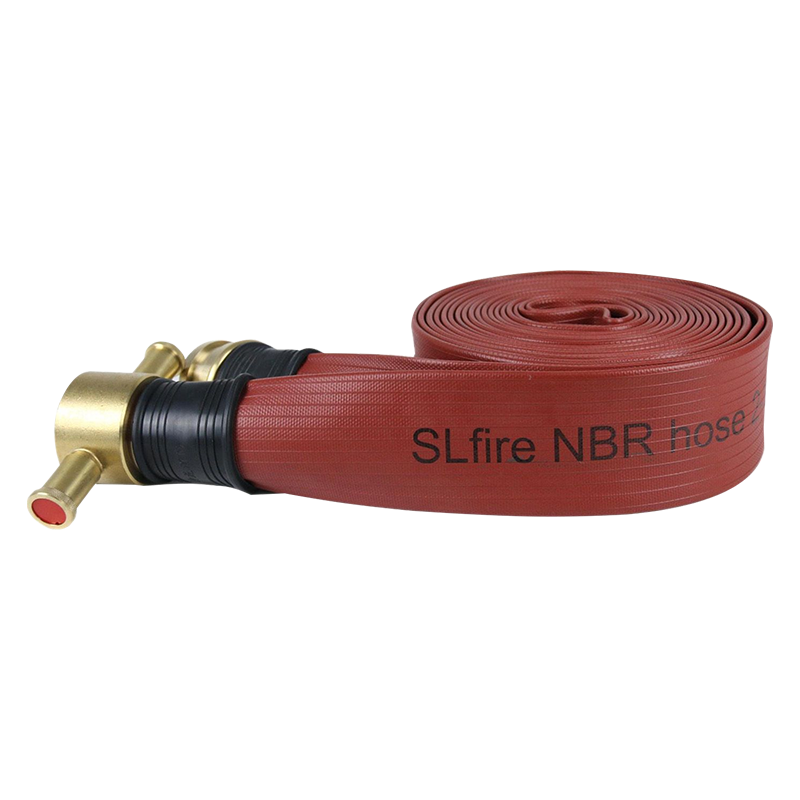
Nitrile covered hose •Nitrile/TPR blend as cover and lining, with 100% high-tenacity polyester yarn ...
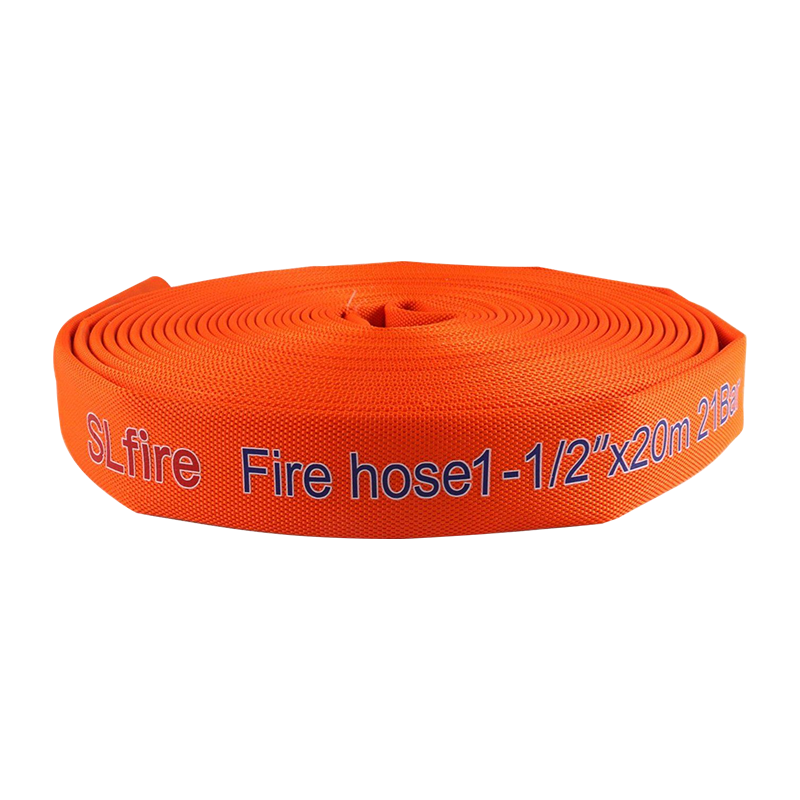
Single jacket, TPU liner •High-tenacity polyester yarn, circular woven in twill weave, TPU lining, f...
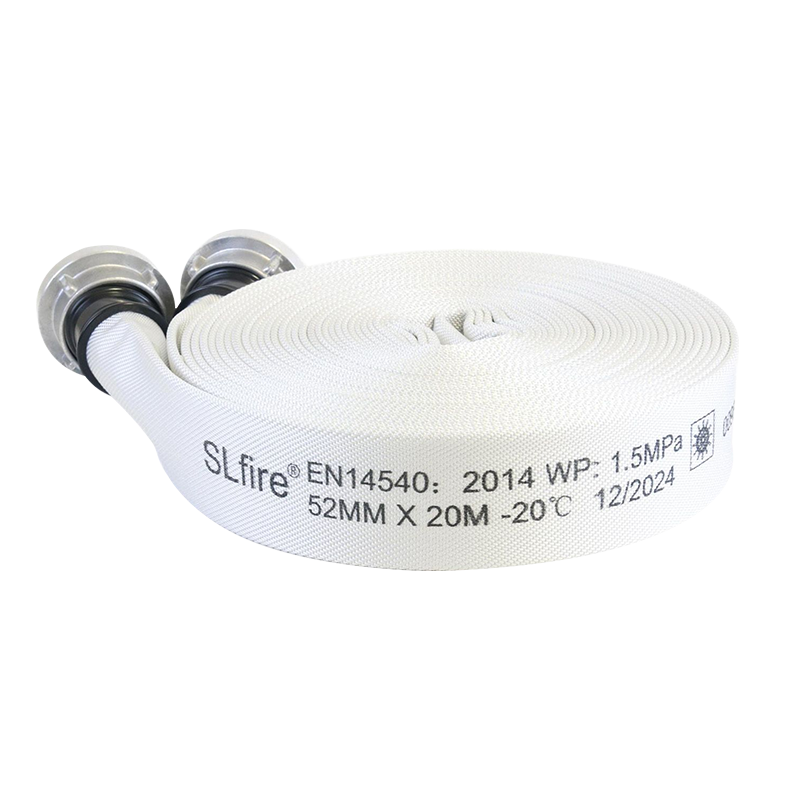
Marine hose Single jacket, PVC liner •100% high tenacity polyester yarn, circular woven in twill wea...
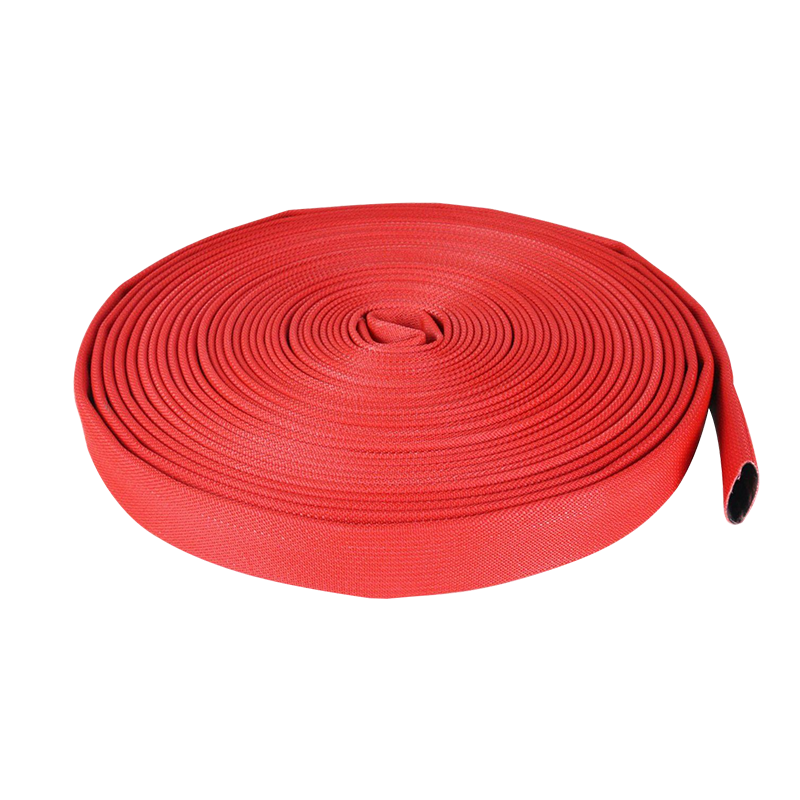
Marine hose Single jacket, PVC liner, PU coated •100% high tenacity polyester yarn,c ircular woven i...
 Call Us
+86 159-5116-9511
Need Support
Head Office
No.58, Kechuang Road, Sixiang Street Medicine Gaoxin District Taizhou City, Jiangsu Province

During a routine service test, a 200-foot attack line fails at 150 psi. The outer jacket looks fine. The problem is inside: a small delamination in the liner has pinched the bore and reduced the flow...
Copyright © Taizhou Shenlong Fire Science and Technology Co., Ltd. All Rights Reserved.
 Fire Hose Manufacturers, Fire Hydrant Hose Factory