

 English
 русский
 Español
 Deutsch
 عربى
عربى Français
 Português
Don't hesitate to send a message
Single jacket, EPDM rubber liner Features • 100% high tenacity polyester jacket, high-grade EPDM rub...
Content
Fire hose nozzles are among the most critical pieces of equipment in any firefighting operation. They are the final control point between the water supply system and the fire, and the nozzle's design directly determines stream reach, flow rate, water pattern, reaction force on the operator, and the efficiency with which water is converted into fire suppression. Choosing the wrong nozzle type — or using a correctly specified nozzle incorrectly — reduces firefighting effectiveness, wastes water, and in tactical situations can endanger firefighters through inadequate reach or unmanageable reaction force. Whether you are equipping a structural fire department, a wildland fire brigade, an industrial fire suppression system, or a marine firefighting installation, understanding how fire hose nozzles work, what distinguishes the major types, and which specifications govern their selection is essential for making equipment decisions that genuinely improve operational capability.
A fire hose nozzle functions as a controlled flow restriction that converts the pressure energy in the water supply into velocity energy in the discharged stream. When water under pressure enters the nozzle body, it accelerates through a progressively narrowing flow passage — the nozzle's bore — and exits at high velocity through the tip. The relationship between inlet pressure, flow rate, and stream velocity follows Bernoulli's principle: for a given inlet pressure, a smaller nozzle orifice produces a higher-velocity, lower-flow stream with greater reach; a larger orifice produces higher flow at lower velocity with less reach but greater total water application. This fundamental trade-off between reach and flow rate — both of which matter in firefighting — is the hydraulic basis for understanding all nozzle design choices.
The reaction force experienced by a firefighter holding a charged hoseline and nozzle is the equal and opposite reaction to the momentum of the water leaving the nozzle — governed by Newton's third law. Higher flow rates and higher pressures produce greater reaction forces, which is why smooth bore nozzles at high flow rates require two-person operation or mechanical support, and why automatic nozzles designed to maintain constant pressure across a range of flow rates were developed specifically to manage reaction force within safe operational limits for single-operator use. Understanding reaction force is not a secondary consideration — it is directly linked to firefighter safety and the ability to advance a hoseline under fire conditions.
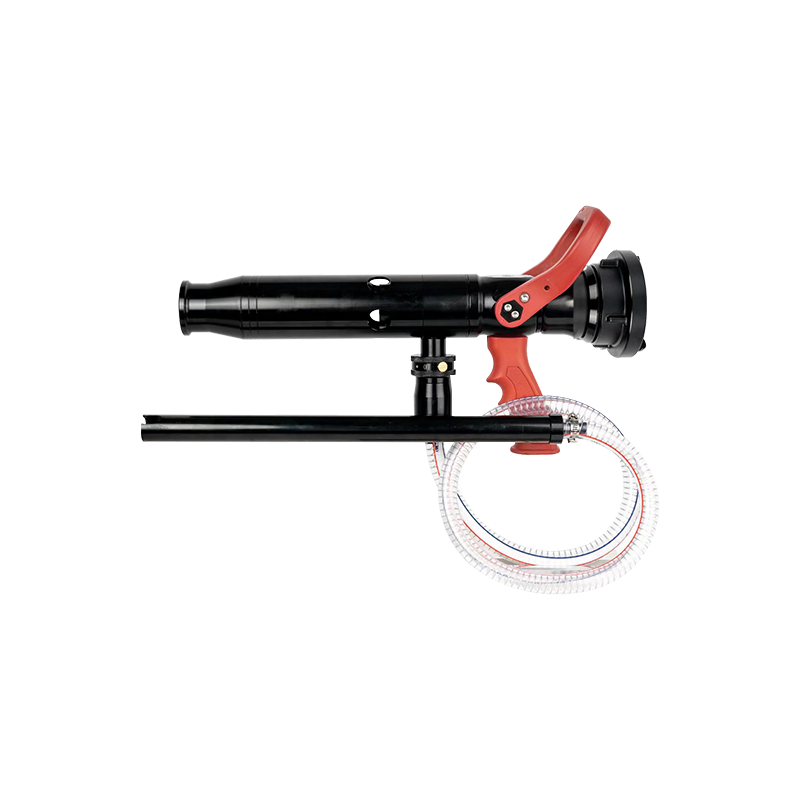
Fire hose nozzles divide into several principal types based on their flow pattern capability, flow rate control method, and intended application. Each type has specific performance advantages and operational contexts where it is the preferred choice.
The smooth bore nozzle — also called a solid bore or straight bore nozzle — produces a single, coherent cylindrical stream of water with no spray pattern modification. The nozzle body is essentially a smooth, tapered convergent passage ending in a precise circular orifice (the tip), and the stream produced is a solid, high-velocity column of water that achieves the greatest possible reach and penetrating power for a given inlet pressure and flow rate. The absence of internal baffles, deflectors, or spray-forming mechanisms means smooth bore nozzles have the lowest internal friction losses of any nozzle type, making them the most hydraulically efficient option for maximizing stream reach at a given operating pressure. They are the preferred choice for structural fire attack requiring deep stream penetration, long-reach exterior operations, and large-diameter supply operations where maximum flow at manageable pressure is the priority. Smooth bore tips are available in standard diameters from 15 mm to 50 mm, with each diameter producing a defined flow rate at a standard operating pressure (typically 2.8 bar / 40 psi for hand lines and 4.8 bar / 70 psi for monitor/deck gun applications).
Combination nozzles — commonly called fog nozzles — produce both a straight stream and a variable spray pattern from the same unit through an internal deflector mechanism that is adjusted by rotating the barrel. The spray pattern range typically covers straight stream, narrow fog (15 to 30-degree cone), wide fog (60 to 90-degree cone), and in some designs a full 180-degree protective curtain pattern. The wide fog pattern dramatically increases the surface area of water exposed to the fire's heat, enhancing heat absorption and steam production, which can suppress fire more rapidly than a straight stream in compartment fire conditions. However, fog patterns sacrifice stream reach and penetrating power, and using wide fog in outdoor or cross-ventilated conditions results in significant water droplet drift and reduced water delivery efficiency. Combination nozzles are the dominant type in structural firefighting for their operational versatility — a single nozzle handles interior attack, exterior exposure protection, and cooling operations without equipment change.
Automatic nozzles — also called constant pressure or self-adjusting nozzles — incorporate an internal spring-loaded mechanism that automatically adjusts the nozzle's effective orifice area as the incoming flow rate changes, maintaining a relatively constant operating pressure at the nozzle tip (typically 7 bar / 100 psi) across a defined flow rate range. This means a firefighter using an automatic nozzle experiences consistent reaction force and stream characteristics whether water flow is 200 liters per minute or 600 liters per minute — a significant operational advantage in situations where pump pressure is variable, where multiple lines are being operated simultaneously from the same pump, or where the water supply is uncertain. The constant pressure characteristic also makes automatic nozzles more forgiving of hydraulic calculation errors in complex hose lay scenarios. Their primary limitation is that because they maintain pressure rather than flow rate, the actual amount of water being applied to the fire is less transparent to the operator — the stream looks similar regardless of whether actual flow is at the low or high end of the nozzle's range.
Foam-compatible nozzles are combination or automatic nozzles modified to generate and maintain a stable foam blanket when used with Class A or Class B foam concentrates in the water supply. The nozzle's internal geometry — particularly the aeration characteristics of the spray pattern — determines how efficiently the foam concentrate is expanded into finished foam at the point of application. Low-expansion foam nozzles (expansion ratio up to 20:1) are used for flammable liquid suppression and structural fires where foam film must cover a burning liquid surface. Medium and high-expansion foam generators (expansion ratios up to 1,000:1) use purpose-designed aspirating nozzles that draw large volumes of air into the foam solution to create the light, voluminous foam blankets used for three-dimensional spill fires, aircraft hangar protection, and LNG facility suppression systems. The foam system specification — including the concentrate type, application rate, foam quality, and drainage time — must be matched to both the hazard being protected and the nozzle's performance characteristics.
When evaluating fire hose nozzles for procurement or operational deployment, comparing the following specifications across the nozzle types under consideration ensures the selected equipment meets the hydraulic and tactical requirements of the specific application.
| Parameter | Smooth Bore | Combination (Fog) | Automatic |
| Operating Pressure (typical) | 2.8 – 4.8 bar | 5.5 – 8.5 bar | 7 bar (constant) |
| Stream Reach | Excellent | Good (straight), poor (wide fog) | Good |
| Pattern Versatility | Straight stream only | High (straight to full fog) | High (straight to full fog) |
| Reaction Force | High (flow-dependent) | Moderate | Consistent (pressure-controlled) |
| Flow Rate Control | Fixed by tip diameter | Fixed or selectable | Variable (automatic) |
| Penetration Power | Maximum | Good (straight stream) | Good |
| Maintenance Complexity | Minimal | Low to moderate | Moderate (spring mechanism) |
The correct nozzle type for any fire suppression application is determined by the fire hazard characteristics, the available water supply, the tactical approach required, and the physical constraints of the operating environment. The following guidance covers the most common application categories and the nozzle specifications most appropriate for each.
Interior structural fire attack with 38 mm or 45 mm hose lines benefits from combination or automatic nozzles with adjustable flow between 200 and 500 liters per minute, allowing the crew leader to match water application rate to the specific fire load and ventilation conditions encountered in the structure. The ability to shift rapidly between straight stream for ceiling-level attack and wide fog for compartment cooling without changing equipment is operationally critical in the dynamic interior firefighting environment. Large-diameter supply lines (65 mm or larger) feeding master streams, aerial monitors, or deck guns require smooth bore nozzles with large-diameter tips (35 to 50 mm) to maximize flow rate and stream reach for exterior defensive operations or large-area suppression.
Wildland fire operations prioritize water conservation and operational agility over high flow rates — firefighters often work with limited water supply from tank trucks and must make every liter count. Wildland nozzles are typically pistol-grip or ball-valve designs with narrow cone fog patterns (15 to 30 degrees) that maximize heat absorption per liter of water applied without generating the wide fog patterns that would create excessive steam and obscure visibility on the fire line. Adjustable flow rates between 30 and 120 liters per minute are typical for wildland hand lines. The nozzle body must be lightweight (aluminum or engineering polymer construction) and resistant to brief contact with burning debris. Bark-and-ember washdown nozzles with high-velocity straight stream capability are used for structure protection in defensible space operations where burning material must be displaced from structural surfaces.
Fixed and semi-fixed industrial fire protection systems — monitor nozzles on tank farm fire protection systems, cooling water deluge nozzles on process vessel protection systems, and portable monitor nozzles used by industrial fire brigades — require nozzles with precise, certified flow rates and pattern characteristics documented to the installation design standard. Monitor nozzles for industrial applications typically range from 1,000 to 10,000 liters per minute, with controlled throw distances of 50 to 100 meters for large tank farm protection. Oscillating monitor nozzles — which rotate automatically to cover a defined arc — are used on unattended or remotely activated systems. All industrial nozzles must be specified, tested, and maintained in accordance with the applicable fire protection standard (NFPA 15, EN 15543, or equivalent) to maintain system approval and insurance coverage validity.
Marine fire hose nozzles are specified to international maritime standards — primarily SOLAS (Safety of Life at Sea) and the requirements of the International Fire Safety Systems Code (FSS Code) — which define minimum flow rates, jet throw distances, and spray pattern requirements for shipboard firefighting equipment. Marine nozzles must function reliably in saltwater service (both for using seawater as a firefighting medium and in the corrosive salt-air shipboard environment), meet requirements for on-deck jet reach for boundary cooling, and be compatible with the combination spray/jet pattern needed for machinery space and accommodation fire attack. Stainless steel or marine-grade bronze construction is standard for all nozzle components in marine service.
Most modern fire hose nozzles incorporate an integrated shut-off valve — either a ball valve mechanism operated by a pistol-grip lever, or a sliding barrel control — that allows the firefighter to stop and start water flow without signaling the pump operator to reduce pressure. This feature is essential for conserving water during repositioning, preventing water hammer when flow is suddenly stopped in high-pressure systems, and providing the crew with tactical control over water application without external coordination. The shut-off valve's operating force — the pressure required to close or open the valve against the full line pressure — must be within the safe manual operating range for a single firefighter. Maximum operating forces are defined in EN 671, NFPA 1964, and other applicable nozzle standards, with typical maximum values of 100 to 150 N for hand-held nozzles.
Flow rate selection — distinct from shut-off — allows the operator to choose between two or more preset flow rate settings without changing nozzle tip size. Multi-flow nozzles with selectable settings (for example, 250/375/500 liters per minute for a combination attack nozzle) provide operational flexibility without requiring multiple nozzles on the apparatus. The flow selection mechanism must be positive and clearly indexed to prevent ambiguity about the selected setting under the stress of active fire conditions.
Fire hose nozzles are subject to demanding physical conditions — temperature extremes, mechanical impact, corrosive environments, and the cyclical hydraulic stress of repeated pressurization and depressurization — that require robust materials and construction standards to ensure reliable service life. The following material and maintenance considerations apply across all nozzle types.
Fire hose nozzles used in organized fire suppression operations must comply with the applicable national or international performance standards that define minimum flow rates, pressure ratings, pattern characteristics, operating forces, and durability requirements for the specific application category. Purchasing non-certified nozzles — even if they appear visually identical to certified equivalents — creates equipment liability risk, may void fire protection system approval, and most importantly may result in equipment that fails to deliver the performance the operator depends on in a life-safety situation.
Key standards governing fire hose nozzles include NFPA 1964 (Standard for Spray Nozzles) and NFPA 1 in the United States; EN 671-1 and EN 671-2 in Europe covering fixed fire hose systems and semi-rigid hose reel systems respectively; AS/NZS 1221 in Australia and New Zealand; and ISO 7202 for foam concentrate compatibility testing of foam-type nozzles. Ensure that any nozzle purchased for professional firefighting use carries third-party certification to the applicable standard from an accredited testing laboratory — not merely a manufacturer's declaration of conformity — and that the certification documentation is current and covers the specific model and variant being procured.
Fire hose nozzles represent a small fraction of total fire department equipment expenditure but an outsized proportion of operational firefighting capability. The investment in understanding the hydraulic principles governing nozzle performance, specifying the correct type and rating for each application, maintaining equipment to the manufacturer's requirements, and replacing worn or damaged nozzles on schedule rather than extending service life based on visual appearance pays dividends in consistent, reliable water delivery at every incident where the equipment is deployed.
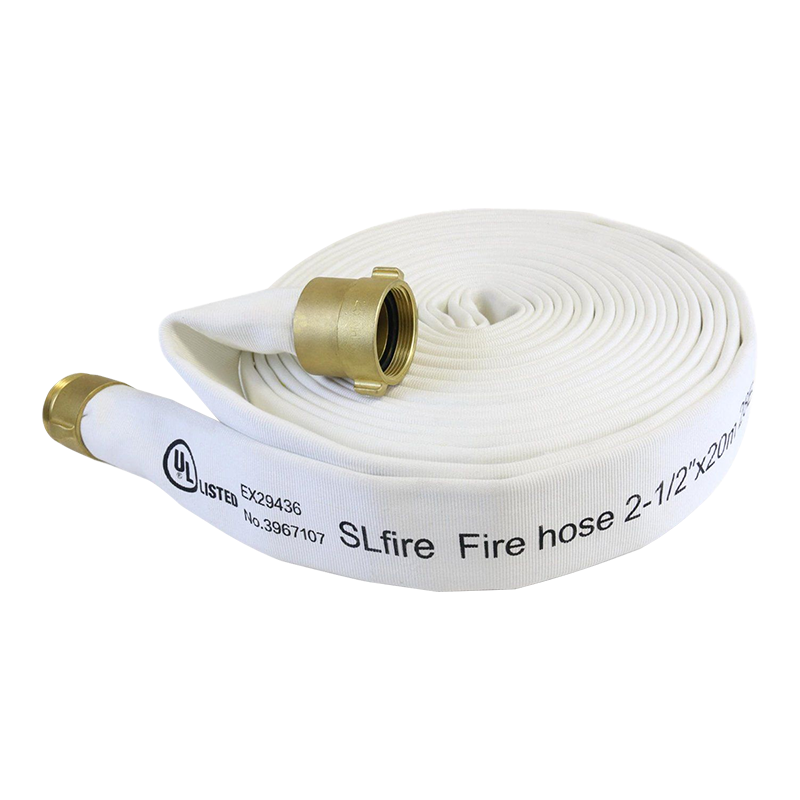
Single jacket, EPDM rubber liner Features • 100% high tenacity polyester jacket, high-grade EPDM rub...
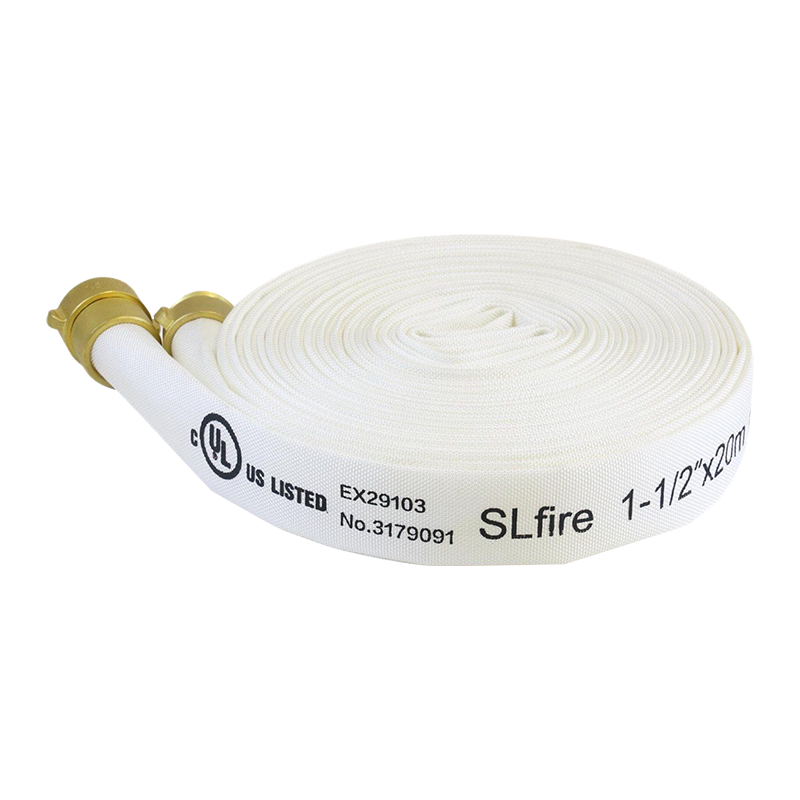
Single jacket, TPU liner •High-tenacity polyester yarn, circular woven in twill weave/plain weave,T ...
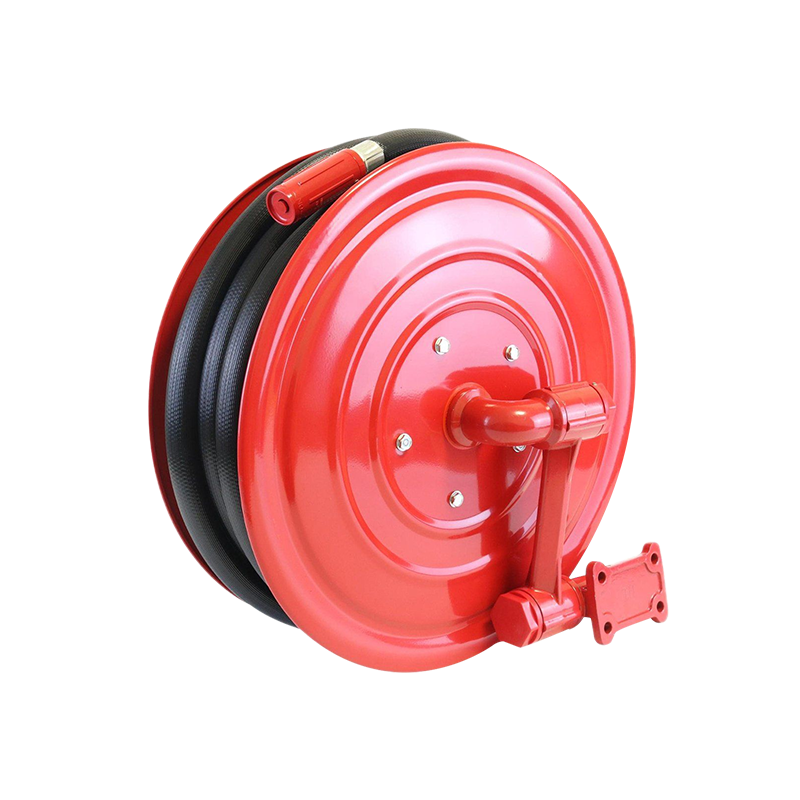
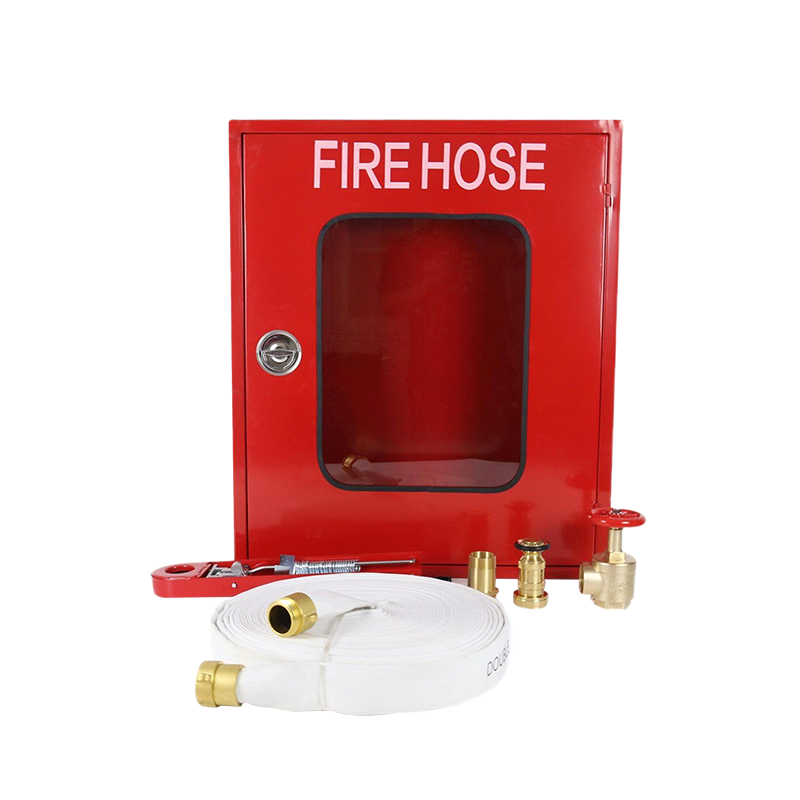
Fire cabinets are designed to accommodate fire hose,valve and other firefighting equipment. Type 201...
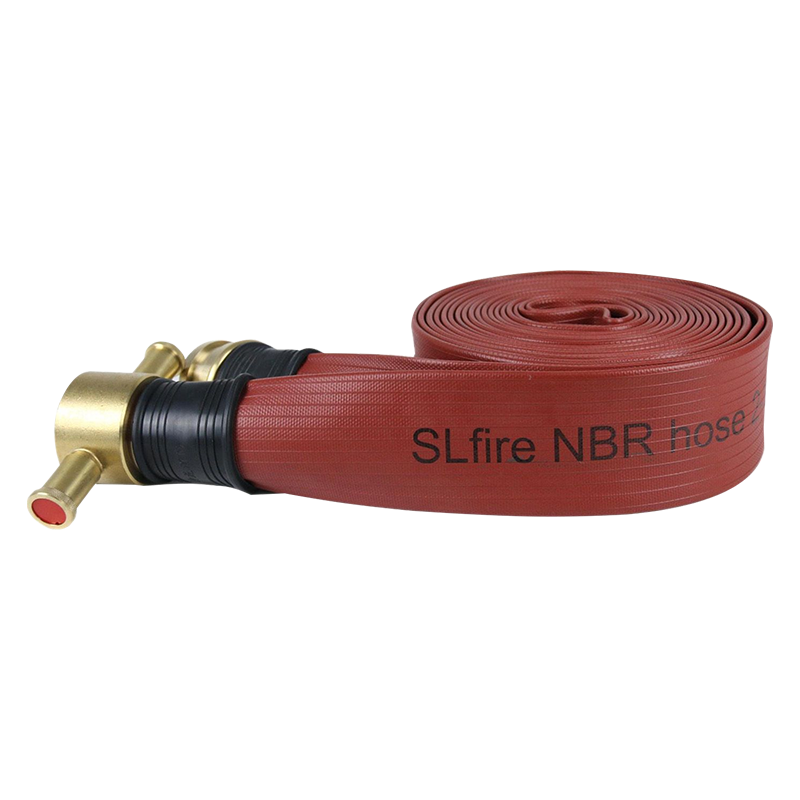
Nitrile covered hose •Nitrile/TPR blend as cover and lining, with 100% high-tenacity polyester yarn ...
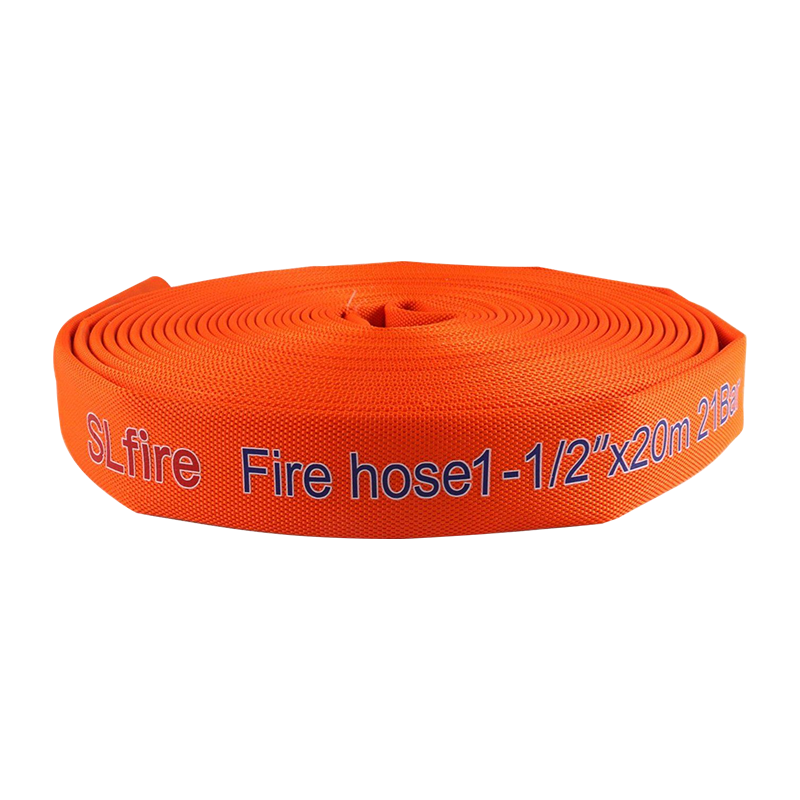
Single jacket, TPU liner •High-tenacity polyester yarn, circular woven in twill weave, TPU lining, f...
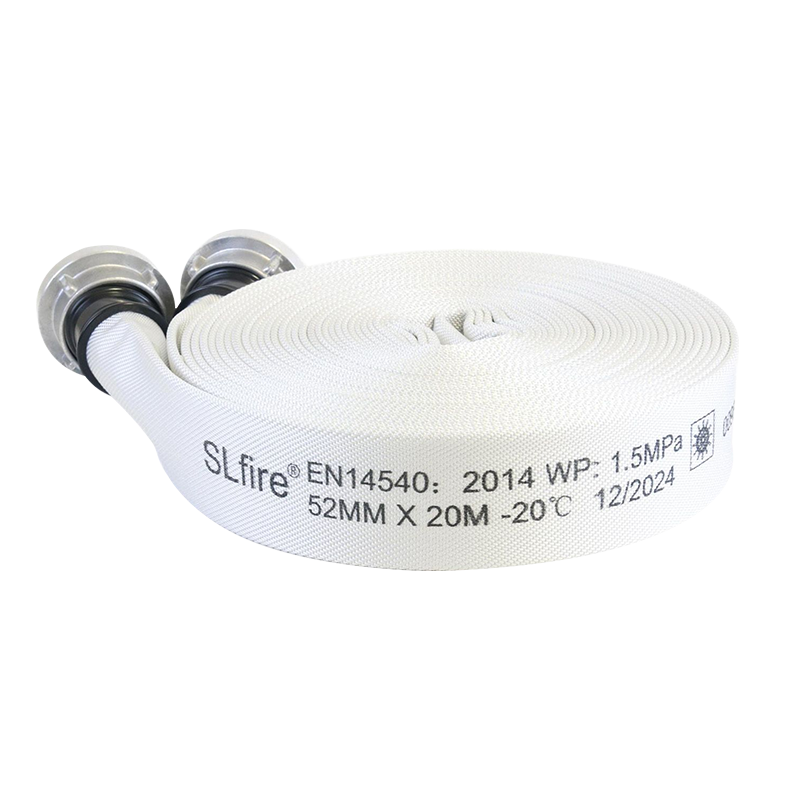
Marine hose Single jacket, PVC liner •100% high tenacity polyester yarn, circular woven in twill wea...
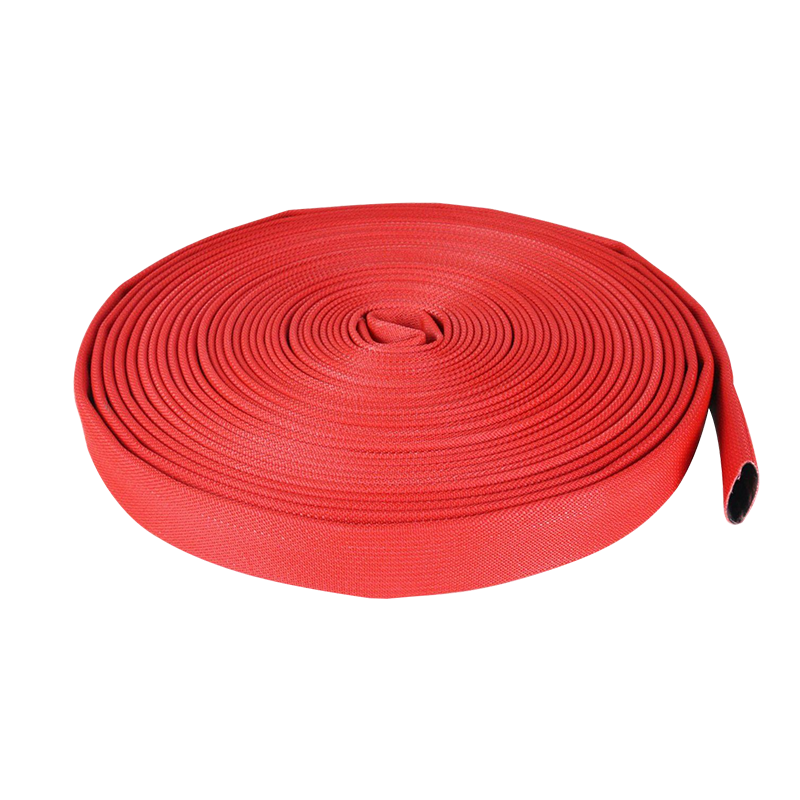
Marine hose Single jacket, PVC liner, PU coated •100% high tenacity polyester yarn,c ircular woven i...
 Call Us
+86 159-5116-9511
Need Support
Head Office
No.58, Kechuang Road, Sixiang Street Medicine Gaoxin District Taizhou City, Jiangsu Province

During a routine service test, a 200-foot attack line fails at 150 psi. The outer jacket looks fine. The problem is inside: a small delamination in the liner has pinched the bore and reduced the flow...
Copyright © Taizhou Shenlong Fire Science and Technology Co., Ltd. All Rights Reserved.
 Fire Hose Manufacturers, Fire Hydrant Hose Factory