

 English
 русский
 Español
 Deutsch
 عربى
عربى Français
 Português
Don't hesitate to send a message
Single jacket, EPDM rubber liner Features • 100% high tenacity polyester jacket, high-grade EPDM rub...
Content
Industrial hoses play a crucial role in delivering water and other fluids in various applications. Among them, mill hoses and fire hoses are two commonly used types, but they serve distinct purposes. Understanding their construction, applications, and performance characteristics is essential for industries ranging from manufacturing to firefighting. This article provides a comprehensive comparison to help users make informed choices for their specific needs.
Mill hoses are heavy-duty hoses designed primarily for water discharge and wash-down operations in industrial environments. They are commonly used in steel mills, paper mills, chemical plants, and other facilities where high-pressure water delivery is required. Their robust construction allows them to handle high pressures, abrasive materials, and frequent usage.
Mill hoses are typically made with a flexible synthetic rubber tube, reinforced with high-tensile textile plies or steel wire braids to withstand high-pressure operations. The outer layer is resistant to abrasion, weather, and chemical exposure. They often come in various diameters and lengths to meet industrial requirements.
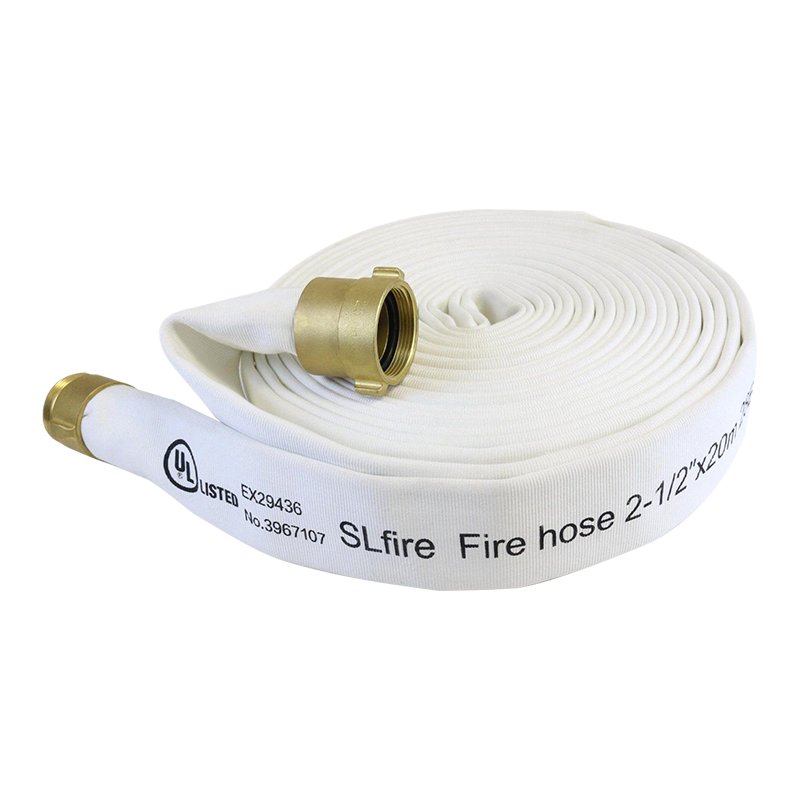
Fire hoses are specialized hoses designed to deliver water or fire retardant materials at high pressure to extinguish fires. They are widely used by fire departments, industrial safety teams, and emergency response units. Fire hoses prioritize rapid deployment, flexibility, and durability under extreme heat and pressure conditions.
Fire hoses are generally made from a synthetic rubber or thermoplastic inner tube, surrounded by a woven textile jacket, often made of polyester or cotton-polyester blends. This construction ensures strength, flexibility, and resistance to abrasion. Some fire hoses also include additional coatings for heat and chemical resistance.
Although mill hoses and fire hoses may appear similar at first glance, they are designed for different purposes and performance requirements. The following table highlights the key differences:
| Feature | Mill Hose | Fire Hose |
| Primary Use | Water discharge, wash-down, industrial fluid transfer | Firefighting, emergency water delivery |
| Construction | Synthetic rubber tube with textile or wire reinforcement | Rubber or thermoplastic tube with woven textile jacket |
| Pressure Rating | High; designed for continuous industrial water pressure | Very high; designed for intermittent high-pressure bursts |
| Temperature Resistance | Moderate; suited for normal industrial conditions | High; resistant to heat and flames during firefighting |
| Flexibility | Moderate; designed for long-term hose placement | High; easy to maneuver and deploy quickly |
| Cost | Generally lower; industrial grade | Higher; specialized firefighting grade |
| Lifespan | Long; can handle continuous use in industrial settings | Moderate; designed for emergency use, requires inspection |
Selecting between a mill hose and a fire hose depends on your operational requirements, environmental conditions, and safety considerations. Here are practical guidelines:
If your primary need is continuous water discharge for industrial processes, cleaning, or cooling, a mill hose is most appropriate. For fire safety, emergency water transfer, or high-pressure firefighting, a fire hose is required.
Ensure the hose selected can withstand the required pressure. Mill hoses are rated for continuous high-pressure use, while fire hoses are designed for intermittent high-pressure bursts. Consider temperature exposure as well; fire hoses are built to resist heat and flames.
Mill hoses are often permanently installed in industrial facilities and require routine inspection for wear and abrasion. Fire hoses should be regularly inspected, tested, and replaced according to safety standards to ensure readiness in emergencies.
Mill hoses are typically less expensive and designed for long-term industrial use. Fire hoses are a higher-cost investment due to specialized construction and regulatory compliance. Consider total cost versus performance and safety benefits.
Mill hoses and fire hoses serve distinct roles in industrial and emergency applications. While mill hoses excel in continuous industrial water delivery and wash-down operations, fire hoses are designed for firefighting and emergency water supply, with higher flexibility, heat resistance, and rapid deployment. Understanding their differences in construction, pressure ratings, flexibility, and cost helps industries and safety teams make informed choices, ensuring both operational efficiency and safety compliance.
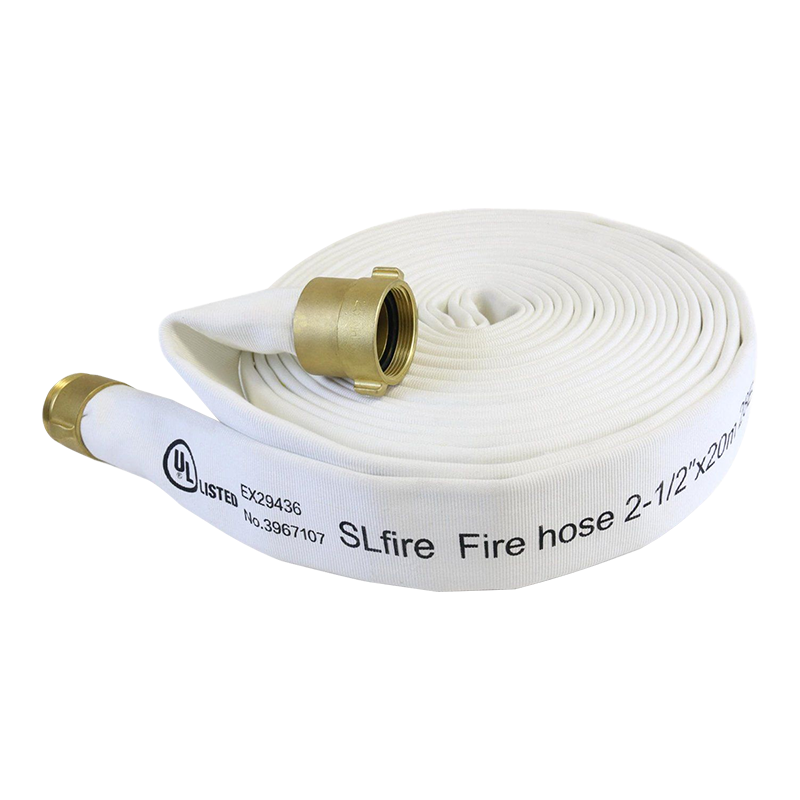
Single jacket, EPDM rubber liner Features • 100% high tenacity polyester jacket, high-grade EPDM rub...
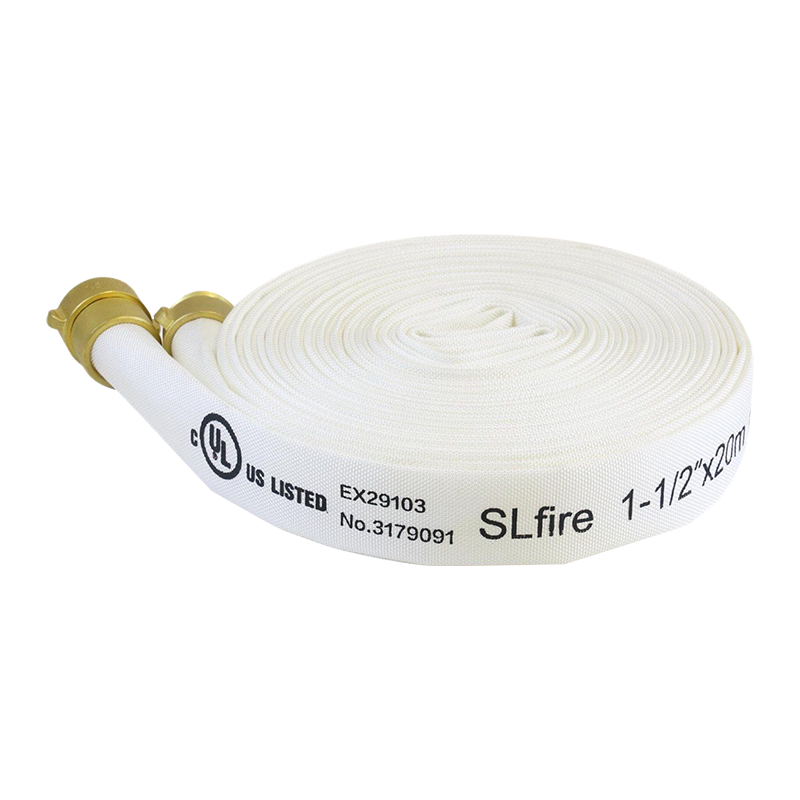
Single jacket, TPU liner •High-tenacity polyester yarn, circular woven in twill weave/plain weave,T ...
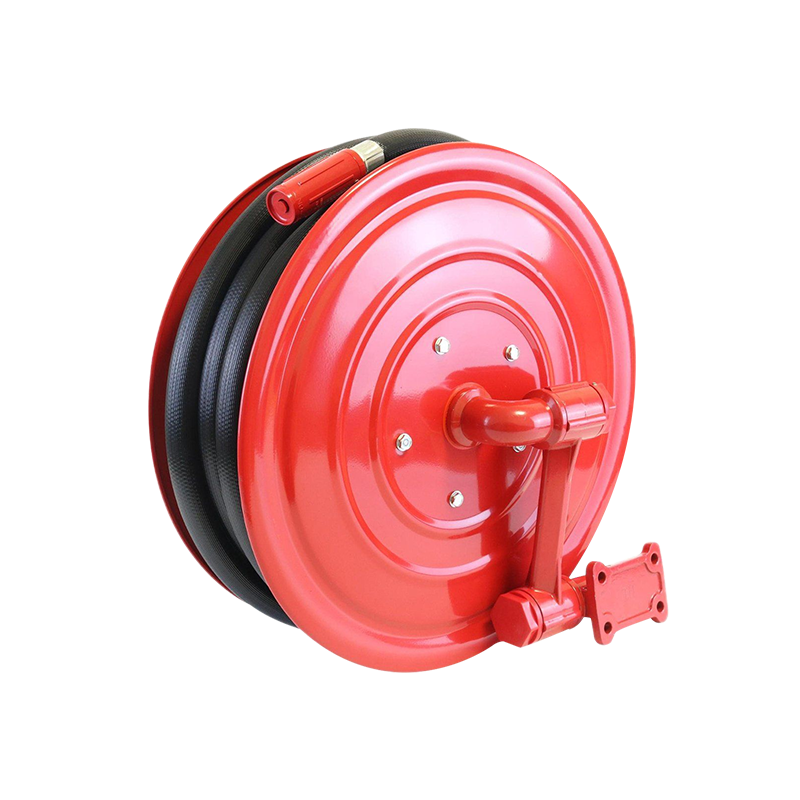
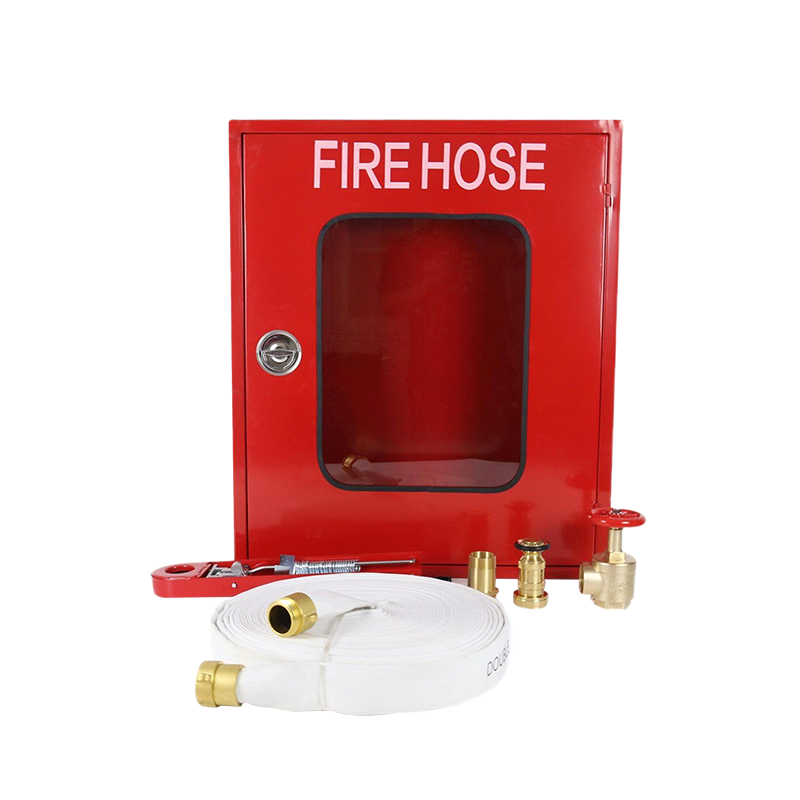
Fire cabinets are designed to accommodate fire hose,valve and other firefighting equipment. Type 201...
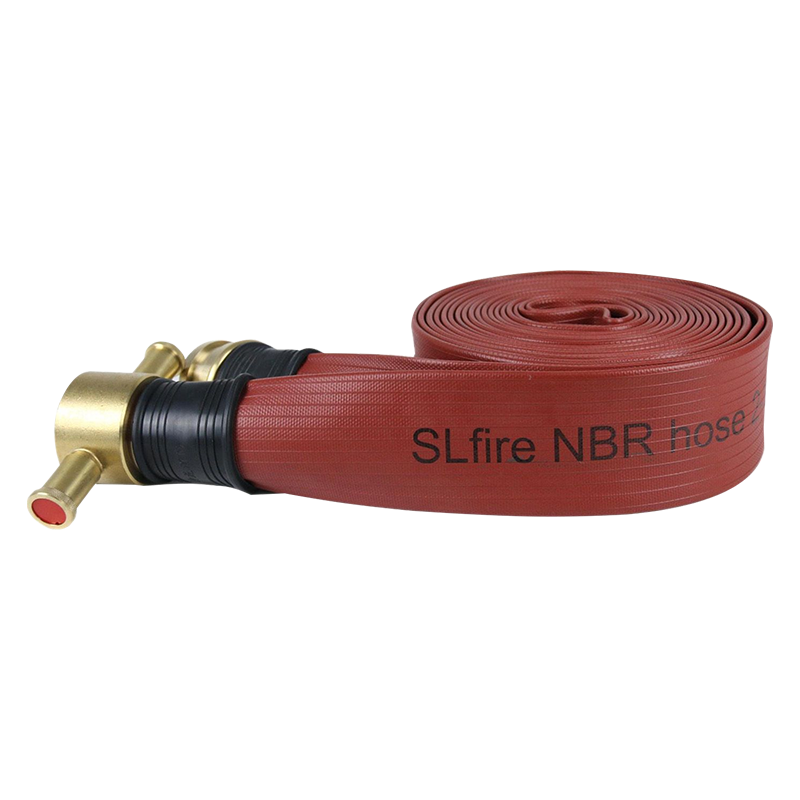
Nitrile covered hose •Nitrile/TPR blend as cover and lining, with 100% high-tenacity polyester yarn ...
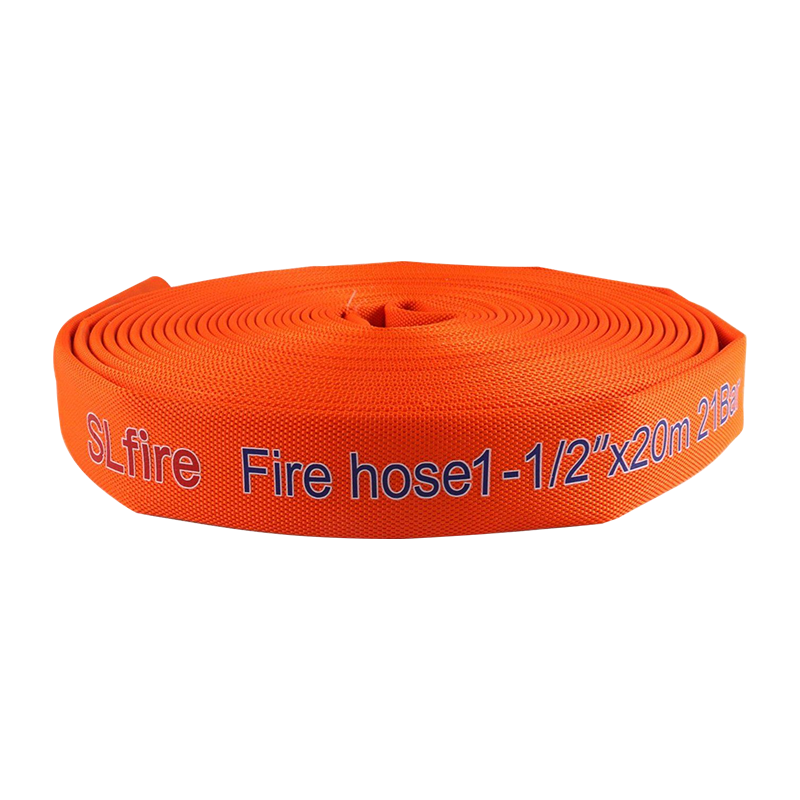
Single jacket, TPU liner •High-tenacity polyester yarn, circular woven in twill weave, TPU lining, f...
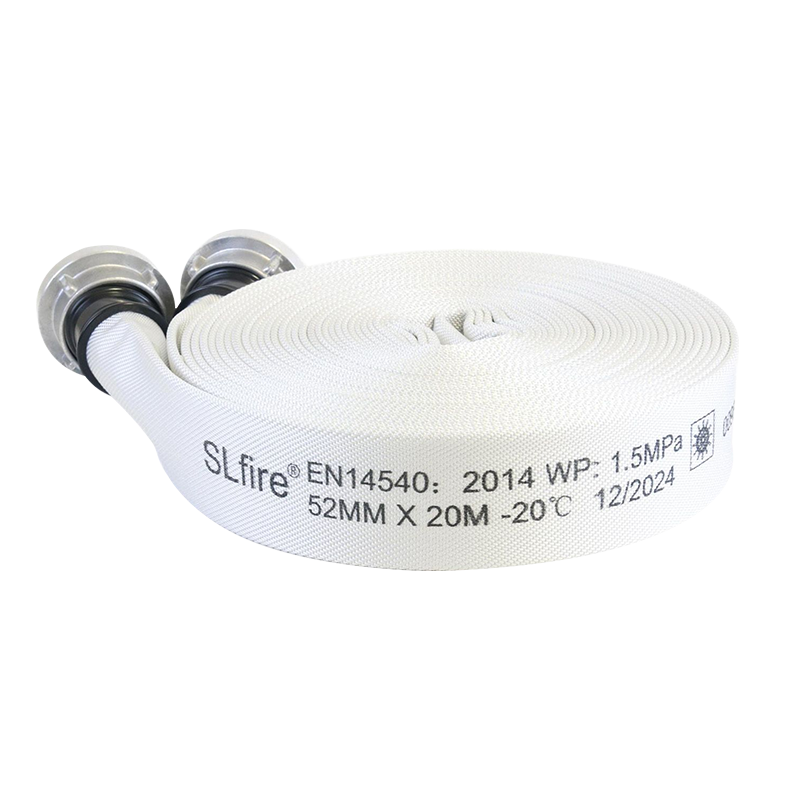
Marine hose Single jacket, PVC liner •100% high tenacity polyester yarn, circular woven in twill wea...
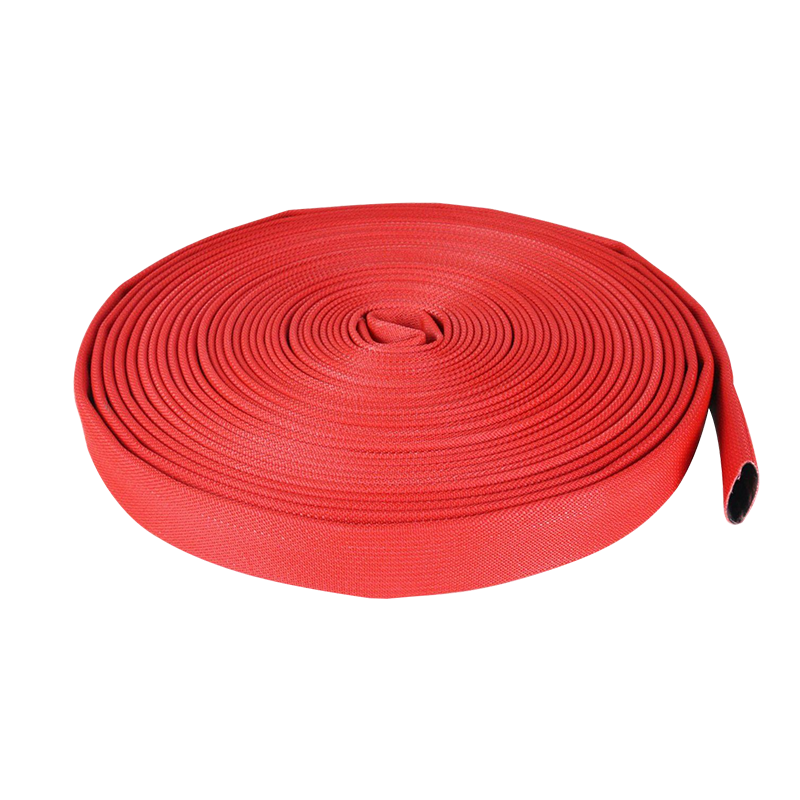
Marine hose Single jacket, PVC liner, PU coated •100% high tenacity polyester yarn,c ircular woven i...
 Call Us
+86 159-5116-9511
Need Support
Head Office
No.58, Kechuang Road, Sixiang Street Medicine Gaoxin District Taizhou City, Jiangsu Province

During a routine service test, a 200-foot attack line fails at 150 psi. The outer jacket looks fine. The problem is inside: a small delamination in the liner has pinched the bore and reduced the flow...
Copyright © Taizhou Shenlong Fire Science and Technology Co., Ltd. All Rights Reserved.
 Fire Hose Manufacturers, Fire Hydrant Hose Factory